Day Trips From Osaka: 13 Easy Trips by Train, With Times, Fares and Passes
The best day trips from Osaka — Kyoto, Nara, Himeji, Kobe, Arima Onsen, Uji, Koyasan, Hiroshima and more — with train times, one-way fares, entry fees and winter hours checked for 2026–27, and which passes still make sense now that the JR Kansai Area Pass is gone.
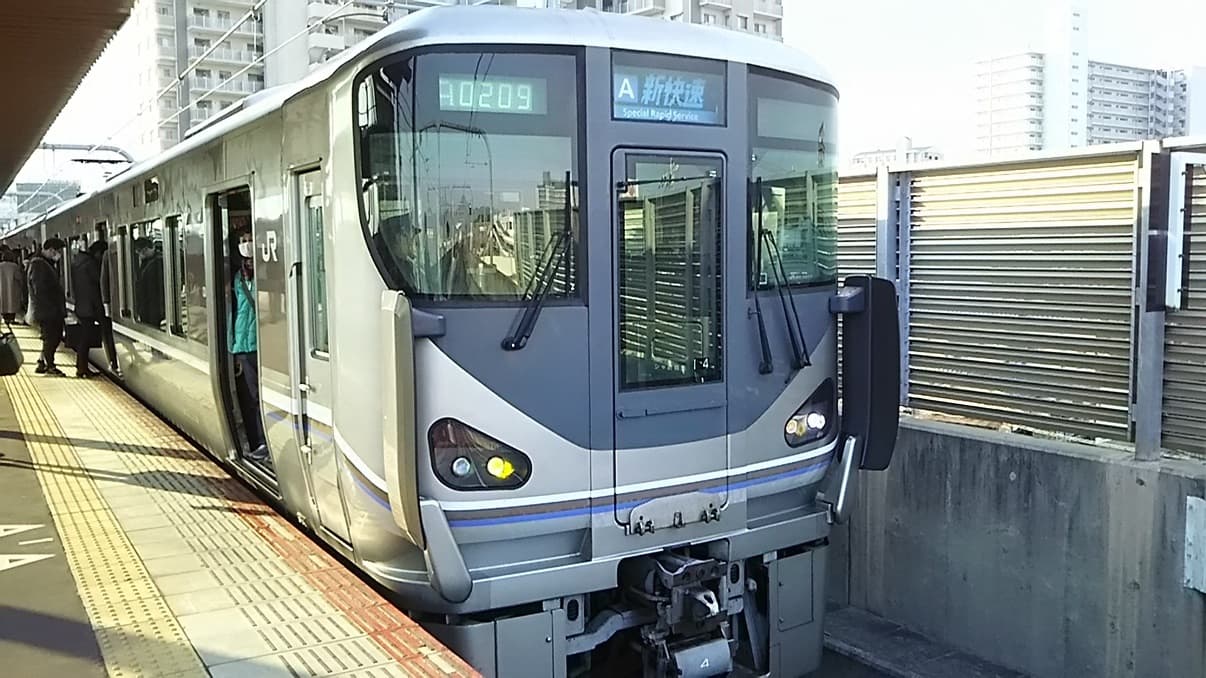
Osaka may be the best base in Japan for day trips. Kyoto is under 30 minutes away on a JR Special Rapid train, Nara about 40 minutes on Kintetsu, Kobe barely 20, and Himeji Castle half an hour from Shin-Osaka by Shinkansen.
So you can stay in one Osaka hotel and still visit most of the Kansai region's big sights — including several UNESCO World Heritage Sites — without changing rooms. Osaka day trips are also easy to plan: most need no reservation, just an IC card. For first-time visitors, the best day trips from Osaka are Kyoto, Nara and Himeji; Kobe, Arima Onsen, Uji and Koyasan come next, and Hiroshima, Okayama and Kinosaki Onsen work as long days. This guide covers how to reach each place, what a realistic day looks like, what it costs and which passes still save money in 2026–27 — the JR Kansai Area Pass stopped being sold on September 30, 2026. Times, fares and fees were checked on October 7, 2026.
Quick Answer: The Best Day Trips From Osaka
- First trip: Kyoto (28 minutes, ¥580), Nara (35–40 minutes, ¥680) and Himeji Castle (about an hour, ¥1,460; castle ¥2,500).
- Easiest half day: Kobe — 21 minutes and ¥420 on the JR Special Rapid.
- Hot springs: Arima Onsen in about an hour (baths from ¥550 on weekdays), or Kinosaki Onsen as a long day.
- Long but worth it: Koyasan's temple town and Hiroshima with Miyajima.
- Passes: the JR Kansai Area Pass is gone; for most single trips an IC card is cheapest, and the Kansai WIDE (¥12,000) or Kansai-Hiroshima (¥17,000) passes pay off only for the longer trips.
Kyoto
28 min · ¥580
Nara
35–40 min · ¥680
Kobe
21 min · ¥420
Himeji
63 min · ¥1,460
The Best Osaka Day Trips at a Glance
Typical one-way trips on the most practical train, with adult fares paid by IC card or paper ticket. If it's under an hour, it's an easy day; if it's over two hours each way, you need an early start and a firm plan.
| Destination | Leave from | Time | One-way fare | Best for |
|---|---|---|---|---|
| Kyoto | Osaka (JR Special Rapid) | 28–29 min | ¥580 | Temples, shrines, old streets |
| Nara | Osaka-Namba (Kintetsu) | 35–40 min | ¥680 | Deer, the Great Buddha, Kasuga Taisha |
| Kobe | Osaka (JR Special Rapid) | 21 min | ¥420 | Kobe beef, the harbor, Kitano |
| Himeji | Osaka (JR Special Rapid) / Shin-Osaka (Shinkansen) | 63 min / 28–29 min | ¥1,460 / ¥3,220 | Japan’s finest original castle |
| Uji | Yodoyabashi (Keihan) | about 57 min | ¥490 | Byodo-in’s Phoenix Hall, matcha |
| Arima Onsen | Osaka (JR, subway, Kobe Electric Railway) | about 1 hr 7 min | ¥1,140 | Hot-spring baths |
| Minoh Falls | Osaka-umeda (Hankyu) | about 26 min + 40–50 min walk | ¥280 | A forest walk to a 33 m waterfall |
| Wakayama | Namba (Nankai) | about 58 min | ¥970 | Wakayama Castle, the cat stationmaster |
| Koyasan | Namba (Nankai + cable car) | about 1 hr 40 min – 2 hr | ¥1,430 (+¥1,100 limited express) | Temple town and the Okunoin cemetery |
| Okayama / Kurashiki | Shin-Osaka (Shinkansen) | 44–45 min (+17 min to Kurashiki) | ¥5,610 (+¥330) | Korakuen garden, Kurashiki canal |
| Hiroshima & Miyajima | Shin-Osaka (Shinkansen) | 1 hr 21–25 min | ¥9,890 | Peace Memorial Park, Miyajima |
| Ise | Osaka-Namba / Uehommachi (Kintetsu limited express) | about 1 hr 45–55 min | ¥3,510 | Ise Grand Shrine |
| Kinosaki Onsen | Osaka (Limited Express Konotori) | about 2 hr 40 min | ¥5,940 reserved | Seven public baths, crab in winter |
Fares are adult one-way; times are for a weekday in December 2026 and vary by train. Shinkansen fares are for non-reserved seats unless stated.
Osaka Station, Shin-Osaka or Namba? Get This Right First
This one catches people out all the time. Osaka Station, in Umeda, is the hub for JR commuter trains, including the Special Rapid services to Kyoto, Kobe and Himeji. Shin-Osaka Station, one stop north on the JR Kyoto Line, is where the Shinkansen stops; bullet trains never call at Osaka Station. If your day trip starts on a bullet train, go to Shin-Osaka Station.
Private railways add another layer. Kintetsu and Nankai trains leave from Namba in the south of the city (Kintetsu also from Uehommachi), Hankyu and Hanshin from Osaka-umeda, and Keihan from Yodoyabashi. You'll need them for Nara, Koyasan, Uji and Ise, and JR passes don't cover them. If most of your trips are on JR, stay near Osaka Station or Shin-Osaka Station; if Nara and Koyasan top your list, Namba is the ideal base. Travel time from your hotel to the right station matters more than people expect.
Kyoto Day Trip: Temples, Shrines and Japan's Old Capital
Kyoto was Japan's capital for over a thousand years, with so many temples and shrines that its historic monuments form one UNESCO World Heritage Site — and you won't see it all in a day trip. Nobody does. Take the JR Special Rapid from Osaka Station: 28–29 minutes to Kyoto Station, ¥580, no reservation needed (check the board says Special Rapid; locals take longer for the same fare). The Shinkansen from Shin-Osaka takes 12–15 minutes but costs ¥1,450. Hankyu (40–45 minutes, ¥410) and Keihan (about 50 minutes, ¥430) go into central Kyoto instead, which is handy for Gion.
Pick one or two areas and explore them properly. For the Arashiyama Bamboo Forest, Hankyu from Osaka-umeda with a change at Katsura takes about 49 minutes (¥410). For Fushimi Inari, which is extremely popular, Keihan from Yodoyabashi takes about 50 minutes (¥480); go early or keep climbing past the first gates. In the east, start at Kiyomizudera Temple first thing — its wooden stage has stunning views over the city — and walk down to Gion; in the north, pair Kinkaku-ji Temple with Ryoan-ji. Two areas is comfortable; three is a stretch. If you're visiting Kyoto without much background in its history, a half-day Kyoto tour with a local guide adds a lot. Our things to do in Kyoto guide has the fees and a three-day plan, and Kyoto in winter covers the cold-season openings.
From our Japan travel team
Kyoto's best-known temples are busiest during cherry blossom season in late March and early April, and again for the autumn leaves in November. Hotels in Osaka and Kyoto fill up fast in those weeks, and so do reserved Shinkansen seats, so it pays to start planning early. Our self-guided tours handle the bookings and support you through the trip, so feel free to get in touch if those dates are on your list.
Nara Day Trip: Deer and the Great Buddha
Nara was Japan's capital before Kyoto, and its main temples and shrines — another group of World Heritage Sites — sit in and around Nara Park, the city's famous deer park, where the adorable deer roam freely. In Shinto beliefs tied to Kasuga Taisha, they are messengers of the gods. The Kintetsu Nara Line from Osaka-Namba is the easy way: a rapid express takes 35–40 minutes (¥680), and Kintetsu Nara Station is a short walk from the park. The JR Yamatoji Line rapid from Osaka Station takes about 50 minutes (¥840) to JR Nara Station, a longer walk out, but JR passes cover it.
- Todai-ji Great Buddha Hall: ¥800 (¥1,200 with the museum), 8:00–17:00 from November to March.
- Kasuga Taisha: the grounds and lantern-lined approach are free; the special worship area is ¥700.
- Kofuku-ji: its National Treasure Museum is ¥900; the five-story pagoda is wrapped for restoration until March 2034.
- Deer crackers: sold around the park for a few hundred yen — buy them only when you're ready to hand them all out.
Half a day covers the park, Todai-ji and Kasuga Taisha. One closure to know: the Nara National Museum's Buddhist sculpture hall is shut until about spring 2028. More in our things to do in Nara guide.
Uji: Byodo-in and Matcha Country
Uji, between Kyoto and Nara, is home to Byodo-in, the Buddhist temple whose Phoenix Hall is on the ¥10 coin. Keihan from Yodoyabashi takes about 57 minutes with a change at Chushojima (¥490); JR via Kyoto takes 55–67 minutes (¥960). Byodo-in's garden and museum cost ¥700 (garden 8:45–17:30), and going inside the Phoenix Hall is ¥300 more, with timed tickets sold first come, first served from 9:10 — and since October 16, 2026 each session holds 35 people instead of 50, so go early. Its night viewing is suspended. Uji is matcha country: the city's Taiho-an tea house serves a bowl for ¥1,500 (closed December 21 to January 9).
Himeji Castle: Is the White Heron Castle Worth the Fee?
If you see one castle in Japan, make it Himeji, a UNESCO World Heritage Site and one of the most famous day trips from Osaka. The keep is original — Osaka Castle, by contrast, is a modern reconstruction with a museum inside — and its white plastered walls earned it the nickname White Heron Castle. The JR Special Rapid from Osaka Station takes about 63 minutes (¥1,460 — older guides still say ¥1,520, the fare before an April 2025 cut). The Shinkansen from Shin-Osaka takes 28–29 minutes (¥3,220 non-reserved). From Himeji Station, the castle is straight up the main avenue, a 15–20 minute walk; you can see it as soon as you leave Himeji Station's north exit.
Since March 1, 2026, adults (18 and over) pay ¥2,500 and under-18s go free; a combined ticket with Kokoen Garden next door costs ¥2,600. The castle is open 9:00–17:00 with last entry at 16:00, and closed December 29–30. The keep admits up to 1,000 people an hour, and timed digital tickets can be bought in advance. Is it worth it? For the steep wooden stairs, the view from the top and the scale of the whole complex, yes — allow two to three hours. The JR line back runs straight through Kobe, so stop there for dinner.
Kobe: Beef, the Harbor and Kitano
Kobe is the easiest of all the day trips from Osaka: 21 minutes from Osaka Station to Sannomiya on the JR Special Rapid (¥420), or about half an hour on Hankyu or Hanshin (¥330). It's a port city with mountains behind it, and it feels different from Osaka — less about temples and shrines, more about food, views and cool places to walk. Nankinmachi, the Chinatown near Motomachi Station, is the place for cheap street food.
- Kobe beef: the name can only be used for pure-bred Tajima cattle from Hyogo that reach the top meat-quality grades — under 0.2% of Japan's beef. A teppanyaki lunch set is usually better value than dinner.
- Kitano: the old foreign merchants' houses on the hillside; the Weathercock House is ¥500 (¥800 with the Moegi House), 9:00–17:00.
- Nunobiki Herb Gardens and ropeway: ¥2,500 return (¥3,300 in the Christmas season, November 7 to December 28). It closes for inspection from January 23 to February 19, 2027.
- Kobe Port Tower: ¥1,200 with the rooftop deck, open to 23:00 with timed tickets — the harbor is best at sunset.
In winter, the Kobe Luminarie light memorial runs from January 29 to February 7, 2027 — see our Kobe Luminarie guide.
Arima Onsen: Hot Springs an Hour Away
Arima, one of Japan's oldest and most famous hot-spring towns, sits in the hills behind Kobe — an easy half day trip, or add it to a Kobe day. By rail it takes about an hour from Osaka Station — JR to Sannomiya, the subway to Tanigami, then the Kobe Electric Railway — for about ¥1,140; there's also a direct highway bus from Osaka-umeda. The two public baths are the easy option:
- Kin-no-yu (the rust-brown "gold" water): ¥800, or ¥650 on weekdays outside busy periods; 8:00–22:00; closed the 2nd and 4th Tuesday and January 1.
- Gin-no-yu (clear "silver" water): ¥700, or ¥550 on weekdays; 9:00–21:00; closed the 1st and 3rd Tuesday and January 1.
- Both: a two-bath ticket costs ¥1,200.
Koya-san Day Trip: Kongobuji Temple, Okunoin and Mount Koya
Koyasan (Koya-san) is a mountaintop temple town founded in the 9th century by Kobo Daishi (Kukai), who brought Shingon Buddhism to Japan. More than 100 temples stand on a plateau about 800 meters up, and the town is part of a UNESCO World Heritage Site. As a Koya-san day trip it's long but rewarding. Take the Nankai Koya Line from Namba to Gokurakubashi, then the cable car (about 5 minutes) to Koyasan Station and a bus into town. The plain fare is ¥1,430 including the cable car; some rapid expresses run direct and take just under two hours to Koyasan Station.
In winter, plan around the trains. From December 1 to 29 and from January 4 to the end of February, only two direct Koya limited expresses run each day, leaving Namba at 10:00 and 13:30 (¥1,100 extra, all reserved). The newer GRAN Tenku sightseeing express, running since April 2026, takes about 90 minutes but doesn't run on Wednesdays or the 2nd and 4th Thursdays. Nankai's Koyasan World Heritage Ticket (¥4,210, or ¥5,200 with a limited express seat) covers the round trip, the cable car and two days of buses on the mountain.
- Okunoin: free — a 2 km path through cedar forest and moss-covered graves to Kobo Daishi's mausoleum.
- Kongobuji Temple: the head temple of Koyasan Shingon Buddhism, ¥1,000, 8:30–17:00 (last entry 16:30).
- Danjo Garan: the Konpon Daito pagoda and the Kondo are ¥500 each; a common ticket for five sites is ¥2,500.
Koyasan is cold and can be snowy in winter. If you can spare a night, stay at a temple — see our Koyasan temple stay guide.
Long Days: Hiroshima, Okayama and Kinosaki Onsen
Hiroshima and Miyajima
The Nozomi takes 1 hour 21–25 minutes from Shin-Osaka to Hiroshima (¥9,890 non-reserved each way). That's enough for the Peace Memorial Park and Museum, which tell the history of the first nuclear bomb used in war (¥200; 7:30–18:00 from December to February), and a ferry to Miyajima (¥200 plus a ¥100 visitor tax) if you catch an early train. For the fares, JR West's one-way Sanyo Shinkansen ticket for foreign visitors costs ¥7,900 each way, and the five-day Kansai-Hiroshima Area Pass ¥17,000. See our things to do in Hiroshima guide — and consider staying a night.
Okayama and Kurashiki
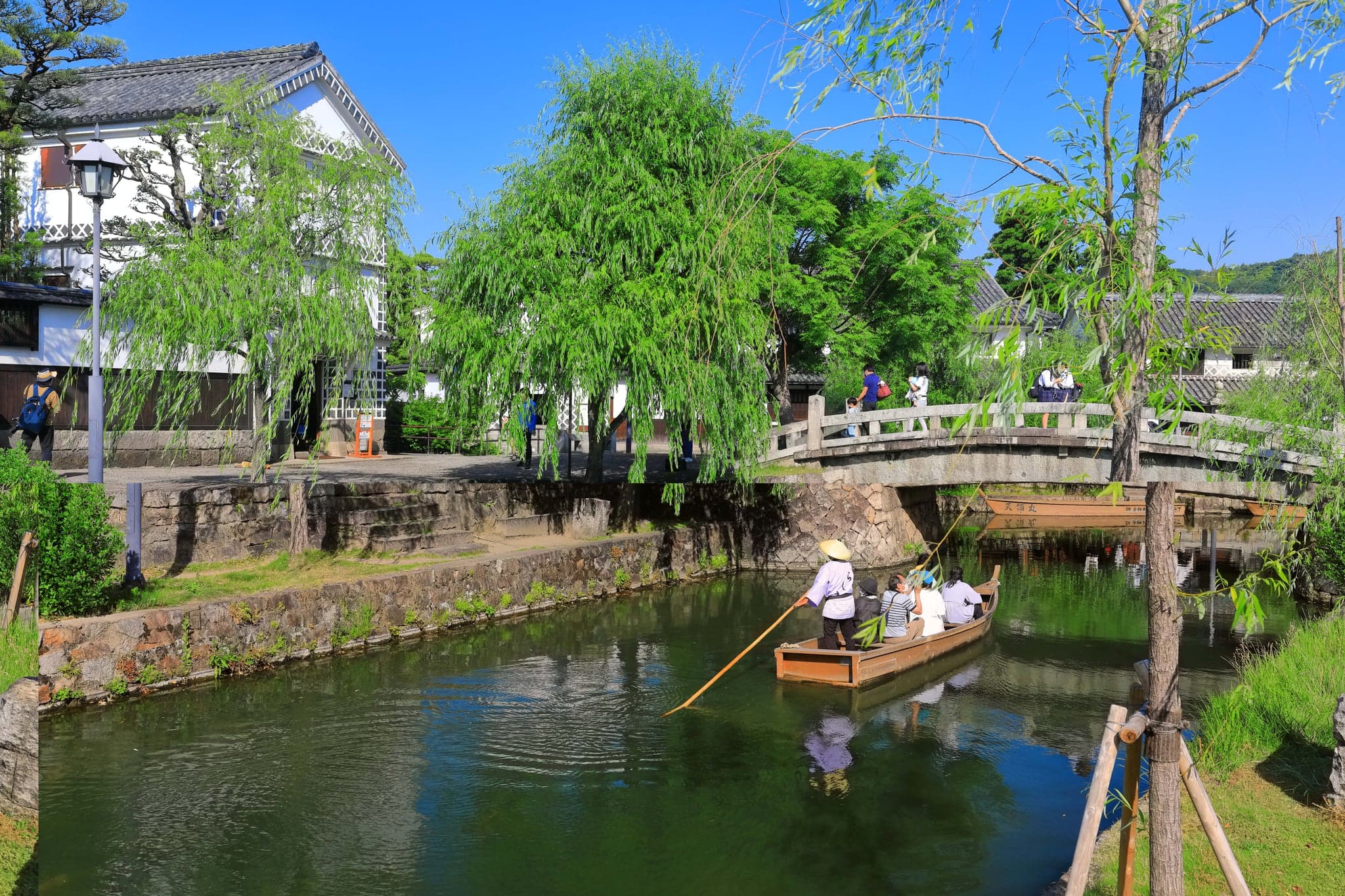
The Nozomi reaches Okayama in 44–45 minutes from Shin-Osaka (¥5,610 non-reserved; the foreign-visitor one-way ticket is ¥5,100). Korakuen, one of Japan's great gardens, costs ¥500 (8:00–17:00 from October to March; free for high-school age and under until March 2027). Then take the JR Sanyo Line 17 minutes to Kurashiki (¥330) for the white-walled storehouses and willow-lined canal of the Bikan Historical Quarter, about 15 minutes' walk from the station.
Kinosaki Onsen
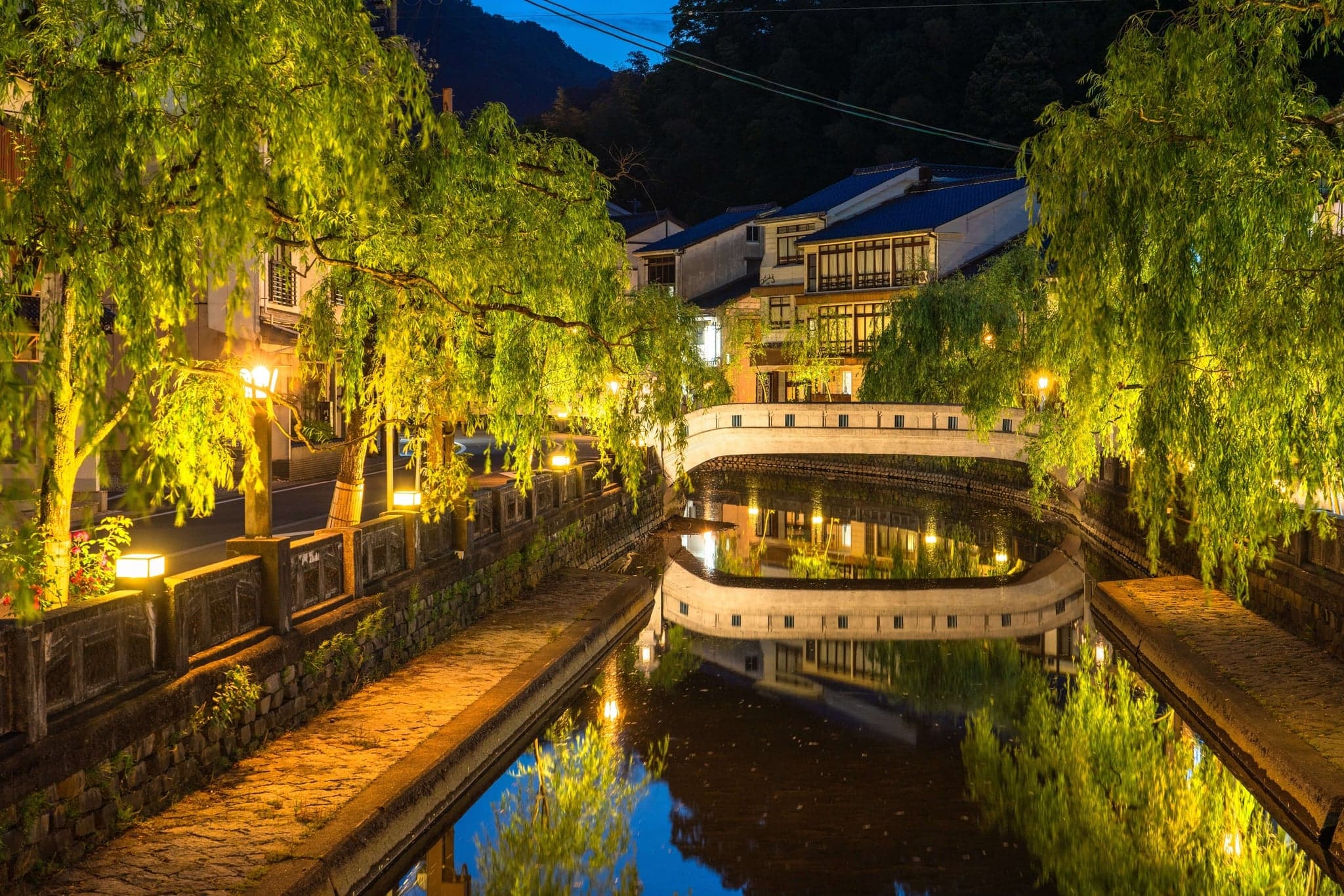
Kinosaki is a hot-spring town of seven public baths, best in winter, when the Matsuba crab season runs from early November to the end of March. The Limited Express Konotori takes about 2 hours 40 minutes from Osaka Station (¥5,940 with a reserved seat), so it's a long day; the Yumepa pass for all the baths costs ¥1,500. It's far better with a night in a ryokan — see our Kinosaki Onsen guide.
Easy Extras: Minoh Falls, Wakayama and Ise
A few more Osaka day trips for a second visit, or when you want a quieter city than Kyoto:
- Minoh Falls: Hankyu from Osaka-umeda to Minoo takes about 26 minutes (¥280), then it's a 40–50 minute walk up a forested valley to a 33-meter waterfall. Free — and a good half day when you need a break from temples.
- Wakayama: Nankai from Namba takes about 58 minutes (¥970). Wakayama Castle's keep costs ¥410 (9:00–17:30; closed December 9 and December 29–31, 2026). Cat fans can ride the Kishigawa Line 32 minutes (¥480) to Kishi Station, where the cat stationmaster Yontama is usually on duty from 10:00 to 16:00, except Wednesdays and Thursdays.
- Ise: the Kintetsu limited express from Osaka-Namba or Uehommachi takes about 1 hour 45–55 minutes to Ujiyamada (¥3,510 with the limited express charge). The Ise Grand Shrine is free to enter; visit the Outer Shrine first, then take the bus to the Inner Shrine. See our Ise Grand Shrine guide.
More Ideas: Lake Biwa, the Akashi Kaikyo Bridge and Naoshima, the Art Island
- Lake Biwa: Japan's largest lake, just northeast of Kyoto. Hikone Castle on its shore is one of only five castles designated a National Treasure — Himeji is another.
- Akashi Kaikyo Bridge: the huge suspension bridge to Awaji Island, a short walk from JR Maiko Station, makes an easy stop on the JR line between Kobe and Himeji.
- Naoshima, the art island: contemporary art museums on an island in the Seto Inland Sea, reached via Okayama and a ferry from Uno. It's possible as a very long day, but far better with a night; the main museums need advance booking and most close on Mondays.
Japan Rail Pass or Kansai Passes: What Still Saves Money in 2026–27
A nationwide Japan Rail Pass rarely pays off for day trips around Kansai — if you already have one for a wider trip, use it for Himeji, Okayama or Hiroshima, but don't buy one just for Osaka day trips (see is the JR Pass worth it). The big change this year: JR West stopped selling the Kansai Area Pass on September 30, 2026, and the Kansai Thru Pass is no longer among Surutto Kansai's products. What's on sale now:
| Pass or ticket | Adult price | What it covers |
|---|---|---|
| JR Kansai Area Pass | No longer sold (sales ended September 30, 2026) | Passes bought before then stay valid; don’t plan around it for winter |
| JR Kansai Mini Pass | 3 days ¥3,000 | JR rapid and local trains around Osaka, Kyoto, Kobe and Nara; no limited expresses or Shinkansen; Himeji not included; bought through a travel agency outside Japan |
| JR Kansai WIDE Area Pass | 5 days ¥12,000 | Includes the Sanyo Shinkansen from Shin-Osaka to Okayama and limited expresses to Kinosaki, Shirahama and Amanohashidate |
| JR Kansai-Hiroshima Area Pass | 5 days ¥17,000 | Includes the Sanyo Shinkansen to Hiroshima and the JR Miyajima ferry (the ¥100 visitor tax is extra) |
| Sanyo Shinkansen one-way ticket (foreign visitors) | ¥5,100 to Okayama/Kurashiki, ¥7,900 to Hiroshima | JR West’s one-way fare from Osaka for temporary visitors |
| KANSAI RAILWAY PASS LITE | 2 days ¥5,200, 3 days ¥6,500 | Subways and private railways across Kansai (not JR); on sale until March 31, 2027 |
| Kintetsu Rail Pass | 1 day ¥1,900, 2 days ¥3,700, 5 days ¥4,900 | Kintetsu lines to Nara (1–2 days) or all lines including Ise (5 days); limited express charges extra |
| Koyasan World Heritage Ticket (Nankai) | ¥4,210, or ¥5,200 with a limited express seat | Round trip to Koyasan with the cable car, two days of buses on the mountain, and sight discounts |
| Hankyu 1day Pass | ¥1,300 | All Hankyu lines for a day: Kyoto’s Arashiyama and Kawaramachi, Kobe, Minoh |
Some quick math. A Hiroshima day trip costs ¥19,780 in non-reserved round-trip fares, ¥17,000 with the Kansai-Hiroshima pass, or ¥15,800 with two foreign-visitor one-way tickets. Kinosaki is ¥11,880 return with reserved seats against ¥12,000 for the WIDE pass, which only pays off once you add Himeji or a second long trip. For Kyoto, Nara, Kobe and Uji, an IC card such as ICOCA or Suica and individual tickets are simplest and usually cheapest — a pass only makes sense once the extra cost of a long trip comes into play. None of the JR passes cover Kintetsu, Nankai, Hankyu or Keihan.
Day Trips From Osaka in Winter: Dates to Plan Around
- Himeji Castle and Kokoen: closed December 29–30.
- Hiroshima Peace Memorial Museum: closed December 30–31 and February 15–20, 2027.
- Arima's public baths: closed January 1.
- Wakayama Castle keep: closed December 9 and December 29–31, 2026.
- Nunobiki ropeway, Kobe: closed January 23 to February 19, 2027 — during Kobe Luminarie.
- Uji's Taiho-an tea house: closed December 21 to January 9.
- Koyasan: only two direct limited expresses a day; dress for snow.
- Kinosaki: crab season from early November to the end of March.
Winter is otherwise a good time for these trips: the crowds are thinner than in the cherry blossom and autumn leaf seasons, and the hot springs are at their best.
The Best Day Trips for Your Trip Length
- Three nights in Osaka: one Kyoto day trip and one Nara half day; spend the rest exploring the city itself — Osaka Castle in the morning, Dotonbori and Kuromon Market for street food at night (see things to do in Osaka).
- Five nights: a day trip each to Kyoto, Nara with Uji, and Himeji with dinner in Kobe, and a day for Osaka Castle and the city — three World Heritage areas without changing hotels.
- Seven nights: add Koyasan and either Hiroshima or Arima, and leave one empty day in the middle. You'll need it.
Common mistakes
- Going to Osaka Station for the Shinkansen — it leaves from Shin-Osaka.
- Getting on a local when a Special Rapid is two minutes behind it.
- Trying to fit Kiyomizu-dera, Fushimi Inari, Arashiyama and Kinkaku-ji into one Kyoto day.
- Assuming a JR pass works on Kintetsu to Nara or Nankai to Koyasan.
- Planning around the JR Kansai Area Pass, which is no longer sold.
- Doing long trips on back-to-back days — Koyasan then Hiroshima will wipe anyone out.
- Forgetting last entry: Himeji stops admitting at 16:00, an hour before closing.
From our Japan travel team
Kyoto, Nara and Himeji are all about an hour or less from Osaka by train, so none of them needs a hotel change. Our self-guided tours include free days in Tokyo, Osaka or Kyoto, so if your dates line up you can slot one of these in without rebuilding the itinerary. Just ask and we'll help you fit it into your route.
Self-Guided Routes With Nights in Osaka
If you'd rather not juggle passes and timetables, these self-guided routes stay in Osaka with time for days like these. Our staff meet you at the airport with your trip documents, the tickets for the legs we book and a loaded IC card. No guide comes with you day to day, but a local guide can be arranged as an option for a day in Kyoto or on Koyasan. Prices are per person and move with the departure date and room type.
| Route | Length | From (USD per person) | Shape |
|---|---|---|---|
| Kansai Essentials: Osaka, Nara, and Kyoto (KA001) | 6 days | $1,000–1,500 | Starts in Osaka, with a night in Nara and two in Kyoto — the classic Kansai day trips as a short route. |
| Beyond Kansai: Villages & Timeless Japan (KA002) | 7 days | $2,000–3,000 | Osaka, Kanazawa, Shirakawa-go and Takayama, then two nights back in Osaka with a free day for a Kansai day trip. |
| Kansai & Setouchi: History, Onsen & Island Beauty (KA003) | 8 days | $2,200–3,100 | From Osaka to Kinosaki Onsen, Himeji and two nights in Hiroshima, then back to Osaka. |
| Japan Golden Route Highlights (BF001) | 7 days | $1,200–1,800 | Tokyo, Kyoto and two nights in Osaka. |
| Hidden Gems of Japan: Ise-Shima Escape (GR001) | 12 days | $3,300–4,400 | Three nights in Osaka with a Koyasan day trip and Nara on the itinerary. |
| Family Holidays: Family Journey to Japan’s Classics (FG002) | 13 days | $2,900–4,300 | Four nights in Osaka with family hotels and a day for Nara or Himeji. |
Interested in a tour? Click the route name above, or search by route code in the top-right Search bar.
Choosing a base? Our where to stay in Osaka guide compares the main neighborhoods to stay in.
Interested in adding a few day trips from Osaka to your route? Get in touch through Plan My Trip on our self-guided tours site, and we'll suggest the tours that best fit your dates and plans.
FAQ: Day Trips From Osaka
What is the best day trip from Osaka for first-time visitors?
Kyoto: 28 minutes and ¥580 on the JR Special Rapid from Osaka Station to Kyoto Station, with so many temples and shrines that you can't see them all in one day trip. Nara and Himeji Castle are close seconds.
How many day trips from Osaka fit into one week?
Three or four is comfortable. Any more and the days start to blur together — and you'll miss Osaka itself.
Is the JR Kansai Area Pass still available?
No. JR West stopped selling it on September 30, 2026; passes bought before then stay valid. For most single day trips an IC card is cheapest, and the Kansai WIDE Area Pass (5 days, ¥12,000) or Kansai-Hiroshima Area Pass (5 days, ¥17,000) only pay off for longer trips.
Can I do Kyoto and Nara in one day from Osaka?
You can, using the JR Nara Line or Kintetsu between them, but you'll only scratch the surface of each. Two separate days are far better.
Is Hiroshima a good day trip from Osaka?
It works if you start early: the Nozomi takes about 1 hour 20 minutes from Shin-Osaka. The Peace Park and Miyajima together make a long day, so many travelers stay a night instead.
Do I need to reserve trains for day trips from Osaka?
Not for JR Special Rapid trains or ordinary private-line expresses — just tap in with an IC card. Reserve Shinkansen seats in busy seasons, and book limited expresses like the Koya, Konotori or Kintetsu's Ise trains in advance.
Checked on October 7, 2026: passes from JR West, Surutto Kansai, Kintetsu, Hankyu and Nankai; fees and hours from Himeji City (castle and Kokoen), Byodo-in, Kyoto Uji tourism (Taiho-an), the Weathercock House, Kobe Herb Gardens, Kobe Port Tower, VISIT KOBE, Arima Onsen's Kin-no-yu and Gin-no-yu, Koyasan (Kongobu-ji), Okayama Korakuen, Wakayama Castle, Wakayama Electric Railway, Minoh Park, Kobe Luminarie and the Kinosaki Onsen Tourism Association; Nara, Kyoto, Hiroshima, Ise and Kinosaki values from our own guides, checked in September and October 2026. Train times and fares are for a December 2026 weekday from the operators and a route planner, and vary by train. Routes and prices are from our catalog on the same date. Photos: our own.