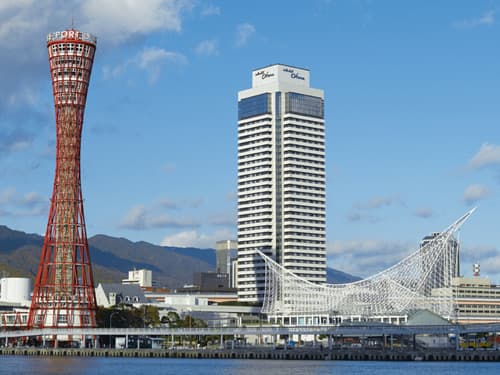
 663highland · CC BY 2.5
Things to Do in Kobe, Japan: A Practical Day Trip and One-Night Plan
Choose a realistic Kobe day trip or overnight plan, from hillside sights to the harbor, then see how Kobe fits an online-bookable Japan itinerary.
Last updated: November 5, 2026. Check the linked operators for your visit date.
Most of the best things to do in Kobe sit in four compact areas. The first is the harbor around Meriken Park and Kobe Harborland. Above it are the hillside Kitano district with its old foreign residences and the Nunobiki Herb Gardens and Ropeway behind Shin-Kobe Station. The fourth is the food streets of Nankinmachi (Kobe's Chinatown) and Motomachi. With half a day, pick two of them. A full Kobe day trip can take three. If you stay the night, add the harbor after dark.
That choice does most of the planning. Kobe sits in a narrow strip between the Rokko mountains and Osaka Bay, so the city climbs steadily from the waterfront. On a map everything looks close together. On foot, Kitano and the ropeway are well above the harbor, and that slope is what ruins over-ambitious itineraries.
This guide covers central Kobe only. It explains which station to use, how much walking each area involves, what to do if it rains, and how half a day, a full day and one night compare. If Kobe is one stop on a longer Japan trip, for example between Hiroshima and Osaka, the one-night plan is the part you need. For more ideas around your base, see our day trips from Osaka guide.
Quick Answer: choose one hillside area, then the harbor
For a first Kobe day trip, choose Kitano or Nunobiki, add a meal around Sannomiya or Nankinmachi, then finish at Meriken Park and Harborland. With only half a day, keep to Chinatown and the waterfront. One night gives you an unhurried harbor evening before moving on.
Our 11-day Japan Together route (FG501) includes Kobe on Day 8, between Hiroshima and Osaka. It is for three or four travellers sharing a room.
USD $2,650 per adult for December 16, 2026, with three adults sharing one Superior triple room, for the full 11-day trip. Check dates and current prices online.
Regular fare before promotions; checked November 5, 2026. Sightseeing and dining suggestions are separate from the included hotel and transport arrangements.
Keep a Kobe evening in your Japan route
Japan Together: Tokyo, Kyoto, Hiroshima & Osaka
Family & Group Tours: Tokyo Start, Osaka Finish
Ready to Book. Pay Within 7 Days to Confirm.
Black Friday Sale20% comes off these prices when you book online by November 30. The discount is already in the total shown on the tour page.See sale tours
Things to Do in Kobe: Quick Picks by Travel Style
Not everyone wants the same Kobe. Use this as a filter:
First visit, limited time: Meriken Park, the BE KOBE sign, Nankinmachi and Motomachi. It's flat, mostly free and full of food.
Views and fresh air: Ride the Nunobiki ropeway up, walk through the herb garden, then head to Kitano.
Food first: Have a Kobe beef lunch, graze on Chinatown street food, then try sake tasting in the Nada brewing district.
Staying the night: Spend the evening on the waterfront, on a harbor dinner cruise or in one of the city's jazz bars.
Those are the top attractions for first-timers. Everything else is optional.
Kobe Japan in Context: A Port City Built on Trade
Kobe is the capital of Hyogo Prefecture and one of Japan's major international ports. Much of its character dates from January 1, 1868, when the port opened to foreign trade. That was part of the period when Japan opened its harbors to the outside world. Foreign merchants arrived, Chinese traders settled near the waterfront, and Western-style houses went up on the Kitano hillside.
The other date that shaped modern Kobe is January 17, 1995, when the Great Hanshin-Awaji Earthquake struck. Much of the city had to be rebuilt, and you'll find reminders of it at the harbor.
Nearly everything a first-timer wants is in Chūō-ku, the central ward. That's why so much of central Kobe is within walking distance, especially if you're walking downhill.
Shin-Kobe, Sannomiya or JR Kobe Station? Start in the Right Place
Three different stations come up when people plan a Kobe visit, and mixing them up wastes time.
Shin-Kobe Station: Shinkansen Arrivals and the Ropeway
Shin-Kobe Station is the Shinkansen stop. It sits at the foot of the mountain, north of downtown, not in it. The upside is that the Nunobiki ropeway's lower station is about five minutes away on foot, so arriving by bullet train makes the ropeway an easy first stop.
To get downtown, take the Seishin-Yamate subway line one stop to Sannomiya, about two minutes on the train according to the official visitor guide. Allow extra time for reaching the platform. You can walk downhill with a light bag; the subway is easier with a suitcase.
Sannomiya Station: The Hub of Central Kobe
Sannomiya Station is the real center of town. JR, Hankyu, Hanshin and the subway all meet here, although the private railways call their stations Kobe-Sannomiya. The JR Special Rapid Service is a useful option from Osaka Station or Kyoto. The tourism bureau gives roughly 20 minutes from Osaka and 50 minutes from Kyoto as broad orientation; check your specific service and allow extra time for station transfers.
Ikuta Shrine is about 10 minutes' walk from Sannomiya Station. Kitano is about 15 minutes, uphill.
JR Kobe Station: For Kobe Harborland
JR Kobe Station is not the Shinkansen station, which confuses a lot of people. It's the JR stop for Kobe Harborland, and the umie shopping complex is about five minutes' walk away. Continue toward the water for the MOSAIC restaurants and promenade. For Nankinmachi, use Motomachi Station instead. It's on the same JR line, between Sannomiya and Kobe.
Choose Your Kobe Zones: Two or Three, Not All of Them
| Zone | Nearest station | Walking effort | Cost | Best for |
|---|---|---|---|---|
| Meriken Park & Port Tower | Motomachi | Flat | Park free; tower ticketed | First-timers, dusk |
| Kobe Harborland | JR Kobe | Flat | Free to wander | Shopping, rain, cruises |
| Kitano | Sannomiya / Shin-Kobe | Steep in places | Streets free; some houses ticketed | Architecture, cafés |
| Nunobiki Herb Gardens & Ropeway | Shin-Kobe | Ropeway ascent; sloped garden paths | Standard return ticket includes garden | Views |
| Nankinmachi & Motomachi | Motomachi | Flat | Pay as you graze | Street food, lunch |
| Ikuta Shrine | Sannomiya | Flat | Free | Quick culture stop |
| Nada sake district | Hanshin local stations | Flat | Several museums free | Sake |
Meriken Park and the Kobe Port Waterfront
Meriken Park is the harbor's main open space and the easiest place to start. The large BE KOBE sign was installed in 2017 for the 150th anniversary of the port's opening. Expect a short queue for photos with the Kobe sign at busy times, and go early or late if you want a clear shot.
Don't skip the Port of Kobe Earthquake Memorial Park at the eastern edge. About 60 meters of damaged quay has been preserved as it was after 1995, with displays explaining what happened. Entry is free; we suggest 10–15 minutes for a short look at the preserved quay and displays. Many travelers walk past it on the way to the next spot without realizing what it is.
Kobe Tower or Free Views? What the Port Tower Ticket Gets You
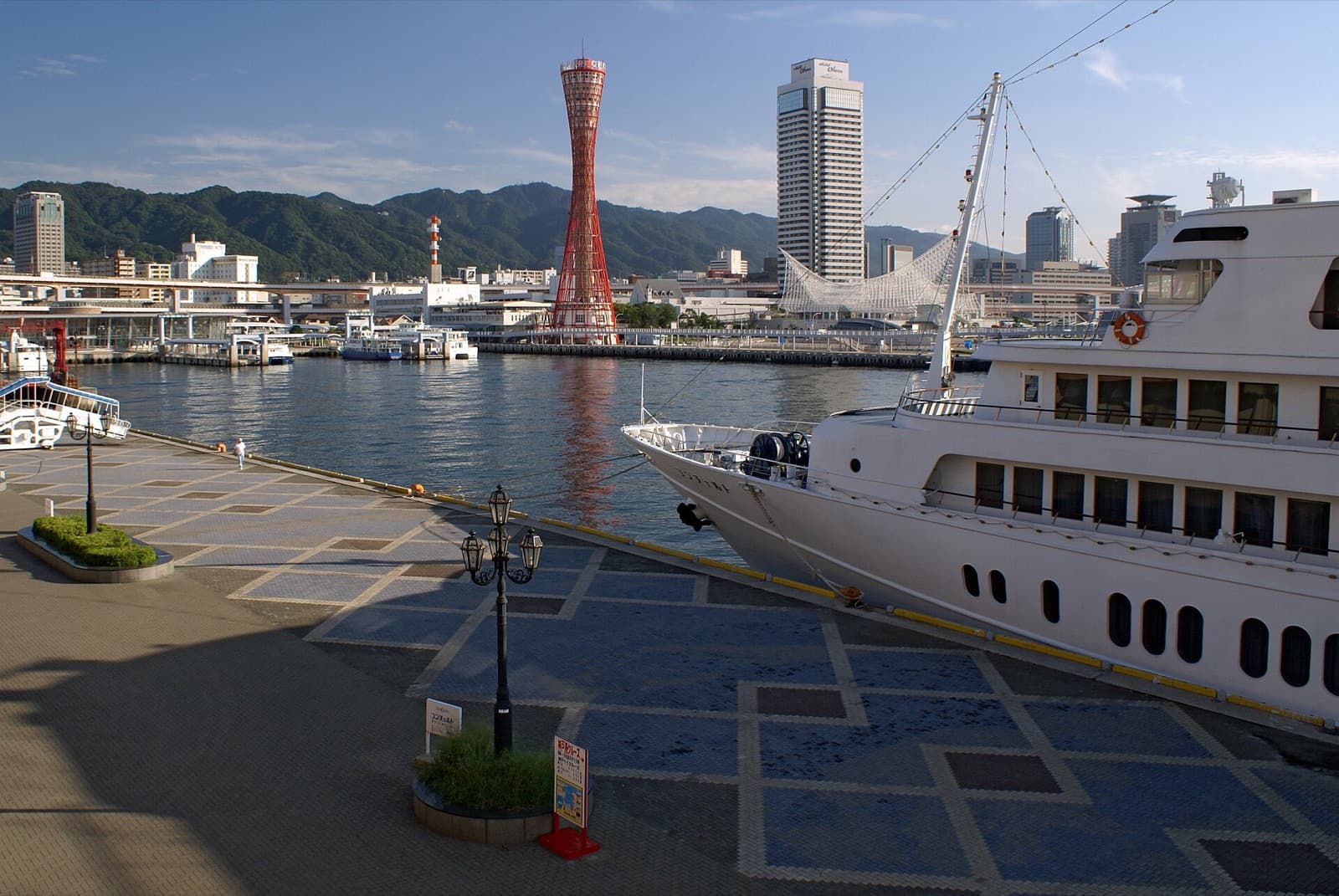
The red Kobe Port Tower, the "Kobe tower" in almost every harbor photo, reopened in April 2024 after renovation. The official site lists 9:00–23:00 with last entry at 22:30. Adult tickets cost ¥1,000 for the observation floors or ¥1,200 including the rooftop deck; elementary and junior-high-school pupils pay ¥400 or ¥500 respectively. The rooftop is reached by stairs from the fifth floor and is not wheelchair accessible. Tickets specify an entry date and time; same-day counter sales depend on availability. Rain or strong wind can close the rooftop, and maintenance or private events can change opening, so check before you go.
Is it worth it? It is if you want panoramic views over the harbor and up to the mountain ridge. On a tight budget, the waterfront itself is a great spot for photos of the tower.
Kobe Harborland: Flat Walking and Evening Boats
Kobe Harborland is the shopping and promenade side of the harbor, west of Meriken Park, and it's easy to walk between the two. umie MOSAIC faces the water and works as a rainy-day fallback. It is the currently listed boarding point for THE KOBE DINING CRUISE's ship Concerto, on the first floor of umie MOSAIC. Confirm your sailing date before building a plan around it, especially for visits from February 2027 when operating arrangements may change.
Kitano Area: Foreign Residences on a Proper Hill
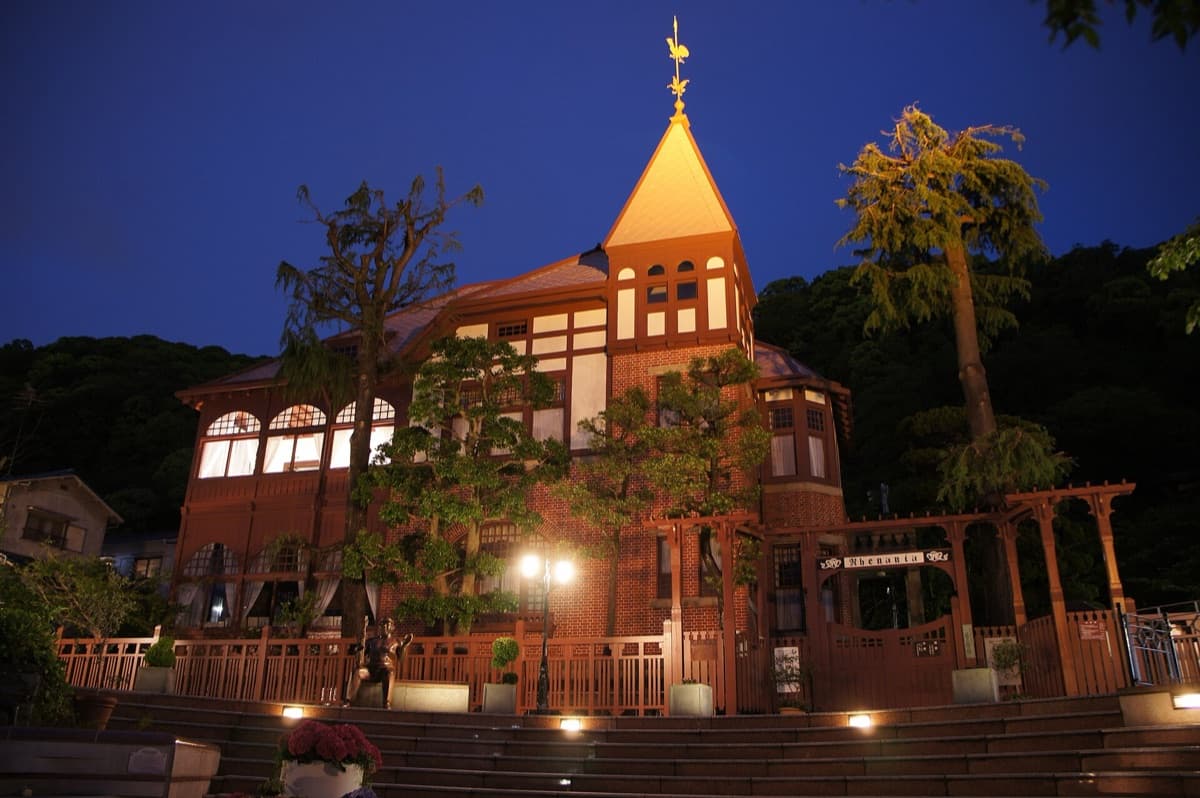
The Kitano area is where foreign residents built Western-style homes after the port opened. Several of these old foreign residences (ijinkan) are open to the public as small museums. Some have individual admission charges, while others, such as Rhine House, are free. The best known is the Weathercock House (Kazamidori no Yakata), a brick house with a rooster weathervane. It reopened in July 2025 and offers a combined ticket with nearby Moegi House. The current Weathercock guide lists 9:00–17:00, last entry 16:45, with closure on the third Tuesday each month or the following day when that is a holiday. Adult entry is ¥500; high-school pupils and younger enter free. The combined Weathercock–Moegi ticket is ¥800. Weathercock tickets are sold at the venue, separately from any Japan tour booking. Hours and closing days vary by house.
The catch is the slope. From Sannomiya Station, it's about 15 minutes on foot, mostly uphill along Kitano-zaka, and the lanes get steeper near the top. Kitano Tenman Shrine sits a little higher still. Tradition says it was founded in 1180, and it's dedicated to Sugawara no Michizane. From its stone steps you get a stunning view over the rooftops and out across the city. After that, a coffee or matcha latte in a Kitano café is well earned.
The tourism bureau places the Kitano district about 15 minutes on foot from Shin-Kobe. This is access to the area, not every house; allow extra time for its hills and stops if combining Kitano with the ropeway.
Kobe Nunobiki Herb Gardens and Ropeway
The ropeway runs from its lower station near Shin-Kobe to the summit in around 10 minutes. It also stops at a mid-way station called Kaze no Oka. At the top are terraced herb and flower gardens with views across Kobe to the bay. Garden admission is included in the standard return ropeway ticket; check the ticket type because a short lower-to-middle-station ride does not include entry.
A popular plan is to ride to the top ropeway station, walk down through the gardens, and catch the ropeway down from the mid-way station. Fitter walkers can also plan a separate walk from Shin-Kobe to Nunobiki Falls. Check current trails and garden-gate access before linking the walk to a garden visit. It is a forest hike, and the normal ropeway outing needs no hike; the garden paths themselves still have sloped and sometimes steep sections.
The ordinary return fare with garden admission is ¥2,500 for adults or ¥1,250 for elementary and junior-high-school pupils; preschool children are free. For November 7–December 28, 2026, the official Christmas return fare is ¥3,300 or ¥1,650 respectively. Evening-ticket rules also vary by season. Use the operator's current fare table for your date. Its visitor FAQ suggests about 90 minutes for a basic ropeway-and-garden circuit, before meals, queues or longer stops.
Herb Garden Timing: Wind, Evenings and the Winter Inspection
The ropeway starts at 9:30 and the gardens at 10:00. On daytime-only dates, last uphill boarding is 16:45, the gardens close at 17:00 and the last car down is 17:15. Selected summer, weekend and Christmas dates run later; check the dated operating calendar.
The ropeway can be suspended in strong wind or thunderstorms.
Winter inspection closes the ropeway and gardens for several weeks in January–February. Confirm your exact date on the current calendar, rather than assuming the same maintenance period every year.
If your Kobe date falls during the inspection, plan around the harbor and Kitano instead.
Nankinmachi: Kobe's Chinatown for Street Food
Nankinmachi is about five minutes on foot from JR or Hanshin Motomachi Station, according to its official access guide. The neighborhood grew from the Chinese community after the port opened, and has been rebuilt after war and earthquake damage.
It's best as a grazing stop rather than a sit-down meal: steamed buns, dumplings and other street food eaten as you go. At weekend lunchtimes, Chinatown can get crowded, so arrive before noon if you can. Opening days and hours differ by shop; the district does not have one timetable shared by every stall and restaurant.
Ikuta Shrine and Motomachi Shopping Street
Ikuta Shrine is about 10 minutes on foot from Sannomiya. Its own introduction traces its origins to Empress Jingū and a traditional founding in 201 CE. That is the shrine's origin story, not the age of today's buildings, which have been rebuilt after disasters. Behind the main hall is Ikuta no Mori, a small sacred forest. We suggest 20–30 minutes for a short visit. The shrine FAQ lists opening from 7:00 to around 17:00, or around 18:00 in summer, so plan it as a daytime stop.
From there, walk southwest to Motomachi shopping street, a long covered arcade that's useful in bad weather. It leads straight to Nankinmachi and the harbor.
From Hiroshima to a Kobe harbor evening
View all →Black Friday Sale20% off the tours marked “Book online” until November 30.See sale tours
What to Eat in Kobe: Beef, Dumplings and Sake
Kobe Beef Without the Guesswork
Kobe beef is famous around the world, and the name is a controlled brand rather than a cooking style. To qualify, the meat must come from Tajima cattle raised in Hyogo Prefecture and meet grading standards set by the Kobe Beef Marketing and Distribution Promotion Association. Registered restaurants and shops display proof of registration, including the association's bronze bull figure. "Wagyu" or "Kobe-style" on a menu does not mean certified Kobe beef.
Compare lunch and dinner menus for the cut, weight and course you want: lunch sets can be an easier way to fit Kobe beef into a day trip, but prices vary by restaurant. For dinner at a popular restaurant, book ahead.
Sake Tasting in Nada Ward and Higashinada
Nada is one of Japan's best-known sake regions. Its five historic brewing districts, together called Nada Gogo, run along the coast from Kobe's Nada Ward east into Nishinomiya. On the Kobe side, Nishigo is in Nada Ward, and Mikage and Uozaki are in Higashinada Ward.
Two good starting points:
Hakutsuru Sake Brewery Museum: Self-guided museum entry is free. It opens 9:30–16:30, last entry 16:00, and announces closure for December 28, 2026–January 4, 2027. Check for other holiday closures. It is about five minutes on foot from Hanshin Sumiyoshi Station; groups of fewer than ten need no reservation.
Kiku-Masamune Sake Brewery Museum: Museum entry is also free. The operator gives about ten minutes on foot from Hanshin Uozaki Station. It opens 9:30–16:30 and, from April 2026, closes on Tuesdays and over New Year. A Tuesday holiday shifts closure to Wednesday, unless both days are holidays. Check its dated calendar; groups of fewer than ten can visit without reserving.
Sake tasting is for adults aged 20 or over. Options and costs differ by brewery, and some tastings are paid. Free museum entry does not promise a guided tour through a working factory or unlimited tastings. Take a Hanshin Railway local train from Kobe-Sannomiya, because the sake district is outside the compact central walking loop. It works best as a morning add-on rather than an extra stop squeezed into an afternoon.
Kobe After Dark: Night Views, Dinner Cruises and Jazz Bars
Kobe's night views are a big reason to stay over. The harbor lights from Meriken Park and Harborland cost nothing, and the Port Tower stays open late.
THE KOBE DINING CRUISE has different boarding points: Concerto currently uses umie MOSAIC, while Luminous Kobe 2 uses Naka Pier. Confirm the vessel, pier and meal plan for your date on the operator website. Operating details from February 2027 may change because of waterfront renovation, so do not plan around an unconfirmed sailing. Sunset views depend on timing and weather, and sailings or routes can change. Book and pay for this separately; it is an optional activity on the Japan itinerary below.
Kobe also has a real jazz history. According to the city's official jazz guide, the band often described as Japan's first professional jazz band formed in Kobe in 1923. Sone in Kitano opened in 1969, and there are many smaller jazz bars around Sannomiya and Kitano. Many venues add a music or table charge on top of drinks.
Slopes, Walking Effort and Bad-Weather Alternatives
As a rule of thumb, the waterfront routes are mostly level, while Kitano and Nunobiki add hillside walking north of Sannomiya.
Easy: Meriken Park, Kobe Harborland, Nankinmachi, Motomachi, Ikuta Shrine
Moderate: Kitano, with short steep stretches
Variable: Nunobiki, where the ropeway does the climbing but garden paths slope and the waterfall trail is a real hike
Rain: Stick to the covered Motomachi arcade, umie at Harborland and the Nada sake museums. Another option is the Kobe Maritime Museum in Meriken Park. Its official visitor information lists 10:00–18:00, last entry 17:30, and admission of ¥900 for adults or ¥400 for elementary through high-school pupils. This includes Kawasaki Good Times World; special exhibitions may cost extra. It closes on Mondays, or the next weekday after a Monday holiday, and December 29–January 3.
Wind: Expect possible ropeway suspensions, and swap in indoor stops at the harbor.
Summer heat: If you visit Kobe in summer, do Kitano early in the morning and save the harbor for the evening.
From our Japan travel team
The Nunobiki ropeway can be suspended in strong wind and usually closes for several weeks each winter for its annual inspection, so it's the one part of a Kobe day that can disappear at short notice. Check the operator's notices on the morning you go, and keep the flat harbor loop of Meriken Park, Nankinmachi and Motomachi ready as a backup. If you'd like help deciding which part of the city to prioritize on your dates, just ask and we'll help you slot it into your route.
Kobe Day Trip or One Night? A Planning Table
| Planning choice | Half day (4–5 hrs) | Full day trip (8–10 hrs) | One night |
|---|---|---|---|
| Best arrival | Sannomiya or Motomachi | Shin-Kobe (ropeway first) | Shin-Kobe by Shinkansen |
| Realistic zones | 2 | 3 | 3–4, plus the evening |
| Walking load | Light | Moderate | Spread over two days |
| Night views | No | Only if you leave late | Yes, without watching the clock |
| Kobe beef | Lunch | Lunch | Lunch or dinner |
| Skip | Kitano, ropeway | Nada or Kitano | Arima (needs its own time) |
These are our planning estimates, not official visit durations. The overnight column assumes your onward departure leaves time for another stop; check the confirmed schedule if Kobe is part of a longer trip.
Half a Day in Kobe: The Flat Harbor Loop
Start at Sannomiya Station and walk to Ikuta Shrine.
Head down through the Motomachi shopping street.
Have a street food lunch in Nankinmachi.
Finish at Meriken Park with the BE KOBE sign and the earthquake memorial, plus the Port Tower if you want it.
Leave from Motomachi, or walk to JR Kobe Station.
A Full Kobe Day Trip from Osaka or Kyoto
Morning: Arrive at Shin-Kobe and take the ropeway up close to opening time. Walk down through the gardens and ride down from the mid-way station.
Late morning: Walk to Kitano, visit one ijinkan, and climb to Kitano Tenman Shrine.
Lunch: Kobe beef near Sannomiya.
Afternoon: Ikuta Shrine, Motomachi, then a Chinatown snack.
Late afternoon: Meriken Park and the Port Tower.
Evening: Walk to Harborland and take the JR train from Kobe Station back to Osaka or Kyoto.
That is the busy version, covering four areas plus small stops. For a more comfortable first visit, choose Nunobiki or Kitano, keep either Ikuta Shrine or Nankinmachi as a short stop, then finish at the harbor. The full list is a menu to shorten according to your pace, not a requirement to visit everything.
One Night in Kobe: Slower, With the Harbor After Dark
Day 1: Arrive at Shin-Kobe in the morning and do the ropeway and herb garden with a light bag. Walk to Kitano, have lunch, then check in. Head to Meriken Park toward evening. For dinner, choose between a cruise from Harborland, Kobe beef or Chinatown, then end the night in a jazz bar.
Day 2: Visit Ikuta Shrine early, or go to a Nada sake museum when it opens. Then take the subway one stop from Sannomiya to Shin-Kobe for your onward Shinkansen. This general plan assumes you choose a suitable arrival and onward departure. On FG501, Day 8 starts in Hiroshima and Day 9 moves to Osaka after breakfast: fit Kobe sightseeing around the confirmed trains, rather than assuming the early arrival or spare second morning shown here.
One Kobe night before two nights in Osaka
Ready to experience Japan? These carefully selected tours match the destinations and experiences mentioned in this article.
Black Friday Sale20% comes off these prices when you book online by November 30. The discount is already in the total shown on the tour page.See sale tours
Short Extensions: Arima Onsen and Kobe Luminarie
Arima Onsen is inside Kobe's city limits, on the north side of the Rokko mountains. It's often called one of Japan's oldest hot spring towns, with public bath houses and ryokan. Give it its own half day or overnight stay rather than squeezing it into a city day. Our Arima Onsen guide covers the choice of bath or overnight stay, and our onsen guide explains bathing etiquette.
Kobe Luminarie is a winter light festival held in memory of the 1995 earthquake; check the dates for your travel year before planning around it. See our Kobe Luminarie guide for event details.
Common Kobe Mistakes, and the Tools That Prevent Them
Treating Shin-Kobe as downtown, or confusing JR Kobe Station with the Shinkansen stop.
Climbing to Kitano and up to the ropeway separately in midday heat.
Assuming the ropeway is running without checking for wind or the winter inspection.
Arriving at the Maritime Museum without checking its closure calendar.
Paying premium prices for "Kobe beef" that isn't certified.
Adding Arima or Nada to a day that's already full.
Useful tools: Feel KOBE, the city's official tourism site; Nunobiki's calendar for ropeway hours, fares and closures; Kobe Port Tower for timed tickets; the Kobe Beef Association directory for registered restaurants; and a transit app for current train times. An IC card saves a lot of hassle on Kobe's subway, JR and private railways.
Fitting Kobe Into a Bigger Japan Trip
Kobe sits on the Shinkansen line between Hiroshima and Osaka, so on a route like Tokyo–Kyoto–Hiroshima–Osaka it's a natural overnight stop rather than a detour. The compact central sightseeing area and harbor walks make a useful change of pace between the larger stops on that route. If you're visiting Japan for the first time and have enjoyed walking Kyoto's lanes, Kobe offers a harbor and port history instead of temples.
How the Kobe Night Works on FG501 Japan Together
FG501 Japan Together: Tokyo, Kyoto, Hiroshima & Osaka is an 11-day, 10-night self-guided trip. It has 3 nights in Tokyo, 2 in Kyoto, 2 in Hiroshima, 1 in Kobe and 2 in Osaka.
Day 8: After breakfast at the Hiroshima hotel, you send your large luggage on to Osaka and take the Shinkansen to Shin-Kobe. The rest of the day is free for Kobe. The listed Kobe hotel is Hotel Okura Kobe or similar, so a specific hotel or view isn't guaranteed. Pack a small overnight bag, which also makes the ropeway and Kitano much easier.
Day 9: Breakfast at the Kobe hotel, then the Shinkansen from Shin-Kobe to Shin-Osaka.
Rooms on this route are for three or four people only. There is no included guide on the Kobe day. The route's listed optional private guided day tours are in Tokyo, Kyoto and Osaka; confirm availability and the separate cost for your dates.
What's Included, and What You Pay for Yourself in Kobe
Included:
Shinkansen and limited express trains for the major intercity legs
A transportation IC card (JPY4,000)
10 nights of accommodation with 3 breakfasts in total: two at the Hiroshima hotel and one at the Kobe hotel. The Tokyo, Kyoto and Osaka apartment-hotel stays are room only.
Two luggage deliveries: Tokyo to Hiroshima on Day 4, and Hiroshima to Osaka on Day 8. Keep a small bag for the two Kyoto nights during the first delivery and the one Kobe night during the second
24/7 support while you're in Japan
Travel medical insurance (Japan only)
The high-speed boat from the hotel to Miyajima
Staff meet you at the airport on Day 1 and hand over your trip documents, the tickets for the legs we book and your loaded IC card, then guide you to onward transport. This greeting does not include a private airport transfer; that is an optional extra.
Not included in Kobe:
The ropeway, Port Tower and museum entries
Lunches, dinners and separately arranged local transport; the included IC-card balance can cover eligible local fares until it runs out. Breakfast after the Kobe night is included.
Accommodation tax
The dinner cruise. It appears in the itinerary only as a suggestion and is not included or arranged. You book and pay for it yourself.
From our Japan travel team
On our Japan Together route, the Kobe night is followed by two nights in Osaka, and Day 10 there is a free day. Kobe is an easy train ride from Osaka, so if you run out of time for Kitano, a Nada sake museum or Arima Onsen, you can slot it into that day without rebuilding the itinerary. Local fares are paid separately, though the included IC card covers them while its balance lasts. Feel free to get in touch if you'd like ideas for that free day.
Check dates & prices. Booking online or placing a free hold sends a provisional request. It isn't an instant confirmed or paid reservation.
What does the Japan trip with a Kobe overnight cost?
These are regular sample fares for the entire 11-day trip, before any active promotion. Prices are in USD per adult, with all travellers sharing one room in the Superior hotel grade, checked November 5, 2026. They are not the price of a Kobe day tour or a single hotel night.
| Trip | Departure | Sharing one room | Per adult |
|---|---|---|---|
| FG501 · 11 days | December 16, 2026 | 3 adults · triple | $2,650 |
| FG501 · 11 days | December 16, 2026 | 4 adults · quadruple | $2,310 |
| FG501 · 11 days | March 1, 2027 | 3 adults · triple | $2,280 |
| FG501 · 11 days | March 1, 2027 | 4 adults · quadruple | $2,000 |
Interested in a tour? Click a route code above, or search for it in the top-right Search bar.
Black Friday Sale20% comes off these prices when you book online by November 30. The discount is already in the total shown on the tour page.See sale tours
The tour has three breakfasts in total; Tokyo, Kyoto and Osaka apartment-hotel stays are room only. International flights, accommodation tax, extra local transport, Kobe sightseeing admission, ropeway tickets and meals outside the confirmed itinerary cost extra. The suggested Kobe dinner cruise is not included or guaranteed. The Kobe property is Hotel Okura Kobe or similar; a specific hotel or harbor-view room is not promised.
Choose your departure and three- or four-person room on the tour page to check current availability and your total. A free hold is provisional and does not itself confirm or pay for the booking. For two travellers or a different room arrangement, use the inquiry option below.
Japan Together: Tokyo, Kyoto, Hiroshima & Osaka
A full Japan trip with Tokyo, Kyoto, Hiroshima, one night in Kobe on Day 8, and Osaka. The Kobe hotel is Hotel Okura Kobe or similar, with breakfast the following morning. Choose a triple or quadruple room and check dates and the current price online.
Black Friday Sale20% comes off these prices when you book online by November 30. The discount is already in the total shown on the tour page.See sale tours
Check dates & prices — FG501These are multi-day Japan trips. Choose your departure date and room on the tour page to check the current price and availability. Optional day tours cost extra.
Travelling as a pair, or looking for a different way to include Kobe in your Japan trip? Get in touch through Plan My Trip on our self-guided tours site, and we’ll suggest the tours that best fit your dates and plans.
Things to do in Kobe: FAQ
What are the best things to do in Kobe on a first visit?
Meriken Park and the BE KOBE sign, Nankinmachi, Ikuta Shrine, Kitano and the Nunobiki Herb Gardens and Ropeway. Pick two or three of these instead of trying to do all of them.
Is a Kobe day trip from Osaka or Kyoto worth it?
Yes. Kobe is roughly 20 minutes from Osaka or 50 minutes from Kyoto by fast train as broad orientation; check your specific service and allow for station transfers. Stay the night if harbor night views matter to you.
Should I arrive at Shin-Kobe or Sannomiya?
Shin-Kobe is better if you're coming by Shinkansen or starting with the ropeway. Sannomiya is better for the harbor, shrines and food areas. The two are one subway stop apart.
Does the Nunobiki ropeway run in bad weather?
It can be suspended in strong wind or thunder, and it closes for several weeks in January–February for winter inspection. Check the operator's current status and calendar before you go.
Where can I eat certified Kobe beef?
Choose a restaurant in the Kobe Beef Association directory, and check the menu for certified Kobe beef, cut and weight. Registered restaurants display proof of registration. Compare lunch and dinner courses for the meal you want.
What can I do in Kobe when it rains?
Walk the covered Motomachi arcade, shop at umie in Harborland, or visit the Kobe Maritime Museum or Nada sake museums. The Maritime Museum normally closes Mondays, the next weekday after a Monday holiday, and December 29–January 3. Check each sake museum's own calendar.
Does the Japan Together tour include Kobe sightseeing or the dinner cruise?
No. FG501 includes the Shinkansen to and from Kobe, one night at Hotel Okura Kobe or similar, and the next morning's breakfast. Sightseeing entries, the ropeway, lunches, dinners and the cruise are optional extras that you arrange and pay for separately. It is an 11-day Japan trip for three or four sharing a room, not a standalone Kobe tour.
Does an online free hold confirm my Japan trip?
No. A free hold is provisional and does not itself confirm or pay for the booking. Check the departure, room occupancy, current total and booking conditions on the FG501 tour page; the route requires three or four travellers sharing a room.
Plan your next stop
Pair this guide with our Hiroshima guide for the city before Kobe, and our Himeji guide for the castle stop earlier in the route. For a separate hot-spring stay, see Arima Onsen ryokan. If your dates match the winter event, use our dedicated Kobe Luminarie guide for its current arrangements.
Photo credits
- Cover: 663highland, CC BY 2.5. Resized and optimized for this page.
- Kitano photo: Manish Prabhune, CC BY 4.0. Resized and optimized for this page.
- Hotel photograph: Hotel Okura Kobe, from the published tour catalog.
Book a Japan trip with a Kobe overnight
Check your departure date, three- or four-person room and current price on the tour page.
Black Friday Sale20% comes off these prices when you book online by November 30. The discount is already in the total shown on the tour page.See sale tours