 ganden / CC BY 4.0 / Wikimedia Commons
Things to Do in Uji: Matcha, Byodoin & a Kyoto Day Trip
Plan a relaxed day of tea, temples and riverside walks, with current fees and a clear choice between an independent visit and a wider Japan route.
Last updated: October 15, 2026. Prices and seasonal operations checked against the linked sources.
Uji is a small city between Kyoto and Nara, and a lot of what's worth seeing there fits into one walk. Here are the best things to do in Uji. See the Phoenix Hall at Byodoin, then walk the Uji River past its ancient bridge and river islands. Visit Ujigami Shrine, one of Uji's two UNESCO World Heritage sites, and drink matcha in the town that made Japanese tea famous. If you like literature, add the Tale of Genji Museum. With extra time, add Koshoji for its wooded approach or Mimuroto-ji for its seasonal gardens.
Most travellers visit Uji as a half-day or full-day trip from Kyoto. The JR Nara Line runs from Kyoto Station to JR Uji Station with no change. Keihan trains from Gion and eastern Kyoto reach Keihan Uji Station with one change at Chushojima. Half a day covers Byodoin, the river and a tea break. A full day gives you time for a booked tea experience, the museums and a slower pace.
This page covers the Uji route in detail. If you're still planning the rest of your Kyoto days, start with our guide to things to do in Kyoto and come back here.
Quick Answer: Is a Day Trip to Uji Worth It?
Yes, if you want temples, tea and a riverside walk in a compact area. The main sights are roughly 10–20 minutes from JR or Keihan Uji, depending on the station and destination; popular weekends can still be busy. You can cover this central route on foot without taking buses.
- Time needed: 4–5 hours for the essentials. Plan a full day if you add a tea experience and the Genji Museum.
- Which station: JR Uji if you start at Kyoto Station. Keihan Uji if you start in Gion, along the Kamo River or on Osaka's Keihan line.
- Don't miss: Byodoin's garden and Hoshokan museum, a timed Phoenix Hall interior ticket, the river islands, Ujigami Shrine and a proper bowl of matcha.
- Book ahead: Taihoan's make-your-own-tea experience (at least three days in advance). The Nintendo Museum also needs advance tickets, but plan it as a completely separate outing.
- If you'd rather not plan it yourself: Day 7 of our 11-day LX002 Refined Kansai Journey includes a chartered sightseeing taxi from Kyoto to Osaka. Byodoin and Fushimi Inari are the recommended stops. The indicative catalog price is USD 6,500–9,400 per person, based on double occupancy, for the whole multi-day package. It varies by departure date, room and availability. Temple admission and lunch that day are not included.
Getting to Uji in Kyoto Prefecture: JR Uji vs Keihan Uji Station
Uji is in southern Kyoto Prefecture, and it has two main train stations with the same name, on opposite sides of the river. JR Uji Station is on the west bank, near the tea shops of Byodoin-omotesando. Keihan Uji Station is on the east bank at the foot of Uji Bridge, closer to Ujigami Shrine and the Genji Museum. Byodoin is roughly a 10-minute walk from either (Byodoin visitor guide). The Uji City Tourist Association runs an information office at each station.
A naming warning: the JR Nara Line is an ordinary JR line. It isn't part of Kyoto's subway, and it isn't a Kintetsu line either.
From Kyoto Station: The JR Nara Line
This is the simplest option. JR Nara Line trains from Kyoto Station reach JR Uji Station in roughly 20–30 minutes. Rapid trains are faster and local trains are slower. Local trains stop at Inari, right outside Fushimi Inari Taisha, which matters if you're combining the two. Faster trains skip some stations, so check the platform board. It's a short, cheap ride, and IC cards work. Check current fares and times with JR West.
From Gion or Eastern Kyoto: Keihan via Chushojima
If you're staying near Gion-Shijo, Sanjo or the Kamo River, going via Kyoto Station is a detour. Take the Keihan Main Line south to Chushojima, change to the Keihan Uji Line and ride to Keihan Uji at the end of the line (Keihan Railway). Allow roughly 35–45 minutes. The Uji Line also stops at Mimurodo, the station for Mimuroto-ji.
From Osaka
For an Uji day trip from Osaka, Keihan is usually the easiest choice. Board at Yodoyabashi, Kitahama or Kyobashi, change at Chushojima and continue to Keihan Uji. If you're using JR, ride to Kyoto and switch to the JR Nara Line. Our day trips from Osaka guide compares Uji with other options.
| Starting point | Route | You arrive at | Rough time | Best for |
|---|---|---|---|---|
| Kyoto Station | JR Nara Line, no change | JR Uji (west bank) | 20–30 min | Station-area hotels; adding Fushimi Inari or Nara |
| Gion, Sanjo, Kamo River | Keihan Main Line → Chushojima → Uji Line | Keihan Uji (east bank) | 35–45 min | Eastern Kyoto stays; Mimuroto-ji |
| Osaka (Yodoyabashi, Kyobashi) | Keihan Main Line → Chushojima → Uji Line | Keihan Uji | about 60–75 min | Skipping Kyoto entirely |
| Osaka Station | JR to Kyoto, then JR Nara Line | JR Uji | about 60–75 min | Travellers already using JR |
All times are approximate, so check a live route planner on the day. You don't have to leave from the station you arrived at. Arrive at JR Uji, walk the loop and leave from Keihan Uji, or the other way round. Both lines take the same IC cards.
The Best Things to Do in Uji
Byodoin Temple: Garden, Hoshokan Museum and Grounds
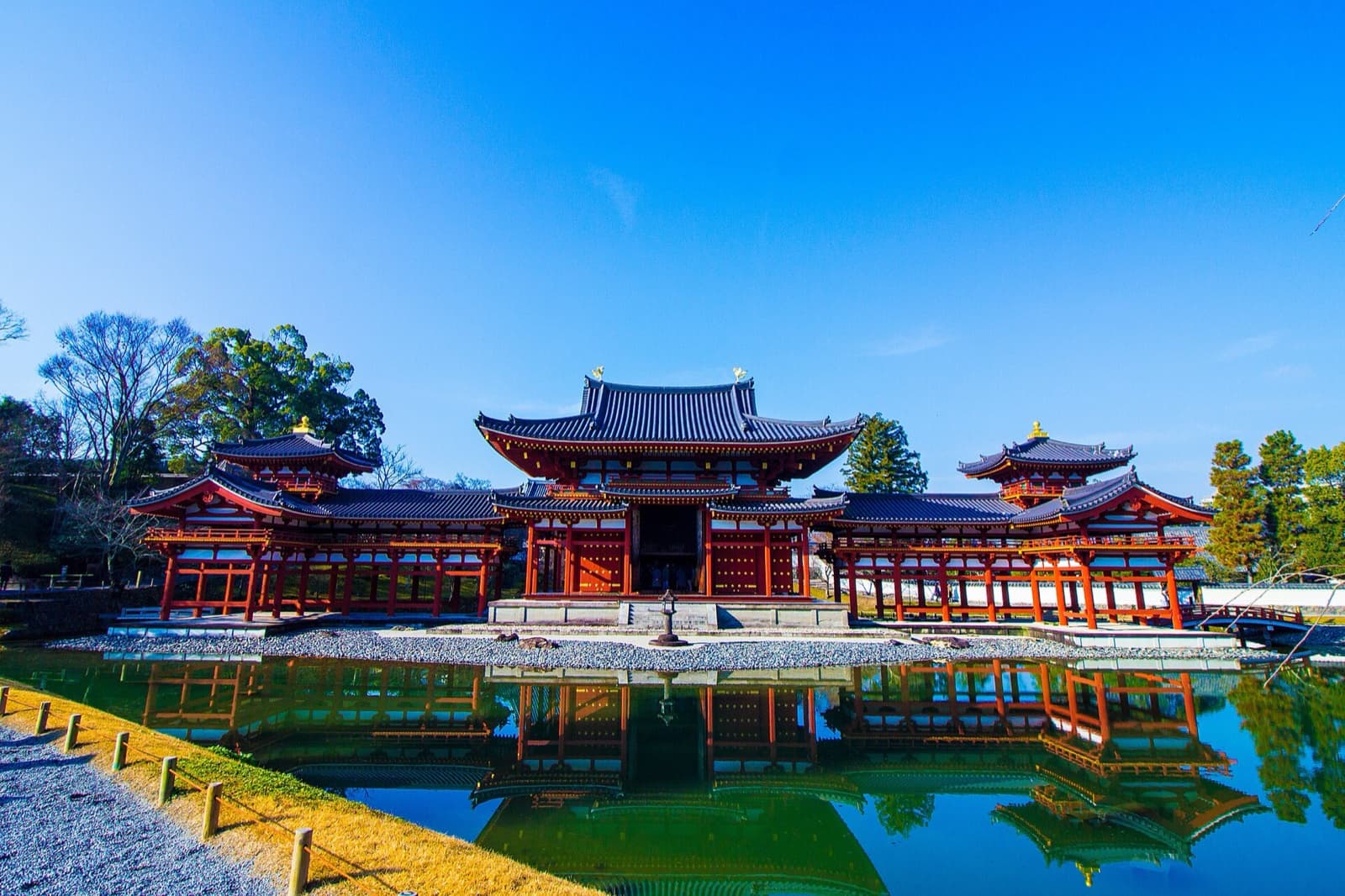
Byodoin began in 1052, when the regent Fujiwara no Yorimichi turned his villa into a temple. The Phoenix Hall followed in 1053 (Byodoin history). It's the building on the 10-yen coin. It's also part of the UNESCO World Heritage Site "Historic Monuments of Ancient Kyoto (Kyoto, Uji and Otsu Cities)" (City of Kyoto).
The basic ticket (¥700 for adults at the time of writing) covers the garden and the Hoshokan museum. The garden is open 8:45–17:30 (last entry 17:15). The museum is open 9:00–17:00 (last entry 16:45) (Byodoin guide).
Don't skip the museum. It holds the original phoenix ornaments from the roof, the original temple bell and several of the Bodhisattvas on clouds that once hung inside the hall. Several of these objects are designated National Treasures (Byodoin sculpture). Allow time for these originals: they help explain details that are difficult to see from the garden.
Inside the temple grounds, the tea room Sabo Toka normally closes Mondays to Wednesdays, with holiday exceptions. Check the temple calendar before making it your tea stop.
Inside the Phoenix Hall: Byōdō-in Temple's Timed Interior Tour
From the garden you can see the Phoenix Hall reflected in its pond. Going inside costs an extra ¥300. Buy the ticket at the reception desk inside the garden, which opens at 9:10. Interior sessions run from 9:30 to 16:10, roughly every 20 minutes. Tickets are sold first come, first served for a set time (Phoenix Hall interior). Inside you'll see the Amida Buddha by the sculptor Jocho, a National Treasure.
From October 16, 2026, each interior session takes up to 35 people, down from 50 (Byodoin notice). If you hold a valid interior ticket, you can leave the temple and come back before your timed session, which is handy for a tea break. Once your interior visit is over, you can't re-enter. Byodoin has used separate arrangements in hot weather (in 2026 they ran from June 16 to October 15), so check its news page for summer trips.
Byodoin's night viewing is currently suspended, so don't plan around an evening illumination. Interior visits can also be suspended for ceremonies or adverse weather.
With smaller groups, sessions can fill sooner. Buy your interior ticket first, then use the wait for the garden and museum.
Uji River Walk: Uji Bridge, Tachibana Island and To-no-shima Island
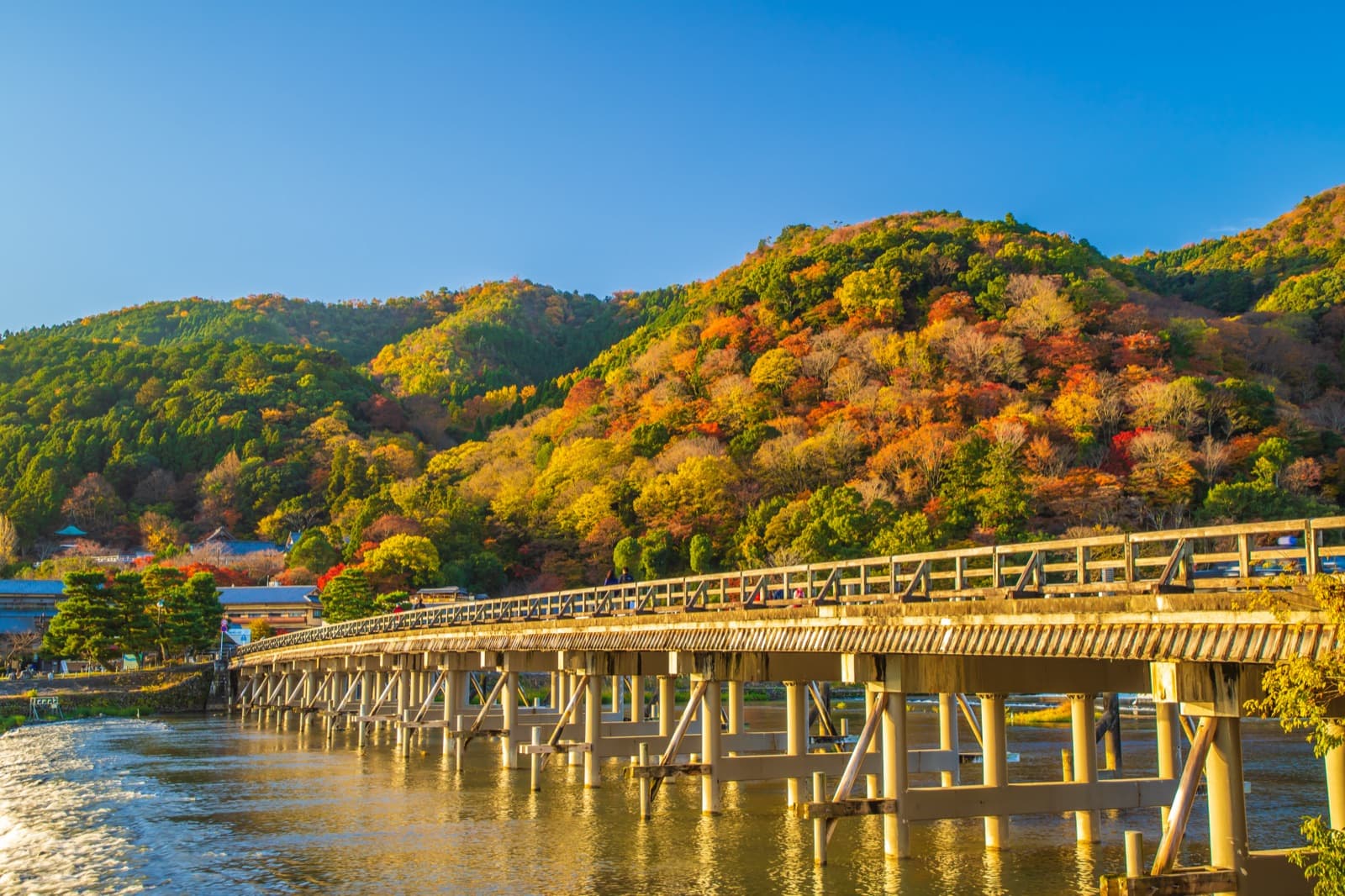
The Uji River is the centre of any Uji itinerary. Uji Bridge, also called the Uji-bashi Bridge, has crossed it since ancient times. Tradition dates the first bridge to 646, which makes it one of Japan's oldest bridges by origin, although today's bridge is a modern rebuild (Kyoto Tea Country). A stone statue of Murasaki Shikibu stands at its west end.
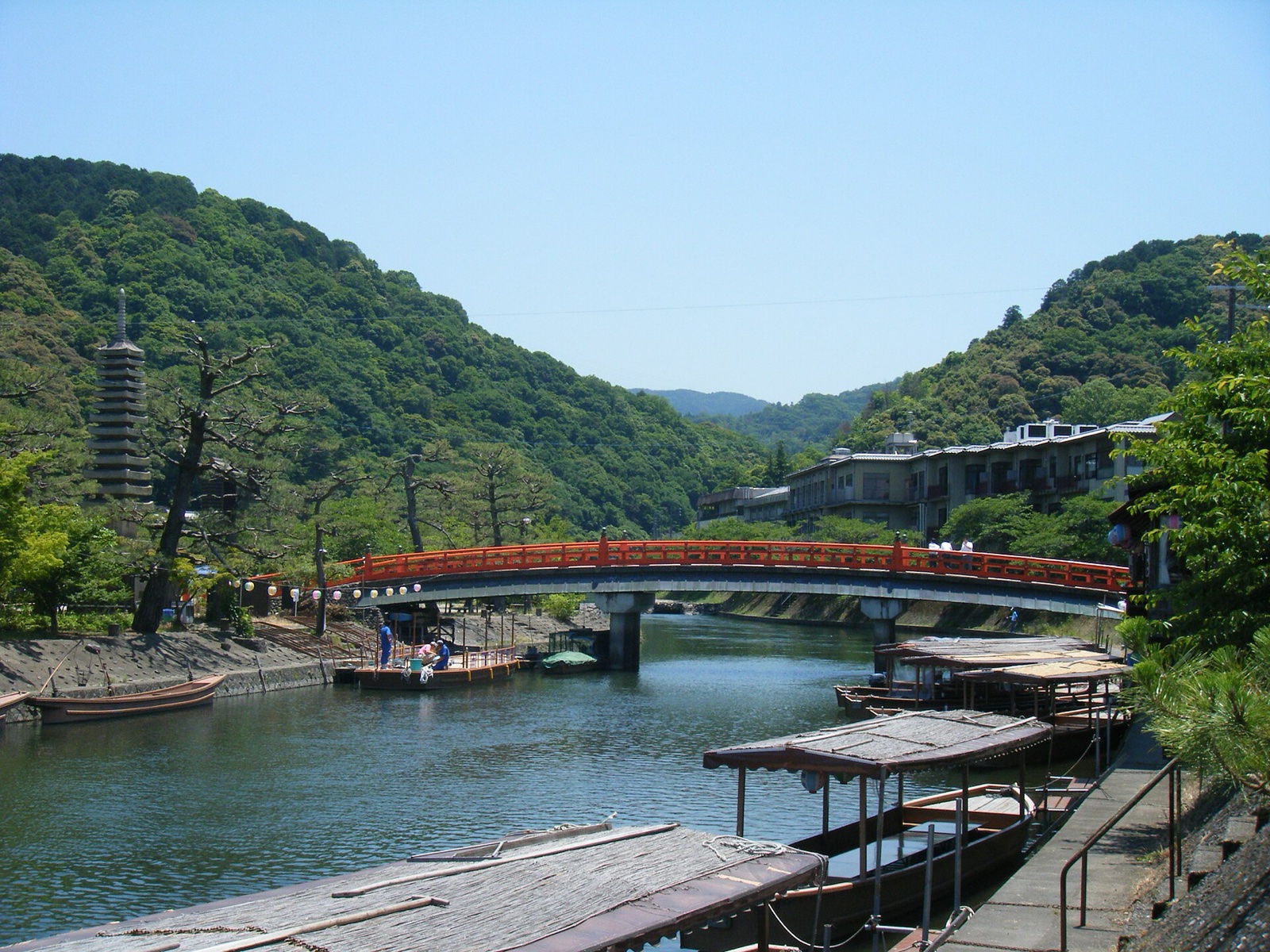
Upstream, Tachibana Island and To-no-shima Island form Uji Park. To-no-shima Island has a thirteen-tier stone pagoda about 15 metres tall, built in the Kamakura period by the monk Eison (Kyoto Prefecture). Footbridges link the islands to both banks. The red Asagiri Bridge lands near Uji Shrine on the east side. Much of the central riverside walk is level; island approaches, steps and any temporary closures can affect the route.
On summer evenings the river also hosts cormorant fishing. The 2026 season ran July 1–September 30 and has ended. Check the tourist association's ukai page for the next season before planning around it.
Ujigami Shrine and Uji Shrine (Uji Jinja)
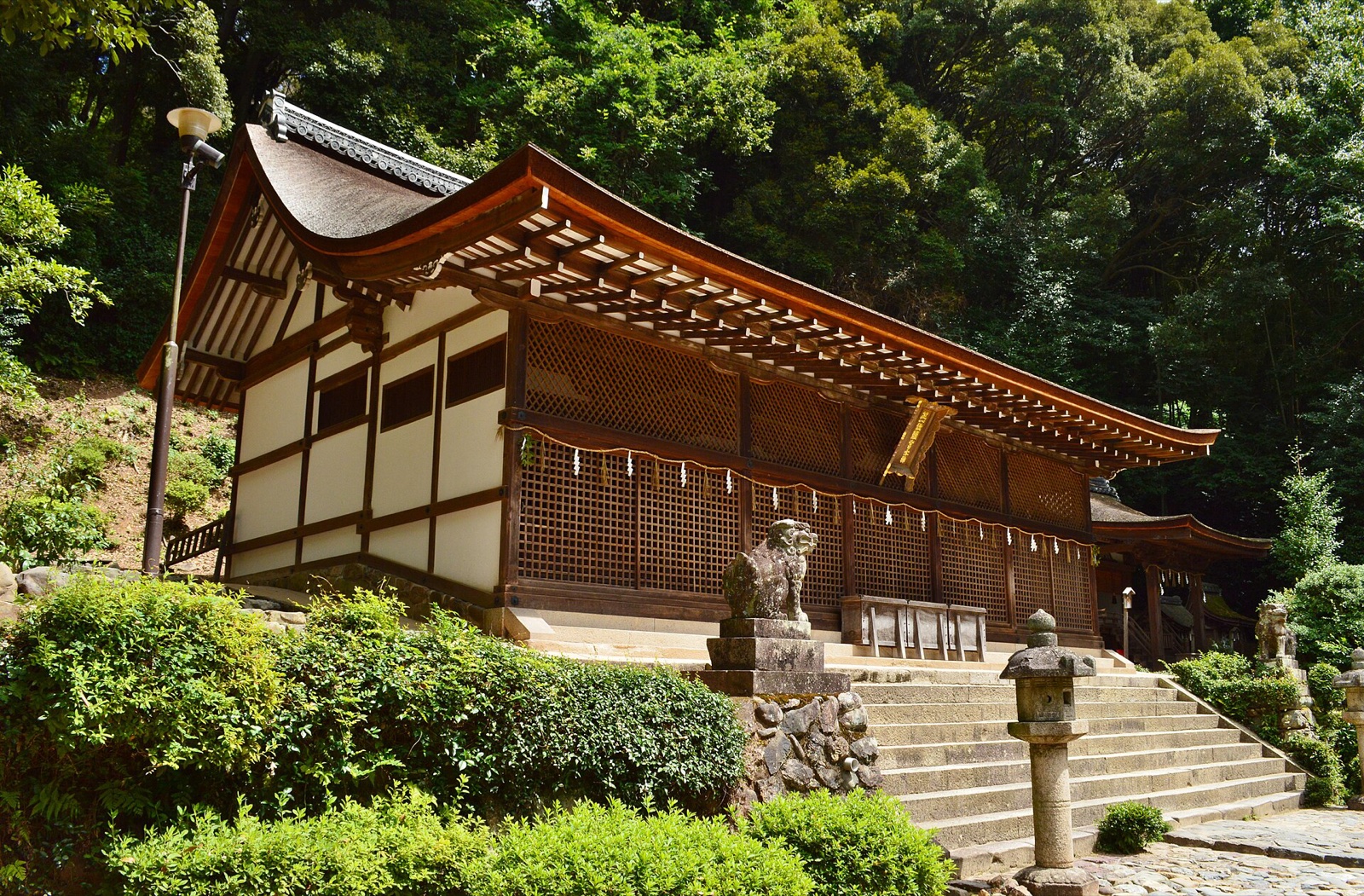
Ujigami Shrine is Uji's other UNESCO World Heritage Site. Its main hall is regarded as Japan's oldest surviving Shinto shrine building and dates from the late Heian period (Kyoto Prefecture Tourism Federation). It honours Emperor Ojin and two of his sons. Over time it became known as a guardian shrine for Byodoin across the river.
Uji Jinja sits closer to the river. The two were once a single shrine, with Ujigami as the upper shrine and Uji Shrine as the lower shrine, until they were separated in the Meiji era. Allow about 15–20 minutes for each, and the grounds are free to enter. Ujigami lists 9:00–16:20 opening, with entry until 16:10; reach it before the late-afternoon closing time.
The Tale of Genji Museum and the Statue of Murasaki Shikibu
The Tale of Genji was written by the court lady Murasaki Shikibu in the Heian era, about a thousand years ago. Its last ten chapters, known as the Ten Uji Chapters, are set here. Small monuments to each of the ten Uji chapters are scattered around town.
The Uji City Tale of Genji Museum is a short walk from Keihan Uji Station. It's open 9:00–17:00 (last entry 16:30) and costs ¥600 for adults. It closes on Mondays (or Tuesday when Monday is a holiday) and over New Year (Uji City). Its movie room shows short films, including ones based on the Uji chapters. They work even if you've never read The Tale of Genji.
The statue of Murasaki Shikibu at the west end of Uji Bridge is the classic photo stop.
Koshoji Temple and the Kotozaka Slope
Walk upstream on the east bank past Ujigami Shrine and you reach Koshoji. This Soto Zen temple was first founded by Dogen and later re-established in Uji (Kyoto Tea Country). Most people come for Kotozaka, a roughly 200-metre approach lined with trees and a stream. It's especially lovely in autumn colour (Kyoto Tea Country). Check current hours before planning to go inside.
Mimuroto-ji Temple: Uji's Flower Temple
Mimuroto-ji is Uji's flower temple. It has azaleas in spring, around 20,000 hydrangeas in June, lotus in summer and maples in autumn. It's an uphill walk from Keihan Mimurodo Station, one stop before Keihan Uji, so it suits a full day better than a half day. Its official guide currently lists 8:30–15:10 opening and ¥1,000 adult admission. It closes August 11–17 and December 29–31 and may stop admitting visitors during weather warnings. Check the date-specific garden notices before travelling.
Uji Matcha and Green Tea: Tea Experiences vs Cafés and Shopping
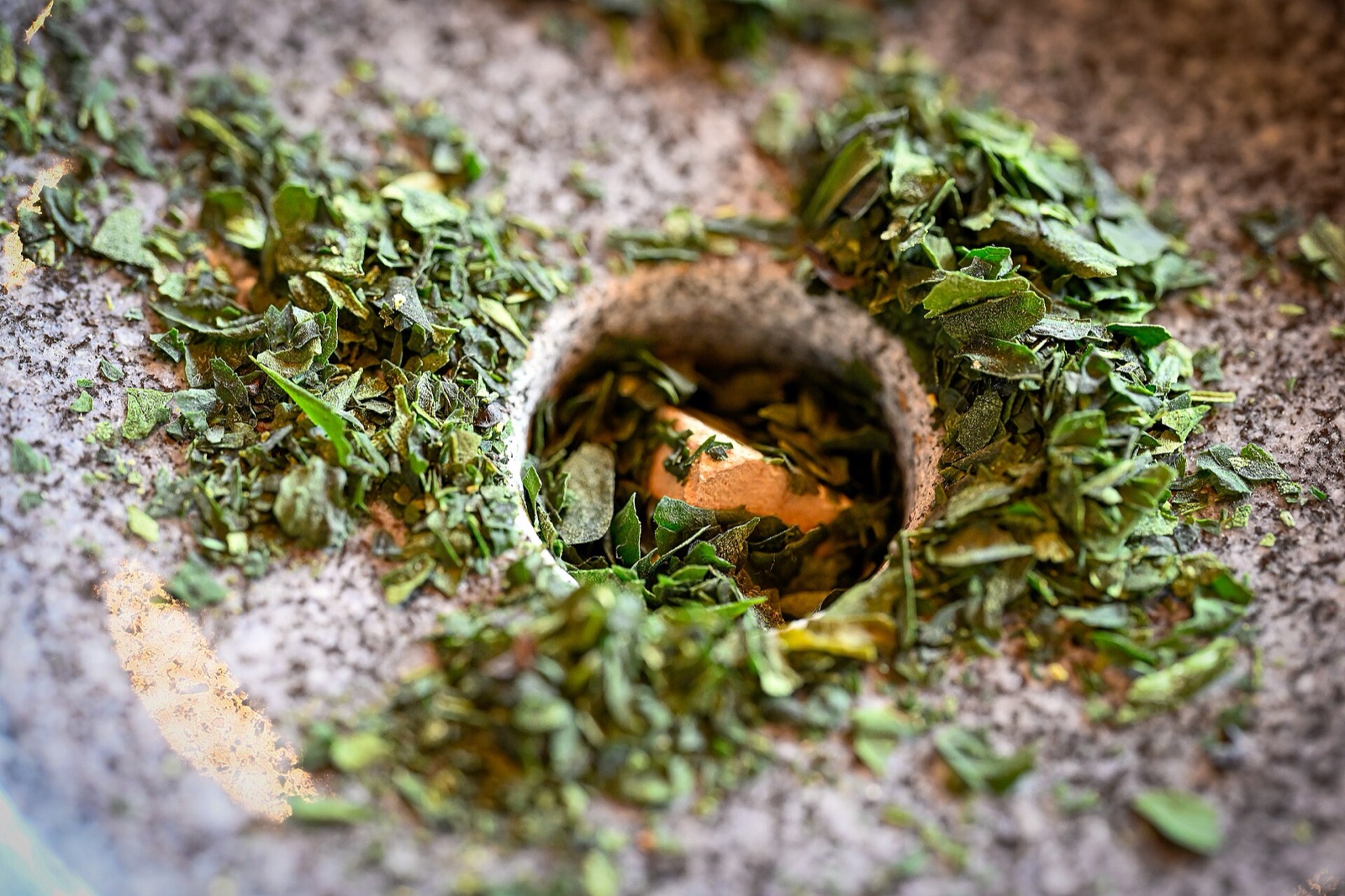
Japan's agriculture ministry defines Uji tea as green tea processed in Kyoto Prefecture using Uji methods. The leaves can come from Kyoto, Nara, Shiga or Mie (MAFF). Uji's tea farmers developed the shade-growing method behind matcha. The leaves are covered before harvest, steamed, dried and milled into a finely ground powder with a vibrant green colour. Regular green tea such as sencha is steeped as leaves. Matcha tea is whisked, so you drink the whole leaf.
That history explains Uji matcha's reputation. Green tea production still shapes the town, and there are three ways to try matcha here:
- A tea experience: someone teaches you to make it.
- A tea service: you sit down and are served a bowl with a sweet.
- Cafés and shops: matcha sweets and tea shopping, with no booking needed.
Taihoan: Tea Service or Making Tea Yourself
Taihoan is a city-run teahouse by the river, a short walk from Byodoin. It was built to promote Uji tea and tea ceremony culture (Taihoan). It offers two different things:
- Tea service (¥1,500 for usucha): a tea practitioner serves you thin matcha with a seasonal sweet. Reservations made by the previous day get priority; same-day seats depend on availability.
- Making-tea experience (¥3,600): you watch a demonstration, then make your own bowl of matcha. You must book at least three days ahead.
Taihoan opens 10:00–16:00, closing December 21–January 9 and on the last day of each month (the last weekday if that date is a weekend or public holiday). Online reservations require card prepayment. Exchange your confirmation for a ticket at the tourist center opposite; same-day available seats can be paid for there with cash, card or QR payment. The ceremony is normally conducted in Japanese, with translation assistance available. Wear socks for the tatami room. Read the English FAQ before booking.
Tsuen and Byodoin-omotesando: Tea Shopping and Matcha Treats
At the east end of Uji Bridge, the Tsuen tea shop traces its history to 1160 and is often described as Japan's oldest tea shop (Tsuen history). Across the river, Byodoin-omotesando is lined with tea merchants. The tea-shopping streets are known for matcha treats: matcha ice cream, matcha dango, matcha soba and parfaits. Popular cafés can have queues, so go early or late.
Buy matcha powder in small tins, because it fades once opened. Ask which matcha suits whisking and which suits baking.
A Realistic Uji Itinerary from Kyoto
Below are two versions of an Uji day trip. The core rule is the same for both: don't try to see everything.
Half-Day Uji Itinerary (About 4–5 Hours)
- Around 8:30: take the JR Nara Line from Kyoto Station to JR Uji. Walk Byodoin-omotesando before it gets crowded.
- Around 9:00: enter Byodoin and buy your interior ticket when the reception opens at 9:10. Visit the garden and the Hoshokan while you wait.
- Late morning: go inside the Phoenix Hall at your timed session.
- River: walk the west bank to To-no-shima Island and Tachibana Island, then cross the Asagiri Bridge.
- Shrines: see Uji Shrine, then Ujigami Shrine.
- Tea: have a matcha at Tsuen or a café on the east bank.
- Finish: leave from Keihan Uji, or cross the Uji-bashi Bridge past the statue of Murasaki Shikibu to JR Uji.
That's enough. Fushimi Inari can fill the afternoon instead.
Full-Day Version: Slow Uji with Tea and Museums
Start with the same Byodoin morning, then have lunch on the west bank before continuing the walking loop. Do a pre-booked Taihoan tea experience in the early afternoon. Cross the islands, visit the shrines, then reach the Genji Museum before its 16:30 last entry. In maple season, swap the museum for Koshoji's Kotozaka. In flower season, start at Mimuroto-ji and ride one stop to Keihan Uji.
If you have extra energy, stop at Manpuku-ji in Obaku on the way back (Keihan Uji map). It's a Zen temple in Ming Chinese style, with a Chinese-style gate, and both lines stop at Obaku.
Rain Plan
Focus on the indoor sights: the Hoshokan, the Phoenix Hall interior if visits are operating, the Genji Museum's movie room and a seated tea service. Skip the island paths if the river is high after heavy rain. On a wet Monday, when the museum is closed, spend the time on tea shopping and a long matcha-and-soba lunch.
Adding Fushimi Inari, Nara or the Nintendo Museum
Fushimi Inari is the easy add-on. Local JR Nara Line trains stop at Inari on the way, and Keihan has Fushimi-Inari Station. Do one in the morning and the other in the afternoon.
Nara is on the same JR line, but Byodoin plus Nara's temples and deer in one day is a sprint. Give Nara its own day; see our Nara day-trip guide.
The Nintendo Museum is in Uji city but not in central Uji. It's near Ogura Station on the Kintetsu Kyoto Line. Tickets are sold only through the official site, mostly by lottery, with entries opening about three months ahead. You need a free Nintendo Account, and there are no tickets at the door (Nintendo Museum). Treat it as a separate, pre-booked half-day. We can't arrange Nintendo Museum tickets.
Seasons, Closures and Timing
- Spring: cherry blossoms around Uji Park in early April and azaleas at Mimuroto-ji. Expect domestic crowds during Golden Week.
- June: hydrangeas at Mimuroto-ji during the rainy season, so keep the rain plan handy.
- Summer: heat is the main problem. Start early and check Byodoin for summer arrangements.
- Autumn: comfortable walking and Koshoji's maples, but Kyoto's foliage weeks are busy.
- Winter: quieter, but Taihoan closes December 21–January 9, Mimuroto-ji closes December 29–31 and the Genji Museum closes over New Year. See Kyoto in winter.
- Weekly and monthly: the Genji Museum closes on Mondays (Tuesday after a Monday holiday). Taihoan also has a month-end closure, so check both calendars before booking.
Byodo-in Temple and Uji on Our Self-Guided Routes
Three catalog routes include Uji in different ways. A chartered sightseeing taxi is a private car and driver, not a guide. If you'd like commentary, you can request an English-speaking local guide as an option. Temple admission, tea and lunch are paid locally. The prices below are indicative per-person ranges based on double occupancy for the full multi-day package, not a day-tour price. They vary by departure date, room and availability. The published EX004 pricing calendar currently covers November 2026–March 2027; LX002 and LX003 extend through September 2027.
| Route | Length | How Uji appears | Included that day | Indicative USD (per person) |
|---|---|---|---|---|
| LX002 Refined Kansai Journey | 11 days / 10 nights | Day 7: taxi from Kyoto to Osaka; Byodoin and Fushimi Inari recommended | Chartered taxi; hotel breakfast | 6,500–9,400 |
| LX003 Luxury Journey, Your Way | 10 days / 9 nights | Day 8: taxi for Byodoin and Fushimi Inari, then afternoon Shinkansen from Kyoto to Tokyo | Chartered taxi; Green Car Shinkansen; hotel breakfast | 6,900–8,400 |
| EX004 Gourmet Rail Journey | 10 days / 9 nights | Day 5: free Kyoto day; optional group bus tour combining Uji matcha and Nara | Hotel breakfast; the bus tour is optional and not included | 4,300–5,200 |
Interested in a tour? Click a route code above, or search for it in the top-right Search bar.
Across the full journeys: LX002 includes ten hotel breakfasts, Green Car travel on its major train legs, chartered taxis on Days 3, 4, 5 and 7, a Lake Biwa dinner and a lake cruise. LX003 includes nine breakfasts, Green Car travel on its major train legs and chartered taxis on Days 3, 7 and 8. EX004 includes nine breakfasts, three dinners and a restaurant-train lunch, with a chartered taxi on Day 2. All three include the listed hotels, specified rail travel, luggage forwarding on the stated Tokyo–Kyoto–Tokyo legs and a prepaid IC card; check each itinerary for the exact inclusions. Uji admission and tea experiences are additional unless a separately quoted option expressly includes them.
Choose LX002 if this leg of your trip ends in Osaka. Uji becomes the scenic way to get from Kyoto to Osaka.
Choose LX003 if you're heading back to Tokyo that day. You see Byodoin by taxi, then take the Shinkansen in the afternoon.
Choose EX004 if you'd like an organised matcha-and-Nara outing. That bus day moves faster than the slow, independent day described here. EX004 also visits a different Uji Bridge, at Ise Grand Shrine in Mie Prefecture, which isn't this Uji. For longer trips, see our two-week Japan itinerary.
Choose a starting route
Refined Kansai Journey: Lake Biwa & Castles
Day 7 includes the chartered-taxi route via Uji and Fushimi between Kyoto and Osaka. The full journey has ten hotel nights and breakfast; temple admission and tea experiences are additional.
Share your dates and party size, and we’ll check availability and send a quote for your trip.
Common Mistakes on an Uji Day Trip
- Treating JR Uji and Keihan Uji as one station. They're on opposite sides of the river.
- Arriving mid-afternoon and expecting a Phoenix Hall session. The last one is at 16:10.
- Turning up for Taihoan's making-tea experience without a booking. It needs three days' notice.
- Ignoring museum and tea-house closures. Check the Genji Museum's Monday/holiday rule and Taihoan's month-end closure.
- Trying to fit Byodoin, Fushimi Inari, Nara and the Nintendo Museum into one day. Pick two.
Our self-guided tours give you trip documents, tickets for the legs we book and a loaded IC card. They also include 24/7 support while you're in Japan.
Interested in adding Uji to your Kyoto and Osaka days? Get in touch through Plan My Trip and we'll suggest the tours that fit your dates.
Would you like to include Uji in your Kyoto stay or wider Japan route? Get in touch through Plan My Trip on our self-guided tours site, and we’ll suggest the tours that best fit your dates and plans.
Frequently Asked Questions
How much time do I need for the things to do in Uji?
Four to five hours covers Byodoin with the Phoenix Hall interior, the river islands, Ujigami Shrine and a matcha break. Allow a full day if you add a tea experience, the Genji Museum or Mimuroto-ji.
Should I use JR Uji Station or Keihan Uji Station?
Use JR Uji if you're coming from Kyoto Station. Use Keihan Uji Station if you're coming from Gion, Sanjo or Osaka's Keihan stations. Byodoin is about 10 minutes' walk from both.
Do I need to book a tea ceremony in Uji?
For Taihoan's making-tea experience, yes, at least three days ahead. The tea service accepts walk-ins when seats are free, and tea shops need no booking. Taihoan closes December 21–January 9 and at month-end: the last calendar day, or the last weekday if that date is a weekend or public holiday.
Can I combine an Uji day trip with Fushimi Inari or Nara?
Fushimi Inari combines easily because it's on the way. Nara is possible on the same JR line, but the day gets rushed, so it works better as its own trip.