Where to Stay in Osaka 2026: Best Areas, and the Hotels Our Tours Actually Book
Kita or Minami? An honest area-by-area guide to where to stay in Osaka — Umeda, Namba, Shin-Osaka, Tennoji and the Osaka bay area — followed by the hotels we actually reserve on our self-guided routes, with route codes and prices.
Osaka is easier than Kyoto and easier than Tokyo. It is flat, compact, and one subway line runs down the spine of it. Where to stay in Osaka comes down to a single question that locals have been arguing about for a century: north or south.
This guide answers that first, then works through each area honestly — Umeda, Namba, Shin-Osaka (written Shin Osaka on most booking sites), Tennoji, the Osaka bay area and the quiet river districts. After that we do something most guides cannot: list the hotels our own self-guided routes actually reserve in Osaka, by tier, with the route codes and what each route costs. We are a Japan-based operator, so this is our real inventory rather than a ranking.
Quick Answer: Where to Stay in Osaka
First time, or day trips to Kyoto and Nara → Umeda (JR Osaka Station). Street food and nightlife → Namba or Shinsaibashi. Bullet train in or out → Shin-Osaka. Value and Kansai Airport → Tennoji. Universal Studios Japan → Universal City. Two nights is the usual stay, and almost every traveler is happiest in Kita or Minami.
First time
Umeda
Food
Namba
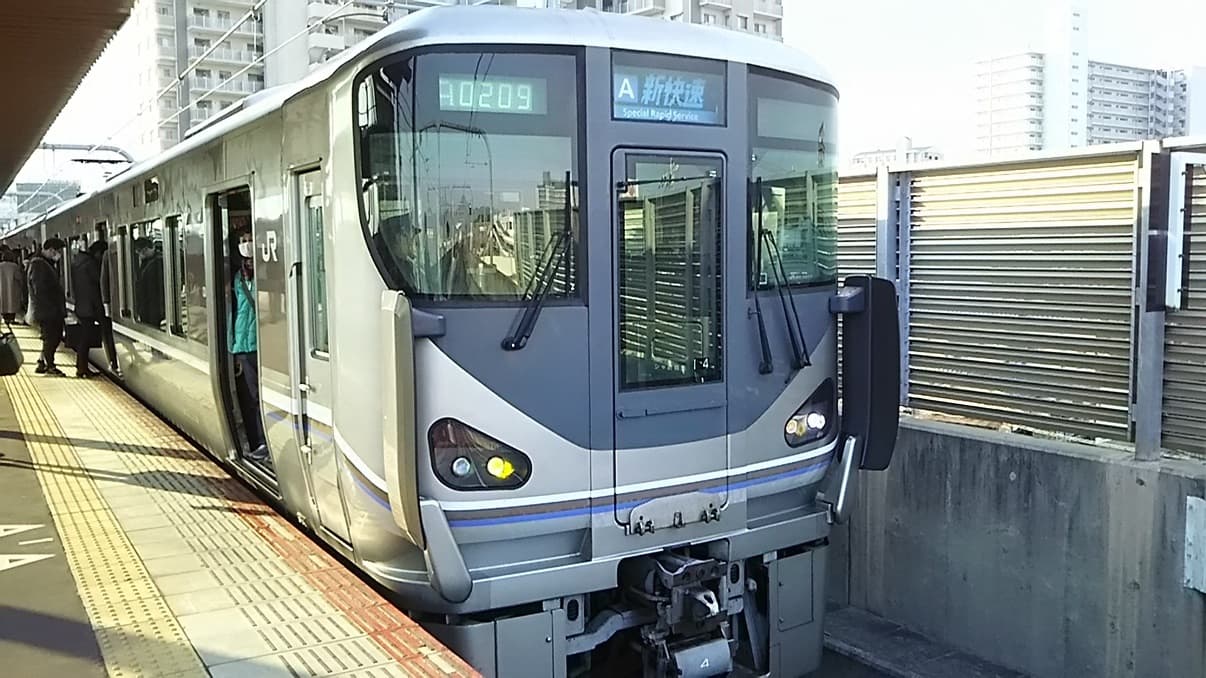
Shinkansen
Shin-Osaka
Theme park
Universal City
Kita or Minami? The Only Decision That Really Matters
Osaka divides into Kita ("north", the Umeda and JR Osaka Station district) and Minami ("south", Namba and Shinsaibashi). They are eight minutes apart on the Midosuji subway line, and the character of your trip changes depending on which one you sleep in.
- Kita is the transport and shopping capital. JR Osaka Station, the Hankyu and Hanshin terminals, three subway lines, the airport buses and the departure point for almost every day trip. Department stores, high-rise dining, the Umeda Sky Building. Business travelers and first-time visitors default here, correctly.
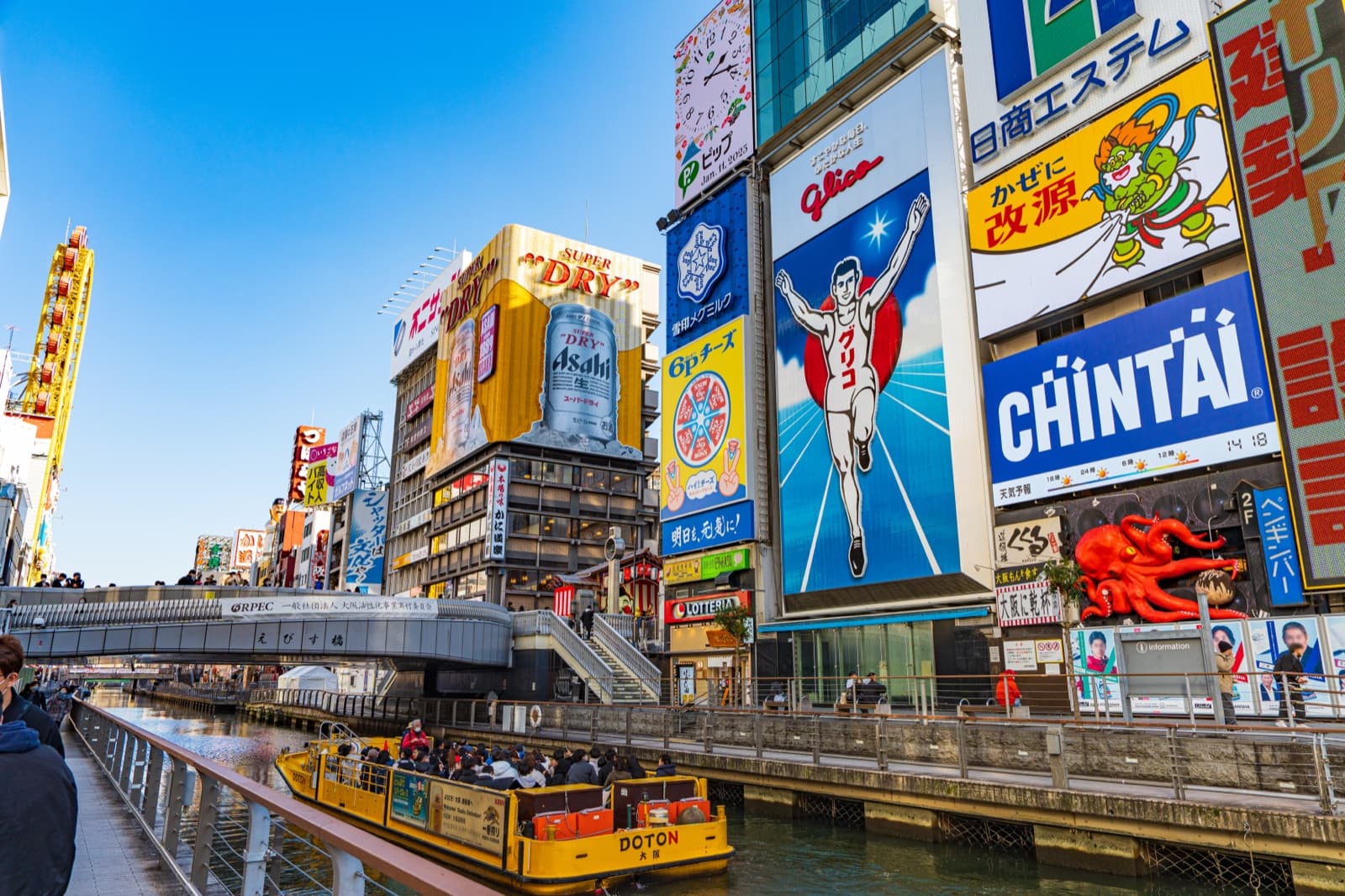
- Minami is the Osaka people come for. Dotonbori's canal and neon, the Glico running man, Shinsaibashi-suji's 600-metre covered arcade, Kuromon Market, the lantern lane of Hozenji Yokocho, and street food on every corner. It is louder, cheaper at the bottom end, and far more fun after dark.
A useful way to decide: if Osaka is your base for Kyoto and Nara, stay in Kita. If Osaka is the destination, stay in Minami. If you are doing both, Shinsaibashi sits between the two, with the arcade running north toward the business district and Dotonbori a few minutes south.
From our Japan travel team
Most travelers give Osaka two nights, which in practice means one evening. That evening is the whole point of the city, so we place people where the evening is good and accept a slightly longer ride in the morning. The exception is a route with an early Shinkansen — then the walk to the platform wins, and we move you north.
The Best Areas at a Glance
| Area | Best for | The trade-off | Price |
|---|---|---|---|
| Kita / Umeda (JR Osaka Station) | First trips, day trips to Kyoto and Nara, shopping | Every line in western Japan; the station complex is genuinely confusing | Mid to high |
| Minami / Namba & Shinsaibashi | Street food, nightlife, the classic Osaka evening | Loudest and busiest; noise matters when you pick a room | Low to high |
| Shin-Osaka | Shinkansen arrivals and early departures | Four minutes from Osaka Station, but nothing to do after dark | Low to mid |
| Tennoji & Abeno | Value, Kansai Airport runs, city views | Well connected and cheaper; 10 minutes from the centre | Low to mid |
| Osaka Bay & Universal City | Universal Studios Japan, families, the aquarium | A 20-minute ride from central Osaka each time you leave | Mid to high |
| Nakanoshima, Kyobashi & the Osaka Castle area | Quiet nights, museums, business travelers | Calm and green, with fewer restaurants on the doorstep | Mid to high |
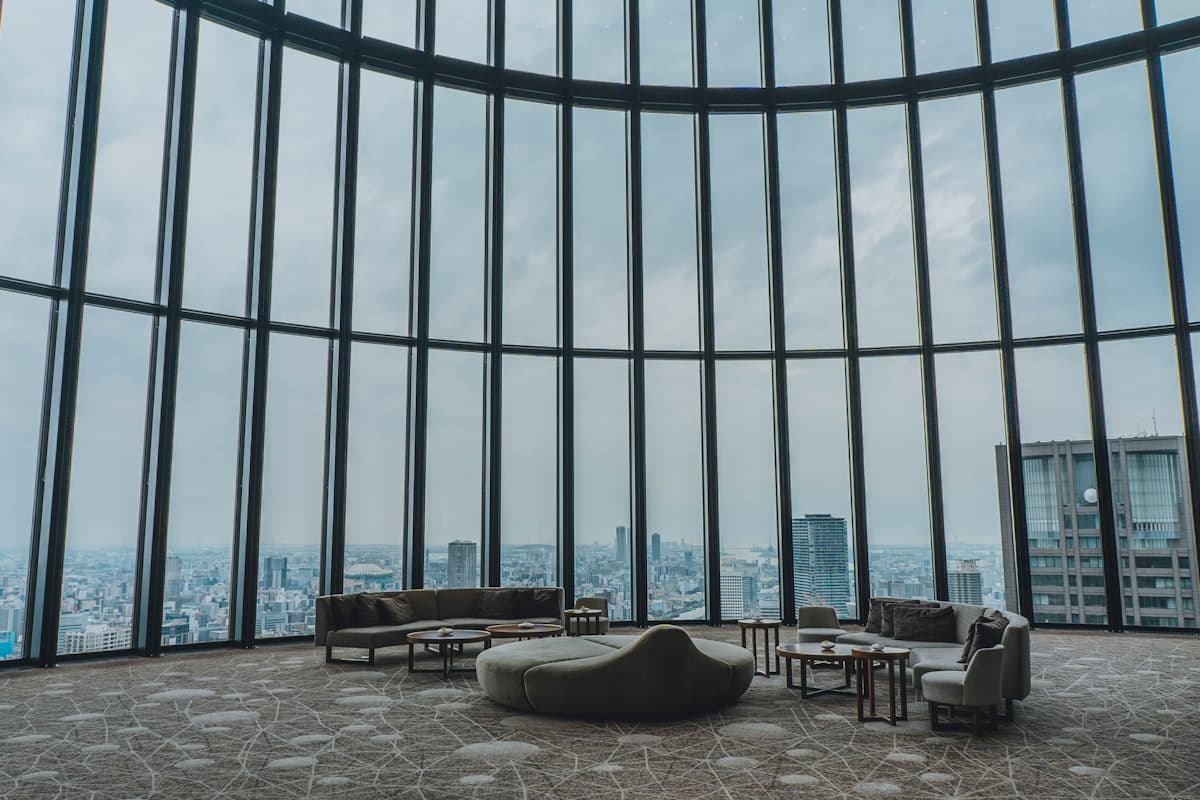
Umeda & Osaka Station: The Most Convenient Base
This is the transport heart of Osaka city and the prime location for anyone treating it as a base — the one part of downtown Osaka where being centrally located actually means something. JR Osaka Station sits at the centre; the Hankyu line to Kyoto and the Hanshin line to Kobe leave from Umeda next door; three subway lines and the Kansai Airport limousine bus all stop here. Nara, Kyoto, Kobe and Himeji are all inside an hour.
Be warned about one thing. The district contains five separate stations with three different names — Osaka, Umeda, Higashi-Umeda, Nishi-Umeda and Kitashinchi — connected by a warren of underground passages that locals genuinely call the Umeda Dungeon. Note the exit number for your hotel before you arrive, and give yourself fifteen minutes the first time.
The area has been rebuilt continuously for a decade. Grand Front Osaka — a shopping mall, offices and a hotel in one complex — sits directly north of the station, and the newest phase has added a large public park to what used to be a rail yard. Between them, the department stores at Hankyu Osaka Umeda and the malls under the station make this the densest shopping in western Japan. The Umeda Sky Building's Floating Garden Observatory, a 15-minute walk away, is the best skyline view in the city and one of the few genuinely architectural things to do in Osaka.
Suits: first-time visitors, day-trippers, shoppers, business travelers, anyone with an early train.
Namba & Shinsaibashi: Street Food and the Lively Atmosphere
If you have seen one photograph of Osaka, it was taken from Ebisubashi bridge in Dotonbori. The canal, the running man, the mechanical crab and the queue for takoyaki are all within 300 metres of each other, and the area stays busy until well past midnight. Kuromon Ichiba market is ten minutes east; Hozenji Yokocho, a moss-covered statue in a stone lane, is thirty seconds off the main drag and a different century.
"Namba station" is really four separate stations with one name. JR Namba station sits west at OCAT; the Namba Nankai railway station is the terminus where the Rapi:t from Kansai Airport arrives; and there are two Namba subway stations, on the Midosuji and Sennichimae lines. They are connected underground but a wrong exit can cost you a ten minute walk, so check which Namba train station your hotel actually means. Shinsaibashi subway station, one stop north, is calmer at street level with the long covered shopping arcade running through it.
The one real caveat is noise. Rooms facing Dotonbori or the Sennichimae arcade are loud until 2am. Ask for a high floor or a room away from the canal, or stay a few streets west toward Nishi-Nagahori, where the same subway gets you in but the street is residential.
Suits: food-focused travelers, first trips where Osaka itself is the destination, nightlife, younger travelers, anyone arriving from Kansai Airport on the Nankai line.
Shin-Osaka: For the Shinkansen and Nothing Else
Shin-Osaka station is the shinkansen station — every bullet train between Tokyo, Kyoto, Hiroshima and Kyushu stops here, and none of them stop at Osaka Station. It is the one Shin Osaka fact worth memorising before you book hotels. It is one JR stop and about four minutes from Osaka Station, or about five minutes to Umeda on the Midosuji subway.
Stay here if your arrival or departure is genuinely awkward: a 06:30 train to Hiroshima, a late arrival from Tokyo, or a day when you are moving with more luggage than sense. Otherwise do not. The area is offices and business hotels, the restaurants close early, and you will commute into the city every evening anyway.
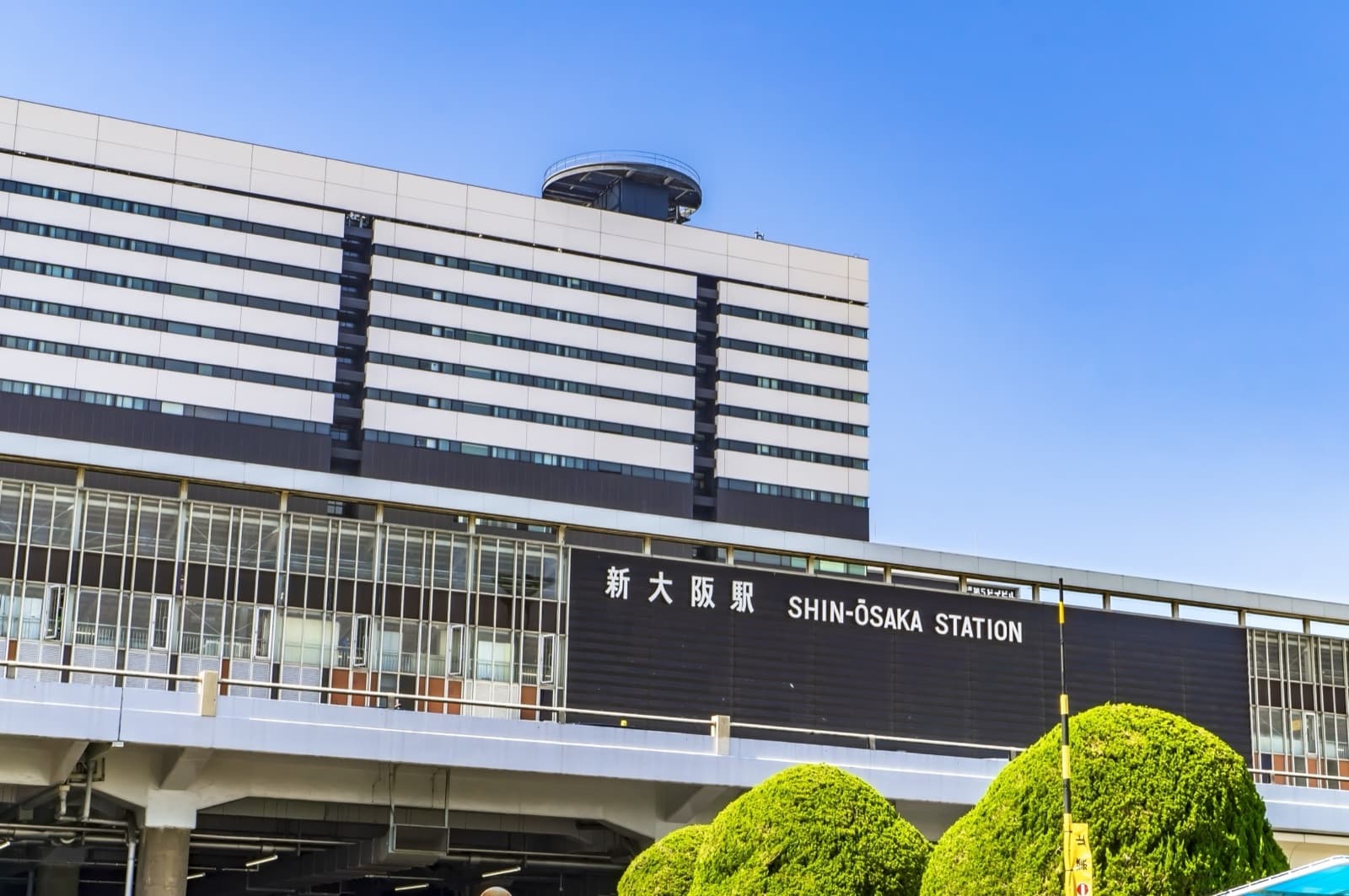
Suits: very early departures, JR Pass itineraries with several long legs, business travelers.
Tennoji & Abeno: Value, Views and the Airport Train
Tennoji is the underrated third option. It is a major interchange — the JR station, Kintetsu and two subway lines all meet — the JR Haruka airport express stops here, and hotel rooms cost noticeably less than the same standard in Kita or Minami. Popular hotels here sell at affordable prices that the city center cannot match. Namba is four minutes away on the Midosuji line.
The landmark is Abeno Harukas, a 300-metre tower above the station holding a department store, a museum and an observation deck across its top three floors. Below it, Tennoji Park and the Shitennoji temple grounds give you green space, and Shinsekai — the wonderfully shabby 1912 amusement district under the Tsutenkaku tower — is a ten-minute walk away for kushikatsu and an atmosphere nothing else in Japan quite matches.
Suits: travelers watching the budget, Kansai Airport arrivals and departures, anyone who wants spacious rooms and a city view for less.
Osaka Bay & Universal City: For Families and the Theme Park
The Osaka bay area is two attractions and not much else, but they are two very good attractions, and for some travelers visiting Osaka they are the entire reason for the trip. Universal Studios Japan sits at Universal City station, with hotels lined up along the walk to the gates — and on a park day, the ability to walk back to your room at lunchtime is worth real money. Osaka Aquarium Kaiyukan, one of the largest aquariums in the world, is across the water at Osakako with the Tempozan Ferris wheel beside it.
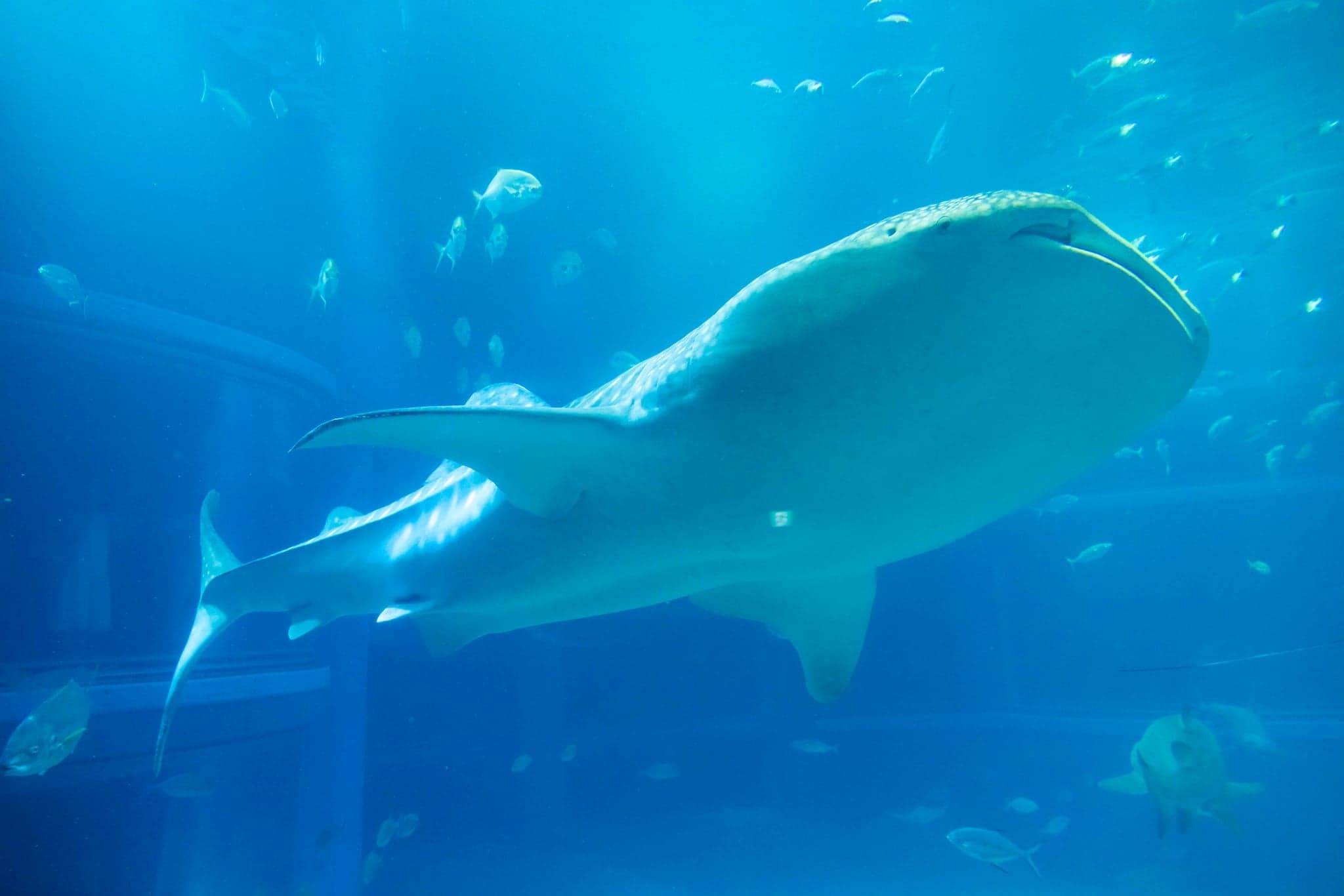
Staying out here costs you about 20 minutes each way into central Osaka, and the restaurant choice near the hotels is limited and priced for a captive audience. For one park day it is still the right call; for a general Osaka trip it is not.
Suits: families with a Universal Studios Japan day, anyone with two park days, travelers who want an apartment hotel with room to spread out.
Quieter Areas: Nakanoshima, Kyobashi and the Osaka Castle Area
- Nakanoshima — the long island between two rivers, with the National Museum of Art, the Science Museum, the red-brick Central Public Hall and a rose garden. Ten minutes from Umeda and remarkably peaceful at night.
- Kyobashi and Osaka Business Park — high towers and covered walkways on the north-east side, with Osaka Castle Park directly across the road. Good rail access to Kyoto on the Keihan line, quiet evenings, and a five minute walk to the castle before the coach parties arrive.
- Hommachi — Osaka's business district, midway between Kita and Minami on the Midosuji line. Business hotels at fair prices and a ten-minute walk to Shinsaibashi.
- Temmabashi and the Okawa river — riverside, with the Osaka Mint cherry trees in April and Osaka Castle a short walk south.
These are where we place travelers who have done Osaka once and want to sleep somewhere calmer without giving up the subway.
One season changes this advice. Osaka's best cherry blossoms are all on this north-eastern side: Osaka Castle Park has around 3,000 trees, the riverside at Kema Sakuranomiya Park runs for several kilometres, and the Japan Mint opens its private avenue of late-flowering cherry blossoms to the public for about a week each April. In early April the Osaka castle area is the best place in the city to sleep; for the other fifty-one weeks it is merely a quiet one. Our cherry blossom forecast tracks the dates.
The Osaka Hotels Our Self-Guided Tours Actually Book
Everything above is advice. This section is inventory. These are the hotels we reserve in Osaka on our own self-guided routes, grouped by tier, with the routes they appear on, the number of nights, and what the whole route costs per person.
Two things to read carefully. Most of these are contracted as "or similar" — if a property is full on your dates we substitute an equivalent hotel in the same class and area, so treat the name as the standard we book to rather than a guarantee. And the prices are for the complete route — every hotel night in every city, the rail tickets between them, luggage transfers and the documentation — not for the Osaka hotel alone. We do not sell the rooms separately.
Standard tier
Comfortable, centrally located hotel rooms, chosen for the walk to the station rather than the lobby. These are booked as twin rooms unless you ask otherwise, and all of them are within easy walking distance of a train station.
| Hotel | Where it is | Nights | Routes | Route price |
|---|---|---|---|---|
| Hotel Granvia Osaka | Inside the JR Osaka Station building, Umeda | 1–3 | GR006, KA003, KM002, SE001–SE005, SL001 | $2,200–6,300 |
| The Park Front Hotel at Universal Studios Japan | Universal City, a two minute walk from the park gates | 2–3 | FG004, TP005, TP006 (plus three deluxe routes) | $2,000–6,500 |
| Hotel Kintetsu Universal City | Universal City, a five minute walk from the park gates | 2–3 | TP001, TP002, TP003, TP004 | $2,200–5,900 |
| Sheraton Miyako Hotel Osaka | Uehonmachi, directly connected to Kintetsu Osaka-Uehommachi station | 2–3 | EX005, KR003, NT005, NT105 | $900–4,400 |
| Hotel Monterey Grasmere Osaka | Minatomachi, above JR Namba station and a five minute walk from Namba, Osaka | 1–3 | GR001, KA002, KM001 | $2,000–6,300 |
| Hotel Monterey La Soeur Osaka | Osaka Business Park, a three minute walk from Kyobashi station | 2 | GR004, GR008, SL004 | $4,200–6,100 |
| hotel it. osaka shinmachi | Nishi-Nagahori, a four minute walk from the subway and west of Shinsaibashi | 1–2 | BF001, BF004, KA001 | $1,000–1,900 |
| Miyako City Osaka Hommachi / Osaka Tennoji | Hommachi business district and Tennoji | 3 | KR003 | $900–1,500 |
| MIMARU (one of the Namba or Shinsaibashi apartment hotels) | Central Osaka, apartment-style rooms for 4 | 4 | FG002 | $2,900–4,300 |
Hotel Granvia Osaka is the one we use most, and the reason is that it is physically inside the JR Osaka Station building — you come off the platform, go up, and you are in the lobby. On a route that reaches Osaka at 20:00 from Hiroshima, that is worth more than any view. Hotel Monterey Grasmere Osaka is its Minami equivalent, above the JR Namba terminal within an easy walking distance of Dotonbori. hotel it. osaka shinmachi and the two Miyako City properties are the value picks on our shortest routes, and the Universal City pair carry every theme-park itinerary we run.
Deluxe tier
Full-service hotels where the building itself is part of the reason to stay.
| Hotel | Where it is | Nights | Routes | Route price |
|---|---|---|---|---|
| Osaka Marriott Miyako Hotel | The upper floors of Abeno Harukas, a three minute walk from JR Tennoji station | 2–3 | GR101, KM101, KM102, NT009 | $4,100–7,600 |
| RIHGA Royal Hotel Osaka | Nakanoshima, directly connected to Keihan Nakanoshima station | 2 | GR104, GR108 | $5,100–7,300 |
| Imperial Hotel Osaka | Temmabashi, a five minute walk from the JR station at Sakuranomiya | 2 | GR106 | $4,300–6,400 |
| The Park Front Hotel at Universal Studios Japan | Universal City, a two minute walk from the park gates | 2 | TP101, TP102, TP103 | $5,000–6,500 |
Osaka Marriott Miyako Hotel occupies the upper floors of Abeno Harukas, so the guest rooms start higher than most observation decks and the city lies flat beneath you in every direction — the single most dramatic room we book anywhere in Kansai, and it sits directly above a station with a direct airport train. RIHGA Royal Hotel Osaka is the grand old riverside hotel on Nakanoshima, with an indoor pool and a free shuttle to Osaka Station. Imperial Hotel Osaka sits on the Okawa river at Temmabashi, a walk from the Mint cherry trees and about five minutes from JR Sakuranomiya, with its own shuttle bus from Osaka Station.
Luxury tier
Osaka has plenty of luxury hotels, and more open every year around the station. One of them sits in our luxury range, and it is there for a specific reason.
| Hotel | Where it is | Nights | Route | Route price |
|---|---|---|---|---|
| InterContinental Osaka | Grand Front Osaka, a covered walk from JR Osaka Station | 2 | LX002 — Refined Kansai Journey: Lake Biwa & Castles (11 days) | $6,500–9,400 |
InterContinental Osaka sits in Grand Front Osaka, connected to JR Osaka Station by a covered walkway — a five-star hotel where the practical advantage is that you never go outdoors to reach a train. On LX002 it pairs with a garden hotel in northern Kyoto, so the route alternates between a city tower and quiet grounds. If you want the luxury hotels end of Osaka without the rest of the itinerary, tell us and we will price the route around those nights instead.
From our Japan travel team
Osaka is the city where the gap between tiers shows up most clearly, because the standard hotels here are genuinely good and very well placed. Moving up a tier in Osaka buys you a view, a larger room and a quieter building rather than a fundamentally better location. If your budget only stretches to upgrading one city on a two-week route, we usually suggest spending it on the nights in the countryside or an onsen town instead — and we will say so when you ask.
Getting In From Kansai International Airport
Where you stay should partly follow how you arrive. Kansai Airport sits on an artificial island about 50 km south of the city, and the four sensible routes in land in four different places:
| Route | Fastest time | Who it suits |
|---|---|---|
| Nankai Rapi:t to Namba | About 38 minutes | Best for Minami; arrives at Nankai Namba station, in the middle of the nightlife |
| JR Haruka to Tennoji | About 35 minutes | Best for Tennoji and Abeno; continues to Shin-Osaka |
| JR Haruka to Shin-Osaka | About 50 minutes | Best for a Shinkansen connection or a Shin-Osaka hotel |
| Limousine bus to Umeda | About 60 minutes | No stairs and no changes — the easiest option with large luggage |
Osaka has a second airport, and it catches people out. Itami Airport (Osaka International) handles domestic flights only and sits north of the city — about 30 minutes by limousine bus to Umeda, or the monorail and Hankyu line if you prefer rails. If you are flying in from Tokyo, Sapporo or Okinawa rather than from abroad, you will land at Itami, and a base in Kita is the easier one.
If you have a JR Pass, the Haruka is covered and the Nankai Rapi:t is not, which quietly pushes JR Pass holders toward Tennoji or Shin-Osaka. On our routes the airport transfers and the rail tickets are arranged in advance, so this decision is already made for you — but it is worth understanding if you are booking the first night yourself.
Cost Expectations by Area
Rough nightly rates for a double room in normal season. Osaka runs noticeably cheaper than Tokyo and Kyoto for the same standard, which is one reason so many travelers base here:
- Budget hotels (under ¥12,000): Shin-Osaka, Tennoji and Shinsekai, and the streets west of Namba. Osaka has more genuinely affordable hotels near a train station than any other big Japanese city.
- Mid range hotels (¥12,000–¥30,000): most of Namba and Shinsaibashi, Hommachi, Kyobashi, and Universal City outside peak dates. The best hotels for a first trip sit in this band, and they are booked as twin rooms unless you ask otherwise.
- Luxury hotels (¥40,000+): the towers around Umeda and Grand Front Osaka, Nakanoshima, and the high floors at Abeno Harukas. A five star hotel in Osaka still costs less than the same brand in Tokyo or Kyoto.
Two dates will break these numbers: the Universal Studios Japan peak weeks, and any weekend with a major event at the bay. For the wider picture see our guides to Japan hotel prices in 2026 and how much a trip to Japan costs.
A note on how long to stay: two nights is the standard on our routes and is usually right. Osaka's own sights — the castle, the aquarium, Shinsekai — fill a day comfortably, and the city works best as the lively half of a pair with Kyoto rather than as a week-long base. See where to stay in Kyoto for the other half, and Kyoto to Osaka for the 30-minute hop between them.
Common Mistakes When Booking an Osaka Hotel
- Booking Shin-Osaka to save money. You save a little and commute every evening. Only stay there if the train time genuinely demands it.
- Assuming Osaka Station and Shin-Osaka are the same place. They are one JR stop apart, and only one of them has bullet trains.
- Taking a room straight above Dotonbori. The view is fun for an hour; the noise lasts until 2am.
- Staying at Universal City for a general Osaka trip. Great for a park day, isolating for anything else.
- Commuting daily between Osaka and Kyoto. Thirty minutes each way sounds trivial and costs you two hours a day once you add the walks.
- Ignoring the exit number in Umeda. The underground complex is large enough that the wrong exit adds fifteen minutes.
FAQ: Where to Stay in Osaka
What is the best area to stay in Osaka for first-time visitors?
Umeda, around JR Osaka Station, if you are using Osaka as a base for Kyoto, Nara and Kobe — it is the most connected spot in western Japan. Namba or Shinsaibashi if Osaka itself is the point of the trip, because the street food, the nightlife and the lively atmosphere are all in the south.
Is it better to stay in Namba or Umeda?
Namba for food and evenings, Umeda for transport and shopping. They are eight minutes apart on the Midosuji subway line, so neither is a bad choice — decide by whether you will spend more time on trains or in restaurants.
Should I stay near Shin-Osaka station?
Only if you have a very early or very late Shinkansen. Shin-Osaka is the shinkansen station for the city but it is an office district with little to do at night, and it is one JR stop and about four minutes from Osaka Station anyway.
Where should I stay in Osaka for Universal Studios Japan?
Universal City. The hotels there stand within a few minutes' walk of the gates, which lets you go back to your room in the afternoon and return for the evening show. It costs you about 20 minutes each way to reach central Osaka, so it is the right base for a park day and the wrong one for a general city trip.
How many nights should I stay in Osaka?
Two is the usual answer and the number our routes use. Osaka's own sights fill one full day, and the city is at its best as the lively counterweight to Kyoto rather than as a week-long base. Add a third night if you are doing Universal Studios Japan or a day trip to Himeji.
Is Osaka cheaper than Tokyo or Kyoto?
Yes, noticeably — the same standard of room generally costs less in Osaka, and the gap widens in Kyoto's cherry blossom and autumn peaks. It is one of the main reasons travelers base in Osaka and take the train to Kyoto, although we would rather you stayed in both.
Which hotels do your self-guided tours use in Osaka?
Most often Hotel Granvia Osaka at JR Osaka Station and Hotel Monterey Grasmere Osaka near Namba on our standard routes; the Park Front Hotel and Hotel Kintetsu Universal City on theme-park routes; Osaka Marriott Miyako Hotel, RIHGA Royal Hotel Osaka and Imperial Hotel Osaka on the deluxe routes; and InterContinental Osaka on our luxury Kansai route. Almost all are contracted as "or similar", so an equivalent hotel in the same class and area may be substituted if a property is full.
How do I get from Kansai Airport to central Osaka?
The Nankai Rapi:t reaches Nankai Namba station in about 38 minutes, the JR Haruka reaches Tennoji in about 35 and Shin-Osaka in about 50, and the limousine bus takes about an hour to Umeda with no stairs or changes. Pick your hotel area partly around which of those you plan to use.
Where Our Self-Guided Tours Put You in Osaka
On our routes, Osaka is usually two nights — most often at JR Osaka Station in Umeda or beside Namba, in Universal City on the theme-park itineraries, and above Tennoji or on the river at Nakanoshima on the deluxe routes. Rooms, rail tickets, seat reservations and luggage transfers between cities are arranged before you fly, and the hotels are picked around realistic transfer times so your travel days stay short.