
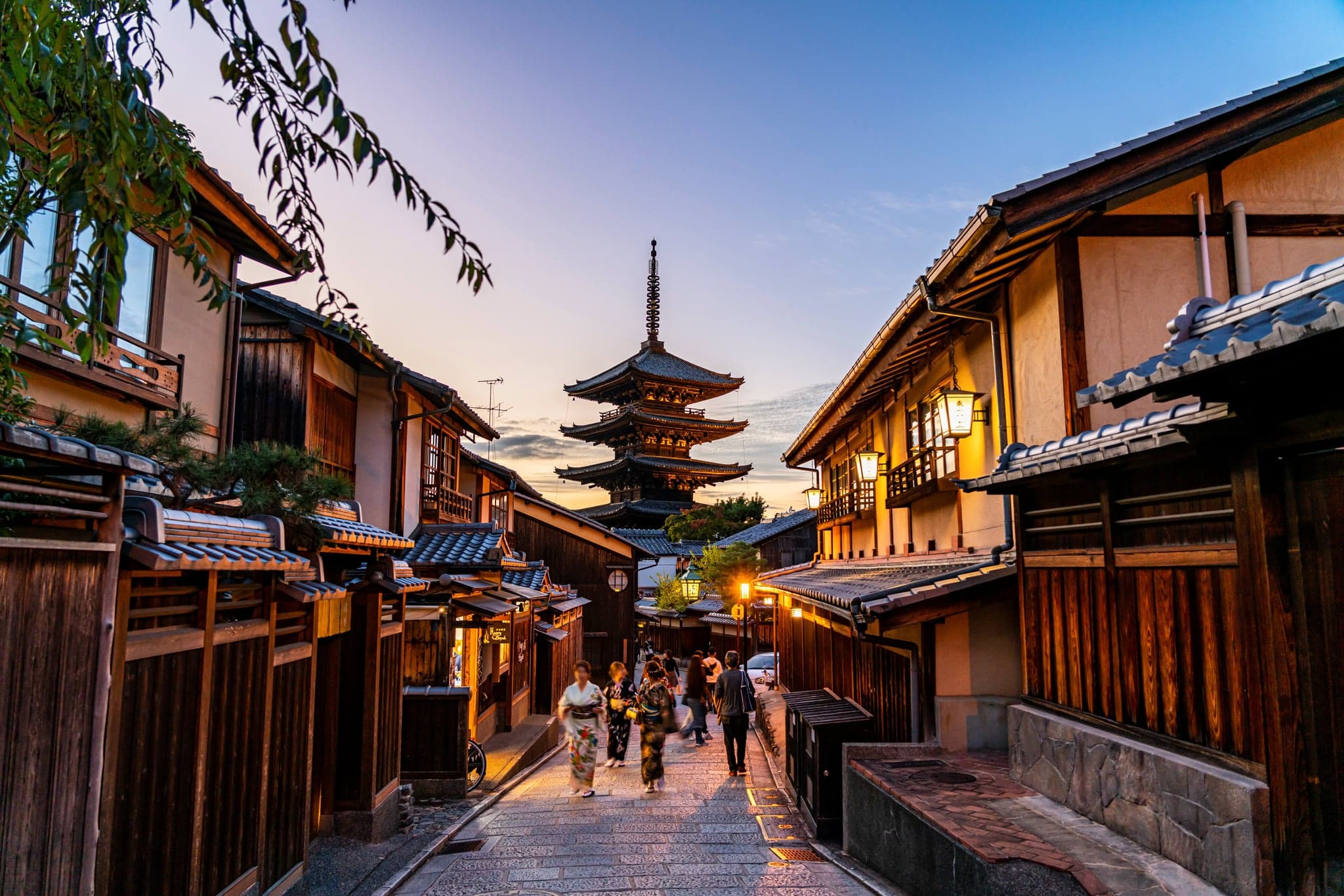
Japan Travel Packages: Real Prices for 113 Self-Guided Trips, and What's Actually Included
Our whole catalog priced out — from $900 for four days to $11,700 for a luxury route — plus what every package includes, what none of them do, and how to turn any package into a trip that feels like yours.
So you're thinking about Japan. Maybe it's your first trip, maybe it's your third. Either way, the question that stops most people cold is the same one: do I book a package, or do I do it myself?
This guide is written for travelers who want the middle path — the freedom of independent travel with the safety net of a properly planned itinerary. We walk through what Japan travel packages actually include in 2026, what they cost, when they're worth the money, when they're not, and how to turn any package into a trip that feels like yours.
If you'd rather skip the research phase entirely, that's what we do. But even if you plan everything from scratch, the framework below should save you a solid weekend of tab-hopping.
🧳 Quick Answer: What a Japan Travel Package Costs
Our 113 self-guided itineraries run from $900 to $11,700 per person (catalog prices, based on two sharing, excluding international flights).
Cheapest
4 days, Osaka & Nara — from $900
One week, Golden Route
Tokyo · Kyoto · Osaka — $1,200–$1,800
Classic 12-day first trip
$2,800–$4,800 with standard hotels · $4,200–$7,600 Deluxe
Top of the range
12-day luxury Ise-Shima — $8,100–$11,700
Included on all 113: accommodation, travel insurance and 24/7 support in Japan. Included on none: international flights.
What Are Japan Travel Packages, Really?
A Japan travel package is a pre-built trip that bundles some combination of hotels, transport, activities and support into one booking. The word "package" carries baggage — most people picture a coach bus and a flag-waving guide. That's one version. It's not the only one.
In 2026 the market splits roughly three ways:
- Fully guided group tours with a leader, a fixed schedule and 20–40 other travelers.
- Private tours for a family or small group, with a dedicated tour guide and a car or driver where useful.
- Self-guided tour packages, where the hotels, trains and route are booked for you, but you walk around each city on your own.
The last option is the fastest-growing category, and it's what most independent travelers actually want when they say "Japan vacation packages". You get the logistics handled without giving up your evenings, your pace or your restaurant choices.
What Japan Travel Packages Actually Cost
Most package pages give you one "from" price and a form. Here is our whole range instead — 113 self-guided itineraries, from $900 to $11,700 per person.
📅 By trip length (USD per person)
| Days | Itineraries | Price range |
|---|---|---|
| 2 | 1 | $1,400–$1,500 |
| 4 | 3 | $900–$5,500 |
| 6 | 1 | $1,000–$1,500 |
| 7 | 9 | $1,200–$4,300 |
| 8 | 6 | $2,200–$5,100 |
| 9 | 8 | $2,000–$4,700 |
| 10 | 4 | $2,900–$8,400 |
| 11 | 20 | $2,500–$9,400 |
| 12 | 26 | $2,800–$11,700 |
| 13 | 10 | $2,700–$8,900 |
| 14 | 8 | $4,100–$6,600 |
| 15 | 13 | $3,700–$6,600 |
| 16 | 4 | $4,400–$7,300 |
The spread inside a single length is almost never the number of cities. It is the accommodation tier and how much private transport is built in.
🗾 By type of trip (USD per person)
| Type | Days | Price range |
|---|---|---|
| Short regional trips (Nara, Koyasan, Ise-Shima) | 2–4 | $900–$5,500 |
| Kansai: Osaka, Kyoto, Nara and beyond | 6–8 | $1,000–$3,100 |
| One week on the Golden Route (five routes) | 7 | $1,200–$2,000 |
| Family holidays | 9–13 | $2,000–$4,300 |
| Theme parks and Universal Studios Japan | 9–15 | $2,200–$6,500 |
| Hokkaido nature | 7 | $2,200–$4,300 |
| Setouchi art islands and Shikoku | 11–15 | $2,500–$5,700 |
| Classic Japan (Tokyo, Kyoto, the Alps, Hiroshima) | 12–16 | $2,800–$7,600 |
| Walking and nature trails (Kumano Kodo, Nakasendo) | 8–13 | $2,800–$6,600 |
| Kyushu | 9–13 | $2,800–$8,900 |
| Ski trips, Honshu and Hokkaido | 8–14 | $2,400–$6,600 |
| Signature experiences (Mt Fuji, Zen, onsen stays) | 7–9 | $3,000–$4,700 |
| Koyasan and sacred Japan | 12–15 | $3,300–$6,600 |
| Solo travelers | 12–15 | $3,700–$6,100 |
| Onsen journeys | 11–14 | $4,300–$7,600 |
| Luxury | 10–12 | $6,500–$11,700 |
Catalog prices, per person based on two sharing, excluding international flights. Prices vary by departure date.
Japan Vacation Packages vs Booking It All Yourself
Here's the honest trade-off.
Book it all yourself and you have total control. You'll also spend 20–40 hours researching, wrestle with hotel sites that sell out six months ahead, and second-guess whether the shinkansen you booked actually goes to the right station.
Buy a full group tour and you're on someone else's clock. Breakfast at 7:00, bus at 8:15, whether you like it or not.
Self-guided vacation packages sit in between. Someone else handles the hotels, the intercity trains and, on many routes, the airport transfer. You get a route that works, a day-by-day plan, and a phone number to call when something goes sideways. Then you spend your days however you want.
For most first-time visitors, that middle path is the best trip you can book. It removes the mistakes without removing the discovery.
A worked example: 12 days, line by line
To make "self-guided package" concrete, here is our 12-day Japan Highlights & World Heritage route — Tokyo, Takayama, Shirakawa-go, Kyoto and Nara — at $3,300–$4,800 per person.
✅ Booked before you land
- 11 nights of accommodation with breakfast
- Shinkansen, JR limited express and Kintetsu limited express tickets for every intercity leg
- A chartered taxi for the Shirakawa-go day, and a free shuttle to the hotel in Nara
- A transportation IC card preloaded with ¥5,000 for local trains, subways and buses
- Luggage delivery Tokyo → Kyoto and Kyoto → Tokyo
- Travel insurance and a 24/7 support line staffed in Japan
✋ Not included
- International flights
- Meals outside the itinerary
- Entrance fees to the temples and gardens you choose
- Local transport beyond the IC card
- Hotel incidentals and accommodation tax
Booking the same thing yourself is perfectly possible. What the package replaces is the dozen separate reservations, the timing of each train against each check-in, and having nobody to call when one of them goes wrong.
The Golden Route: What Almost Every Package Covers
If you've read anything about Japan, you've heard the term. The Golden Route is the classic first-timer's loop: Tokyo → Hakone or Mount Fuji → Kyoto → Osaka, sometimes with Hiroshima and Miyajima tacked on. Almost every travel package sold to Western visitors follows some version of this shape.
Why? Because it works. The Golden Route delivers the essential highlights — the capital city's neon-lit skyscrapers, Kyoto's ancient temples, Osaka's food scene and a proper view of Mount Fuji — in 7 to 12 days without wasting time on connections. The bullet trains make the whole thing possible; you can go Tokyo to Kyoto in about two and a quarter hours on the Nozomi, or roughly two and a half on the Hikari.
A well-designed Golden Route trip lets you actually breathe. Two or three nights per city is the sweet spot. One-night stops are how travelers end up exhausted and unable to remember what happened in Kyoto.
When to go beyond the Golden Route
Once you've done the classic loop, or if you've got more than two weeks, the country opens up. The Japanese Alps around Takayama and Kamikochi. The onsen towns of Kyushu. Naoshima's art islands. Hokkaido in ski season. These add depth, but they add planning complexity too, which is where a good tour package earns its fee.
Top Destinations You'll See in Almost Every Tour Package
Here are the popular cities and sights that show up in nearly every Japan vacations brochure, with the practical notes you actually need.
Tokyo: the capital city
Tokyo is not one city. It's a stack of neighborhoods with wildly different personalities — Shinjuku for the neon and the skyscrapers, Asakusa for the old-town feel, Shibuya for the crowds, Ginza for the shopping. Plan at least three nights here on your first trip. Four is better.
Tokyo Tower and Tokyo Skytree
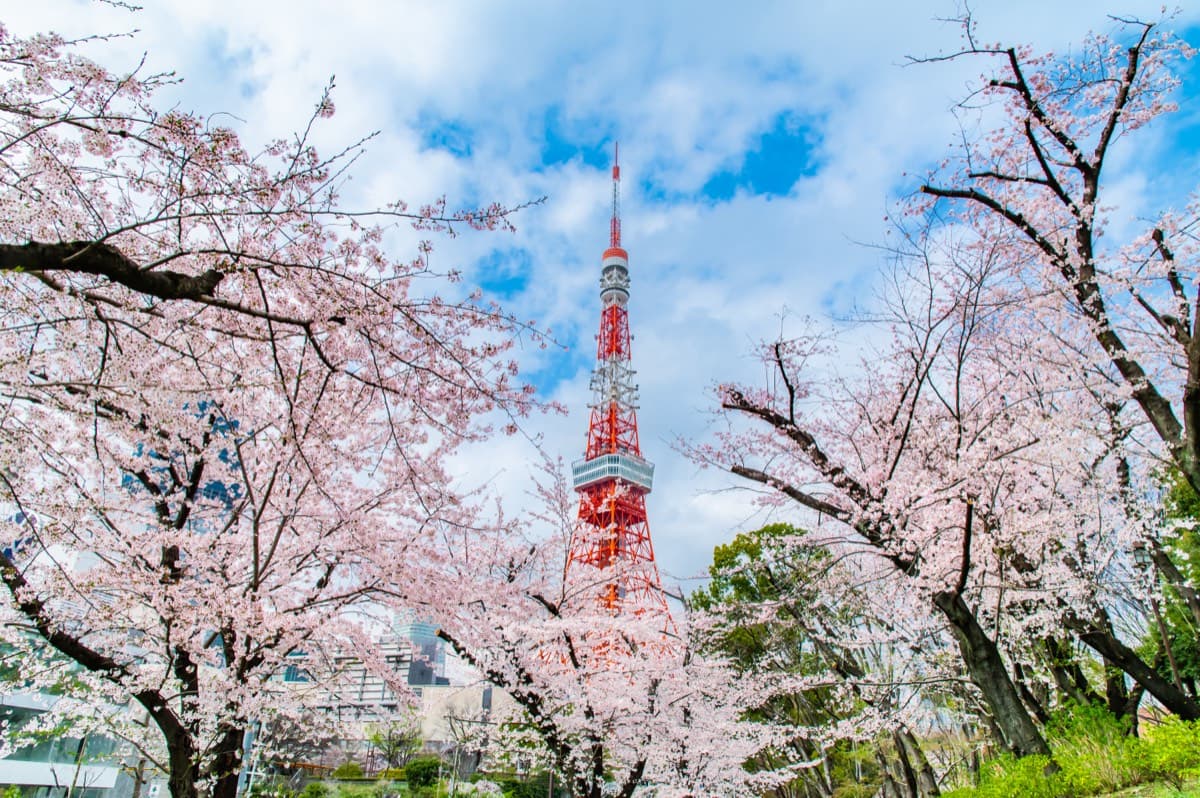
Tokyo has two famous towers and travelers constantly ask which one. Tokyo Tower is the older, red-and-white one from 1958 — smaller, more nostalgic, easier to fit into a Roppongi or Zojoji itinerary.
Tokyo Skytree is 634 meters tall, making it the tallest tower in Japan and one of the tallest towers in the world. A combined ticket covers both the Tembo Deck at 350m and the Tembo Galleria at 450m, with 360° views of the skyline stretching as far as Mount Fuji on clear days. The entrance is on the 4th floor of Tokyo Skytree Town, between Tokyo Skytree Station and Oshiage Station; it's also about a 20-minute walk across the Sumida River from Asakusa.
Skytree if you want the record-holding height. Tokyo Tower if you want the classic photo and lighter crowds.
Shibuya Crossing and central Tokyo
Shibuya Crossing is often called the busiest pedestrian intersection on earth, and yes, it's worth seeing once. Go up to the Shibuya Sky observation deck for the classic aerial shot. Give it 30 minutes, then move on. Between Shibuya, Harajuku and Shinjuku you can fill two full days without repeating yourself.
Kyoto: historic temples and geisha culture
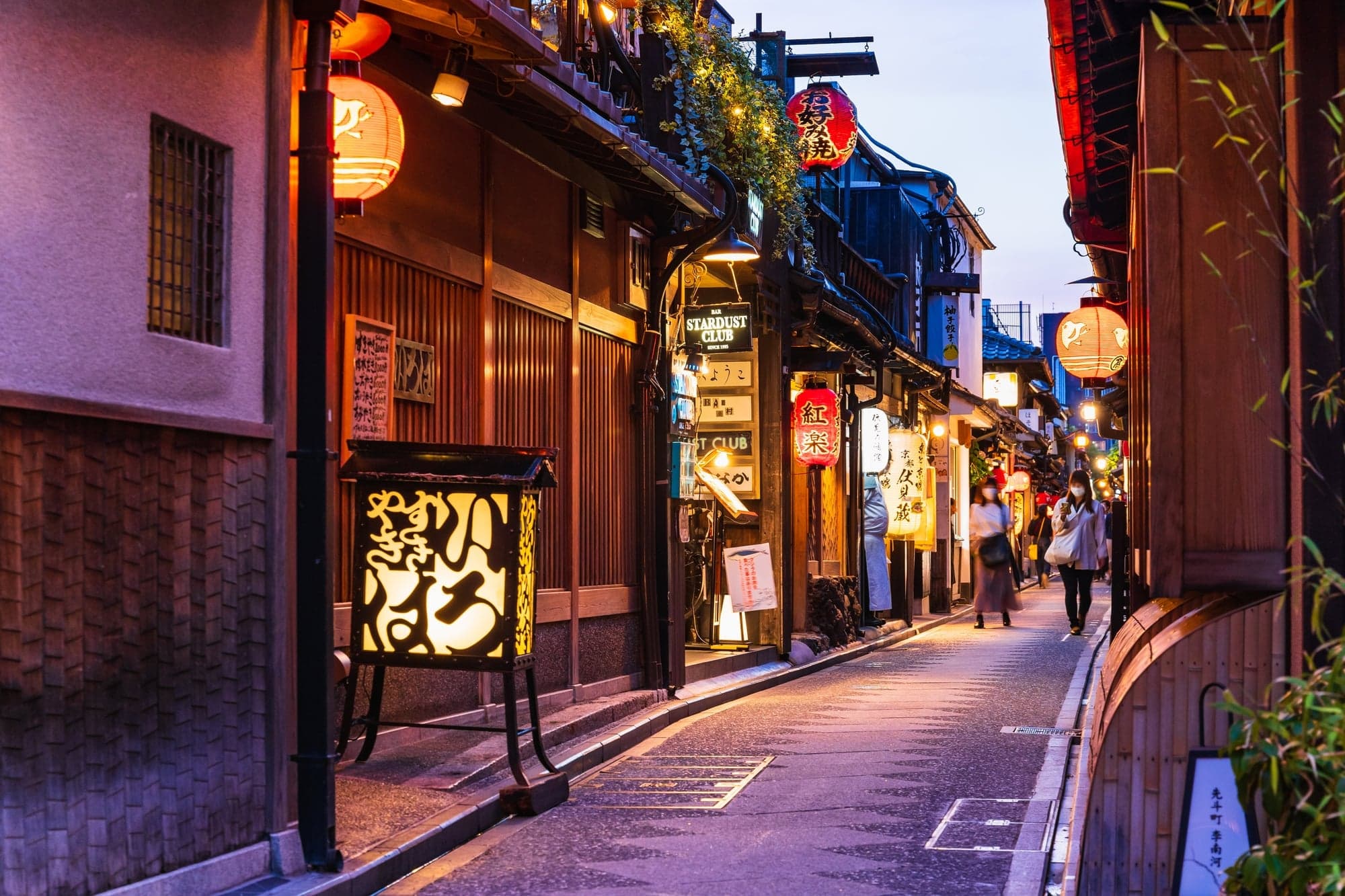
Kyoto is where Japanese culture stops being an abstract idea. Its UNESCO listing, the Historic Monuments of Ancient Kyoto, covers 17 sites in and around the city, and even a rushed three-day visit can only cover a fraction. Kyoto Station itself is a landmark — a giant glass structure that doubles as the transit hub for everything.
The must-sees for most itineraries:
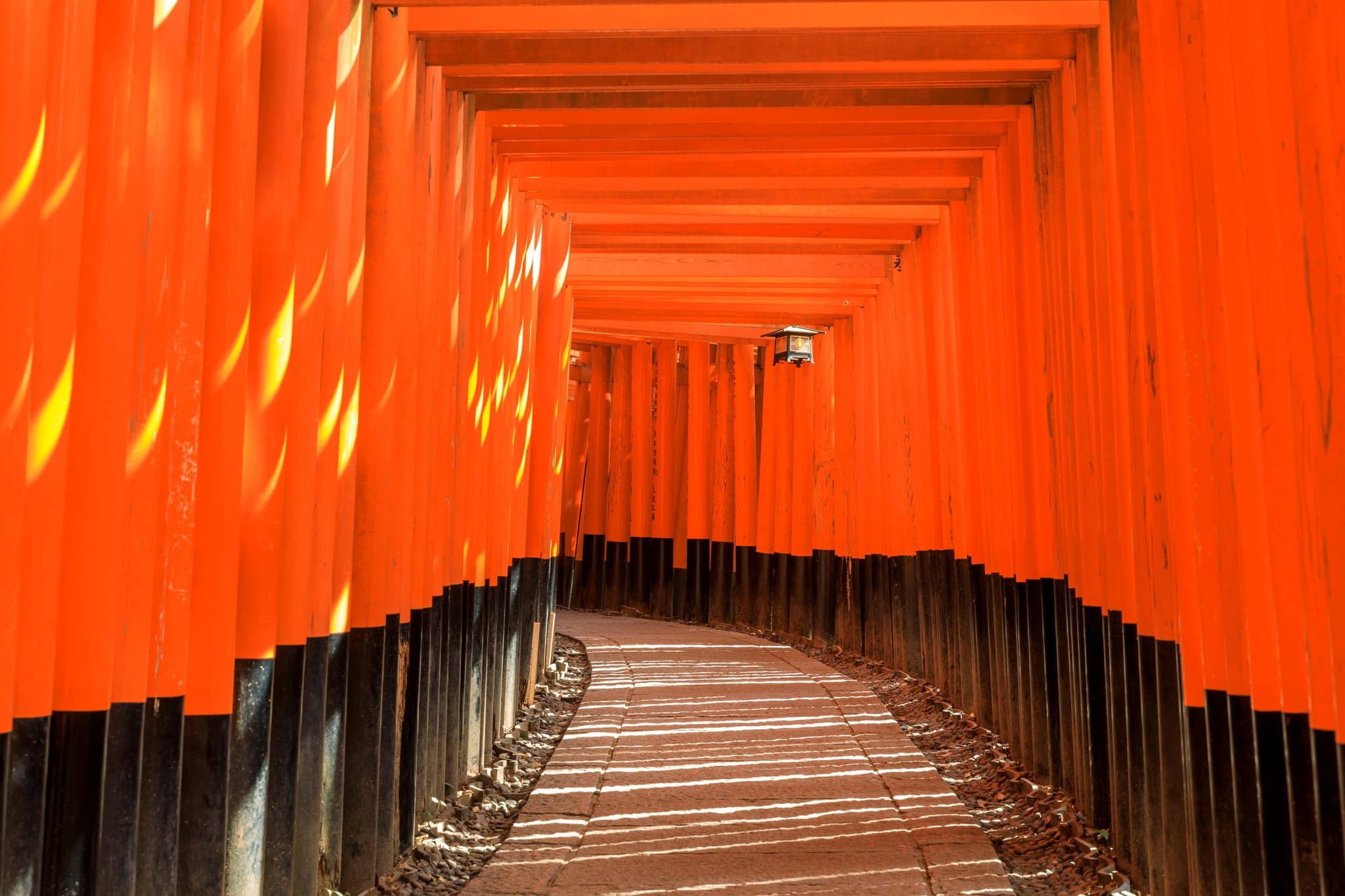
- Fushimi Inari Shrine — the mountain of orange torii gates. It is open 24/7 year-round and admission is free; it gets extremely busy during the day, so arrive before 9am or after 4pm. Go at sunrise if you can.
- Kinkaku-ji, the Golden Pavilion — the gold-leafed temple reflected in its pond. Get there at opening.
- Arashiyama — the bamboo grove plus Tenryu-ji temple.
- Gion — the district associated with geisha culture. Walk it in the early evening, and do not photograph maiko without permission.
Kyoto also delivers the softer side of the experience: tea ceremonies in traditional machiya houses, kaiseki dinners, and temple gardens that make you sit still for an hour without noticing.
From our Japan travel team
Kyoto's cherry blossom season and autumn foliage push hotel prices up sharply, and most decent rooms are gone six to nine months out. Hotels and trains fill up fast during these windows, so start planning early. Our self-guided tours handle the bookings and give you 24/7 support on the ground, so if you want a Kyoto-based route with the Golden Pavilion, Fushimi Inari and a tea ceremony slotted in, just get in touch and we'll help you build it.
Osaka: food, Osaka Castle and Universal Studios Japan
Osaka is the food capital and the base city for Kansai. Osaka prefecture covers a compact area, so you can easily day-trip to Nara, Kobe or Himeji Castle from here.
The two anchor sights are Osaka Castle, the reconstructed 16th-century fortress with a modern museum inside, and Universal Studios Japan, which sits on the west side of the bay and eats a full day if you go. Add Dotonbori at night for the neon signs, the giant crab and street food you won't stop thinking about. Osaka Castle sits in a huge park that's genuinely beautiful during cherry blossom season.
Hiroshima and the sacred island of Miyajima
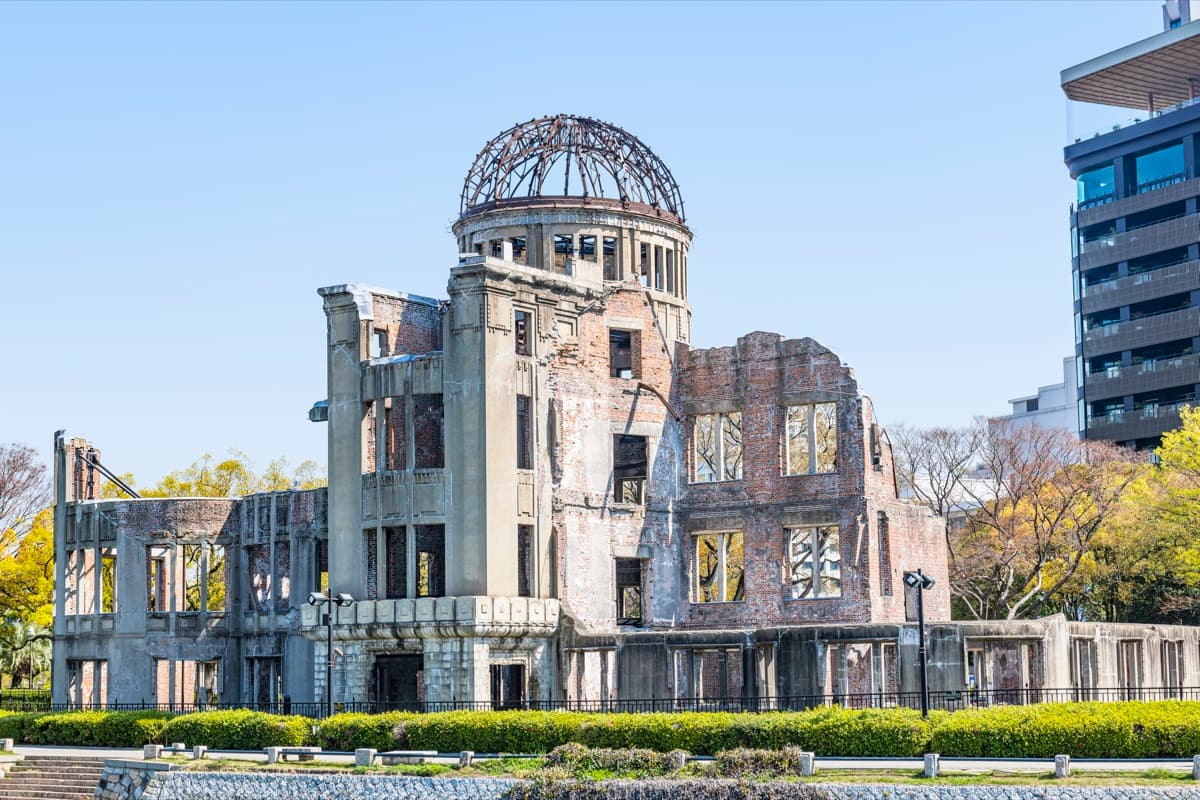
If your tour package includes Hiroshima, that usually means the Peace Memorial Park and Museum plus a half-day on Miyajima. The island is one of the most photographed places in the country — the great vermilion torii gate of Itsukushima Shrine appears to float on the water at high tide.
Two companies operate the ferries, JR West Miyajima Ferry and Matsudai Kisen. Both cost the same (¥200 plus a ¥100 visitor tax) and take about 10 minutes. The ¥100 Miyajima Visitor Tax was introduced in October 2023 and is collected when you buy the ferry ticket, even if you use a JR Pass. The whole island is regarded as sacred, which is why the shrine was built out over the water rather than on land.
Shirakawa-go and the Japanese Alps
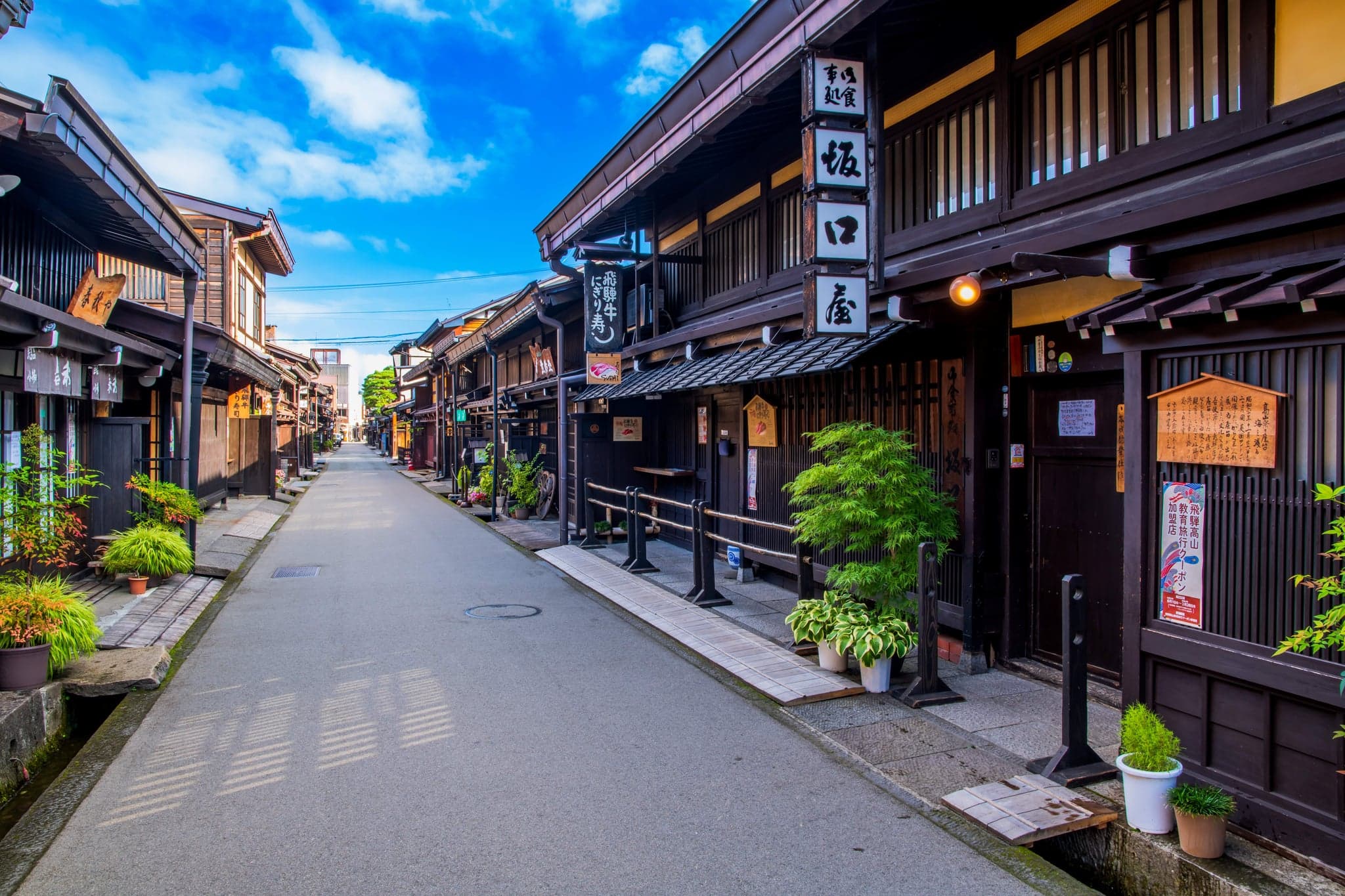
For travelers who want stunning scenery beyond the vibrant cities, Shirakawa-go is the standard add-on. The village's steep thatched gassho-zukuri farmhouses are a UNESCO World Heritage Site, and the setting in the Japanese Alps is worth the detour by itself.
Access is by bus, not train. Direct highway buses run from the Takayama Nohi Bus Center, beside Takayama Station, to the Shirakawa-go Bus Terminal in Ogimachi in around 50 minutes; check the current fare with Nohi Bus when you book. Kanazawa to Shirakawa-go takes about 1 hour 15 minutes, and Kanazawa to Takayama about 2 hours 15 minutes.
Buses can sell out during busy periods, so reserve whenever you can, and if you are continuing from Shirakawa-go to Kanazawa, Toyama or Takaoka, book that onward journey separately.
Best Time to Visit Japan (and Why It Changes Everything)
The best time to visit Japan depends entirely on what you want out of the trip. It is the single most consequential decision you'll make.
Cherry blossom season
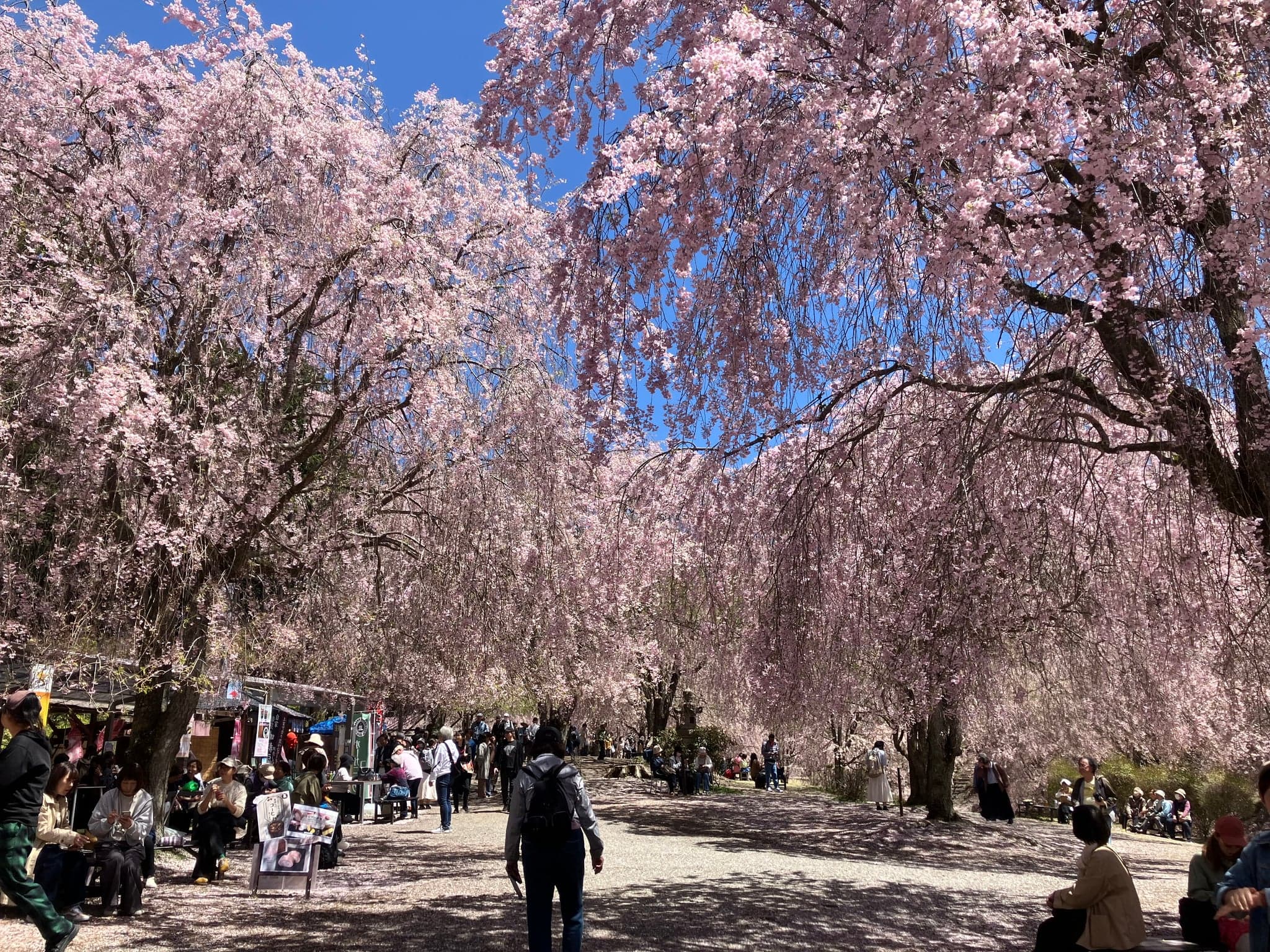
If cherry blossoms are the reason you're going, timing matters down to the week. Sakura season begins in late March in central Japan and sweeps north, reaching Tohoku in April and Sapporo in early May. Full bloom in any one city typically lasts just seven to ten days, and the dates move every year with the winter temperatures — so book the trip around the forecast rather than the calendar. Our 2027 cherry blossom forecast tracks the dates city by city as they are published.
For most travelers the single best window is roughly late March to early April, covering full bloom across Tokyo, Kyoto, Osaka and the surrounding areas of central Japan where most international visitors spend their time. Watching sakura at a place like Maruyama Park in Kyoto or the moat around the Imperial Palace in Tokyo is genuinely one of the great travel experiences.
From our Japan travel team
Cherry blossom full bloom only lasts about a week, and the exact date shifts every year with the winter temperatures. It's well worth planning around, even if you've been to Japan before, because the same city looks like a completely different country in sakura week. Our self-guided tours include free days in Tokyo and Kyoto, so if your dates line up with the forecast you can slot hanami spots in without rebuilding the itinerary — feel free to get in touch and we'll help you match the route to the bloom map.
Beyond sakura
The rest of the year has its own strong cases:
- Late April to early June — mild weather, azaleas, wisteria, fewer crowds after Golden Week.
- Late September to November — autumn foliage, the second peak season. Kyoto's temples in mid-November are almost as busy as in sakura week.
- December to February — winter illuminations, hot springs, ski trips in Hokkaido and Nagano, and clearer views of Mount Fuji.
- June to mid-July — rainy season. Cheaper, quieter, and honestly not as bad as travelers fear.
- Late July to August — hot and humid, but the summer festivals and fireworks are hard to match.
There's no wrong time to visit Japan. There are just trade-offs.
Mount Fuji and How to Actually See It
Mount Fuji is famously shy. It hides behind cloud for weeks at a time. Your best odds are cold, clear mornings in winter, or early morning at any time of year.
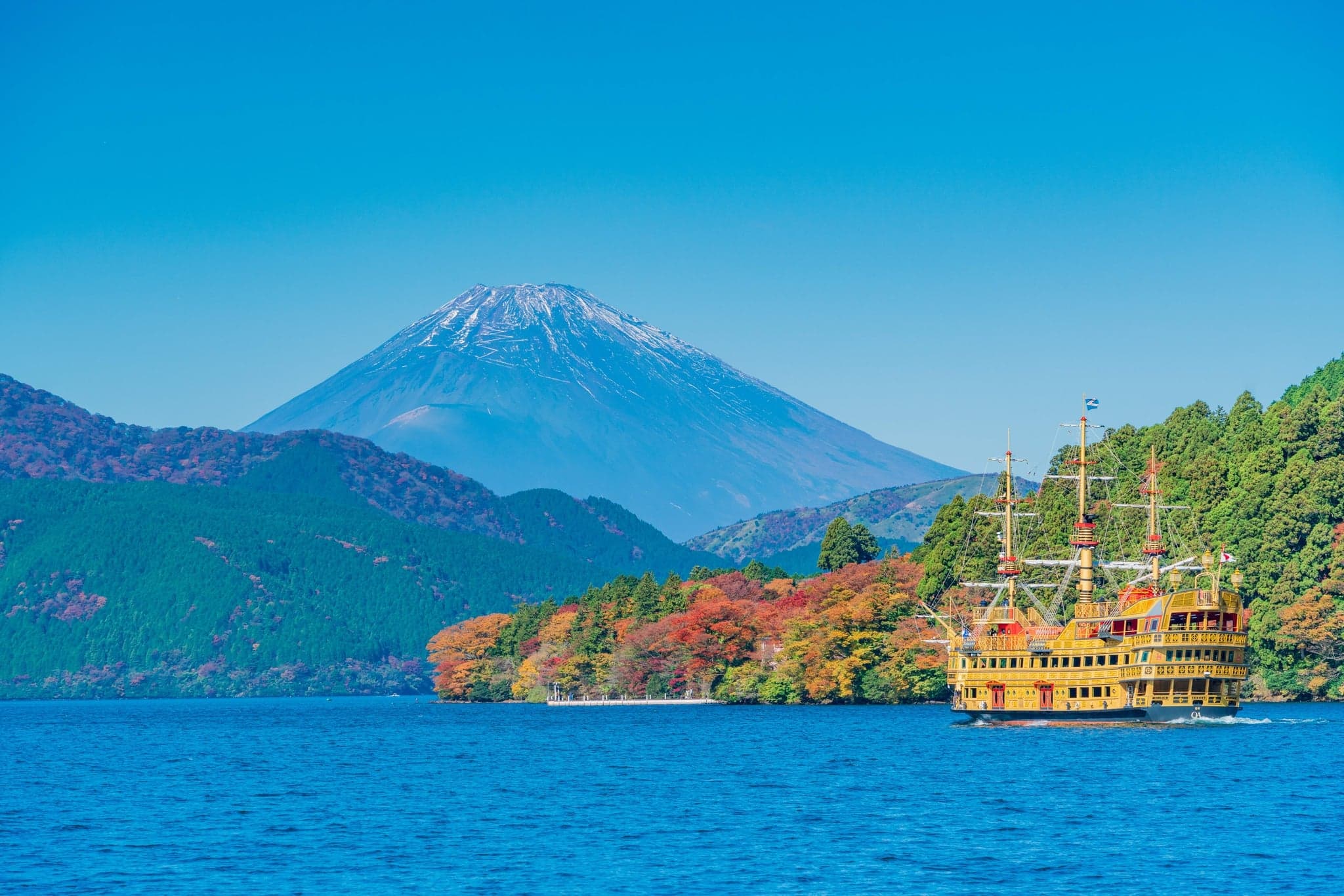
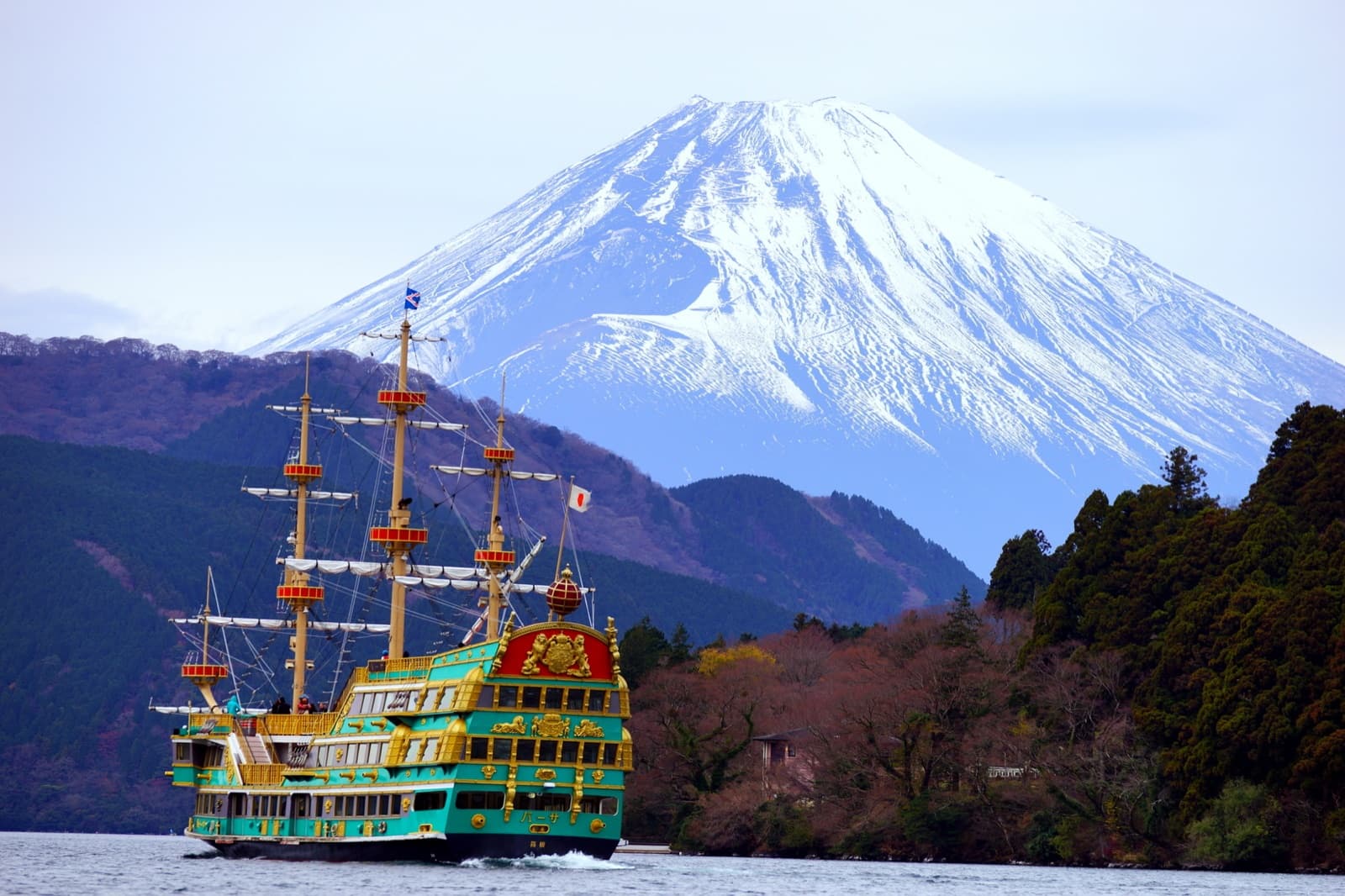
Most tour packages include a day trip to the Fuji Five Lakes area (Kawaguchiko) or a Hakone loop with a view from Lake Ashi. Both work. Hakone adds hot springs and the ropeway; Kawaguchiko gives you the classic postcard shot with the pagoda. Don't stake your whole trip on a single Fuji viewpoint — build in two chances if you can.
How to Get Around: Bullet Trains, the Japan Rail Pass and Real Costs
Japan's high-speed trains are the country's not-so-secret weapon. The shinkansen network connects nearly every major city on the main islands, runs on time to the minute, and is the reason a two-week loop is even possible.
The transportation options for a typical Japan trip:
- Shinkansen (bullet trains) for intercity travel — Tokyo, Kyoto, Osaka, Hiroshima, Kanazawa.
- Local JR lines and private railways for day trips and within-city travel.
- Suica or Pasmo IC cards for subways, buses and convenience-store payments.
- Highway buses for places without train access — Shirakawa-go being the classic example.
Is the Japan Rail Pass still worth it in 2026?
The Japan Rail Pass used to be an automatic buy. That's no longer true. The October 2023 price increase raised the cost significantly, and the pass now needs far more long-distance travel to break even than it did in earlier years.
In 2026 a seven-day Ordinary pass costs about US$330 (¥50,000), and a seven-day Green Car pass about US$465 (¥70,000). There's another change coming: from 1 October 2026 an adult seven-day pass rises by ¥3,000 to ¥53,000 for standard cars and by ¥4,000 to ¥74,000 for Green Car. The increase only applies to passes sold by overseas agents — the official Japan Rail Pass online reservation service is holding the old price. Our JR Pass price guide has the full list.
Rule of thumb: if you're doing Tokyo → Kyoto → Hiroshima and back within 7 days, the pass still pays. If you're doing Tokyo → Kyoto → Osaka and staying local, buy individual tickets. Use Google Maps for routing and Navitime, Jorudan or SmartEX for individual shinkansen fares — our Tokyo to Kyoto guide keeps the current price for each train type.
One catch worth knowing: pass holders can ride Nozomi and Mizuho trains, but must pay a supplement, and that extra cost can erase the value of the pass quickly. The Hikari is only about five minutes slower and fully covered. On our packages the intercity tickets are already included, so none of this arithmetic is yours to do.
Private Tours vs Group Tours vs Self-Guided
Different travel styles need different products. Here's how to pick.
Group tour packages
Cheapest per person, most social, most rigid. Good for solo travelers who want built-in company, or anyone nervous about their first trip. You'll see all the essential highlights and you won't have to think.
Private tours and private guides
Best for families, multi-generational trips or travelers with mobility needs. A private tour guide costs more but adjusts to your pace, and local guides who genuinely know the neighborhood add context you'd never get from a book. For a half-day walk through Kyoto's back streets or a proper deep-dive on geisha culture in Gion, private guides are worth every yen.
Self-guided vacation packages
This is what we specialize in. You get the same booked-and-sorted logistics — hotels chosen for location and quality in each city, shinkansen tickets, luggage forwarding, detailed walking routes — without a group or a schedule. You walk out of your hotel each morning and decide what to do. For most independent-minded travelers it removes the friction without removing the freedom.
What a Good Tour Package Actually Includes
When you compare vacation packages, look past the marketing photos and check what's really in the box:
- Hotels — how many nights, which cities, what standard, breakfast included?
- Intercity transport — shinkansen tickets pre-issued, or do you queue at the station?
- Airport transfers — Narita Express, Haneda monorail, or a private car?
- Activities — which are pre-booked, which are suggested?
- Support — a 24-hour phone line, messaging, or email only?
- Flexibility — can you swap a hotel, add a night, change a route?
A serious travel package will list all the details in writing. If you can't get a straight answer on the transport, walk away.
📋 What ours include, counted across all 113 itineraries
| Included | Itineraries |
|---|---|
| Accommodation | 113 / 113 |
| Travel insurance | 113 / 113 |
| 24/7 support while you are in Japan | 113 / 113 |
| Breakfast | 107 / 113 |
| A preloaded transportation IC card | 104 / 113 |
| Intercity trains (Shinkansen and limited express) | 101 / 113 |
| Luggage delivery between cities | 100 / 113 |
| Lift pass | 1 / 113 |
| International flights | 0 / 113 |
Are Japan vacation packages all-inclusive?
Not in the resort sense, and we would rather say so than let the phrase do the work. What is included on nearly every route is the part that is hard to arrange from abroad: the hotels, the intercity trains, the luggage, the insurance and a support line in Japan. What is not included is the part you would want to choose yourself anyway — most lunches and dinners, entrance fees, and the local trips you decide on the day. A package that bundles every meal also fixes where you eat every meal, which is rarely what people want in Japan.
Do Japan vacation packages include airfare?
Ours do not — none of our 113 itineraries include international flights, and the price you see starts on arrival day in Japan. That is deliberate. Flights from the US, Australia and Europe vary more by departure city, airline status and points than by anything we can negotiate, so bundling them usually hides the real price of the land trip. Book the flight you prefer, send us the dates, and the package starts from your arrival airport.
Common Mistakes First-Time Visitors Make
Some of these are painfully common. All of them are avoidable.
Trying to see everything in one trip. Japan is not a country you finish. Two weeks is not enough to "do Japan". Pick a region, do it properly, and come back for the rest. Cramming Tokyo, Kyoto, Osaka, Hiroshima, Nikko, Hakone, Nara and Kanazawa into ten days will ruin all of them.
Booking hotels too late. Hotels in Tokyo, Kyoto and Osaka book out six to twelve months ahead in peak season. If your dates fall in cherry blossom season or November foliage, treat "book now" as literal.
Underestimating distances within cities. Tokyo is huge. Shinjuku to Asakusa takes about 40 minutes on the metro. Plan your days by neighborhood, not by ticking sights off a list.
Assuming everything is in English. Most signs in major stations, airports and tourist zones are translated. Menus, small restaurants and local buses often aren't. A translation app on your phone is not optional.
Not building in free time. The best moments of any Japan trip happen in the gaps — the tiny yakitori place you wander into, the shrine tucked behind the station, the coffee shop where you sit for two hours. Don't book every hour. Leave at least one free day per city.
Building Your Real Itinerary: A Practical Example
Here's how a solid 10-day Golden Route looks in practice:
- Days 1–3: Tokyo. Arrive at Narita or Haneda. Base near Shinjuku or Tokyo Station. Days for Asakusa and Skytree, Shibuya, Harajuku and Meiji Shrine, and a day trip to Nikko or Kamakura.
- Day 4: Hakone or Mount Fuji. Overnight in a ryokan with hot springs if you can, or day-trip and return to Tokyo.
- Day 5: Shinkansen to Kyoto. Late afternoon at Fushimi Inari, when the crowds thin.
- Days 6–7: Kyoto proper. The Golden Pavilion at opening, an Arashiyama half-day, an evening walk in Gion, a tea ceremony, and one temple garden you can just sit in.
- Day 8: Nara day trip (the deer park and Todai-ji) or Himeji Castle. Overnight back in Kyoto.
- Day 9: On to Osaka. Osaka Castle and a Dotonbori food crawl — or push on to Hiroshima and Miyajima if you have the appetite.
- Day 10: Osaka → Kansai Airport, or back to Tokyo by shinkansen to fly out.
This is a template. Real trips flex around your interests — food lovers get more time in Osaka, history buffs an extra day in Kyoto, art travelers get Naoshima added.
From our Japan travel team
Every self-guided tour we run comes with 24/7 support from our on-the-ground operators and travel insurance. If a typhoon delays your shinkansen, if you miss a connection, if a hotel mixes up your booking, you have real people to call who can rearrange things quickly. That's the practical difference between a self-guided package and a stack of individual bookings you manage yourself. Just ask and we'll help you slot the essentials into your route.
Excellent Cuisine, Ancient Traditions and the Land of the Rising Sun
The nickname "land of the rising sun" gets thrown around a lot, but it does capture something real — Japan is a country where old and new sit side by side without arguing. You can walk from a 400-year-old shrine into a robot-staffed café in ten minutes.
That layering is what makes Japan a premier destination. Ancient traditions like tea ceremonies, kabuki and sumo run alongside cutting-edge design, engineering and pop culture. The cuisine — from ¥800 ramen to Michelin-starred kaiseki — is available on the same city block, and the imperial palaces sit across the moat from glass skyscrapers.
Japan offers something almost no other country does: consistent quality at every price level. The ¥1,200 conveyor-belt sushi is properly made. The hotel breakfast is actually good. The bus is on time. That reliability is why people come back three, four, five times.
Which Package Fits Which Traveler
The same format suits very different trips, so we keep a guide for each:
- First trip to Japan — which package fits by number of days, in our Japan tours for first time visitors guide
- Traveling alone — single rooms and solo pricing, in Japan solo tours
- Traveling at a slower pace — how much you walk on each route, in Japan tours for seniors
- Honeymoon — the couple-suited routes with prices, in Japan honeymoon packages
- Luxury — the Imperial Hotel, Green Car and private-taxi routes, with prices by month, in Japan luxury tours
- Cherry blossom season — spring 2027 dates, prices and routes, in Japan cherry blossom tours
- Skiing — 24 winter trips and the lift-pass question, in Japan ski packages
- How the format works in general — in self-guided Japan tours
Where Self-Guided Packages Really Shine
Independent travel in Japan is easier than in most countries — it's clean, safe, and the transport works. But planning it from scratch is a project. The natural beauty is scattered, the booking systems are fragmented, and the difference between a well-designed route and a badly designed one is enormous.
A good self-guided travel package hands you the finished plan: hotels chosen for location and quality, trains booked, luggage forwarding arranged between cities, and a support line for when things go wrong. You keep the freedom of independent travel. You skip the 40 hours of research.
That's the entire pitch. If it sounds like what you're after, browse the routes — many cover the Golden Route with free days built in — and get in touch if you want something shaped differently. One trip, properly planned, is worth more than three rushed ones.
FAQ
Are Japan travel packages worth it in 2026?
For most first-time and second-time visitors, yes — but not because they are cheaper. A package usually costs more than booking the same hotels and trains yourself. What you pay for is the planning time, a route that actually works, luggage moved between cities, and someone in Japan to call when a train or a booking goes wrong. The best value is a self-guided package that includes the logistics but leaves your days open.
How much does a Japan travel package cost?
Our 113 self-guided itineraries run from $900 per person for 4 days to $11,700 for a 12-day luxury route. A one-week Tokyo–Kyoto–Osaka trip is $1,200–$1,800, and the classic 12-day first trip is $2,800–$4,800 with standard hotels ($4,200–$7,600 in the Deluxe versions). Prices are per person, based on two sharing, and exclude international flights.
Do Japan vacation packages include flights?
Ours do not — none of our itineraries include international flights. The package starts on arrival day in Japan, so you can book the flight, airline and points balance that suit you.
Are Japan vacation packages all-inclusive?
Not in the resort sense. Accommodation, travel insurance and 24/7 support are included on all 113 of our itineraries, breakfast on 107, intercity trains on 101 and luggage delivery on 100. Most lunches and dinners, entrance fees and international flights are not.
How long should my first trip to Japan be?
Ten to fourteen days is the sweet spot for a first trip. That covers the Golden Route (Tokyo, Kyoto, Osaka, plus one add-on like Hakone or Hiroshima) without exhausting you. Anything under seven days means you'll spend a large fraction of the trip on trains.
Should I buy the Japan Rail Pass?
Only if you're doing serious intercity travel. A Tokyo → Kyoto → Hiroshima → Tokyo loop within 7 days pays off. A Tokyo-only trip with one day trip to Hakone does not. Run the numbers with your actual route before you buy — and on our packages the intercity train tickets are already included, so the question only applies if you are booking independently.
When is the best time to visit Japan?
Late March to early April for cherry blossoms, late October to late November for autumn foliage, and December through February for clear Mount Fuji views, hot springs and winter illuminations. Avoid Golden Week (late April to early May) and Obon (mid-August) unless you specifically want the festivals — domestic travel spikes and hotels sell out.
Can I get around Japan without speaking Japanese?
Yes, in the major cities and along the Golden Route. Signs in stations are bilingual, most signs at tourist sites include English, and translation apps handle the rest. Rural areas take more effort, which is one reason first-timers stick to the well-worn routes.
What's the difference between Tokyo Tower and Tokyo Skytree?
Tokyo Tower is the older red-and-white one, 333 meters tall, from 1958 — smaller and more classic. Tokyo Skytree is 634 meters, opened in 2012, and is the tallest tower in Japan, with observation decks at 350m and 450m. Skytree for the height and views, Tokyo Tower for the nostalgia and lighter crowds.
Do I need to book Shirakawa-go and other rural spots in advance?
Yes. Buses to Shirakawa-go from Takayama or Kanazawa require reservations on many departures, and they sell out in peak season. The same goes for popular ryokan and small-town hotels during foliage or cherry blossom weeks. Book three to six months out for peak dates.
Is a self-guided tour actually self-guided?
Yes — you walk around each city on your own, choose your restaurants and set your own pace. "Self-guided" means the hotels, intercity trains and route are booked for you, and you have a detailed day-by-day plan plus 24/7 support if something goes wrong. No group, no fixed morning departures, no flag.
Planning a Japan Trip?
Every one of our 113 itineraries books the accommodation and gives you travel insurance and a phone line in Japan; nearly all add the intercity trains, a loaded IC card and luggage delivery. The prices on this page are the real ones. Send us your dates and roughly what you want the trip to feel like, and we'll tell you which routes are open for your window and what they cost. If anything is unclear, please feel free to get in touch at any time.
Last updated: September 10, 2026. Prices and inclusion counts are taken from the current catalog itineraries and price sheets for all 113 tours and can change by departure date. JR Pass prices from the official Japan Rail Pass announcement; admission, ferry and bus details are set by each operator.
A Cross-Section of the Range
From a 6-day Kansai trip at $1,000 to a 12-day luxury journey at $11,700. Accommodation, travel insurance and 24/7 support in Japan on every one. Prices per person, based on two sharing.
Destinations Mentioned in This Article
Related Articles
Self-Guided Japan Tours: How They Work, What Is Booked for You, and Real Prices
20 min read
Japan Tours for First Time Visitors: Which Package Fits, What It Includes, and Real Prices
19 min read
Japan Luxury Tours 2026–27: Self-Guided Routes With the Imperial Hotel, Green Car and Private Taxis (Real Prices)
18 min read