
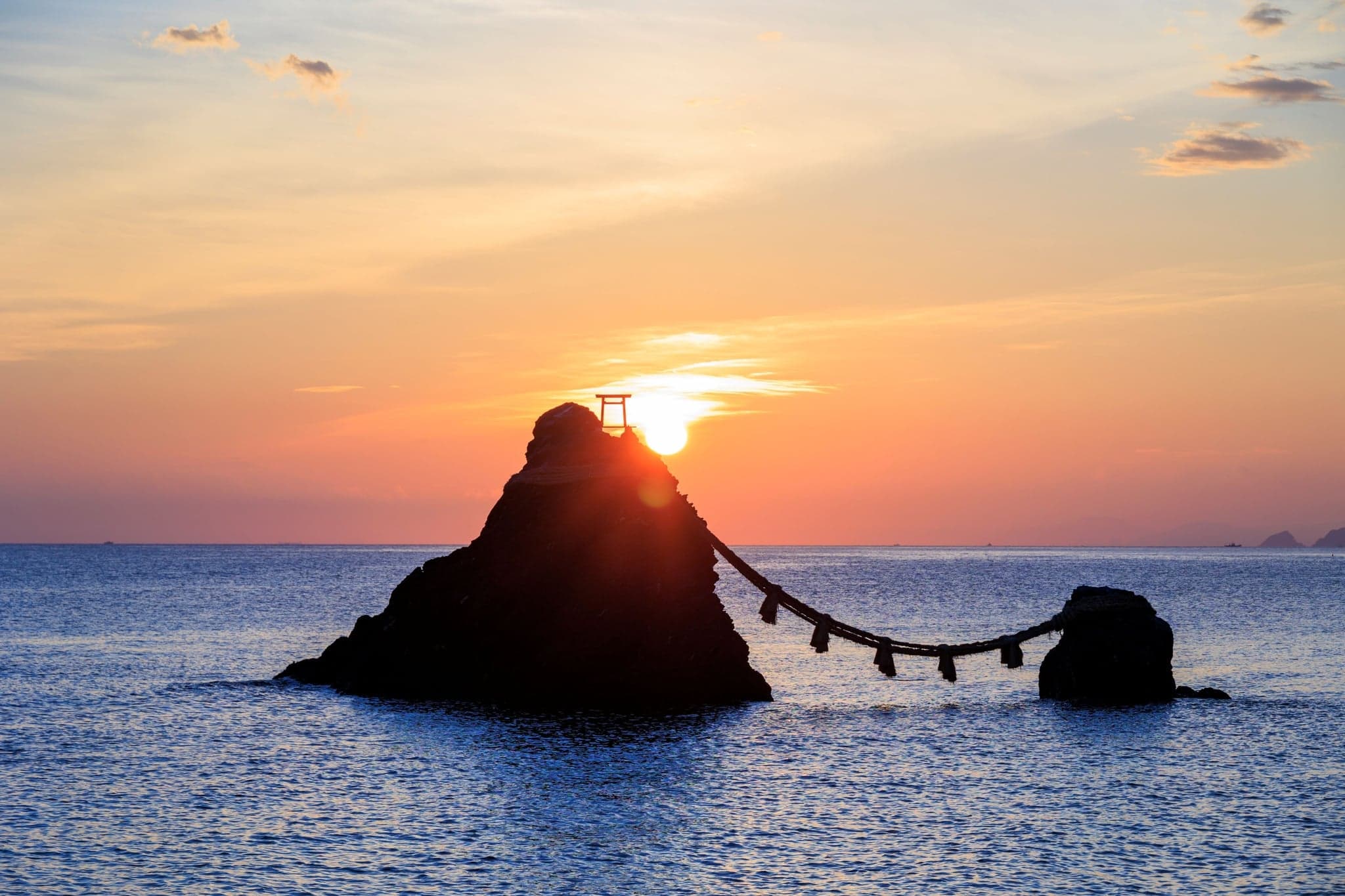
Japan Honeymoon Packages: Real Prices, What's Included, and How to Plan a Self-Guided Trip
Ten honeymoon-suited itineraries with the catalogue prices — $3,000 to $11,700 per person — plus three worked examples of what 'included' actually means, and the classic Tokyo–Hakone–Kyoto route laid out night by night.
Most pages about Japan honeymoon packages describe the ryokan and then ask you to enquire for a price. This one starts with the prices. Below are ten of our own honeymoon-suited itineraries with what they cost, three worked examples of what "included" actually covers, and then the practical planning — the classic route, the ryokan night, when to go, and the mistakes couples make most often.
What Japan Honeymoon Packages Actually Include (and What They Don't)
The phrase gets thrown around a lot, and it means different things depending on who's selling. Some are fully guided group trips with fixed dates and a bus. Others are private, chauffeur-driven luxury builds. A third category, which is what we do, is self-guided: your hotels, your bullet train tickets between Tokyo and Kyoto, transfers and a detailed day-by-day plan are all booked for you, but the days themselves are yours.
For a honeymoon, self-guided usually wins. You get the logistics handled, which matters when you don't want to argue about train platforms on day three, and you keep the freedom to sleep in, linger over coffee, or change plans on the fly.
What ours actually cost
Rather than describe a package in the abstract, here is our own honeymoon-suited range with catalogue prices, per person.
💍 Honeymoon-suited itineraries and what they cost
| Trip | Days | USD pp | The romantic part |
|---|---|---|---|
| Zen & Mt. Fuji Experience | 7 | $3,000–3,700 | Tokyo, Hakone, Nihondaira, Kyoto — the short honeymoon |
| Koyasan Deluxe | 12 | $3,800–5,100 | Two nights at Koyasan, then a Kinosaki overnight |
| Sea of Serenity: Kashikojima | 13 | $3,700–5,200 | Ise-Shima bay, Hakone, Kyoto |
| Kyoto & Kanazawa Deluxe | 12 | $4,300–6,400 | Kyoto and the castle town of Kanazawa, upgraded hotels |
| Hop Through Japan's Hot Springs | 14 | $4,300–5,700 | Hakone, Kinosaki, Gero — three onsen towns |
| The Art of Onsen — Premium | 11 | $5,500–7,600 | Hakone and Kinosaki, dinner at the ryokan on four nights |
| Ise-Shima Deluxe | 12 | $5,900–7,600 | Koyasan day trip, Toba and Kashikojima, deluxe hotels |
| Refined Kansai: Lake Biwa & Castles | 11 | $6,500–9,400 | Quieter Kansai, high-end stays |
| Luxury Journey: Hiroshima & Kyoto | 10 | $6,900–8,400 | Arashiyama, Miyajima, luxury tier |
| Luxury Japan Journey: Ise-Shima | 12 | $8,100–11,700 | Green-car Shinkansen, bay suites, private transfers |
The selected catalogue routes range from $3,000 to $11,700 per person. Duration, room category, season, transport and included experiences all affect price. Compare the actual inclusions rather than treating city count as the only measure.
Three worked examples of "included"
Package inclusions are where operators get vague, so here are three of ours line by line.
The Art of Onsen — 11 days, $5,500–$7,600
Shinkansen and limited express for the specified major intercity legs; a transportation IC card preloaded with ¥3,000; the Hakone Free Pass; 10 nights with breakfast; dinner at the hotel in Hakone on two nights and in Kinosaki on two nights; and luggage delivery twice, Tokyo→Kyoto and Kyoto→Tokyo. This is the one most couples mean when they say "honeymoon package".
Zen & Mt. Fuji — 7 days, $3,000–$3,700
The short version. Chartered sightseeing taxi on day 4 and a chartered transfer on day 5, the Hakone Free Pass, 6 nights with breakfast, lunch on day 4, dinner at the hotel in Hakone and at Nihondaira, and luggage sent Tokyo→Kyoto.
Luxury Japan Journey: Ise-Shima — 12 days, $8,100–$11,700
Shinkansen Green car seats, an IC card loaded with ¥9,000, airport transfers on days 1 and 12, with check-in assistance listed for day 1, a chartered sightseeing taxi on day 5, 11 nights with breakfast, a Matsusaka wagyu lunch, and dinner at Shima Kanko Hotel The Bay Suites on two nights.
Every one of them also includes travel insurance and a 24/7 English support line staffed in Japan.
What none of them include: international flights, meals outside the itinerary, entrance fees to temples and gardens you choose yourself, local trains and buses beyond the loaded IC card, hotel incidentals and accommodation tax. That last one surprises people at check-out, so budget for it.
From our Japan travel team
Honeymoon season in Japan overlaps with cherry blossom weeks in late March and early April, and autumn foliage in November. Hotels and shinkansen seats fill up fast for both, so start planning six to nine months out if you can. Our self-guided tours handle the bookings and stay in touch through the trip, so if a train is cancelled or a restaurant reservation shifts, you're not sorting it alone. Feel free to get in touch and we'll help you pick dates that work.
The Three Above, as Real Trips
Prices per person. Accommodation with breakfast, intercity trains, luggage delivery, travel insurance and 24/7 support in Japan on all three.
The Classic Route: Tokyo, Hakone, Kyoto, Osaka
If it's your first visit, the standard arc is hard to beat. Tokyo–Kyoto–Osaka is the usual circuit, and there's a reason: you get the modern city, the traditional heart of the country and a food capital, all connected by fast trains.
A comfortable pace looks like four nights in Tokyo, one or two in Hakone for Mount Fuji views and a ryokan, three or four in Kyoto, and two in Osaka. Add a day trip to Nara or Hiroshima, or slot in Kanazawa for something quieter.
The travel between cities is genuinely easy. The best way between Tokyo and Kyoto is the shinkansen — the fastest, the Nozomi, takes about 2 hours 15 minutes, though on a Japan Rail Pass it needs an extra NOZOMI/MIZUHO ticket (¥4,960 each way; the Hikari is covered). Trains leave Tokyo Station about every 10 minutes, but missed reserved trains are subject to ticket-specific conditions; check before boarding a replacement. Kyoto to Osaka Station takes about 28–29 minutes by JR Special Rapid (¥580); the 12–15-minute shinkansen runs to Shin-Osaka, a different station. Our Tokyo to Kyoto guide has the current fares.
Tokyo: Where Your Japan Honeymoon Begins
Most couples start in Tokyo, because that's where the long-haul flights land. Give the city at least three full days — it's not a place you check off in 48 hours.
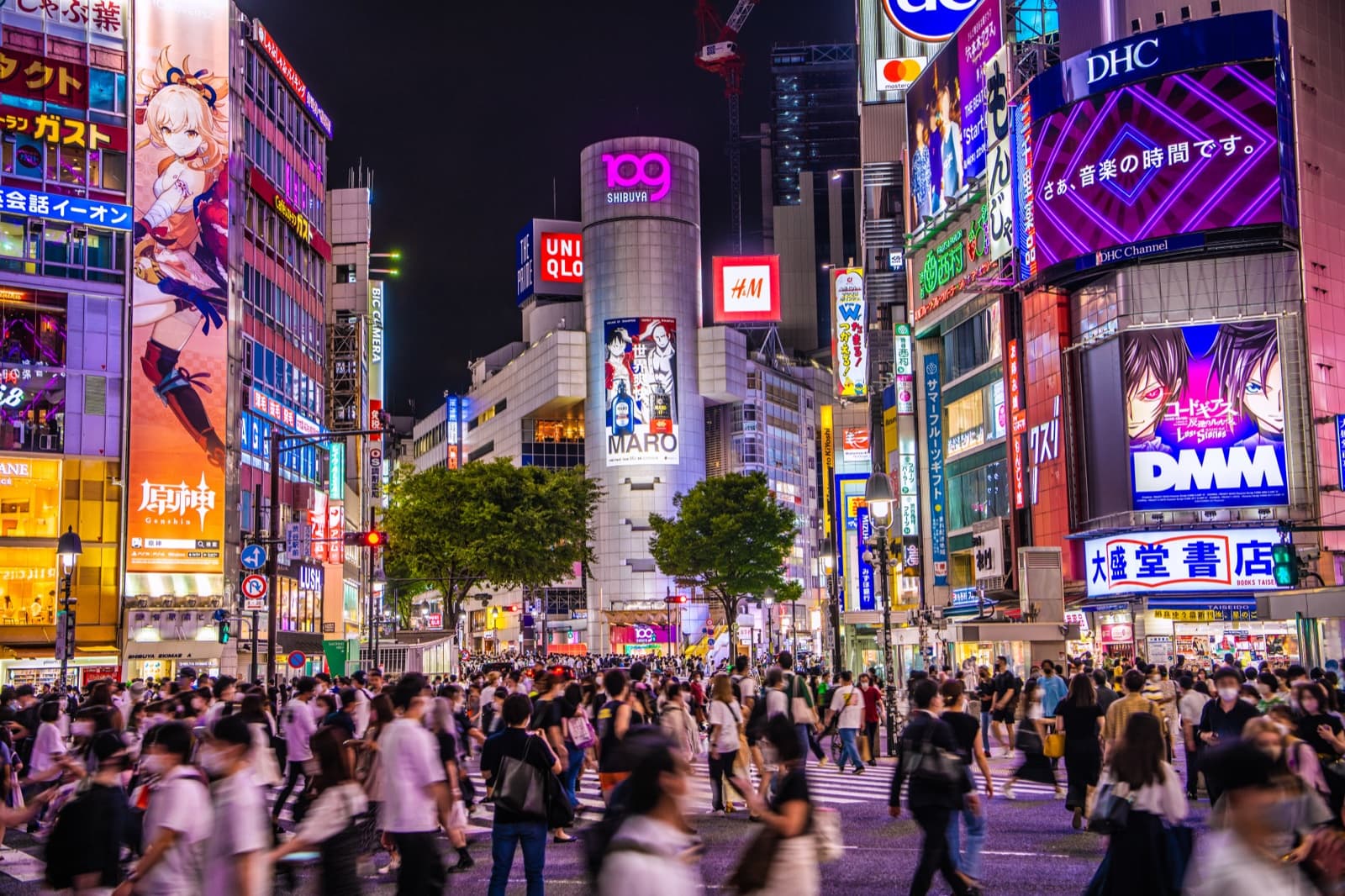
Base yourself somewhere central. Shinjuku is convenient for trains and nightlife; Shibuya works if you want energy at your doorstep; for something quieter, look near Meiji Shrine or in Marunouchi, a short walk from Tokyo Station.
Put Meiji Shrine on the list for a morning walk — the forested approach is one of the calmest things in central Tokyo, and it's free. Pair it with Harajuku and Omotesando afterwards for the contrast. Ueno Park is another easy morning: museums if you want them, a big pond, and in spring one of the city's best cherry blossom walks, combined with the old-town feel of Yanaka nearby.
Then there's the food. Michelin-starred sushi if you're spending big, but some of the best meals of your trip will be at tiny izakaya where the menu is handwritten. For a real Tokyo night, wander Shinjuku's Omoide Yokocho or Golden Gai, order by pointing, and see where the evening goes.
Kyoto: Temples, Tea Ceremony, and the Quiet Half of Your Trip
Kyoto is where a lot of honeymoons find their rhythm. The pace slows, you walk more, you start noticing details.
Fushimi Inari Shrine never closes and admission is free, which makes it ideal early. Go at 7am and you'll have the lower torii tunnels almost to yourselves. The Golden Pavilion (Kinkaku-ji) on the north-west side opens 9:00–17:00, admission ¥500 for adults; plan about 45 minutes. It's compact, but the reflection across the pond is worth the trip.
Nijo Castle is the other big-hitter in central Kyoto. Walk the "nightingale floors" that squeak underfoot — named for their chirping sound — then wander the garden. It pairs well with a morning at the Imperial Palace grounds nearby.
For something slower, book a proper tea ceremony. Several teahouses in Gion and Higashiyama run English-friendly sessions for couples, and it sounds touristy on paper but ends up genuinely moving.
Ryokan rooms may have futons or beds, and dinner may be served in the room or a restaurant. Confirm the exact room and meal plan. Most communal baths separate guests by gender; a bookable private bath can let a couple bathe together, subject to property rules. A private bathtub is not automatically a natural hot-spring bath or a Fuji-view room.
Hakone and Mount Fuji: The Ryokan Night
Between Tokyo and Kyoto, most couples slot in a night in Hakone. It's the easiest way to see Mount Fuji without a long detour, and it's the classic honeymoon ryokan stop.
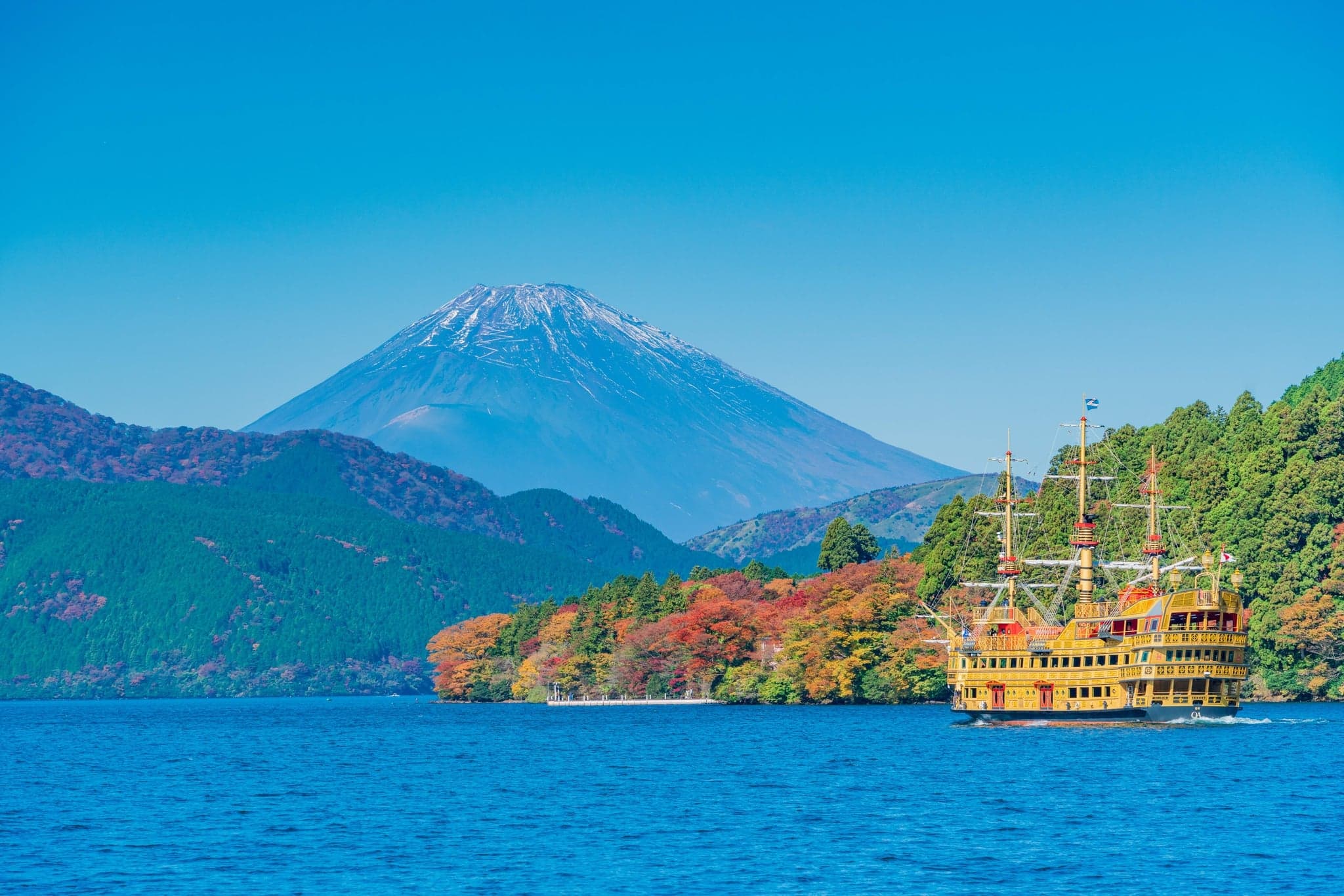
The Hakone loop — a boat across Lake Ashi, the ropeway over the volcanic valley of Owakudani, a glimpse of Mount Fuji on a clear day — is touristy but honestly fun. Do it in the morning, then check into your ryokan by mid-afternoon so you have time to relax before dinner.
A traditional ryokan in Hakone with a private onsen looking out at the mountains is the kind of memory couples talk about for years. Book early — the best rooms with in-room open-air baths sell out months ahead, especially in autumn foliage season.
Mount Fuji itself is shy. It's often hidden behind cloud, particularly in summer. Winter mornings actually give you the best odds of a clear view, when the cold air keeps the sky sharp.
From our Japan travel team
A ryokan night with a private onsen and a Mount Fuji view is one of the most-requested pieces of any honeymoon in Japan, and the rooms are limited. Tell us whether the bath, mountain view or extra night is essential. We will check room availability, train arrangements and the price; a free day does not automatically include another hotel night.
Osaka and Western Japan
After Kyoto, most couples head to Osaka for the last leg. It's a shorter stop — two nights is plenty — but a fantastic base for western Japan and for the food scene Osaka is known for.
Osaka Castle Park is free and always open, and you can walk right up to the keep for pictures without paying. Inside the main tower and museum, admission is ¥1,200 for adults. The park is huge and pleasant for a morning walk, particularly in cherry blossom season.
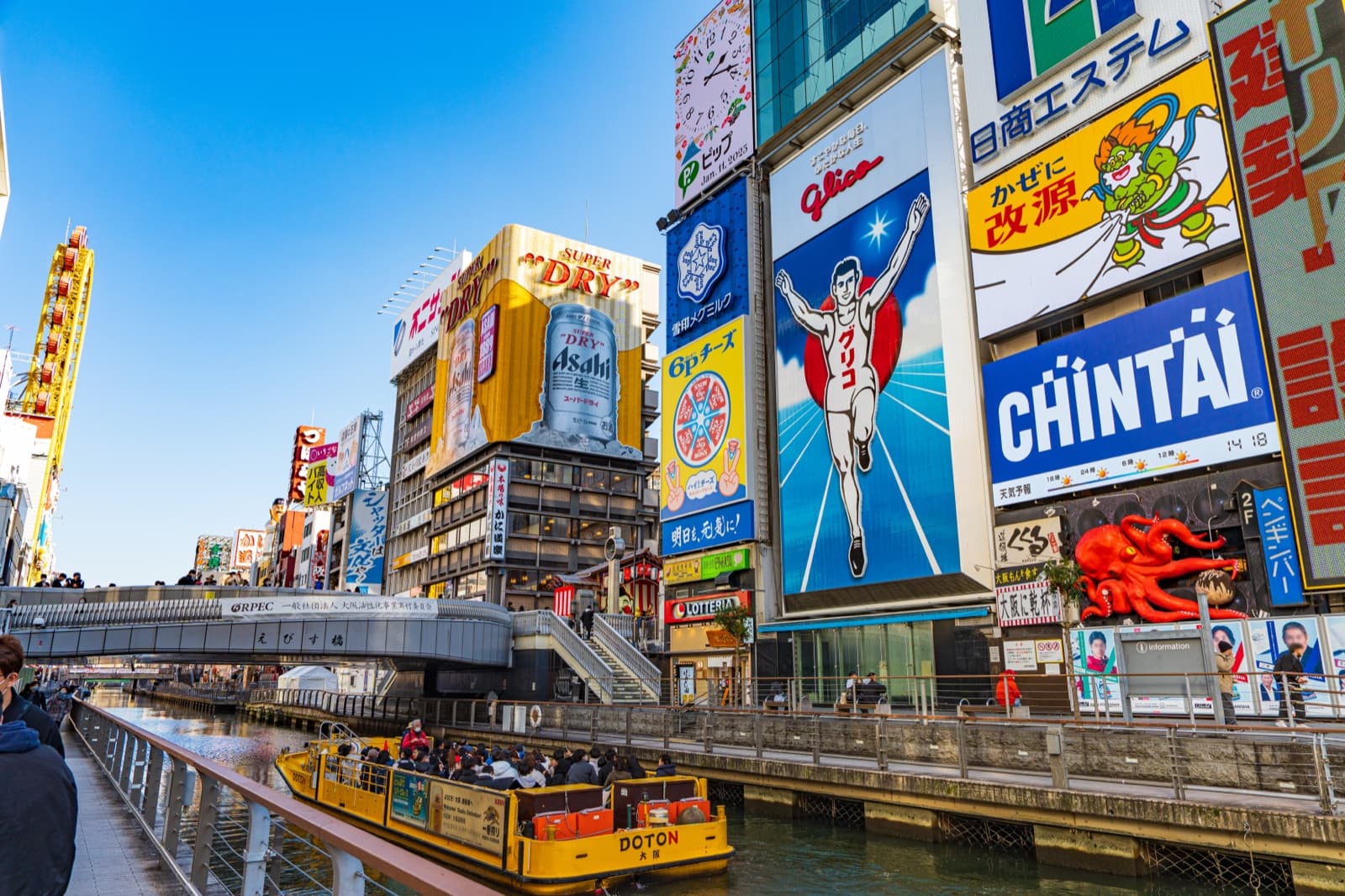
Nights belong to Dotonbori: the neon, the Glico running man, takoyaki stalls on the street, okonomiyaki grilled at your table. Eat too much — that's the point.
Osaka also works as a launchpad. Easy day trips run to Nara (deer, giant Buddha, half a day), Himeji (Japan's most beautiful castle, a bullet train ride away), or Hiroshima and Miyajima. The floating torii gate at Miyajima is one of the most photographed sights in the country, and the island is worth an overnight if your itinerary allows. With more time, Kanazawa on the Sea of Japan side is a lovely add-on — often called "little Kyoto", fewer crowds, a beautiful garden.
Food, Day Trips, and How to Actually Eat Your Way Through Japan
The food is honestly half the reason people pick Japan for a honeymoon. A few practical notes.
Reservations matter more than you think — the best sushi counters and kaiseki restaurants book out weeks ahead. If there's somewhere specific you want to eat, ask your operator to reserve it.
For day trips out of your base city, plan around a food goal: Uji for matcha, Kobe for beef, Nara for kakinoha-zushi, Hiroshima for okonomiyaki. Even a ramen crawl in a new city is a legitimate day-trip theme.
And don't skip the convenience stores. It sounds silly, but 7-Eleven, Lawson and FamilyMart in Japan are genuinely good — onigiri, egg sandwiches, hot coffee and picnic supplies for the shinkansen. Life gets easier when you stop needing every meal to be a formal affair.
One more thing: leave gaps. The best memories tend to come from the unplanned hours — the tiny bar you stumbled into, the shop you walked past twice before going in.
Best Time to Go
Spring (late March to mid-April) is peak cherry blossom season — magical, but expensive and crowded. Book everything six months out or more.
Autumn (mid-November to early December) is the other classic honeymoon window. The foliage in Kyoto's temples is unreal, the weather cool and dry, and it's slightly less packed than sakura season.
Summer on the main city route is hot and humid, with a variable rainy season. Hokkaido can offer a cooler alternative. Okinawa has its own rainy season, heat and typhoon exposure: check the month and build flexibility into island travel.
Winter can offer clearer Fuji views, but clouds remain possible and snow in Kyoto or Hakone is not guaranteed. New Year and ski destinations may be crowded. Choose a winter city-and-onsen trip or a ski itinerary according to your interests and conditions.
A Sample 12-Night, 13-Day Plan
- Nights 1–4: Tokyo. Arrive, jetlag day, then Asakusa, Meiji Shrine, Shibuya, teamLab Planets and Ueno Park. One dinner splurge.
- Nights 5–6: Hakone. Ryokan with private onsen, Mount Fuji viewing, kaiseki dinner.
- Nights 7–10: Kyoto. Golden Pavilion, Nijo Castle, Fushimi Inari at dawn, the Arashiyama bamboo grove, a tea ceremony, one ryokan night in the city.
- Nights 11–12: Osaka. Osaka Castle, a Dotonbori food crawl, a day trip to Nara or Himeji.
- Fly home from Kansai International, or shinkansen back to Tokyo for your return flight.
Adjust as you like. Add Kanazawa between Hakone and Kyoto. Reallocate nights explicitly if adding Miyajima so the total remains twelve. Trade Osaka for Hiroshima. The bones stay the same.
Common Mistakes to Avoid
Overpacking the itinerary. The single most common regret. You cannot see everything — choose fewer things and do them well.
Skipping the ryokan. Some couples decide a Western hotel every night is safer. It isn't. The ryokan night is the piece you'll remember most.
Ignoring the JR Pass maths. The pass got significantly more expensive in 2023 and no longer pays off for every itinerary. Run the numbers for your route — our JR Pass guide does the arithmetic.
Booking dinner reservations too late. Two months out is a good target for the special ones.
Trying to drive. In cities, don't. The trains are better and cheaper.
Planning Tools That Actually Help
- Google Maps — excellent for public transport routing and restaurant hours across Japan, and it handles train transfers surprisingly well.
- Navitime for Japan Travel — more detailed train information, including platform numbers.
- Google Translate camera mode — for reading menus and signs.
- A Suica or Pasmo IC card — load one at the airport and use it on participating networks and in participating shops; it does not cover all routes or ordinary Shinkansen travel. On our packages one arrives already loaded.
- A notes app — save restaurant names, shop addresses and the little details that make a self-guided trip feel like yours.
Use Google Maps to save spots as you find them rather than building a rigid plan. The couples who enjoy Japan most tend to be the ones carrying a list of possibilities rather than a schedule.
Self-Guided vs Group Tours
Group tours can be tempting because they remove decisions. But a honeymoon is one of the few times in life you actually want to make the decisions together — where to eat, when to sleep in, whether to spend an extra hour at a temple or head back for a bath.
Self-guided honeymoon packages give you the safety net — bookings, transfers, support — with none of the herding. That's what we build: routes designed around real Japan, hotels and ryokan chosen for couples, and a team on the ground if anything goes sideways. If you want the format explained in general rather than for a honeymoon specifically, our self-guided Japan tours guide covers it.
Compare Our Routes for This Trip
Choose a route for its pace and accommodation, then ask about the exact room category. A honeymoon booking does not automatically include an in-room private bath, flowers, upgrades or other special benefits.
| Route | Duration | USD per person | How it fits |
|---|---|---|---|
| The Art of Onsen: A Premium Japan Experience (HS003) | 11 days | $5,500–7,600 | Two nights each in Hakone and Kinosaki, with Kyoto and Tokyo stays. |
| Zen & Mt. Fuji Experience (EX003) | 7 days | $3,000–3,700 | A shorter trip with Hakone, Nihondaira and Kyoto after Tokyo. |
| Luxury Japan Journey: Ise-Shima Escape (LX001) | 12 days | $8,100–11,700 | Two nights in Ise-Shima, plus Kyoto, Kanazawa and Tokyo. |
| From Urban Energy to the Soul of Koyasan – Deluxe (KM104) | 12 days | $3,800–5,100 | Temple stays in Koyasan, Kyoto and a Kinosaki overnight. |
| Cultural Essence: Kyoto & Kanazawa Short Escape (GR106) | 12 days | $4,300–6,400 | A city-and-culture route with Osaka, Kyoto, Kanazawa and Tokyo. |
Specific luggage legs: HS003 and LX001 include Tokyo–Kyoto–Tokyo; EX003 includes Tokyo–Kyoto. Support is available during the stay in Japan; insurance is subject to policy conditions. LX001 lists eleven nights in its inclusions and day-by-day route, while the accommodation summary totals ten: confirm the final eleven-night room allocation before booking. A twelve-night DIY honeymoon takes thirteen days in Japan and does not exactly match these set tours. For a return flight from Tokyo, allow a realistic transfer buffer or reallocate the final night to Tokyo.
Published catalogue ranges checked October 12, 2026. Prices vary by date and room choice. International flights, attraction tickets and unlisted local transport are extra unless explicitly included. Confirm the chosen itinerary and its inclusions before booking.
Planning a honeymoon in Japan? Get in touch through Plan My Trip on our self-guided tours site, and we’ll suggest the tours that best fit your dates and plans.
FAQ
How much does a Japan honeymoon package cost?
Our honeymoon-suited itineraries run $3,000 to $11,700 per person for 7 to 14 days, covering accommodation with breakfast, intercity trains, luggage delivery, travel insurance and 24/7 support in Japan. The spread is accommodation tier and how much private transport is built in. International flights, most meals, entrance fees and accommodation tax are extra.
How many days do we need for a Japan honeymoon?
Ten to fourteen nights is the sweet spot. Less and you're rushing; more and you'll want to add somewhere farther-flung like Okinawa or Hokkaido.
Is Japan expensive for a honeymoon?
Compare the same dates, room category, meals, private transport and international flights. Japan is not automatically cheaper than a European honeymoon at an equivalent luxury tier.
Should we get a Japan Rail Pass?
Only if your route covers a lot of ground. For a Tokyo–Hakone–Kyoto–Osaka trip, individual tickets usually work out cheaper now — and on our packages the intercity tickets are already included.
Can we do this without speaking Japanese?
Yes. English signage is good in major cities and stations, translation apps handle the rest, and our support line is in English.
Is Japan safe for a honeymoon?
Many couples travel independently in Japan. Use ordinary precautions with valuables and night travel, and follow official weather and disaster guidance. No destination removes all risk.
When should we start booking?
Six to nine months ahead for spring or autumn dates; three to four months is fine for other seasons. The best ryokan rooms with a private onsen are the first to go.
Planning Your Japan Honeymoon
Each itinerary lists the hotels, specified intercity trains, transfers and luggage legs it includes, and gives you a phone line in Japan for the days something goes wrong. The days themselves stay yours. Send us your dates and roughly what you want the trip to feel like, and we'll tell you which routes are open for your window and what they cost. If anything is unclear, please feel free to contact us at any time.
Last updated: September 9, 2026. Prices and inclusions are taken from the current catalogue itineraries and price sheets and can change by departure date. Admission prices and opening hours are set by each site.
Honeymoon-Suited Itineraries
Accommodation with breakfast, intercity trains, luggage delivery, travel insurance and 24/7 support in Japan. Prices per person.
Destinations Mentioned in This Article
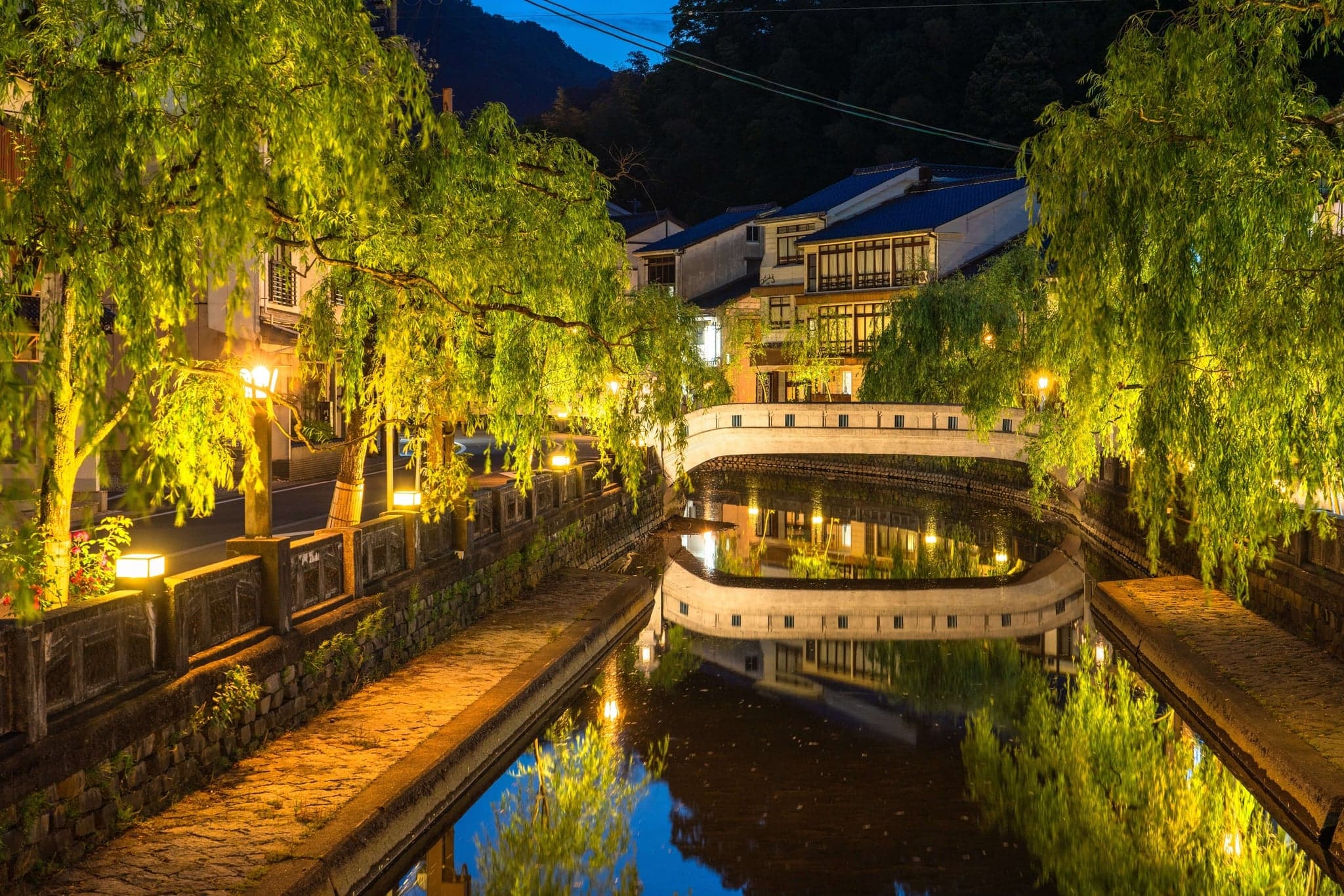
Related Articles
Self-Guided Japan Tours: How They Work, What Is Booked for You, and Real Prices
20 min read
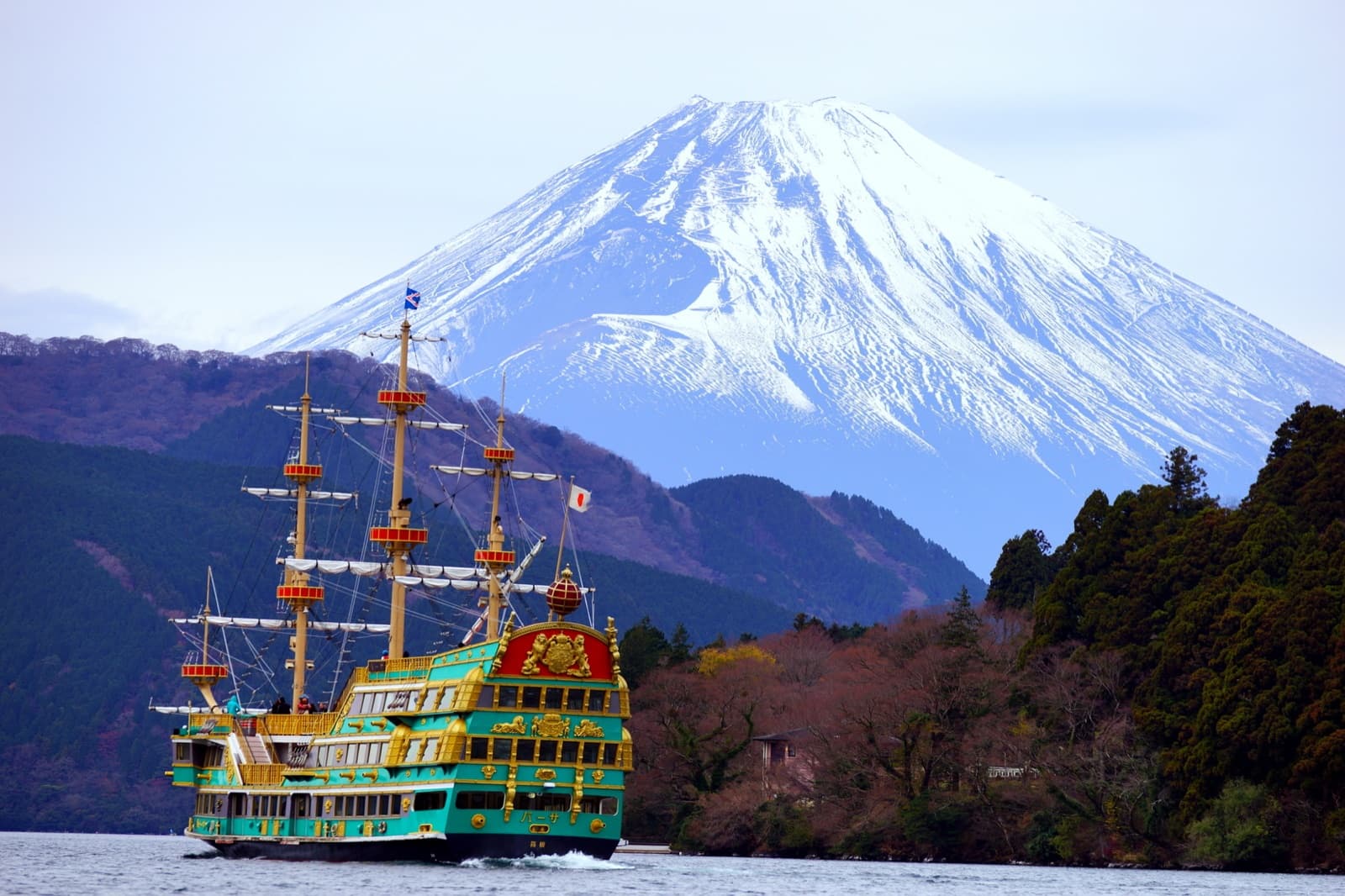
Japan Luxury Tours 2026–27: Self-Guided Routes With the Imperial Hotel, Green Car and Private Taxis (Real Prices)
18 min read
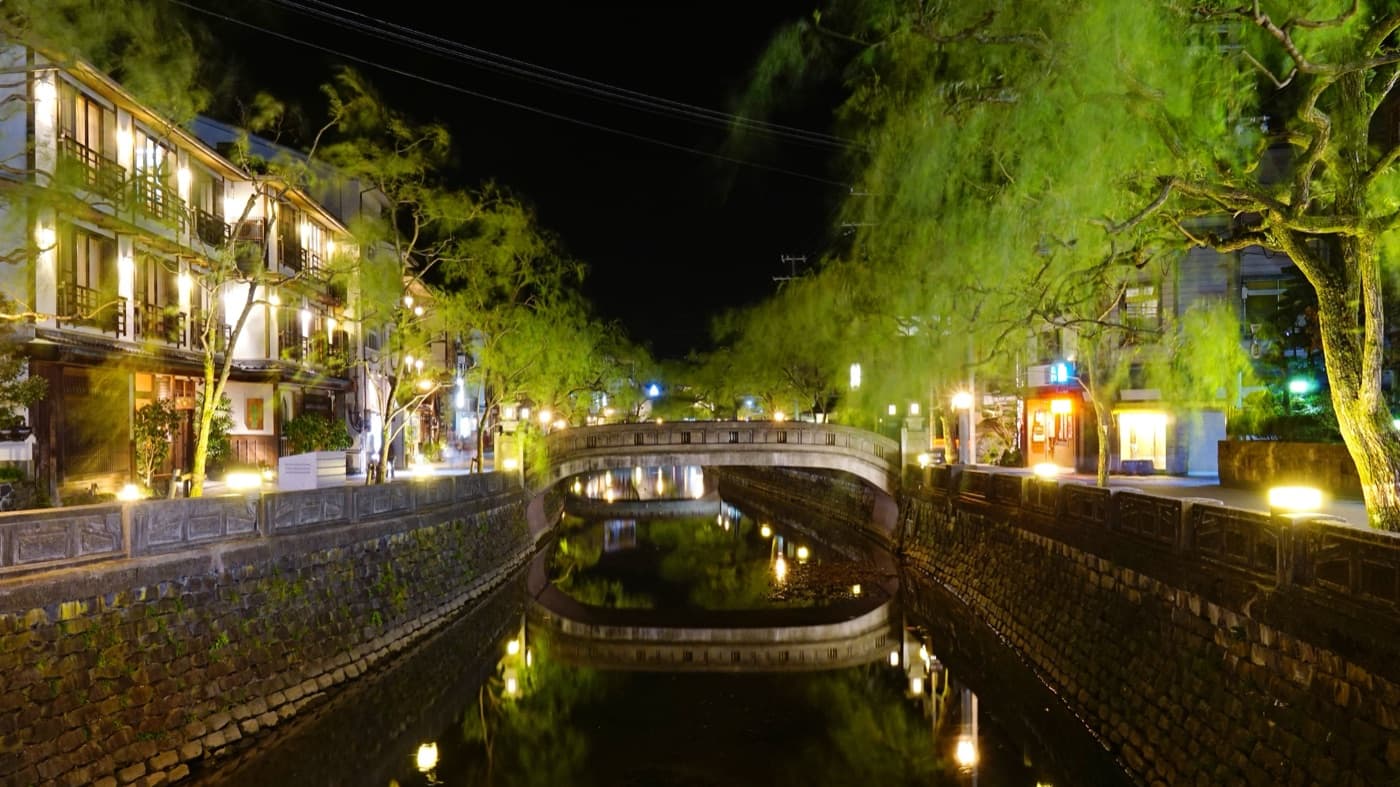
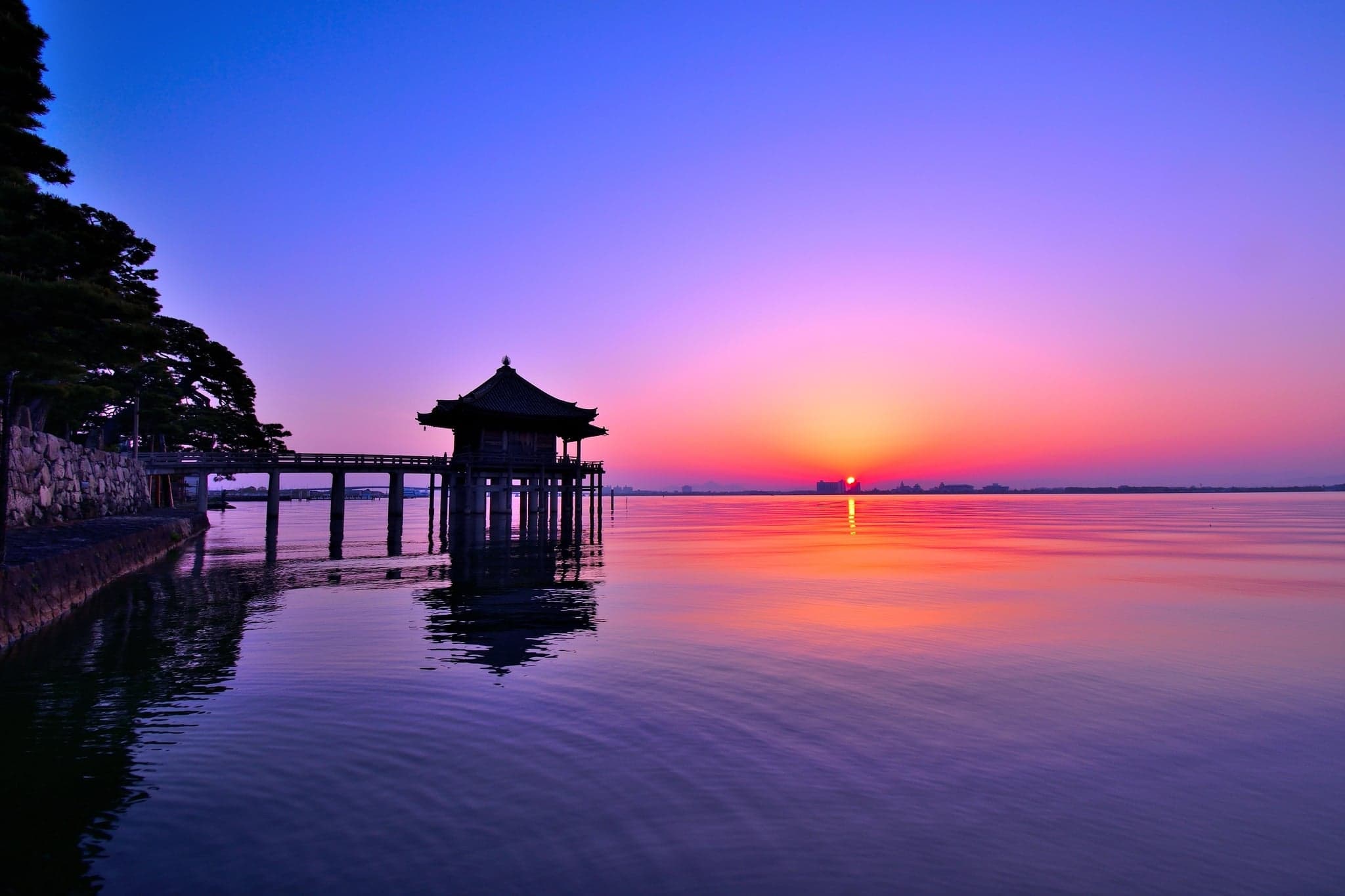
Kinosaki Onsen: A Practical Guide to Japan's Best Hot Spring Town for Self-Guided Travelers
14 min read