
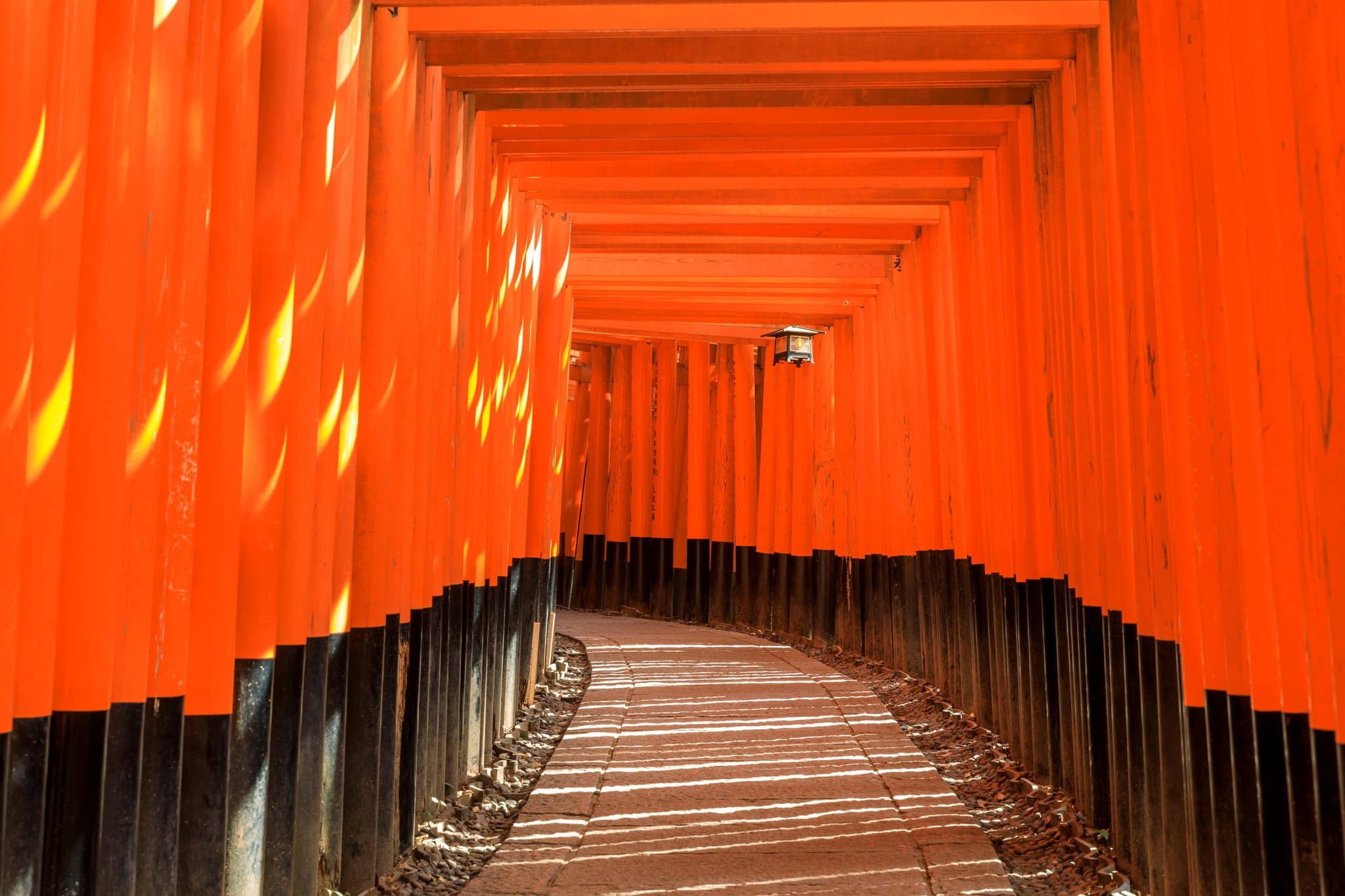
Japan Tours for First Time Visitors: A Practical Self-Guided Planning Guide
What a first trip to Japan tour package actually covers, what it leaves out, how many days you really need, and which of our tours fits — the 7-day Golden Route from USD 1,200, the 12-day Golden Route Plus from USD 2,800 — with the catalogue prices.
So you have booked the flight — or you are about to — and now you are staring at a map of Japan trying to work out how much you can actually see in two weeks. Fair enough. Japan looks small on a globe, then you realise Tokyo to Hiroshima is basically Berlin to Vienna, the itineraries online all disagree, the trains have their own etiquette rules, and every third blog tells you to visit somewhere different.
This guide is written for first-time visitors who want a real plan, not a brochure. It covers what most first trip to Japan tour packages actually cover, what they leave out, how to judge one, how our itineraries compare, and — because vague reassurance is no use when you are choosing — exactly which of our self-guided tours fits a first visit, by the number of days you have, with the catalogue prices. We also cover the Golden Route, when to book, how the bullet trains really work, and where a self-guided approach saves you time and money.
The short version: for most first-time visitors, the sweet spot is 12 to 14 days, focused on Tokyo, Kyoto, Osaka or Nara, plus one region — the Japanese Alps, the Ise coast, or Hiroshima. Skip trying to see everything. Pick the two or three regions that match your interests, use the Shinkansen to link them, and leave room to explore — a first Japan trip is an adventure, not a checklist.
🧭 Quick Answer: The Best Japan Tours for First Time Visitors
- With a week: the 7-day Golden Route (BF001) — Tokyo, Kyoto, Osaka — from USD 1,200 per person, two sharing, room only. Four other 7-day tours swap Osaka for Kanazawa, Takayama, Hiroshima or Fukuoka.
- With twelve days: the Golden Route Plus — GR002 (Tokyo · Takayama · the gassho villages · Kyoto · Nara, USD 3,300–4,800) or GR001 (Tokyo · Ise-Shima · Osaka · Koyasan · Nara · Kyoto, USD 3,300–4,400). Both cover the two big cities properly and add one region most first-timers never reach.
- What is booked for you: every hotel (breakfast included on the 12-day tours), the bullet trains and limited-express tickets between cities, a loaded transportation IC card, luggage forwarding on the long hops, our staff meeting you at the airport with the documents, travel insurance and a 24/7 English line in Japan.
- What you do not need: a Japan Rail Pass, a guide every day, or a spreadsheet. Most of the days are yours to explore.
Choose a starting point for your first Japan trip
Start with the time you have and the places you want to visit. You do not need to choose every hotel or train before contacting us.
These are set self-guided itineraries, with the hotels and transport listed on each tour page. International flights, most meals and sightseeing tickets are extra. Catalogue ranges checked October 12, 2026. Prices vary by departure date; availability is confirmed when you inquire.
A rough travel month is enough to start. Your choice is copied into an editable inquiry. Requesting a quote does not make a booking.
Why First-Trip Japan Tours Usually Follow the Golden Route
The "Golden Route" is the reason most first-timer itineraries look similar, and why the itineraries on this page do too. It loosely follows the historic Tokaido Road, once the main artery between Edo (now Tokyo) and Kyoto, and today it links the country's most recognisable cities. It traditionally includes Tokyo, Kyoto, Osaka and sometimes Hiroshima, offering a well-rounded introduction to Japan's modern and historical sites — a mix of modern cityscapes, historic sites, natural beauty and cultural experiences.
The entire journey typically takes 7 to 14 days, depending on how long you stay in each location, and the whole route is connected by the Shinkansen, Japan's high-speed bullet train, which makes travel between the major stops fast and convenient. That connectivity is the point. You do not need a car, you do not need to change plans in a hurry, and with luggage forwarding you can move between cities without dragging a suitcase up station stairs. That is why it works as a self-guided Japan trip — and why every tour on this page is built on it.
Japan Vacation Packages vs Self-Guided: What Actually Differs
Traditional Japan vacation packages usually mean a group tour: a coach, a tour guide, a fixed schedule, and a set of hotels chosen for you. You show up, you follow the flag. That works for some people.
Self-guided is different. You get the same pre-booked hotels, trains and route notes — but you walk out of the hotel door on your own schedule, eat where you want, and skip the museum you do not care about. For most first-time visitors to Japan, that flexibility matters more than they expect. Kyoto in particular rewards slower, unscheduled walking, and the best discoveries on a Japan trip are rarely on the itinerary.
The trade-off: you handle the day-to-day decisions. A good self-guided operator removes the hard bits — bookings, the first hour at the airport, English-language support — and leaves you the fun bits.
🔍 Escorted group, private tour, or self-guided package — which suits a first visit?
| Escorted group tour | Private tour with a guide | Self-guided package (ours) | |
|---|---|---|---|
| Guide with you | Every day, with 15–40 others | Every day, your party only | Staff at the airport on day one, then documents and a 24/7 line |
| Who books hotels and trains | The operator | The operator | The operator |
| Free time | Little | As agreed | Most days |
| Price | Mid to high | Highest | From USD 1,200 (7 days) / USD 2,800 (12 days) |
| Suits a first visit when… | You want to switch your brain off | You have a special interest or mobility needs | You want the logistics handled and the days free — most first-timers |
Best Japan Vacation Packages: How to Judge What You Are Getting
Before you compare prices, check what is actually included. Cheap packages often skip things you will end up paying for anyway. The list that matters:
- Hotels near a major train station. In Kyoto, a hotel a fifteen-minute walk from the station costs you an hour every day.
- Shinkansen tickets between cities — or, if the package sells you a rail pass instead, a clear reason why.
- What happens at the airport. A transfer, a meet-and-hand-over, or just instructions — all three exist, and the price reflects which.
- English support during the trip, not just at booking, and whether it is staffed in Japan.
- Free days in the big cities so you can explore, add day trips, the Ghibli Museum, an anime shopping run in Akihabara, or just relax.
The best Japan vacation packages for first-timers include Tokyo, Kyoto, one more city, and buffer time built in. If a package promises twelve cities in ten days, that is a warning sign, not a feature. Here is what ours include, from the catalogue, so you can hold us to the same list:
🧳 The five things that go wrong on a first trip to Japan — and what a tour package does about each
- The first hour. Landing at Haneda or Narita with jet lag and a suitcase, working out which train goes to the hotel. On our tours staff meet you at arrivals with the documents and the loaded IC card and walk you to the right taxi rank, bus stop or platform.
- Buying a rail pass you do not need. Since the 2023 price rise the nationwide pass rarely pays on a Golden Route trip. On a package the intercity tickets are simply included.
- The suitcase on the Shinkansen. Big bags need an oversized-baggage seat on the Tokaido line and older stations have stairs. Every tour forwards your main bag on the long hop, so you ride with a day bag.
- Kyoto hotels in the peak windows. Cherry blossom season and the autumn colours sell out months ahead. The hotels are booked before you land.
- Something going wrong. A typhoon day, a cancelled train, a pharmacy. A 24/7 English line staffed in Japan and travel insurance are included on every tour on this page.
Japan Trip Length: 7, 12 or 15 Days?
Honestly, seven days is tight for a first trip. You lose almost a full day to arrival jet lag and half a day to your flight home; that leaves five real days for Tokyo, Kyoto and one more city. Doable, and at USD 1,200 per person it is the cheapest way to do the Golden Route properly, but tiring. Twelve days is where the trip starts to breathe — you can add the Japanese Alps or the Ise coast and still have two free days in Kyoto. Fourteen or fifteen adds Hiroshima and west Japan. Start from the number of days you have, not the list of famous attractions you have read about — every one of the itineraries below fits a first Japan trip, and the days decide which.
🗓️ Start from the number of days you have
| Days | What a first trip can cover | Tours | USD pp (2 sharing) |
|---|---|---|---|
| 7 | Tokyo plus Kyoto and one more city — the classic first trip, room only | BF001 · BF002 · BF003 · BF004 · BF005 | 1,200–2,000 |
| 12 | Tokyo and Kyoto properly, Nara or Osaka, plus one region — the Alps and the gassho villages, the Ise coast or Kanazawa | GR002 · GR001 · GR006 · GR003 | 2,800–4,800 |
| 13–15 | All of the above plus Hiroshima, Himeji Castle and the Seto Inland Sea | GR007 · GR009 · GR005 · GR004 | 3,700–5,900 |
Interested in a tour? Click a route code above, or search for it in the top-right Search bar.
Catalogue ranges per person, two sharing. Deluxe-hotel versions (GR101–GR110) run USD 4,200–7,600; SOLO versions priced for one traveler start at USD 3,700. International flights and most entrance fees are not included.
🚄 The five 7-day tours — one week, one Shinkansen route, room only
| Tour | Destinations | Best for | USD pp |
|---|---|---|---|
| Japan Golden Route Highlights (BF001) | Tokyo · Kyoto · Osaka | The default first trip: the capital, the temples, the food city | 1,200–1,800 |
| Traditions & Gardens of Japan (BF002) | Tokyo · Kanazawa · Kyoto | Gardens, samurai and geisha districts, seafood — fewer crowds than Osaka | 1,200–1,800 |
| Historic Towns & Mountain Heritage (BF003) | Tokyo · Takayama · Kyoto | An Edo-period mountain town in the Japanese Alps between the two big cities | 1,300–1,900 |
| Japan History & Modern Cities (BF004) | Tokyo · Hiroshima · Miyajima · Osaka | The Peace Memorial Park and the island shrine, then Osaka | 1,400–1,900 |
| From Tokyo to Kyushu Journey (BF005) | Tokyo · Himeji · Miyajima · Hiroshima · Fukuoka | The longest Shinkansen ride in the country, ending at Fukuoka's street-food stalls | 1,500–2,000 |
All five: six nights of hotels (no breakfast — that is why they start at USD 1,200), Shinkansen tickets between cities, a transportation IC card loaded with ¥3,000, luggage forwarded on the long hop, an airport meet, travel insurance and the 24/7 line. The 7-day tours end where they end — Osaka, Kyoto or Fukuoka — so you fly home from the nearest airport instead of backtracking; the 12-day and longer tours loop back to Tokyo.
Where to Start: Japan's Capital
Tokyo is where nearly every first trip starts. It is Japan's capital, home to about a quarter of the country's population, and both major international airports (Narita and Haneda) sit within its orbit. Every tour on this page begins with two nights here, and the 12-day tours give you two more at the end.
Give it a full free day at least, and make it count. The famous attractions without sprinting: Asakusa and Senso-ji Temple, Tokyo's oldest temple, with the Nakamise shopping street leading up to it; Shibuya Crossing and Harajuku for street culture; Shinjuku, including the free observation deck at the Tokyo Metropolitan Government Building; Akihabara for anime, manga, gaming and electronics — the anime pilgrimage most first-timers want on the itinerary; the Tsukiji Outer Market for a proper sushi breakfast; and Tokyo Tower or the Skytree for the classic city view. The JR Yamanote Line loops around most of central Tokyo, the subway handles everything else, and the transportation IC card handed to you at the airport gets you through every gate. Explore one neighborhood at a time; the city rewards it.
From our Japan travel team
Tokyo and Kyoto hotels for cherry blossom season in late March and early April, and for the autumn colours in October and November, fill up months ahead — so if those dates matter to you, please start planning early. Our self-guided tours handle the hotel and train bookings and support you from reservation through the trip itself, so you can enjoy your first visit to Japan at your own pace. Just ask and we will suggest departure dates that avoid the worst of the crowds.
Hakone Travel: The Mount Fuji Pause Between Cities
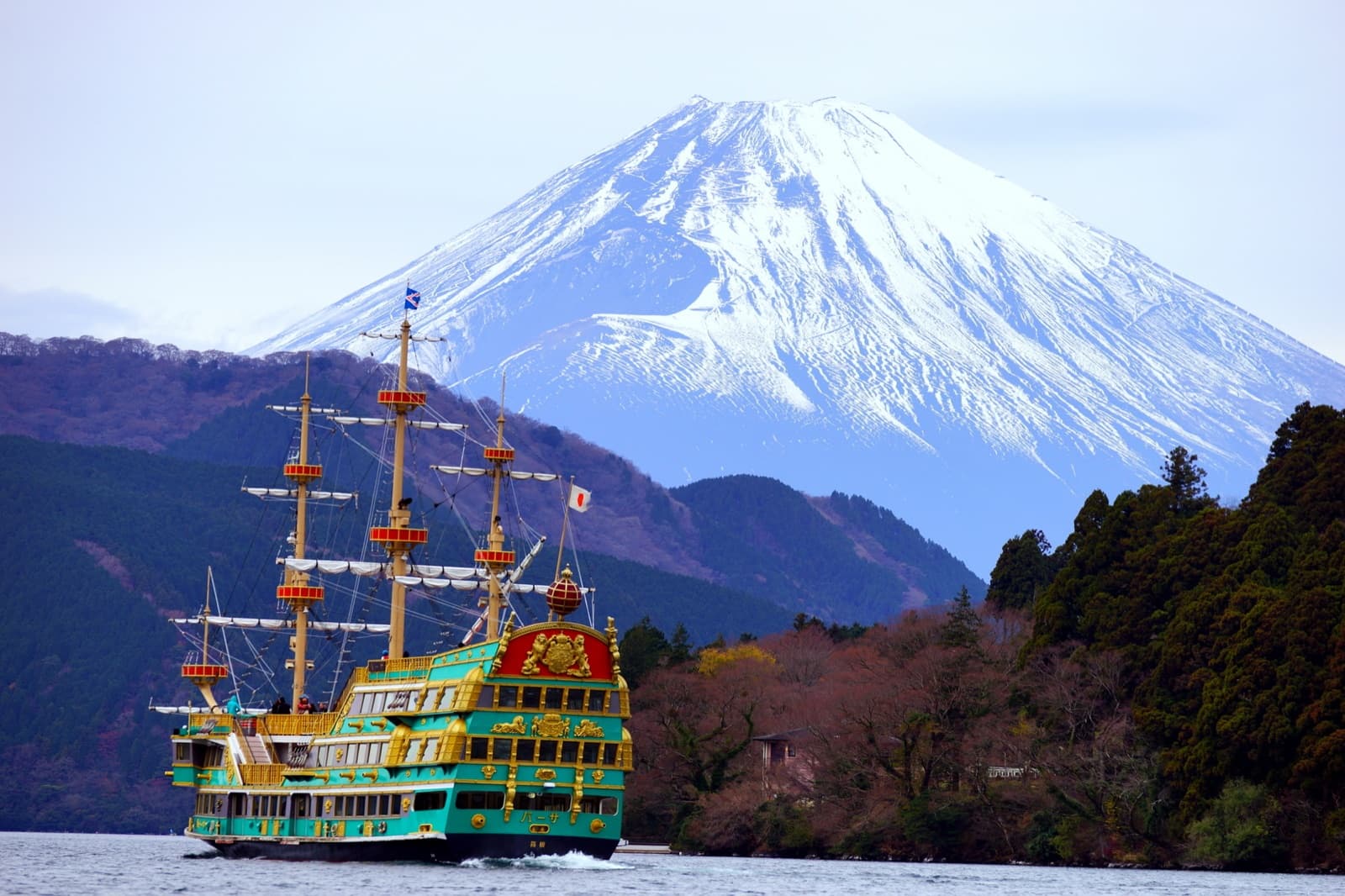
Between Tokyo and Kyoto, Hakone is the classic overnight stop. It is the closest place to Tokyo where you can see Mount Fuji properly, soak in hot springs, discover the scenic views over Lake Ashi, and stay in a Japanese-style room — all in one 24-hour window. Hakone is designed to be travelled as a circuit rather than out and back: Odawara to Hakone-Yumoto, the Tozan railway up to Gora, the cable car to Sounzan, the ropeway over the volcanic vents at Owakudani, then the boat across Lake Ashi and a bus back down. The Hakone Free Pass exists because that circuit crosses several operators; it gives unlimited use of the affiliated buses, trains, boats, cable car and ropeway for two or three consecutive days.
Two of our tours build Hakone in with the pass included: GR007 (13 days) and GR009 (14 days), each with a hot-spring hotel night and dinner. On the 12-day tours Mount Fuji is instead a suggested day trip from Tokyo on the last free day, with Kamakura and Nikko as the alternatives. Either way, one overnight in Hakone is enough for most people, the ropeway can close on volcanic activity, and the views of Mount Fuji over Lake Ashi need a clear day — winter is the most reliable, summer the least.
Kyoto: Many Temples, One City
Kyoto was Japan's capital for over a thousand years and it shows. It is home to around 1,600 Buddhist temples, hundreds of shrines, and preserved historic districts. You cannot see them all. Do not try.
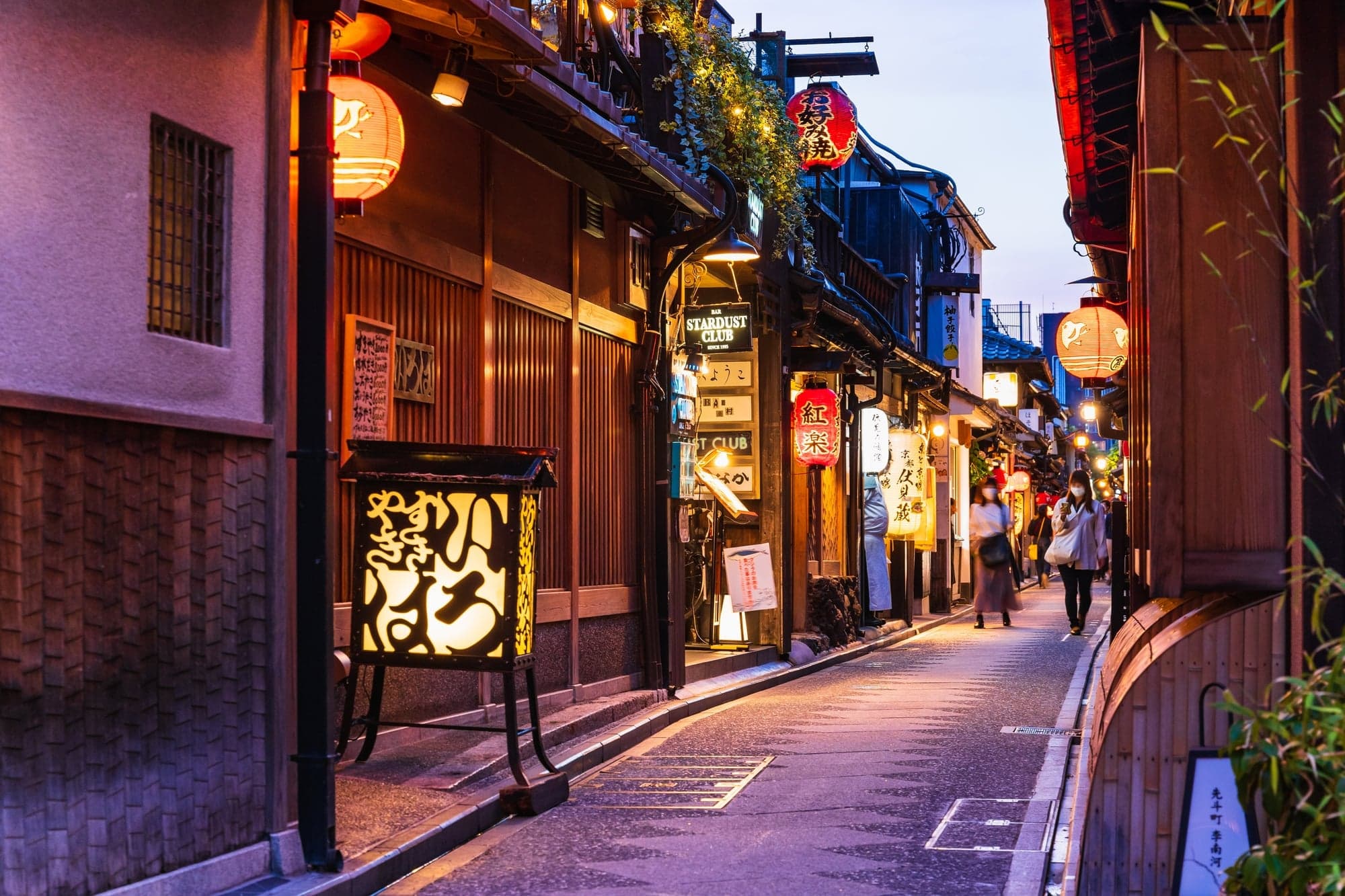
For a first trip, pick five or six sites and spend two or three full days: Fushimi Inari Shrine and its vermilion torii tunnel, one of the most photographed Shinto shrines in the country (go at dawn or after 4 p.m. to avoid the worst crowds); Kinkaku-ji, the Golden Pavilion; Arashiyama, with the bamboo grove and the Togetsukyo bridge; Gion, the traditional geisha district, best walked in the early evening; Kiyomizu-dera, the wooden temple on its hillside veranda; and Nishiki Market, narrow, covered and brilliant for food. Kyoto rewards walking — the temples, shrines and old lanes are best discovered on foot — and every tour on this page gives you at least two nights here to explore, three on GR002, GR006 and GR009.
Todaiji Temple and a Day in Nara
Nara is 45 minutes from Kyoto and it is the easiest day trip on the Golden Route — or, on GR002 and GR001, two hotel nights of its own. The reason to go is Todaiji Temple, completed in the eighth century and home to the Daibutsu, the Great Buddha, Japan's largest bronze statue at around 15 metres high. Todaiji is a twenty-minute walk from Kintetsu Nara Station; you walk through Nara Park to get there and yes, the deer will follow you. Buy the crackers, feed them, keep your paper map hidden — they will eat it.
Half a day is enough for Todaiji and the deer. Combine it with the lantern-lined Kasuga Taisha shrine next door and the temples of Nara Park and you have a full day of sightseeing.
Osaka: Food and the Nightlife End of the Trip
Japan's food capital, Osaka, is known for its nightlife and its appetite. Dotonbori is a district of neon signs and street food; Osaka Castle is the historical landmark surrounded by gardens; Shinsekai and Tsutenkaku Tower form a nostalgic entertainment district; Kuromon Ichiba Market is where the city eats lunch. Two nights in Osaka is plenty for most first-time travelers to explore the food and the attractions, which is what BF001 and BF004 give you; GR001 gives you three, with Koyasan as a day trip.
Osaka also has the second big international airport, Kansai, which makes it a natural place to end a short trip: BF001 and BF004 finish at the Osaka hotel, so you fly out of Kansai and skip the backtrack. Our 7-day Japan itinerary walks the same Tokyo–Kyoto–Osaka week day by day for anyone planning it independently.
Hiroshima Travel and the Sacred Island of Miyajima
If you have 13 days or more — or you choose BF004 or BF005 for your week — add Hiroshima. It is about two hours from Osaka on the Shinkansen, and the combination of the Peace Memorial Park and Miyajima Island is one of the most memorable days of any Japan trip. Itsukushima Shrine on Miyajima is said to date from the sixth century; the island is considered sacred, which is why the shrine is built out over the water rather than on the island itself. At high tide the great vermilion gate appears to float, framing the shrine and the forested peak of Mount Misen behind it; at low tide you can walk across the exposed seabed to the base of the gate.
To reach the island you take the Sanyo Line from Hiroshima Station to Miyajimaguchi, about 30 minutes, then a ten-minute ferry. Check the tide chart before you go: high tide gives you the floating gate, low tide lets you walk out to it, and you cannot have both in one hour. GR007, GR009, GR004, GR005, BF004 and BF005 all spend time in Hiroshima; our self-guided tours guide shows how the free afternoon there is used. Travelers who want the island at dusk, after the day-trippers leave, choose the tours with two Hiroshima nights.
Beyond the Golden Route: Japanese Alps and Shirakawa-go
For an ambitious first visit with twelve days or more, the Japanese Alps are where you will discover the most different-feeling Japan — mountain scenery, old post towns and the famous thatched villages. Takayama, the old post town, is about four and a half hours from Tokyo by Shinkansen and limited express, and from there the road runs into the mountains to Shirakawa-go. The villages with their gassho-style houses — steep thatched roofs shaped like hands folded in prayer — were registered as a UNESCO World Heritage Site in 1995, and the largest settlement, Ogimachi, sits midway between Takayama and Kanazawa.
Three of our itineraries put the Alps into a first Japan trip without the bus-reservation queue: GR002 and GR009 by chartered taxi from Takayama, GR003 by way of Kanazawa, and the 7-day BF003 gives you Takayama itself between Tokyo and Kyoto. The slower pace is the point; the journey into the mountains is part of the adventure.
Train Travel: The Backbone of Any Japan Trip
Train travel is how you will get almost everywhere on a Japan trip. The Shinkansen bullet trains are the fast intercity network — up to 320 km/h, Tokyo to Kyoto in about two hours and fifteen minutes, departing within seconds of the scheduled time — and local JR lines, subways and private railways cover everything else.
The big question every first-time visitor asks: is the JR Pass worth it? Short answer: not for most first trips anymore. The nationwide pass costs ¥50,000 for 7 days, ¥80,000 for 14 and ¥100,000 for 21 in Ordinary class, and for travelers sticking to the classic Tokyo–Kyoto–Osaka route, individual tickets are now cheaper. The math flips only if you string together Hiroshima and Fukuoka inside one seven-day window. On our tours the question disappears — the intercity tickets are included — and if you are planning independently, our JR Pass guide runs the numbers and our price guide tracks the changes announced for October.
Every major train station in Japan is more than a train station — a mini-city with restaurants, shopping, hotels above and often a huge underground network, and the train station is where your journey between cities starts each time. A few practical notes: ekiben (station bento boxes) are a genuine highlight, with Tokyo Station's Ekibenya Matsuri offering well over a hundred regional varieties; reserved seats matter on busy Shinkansen routes in cherry blossom season, Golden Week and Obon; coin lockers at every major station handle luggage for a few hundred yen if check-in is later; and luggage forwarding (takkyubin) is a lifesaver — send your suitcase ahead from your Tokyo hotel to your Kyoto hotel for around ¥2,000 and travel light. Our luggage forwarding guide covers the days the tours do not.
Seasons: When to Go and What to Expect
Japan has four genuine seasons, and the season you pick shapes your whole trip. Cherry blossoms are the headline event of the Japan travel year, and the reason so many first-timers plan their Japan trip around one week: in the central cities — Tokyo, Kyoto, Hakone, Osaka — the main season typically falls from the end of March into the first week of April, with the peak window five to seven days after full bloom and Tokyo a few days ahead of Kyoto. Rain or wind can end the cherry blossoms early, so if you are chasing full bloom, build in flexibility; the dates shift year to year, and the cherry blossoms in Kyoto and Tokyo rarely peak in the same week. Summer (June to August) brings the rainy season in June, then heat and humidity — and festival season, from the Awa Odori dance festival in Tokushima in mid-August to fireworks and the Obon holidays. Autumn brings the foliage from mid-October, which in Kyoto is arguably as beautiful as spring. Winter is quieter, hot springs are at their best, and Shirakawa-go under snow is unforgettable.
Golden Week (late April to early May) and Obon (mid-August) are domestic holidays when trains and hotels fill with Japanese travelers, and typhoons are possible from August into early October. The month-by-month picture is in our best time to visit Japan guide.
Traditional Japanese Culture, Private Tours and What to Actually Book
"Cultural experience" and "exclusive access" appear in almost every brochure; skip anything that promises exclusive access without specifics. In practice, a few are genuinely worth booking yourself for a first trip: a tea ceremony in Kyoto, where the small home-hosted ones are far better than the big group versions; kimono rental for a half-day of walking around Gion or Higashiyama; a sushi-making class in Tokyo or Osaka; sumo morning practice viewing in Tokyo, with limited windows and early booking; and a night in a traditional inn with dinner, which GR007 and GR009 build in at Hakone. None of these are part of our packages, and that is deliberate: they fit the free days, and you choose which.
Private tours are not the same as fully guided packages. A three-hour private walking tour of Kyoto with a local guide can transform your understanding of a temple you would otherwise just photograph, and a private food tour in Osaka gets you into small izakaya you would never find. The sensible middle ground for a first visit is a self-guided base trip with one or two half-day private tours plugged in where a real guide adds value — the freedom of a self-guided trip and the depth of local knowledge where it counts. We do not sell the private tours; the free days are where they go, and a good tour guide for three hours beats a tour guide for three weeks.
You do not need a degree in Japanese history to enjoy Japan, but a little context makes every temple more interesting. Four eras cover most sightseeing: the Nara period (710–784), Todaiji and the Great Buddha; the Heian period (794–1185), when Kyoto became the capital and court culture flowered; the Edo period (1603–1868), samurai, the Tokaido Road and the rise of Tokyo; and the Meiji period onwards (1868–), the rapid modernisation that made the country you see today.
Practical Planning Steps
Here is the order that actually works for a first Japan trip, whether you take a package or plan it yourself:
- Pick your dates. Season shapes everything, and the planning gets easier once it is fixed.
- Pick your days. Seven, twelve or fifteen — the table above turns that into a tour.
- Book flights. Into Tokyo (Haneda or Narita). For the 7-day tours, out of Osaka or Fukuoka; for the 12-day and longer tours, back out of Tokyo.
- Send us your dates and party size, or, independently, sketch the route: Tokyo → Kyoto → Osaka is the default, plus Hiroshima or the Alps if you have days.
- We confirm availability and the price for your departure month and book the hotels, trains and luggage forwarding. Independently: book Kyoto hotels early — in peak seasons the good ones near the station go months out.
- Book any must-do experiences yourself. Ghibli Museum, teamLab, sumo, high-end sushi counters — these sell out and are not part of any package.
- Download the essentials — Google Maps, Japan Travel by NAVITIME, Google Translate with the Japanese offline pack.
Common Mistakes First-Time Travelers Make
- Trying to see too much. Five cities in seven days sounds efficient. It is not — the itineraries that work leave room to explore and to relax.
- Booking hotels away from a major train station. Ten minutes of walking with luggage feels like forty.
- Buying the JR Pass by default. Do the math for your actual route first.
- Ignoring cash. Cards work in most cities now, but small restaurants, some temples and rural areas still expect cash. Convenience-store ATMs accept foreign cards.
- Underestimating the heat in July and August. The humidity is real. Carry water and plan indoor breaks.
- Skipping seat reservations during peak periods. Unreserved cars fill up on holiday weekends.
- Treating Japan as risk-free. It is safe, but typhoons in September, earthquakes at any time and heat exhaustion in summer are all worth planning around — which is what the 24/7 line and the included insurance are for.
Our Japan travel mistakes guide has the longer list, including the etiquette ones.
Turning This Into a Real Itinerary: The 7-Day Golden Route (BF001)
Rather than a sample itinerary nobody sells, here is the 7-day BF001 as it is actually booked — a seven-day journey through the three cities every first Japan trip is built on. Arranged means booked for you; yours means free. For the 12-day version, the GR002 day-by-day is on our self-guided tours page.
🗓️ BF001 day by day — arranged vs yours
| Day | Sleep | Arranged for you | Yours |
|---|---|---|---|
| 1 | Tokyo | Airport meet; documents and transportation IC card handed over; hotel check-in | First evening in Tokyo |
| 2 | Tokyo | — | Full free day. Asakusa, Shibuya, Shinjuku, Akihabara — the documents list the sights; you pick |
| 3 | Kyoto | Suitcase forwarded to Osaka; Shinkansen Tokyo → Kyoto in the morning | Afternoon and evening in Kyoto |
| 4 | Kyoto | — | Full free day. Kinkaku-ji, Arashiyama, Fushimi Inari, Gion |
| 5 | Osaka | Local train Kyoto → Osaka on the IC card | Osaka Castle, Dotonbori |
| 6 | Osaka | — | Full free day. Nakanoshima, Kuromon Market, or Nara as a day trip |
| 7 | — | Tour ends at hotel check-out | Kansai Airport is the nearest way home |
From the BF001 itinerary in the current catalogue; USD 1,200–1,800 per person, two sharing, room only. Three full free days (shaded) plus the afternoons of two transfer days.
For fourteen or fifteen days, GR009 adds Hakone, Takayama, Shirakawa-go, Nara and Hiroshima around the same core; GR005 and GR004 go west to Himeji, Naoshima and Hiroshima instead. For a slower pace, GR006 keeps Tokyo, Osaka, Kyoto and Kanazawa in twelve days from USD 2,800. Hokkaido — including the wildlife and natural splendor of eastern Hokkaido — and Okinawa Island are trips of their own; our Hokkaido packages page covers the north for a second visit.
From our Japan travel team
A first trip to Japan is easier than most people expect — the trains run to the minute and the signage is good — but the first hour after landing and the first cancelled train are where it gets stressful when nobody around you speaks your language. Every tour on this page includes 24/7 support from our operators in Japan and travel insurance, and our staff meet you at the airport with your documents. If you would like to enjoy your trip to Japan with real peace of mind, please feel free to get in touch.
Would you like help choosing the length and route for your first Japan trip? Get in touch through Plan My Trip on our self-guided tours site, and we’ll suggest the tours that best fit your dates and plans.
Frequently Asked Questions
What is the best tour for a first time visitor to Japan?
For most first-timers with two weeks, the 12-day Golden Route Plus: GR002 (Tokyo, Takayama, the gassho village of Ogimachi, Kyoto, Nara) or GR001 (Tokyo, the Ise-Shima coast, Osaka, Koyasan, Nara, Kyoto). With only a week, BF001 covers Tokyo, Kyoto and Osaka from USD 1,200. All of them start in Tokyo and leave most of the days free.
How many days do you need for a first trip to Japan?
Seven days is enough for Tokyo, Kyoto and one more city. Twelve days lets you add a region — the Japanese Alps, the Ise coast or Kanazawa — without rushing. Fourteen or fifteen days adds Hiroshima, Himeji Castle and the Seto Inland Sea. Hokkaido and Okinawa are better left for a second visit.
Should first-time visitors take a guided tour or go self-guided?
It depends on what you find hard. If it is the logistics — hotels, trains, luggage, the first hour at the airport — a self-guided package solves exactly that and leaves the days to you. If you want a person beside you every day, an escorted or private tour is the right product. Japan's English signage, punctual trains and safe streets make self-guided the sweet spot for most first-timers.
Is a Japan tour package worth it for a first trip?
What you pay for is the booking layer and the safety net: hotels in the right places, intercity tickets, luggage forwarding, an airport meet, insurance and someone to call in Japan. The 7-day BF001 starts at USD 1,200 per person (room only); the 12-day tours with breakfast run USD 2,800–4,800. Whether that beats doing it yourself depends on how much your evenings are worth.
Do I need a Japan Rail Pass on a first trip to Japan?
Not on a package — the Shinkansen and limited-express tickets between cities are included and the loaded IC card covers local trains, subways and buses. If you plan independently, run the numbers first: since the 2023 price increase the nationwide pass is rarely the cheaper option on a Golden Route trip.
What is included in a first trip to Japan tour package?
On ours: every hotel (breakfast on the 12-day and longer tours; the 7-day tours are room only), Shinkansen and limited-express tickets for every leg between cities, a transportation IC card already loaded, luggage forwarding on the long hops, staff meeting you at the airport with the documents, travel insurance and a 24/7 English line in Japan. Not included: international flights, most meals, entrance fees and local transport beyond the IC card.
When is the best time for a first visit to Japan?
Late March to early April for cherry blossoms and mid-October to late November for autumn colour are the most beautiful and the most crowded; both need early booking. May, early June and early October are comfortable and quieter. July and August are hot and humid; December to February is clear, cold and cheap outside the ski areas.
Is Japan hard to navigate for first-time visitors?
No. Signage on every major line is in English, the trains are punctual, and a loaded IC card gets you through every gate in the cities. What is hard is the booking layer — Kyoto hotels in peak season, reserved seats with large luggage, ryokan that do not take foreign online bookings — which is the part a package removes.
Which cities should a first-time visitor to Japan see?
Tokyo and Kyoto, then Osaka or Nara, then one region: the Japanese Alps (Takayama, Shirakawa-go), the Ise coast, Kanazawa, or Hiroshima and Miyajima. That is exactly how the tours above are built. Leave Hokkaido and Okinawa for a second trip unless one of them is the reason you are going.
Do these tours work for families or solo travelers?
Yes. The same routes run for families — see our family vacation packages guide — and the SOLO series prices five of them for one traveler with single rooms. Travelers over 60 should read our seniors guide for how much walking each route involves.
Planning Your First Trip to Japan
If you like the sound of the Golden Route but do not want to spend three weekends booking hotels and Shinkansen seats, that is what we do. Every tour on this page is pre-booked and route-planned, with full free days in each city to explore, 24/7 English-language support from our team in Japan, and staff waiting at the airport with your documents. The routes are set — that is what keeps the prices where they are — so send us your dates and the number of days you have, and we will tell you which tour is open for your month and what it costs.
Tour comparison and inquiry options updated: October 12, 2026. Inclusions, IC-card amounts, luggage legs, free days and prices are taken from the current catalogue itineraries and price sheets and can change by departure date. JR Pass prices from JR Group; Hakone Free Pass terms from Odakyu.
Related Articles
Self-Guided Japan Tours: How They Work, What Is Booked for You, and Real Prices
20 min read
2 Weeks in Japan (2026–27): A 14-Day Itinerary for First-Timers With Trains, Costs & Seasons
20 min read
Japan Itinerary 7 Days (2026): The Proven Tokyo–Kyoto–Osaka Route, Day by Day + Real Costs
25 min read