Japan Solo Tours: A Practical Guide to a Self-Guided Trip for One
Group tour for solos, self-guided Japan tour, or fully independent? How each one works for a solo traveler in Japan, what a single room really costs, and the five SOLO tours we run — priced for one person, with real numbers.
Planning your first trip alone to Japan? Here is the short version: you do not have to choose between a rigid group coach tour and figuring everything out from scratch on the ground. A self-guided Japan tour for solo travelers sits neatly in between. You get a private room booked every night, bullet train tickets, an airport meet and a day-by-day itinerary handed to you on arrival — then you actually walk around, eat, and explore at your own pace. No flag-following. No 7 a.m. wake-up calls from a tour leader.
This guide is written for people who want the freedom of independent travel but not the admin. We cover how Japan solo tours are structured, what a solo journey really costs, how to decide between joining a small group and going fully self-guided, and — because vague reassurance is no use when you are choosing — exactly what the five SOLO tours we run include, room by room and yen by yen.
Honestly, most first-time solo travelers over-plan the sightseeing and under-plan the logistics. This page fixes that.
🧭 Quick Answer: A Japan Tour for One — Group or Self-Guided?
- Two kinds of tour exist for solo travelers. Small-group tours built for solos (a guide, other members, a twin room shared with a stranger or a single supplement, a fixed pace) — and self-guided solo packages, where you travel alone with the hotels, trains and support booked for you. This page is about the second kind, using the five SOLO tours we run.
- What is booked on a SOLO tour: your own room every night (breakfast included), the bullet trains and limited-express tickets between cities, a loaded transportation IC card, luggage forwarding on the long hops, our staff meeting you at the airport with the documents, travel insurance, and a 24/7 English line staffed in Japan.
- What it costs, for one person: USD 3,700–4,400 for 12 days (SL001), up to USD 4,600–6,100 for 15 days (SL004). The price is for one traveler in their own room — there is no single supplement to add.
- What you give up: a guide walking with you and a ready-made group. What you keep: every day, at your own pace.
Compare Japan routes priced for one traveler
These SOLO prices are for your own room. Choose the places you want to see, then ask us to check the route and room availability for your dates.
These are set self-guided itineraries, with the hotels and transport listed on each tour page. International flights, most meals and sightseeing tickets are extra. Catalogue ranges checked October 12, 2026. Prices vary by departure date; availability is confirmed when you inquire.
A rough travel month is enough to start. Your choice is copied into an editable inquiry. Requesting a quote does not make a booking.
Why Japan Works So Well for Solo Travelers
Japan is one of the most solo-friendly countries on earth. Frequent trains, bilingual signage in major cities and restaurant counters make independent travel practical. Take ordinary personal-safety precautions and check unfamiliar routes before setting out.
You will see counters at ramen shops, sushi bars and izakaya designed for exactly one person. Nobody blinks. Even outside the cities, Japanese people are generally patient and helpful when you are trying to read a menu or ask for directions, and staff tend to be patient with non-Japanese speakers who attempt to navigate the menu and order in a foreign language. Exploring Japan alone is, in short, a normal thing to do here.
The one thing the country does not make easy for a person traveling solo is the booking layer: business hotels that price a single room close to a twin, ryokan that will not take a single guest on a weekend, reserved bullet train seats with a big suitcase. That is the part a solo tour package exists to remove — and the part this page is honest about.
Solo Tours in Japan vs Fully Independent Travel: What Is the Difference?
The phrase "Japan solo tours" gets used loosely. It can mean three very different things:
- A group tour you happen to join alone — a coach or a small group, a tour leader, a fixed schedule, other members from around the world, and usually a shared twin room with another solo traveler unless you pay a single supplement — and every dinner with the entire group.
- A self-guided tour — a Japan tour package where the hotels, the trains and the airport meet are pre-booked but you explore each city on your own, with free time as the default and nobody else on the itinerary.
- A fully DIY trip where you book everything yourself, from bullet train seats to hot-spring ryokan reservations.
Our SOLO series is built around option two: a self-guided Japan tour for one. You keep the freedom of a solo trip, but the tricky logistics — the ones that trip up many people visiting Japan for the first time — are already sorted before you fly. Group tours for solo travelers are a real and reasonable product — for some people the group is the point; they are simply a different product, and the table below is meant to make the trade-off plain rather than sell you one side.
🔍 Group tours for solo travelers vs a self-guided SOLO tour
| Small-group tour for solos | Self-guided SOLO tour (ours) | |
|---|---|---|
| Who you travel with | A group of other solo travelers and a tour leader | Nobody — you, the documents, and a phone line in Japan |
| Your room | Usually a twin room shared with another member, or a single supplement to get your own room | A private room every night, in the price |
| Pace | The group's — set departure times, set meals | Yours — free sightseeing time around booked trains and activities; SL007 has five full sightseeing days |
| Meeting people | Built in | Up to you — counter seats, a cooking class, guesthouse bars (see below) |
| Local knowledge | Local guides on the day | Day-by-day documents with local recommendations; a 24/7 line for problems |
| If a train is cancelled | The leader handles it | The 24/7 line in Japan helps you assess the available alternatives |
| Price for one person, 12 days | Varies by operator; a single supplement is often extra | USD 3,700–4,400 (SL001), private room included |
Interested in a tour? Click a route code above, or search for it in the top-right Search bar.
What Is Included in a Self-Guided Japan Tour for Solo Travelers
A good self-guided Japan tour package for one person usually bundles hotels along a set route, bullet train tickets between the destinations, some form of Tokyo welcome at the airport, a printed or digital itinerary, and support from travel experts in Japan. The details differ a lot between operators — some include airport transfers, some include just a transport pass and instructions; some include inn dinners, some nothing beyond breakfast — so read the inclusions before you compare tour prices, because the same trip length can look wildly different on paper.
Here is ours, taken from the catalogue rather than a brochure sentence. Every SOLO tour includes:
✅ Booked and paid for before you land
- Your own room every night, breakfast included — a one-bed room in each city; temple lodging in a Japanese-style room on Koyasan (SL003); a Japanese-style room with beds and a private open-air bath in Hakone (SL007). The one exception is the Kashikojima hotel on SL001 and SL007, a two-bed room used by one person.
- Shinkansen and limited-express tickets for the intercity legs listed in the itinerary
- A transportation IC card, already loaded — ¥13,000 on SL001, ¥10,000 on SL007, ¥8,000 on SL003, ¥5,000 on SL004 and SL005 — for local trains, subways and buses
- Luggage forwarding on the long hops, so you ride the bullet trains with a day bag
- The named experiences on each route: the ama-hut lunch and Ago Bay cruise (SL001, SL007), the Hakone Free Pass (SL007), a chartered or private taxi to Shirakawa-go (SL003, SL004), two hotel dinners (SL003, SL007)
- Our staff meeting you at the airport with the documents and IC card, then walking you to the right taxi rank, limousine-bus stop or train platform
- Travel insurance, and a 24/7 English support line staffed in Japan for the whole trip
✋ Not included — on purpose
- International flights
- The airport-to-hotel ride itself — the meet is a hand-over and a pointer, not a private transfer (the loaded IC card pays participating ordinary services; the Narita Express and Skyliner need a separate limited-express ticket)
- Lunches and dinners other than the named ones
- Entrance fees to temples, museums and castles — most are ¥300–¥1,000 and you choose which
- A guide walking with you, and other members — that is the point of the format. If you do want one for part of the trip, a guide can be arranged as an option: tell us at quote stage and we will price it for the days you want.
The Classic Route: Tokyo, Kyoto, Osaka (and Where to Add Mount Fuji)
Most first-time solo travelers do some version of the Golden Route: Tokyo, then Hakone or the Mount Fuji area, then Kyoto and Osaka, sometimes with Hiroshima tacked on. It is popular for a reason. The bullet train links them all, the cultural landmarks are legendary, and every SOLO tour we run follows that skeleton and adds one region and its destinations to it. Where it differs from what you will see on many operators' pages is the ending: all five tours start and end in Tokyo, which keeps the return flight simple.
Tokyo: Your Landing Pad
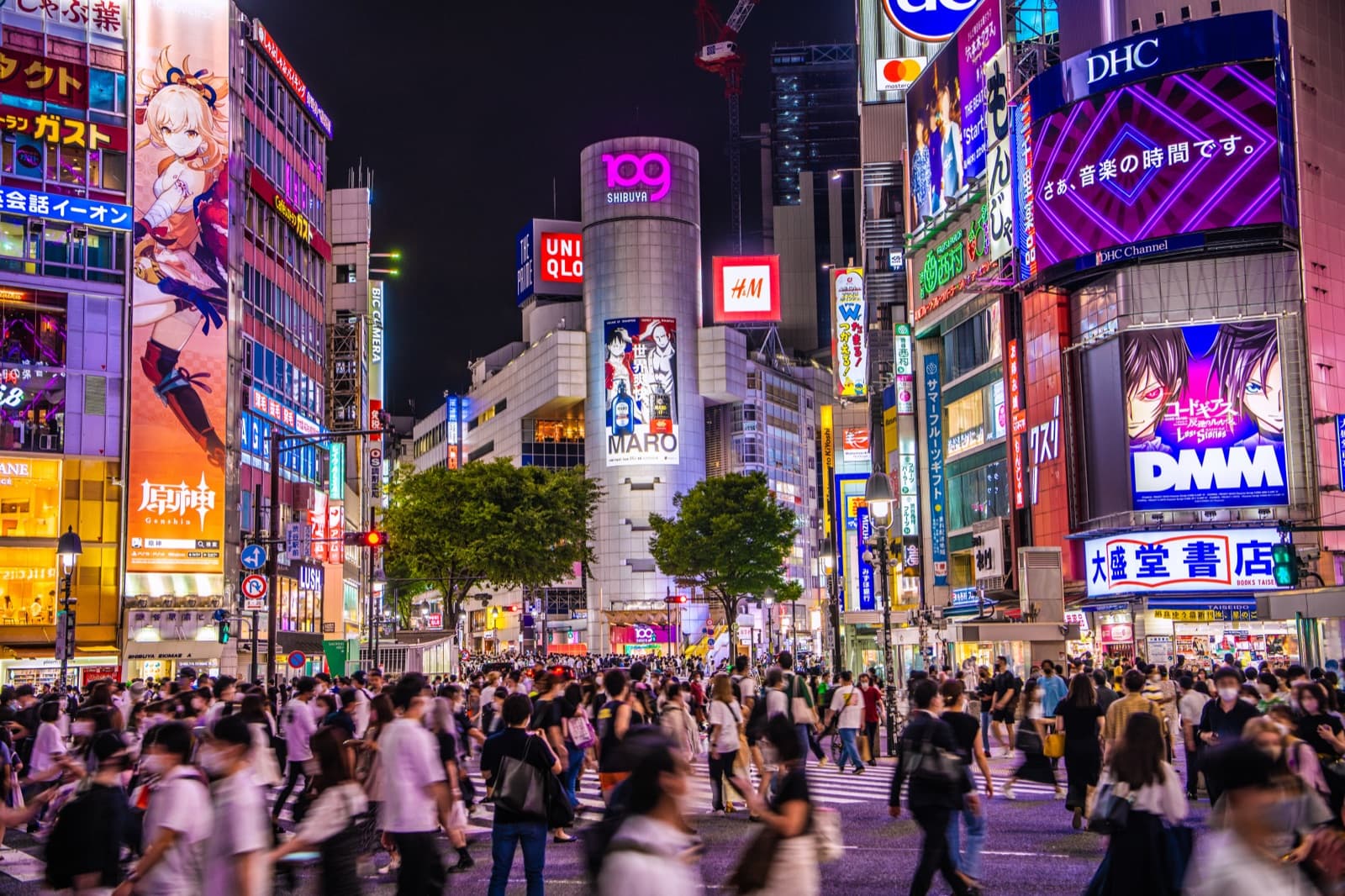
Tokyo today is enormous, and that is actually a gift for solo travelers — you can explore one neighborhood for a whole day and never run out of things to do. Start in Asakusa with Sensoji Temple (Tokyo's oldest, and free to enter), then work through Shibuya, Shinjuku and Harajuku on separate days; Meiji Shrine is a forest a few minutes from Harajuku Station and the calmest morning in the city. Every SOLO tour gives you two nights in Tokyo at the start and two at the end, with a whole free day each time — the Tokyo welcome and the Tokyo farewell of the same journey.
Kyoto: The Cultural Heart
Kyoto is where you slow down and explore on foot. It is the cultural heart of Japan and home to more ancient temples and historic temples than any single journey can absorb. The must-do list for solo travelers usually includes Fushimi Inari Shrine and its mountain of red torii gates, Kinkaku-ji (the Golden Pavilion), Nishiki Market for street food and knife shops, and Gion in the early evening, where you might glimpse an apprentice geisha walking to work.
Fushimi Inari Taisha is one of the most important Shinto shrines in Kyoto. Entry is free and the grounds are open 24 hours, which is why sunrise visits work so well: the inner trail gets packed by 9 a.m., but earlier visits are often quieter, except at busy holidays. Kyoto time varies: SL001 has two nights, SL003, SL005 and SL007 have three; SL004 has no Kyoto overnight and uses Osaka as its Kansai base.
Osaka: Street Food and Osaka Castle
Osaka is loud, fun and food-obsessed. From Namba you can walk to Dotonbori; from Umeda take the subway towards Namba for takoyaki, see Osaka Castle in the morning, and be on a bullet train before lunch. SL001 gives you three nights in the city, with Koyasan as a day trip; SL004 gives you two.
Hiroshima and Miyajima
Hiroshima is a moving stop and honestly one of the most meaningful days on any Japan itinerary. The Peace Memorial Park is a 12-hectare green space in the center of the city, close to the hypocenter of the 1945 atomic bombing; it is free to enter and open around the clock, and it holds the A-Bomb Dome, the Children's Peace Monument, the Cenotaph and the entrance to the Peace Memorial Museum. The museum walks you through the events of World War II and the bombing in careful, unflinching detail. It is not easy viewing, but it is the point of the visit.
Allow half a day for the park and museum. The listed tours reserve a separate full sightseeing day for Miyajima, which gives more time than squeezing it into the same afternoon. It is a heavy morning followed by natural beauty — a combination that stays with you. Three of the SOLO tours (SL004, SL005, SL007) spend two nights in Hiroshima with a full day on Miyajima Island written into the itinerary.
The Five SOLO Tours, With Real Prices
These are the self-guided Japan tours we sell specifically for one traveler — five solo tours across the country, from the Ise coast to the castles of the west. They are the same routes as our two-person Golden Route Plus tours, re-priced and re-booked for a single guest, and every night is a room of your own unless the table says otherwise.
🗺️ The five SOLO tours, with real prices (one person, private rooms)
| Tour | Days | Destinations | What is special | USD (1 person) |
|---|---|---|---|---|
| SOLO Hidden Gems: Ise-Shima Escape (SL001) the first-solo-trip pick | 12 | Tokyo · Nagoya · Toba · Kashikojima · Osaka · Koyasan (day trip) · Nara · Kyoto | Ama-hut seafood lunch and the Ago Bay cruise; IC card ¥13,000; luggage Tokyo → Osaka → Tokyo | 3,700–4,400 |
| SOLO Koyasan: Sacred Sites and Quiet Beauty (SL003) | 12 | Tokyo · Koyasan · Kyoto · Takayama · Shirakawa-go | Two nights in temple lodging on Koyasan with dinner; chartered taxi to Shirakawa-go; IC card ¥8,000 | 3,700–5,400 |
| SOLO Sea of Serenity: Kashikojima & Cultural Japan (SL007) | 13 | Tokyo · Hakone · Ise · Kashikojima · Kyoto · Himeji · Okayama · Miyajima · Hiroshima | Hakone Free Pass and a Japanese-style room with a private open-air bath; Ago Bay cruise; two hotel dinners; IC card ¥10,000 | 4,200–5,900 |
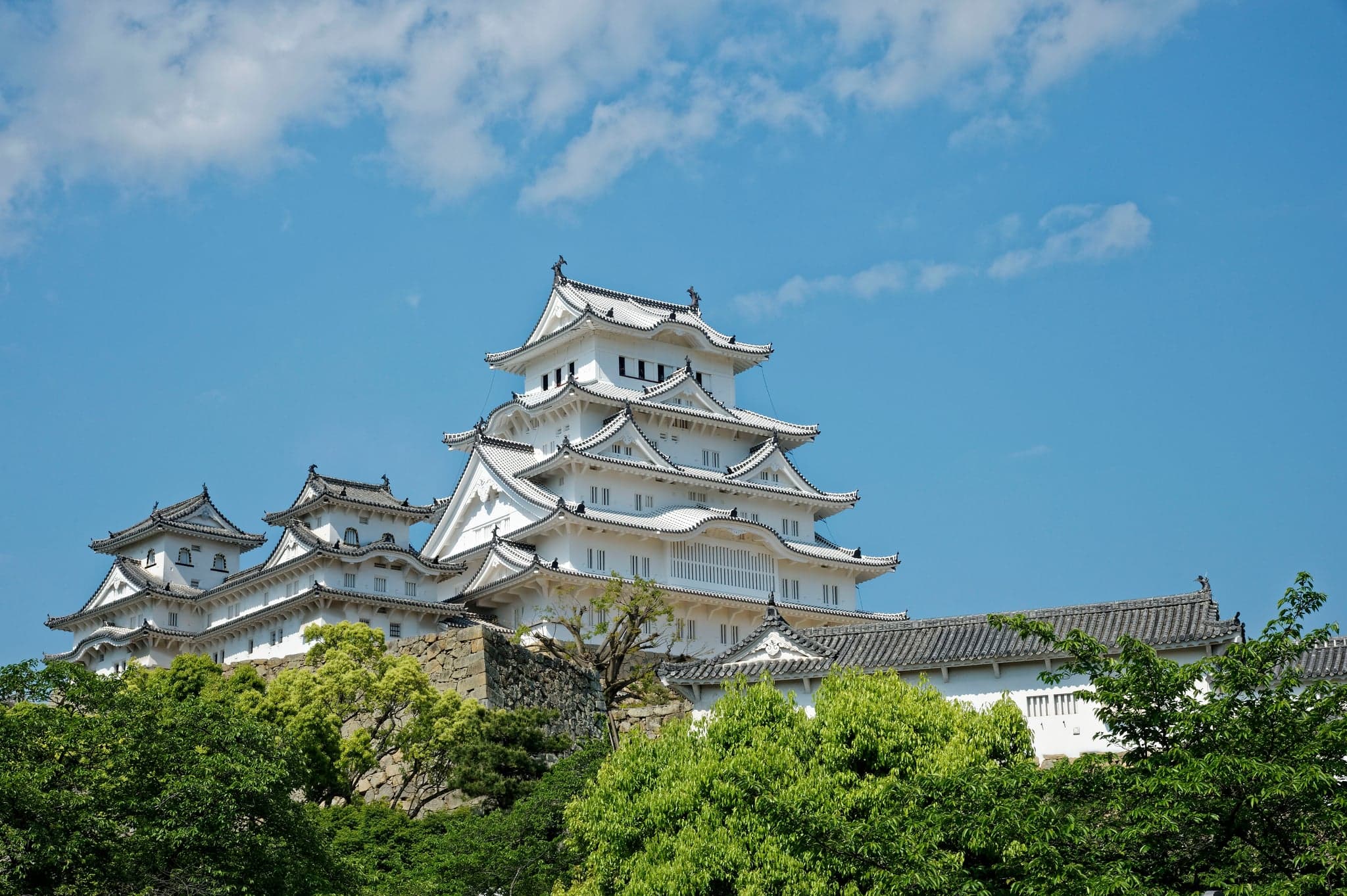
| SOLO Castles & Heritage of West Japan (SL005) | 15 | Tokyo · Okayama · Kurashiki · Naoshima · Hiroshima · Miyajima · Himeji · Kyoto · Kanazawa | Himeji Castle, the Naoshima art island, Kenroku-en; three nights in Kyoto; luggage Tokyo → Hiroshima → Kyoto → Tokyo | 4,000–5,400 |
| SOLO Castles: Culture & Countryside (SL004) the longest | 15 | Tokyo · Himeji · Okayama · Naoshima · Kurashiki · Miyajima · Hiroshima · Fukuoka · Osaka · Kyoto · Takayama · Shirakawa-go | West Japan and the Alps in one trip; Fukuoka's yatai stalls; private taxi to Shirakawa-go; luggage Tokyo → Hiroshima → Osaka → Tokyo | 4,600–6,100 |
Interested in a tour? Click a route code above, or search for it in the top-right Search bar.
Catalogue ranges for one traveler; the price sheet on each tour page shows the figure for your departure month. All five include breakfast every morning, travel insurance and the 24/7 line. International flights, most other meals and entrance fees are not included. The Kashikojima night on SL001 and SL007 is a two-bed room for one.
Airport Transfers: How to Actually Get Into the City
Airport transfers are where a lot of solo travelers waste money or arrive rattled. On our tours the arrival works like this: our staff wait for you at the airport with the trip documents and the loaded transportation IC card, and walk you to the right taxi rank, limousine-bus stop or train platform for your hotel. The ride itself is yours to choose, and the picture at the time of writing is:
- From Narita (NRT): the JR Narita Express reaches Tokyo Station in about an hour for ¥3,140 for the ordinary-class trip to Tokyo Station; the Keisei Skyliner is quicker to Ueno or Nippori for ¥2,580 at the standard adult paper-ticket fare; the Airport Bus TYO-NRT to Tokyo Station is ¥1,500 (more on late-night and early-morning departures). A taxi is expensive and rarely worth it solo.
- From Haneda (HND): the Tokyo Monorail and the Keikyu Line reach Hamamatsucho and Shinagawa respectively in roughly 13–20 minutes depending on terminal and train, for under ¥550 before onward city travel, and the IC card in your hand pays for either.
Fares change; check the operator's site before you fly. If you want a door-to-door transfer for one, ask at quote stage and we will say plainly what it costs — it is not in the package price, and we would rather you knew that here than at the arrivals hall.
The JR Pass Question
The single biggest budgeting decision on an independent Japan trip is whether to buy the Japan Rail Pass. The official direct-online adult Ordinary prices remain ¥50,000 for 7 days, ¥80,000 for 14 days and ¥100,000 for 21 days. From October 1, 2026, overseas-agent exchange orders cost ¥53,000, ¥84,000 and ¥105,000 respectively; Green Car prices are higher — a lot more than it used to. Since the roughly 70% price increase in October 2023, the pass rarely saves money compared with buying individual bullet train tickets on a Golden Route trip.
On a SOLO Japan tour the question disappears: the Shinkansen and limited-express tickets for the listed intercity legs are included, and the loaded IC card pays participating local operators up to its remaining balance; express supplements and some rural journeys need separate tickets. If you are planning independently, the rule of thumb is to skip the pass for Tokyo plus Kyoto and Osaka, and to run the numbers only if you are stringing together Tokyo, Kyoto, Hiroshima and Fukuoka inside a 7- or 14-day window. Our JR Pass guide does the arithmetic, and the price guide tracks the changes announced for later this year.
Accommodation: Single Room vs Twin Room, Ryokan and Temple Lodging
Solo travelers face one recurring frustration in Japan: many business hotels charge nearly the same for a single room as for a twin room, and some ryokan will not accept single guests at all on weekends. A self-guided operator handles this by pre-booking properties that welcome solo bookings — which is what the SOLO series is, before anything else.
Your mix on a self-guided Japan tour for one:
- Modern hotel, one-bed room in Tokyo, Kyoto, Osaka, Okayama, Hiroshima, Fukuoka, Kanazawa and Takayama — compact, spotless, near the station, and a private room with limited space by design.
- Temple lodging for two nights on Koyasan on SL003: a Japanese-style room, a vegetarian temple dinner of seasonal ingredients, the morning service open to guests.
- A Japanese-style room with beds and a private open-air bath for the Hakone night on SL007 — the ryokan night without the shared-bath question.
- A two-bed room used by one person for the Kashikojima night on SL001 and SL007, as specified in the booked room allocation.
If someone joins you for part of the trip, that becomes a different tour — the two-person Golden Route Plus versions run the same routes — so tell us at quote stage rather than after booking.
Meeting People Without Joining a Group
One worry solo travelers voice: won't I be lonely? That depends on the person and trip; allow opportunities to meet others without assuming friendship is guaranteed. Booking a food walk on your first Tokyo night is a great way to break the ice and pick up local restaurant recommendations from someone who actually eats there, and spend an hour at any of the tiny bars and eateries and it is hard not to make new friends. None of this is booked by us; all of it fits the free time, and it is where you pick up the local culture that no guidebook lists.
🍶 Alone time when you want it, company when you don't — what solo travelers actually do on the free days
- Counter seats. Ramen bars, sushi counters, yakitori and izakaya counters are built for one. Solo dining is normal in Japan; nobody looks up.
- A cooking class or a traditional tea ceremony. Small-group classes in Tokyo and Kyoto — hands-on, a couple of hours, run by local guides who cook — are the easiest place to meet other travelers and make new friends for an afternoon, then go your own way. Book a few days ahead; they are not part of the tour.
- Morning temples, evening streets. Fushimi Inari at 7 a.m. and Meiji Shrine before the crowds are best alone; Osaka's Dotonbori and Fukuoka's yatai stalls are best when you feel like talking.
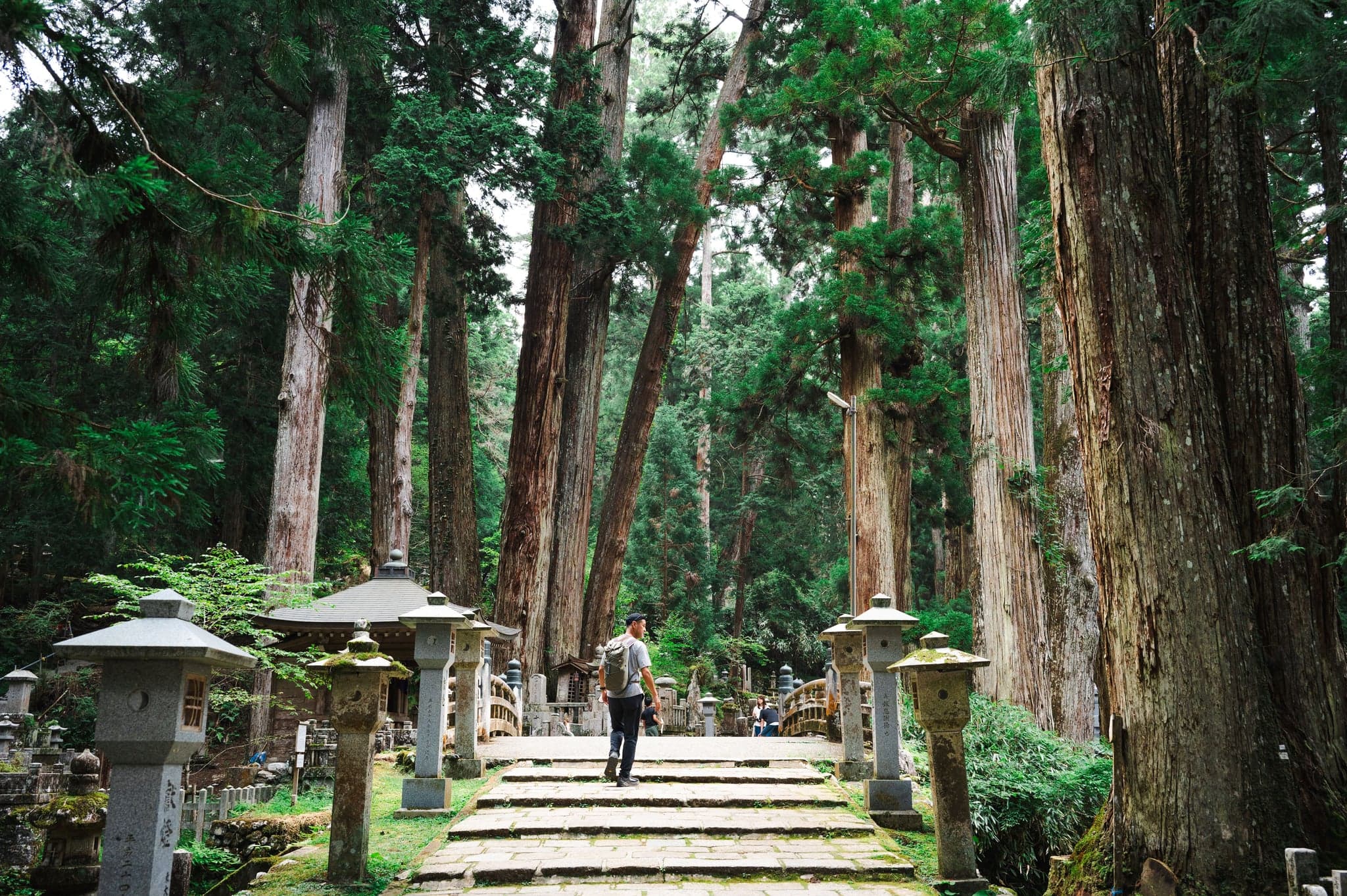
- The temple night on Koyasan (SL003). Two nights in temple lodging, dinner included, and the Okunoin cemetery path through the cedars at dusk — the quietest two days a solo traveler can have in Japan.
- Guesthouse lounges. Even if you are staying at a hotel, some hostels sell drinks to non-guests, and the common room is where the other solo travelers are.
Food: Eating Solo Without the Awkwardness
Japanese cuisine rewards curiosity, and it is built for one. Some easy wins for solo diners: ramen shops with ticket machines — order at the door, sit at the counter, done; conveyor-belt sushi, with no interaction required and a huge menu; depachika, the department-store basement food halls, for a dinner to eat at your hotel; standing bars (tachinomi), cheap, social and low-pressure; and izakaya for a proper sit-down meal of small plates.
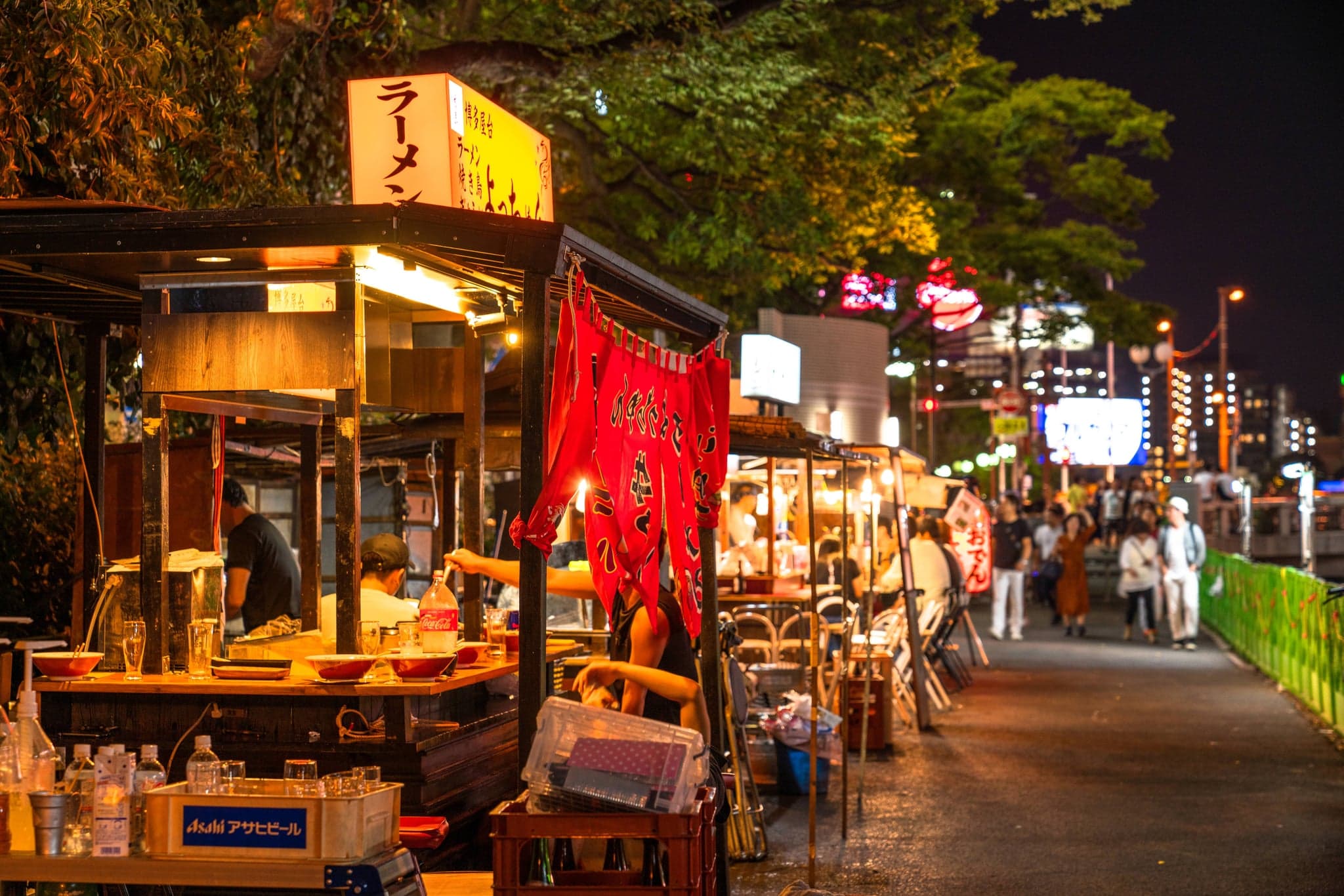
Build in at least one splurge meal — the shojin ryori vegetarian temple dinner on SL003, the hotel dinners in Hakone and on the Ise coast on SL007, or an omakase sushi seat you book yourself. A solo omakase can lead to being seated next to another traveler and spark an instant friendship. Street food is a category of its own: Osaka's Dotonbori, Kyoto's Nishiki Market and Fukuoka's yatai stalls are the three to plan around, and the local restaurants around any station beat the guidebook top ten.
A Real 13-Day Self-Guided Solo Itinerary (SL007)
Rather than a sample nobody sells, here is SL007 as it is actually booked — the tour that puts Hakone, the Ise-Shima coast, Kyoto, Himeji and Hiroshima into one journey for one person, across nine destinations. Arranged means booked for you; yours means free.
🗓️ SL007 day by day — arranged vs yours
| Day | Sleep | Arranged for you | Yours |
|---|---|---|---|
| 1 | Tokyo | Airport meet; documents and IC card; single room | First evening in Tokyo |
| 2 | Tokyo | — | Full free day. Asakusa, Shibuya, Harajuku and Meiji Shrine — your pick |
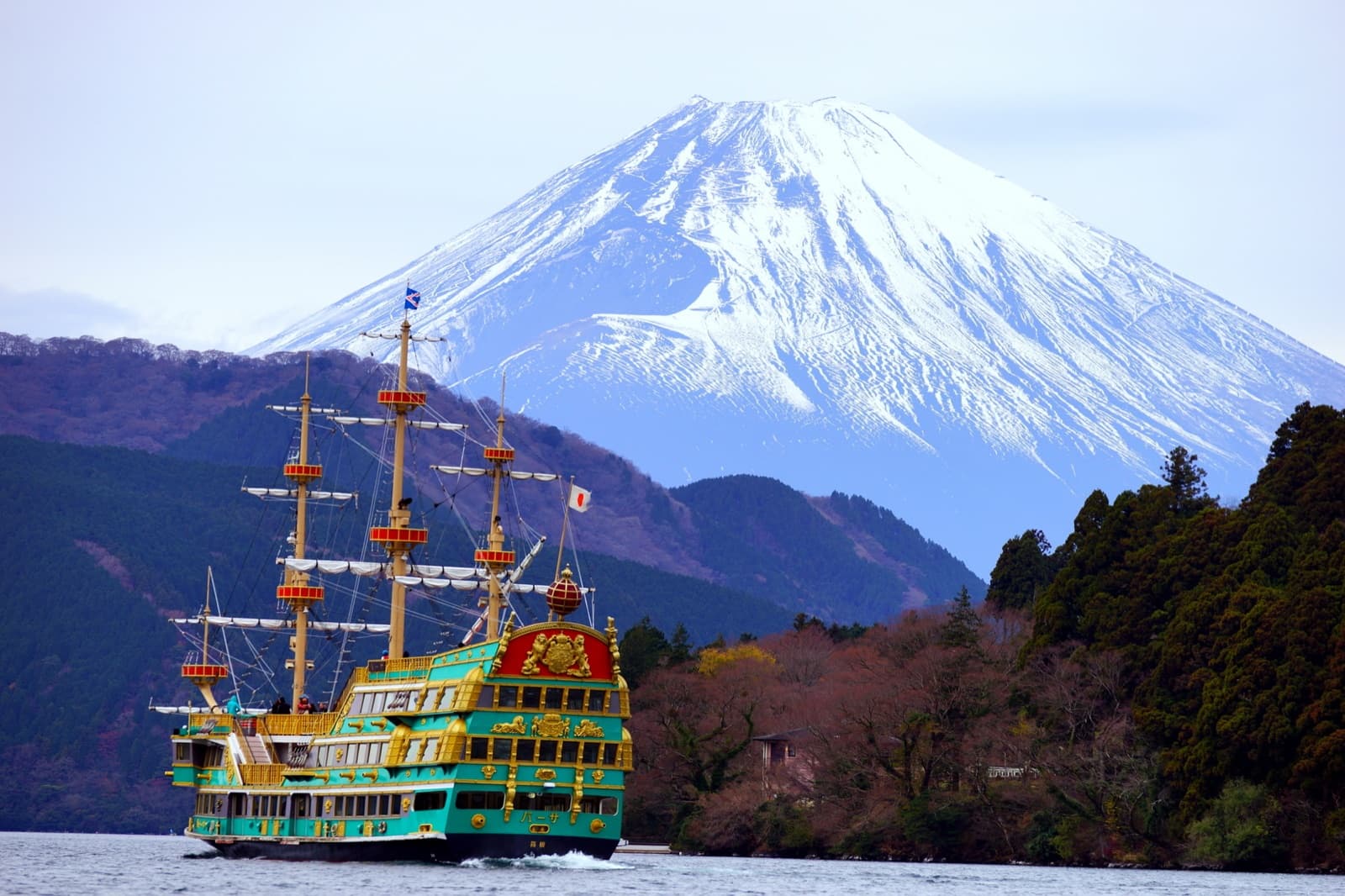
| 3 | Hakone | Suitcase forwarded to Kyoto; Shinkansen to Odawara; Hakone Free Pass; Japanese-style room with a private open-air bath; dinner | The ropeway over Owakudani, Lake Ashi with Mount Fuji behind it, the Open-Air Museum |
| 4 | Kashikojima | Shinkansen to Nagoya, limited express to Ise; shuttle bus to the hotel; dinner | Ise Jingu's inner shrine and the Okage Yokocho street |
| 5 | Kyoto | Ago Bay cruise; limited express via Toba to Kyoto (Shimakaze or another service) | First evening in Kyoto |
| 6 | Kyoto | — | Full free day. Fushimi Inari at dawn, Kinkaku-ji, Gion |
| 7 | Kyoto | — | Full free day. Arashiyama, Nishiki Market, or Nara |
| 8 | Okayama | Shinkansen via Himeji to Okayama | Himeji Castle on the way |
| 9 | Hiroshima | Shinkansen to Hiroshima | Okayama's Korakuen garden and Kurashiki's canal quarter first |
| 10 | Hiroshima | — | Whole day on Miyajima Island — train and ferry on the IC card |
| 11 | Tokyo | Shinkansen back to Tokyo | The Peace Memorial Park and museum in the morning |
| 12 | Tokyo | — | Full free day. Kamakura, Nikko, or the neighborhoods you missed |
| 13 | — | Tour ends at hotel check-out | Your own way to the airport |
From the SL007 itinerary in the current catalogue; USD 4,200–5,900 for one person. Five full sightseeing days (shaded), with free time on transfer days depending on the booked connections.
Adding Traditional Villages: Shirakawa-go and Takayama
If you want to explore rural Japan, the Japanese Alps are the detour. Takayama is an Edo-period mountain town where traditional Japanese culture is still the streetscape, with a preserved old street and a morning market; Shirakawa-go, recognized by UNESCO as a World Heritage Site, is the village of steep thatched gassho-zukuri farmhouses set against lush forests and mountains, about 50 minutes from Takayama by road. Two of the SOLO tours build it in — SL003 (two nights in Takayama, a chartered taxi to Shirakawa-go and back) and SL004 (the same by private round-trip taxi on day 12) — so you are not standing in the bus-reservation queue on your own.
In winter the village under snow looks unreal; in summer the rice paddies between the farmhouses are the picture. Either way, plan the day around the panoramic views from the hillside viewpoint and the walk back down through the houses, and give yourself the afternoon.
Common Mistakes First-Time Solo Travelers Make
A few patterns we see over and over:
- Overpacking the itinerary. Choose longer bases when you want a slower pace; multiple transfers need realistic travel time.
- Assuming the JR Pass is always worth it. Do the math on your specific route first — or take a tour where the tickets are included.
- Not shipping luggage. Yamato's takkyubin service moves your suitcase from hotel to hotel for a few thousand yen, leaving you with a small overnight bag on travel days. On the SOLO tours the long hops are already booked.
- Ignoring the steep hills in Kyoto and Hakone. Comfortable walking shoes matter.
- Booking too late for cherry blossom or autumn colour. Rooms for one in Kyoto sell out months ahead.
- Trying to see Mount Fuji from Tokyo. You need a clear day and a proper viewpoint — Hakone, Kawaguchiko, or the right-hand window seat on the bullet train heading west.
From our Japan travel team
Single rooms are the first thing to go in Kyoto, Kanazawa and Takayama during cherry blossom season and the autumn colours in October and November, so if those dates matter to you please start planning early. Our SOLO tours handle the hotel and train bookings and support you from reservation through the trip itself, so you can enjoy Japan at your own pace. Just ask and we will tell you which departure months still have single rooms open on the route you like.
Practical Tools You Will Use Daily
A short list of things worth having: the transportation IC card (on a SOLO Japan tour it is handed to you loaded at the airport; independently, Suica or Pasmo, including the mobile versions), Google Maps for train transfers including platform numbers, Google Translate with the camera function for menus, an eSIM or pocket Wi-Fi because station Wi-Fi is patchy, and cash — many small restaurants, temples and villages are still cash-only. Our solo female travel guide adds the safety specifics, from women-only train cars to late-night districts.
Winter vs Other Seasons for Solo Travelers
When you go changes the trip more than where you go. Spring (late March to early April) means cherry blossoms, mild weather and huge crowds — book everything early, and avoid Golden Week at the end of April, when four national holidays inside seven days send domestic travel and prices up. Summer (June to August) is hot and humid, with the rainy season through June and festivals everywhere; not ideal for temple-hopping in Kyoto. Autumn (October to November) is cool, dry and arguably the best time to visit. Winter (December to February) is cold in the north and chilly in Kyoto and Tokyo, with near-freezing nights possible, with fewer crowds; Shirakawa-go under snow looks unreal and the hot springs feel amazing. Our best time to visit guide has the month-by-month picture.
How Much Does a Japan Solo Tour Cost?
From our catalogue, for one traveler in single rooms with breakfast, the intercity trains, luggage forwarding, insurance and the 24/7 line: USD 3,700–5,400 for 12 days (SL001, SL003), USD 4,200–5,900 for 13 days (SL007), and USD 4,000–6,100 for 15 days (SL005, SL004). The figure for your departure date is on each tour page. International flights, most meals and entrance fees are on top; budget roughly ¥5,000–¥10,000 a day for those. If you want to see how a solo total compares with a two-person trip line by line, our trip-cost guide does that.
How Booking a SOLO Tour Works
- Pick a tour and rough dates. The table above is the whole list; each tour page has the full day-by-day and the price sheet by departure month.
- Send us your dates. Tell us if you have a fixed constraint at either end or anything we should know about mobility.
- The travel experts on our team in Japan confirm availability and the price for your month. The tours are sold as set itineraries; if you need a different shape, ask at this stage and we will say plainly what is possible.
- We book the rooms, trains and luggage forwarding. You book your flights.
- Our staff meet you at the airport with the documents and the loaded IC card, and the trip starts.
From our Japan travel team
Japan is convenient for many independent travelers, but a solo traveler has nobody to share the problem with when a typhoon closes a line or a connection is missed. Every SOLO tour we run comes with 24/7 support from our operators in Japan and travel insurance included, so if plans have to change you get practical help quickly, in English, from someone who is awake in your time zone. If you would like to know how the support works on a specific route, feel free to get in touch.
Would you like us to check a SOLO route and a room for your travel dates? Get in touch through Plan My Trip on our self-guided tours site, and we’ll suggest the tours that best fit your dates and plans.
Frequently Asked Questions
Are there tours in Japan for solo travelers?
Yes, two kinds. Small-group tours designed for solos give you a guide, a group and usually a twin room shared with another member (or a single supplement for your own room). Self-guided solo packages — our SOLO series — book a single room every night, the trains between cities, luggage forwarding, an airport meet and a 24/7 line in Japan, and leave you to travel alone at your own pace.
Is a self-guided tour safe for someone traveling alone in Japan?
Many visitors travel independently with confidence, but no destination is risk-free. Take normal precautions with valuables, nightlife and unfamiliar routes. Practical problems can also be logistical — a cancelled train, a missed connection, a sick day — which is what the 24/7 English line and the included travel insurance are for.
Do I have to pay a single supplement on a SOLO tour?
No. SOLO prices are for one traveler in their own room: from USD 3,700 for 12 days (SL001). The only night that is not a single room is the Kashikojima hotel on SL001 and SL007, which is a two-bed room used by one person.
Which SOLO tour is best for a first solo trip to Japan?
SL001 (12 days): Tokyo, Nara, Kyoto and Osaka plus the Ise-Shima coast — the ama-hut lunch and Ago Bay cruise are included, and Koyasan is a day trip from Osaka. If you want quiet more than cities, SL003 spends two nights in temple lodging on Koyasan and adds Takayama and Shirakawa-go.
Will I meet other travelers on a self-guided solo tour?
Not through the tour — there is no group. Solo travelers meet people in Japan at counter seats, in cooking classes and tea ceremonies, in guesthouse common rooms and at Osaka's and Fukuoka's street-food stalls. The free days are yours to fill either way.
Is it easy to eat alone in Japan?
Very. Ramen bars, sushi counters, ticket-machine restaurants and izakaya counters are built for one, and convenience-store meals are genuinely good. Solo dining carries no stigma; nobody looks up.
Do the SOLO tours work for solo female travelers?
Women commonly travel independently in Japan, but harassment and other incidents can occur. Plan your late-night return and use local help when needed; the same booked hotels, trains and support apply. Our separate guide to solo female travel in Japan covers women-only train cars, late-night safety and the practical details.
How does the airport meet work when I arrive alone?
Our staff wait for you at the airport with the trip documents and the loaded transportation IC card, then walk you to the right taxi rank, limousine-bus stop or train platform for your hotel. It is a hand-over and a pointer, not a private transfer.
Can I add nights or change the route on a SOLO tour?
The tours are sold as set itineraries, which is what keeps the price where it is. If you need a different shape — an extra night, a different last city — tell us at quote stage and we will say plainly what is possible for your dates.
How much does a solo trip to Japan cost with a package?
From our catalogue, for one traveler in single rooms with breakfast, intercity trains, luggage forwarding, insurance and support: USD 3,700–5,400 for 12 days (SL001, SL003), USD 4,200–5,900 for 13 days (SL007), USD 4,000–6,100 for 15 days (SL005, SL004). International flights, most meals and entrance fees are on top.
Planning a Solo Trip to Japan
Solo doesn't mean unsupported. Every SOLO tour books a private room for every night, the bullet trains between cities and the luggage forwarding, meets you at the airport with the documents, and gives you a phone line in Japan for the days something goes wrong. The rest of the Japan adventure — the counter seats, the dawn shrines, the free days, exploring Japan at your own pace — is yours. If you have rough dates, send them over and we will tell you which SOLO tours are open for your month and what they cost.
Tour comparison and inquiry options updated: October 12, 2026. Room types, inclusions, IC-card amounts, luggage legs and prices are taken from the current SOLO-series catalogue itineraries and price sheets and can change by departure date. Airport rail and bus fares are the operators' published fares at the time of writing.