
Japan Tours for Seniors: A Practical Guide to Planning a Self-Guided Trip
Coach group or do it yourself? There is a middle path. How much you really walk on each route, what is booked for you, Green Car trains, luggage forwarding, and the packages we run for travellers over 60 — with real prices.
Japan is one of the most rewarding countries in the world for older travelers, and honestly, it's easier than most people expect. Trains run on time. Streets are safe. Signs at major hubs come in English. What trips people up isn't the country itself, it's the itinerary they build before they arrive.
This guide is for anyone weighing up organized coach tours versus doing it themselves. If you want the freedom to sleep in, linger over lunch, and skip a shrine when your knees say "no thanks," a self-guided trip is usually the better fit. Below we'll cover how to design a realistic pace, which experiences work well for seniors, where a bit of expert help behind the scenes is a proper lifesaver — and, because vague reassurance is no use when you are choosing a route, exactly how much walking each of our packages involves.
🧭 Quick Answer: Japan Tours for Seniors
- You do not have to choose between a coach group and doing it all yourself. A self-guided package books the hotels, the reserved-seat Shinkansen, the luggage forwarding and an airport meet, then leaves the days to you — with a 24/7 English line if anything goes wrong.
- Walking is the real question, and it is controllable. No route below has a hiking day, and transfers between towns are by reserved train or chartered taxi, not on foot.
- Where it works best for 60+: Kyoto and Kanazawa (flat old quarters, taxis everywhere), Hakone (ropeway and boat instead of trails), and Hokkaido in summer (chartered taxi through the national parks).
- Prices below are real catalogue ranges, per person, two sharing, from USD 3,700 for seven days.
Why Japan Tours for Seniors Work So Well
Japan does the boring stuff brilliantly. The country is globally recognised for its cleanliness and low crime rates, making it extremely safe for senior travelers. Public spaces are well-maintained, public transportation is efficient, punctual, and easy to navigate, and trains and buses run on time, making travel predictable and stress-free for seniors.
The infrastructure quietly favours older visitors. Japan offers excellent amenities such as elevators, escalators, and well-designed facilities in stations and public places. Most major stations, malls, and attractions are equipped with elevators and escalators, making movement easier for seniors. These accessibility features reduce physical strain and improve overall comfort.
That said, the walking sneaks up on you. Temple gravel, long station corridors, and unexpected staircases in older subway stops all add up. The trick isn't avoiding Japan, it's engineering the day.
Guided Tours vs Self-Guided Tours for Seniors
Traditional group coach tours have their place. They handle everything and you show up. The trade-off is a fixed pace, early wake-ups, and a lot of people you didn't choose to travel with. If one member of your small group tour gets tired, everyone waits — or worse, no one waits.
Self-guided trips flip that. You get pre-booked hotels, train tickets, and a day-by-day plan, but you travel independently between and within each city. No microphone. No name badges. No 7 a.m. luggage call.
For most seniors we speak with, this is the sweet spot. You get the safety net of a proper plan without the rigidity of a bus.
What Makes a Self-Guided Tour Guide Approach Different
A good self-guided setup gives you a "tour guide in your pocket" rather than a person walking in front of you. That usually means detailed daily notes, maps, restaurant picks, and a phone number you can call when something goes sideways.
The upside for older travelers is huge. You can start the day slowly. You can take a taxi instead of the subway if it's raining. You can swap a museum for an extra hour in the hotel lounge and nobody minds.
🧳 The four things that make a self-planned Japan trip hard after 60 — and what a package does about each
- Luggage. On the Tokaido, Sanyo and Kyushu Shinkansen a suitcase whose three sides add up to 161–250 cm needs a reserved seat with an oversized-baggage area (¥1,000 on the spot if you have not reserved; over 250 cm is not allowed on board), and older stations still have stairs. Every package below forwards your main bag between cities or puts a chartered taxi under the transfer, so you travel with a day bag.
- The first hour. Landing at Haneda, Narita or New Chitose and working out trains with jet lag is where trips go wrong. Our staff meet you at arrivals with your documents and put you in a taxi to the hotel.
- The gap between towns. Eastern Hokkaido has no rail, and the Kumano shrines are spread out along mountain roads. The packages use chartered taxis exactly where public transport thins out.
- Something going wrong. A missed connection, a pharmacy, a typhoon day. A 24/7 English support line and included travel insurance are standard on every package — not an add-on.
From our Japan travel team
The appeal of a self-guided tour is a trip that is not tied to a fixed schedule — you decide how each day goes. What we add on top is the reassurance: app-based itinerary guidance, a 24/7 assistance service while you are in Japan, and travel insurance included as standard. We can also tailor a tour to suit you, adding a guide for part of the trip for example, so please feel free to talk to us about what would make the trip comfortable for you.
Train Stations, Walking, and Managing Energy Levels
Here's where a lot of first-timers get caught out. Japan is an easy country to explore, but many destinations involve more walking than visitors initially expect. Train stations can be large, temple grounds often require walking on uneven paths, and popular attractions may involve moderate walking distances throughout the day. For senior travelers, planning a realistic pace is essential.
Tokyo Station and Shinjuku are cities in their own right. Give yourself twice the transfer time you think you need. Sit down between platforms if there's a bench. No one is judging.
Priority seats exist on every train and locals do give them up. Just point at the seat and smile — it works.
Rather than tell you "the pace is relaxed", here is what each of our packages actually asks of your legs. The transfers are all by reserved-seat train or chartered taxi; what follows is the sightseeing.
🚶 How much you actually walk — by package
| Package | Days / price (USD pp) | How you move between places | The walking, honestly |
|---|---|---|---|
| Discover Hokkaido (HD001) May–Oct | 7 days / 3,700–4,300 | Airport meet; private chartered taxi on days 3, 4 and 5 through Sounkyo, Lake Kussharo, Shiretoko and Lake Akan; 4 onsen-hotel dinners | Almost none is compulsory. Shiretoko Five Lakes has a free, barrier-free 800 m elevated boardwalk (mid-April to mid-November); Lake Akan is a lakeside stroll and a cruise. The Sapporo/Otaru day is yours to size. |
| Luxury Journey: Hiroshima & Kyoto (LX003) | 10 days / 6,900–8,400 | Green Car (first-class) Shinkansen, sightseeing taxis so you are not fighting crowds, luxury hotels throughout | You decide. Kyoto temples involve steps; the taxi drops you at the gate, not the bottom of the hill. |
| Refined Kansai: Lake Biwa & Castles (LX002) | 11 days / 6,500–9,400 | Green Car Shinkansen, private taxis, Lake Biwa cruise, Hikone Castle, Uji | Gentle. Castles have steep interior stairs — the view from the grounds is the point, not the keep. |
| Signature Experiences & Scenic Stays (EX002) | 9 days / 4,000–4,700 | Premium hotels "where the accommodation becomes the sightseeing"; tea ceremony at a historic tea house; Seki blade craftsmen; snow monkeys | Low, with one exception: the snow-monkey park is a 1.6 km, 25–30 minute unpaved forest trail with steps, icy in winter and muddy after rain — the one walk to plan around, and one to skip if knees object. |
| Sacred Trails & Coastal Traditions (NT009) Jan–Dec | 10 days / 4,100–5,500 | Shinkansen and limited express trains; ferry across Ago Bay to an ama-diver hut lunch; chartered taxi on days 5 and 7 (a pearl workshop, then the Kumano shrines and Nachi Falls); luggage forwarded Tokyo → Toba → Osaka (pack an overnight bag for two nights in Kyoto and two in Kii-Katsuura); 3 hotel dinners in Toba and Kii-Katsuura | No trail walk is built in. Ise Grand Shrine is a mostly flat gravel approach through the forest; at Nachi the shrine, pagoda and falls are linked by stone steps, and the taxi does the mountain roads. Day 6 is the long one: Ise in the morning, then trains to Kii-Katsuura, a walk from the station to Katsuura port and a shuttle boat to the hotel. |
| SOLO Ise-Shima Escape (SL001) | 12 days / 3,700–4,400 | The same Golden Route Plus itinerary, priced and booked for one person — single rooms, no supplement games | Your pace entirely; free days in Tokyo, Kyoto and Osaka. |
Interested in a tour? Click a route code above, or search for it in the top-right Search bar.
Prices are catalogue ranges per person, two sharing (SL001: one person), and vary by departure date. Every package includes breakfast, 24/7 English support during your stay and travel insurance, and every route except HD001 includes reserved-seat trains (HD001 uses an airport transfer and chartered taxis instead); international flights and entrance fees are not included.
Getting Around: The Shinkansen and Why the Green Car Matters
Trains are the backbone of any senior-friendly itinerary. Shinkansen trains are comfortable for older travelers, offering reserved seating, smooth, quiet rides, short intercity times, and Green Car options for extra space and calm.
The first class equivalent on the bullet train is worth the upgrade for most seniors. The Green Car features wider aisles and ample luggage space — including overhead racks and designated zones — making it highly accessible for travelers with large bags, wheelchairs or small children. Toilets are also larger, equipped with bidet functions, baby-changing tables, and touch-free sinks. Our LX002 and LX003 packages travel Green Car throughout.
Booking is straightforward. Reservations open one month before departure. This advance window is especially important during busy periods such as New Year, cherry blossom season, and Golden Week.
One accessibility note worth knowing: the Shinkansen is the fastest and most convenient express train in Japan, and all stations are wheelchair accessible. Even if you don't use a wheelchair, this means ramps, lifts, and staff assistance are standard.
Luggage Forwarding: The Best-Kept Secret of Senior Travel
If you take one tip from this article, take this one. Japan has a nationwide door-to-door delivery service called takkyubin, run by Yamato Transport (the black cat logo). You send your suitcase from one hotel to the next, ride the train with a small day bag, and your luggage is waiting when you check in.
For a full-size suitcase on the popular routes, expect somewhere in the ¥2,000–¥3,000 range per bag, and delivery the next day. Most Japanese hotels — from budget business hotels to luxury ryokan — will forward your luggage to your next destination. Ask the front desk, fill out the form, and your bags arrive at the next hotel before you do. The reception team knows the drill even if the guest doesn't speak Japanese.
For seniors, this changes the whole trip. No wrestling a case up station steps. No blocking the aisle on the Shinkansen. Just keep an overnight bag with medication, documents, and a change of clothes, and let the big case travel separately. On our packages the forwarding is already booked into the itinerary — Tokyo to Kyoto, Tokyo to Toba and on to Osaka, and so on — so there is no form to fill in at all.
From our Japan travel team
Japan is one of the safest and easiest countries to travel in your sixties and seventies — the trains run to the minute and help is never far away. Even so, a long trip has its moments: a missed connection, a rainy day, a knee that needs a rest. Every self-guided tour we build comes with 24/7 support from our operators in Japan and travel insurance included, so if plans have to change you get practical help quickly. If you would like us to tailor the pace of any itinerary on this page, feel free to get in touch.
Building an Itinerary: One Anchor Sight Per Half-Day
The single best planning rule for senior tours in Japan comes from ground operators who do this every week. Pace beats coverage. One anchor sight per half-day, a proper seated lunch, and the hotel by late afternoon outperforms any packed program.
That looks like this in practice:
- Morning: Meiji Shrine and a slow coffee in Harajuku.
- Lunch: A sit-down meal, not a standing noodle bar.
- Afternoon: The hotel, a nap, then a nearby garden or department-store food hall for dinner.
Two anchor sights a day, tops. Anything more and you're just moving between places instead of experiencing them.
Sample Routes That Actually Work
Tokyo, Hakone, Kyoto (10 days)
The classic route. Four nights in Tokyo, two in Hakone for hot springs and Mount Fuji views, then four in Kyoto. The Shinkansen handles the long legs. Luggage forwards ahead. You never carry a case up stairs.
Adding Hiroshima
If you have 12–14 days, extend past Kyoto to Hiroshima and Miyajima. Hiroshima is flat, walkable, and the trams are easy. The Peace Memorial Park is moving without being physically demanding. Our LX003 does exactly this leg in Green Car with a sightseeing taxi.
Slower Alternative: Tokyo and Kyoto Only
If a fortnight sounds like a lot, do a week split between the two cities. Five nights Tokyo, five nights Kyoto. Day trips to Nikko, Kamakura, Nara. This is a genuinely restful trip and probably the most popular pattern with our older clients.
The summer option: Hokkaido by chartered taxi
If your dates fall in July or August, when central Japan is at its hottest, Hokkaido is the answer — mild, uncrowded, and on HD001 the three days through the national parks are done from the back seat of a private taxi with an onsen hotel and dinner at the end of each. See our full Hokkaido tour package guide.
Cultural Experiences and Cultural Immersion Without the Grind
Japan rewards slow travel more than most destinations. You don't need to rush from temple to temple to feel the country.
The Traditional Tea Ceremony
A proper traditional tea ceremony runs about 45–60 minutes, seated, indoors, in a quiet room. It's one of the most senior-friendly cultural activities you can book. Kyoto has dozens of studios with chair seating (not just floor cushions) — always ask when booking. On EX002 the tea ceremony is held at a historic tea house and is part of the package.
Sushi Making Classes and Other Culinary Experiences
Sushi making classes are hands-on but low-impact. You stand at a counter for an hour, learn from a chef, then eat what you made for lunch. Ramen and wagashi (sweet-making) classes work the same way. Japanese cuisine is one of the great pleasures of the country and these classes double as a rest from walking.
Ancient Temples at Your Own Pace
Kyoto's ancient temples don't need to be ticked off in a marathon. Pick three. Go early. Sit in the gardens. Kiyomizu-dera, Ginkaku-ji, and Nanzen-ji together make a lovely day if you're using taxis between them.
Mount Fuji and Natural Wonders
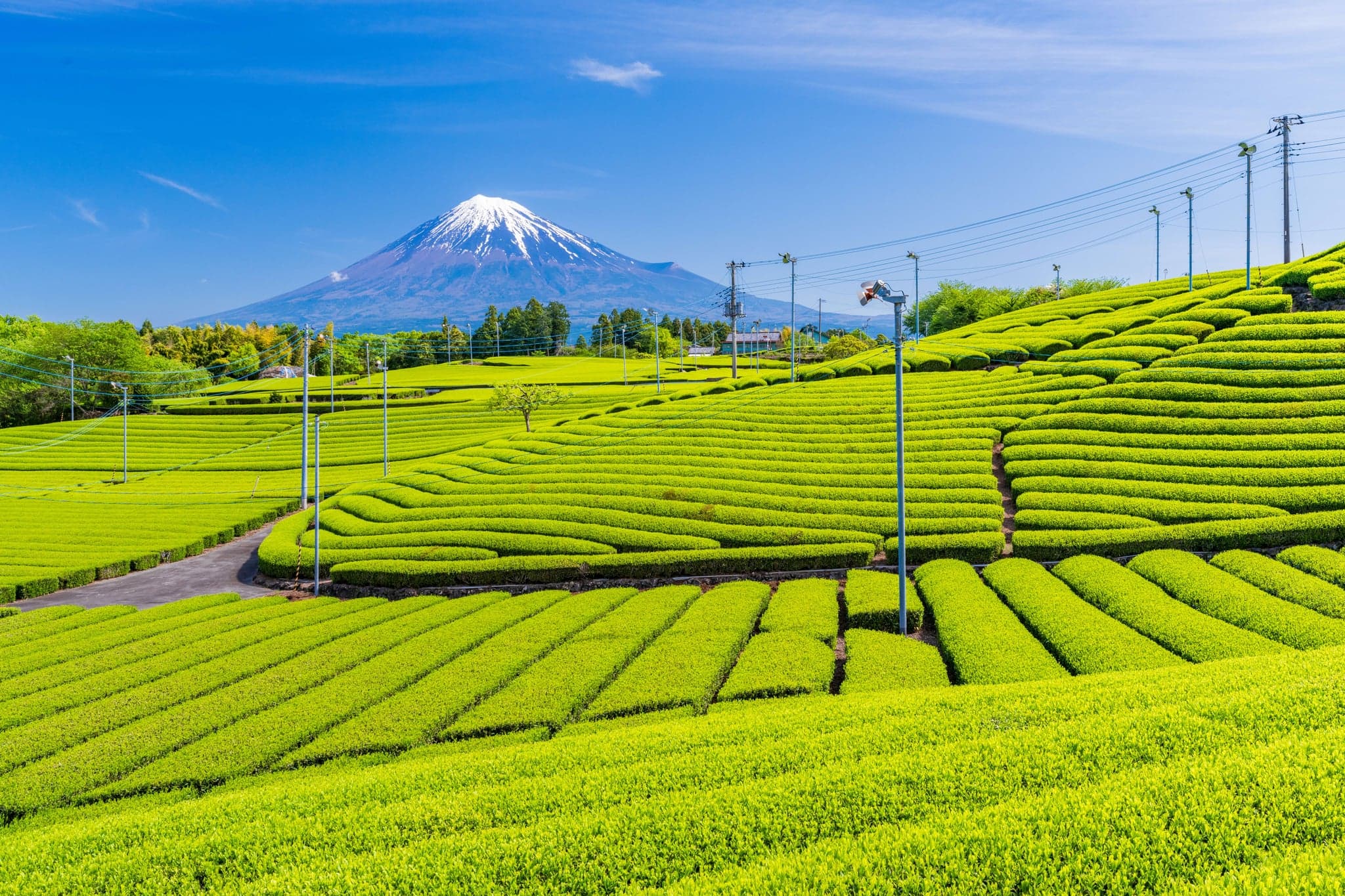
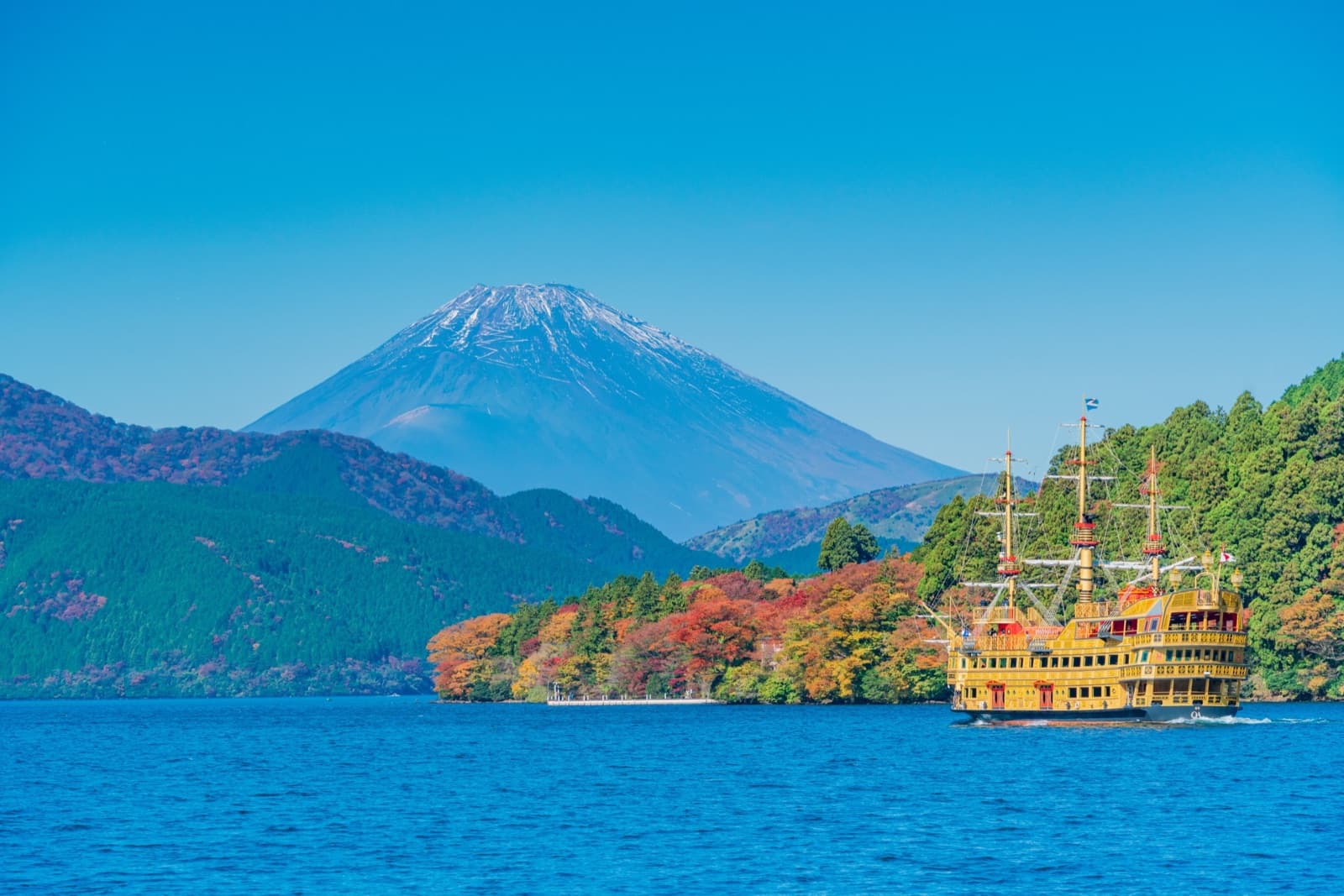
You don't need to climb Mount Fuji to appreciate it. Most seniors see it from Hakone, Kawaguchiko, or the Shinkansen window between Tokyo and Kyoto (right-hand side, roughly 40 minutes out of Tokyo — clear mornings only).
Hakone deserves the overnight. Stay at a ryokan with a hot springs bath in the room if steep walks aren't your thing. Private in-room baths mean you get the whole onsen experience without communal bathing, which not everyone is comfortable with.
For other natural wonders and stunning landscapes, consider Nikko in autumn or the Japanese Alps in early summer. Both offer scenic ropeways so you can see the views without a hike.
Shirakawa-go and the Countryside
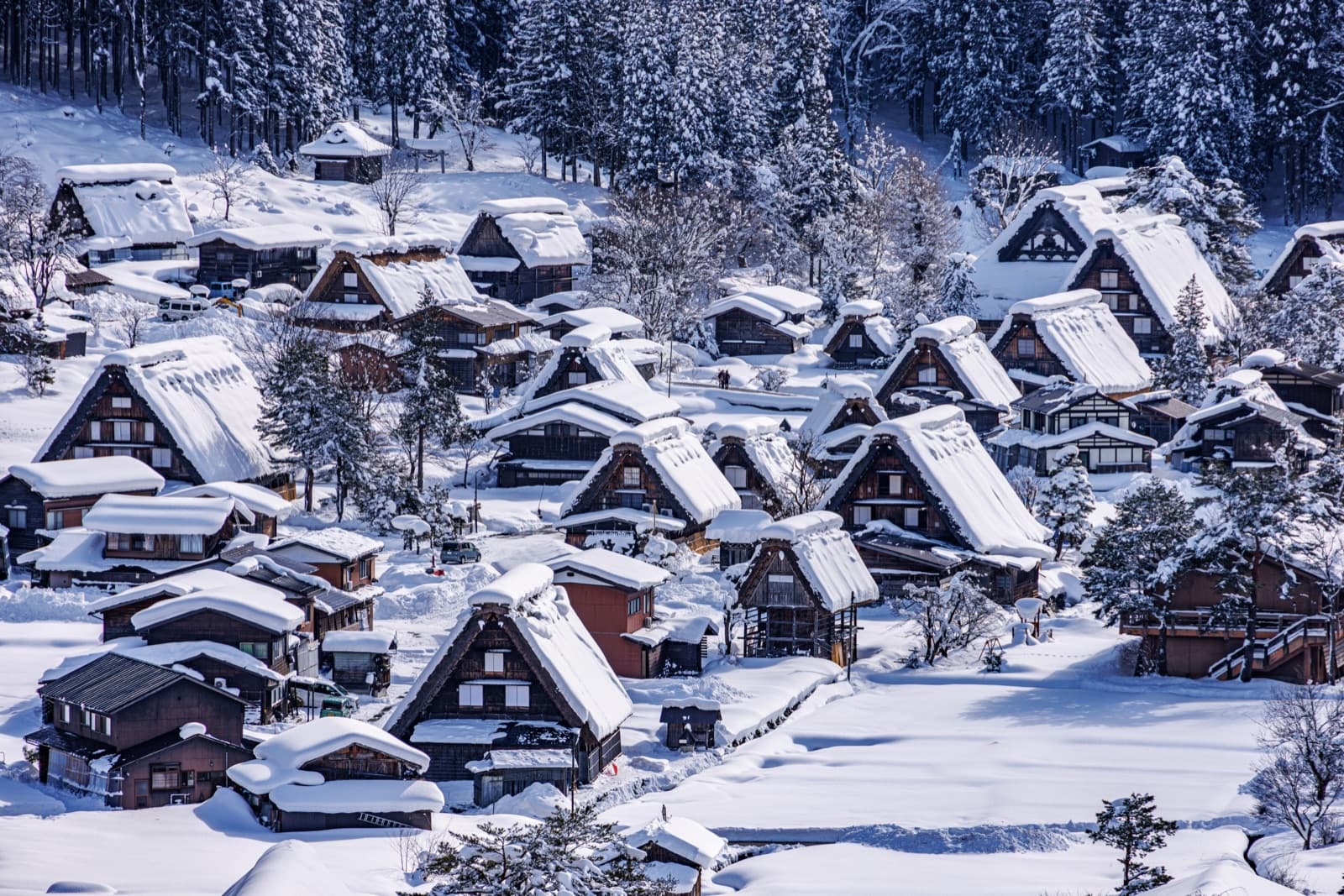
Shirakawa-go is one of Japan's most photogenic villages, and it's genuinely worth the detour if you have the days. Buses to Shirakawa-go leave from the Takayama Bus Center and take around 50 minutes. The village itself is flat and easy to walk around at your own pace.
On weekends and national holidays, it can take over 2 hours to get a parking space. Those looking to take their time to enjoy the beautiful Gassho-style village should visit in the mornings on weekdays. That advice matters even more if you're a senior — the crowds are the tiring part, not the walking.
From our Japan travel team
Shirakawa-go is best paired with an overnight in Takayama rather than done as a long day trip from Tokyo, because the bus connections work out much easier. We don't stay overnight in Shirakawa-go itself, but plenty of our self-guided itineraries base you in Takayama for a night or two, with the village as an easy morning visit. Just ask and we'll help you slot it into your route.
Accommodation: Hotel Rooms That Work for Older Travelers
Not every hotel room in Japan is built the same way. Business hotels can have narrow bathrooms and beds pushed against walls. Traditional ryokan often mean futons on the floor — beautiful, but hard to get up from.
For seniors, we generally recommend:
- Western-brand or newer Japanese hotels with proper beds and step-in showers.
- Ryokan with Western beds available (they exist — you just have to ask).
- Rooms with private baths if you'd rather skip communal onsen.
When booking accommodations, look for hotels or ryokans that offer accessibility features such as elevators, ramps, or Western-style beds. Many properties welcome older guests with thoughtful amenities, on-site dining, and helpful staff. Tell us at quote stage if you need a bed rather than a futon, or a step-in shower, so the hotel selection on your package reflects it from the start.
Common Mistakes to Avoid
Booking too many cities. Four cities in ten days is a slog. Two or three is plenty.
Ignoring the transfer time. A "two-hour" Shinkansen trip is really three and a half hours door to door with luggage and station walks. Build that into the plan.
Skipping travel insurance. Non-negotiable at any age, and especially over 65. It is included on every package here.
Trying to do the entire trip on public transport. Private cars or taxis for airport transfers and long museum days are worth the budget. You've flown a long way to enjoy Japan, not to prove a point about the subway.
Booking too late. Cherry blossoms and autumn foliage seasons book out months ahead.
From our Japan travel team
Spring cherry blossoms and October–November autumn colour are the most comfortable seasons for older travellers, and also the busiest — hotels and reserved train seats fill up fast, so please start planning early. Our self-guided tours handle the bookings and support you from reservation through the trip itself, so you can enjoy Japan at your own pace. Just ask and we will suggest dates that avoid the worst of the crowds.
Finding a Travel Style That Suits You
Some seniors want luxury and quiet. Others want to travel independently and follow their interests wherever they lead. Both are perfectly suited to a self-guided approach — the itinerary just gets shaped differently.
The land of the rising sun accommodates both. A luxury-focused trip might weight toward private cars, high-end ryokan, and Green Car train seats — that is LX002 and LX003. A more independent trip might focus on walking neighbourhoods, local izakaya dinners, and mid-range hotels near train stations — GR001 or, for one traveller, SL001. Either way, the country delivers.
Not sure which route suits your pace? Get in touch through Plan My Trip on our self-guided tours site, and we’ll suggest the tours that best fit your dates and plans.
FAQ
Is Japan a good destination for seniors?
Yes, and it's one of the easiest countries to visit at any age. Safe streets, punctual transport, and generally excellent accessibility at major train stations make it a strong choice.
Which tour company is best for seniors visiting Japan?
It depends on how you like to travel. If you want a guide and a group every day, the escorted operators are the right fit. If you want the logistics handled but your own pace, a self-guided package is the middle path: hotels, reserved trains, luggage forwarding and an airport meet are booked for you, and a 24/7 English line covers the rest. We are a Japan-based operator, and every itinerary on this page is one we run ourselves.
How much walking is there on a Japan tour for seniors?
Less than you might fear, and you control most of it. Transfers between cities are by reserved-seat Shinkansen or chartered taxi, not on foot. None of the packages above has a hiking day. On the Hokkaido and luxury routes sightseeing is by taxi, boardwalk and cruise, and on NT009 the Kumano shrines and Nachi Falls are reached by chartered taxi. The longest walk is the 1.6 km forest trail to the snow monkeys on EX002, and you can skip it.
What is the best place in Japan for senior citizens to visit?
For a first trip, Kyoto and Kanazawa: flat historic quarters, taxis everywhere, and the best food. Hakone for Mount Fuji views with a ropeway and boat doing the work. In summer, Hokkaido — cool, uncrowded, and easy when the national parks are done by chartered taxi.
What's the best way to handle luggage between cities?
Use takkyubin. Hand your suitcase to the hotel front desk, pay roughly ¥2,000–¥3,000, and it arrives at your next hotel by the following day. You travel with a small overnight bag. On our packages the forwarding is already built into the itinerary.
Is the Shinkansen Green Car worth the extra cost for seniors?
For most older travelers, yes. Wider seats, quieter carriages, more luggage space, and larger toilets make a real difference on a two- to three-hour ride.
Can I do a self-guided Japan tour on my own as a solo senior?
Yes. Our SOLO series (SL001, SL003, SL004, SL005, SL007) runs the same routes priced and booked for one person, with single rooms, an airport meet and the same 24/7 support. Our Japan solo tours guide lists all five with prices.
Can I visit Mount Fuji without hiking?
Absolutely. Views from Hakone, Kawaguchiko, and even the Shinkansen window are excellent. Climbing is only for a small subset of visitors, and even then only in July and August.
What time of year is best for older travelers?
Late March to early April for cherry blossoms and mid-October to late November for autumn colours are the most popular. Both need early booking. Late April, May, and early June are quieter with pleasant weather, and July–August is the time for Hokkaido.
Planning Your Self-Guided Japan Trip
Self-guided doesn't mean unsupported. The best setups give you a fully-booked itinerary — flights aside — with hotels, trains, transfers, and a live phone line for the days something goes wrong. That's what we build: routes designed for real travelers, with the local knowledge that keeps a trip from becoming a slog. If you're thinking about a first visit or a return trip and want a plan that fits your pace, get in touch. We'll sketch something honest and workable.
Last updated: October 12, 2026. Package prices, inclusions and walking notes are taken from our current catalogue and the operators' official pages (JR Central oversized-baggage rules; Shiretoko Five Lakes) and can change by departure date.