Japan in May 2026: After Golden Week, Best Weather of the Year
Why mid-to-late May is the locals' favorite travel window — best weather, fewer crowds, and Tokyo hotel prices that drop overnight on May 7.
There is a quiet secret that experienced Japan travelers know but rarely share: May is the best month to visit Japan. After cherry blossoms have fallen and before the rainy season begins, Japan in May 2026 offers some of the most pleasant weather, the deepest spring flowers, and — if you time it right — surprisingly fewer crowds at popular attractions. Planning next year instead? See Japan in May 2027 — Golden Week runs 29 April to 5 May 2027, and the calm weeks that follow are the ones to aim for.
The catch? You need to know what to do about Golden Week. Coming a month earlier? Japan in April 2027 covers cherry blossom peak and the run-up to Golden Week.
This guide covers everything you need to plan a Japan trip in May 2026: when to go, where to explore Japan, which festivals to catch, and why the days right after Golden Week may be the most magical week of the entire travel year.
Quick Answer: Is May a Good Time to Visit Japan?
Yes — but timing is everything. Skip Golden Week (April 29 - May 6, 2026) when prices triple and crowds peak. Arrive May 7 or later for the year's best balance of mild weather, dry skies, late cherry blossoms in northern Japan, and hotel rates that drop 30-50% overnight.
Tokyo high
22-25°C
Golden Week
Apr 29-May 6
Sweet spot
May 7-24
Rainy season
Late May+
Why May Is the Best Month for a Japan Trip
Not sure which month suits you? Our guide to the seasons in Japan lines up all twelve months side by side — weather, crowds, prices and what is in bloom.
May in Japan delivers something rare: mild weather, clear skies, late cherry blossoms in northern Japan, and an unusual lull in tourist traffic during the second and third weeks of the month.
Average daytime temperatures in Tokyo sit around 23°C (73°F). Humidity remains low. The rainy season is still weeks away. And pretty much everywhere except Hokkaido has dried out from the lingering chill of late March and early April.
For many seasoned travelers, May beats every other season for one reason: comfort. You will need a light jacket for early mornings and evenings, but daytime exploration is consistently pleasant.
It is also the last realistic chance to catch sakura. Late cherry blossoms in northern Japan and high-elevation areas often hold on through early May, giving travelers who missed peak season a second window.
Japan in May 2026: Key Dates to Know
Before you start planning, mark these dates:
- April 29 - May 6: Golden Week holiday period
- May 3-4: Hakata Dontaku Festival in Fukuoka
- May 5: Children's Day, with giant carp streamers across Japan
- May 10-24: Grand Sumo Tournament in Tokyo
- May 15: Aoi Matsuri in Kyoto
- Third weekend of May: Sanja Matsuri in Tokyo
Each of these shapes how crowded — and how affordable — a given week will be.
Golden Week 2026: When and Why to Avoid It
Golden Week is the cluster of national holidays that turns Japan upside down for one entire week. It is when Japanese people travel domestically en masse — flights book out, hotels triple in price, and bullet trains run at capacity. For the full list of national holidays and substitute days for the year, see our Japan public holidays 2026 guide.
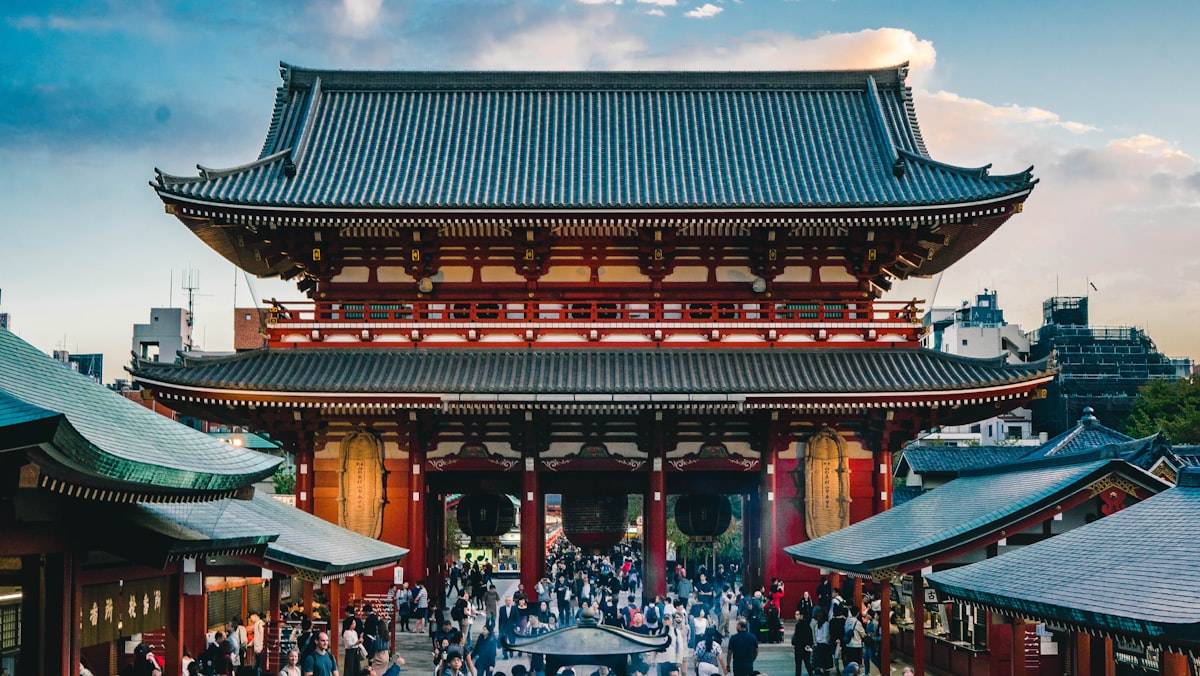
If you have heard horror stories about huge crowds and large crowds in Japan, they almost always trace back to this single week.
Golden Week Holiday Dates in 2026
In 2026, Golden Week runs from April 29 (Showa Day) through May 6. Constitution Memorial Day falls on May 3, Greenery Day on May 4, and Children's Day on May 5, with a substitute public holiday on May 6.
If you arrive between April 29 and May 6, expect peak season pricing and crowds at every popular attraction — Tokyo Disneyland, Universal Studios Japan, Mount Fuji, Kyoto's temples, you name it.
Why Crowds Spike During Golden Week
Golden Week is one of only three times per year when most Japanese workers can take consecutive days off. Domestic tourism explodes. Many shops in tourist areas extend their hours; many businesses close entirely as staff travel home.
Lower prices return almost overnight on May 7 or 8, once Japanese travelers head back to work and school.
If your dates are not flexible, plan ahead aggressively: book accommodations 4-6 months in advance and consider visiting cities that are not typical Golden Week destinations.
After Golden Week: The Sweet Spot
Here is the insider tip: arrive in Japan around May 7 or May 8, and you will catch the absolute sweet spot of the year.
The weather is at its best. Golden Week crowds have vanished. Hotel rates drop by 30-50% compared to Golden Week peaks. Many local shops, restaurants, and attractions are pleasantly quiet for the next two weeks.
This window — from roughly May 8 through May 24 — is what seasoned travelers consider the actual best time to visit Japan in any given year.
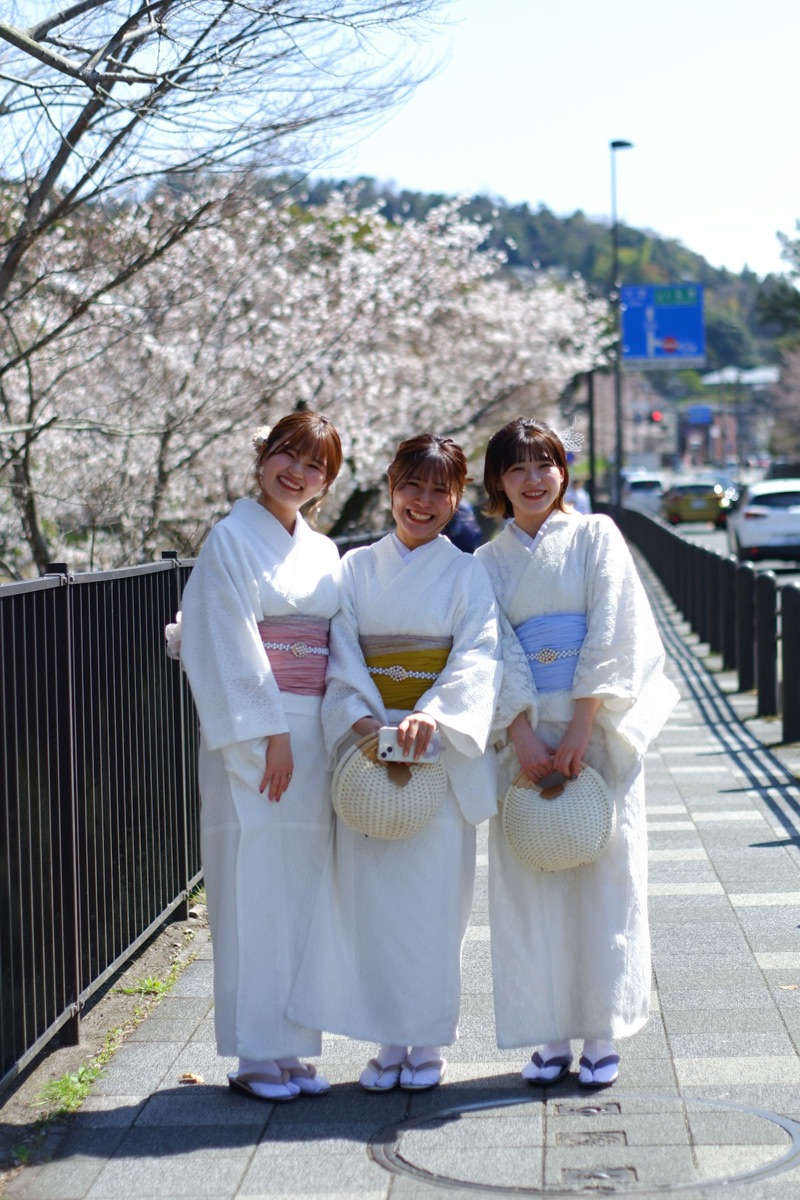
Many travelers who have visited Japan during cherry blossom season swear that returning post-Golden Week feels like discovering a different country entirely.
May Weather: Pleasant Weather and Mild Skies
May weather in Japan is what travel brochures dream about. Days are warm without being humid. Nights are cool without being cold. Skies are clear far more often than not.
Early May Conditions
During early May (which overlaps with Golden Week), Tokyo averages a daytime high of 22°C and a nighttime low of 14°C. Mountain areas like the Fuji Five Lakes area or the Japanese Alps stay cooler — pack a light jacket.
Cherry blossoms have mostly finished by early May in Tokyo, but late cherry blossoms can still be found in northern Japan, particularly in Aomori and Hokkaido.
Mid May to Late May Forecast
By mid May, daytime highs climb to around 25°C in Tokyo. The third weekend of May often brings the warmest, sunniest days of the entire spring — perfect for outdoor activities, day trips, and festival watching.
Late May edges toward summer warmth. Humidity creeps up. The rainy season (tsuyu) begins in southern Japan around May 30 and reaches central Japan in early June. For details on what comes next, see our Japan in June 2026 guide.
If your priority is dry, sunny weather, aim for the second and third weeks of the month.
Where to See Late Cherry Blossoms
If you missed the cherry blossom season in early April, you are not necessarily out of luck.
Cherry Blossom Season in Northern Japan
Northern Japan blooms several weeks behind Tokyo. Hirosaki Castle in Aomori typically peaks around late April to early May, often coinciding with the first week of Golden Week. Hokkaido's cherry blossoms reach full bloom in early to mid May, particularly at Matsumae Park and Sapporo's Maruyama Park.
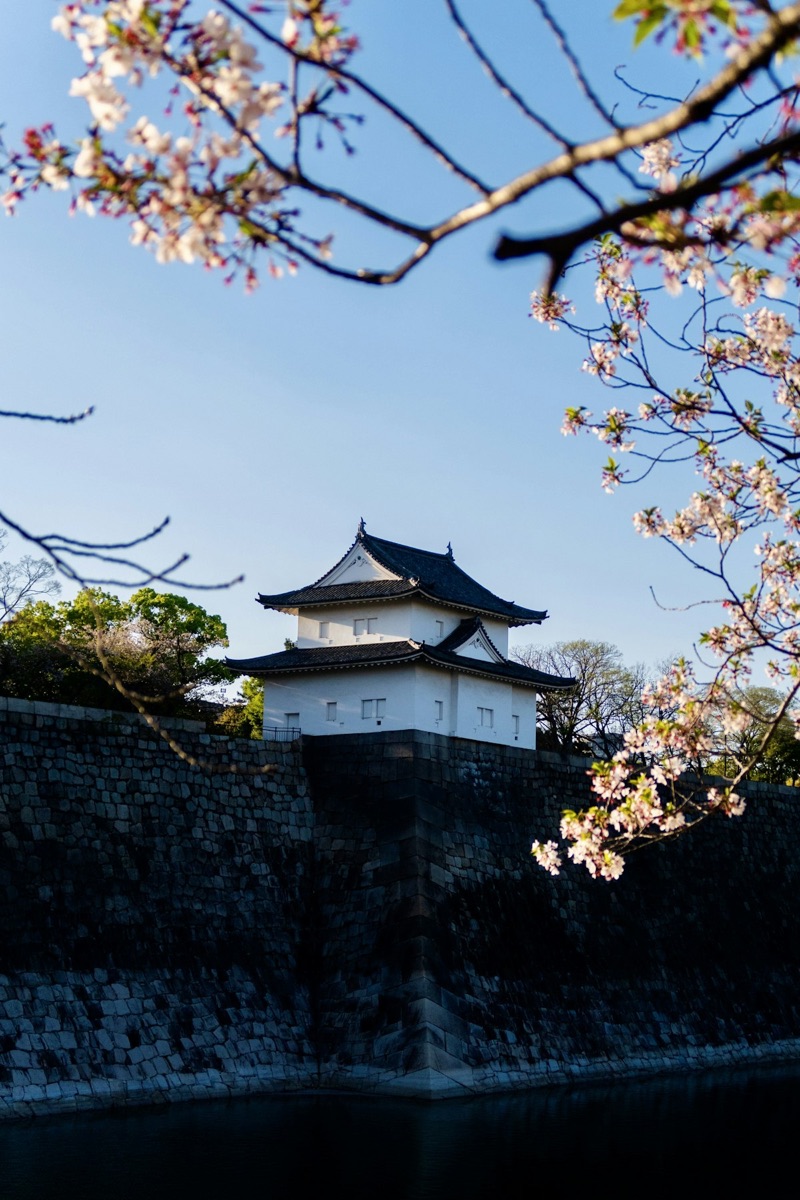
These late cherry blossoms attract far fewer foreign tourists than Kyoto or Tokyo, making for an unforgettable experience.
Cherry Blossoms in Mountain Areas
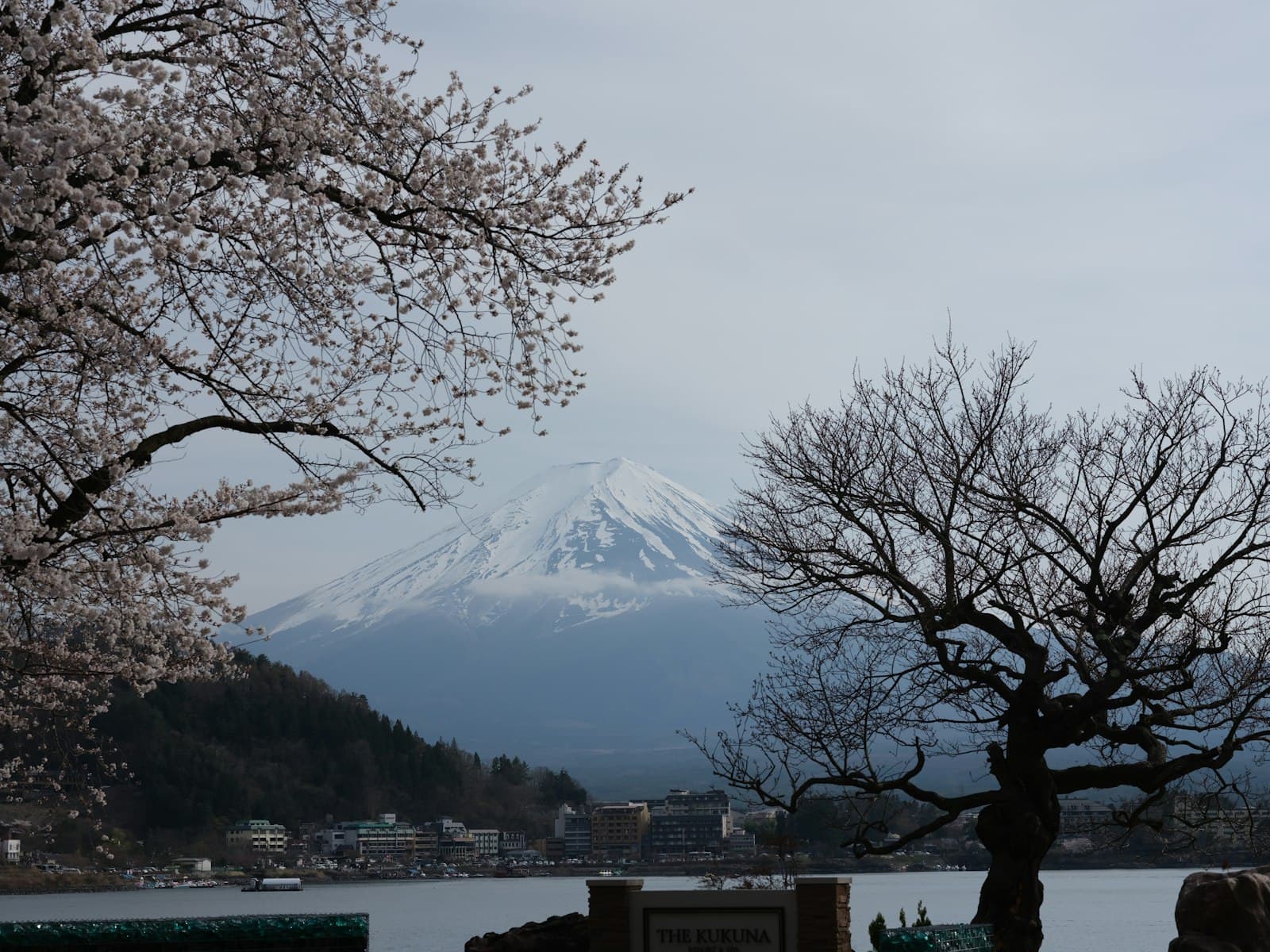
Higher elevations also delay blooming. The Fuji Five Lakes area sometimes still has cherry trees in flower during early May, beautifully framed against Mount Fuji. The same is true for parts of the Japanese Alps and the lakes area around Towada.
Spring Flowers Beyond Cherry Blossoms
May is also the peak month for spring flowers other than sakura.
Ashikaga Flower Park's Wisteria
Ashikaga Flower Park in Tochigi Prefecture is famous for its wisteria tunnels, which reach full bloom in late April to early May. The 150-year-old Great Wisteria Tree is breathtaking and held annually as one of the must-see displays of the season.
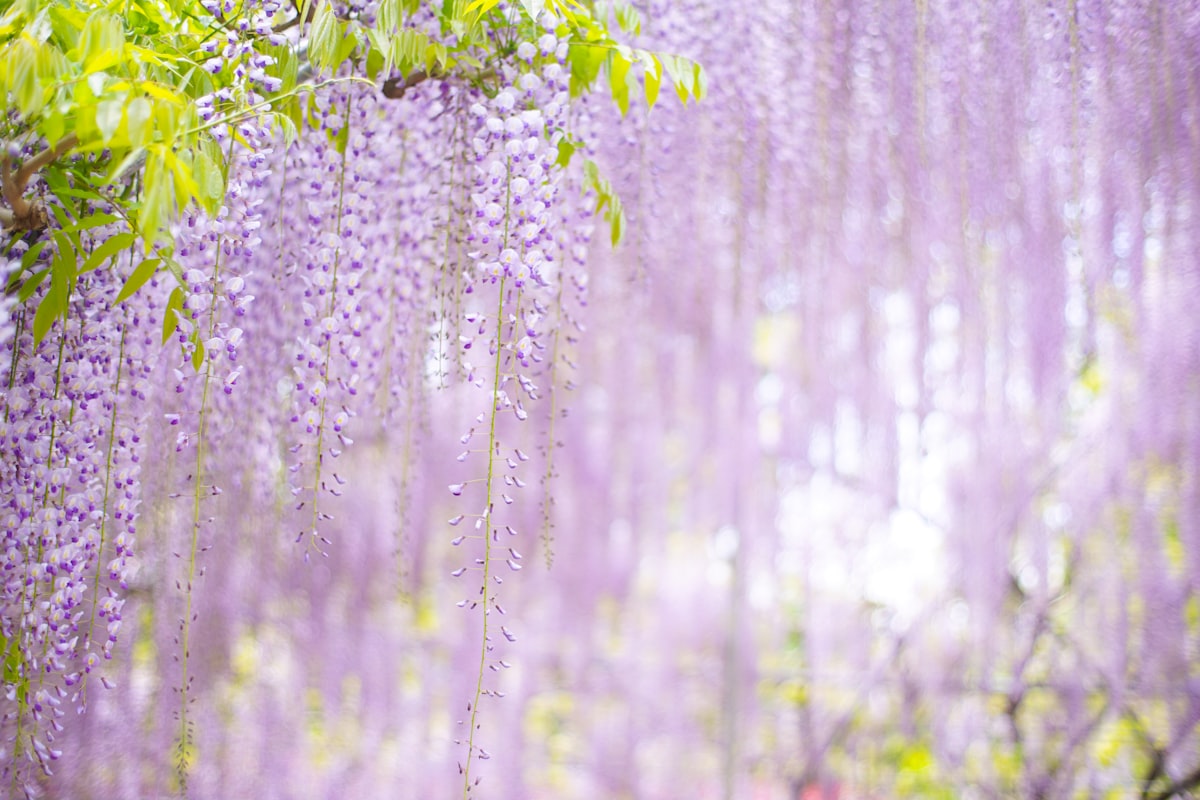
It is an easy day trip from Tokyo and one of the most photographed spots in Japan during this season.
Moss Phlox and Other May Blooms
Moss phlox carpets the ground in pink, purple, and white at Hitsujiyama Park in Chichibu and at the Fuji Shibazakura Festival near the Fuji Five Lakes area.
Tulips, azaleas, and rapeseed fields also peak during May, creating a unique blend of color across rural Japan.
Festivals in May 2026
May is one of Japan's most festival-packed months. Three major festivals stand out — and they are spread across the country, so you can easily catch one or two in a single trip.
Hakata Dontaku Festival
The Hakata Dontaku Festival is held annually on May 3 and 4 in Fukuoka. It is one of the largest festivals in Japan, drawing over 2 million visitors each year.
The festival features parades, traditional music, food stalls, and the unique blend of Japanese traditions that defines Kyushu's culture. If you are already in western Japan during early May, it is a must.
Aoi Matsuri in Kyoto
Aoi Matsuri is held annually on May 15 in Kyoto and is one of the city's three major festivals. It dates back over 1,400 years.
A grand procession of 500 participants in Heian-era costumes walks from the Imperial Palace to two shrines — Shimogamo and Kamigamo. The atmosphere brings ancient Japanese traditions to life in vivid detail.
Arrive early. Good viewing spots fill up by mid-morning, and the procession itself moves slowly, giving photographers and onlookers plenty of time.
Sanja Matsuri in Tokyo
Sanja Matsuri takes place on the third weekend of May at Asakusa Shrine in Tokyo. Around 100 portable shrines are paraded through Asakusa over three days, drawing large crowds and exuberant energy.
It is one of the wildest, most energetic festivals you will see in Tokyo. Bring small bills for food stalls and arrive in early mornings to claim a good viewing spot.
Best Day Trips from Tokyo in May
May is ideal for day trips. The weather cooperates, the trains run on time, and you can typically reach mountain or coastal escapes in 1-2 hours from Tokyo.
Fuji Five Lakes Area
The Fuji Five Lakes area offers some of the clearest views of Mount Fuji during May. Take the train to Kawaguchiko, rent a bike, and circle the lake.
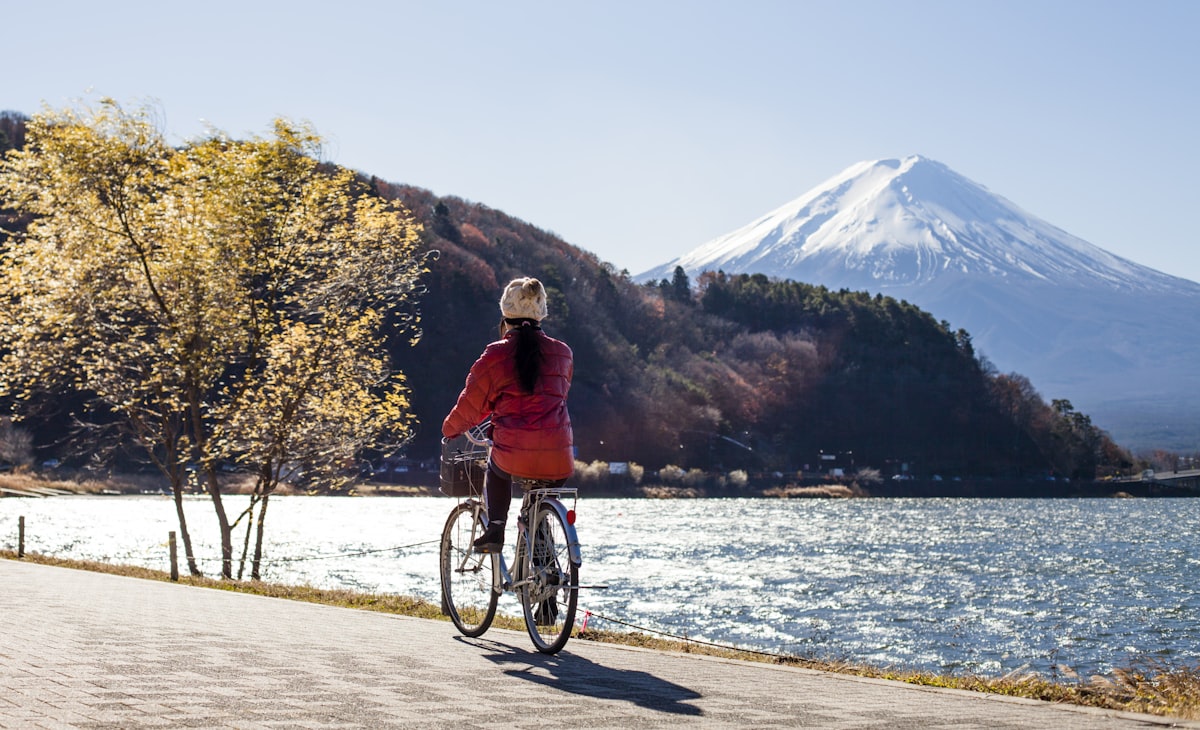
Lake Yamanaka and Lake Sai are quieter alternatives if you want fewer crowds. Many travelers combine a Fuji visit with a stop at the Oshino Hakkai spring water village.
Kamakura and Hakone
Kamakura's bamboo grove at Hokokuji Temple, the Great Buddha at Kotokuin, and coastal walks make for a perfect May day trip. Hakone offers hot springs, lakes, and Mount Fuji views — ideal for combining nature with relaxation. See more options in our day trips from Tokyo guide.
Nikko's Shrines and Waterfalls
Nikko, just two hours north of Tokyo, hits its stride in May. Toshogu Shrine, the cedar-lined approaches, and Kegon Falls all benefit from the spring greenery. Higher elevations mean cooler temperatures than central Tokyo.
Japan Tours and Self-Guided Trip Ideas
For travelers who do not want to manage every detail themselves, self-guided Japan tours offer a balance of structure and freedom.
A typical 7-day route in May might combine Tokyo (3 days), Hakone or Mount Fuji (1 day), Kyoto (2 days), and Osaka (1 day). Travelers with more time can add Hiroshima, Miyajima Island, or northern destinations. See our 7-day Japan itinerary for a ready-made plan.
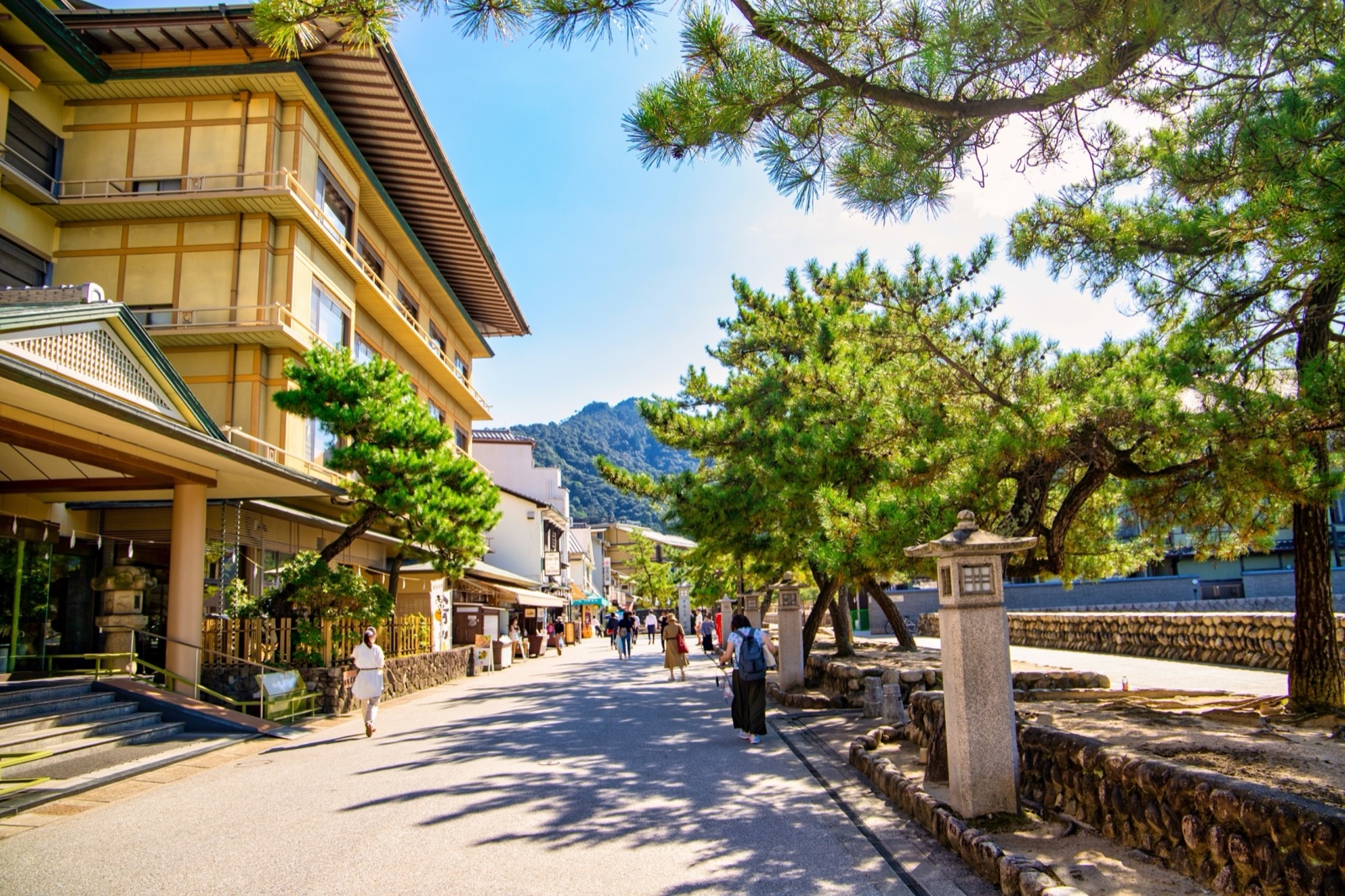
Many travelers find that May's pleasant weather makes it ideal for walking-heavy itineraries that would not be enjoyable in July's heat or January's cold.
Self-guided tours that include hot springs stays — Hakone, Kusatsu, or Kurokawa Onsen — feel especially rewarding in May, when outdoor baths can be enjoyed without bone-cold air or summer sweat.
Alpine Excursions: The Tateyama Kurobe Alpine Route
One of the most spectacular alpine excursions in Japan is the Tateyama Kurobe Alpine Route, which opens in mid-April after winter closure.
In May, the famous "Snow Wall" still towers up to 15 meters high along sections of the road. The route uses a combination of cable cars, trolleybuses, and walking paths to cross the Northern Japan Alps from Toyama to Nagano.
The Kurobe Gorge Railway, on the other side of the Alps, also reopens in May and offers a scenic ride through one of Japan's most dramatic gorges. Both can be combined into a multi-day trip from Tokyo or Kanazawa.
Want a May trip planned around Golden Week?
We design self-guided itineraries that thread the Golden Week needle — landing you in Tokyo on May 7 or 8 right when prices drop. Tell us your dates and we will tell you honestly whether your timing works.
Things to Do in Tokyo in May
May offers Tokyo at its most livable. Here are the highlights.
Tokyo Tower and Sky Tree Views
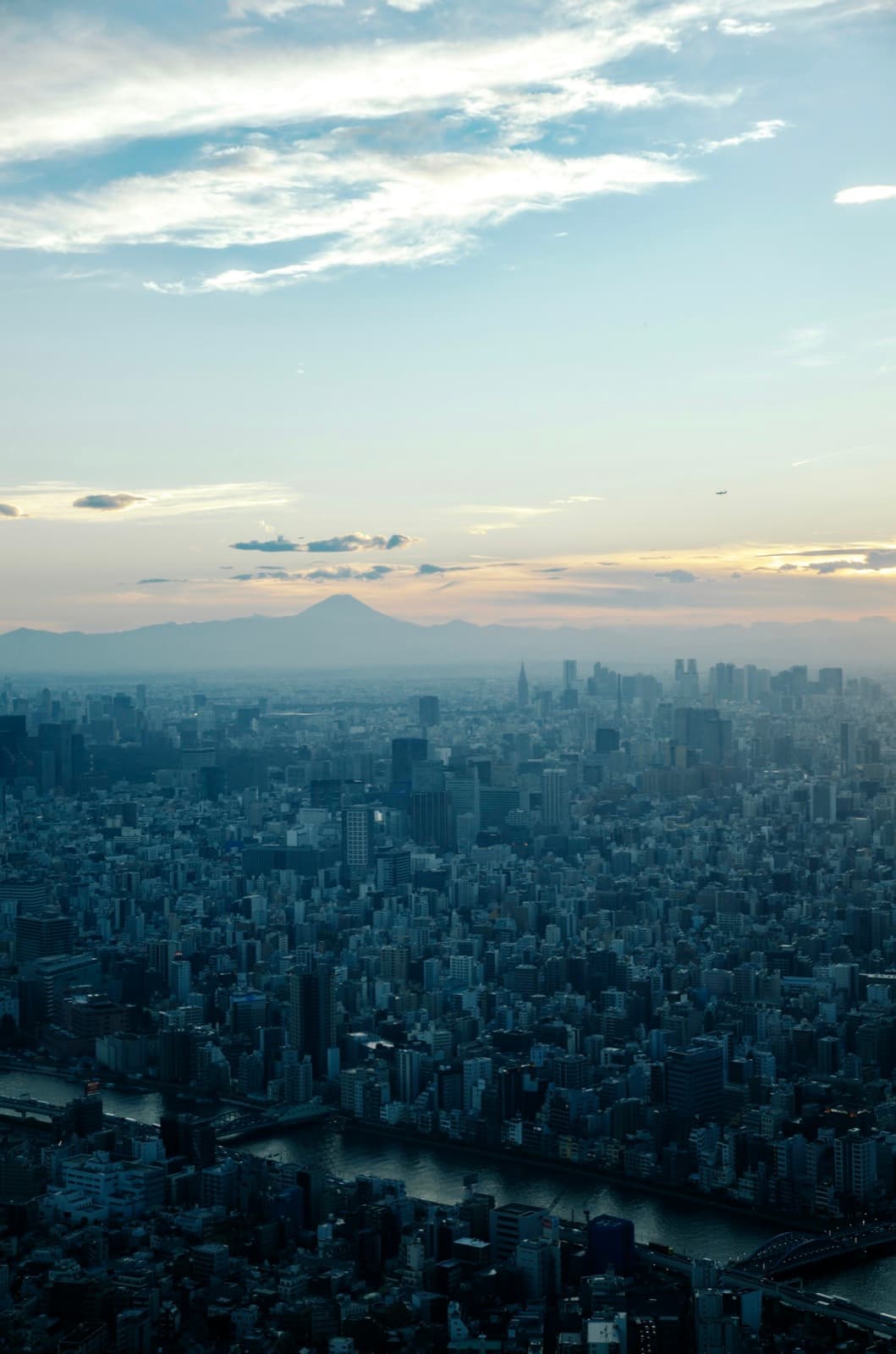
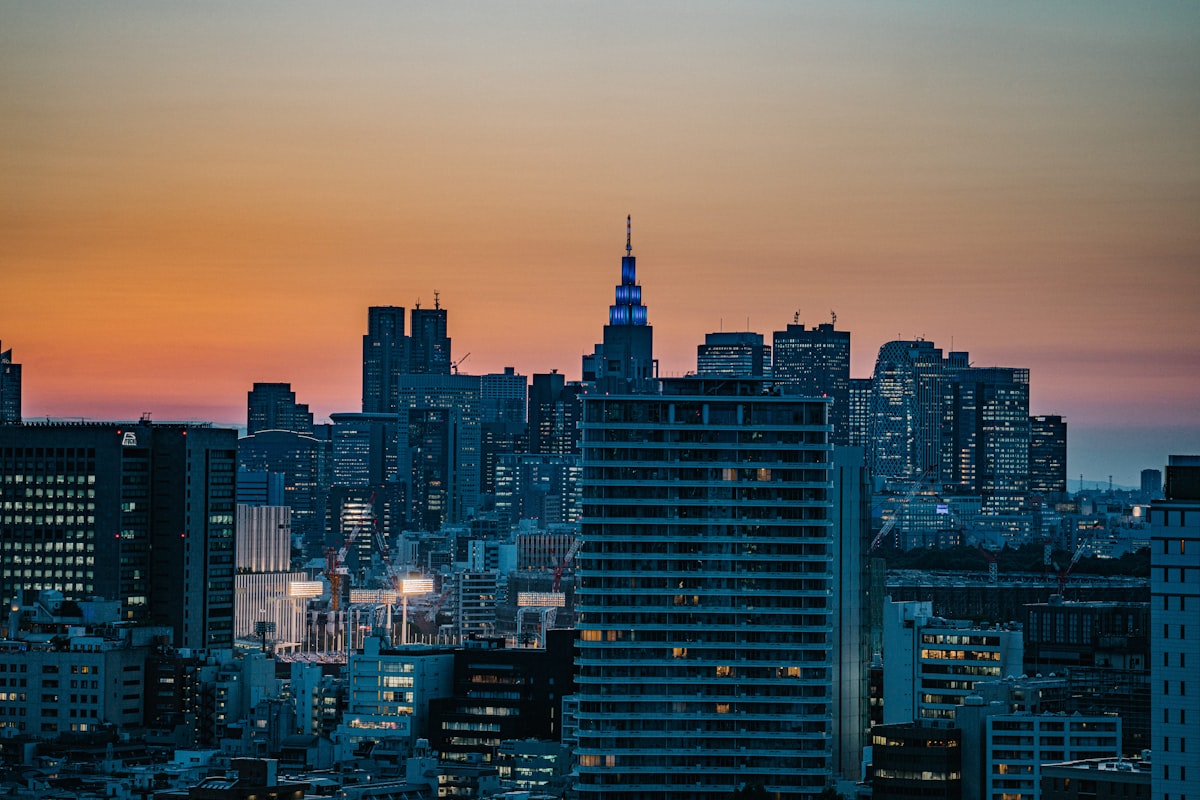
Clear skies in May mean spectacular city views. Tokyo Tower's observation deck and Tokyo Sky Tree both offer 360-degree panoramas; on the clearest days, Mount Fuji is visible from both.
Shibuya Sky, the open-air observatory at Shibuya Scramble Square, is a newer favorite — particularly stunning at sunset on a clear May evening.
Asakusa Shrine and Imperial Palace
Asakusa Shrine and the surrounding Sensoji Temple complex are best visited in early mornings before crowds arrive. The Imperial Palace's East Gardens are free to enter and especially beautiful in May, with azaleas in full bloom.
A walking route from the Imperial Palace through Marunouchi to Tokyo Station makes for a pleasant morning stroll.
Sumo Tournament in Tokyo
The May Grand Sumo Tournament runs for 15 days at Ryogoku Kokugikan, typically starting on the second Sunday of May. Same-day tickets are available, and it is one of the most authentic Japanese cultural experiences you can have in the capital.
Beyond Tokyo: Where Else to Explore Japan
For travelers with more than a week, May rewards those who venture beyond the standard Tokyo-Kyoto-Osaka triangle.
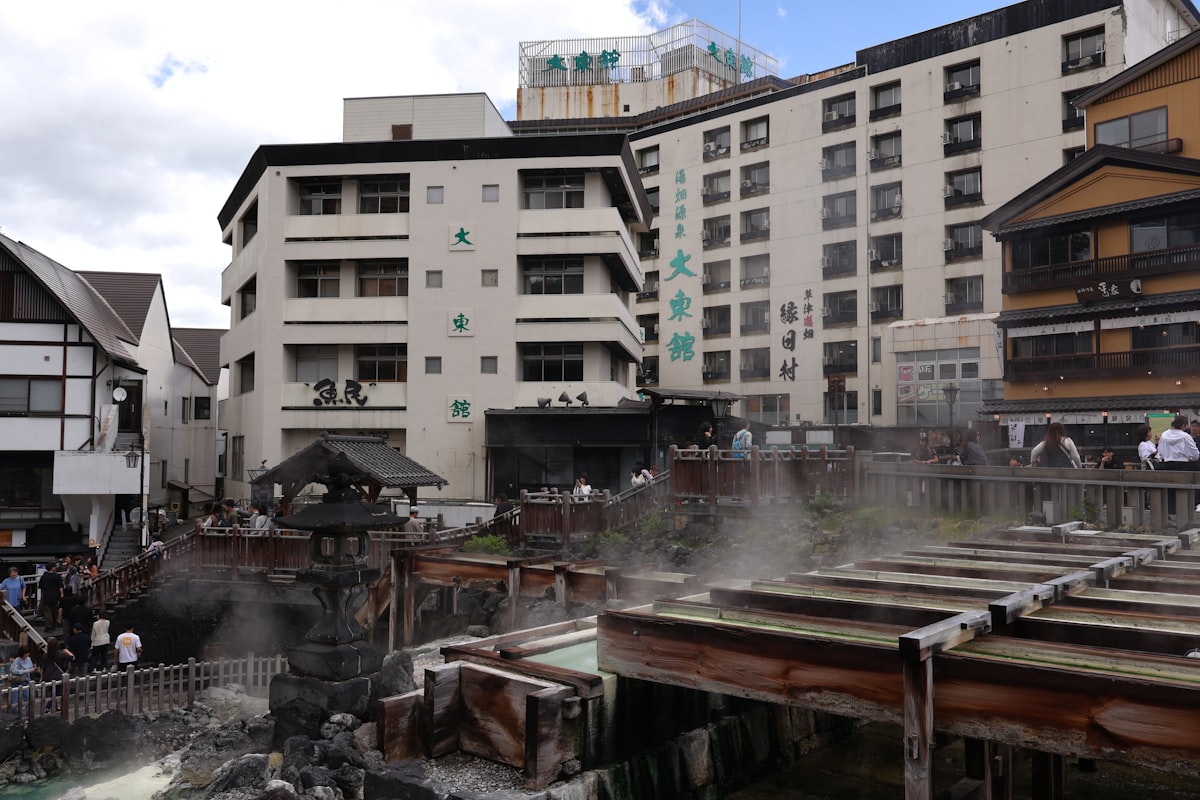
Hot springs (onsen) towns like Kusatsu, Kurokawa, and Beppu shine in May — warm enough to enjoy outdoor baths without the chill of winter or the humidity of summer.
Miyajima Island near Hiroshima, Naoshima for art lovers, and the Kiso Valley for traditional post-town walking are all phenomenal in May.
For a unique blend of nature and culture, consider the Nakasendo Trail's Magome-to-Tsumago hike — easily one of the most rewarding walks in Japan and a chance to glimpse rural Japanese traditions still alive today. See our Nakasendo trail guide for the full route.
Children's Day and Giant Carp Streamers
May 5 is Children's Day, marked across Japan by giant carp streamers (koinobori) flying from rooftops, balconies, and rivers. The largest displays can be seen at Tokyo Tower, the Tatebayashi Carp Streamer Festival, and along the Sagamihara River.
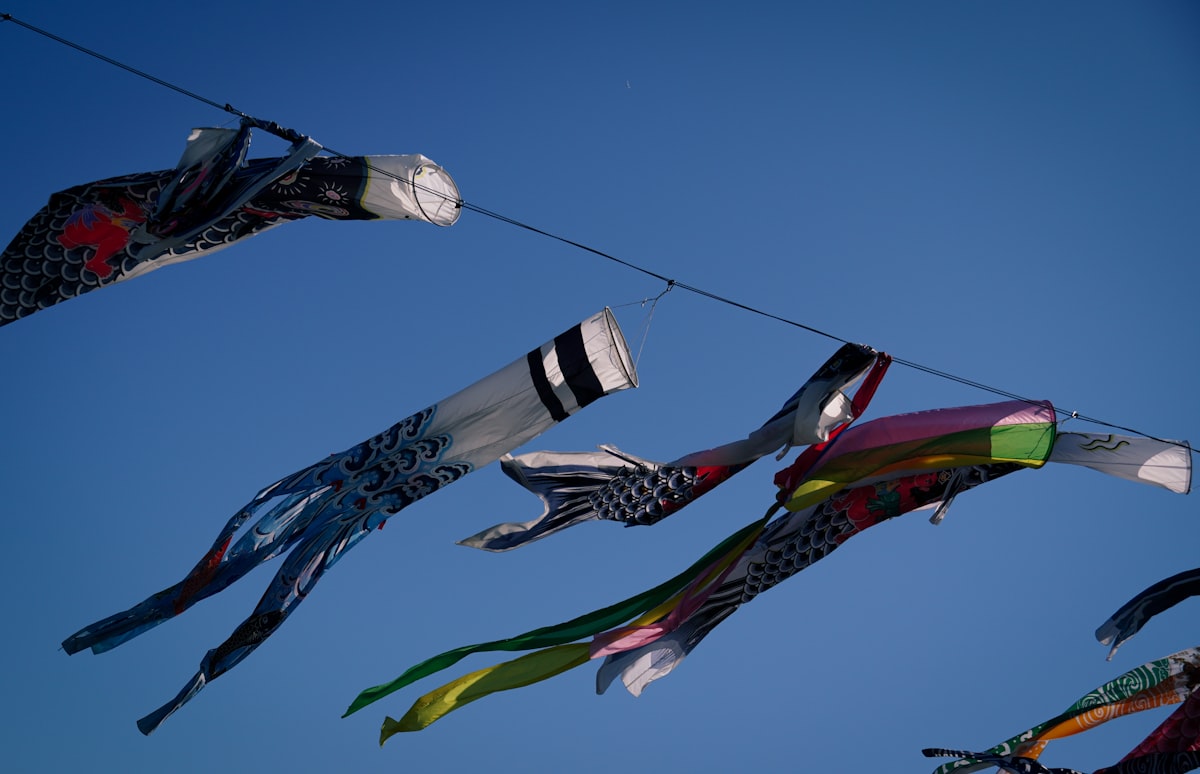
It is a charming, deeply Japanese tradition — the carp symbolizes strength and good fortune for children — and a wonderful photo opportunity for any May visitor. Many shops sell small koinobori as souvenirs throughout the entire week leading up to the holiday.
What to Pack for a Japan Trip in May
Pack layers. Daytime warmth and evening cool are the norm. A light jacket or cardigan for early mornings and after sunset is essential.
Comfortable walking shoes matter — Japanese sightseeing typically involves 15,000+ steps per day. Sunscreen and a hat help during long outdoor days, particularly at exposed sites like the Fuji Five Lakes area.
A small folding umbrella is useful even in May; afternoon showers can pop up, especially toward the end of the month. A reusable water bottle is handy, as are converters for outlets if you are coming from Europe or Australia.
Many travelers also pack a small daypack for day trips — useful for carrying an extra layer, snacks, and souvenirs picked up at festival food stalls.
Lower Prices, Fewer Crowds: Why May 2026 Works
The value case for May 2026 is straightforward.
Lower prices kick in immediately after Golden Week. Fewer crowds make popular attractions enjoyable rather than exhausting. The best weather of the year cooperates with outdoor activities, hot springs, and day trips. Late cherry blossoms in northern Japan offer a second chance at sakura. And three major festivals — Hakata Dontaku, Aoi Matsuri, and Sanja Matsuri — line up across the month.
Many travelers who have visited Japan in cherry blossom peak season or autumn return in May for exactly this combination. Once you experience the post-Golden Week sweet spot, it is hard to choose any other time.
Start Planning Your May 2026 Japan Trip
If you are considering a Japan trip in May 2026, start planning early — particularly for accommodations during the Golden Week shoulder days (May 7-9), which book up quickly as both domestic and international travelers target the same window.
Whether you are chasing late cherry blossoms in Aomori, hiking the Tateyama Kurobe Alpine Route, catching Aoi Matsuri in Kyoto, or simply enjoying mild weather and good fortune in Tokyo, May offers a Japan that is too good to miss. For the broader month-by-month picture, see our best time to visit Japan 2026 guide.
After Golden Week, the country opens up. The crowds disappear, the prices fall, and the best weather of the year takes over.
That is the secret locals know — and now, so do you.