
Japan Weather in August 2026: Real Heat, Obon Crowds & Whether It's Worth It
City-by-city weather, Obon timing, the biggest fireworks displays, real hotel and flight costs, and how to actually stay cool in Japan's hottest month.
August is Japan at its most extreme. Summer heat, high humidity, fireworks displays, vibrant festivals, and the country's biggest domestic travel period all collide in one intense month. If you are planning a Japan trip in August — this year's is almost over, so realistically August 2027 — you will need to balance the genuine challenges of the summer heat with the unforgettable summer fun that only happens this time of year. For next year's dates — Obon 13–16 August 2027 and the fixed festival calendar — see Japan in August 2027.
This guide covers everything you need: city-by-city Japan weather in August 2026, Obon festival timing, the major fireworks displays and summer festivals, real hotel and flight costs, where to find fewer tourists, and travel tips for staying cool through Japan's hottest month.
Quick Answer: What Is August Like in Japan?
August is Japan's hottest, most humid, and most festive month. Tokyo highs hit 31°C with 75-80% humidity. Kyoto and Osaka run hotter at 33°C. Hokkaido stays cool at 21-26°C. Obon (Aug 13-16 every year) is the country's biggest domestic travel week — the 2026 edition has passed; for 2027 (Fri 13 – Mon 16 Aug) book early and target shoulder dates.
Tokyo
31°C / 75-80% humid
Kyoto / Osaka
33°C, basin heat
Hokkaido
21-26°C, dry
Obon 2026
Aug 13-16
Japan Weather in August 2026: Hot, Humid, and Dramatic
The Japan weather in August is famously hot. Average temperature ranges across central Japan sit between 24°C and 32°C (75-90°F) during the day, with nighttime temperatures rarely dropping below 25°C (77°F) — what locals call "tropical nights."
But the real story is humidity. With humidity often surpassing 80%, an actual temperature of 32°C in the central regions can feel closer to 38°C (100°F). Sunny days dominate — Japan averages about 6 hours of bright sunshine daily during August, with UV indices regularly reaching level 10.
This is summer at full volume. If you are not prepared, the summer heat will wear you down quickly. If you are prepared, August can be one of the most rewarding times to experience Japan's vibrant festivals and festive atmosphere.
Why August Is Japan's Hottest Month
August is consistently Japan's hottest month, narrowly edging out July in average temperatures across most regions. The combination of summer heat from the Pacific, the urban heat island effect in major cities, and lingering humidity from the recently ended rainy season makes August feel especially intense. For more on the rainy season that precedes it, see our Japan rainy season 2026 guide.
Daytime highs in Tokyo, Kyoto, and Osaka routinely exceed 35°C — what locals call mōshobi ("intense heat day"). In central Japan, temperatures sometimes climb above 37°C (99°F). Heat-related illness is a genuine concern in August.
August 2026 is expected to be the hottest and most humid month of the year. High-pressure systems are forecast to extend over Honshu, likely producing above-normal temperatures nationwide. For heat-safety advice and what extreme-heat days actually feel like on the ground, see our Japan heatwave 2026 guide.
Japan Weather in August: City-by-City Temperature Ranges
Different cities offer dramatically different summer experiences. Here is how Japan weather in August varies by region.
Average August temperatures by city
| City | Average High | Average Low | Notes |
|---|---|---|---|
| Sapporo | 26°C | 19°C | Coolest major city |
| Tokyo | 31°C | 24°C | Urban heat, 75-80% humid |
| Kyoto | 33°C | 24°C | Basin traps heat |
| Osaka | 33°C | 26°C | Tropical nights |
| Kamikochi (Alps) | 25°C | 14°C | Cool mountain escape |
| Naha (Okinawa) | 32°C | 26°C | Hot but ocean breezes |
Tokyo
Tokyo averages a daytime high of 31°C and a low of 24°C in August. Humidity hovers near 75-80%. The city's concrete and asphalt amplify the heat, making midday outdoor sightseeing genuinely uncomfortable.
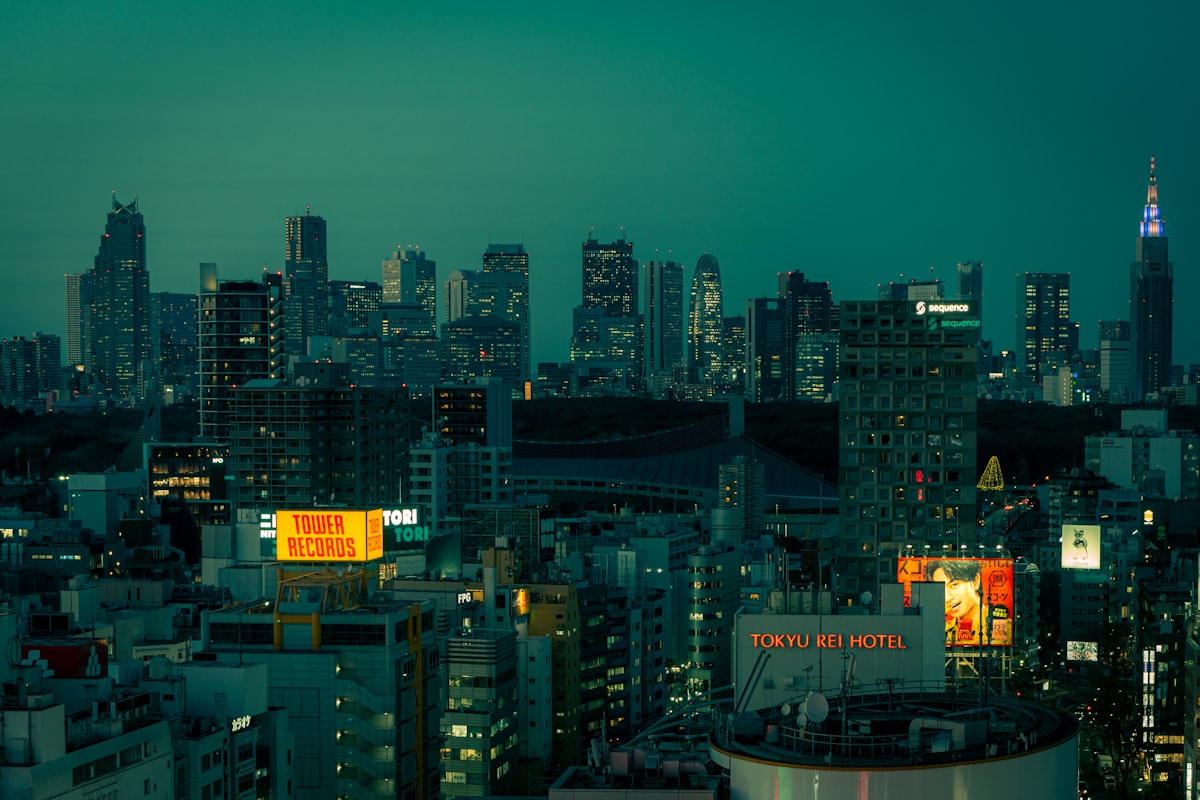
Evening hours are noticeably more pleasant. Many travelers shift their itineraries to early mornings and after-sunset activities, when humidity drops slightly.
Kyoto and Osaka
Kyoto and Osaka run hotter than Tokyo. Average temperatures climb to 33°C during the day, and Kyoto's basin geography traps heat — it is frequently the hottest of the major cities in Japan during August.
Pleasant temperatures are rare in the central regions during August. Pack expectations accordingly: outdoor temple visits and stops at Nara Park (an hour from Kyoto) are best handled before 10 AM or after 5 PM.
Northern Japan: Sapporo and Tohoku
Northern Japan offers genuine relief. Hokkaido's August temperatures range comfortably from 17-25°C (63-77°F) — pleasant temperatures most travelers do not associate with Japan in August. Sapporo averages 26°C during the day, with cool 19°C nights.
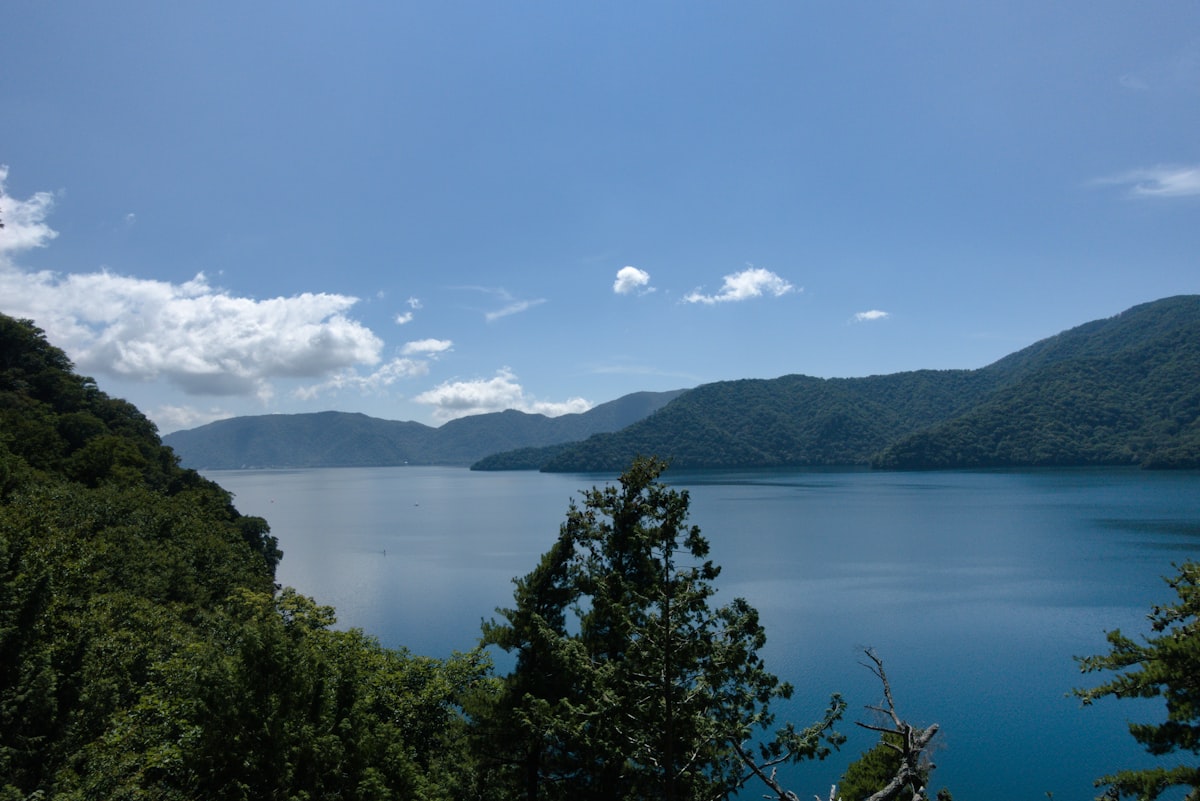
For travelers looking for an ideal summer destination within Japan, Hokkaido is the obvious answer. Daylight hours are long, humidity is low, and the warm weather feels Mediterranean rather than tropical. The northern Tohoku region (Aomori, Akita, Yamagata) sits a few degrees warmer than Hokkaido but still 5-7°C cooler than the central regions. See our Hokkaido tour package guide for ready-made cool-escape routes.
The Japanese Alps and Mountain Areas
The Japanese Alps and high-elevation areas like Karuizawa, Hakuba, and Kamikochi stay surprisingly cool throughout August. Daytime highs in Kamikochi average around 25°C (77°F), letting visitors enjoy lush greenery, hiking, and outdoor adventures while escaping the heat.
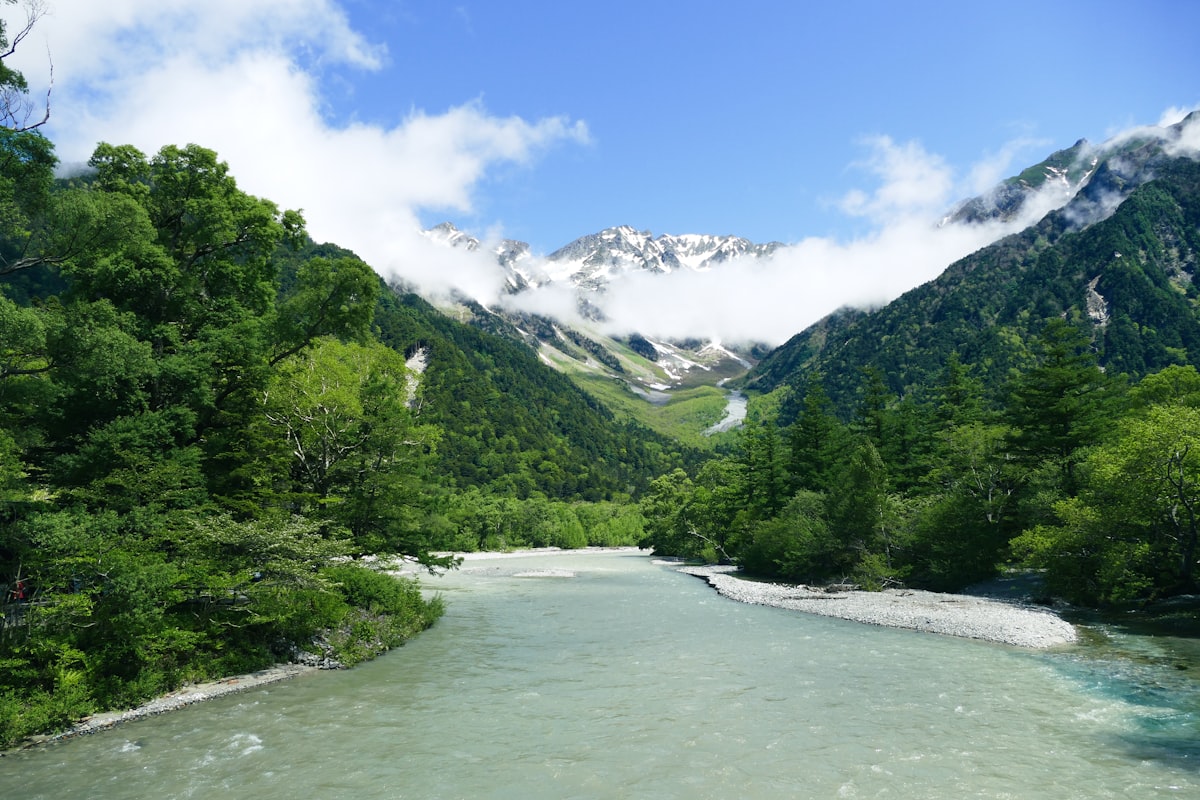
These mountain retreats have been Japan's traditional summer escape for over a century. Lush forests, cool hiking trails, and pleasant temperatures make the Japanese Alps an excellent base for August travelers who want to stay cool while still experiencing Japan deeply. For walking-route ideas, see our Nakasendo trail guide.
Southern Regions: Okinawa and Kyushu
Southern regions like Okinawa run hot but with consistent ocean breezes that make the heat more bearable than in central cities. Naha averages 32°C with humidity near 80%.
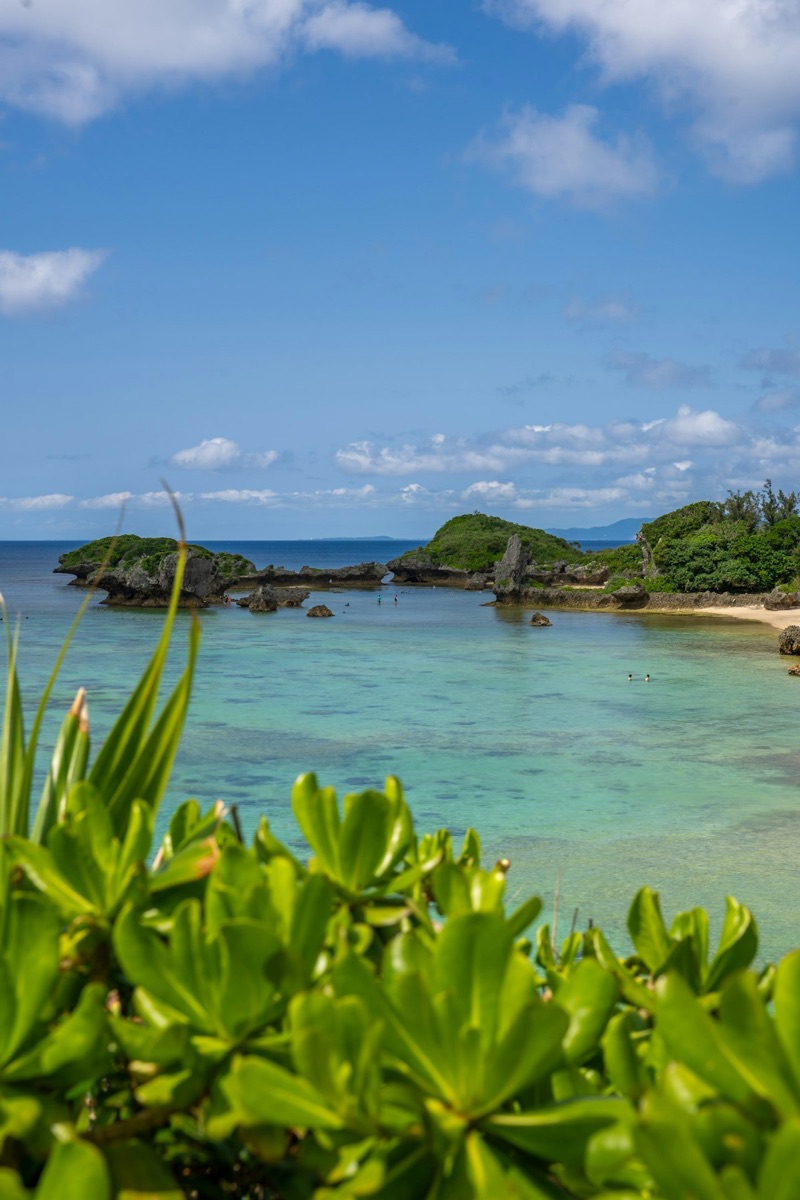
The southern regions also sit closer to peak typhoon season, with higher risk of weather disruptions. August in Okinawa is beautiful but unpredictable.
Japan's Hottest Months: How August Compares
Japan's hottest months are July, August, and the first week of September. Among these, August is the peak.
July is hotter at the end (after rainy season ends around July 19) but cooler at the start. Early September begins to ease, but typhoon season often disrupts travel. August consistently delivers the year's highest sustained heat across the country, with the largest gap between actual and apparent temperatures.
High Humidity and Daily Conditions
High humidity is the defining feature of August in Japan. Even on cloudy days, the air feels heavy. Sweat does not evaporate efficiently. Walking 20 minutes between train stations can leave you fully drenched in the central regions where humidity exceeds 80%.
The constant cicada song — semi — provides Japan's iconic summer soundtrack and is woven deep into Japanese culture. For many Japanese people, this sound is inseparable from childhood summer vacation memories. August is generally drier than the June-July rainy season, but Japan still sees roughly 16 days with some rainfall and around 147mm of total precipitation, including sporadic afternoon thunderstorms.
Daylight Hours and the Rhythm of August Days
Daylight hours in August stretch generously. Sunrise hits Tokyo around 5:00 AM in early August; sunset arrives near 6:50 PM. By month's end, you have lost about 50 minutes of daylight.
This long daylight pattern shapes how locals approach August. Many people start their days at dawn for cooler morning activities, take long midday breaks indoors, and re-emerge during evening hours when temperatures drop slightly. Travelers who adopt this rhythm enjoy August far more than those who try to force midday sightseeing under intense sun.
Obon Festival and the August Travel Peak
The Obon festival is Japan's most important summer event and the country's second-biggest domestic travel period after Golden Week. For the full day-by-day breakdown of dates, traditions, and crowd tactics, see our dedicated Obon 2026 guide. For Golden Week timing, see our Japan in May 2026 guide. For all 17 of 2026's national holidays in one place — including the rare Silver Week (Sep 19–23) — see our Japan public holidays 2026 guide. And if you are moving between cities that week, read this first: from August 7–16 every Nozomi runs reserved-seats-only, so there is no unreserved car to fall back on — see Shinkansen during Obon 2026.
When Is Obon in 2026?
In 2026, Obon falls on August 13-16 (Thursday through Sunday). Most of Japan observes these dates, though some regions (notably parts of Tokyo and Okinawa) follow July Obon instead.
Obon honors ancestors who are believed to return to visit their families during this period. Many Japanese workers take the entire week off, returning to hometowns across the country.
The festival culminates in Kyoto with the Gozan no Okuribi bonfires on August 16 — five massive bonfires lit on mountains around the city to send ancestral spirits back to the spirit world. The bonfires are visible from many points across Kyoto and represent one of the most important moments in Japanese culture.
How Obon Affects Travel and Costs
Obon week brings huge crowds to airports, train stations, and highways. Bullet trains run at 150% capacity. Hotel prices in major cities spike 30-60%.
The week immediately before and after Obon (August 8-12 and August 17-21) sees significantly fewer tourists and lower prices. If your dates are flexible, target these shoulder windows.
Vibrant Festivals: Japan's Best Summer Matsuri
August hosts some of Japan's most spectacular summer festivals. These vibrant festivals are held annually and rank among the most authentic Japanese culture experiences in the country.
Aomori Nebuta Festival
The Aomori Nebuta Festival runs August 2-7 each year and is one of the three great festivals of the Tohoku region. Massive illuminated papier-mâché lantern dolls — sometimes 9 meters wide — are paraded through Aomori's streets at night, drawing over a million visitors annually.
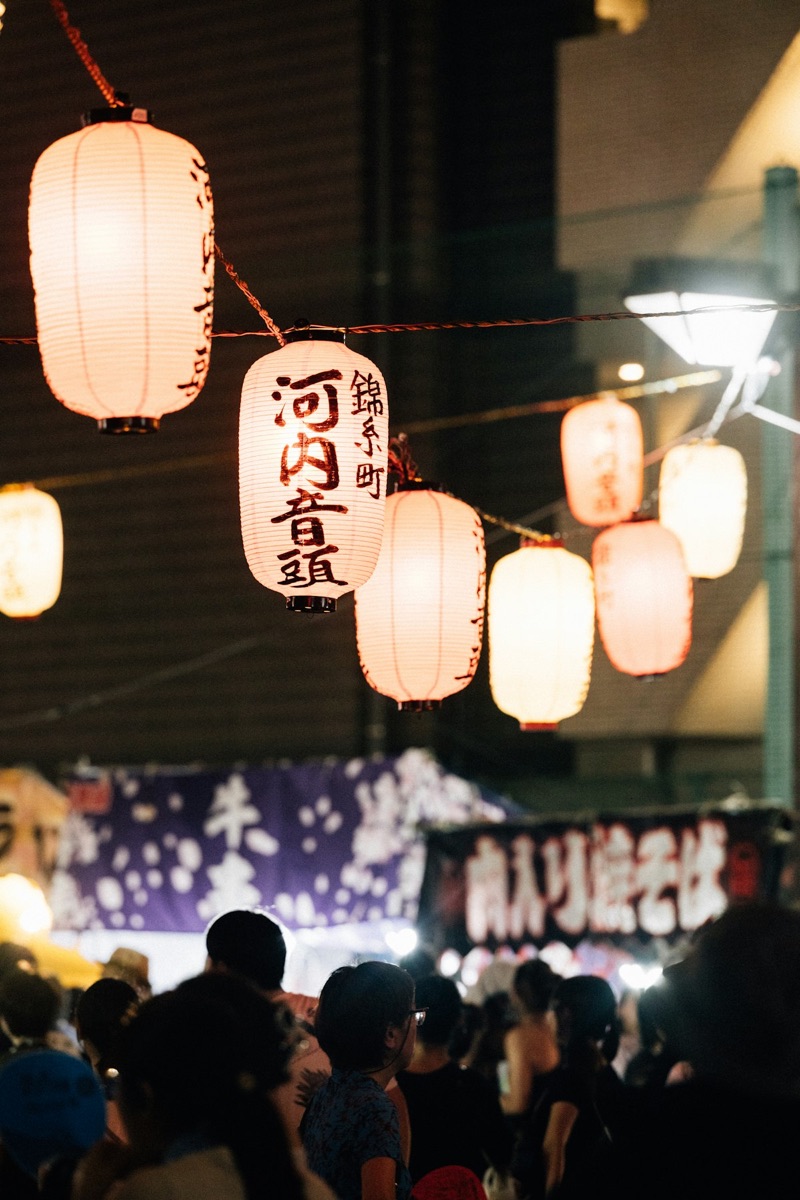
The festive atmosphere is electric. Audience members dressed in haneto costumes can join the dancing alongside the floats — one of the few major Japanese festivals that openly invites visitor participation.
Sendai Tanabata Festival
The Sendai Tanabata Festival, held August 6-8, is one of Japan's largest Tanabata celebrations. Sendai's covered shopping arcades fill with thousands of colorful streamer decorations, creating a uniquely festive atmosphere.
Many travelers combine Sendai Tanabata with the Aomori Nebuta Festival into a single Tohoku festival circuit during the first week of August.
Awa Odori in Tokushima
Awa Odori in Tokushima (Shikoku) runs August 11-15, overlapping with Obon. It is Japan's largest dance festival, with over 100,000 dancers performing the traditional Awa Odori dance through the city's streets.
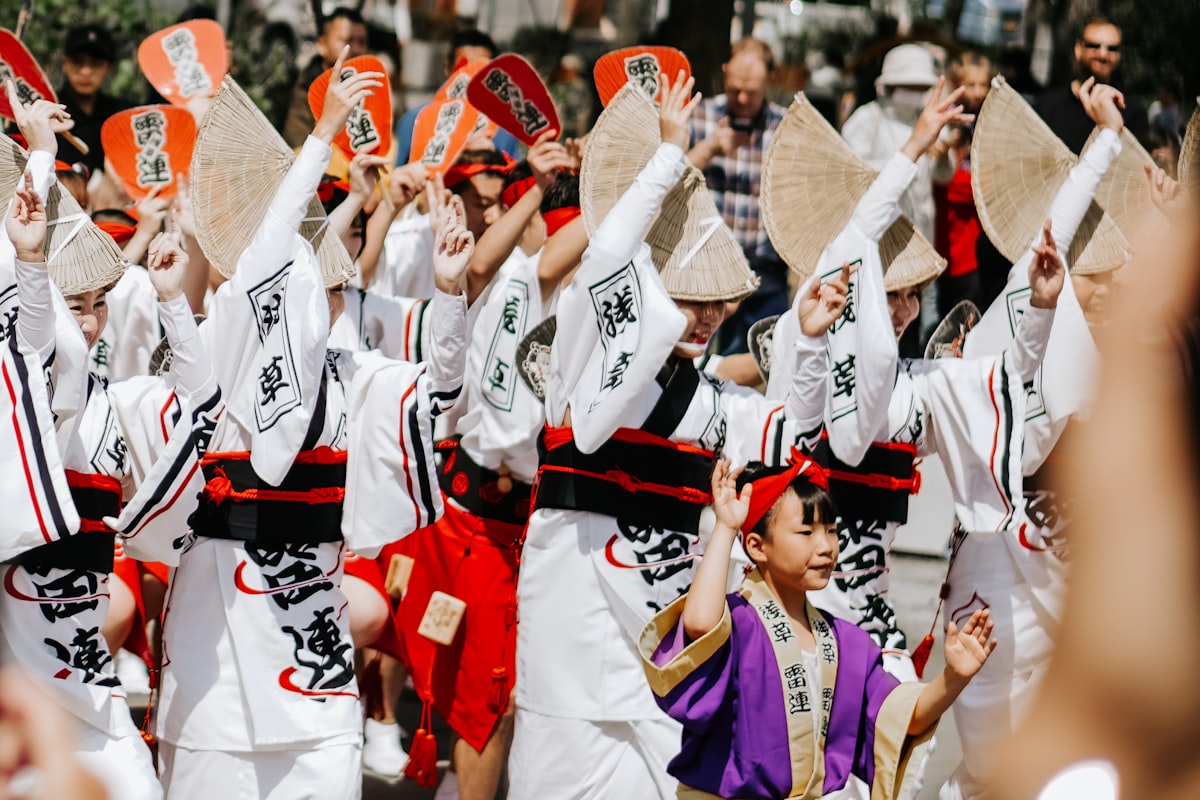
The energy is unmatched. Spectators can watch from paid grandstand seats or stand along free-viewing routes throughout the city.
Fireworks Displays Across Japan
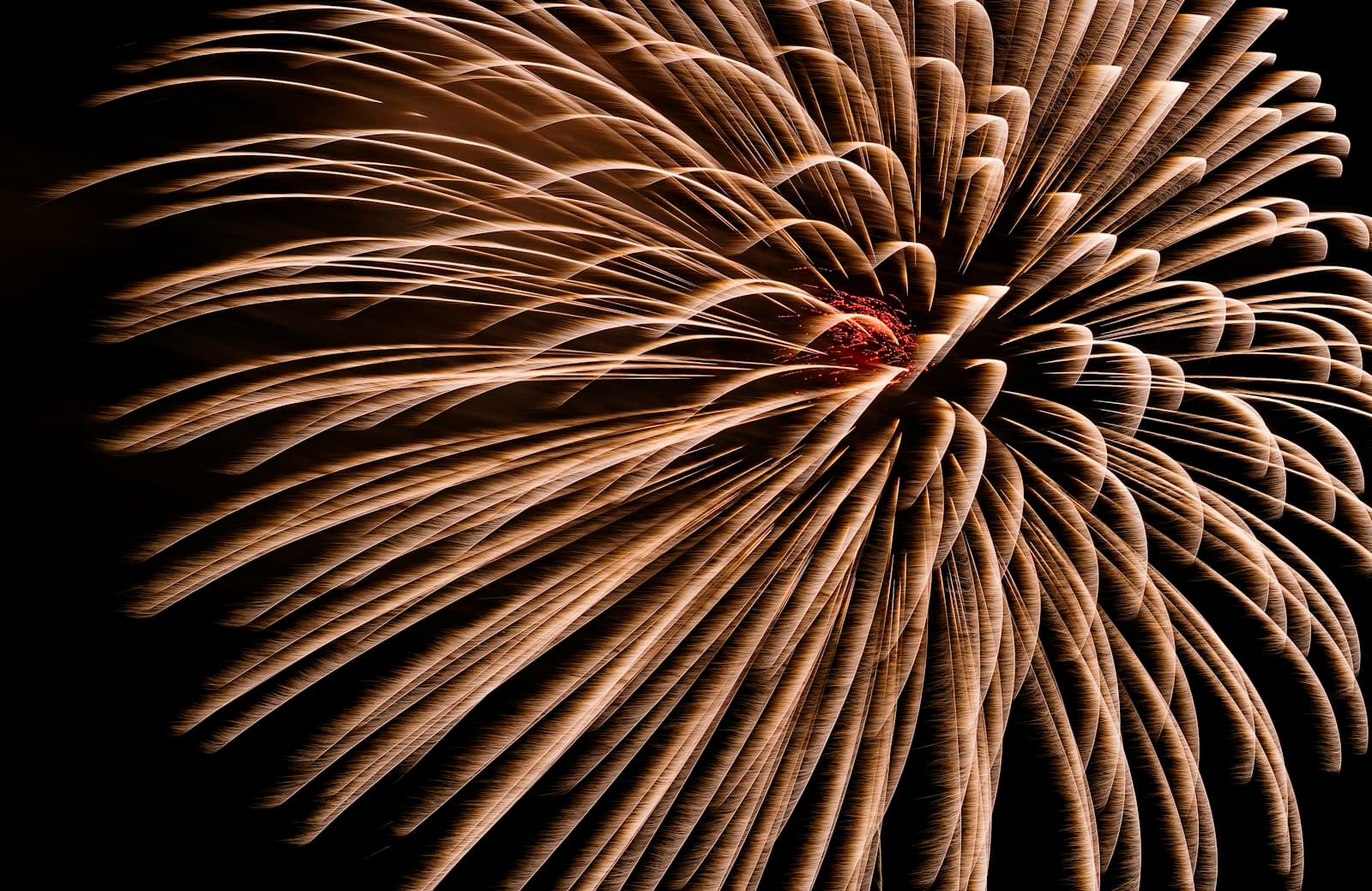
August is Japan's peak month for fireworks displays. Hundreds of cities host shows ranging from intimate neighborhood events to massive multi-hour spectacles drawing over a million viewers. For a complete festival-by-festival calendar with viewing strategies, see our Japan fireworks 2026 guide.
Nagaoka Fireworks Festival
The Nagaoka Fireworks Festival in Niigata Prefecture (August 2-3) is one of Japan's top three fireworks displays. Over 20,000 fireworks illuminate the Shinano River across two evenings, with finale shells reaching 800 meters in diameter and lasting roughly two hours each night.
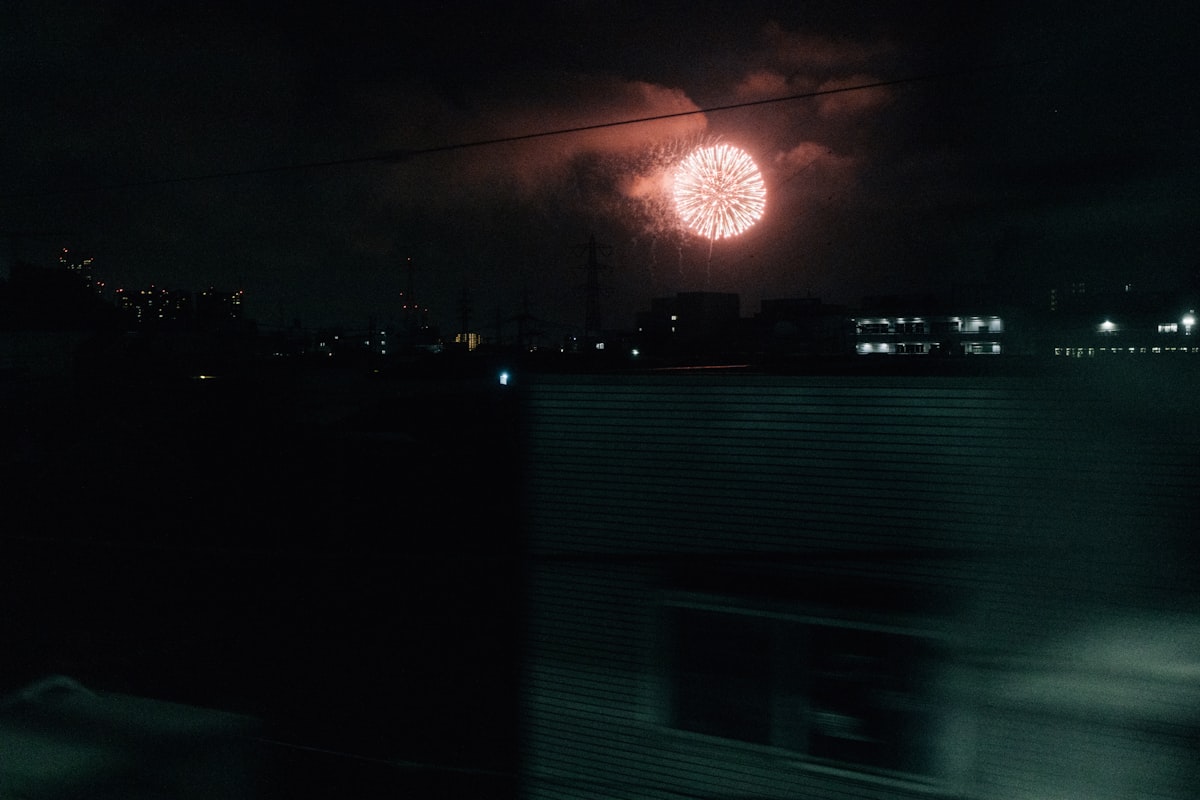
The festival also commemorates Nagaoka's WWII bombing, lending the event a profound emotional weight beyond pure spectacle.
Sumida River Fireworks
The Sumida River Fireworks in Tokyo launches over 20,000 shells above Asakusa, where the fireworks illuminate the night sky alongside the Tokyo Skytree silhouette. It is Tokyo's most famous fireworks event and draws roughly 1 million spectators.
Arrive early — preferably mid-afternoon — to claim a viewing spot. Yukata rentals near Asakusa are popular for the occasion.
Other Major Fireworks Displays
Other notable fireworks displays where shells fireworks illuminate Japanese summer skies include the Edogawa Fireworks (Tokyo), Lake Suwa Fireworks (Nagano), Nagaoka Fireworks (Niigata, Aug 2–3), and Itabashi Fireworks (Tokyo).
Most major cities host their own hanabi taikai during August — even smaller cities punch well above their weight on fireworks scale.
Real Costs: Hotels, Flights, and Daily Spending
August costs vary dramatically depending on whether your dates overlap with Obon.
Tokyo Hotel Prices
Mid-range Tokyo hotels typically run ¥18,000-25,000 per night in early August. During Obon (August 13-16), the same rooms jump to ¥30,000-45,000.
Booking 3-4 months in advance for August dates protects you from the worst pricing spikes. Last-minute Obon bookings can be brutal.
Kyoto Hotel Prices
Kyoto runs slightly higher than Tokyo throughout August, with peak premiums during Obon. Mid-range hotels typically charge ¥20,000-30,000 per night, climbing to ¥40,000+ during Obon week.
Traditional ryokan and machiya guesthouses see particularly steep Obon premiums.
Flight Costs to Japan in August
International flights to Japan in August are at peak season pricing. Flights from North America typically cost 30-50% more than spring or fall. Booking 6+ months in advance helps significantly.
The week before and after Obon sees slightly cheaper airfare than mid-August. Hokkaido and Okinawa flights from Tokyo also surge during Obon week. For deeper budget breakdowns, see our Japan affordability guide for 2026.
Crowds: Where to Find Far Fewer Tourists
Major cities and popular attractions are packed with huge crowds throughout August. But Japan is large, and you can find far fewer tourists with a little planning.
The Japanese Alps, the Tohoku countryside, the Sea of Japan coast, and lesser-visited prefectures like Shimane, Tottori, and Kochi all stay relatively quiet even during Obon. Rural temple towns and onsen villages off the Tokyo-Kyoto-Osaka triangle offer authentic Japan experiences without the large crowds.
Nara Park near Kyoto is busy but spreads out enough that you can find quieter corners. Avoid Kinkaku-ji and Fushimi Inari at midday — they reach huge crowds quickly.
How August Compares to Golden Week and Autumn Foliage
Not sure which month suits you? Our guide to the seasons in Japan lines up all twelve months side by side — weather, crowds, prices and what is in bloom.
Golden Week (late April to early May) brings shorter peak intensity — concentrated into one week — but spread across nearly every major attraction. It is also the tail end of the season to view cherry blossoms — most fall by mid-April, though late cherry blossoms still bloom in northern Japan into early May.
Autumn foliage season (mid-November to early December) packs Kyoto and other foliage hotspots but does not disrupt nationwide travel like Obon does. The winter months (December-February) bring the country's quietest travel windows and far fewer tourists.
August is in-between: less universally crowded than Golden Week, more sustained than autumn foliage, with a clear Obon spike that experienced travelers learn to plan around. For the broader month-by-month picture, see our best time to visit Japan 2026 guide.
Best Itineraries for Japan in August 2026
Two itinerary approaches work best for planning a summer trip to Japan in August.
7-Day Cool Escape Itinerary
Tokyo (2 days) → Karuizawa (1 day) → Matsumoto + Kamikochi (2 days) → Hokkaido via flight (2 days). This route minimizes time in oppressive city heat while still hitting Tokyo highlights.
Cooler mornings, lush forests, and outdoor activities at higher elevations replace urban heat. Hot springs in Kamikochi or Hokkaido feel reasonable even in summer, and lush greenery provides natural shade throughout the route — an ideal summer destination plan for travelers who cannot tolerate intense heat.
10-Day Festival-Hopping Itinerary
Tokyo (2 days) → Sendai for Tanabata Festival (Aug 6-8) → Aomori for Nebuta Festival (Aug 2-7) → Niigata for Nagaoka Fireworks (Aug 2-3) → Tokushima for Awa Odori (Aug 11-15) → Kyoto for Gozan no Okuribi (Aug 16) → Osaka (1 day). This route prioritizes vibrant festivals over comfortable temperatures.
Travel intensity is high, but the cumulative festival experience is unmatched anywhere in the world. Plan carefully — book bullet train seats well in advance, especially around Obon overlap.
August dates locked in?
Tell us your travel dates and tolerance for heat. We can build a route that pairs Tokyo and Kyoto with Hokkaido or the Japanese Alps to keep you cool, plus thread Obon week so you avoid the worst pricing spikes.
Travel Tips: How to Stay Cool in Japan in August
A few practical travel tips make a major difference in staying cool through Japan's hottest month.
Breathable Clothing and What to Pack
Pack breathable clothing made of cotton, linen, or technical synthetics. Linen t-shirts, loose-fitting pants, and lightweight long-sleeve layers outperform tight, heavy fabrics in high humidity.
A wide-brimmed hat, sunglasses, and a UV-cut portable umbrella double as shade and rain protection. High-SPF sunscreen and lip balm are non-negotiable for outdoor days when the UV index hits 10.
Air Conditioning and Indoor Refuges
Air conditioning is universal across Japan's major cities. Convenience stores, train stations, department stores, and underground arcades all offer cool retreats. Seek them out aggressively during peak afternoon heat (12 PM - 4 PM).
Many travelers structure their days around indoor activities at midday — museums, art galleries, themed cafes, kimono experiences — and save outdoor sightseeing for early mornings and evening hours. Indoor activities are not a fallback in August; they are the core of any sensible itinerary.
Hydration and Sun Protection
Drink water constantly to stay cool. Japanese vending machines on every street corner sell cold drinks for ¥120-160 — use them generously. Sports drinks like Pocari Sweat or Aquarius help replenish electrolytes lost through sweating.
A portable fan (handheld or neck-worn) is genuinely useful and widely sold from June onward. Sun protection is essential anywhere in Japan during August, particularly on sunny days when the UV index climbs into dangerous territory.
Typhoon Season Considerations
August overlaps with peak typhoon season. Japan experiences an average of 5-6 typhoons during August, particularly affecting the southern regions and central regions with increased rainfall, though direct hits on major cities are uncommon.
Typhoons typically track from the south, hitting Okinawa first and sometimes affecting Kyushu and western Honshu. Tokyo and northern Japan see fewer direct impacts.
Build flexibility into your August itinerary. Bullet trains and flights can suspend service for 12-24 hours during typhoon passage. Travel insurance covering weather disruptions is worth considering for any August trip.
The Japan Meteorological Agency provides typhoon forecasts up to five days in advance, giving travelers reasonable notice to adjust plans. One or two flexible "buffer" days near the end of your itinerary can save significant stress if a storm intersects your dates.
Outdoor Onsen and Hot Springs in Summer
Hot springs (onsen) in summer might sound counterintuitive, but Japan's outdoor onsen culture has a long summer tradition. Many mountain ryokan offer outdoor onsen surrounded by lush forests and lush greenery, where evening soaks at higher elevations feel surprisingly comfortable.
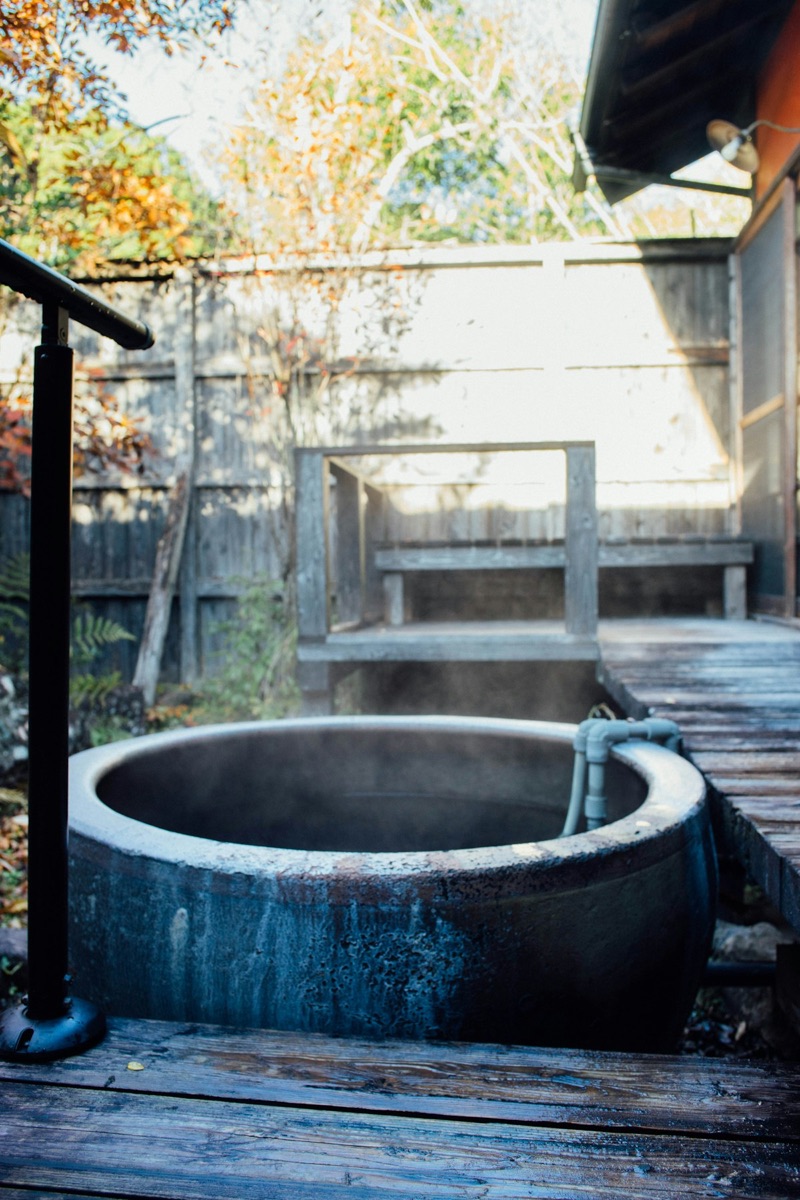
Cooler mornings at high-elevation onsen towns like Kusatsu, Nyuto, and Hakone make pre-breakfast outdoor onsen baths a genuine pleasure even in August. Pair with iced sake or cold ramune soda after — a quintessential slice of summer fun and one of the most memorable Japan experiences of any season, blending Japanese culture with genuine relief from the summer heat. For full onsen etiquette, see our onsen guide.
Should You Visit Japan in August? Final Thoughts
August in Japan is a real test. The summer heat is genuine, the high humidity is brutal, and the Obon huge crowds are intense.
But the vibrant festivals, fireworks displays, and festive atmosphere are unlike anything else in the calendar. Aomori Nebuta, Sendai Tanabata, Nagaoka Fireworks, Awa Odori, and the steady rhythm of neighborhood matsuri across the country deliver experiences you simply cannot replicate in cooler months.
For travelers who plan carefully — basing in cooler regions like Hokkaido or the Japanese Alps, structuring days to stay cool, embracing local customs and the seasonal rhythm of summer vacation in Japan — August 2026 can be unforgettable. For those who cannot tolerate sustained intense heat or who prioritize comfort, autumn foliage in October-November or the chance to view cherry blossoms in late April / early May remain stronger bets.
If August is your window, prepare seriously. Pack the breathable clothing, build flex into your itinerary, lean into the festivals, and use every trick to stay cool. The country at its hottest and most alive is waiting.
Related Articles
Seasons in Japan: What Season It Is Right Now, Month-by-Month Weather & the Best Time for Each Trip
16 min read
Where to Go in Japan Summer 2026: Cool Places, Mountains & Real Itineraries
16 min read
Japan in July 2026: Festivals, Heat & a Self-Guided Itinerary
16 min read