Japan in June 2027: Rainy Season, Hydrangeas & Half-Price Tokyo
Lush greenery, blooming hydrangeas, far fewer crowds, and Tokyo hotels at almost half price. Here is what June really looks like in Japan.
If you are planning a trip to Japan in June 2027, it might be the most underrated month on the calendar. Most travelers chase the cherry blossom season in late March and early April or aim for autumn leaves, but June marks a quiet sweet spot — fewer crowds, lush greenery, blooming hydrangeas, and Tokyo hotels that often drop to nearly half their peak-season price. For next year, see Japan in June 2027.
This guide breaks down everything you need to know about visiting Japan in June 2026: the weather, the rainy season, the festivals, and the secret spots that turn even rainy days into unforgettable experiences.
Quick Answer: Is June a Good Time to Visit Japan?
Yes. June offers fewer crowds, the lushest greenery of the year, blooming hydrangeas, and Tokyo hotel prices 40-60% below cherry blossom season — at the cost of higher humidity and frequent short rain showers from mid-month.
Tokyo high
~26°C / 79°F
Rainy season
Starts ~Jun 7
Crowds
Quiet
Hotel prices
40-60% off peak
Why June Is a Good Time to Visit Japan
Not sure which month suits you? Our guide to the seasons in Japan lines up all twelve months side by side — weather, crowds, prices and what is in bloom.
After Golden Week ends in early May, Japan's domestic travel slows dramatically. Hotels, flights, and popular attractions become noticeably less busy by early June, especially compared to the chaos of cherry blossom season.
For international travelers, this means shorter lines at historic sites, more authentic experiences at temples, and significant savings in central cities like Tokyo, Kyoto, and Osaka.
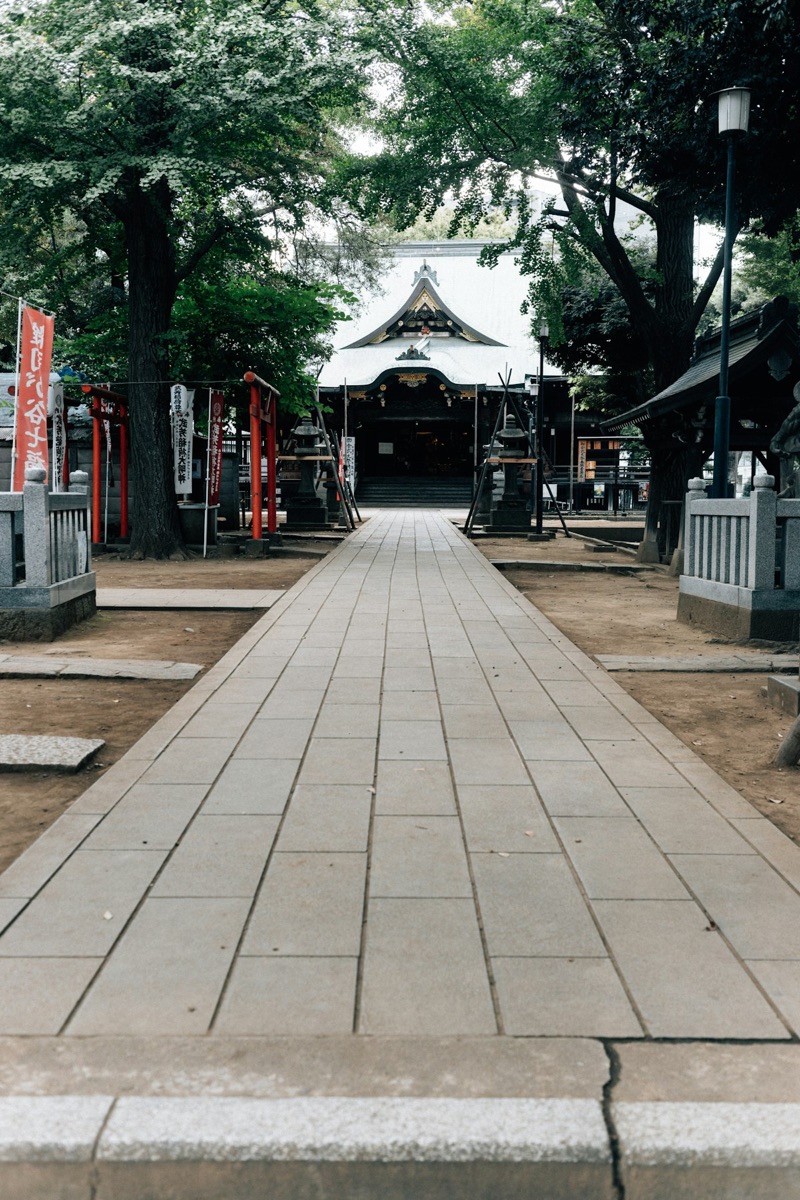
Beyond the practical benefits, June offers a uniquely Japanese experience that most foreign visitors never see: the country at its greenest, wettest, and most contemplative. June marks the transition between spring and summer — a moody, atmospheric season that locals genuinely cherish.
Japan Weather in June: What to Expect
Japan weather in June varies dramatically depending on where you go. The country stretches over 3,000 kilometers from north to south, so weather conditions in June Japan can range from cool weather in Hokkaido to hot and humid days in Okinawa.
The first half of the month tends to be milder, while the second half brings the full force of the rainy season to most of the country.
Early June: A Pleasant Spring Transition
Early June still carries the comfort of late spring. Average high temperatures in Tokyo hover around 25°C (77°F), with cool early mornings and clear skies on many days.
This is when you will find some of the best weather of the season — sunny days, warm but not yet humid, and a perfect time for outdoor activities before the rain falls in earnest.
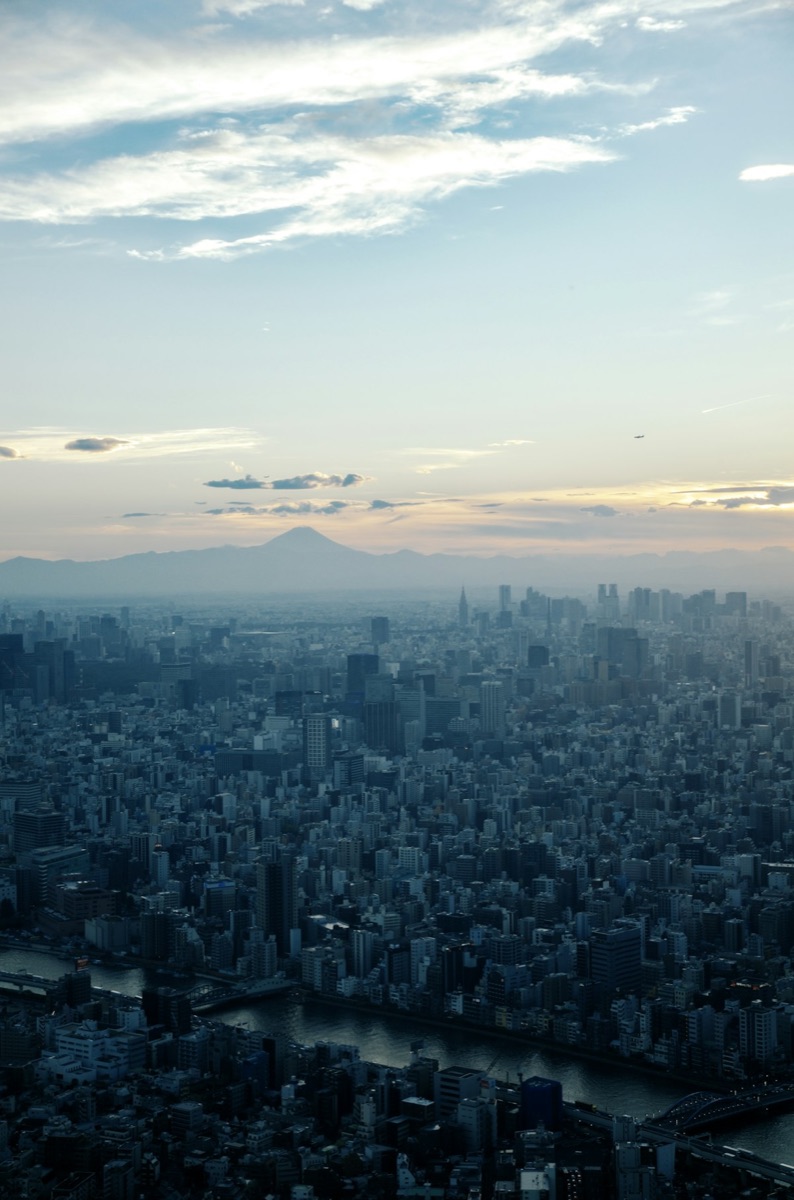
Travelers arriving in early June often catch the tail end of pleasant spring conditions before the rainy season begins around mid June. The shift from late April warmth to early July humidity happens gradually, and the first half of June feels remarkably similar to early May.
Mid to Late June: Rainy Days Arrive
By mid June, the rainy season takes hold across most of Japan. Rainy days become more frequent, humidity increases, and short showers can appear and disappear within an hour.
Despite the rain, temperatures remain enjoyable — average highs sit around 27°C (81°F), and the cool air between showers makes sightseeing comfortable.
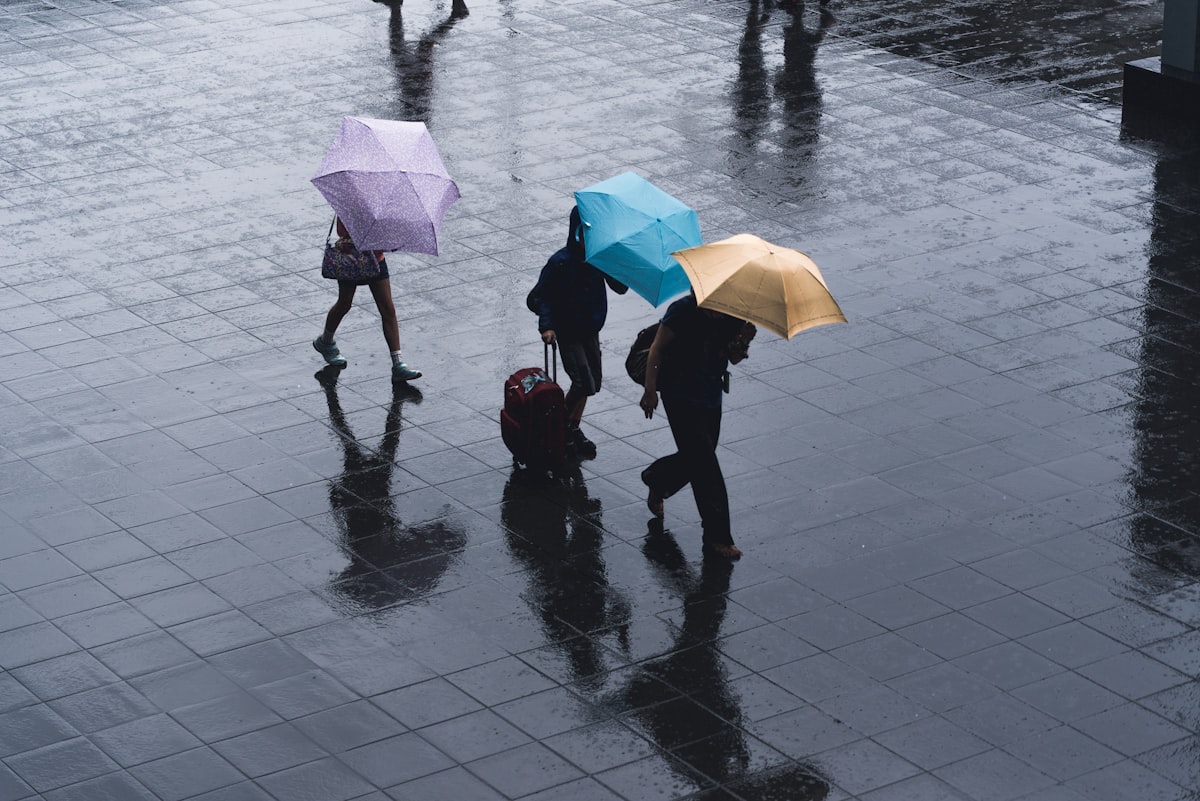
Late June marks the peak of the rainy season for central Japan, including Tokyo, Kyoto, and Osaka. By the second half of mid July, the rains begin to give way to summer sun.
Understanding the Rainy Season
The rainy season in Japan, known locally as tsuyu (梅雨), literally translates to "plum rain" — named after the plums that ripen during this period. It is a defining feature of Japanese culture and the Japanese calendar, marking the transition from spring to summer.
When the Rainy Season Begins
The rainy season begins at slightly different times depending on the region. In central Japan and Tokyo, the rainy season typically starts around June 7 and ends in mid July.
Approximate 2026 rainy season dates by region
| Region | Starts | Ends |
|---|---|---|
| Okinawa | Early May | Late June |
| Kyushu / Shikoku | Late May / Early June | Mid July |
| Kansai (Kyoto / Osaka) | Around June 7 | Mid-late July |
| Kanto (Tokyo) | Around June 7 | Mid-late July |
| Hokkaido | No tsuyu | N/A |
In southern areas like Kyushu and Shikoku, tsuyu often arrives a week earlier, while higher elevations and the northernmost regions follow their own timeline. Plum rain falls heaviest in late June through early July, then tapers off.
Northern Japan: The Tsuyu-Free Exception
Northern Japan, particularly Hokkaido, does not experience tsuyu at all. While the rest of the country deals with rainy days, Hokkaido enjoys mild temperatures, clear skies, and dry weather throughout June.
This makes northern Japan an excellent backup destination if you want to escape the humidity. Cities like Sapporo and Hakodate offer cool weather, blooming flowers, and far fewer rainy days than Tokyo.
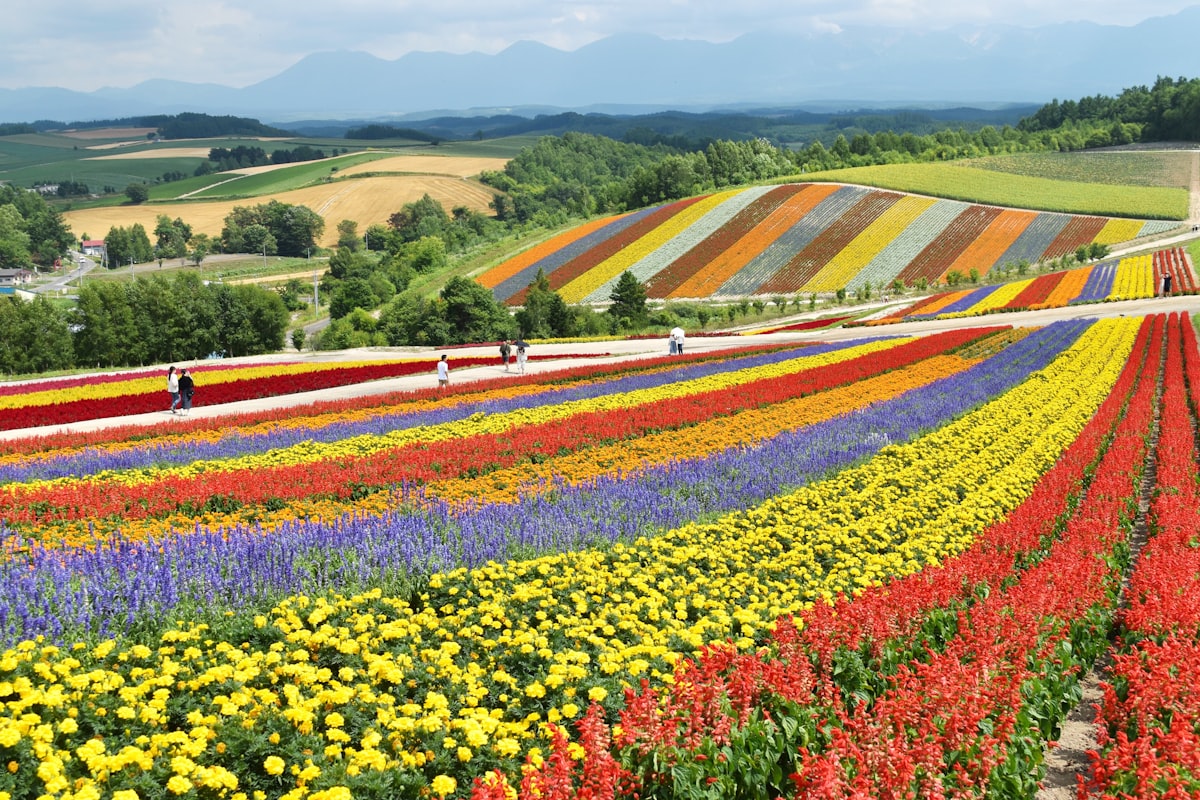
For travelers prioritizing good weather, splitting your trip between central Japan and Hokkaido can be a smart strategy. See our Hokkaido tour package guide for ready-made routes.
Central Japan and Tokyo Weather June Patterns
Central Japan, including Tokyo, sees the most consistent rainy season pattern. Tokyo weather June typically features warm, humid days with intermittent rain — but rarely the all-day downpours people imagine.
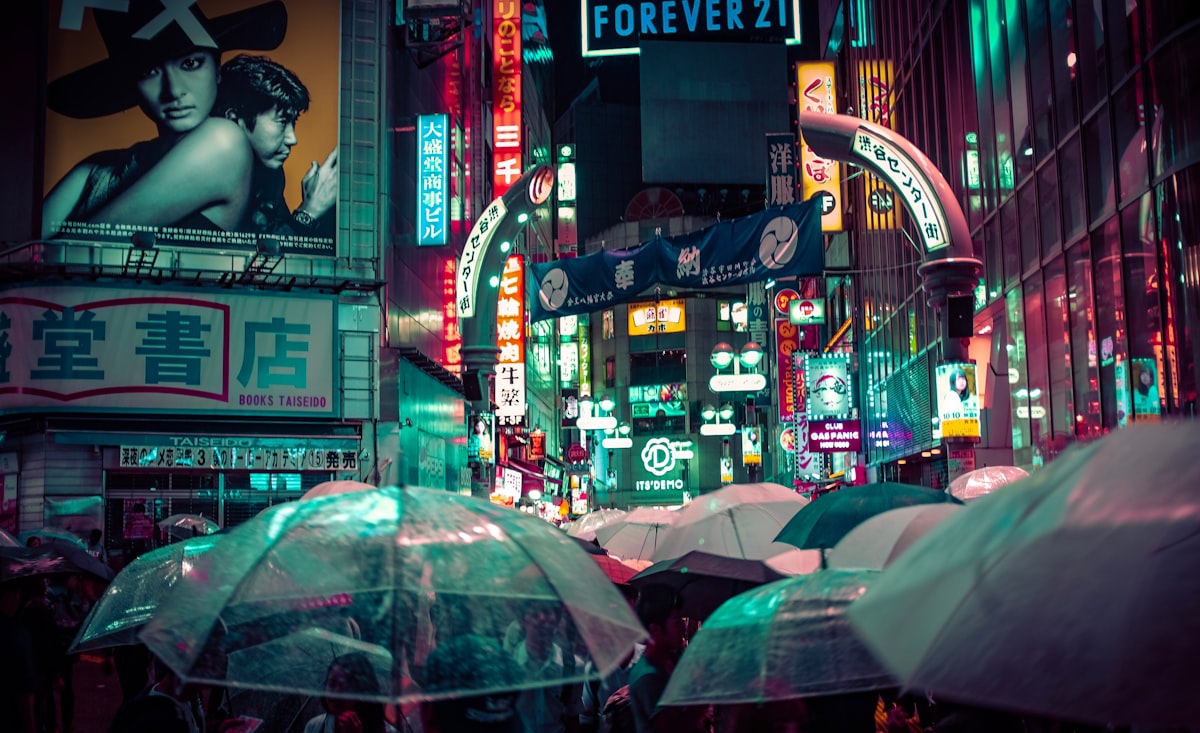
Most rain falls in short showers, leaving plenty of windows for sightseeing between bouts of plum rain. Carrying a small umbrella — available at every convenience store for under ¥700 — is all you need to keep enjoying the city.
Average High and Low Temperatures
Across Japan, June average highs range from 21°C in Sapporo to 30°C in Naha. The average low in Tokyo sits around 19°C — comfortable enough for evening walks without a jacket.
Humidity is the bigger challenge than heat. While not as brutal as August, the combination of warmth and moisture in mid June can feel sticky, especially in Tokyo and Osaka.
Average June temperatures by city
| City | Average High | Average Low |
|---|---|---|
| Sapporo | 21°C | 13°C |
| Tokyo | 26°C | 19°C |
| Kyoto | 28°C | 19°C |
| Osaka | 28°C | 21°C |
| Naha (Okinawa) | 30°C | 25°C |
Higher elevations like Hakone or Karuizawa can run 5-7°C cooler than Tokyo, making them excellent escapes when the city gets too humid.
Lush Greenery and Blooming Hydrangeas
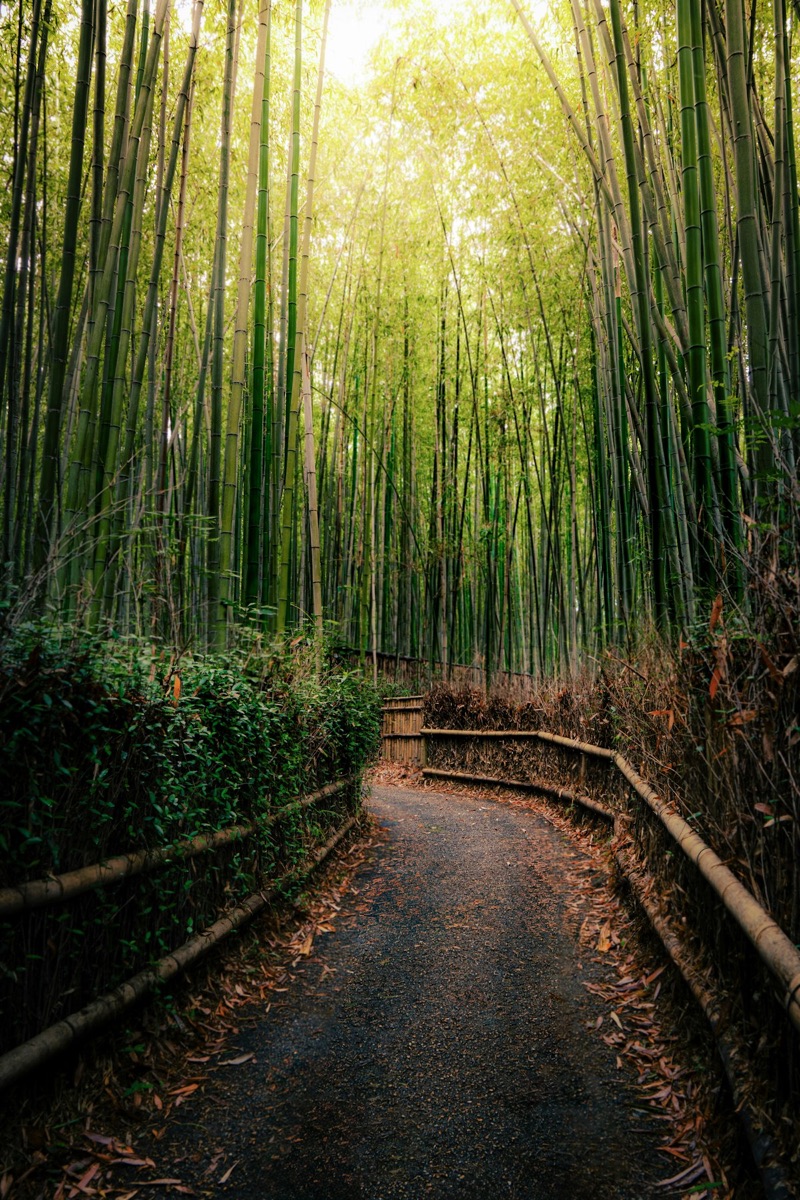
The rain has a payoff: lush greenery covers Japan's mountains, gardens, and temple grounds in vibrant emerald. Bamboo forests, moss gardens, and rice paddies all reach peak beauty during this period.
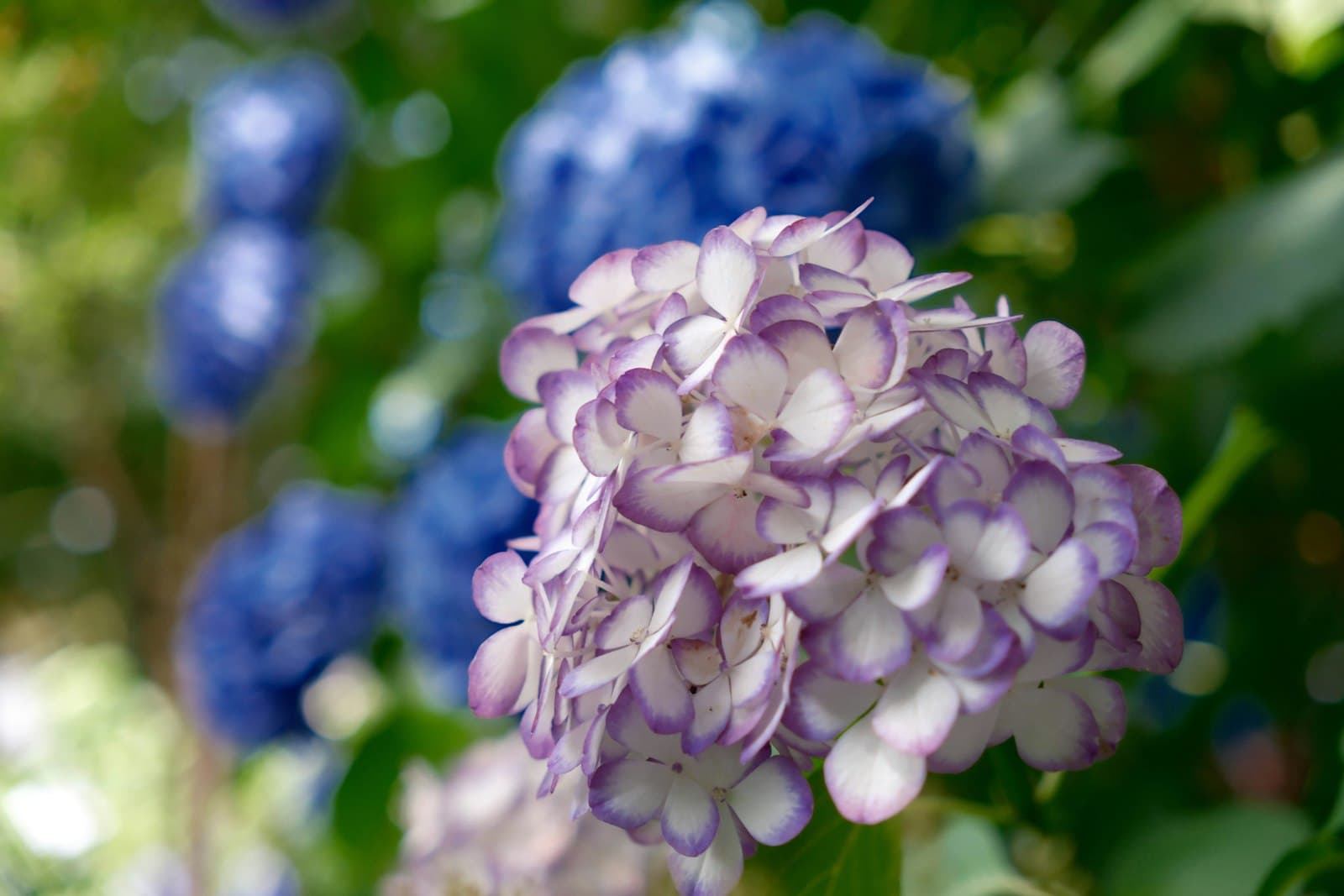
And then there are the hydrangeas. Blooming hydrangeas — called ajisai in Japanese — turn parks and temples into a sea of blue, pink, and purple from mid June through early July.
Where to See Hydrangeas Bloom
Meigetsu-in temple in Kamakura is the most famous hydrangea spot in Japan, with over 2,500 blue-tinted flowers along its stone steps. Locals call it Ajisai-dera — the hydrangea temple.
In Tokyo, Hakusan Shrine (Bunkyo Hydrangea Festival) and Takahata Fudoson in Hino offer easier access; Toshimaen closed in 2020 and is now the Harry Potter studio tour. Mimuroto-ji Temple in Uji, near Kyoto, is another spectacular option with over 10,000 hydrangea plants. Late June is the peak window for hydrangeas almost everywhere except northern regions. From Tokyo, see our day trips from Tokyo guide for routes to Kamakura.
Traditional Japanese Atmosphere in the Rain
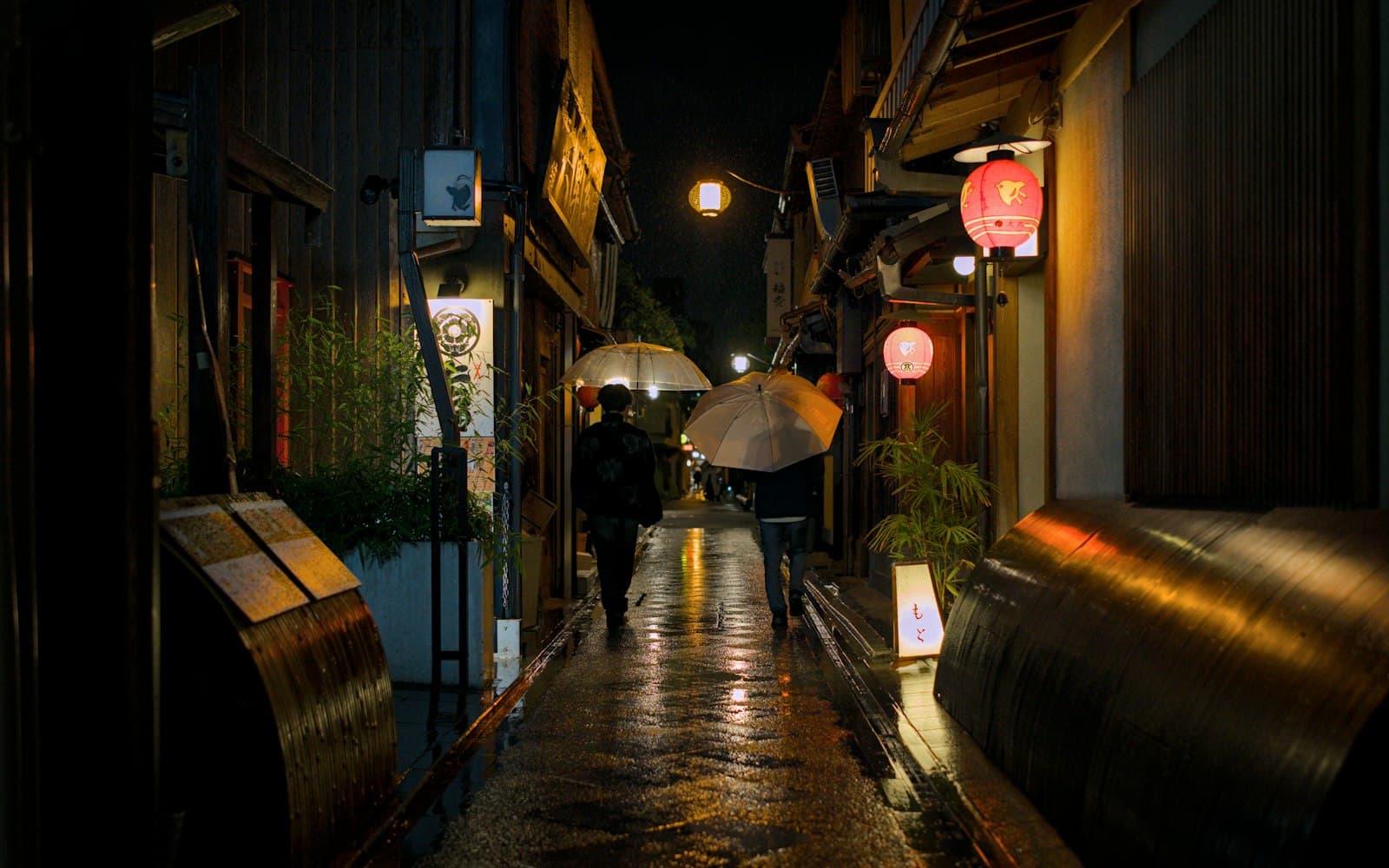
There is something uniquely beautiful about visiting Japan during tsuyu. Traditional Japanese atmosphere comes alive when temple roofs glisten with rain, lanterns reflect on wet stone paths, and tea houses fill with the scent of damp tatami.
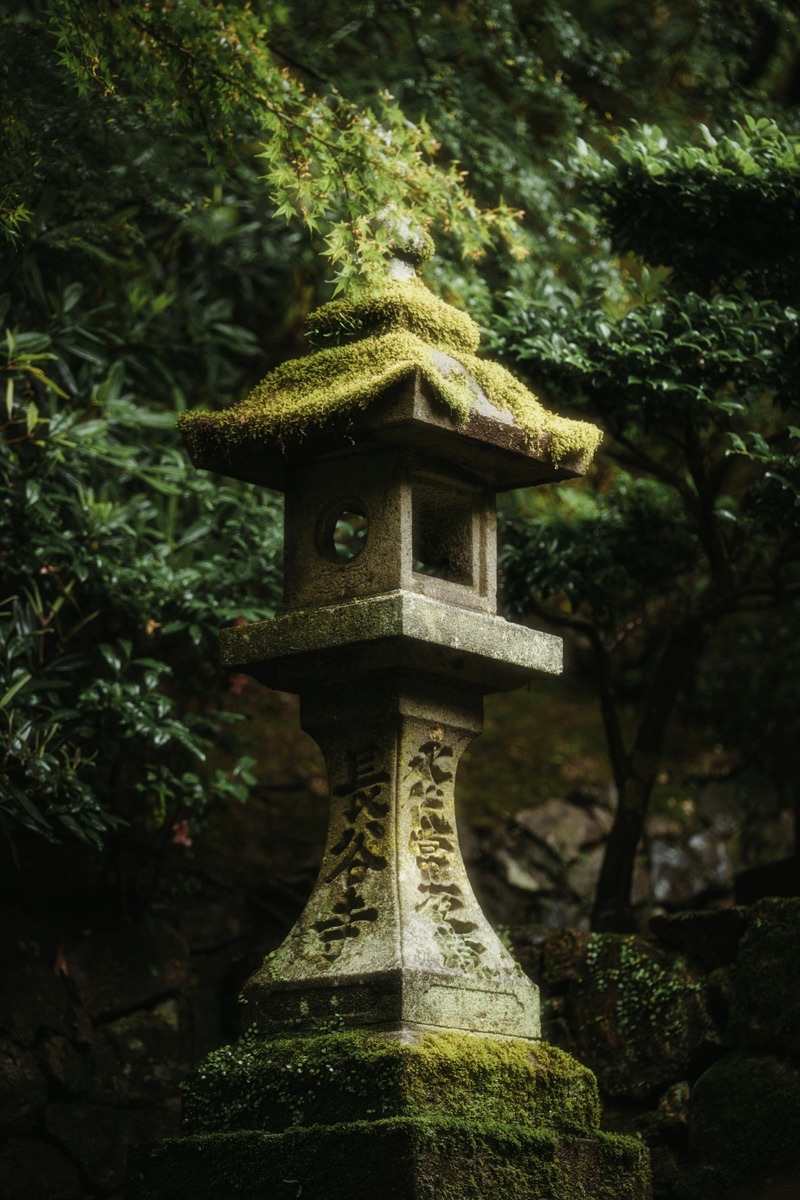
Many travelers say their most memorable moments in Japan happened on rainy days — sipping matcha while watching rain fall on a moss garden, or walking through Gion in Kyoto with the sound of geta sandals on wet pavement.
This is the Japan you see in classical paintings and woodblock prints. June is the season that inspired centuries of Japanese poetry about wet leaves, the sun breaking through clouds, and the quiet beauty of impermanence.
Outdoor and Indoor Activities
Outdoor activities remain enjoyable during gaps in the rain. Hiking the lower slopes of Mount Fuji, watching portable shrines at local festivals, or wandering historic sites between showers can all be fantastic.
When the rain falls hard, indoor activities take over. Tokyo and Osaka have world-class art galleries, shopping malls, and aquariums. Many shops in central cities are connected by underground passageways, letting you explore for hours without going outside.
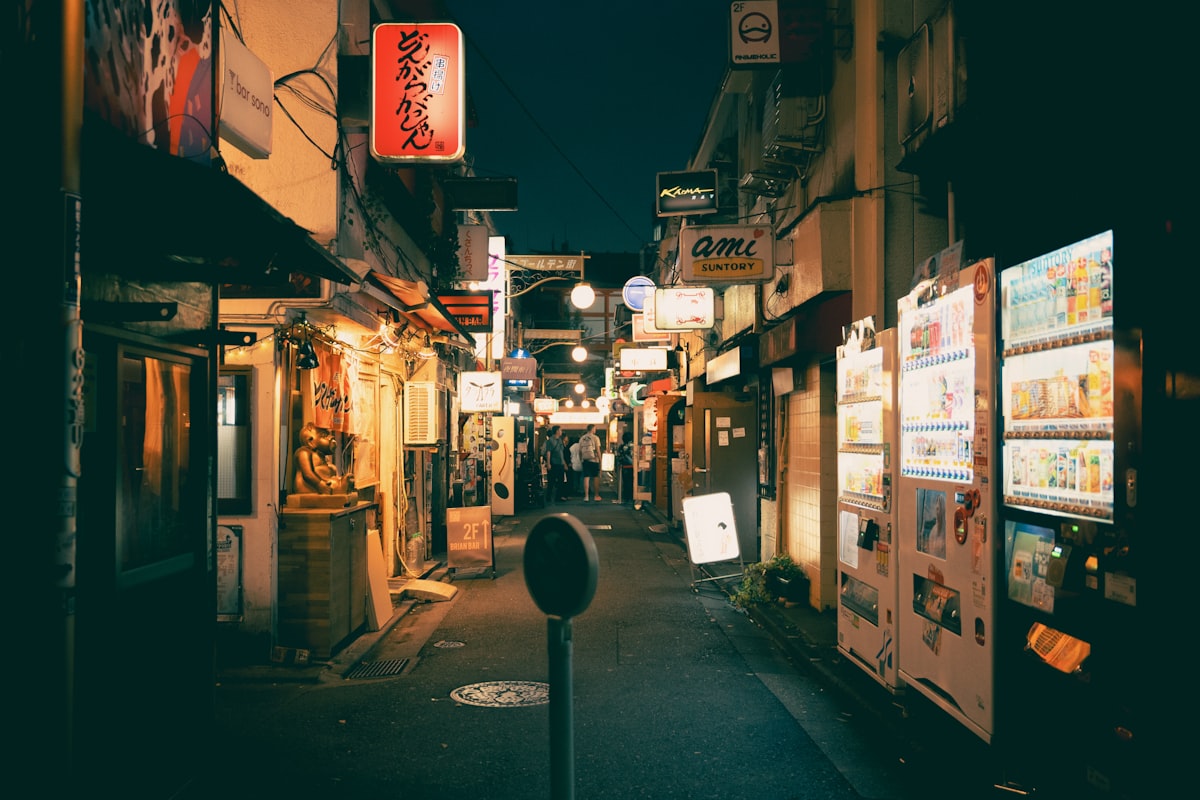
Convenience stores stock cheap umbrellas, hot drinks, and rain ponchos — perfect for unexpected showers. Most train stations also have umbrella vending machines.
June Weather and Festivals
June still hosts plenty of cultural events. Sanno Matsuri in Tokyo (its grand procession runs in even-numbered years, alternating with Kanda Matsuri) features portable shrines paraded through the city in mid June.
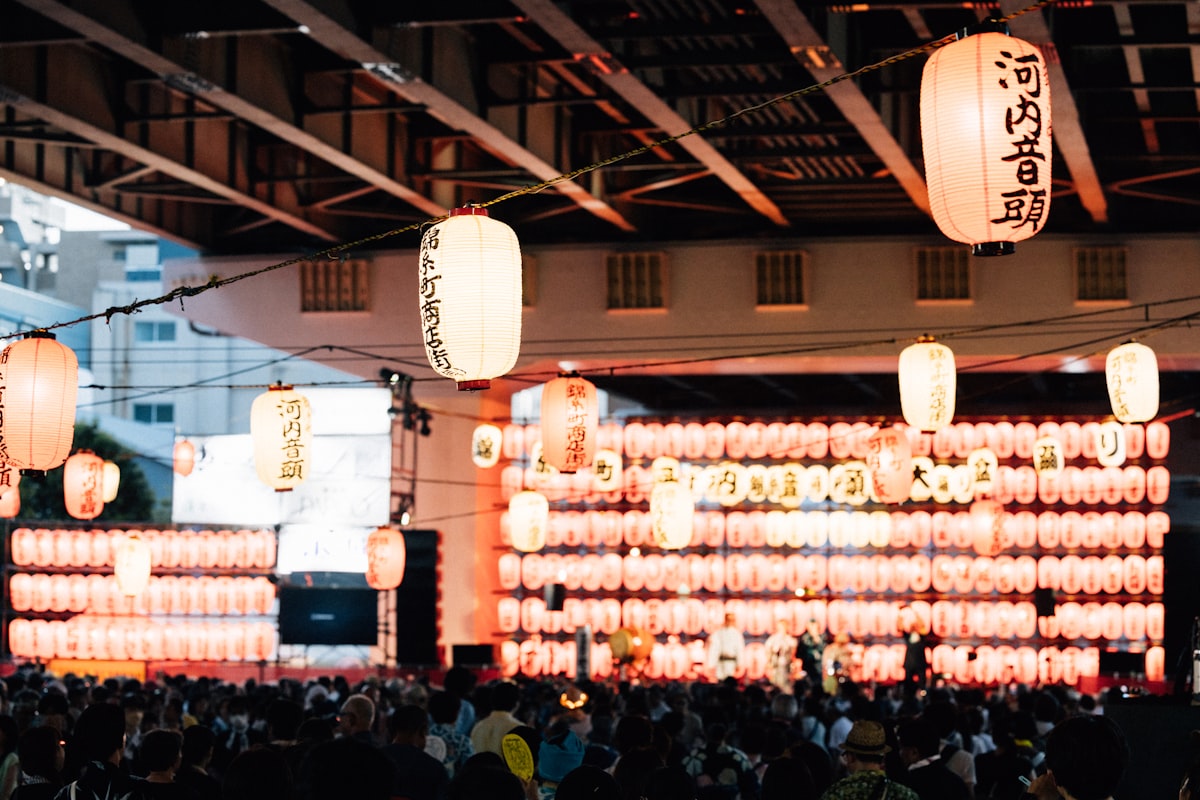
Hokkaido Shrine Festival in Sapporo and Atsuta Festival in Nagoya are also worth planning around if your dates align. Many shops and food stalls open along festival routes, giving you a taste of summer Japan before August's full heat arrives.
Tokyo in June 2026: Why Prices Drop
Here is the secret most guidebooks will not tell you: Tokyo hotel prices in June 2026 are often 40-60% lower than during cherry blossom season or autumn leaves.
The same room that costs ¥40,000 in early April might be ¥18,000 in mid June. Flights from North America and Europe also drop significantly compared to the late April peak.
If you are flexible on weather, the savings make June one of the best-value months to visit Japan in the entire year. For a deeper look, see our guide to whether Japan is still affordable in 2026.
Beyond Tokyo: Where to Go in June Japan
If Tokyo's humidity feels too intense, consider higher elevations like Hakone, Karuizawa, or the Japanese Alps. These mountain retreats stay several degrees cooler and often see less rainfall.
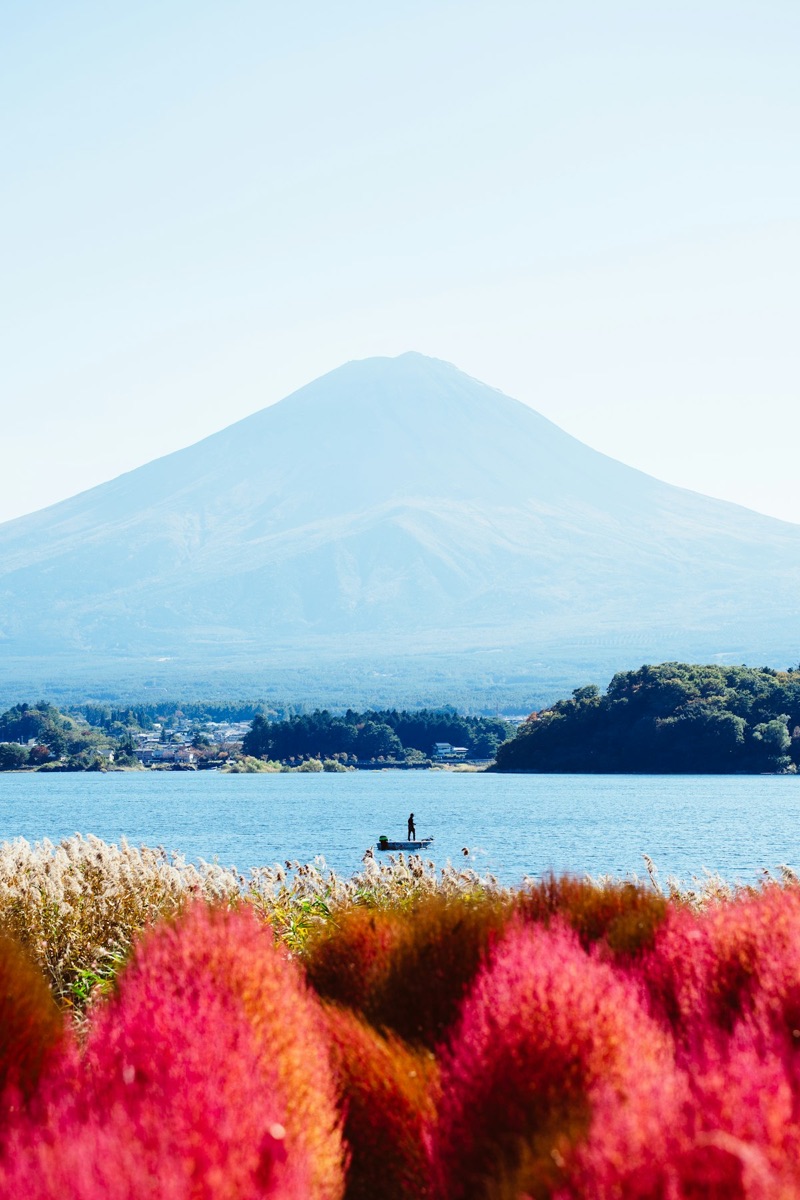
Hokkaido, as mentioned, offers a tsuyu-free escape. The southern islands of Okinawa actually finish their rainy season in late June, making the first week of July there spectacular for beach lovers.
Not sure if June is right for your trip?
We plan self-guided itineraries around the rainy season every year. Tell us your dates and interests and we will tell you honestly whether June fits — and if not, what does.
What to Pack for a Good Time
Pack light, breathable clothing and a compact umbrella. A waterproof jacket helps for hiking. Quick-dry shoes are smarter than leather, and avoid heavy denim — humidity will make it miserable.
Sunscreen still matters. Despite the rain, the sun in Japan is strong, and clear breaks between showers can burn unprotected skin quickly.
Final Thoughts: Is June a Good Time to Visit Japan?
Japan in June 2026 offers a rare combination: lush greenery, blooming hydrangeas, fewer crowds, half-price hotels, and a chance to see the country in its most contemplative season.
Yes, you will get rained on. But between the showers, you will find a Japan that most tourists never see — quieter temples, greener gardens, and the kind of moody beauty that defines centuries of Japanese art and poetry.
If you have already done the cherry blossoms or you are chasing value over weather perfection, June Japan deserves a spot at the top of your next trip list. For more on choosing your travel month, see our best time to visit Japan 2026 guide.