Bon Odori 2026: A Practical Guide to Tokyo's Best Summer Dance Festivals
One night that actually feels like something. Bon odori runs across July and August in Tokyo — mostly free, and everyone's welcome in the dance circle whether you've practised or not. Here's where to go, when, and how to fold it into a self-guided trip.
If you want one night that actually feels like something — not another temple queue — a bon odori festival is the answer. Bon odori 2026 runs across July and August in Tokyo, with the biggest nights clustered around late July and early August. Most are free. Most welcome you into the dance circle whether you've practised or not. And most sit within a short walk of a station you're already using.
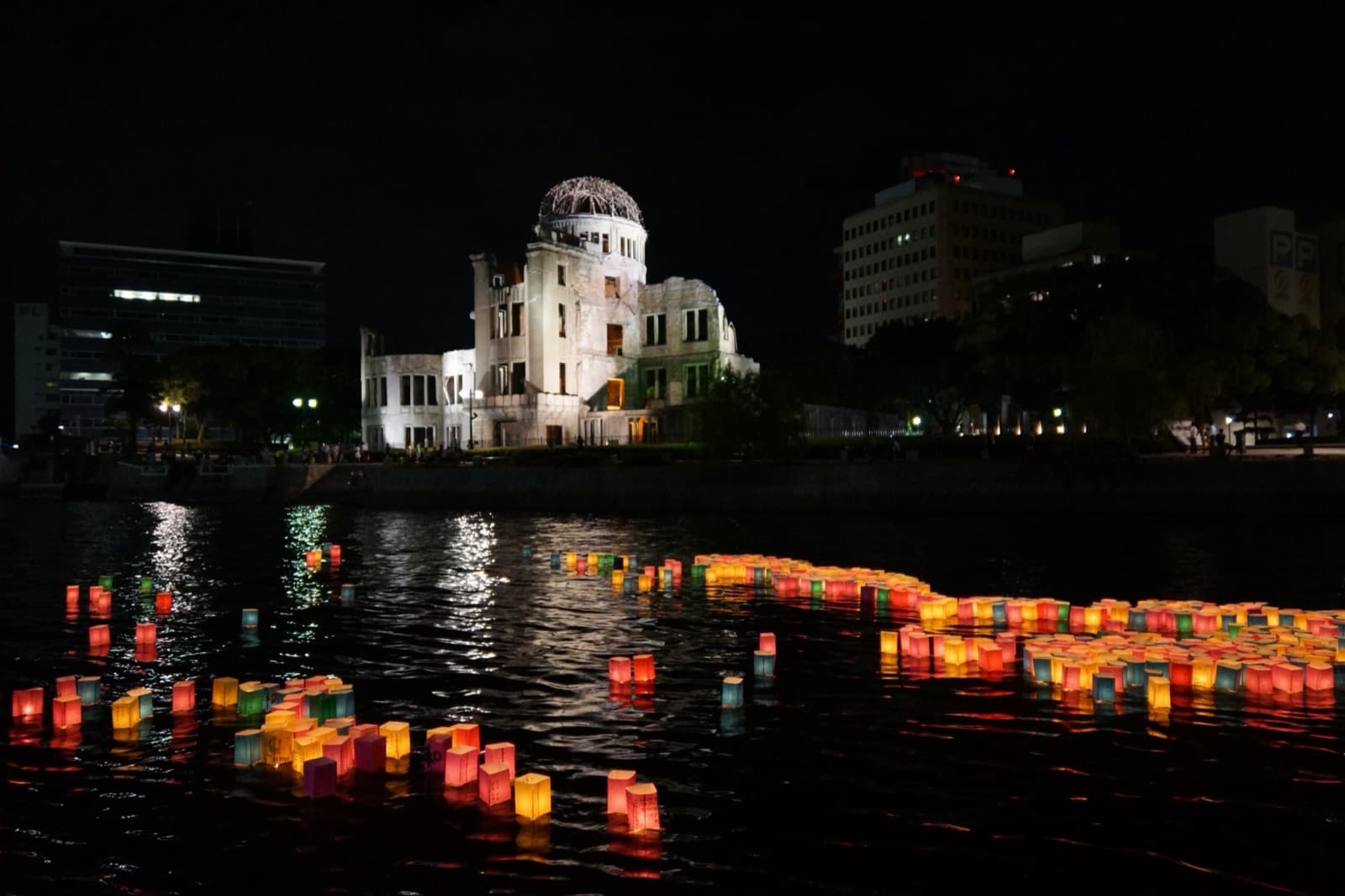
This guide is built for independent travellers who want to slot a bon odori event into a self-guided Tokyo itinerary without getting lost or overspending on paid seating. It sits inside Obon week, so pair it with our Obon 2026 guide, the Toro Nagashi floating-lantern ceremonies, and Kyoto's Gozan no Okuribi bonfires.
🏮 Quick Answer: Bon Odori 2026
Free, and you just join in. Ebisu Station plaza (Jul 31 – Aug 1), Tsukiji Hongwanji temple (late Jul–early Aug), Roppongi Hills & Hibiya Park (late Aug), and Koenji Awa Odori (Aug 29–30, a million spectators). The Sumida River fireworks (Jul 25) open the same run — all of this is done for 2026, so use it to sketch late July–August 2027. Bring cash; most stalls are cash-only.
🗓️ Season
Jul – Aug
🎟️ Cost
Free
🕕 Peak hours
19:00–21:00
💃 Join in?
Yes — everyone
What Bon Odori Actually Is
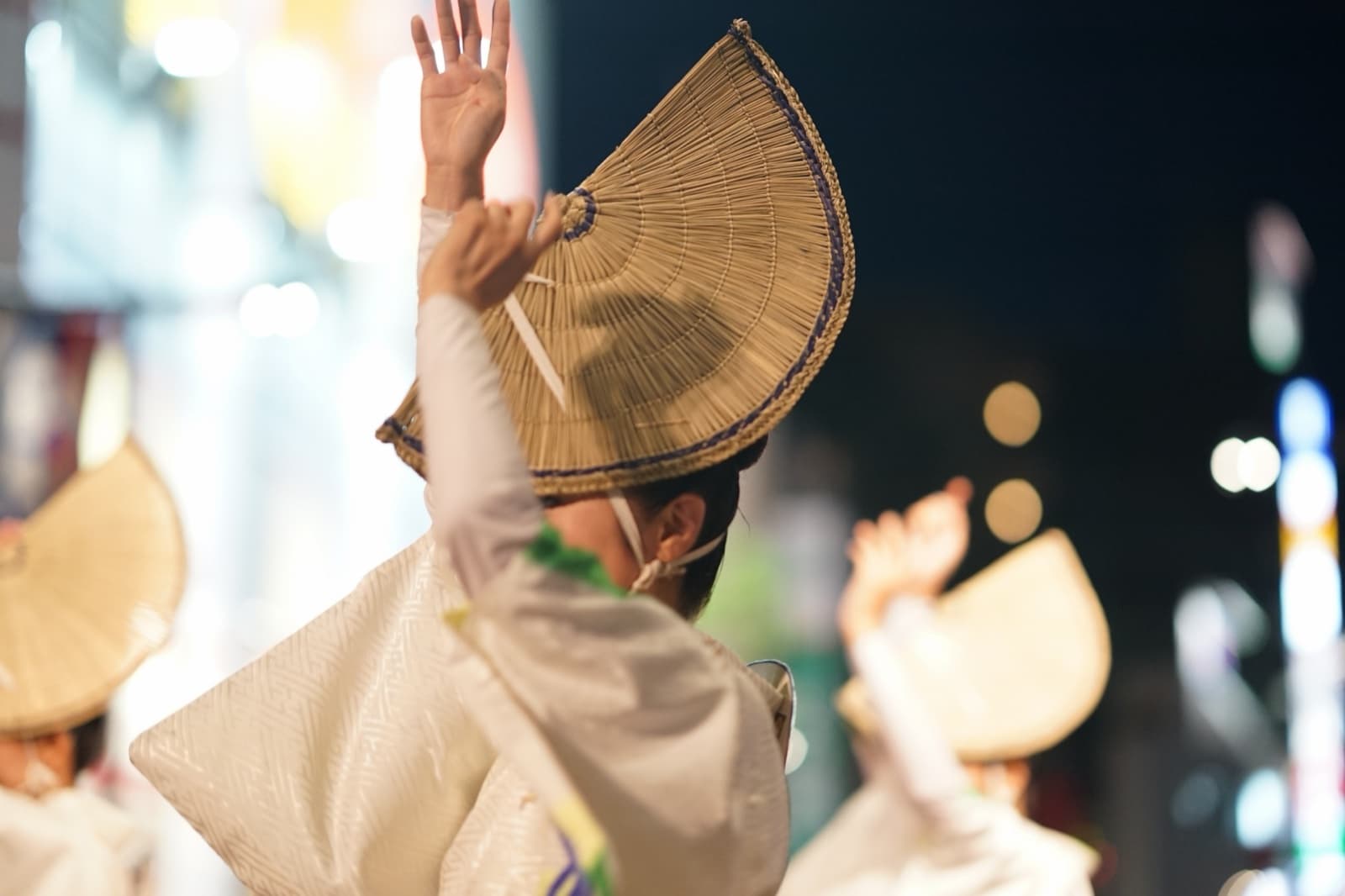
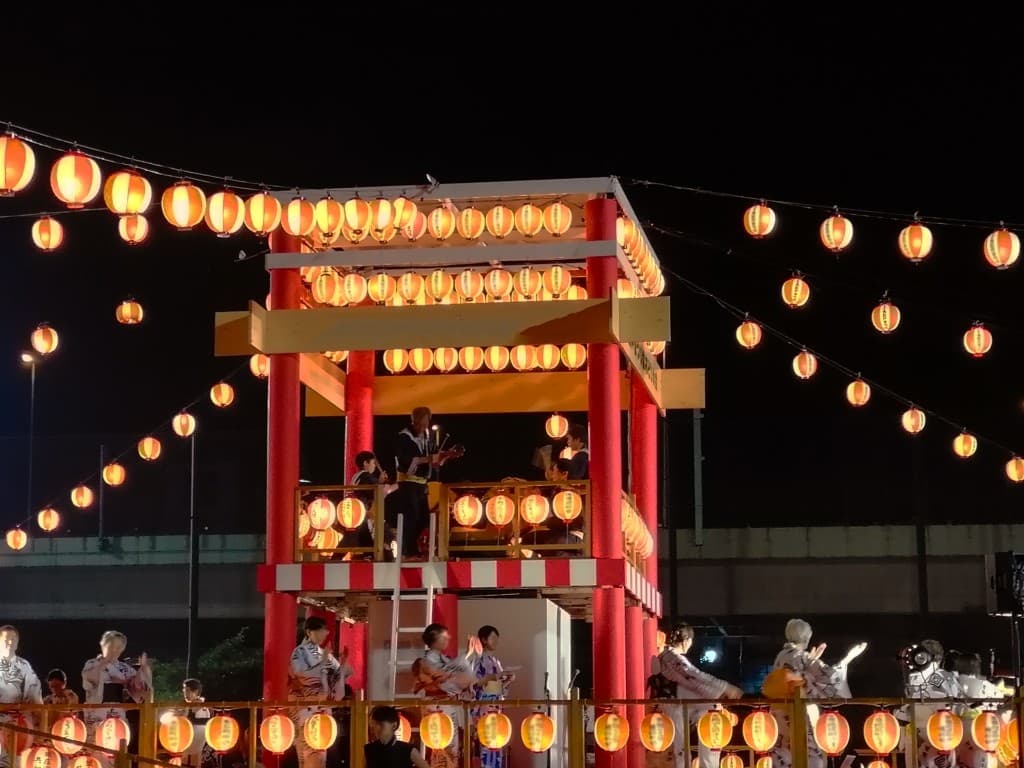
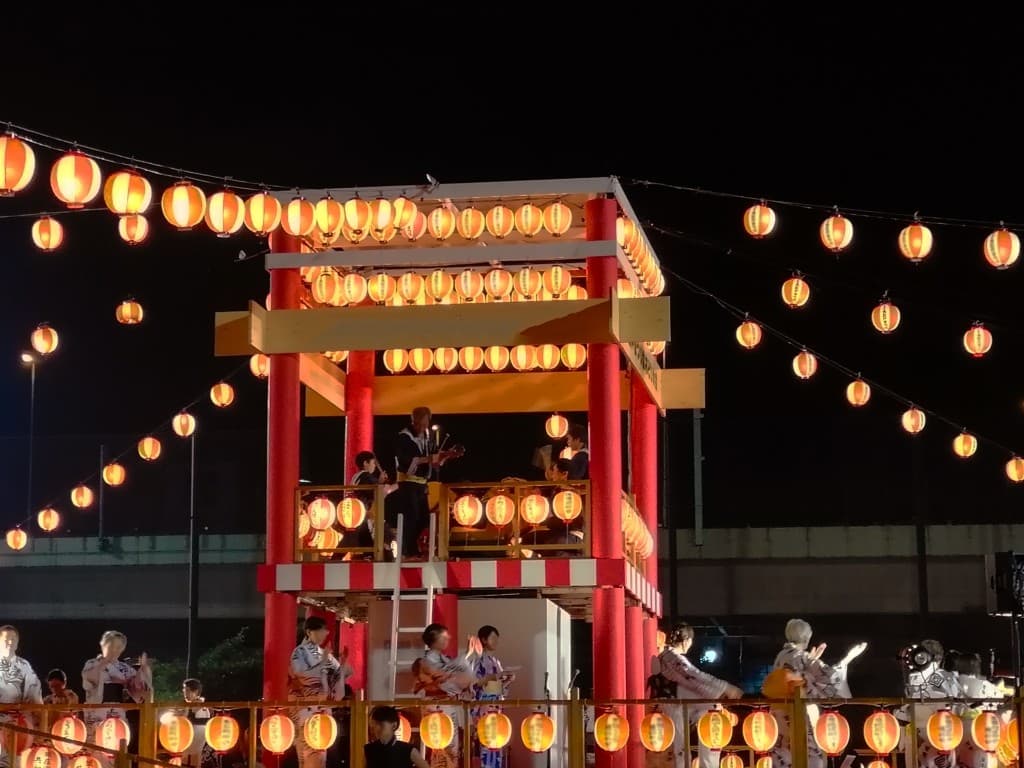
Bon Odori — Bon Dance — is an inherent part of every Japanese summer. Originally a dance held to honour and remember ancestors, it's also a welcoming: the spirits are believed to visit their family's home during the three days of Obon. The practical side is that neighbourhoods, temples and shopping districts build a yagura — a raised, lantern-strewn tower — in the middle of a park or plaza, hang red paper lanterns, wheel out taiko drums, and invite everyone to dance in concentric circles around the platform.
The choreography is dead simple: copy the person in front of you. That's it.
When Is Bon Odori 2026?
Obon 2026 is officially celebrated August 13–16 in Tokyo, Kyoto and Osaka (some regions observe it in July). But bon odori events spread across a much wider window — in Tokyo you'll find them from early July through late August, timed to each neighbourhood's own schedule rather than the strict Obon dates. Obon isn't a public holiday, but most people take a few days off, so trains, hotels and shinkansen seats get hammered in mid-August. Book early.
The Best Bon Odori Events in Tokyo 2026
🏮 Tokyo bon odori at a glance
| Event | 2026 dates | Nearest station | Note |
|---|---|---|---|
| Ebisu Ekimae | Jul 31 – Aug 1 | Ebisu | Right at the station plaza; ~60,000 people. Most accessible. |
| Tsukiji Hongwanji | ~Jul 30 – Aug 4 | Tsukiji | Indian-style temple; seafood stalls from the market. |
| Ueno Summer Festival | late Jul – early Aug | Ueno | Shinobazu Pond lanterns; good with teens. |
| Roppongi Hills | late Aug | Roppongi | Polished, English signage, live acts. |
| Hibiya Park | late Aug | Kasumigaseki | ~40,000 dancers round the fountain; ends by 21:00. |
| Koenji Awa Odori | Aug 29–30 | Koenji | A parade dance, ~1M spectators. The loudest night. |
💡 All free. Confirm exact dates/hours on each event's official site in June — neighbourhoods set their own schedules.
Ebisu Ekimae: The Most Accessible
If you only have one bon odori night, make it this one. The Ebisu Station-Front Bon Odori runs Jul 31 – Aug 1, 2026, 17:30–21:30, right at the JR Ebisu Station West Exit plaza. Step off the Yamanote or Hibiya Line and you're there. A grand illuminated yagura, live taiko, the "Ebisu Ondo" anthem, yukata against a modern skyline — around 60,000 people over two days, free entry, food and game stalls (cash only). Come from ~17:30 for a wander before the dancing gets serious.
Tsukiji Hongwanji: The Temple Dance
A couple of minutes from Tsukiji Station, this one sits inside an Indian-Buddhist-style temple compound with the main hall illuminated at night — a fantastic, solemn atmosphere, plus the "Tsukiji Ondo" song. Locals rate it for the seafood stalls: some vendors are actual Tsukiji Outer Market restaurants running stands. Grilled scallops, tamagoyaki skewers, cold beer — worth the trip even if you never dance. Dates typically fall in the Jul 30 – Aug 4 window; free.
Koenji Awa Odori: The Loudest Night
Strictly, awa odori is a Tokushima parade dance, not a circle dance — but it happens in the same Obon season and no summer guide would be honest without it. The 67th Tokyo Koenji Awa Odori runs 5–8 p.m. on Aug 29–30, 2026 around JR Koenji and Shin-Koenji stations. The previous edition drew 158 groups and 1.02 million spectators. Loud, thumping, free from the roadside — get there by 16:30 for a view.
Fireworks That Bookend the Season
Not bon odori in the strict sense, but Tokyo's big fireworks give you a full matsuri experience around the same weeks. The Sumida River Fireworks fall on the fourth Saturday of July — Jul 25, 2026, 7–8:30 p.m. — with ~20,000 shells from two spots; take the Asakusa or Ginza Line to Asakusa Station, and expect ~1 million people. The Edogawa Fireworks follow on Aug 1 (19:15–20:20), a twin-city display across the Edo River with paid seating optional. Both are cancelled — not postponed — in bad weather, with the call made the morning of.
Slotting Bon Odori Into a Real Tokyo Itinerary
A common mistake is cramming everything into one week. Space it out:
🗓️ A balanced 6-day summer plan
| Fri Jul 24 | Arrive Tokyo, Asakusa base, Senso-ji at dusk |
| Sat Jul 25 | Ueno museums by day; Sumida River fireworks in the evening |
| Sun Jul 26 | Slow day — Yanaka, coffee (you'll be tired) |
| Fri Jul 31 | Shibuya/Meguro by day; Ebisu Bon Odori from 17:30 |
| Sat Aug 1 | Edogawa fireworks, or a second Ebisu night |
| Day 6 | Day trip — Kamakura or Hakone — then fly out |
💡 One park dance night, one temple option (swap in Tsukiji), and two fireworks nights — balanced, not a death march.
Self-Guided Tokyo & Beyond
Hotels near the right lines, day trips that fit, and a plan that doesn't leave you wrecked by 17:00 — built for independent summer travel.
Yukata & Practical Tips
You don't have to wear a yukata — plenty turn up in jeans — but if you want the photos, most festival neighbourhoods have same-day rental shops that dress you in 30–45 minutes. Asakusa is the easiest area: dozens of shops, generally ¥3,500–¥6,000 including obi, geta and a small bag. Book online in the morning, drop it back before closing. (Pro tip: geta clogs are murder on unfamiliar feet — bring plasters.)
💴 Cash is king
Most stalls are cash-only. Pull ¥10,000 at a konbini ATM first.
🚉 Trains after
Stations jam up. Walk one stop over before boarding.
🌧️ Weather
Light rain, they dance; heavy rain, they pack up. Check the morning of.
💬 From our Japan travel team
Bon odori is a real summer tradition, and the venues take on a special atmosphere you won't find any other time of year — if your travel dates line up with a festival, absolutely go. Just know that Tokyo's summer festivals all get crowded, so it pays to head home a little before the dancing ends and, where you can, book a hotel near the festival venue so you're not fighting the packed trains afterwards.
Common Mistakes First-Timers Make
- Assuming all bon odori dates match Obon (Aug 13–16). They don't — each neighbourhood picks its own weekend.
- Skipping the yukata. Even a cheap one lifts the whole experience.
- Standing at the edge just watching. The whole point is to join — follow the lead dancers on the yagura.
- Only planning one night. A temple dance vs a station-plaza vs a park circle all feel different. Do at least two.
- Booking paid Sumida seats sight unseen. Free riverbank spots are perfectly good if you arrive early.
Beyond Tokyo
- Tokushima Awa Odori (Shikoku): Aug 11–15, 2026 — the country's biggest traditional dance festival.
- Gujo Odori (Gifu): a 31-night marathon in central Japan, including all-night dancing in mid-August.
- Nakameguro, Kagurazaka, Nakano: all have their own local bon odori across the summer.
If you can only do Tokyo, you're not missing out. For the reflective flip-side of the same season, see Toro Nagashi 2026 — the floating-lantern ceremonies — and Japan in August 2026 for the whole month.
Missed Bon Odori? Japan Dances, Parades and Burns Things All Year
Bon odori is concentrated into a few weeks around mid-August, and once Obon passes the dancing stops almost overnight. That does not mean festival season is over — autumn is arguably the stronger half of the Japanese calendar, with cooler weather, smaller crowds and easier accommodation than the August peak.
- October — the Takayama Autumn Festival, and on 22 October Kyoto runs both Jidai Matsuri and the Kurama Fire Festival on the same day.
- December — the Chichibu Night Festival, floats and winter fireworks two hours from Tokyo.
- The full picture — our Japanese festivals guide covers the summer headline events and what follows them through the rest of the year.
Planning next August instead? Bon odori dates track the Obon period, which is stable: most events fall between roughly 13 and 16 August, with Tokyo's a month earlier in July. Book accommodation in festival towns several months ahead — see trip costs for how much the Obon week adds.
Thinking of joining a Bon Odori dance on a summer trip to Japan? Get in touch through Plan My Trip on our self-guided tours site, and we’ll suggest the tours that best fit your dates and plans.
FAQ: Bon Odori 2026
Is bon odori 2026 free to attend?
Yes. Almost every Tokyo bon odori in this guide is free — Ebisu, Tsukiji Hongwanji, Roppongi Hills, Hibiya Park, Ueno and Koenji Awa Odori. You pay only for food, drinks and games.
Do I need to book anything in advance?
For the bon odori itself, no — no pre-registration. For the Sumida River fireworks, paid seating needs advance purchase but free riverbank viewing does not. For Edogawa, paid seating exists but the banks are free.
What time do bon odori festivals start?
Most begin in the early evening, around 17:00–17:30, with dancing peaking between 19:00 and 21:00. Ebisu runs 17:30–21:30; Koenji Awa Odori runs 17:00–20:00.
Can foreigners actually join the dance?
Yes — international visitors join every year. Watch the yagura dancers, mirror the moves, and don't worry about being perfect.
Which bon odori is best for photos?
Tsukiji Hongwanji for the temple backdrop, Ebisu for the yukata-and-skyline contrast, and Ueno for the floating lanterns on Shinobazu Pond.
Turn This Into a Real Itinerary
A great bon odori night only works if the day around it is built right — the right hotel near the right line, day plans that don't leave you exhausted by 17:00, and a backup if the weather turns. Finding the date and venue takes ten minutes; threading a dance night into a Kamakura day trip and a Sunday shinkansen without doubling back is the hard part. That's what we do.
💬 From our Japan travel team
Bon odori falls in Obon week — the busiest travel window of the summer. Lock hotels and shinkansen seats months out, base near the Yamanote or Hibiya Line for the dance nights, and tell us your dates — we'll thread the festivals, fireworks and a day trip together so you're never racing across the city.
Event dates, hours and attendance per each festival's official announcements (Ebisu Ekimae Bon Odori, Tsukiji Hongwanji, Roppongi Hills, Hibiya Park, Ueno Summer Festival, Tokyo Koenji Awa Odori) and Tokyo fireworks organisers (Sumida, Edogawa). Neighbourhood dates shift year to year — confirm the current-year schedule before booking non-refundable travel. Last updated: July 2026.
Self-Guided Japan Tours
Tokyo-anchored self-guided itineraries with hotels near the right lines and day trips that fit — summer festivals threaded in.