Nara Day Trip: How to Get There from Kyoto or Osaka — Trains, Times and Fares
From Kyoto: the JR Nara Line in about 45 minutes for ¥720, or Kintetsu in 35 by limited express. From Osaka: the Yamatoji Rapid from JR Osaka for ¥840, or Osaka-Namba to Kintetsu Nara for ¥680. Which station to aim for, what a realistic day around Todai-ji and the deer actually looks like, and the mistakes that cost first-timers an hour.
Nara is the easiest big win in the Kansai region. From either Kyoto or Osaka, you can be feeding deer crackers to a bowing sika deer in about an hour, wander through UNESCO-listed temples that predate anything in Kyoto, and still be back at your hotel for dinner. This guide breaks down every practical decision — which line, which station, which pass, and how to actually spend the day — so you can slot Nara into a self-guided itinerary without second-guessing.
🦌 Quick Answer: getting to Nara
From Kyoto: if you hold a Japan Rail Pass, take the JR Miyakoji Rapid on the JR Nara Line from JR Kyoto Station — about 45 minutes, ¥720 without a pass. If you don't have a pass, take the Kintetsu Kyoto Line from Kintetsu Kyoto Station instead: ¥760 on a regular express, and it drops you a five-minute walk from Nara Park. From Osaka: the Yamatoji Rapid from JR Osaka Station reaches JR Nara in about 50 minutes for ¥840, or the Kintetsu Nara Line runs from Osaka-Namba to Kintetsu Nara in about 40 minutes for ¥680. No route needs a reservation.
Kyoto → JR Nara
~45 min · ¥720 · JR Pass ✓
Kyoto → Kintetsu Nara
35–50 min · ¥760–1,280
JR Osaka → JR Nara
~50 min · ¥840 · JR Pass ✓
Namba → Kintetsu Nara
~40 min · ¥680
That's the decision in one box. The rest of this guide is the fine-tuning: which of the two Nara stations you actually want, how the Osaka side differs depending on whether you're in Umeda or Namba, and what a realistic day on the ground looks like once you arrive. If you're still working out how the two big Kansai cities fit together, our Kyoto to Osaka guide covers that leg; coming down from the capital first, start with Tokyo to Kyoto.
🧭 Kyoto and Osaka to Nara: every option side by side
| Train | Between | Time | Fare | JR Pass | Best for |
|---|---|---|---|---|---|
| Miyakoji Rapid (JR Nara Line) | JR Kyoto Station ↔ JR Nara | ~45 min | ¥720 (¥710 IC) | Yes | Pass holders leaving from Kyoto Station |
| Kintetsu express | Kintetsu Kyoto ↔ Kintetsu Nara | 45–50 min | ¥760 | No | Landing closest to Nara Park |
| Kintetsu Limited Express | Kintetsu Kyoto ↔ Kintetsu Nara | ~35 min | ¥1,280 (¥760 + ¥520) | No | A reserved seat and the fastest run from Kyoto |
| Yamatoji Rapid | JR Osaka ↔ JR Nara | ~50 min | ¥840 | Yes | Staying near Umeda |
| Kintetsu Rapid Express | Osaka-Namba ↔ Kintetsu Nara | ~40 min | ¥680 | No | Namba, Dotonbori, Shinsaibashi |
| Kintetsu Limited Express | Osaka-Namba ↔ Kintetsu Nara | ~30 min | ¥1,200 (¥680 + ¥520) | No | Guaranteed seat out of Namba |
| JR Yamatoji Line | JR Namba ↔ JR Nara | 50–55 min | ¥580 | Yes | The cheapest paid option of the lot |
💡 Fares are 2026 adult one-way prices. Every train here takes ICOCA, Suica and Pasmo — tap in, tap out — and none of them require a reservation. The only supplement on the list is the Kintetsu Limited Express ticket, a flat ¥520 on top of the base fare, and it is charged even if you hold a Kintetsu Rail Pass.
The Short Answer: Kyoto to Nara
If you have a Japan Rail Pass, take the JR Miyakoji Rapid on the JR Nara Line from JR Kyoto Station. If you don't, take the Kintetsu Kyoto Line from Kintetsu Kyoto Station. That's the whole decision in one sentence — the rest is fine-tuning.
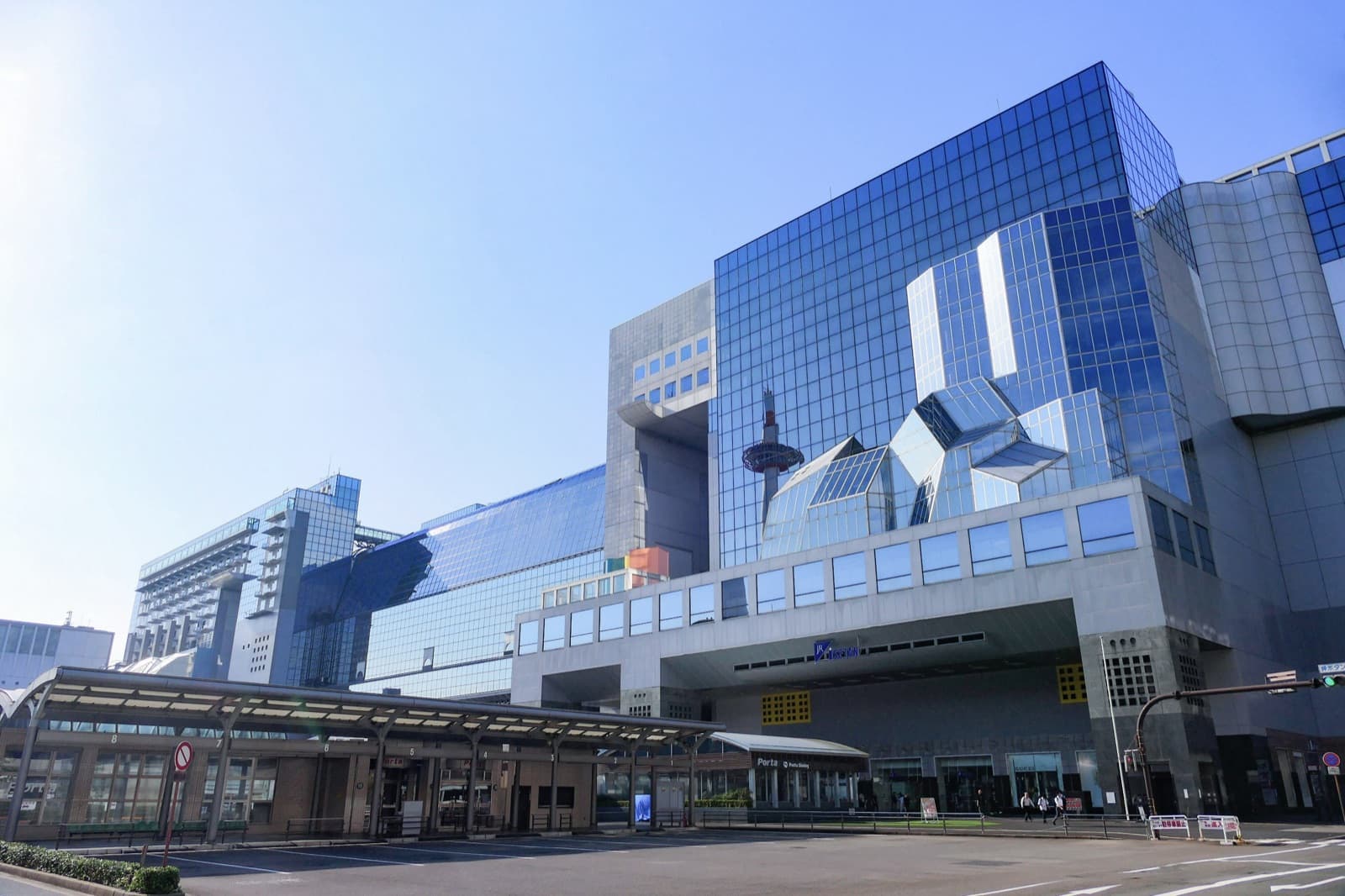
Both routes start inside Kyoto Station, so there's no cross-city faff before you even begin. You walk into the same building either way; you just bear left for JR or head down to the Kintetsu concourse on the south side.
Route 1: JR Nara Line from Kyoto Station
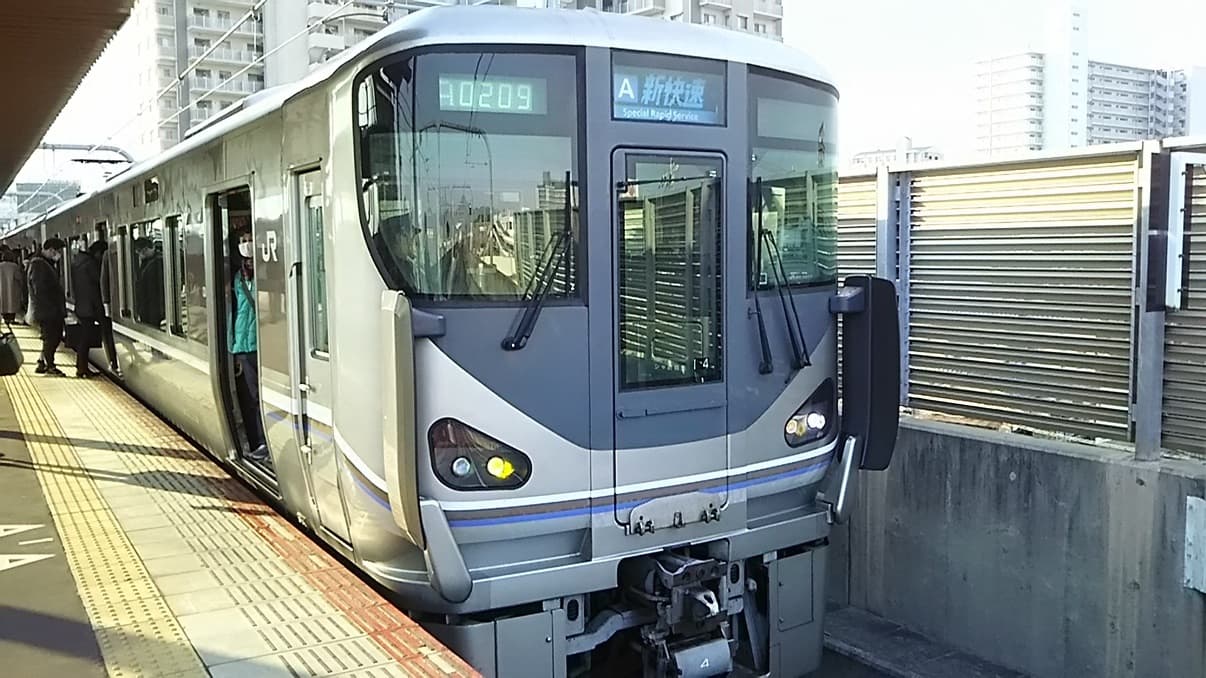
The JR route is straightforward. The Miyakoji Rapid runs roughly every 30 minutes, takes about 45 minutes, and delivers you to JR Nara Station. It's covered by the Japan Rail Pass, which makes it a no-brainer if you already have one.
One catch: don't just jump on the first JR train on the platform. A local train on the same line stops at every little suburb and can add 20–30 minutes to your trip. Look for "Miyakoji Rapid" on the departure board specifically.
Fare without a pass is around ¥720 one way (roughly ¥710 by IC card). Nothing to reserve, no supplements, just tap and go.
Route 2: Kintetsu Kyoto Line from Kintetsu Kyoto Station
Kintetsu Railway runs its own line into Nara from a separate concourse inside Kyoto Station (south side, underground). This is the route most travellers without a rail pass end up taking, for two reasons: Kintetsu Nara Station is right next to Nara Park, and the trains are frequent.
You have two speeds. A regular Kintetsu express costs ¥760 and takes roughly 45–50 minutes, sometimes with a transfer at Yamato-Saidaiji. The Kintetsu Limited Express takes about 35 minutes with all seats reserved, and costs ¥1,280 total — that's the ¥760 base fare plus a ¥520 limited express ticket surcharge.
The most common first-time mistake is confusing "Express" (no surcharge) with "Limited Express" (surcharge required). If you don't need reserved seats or the extra speed, the regular express is honestly fine.
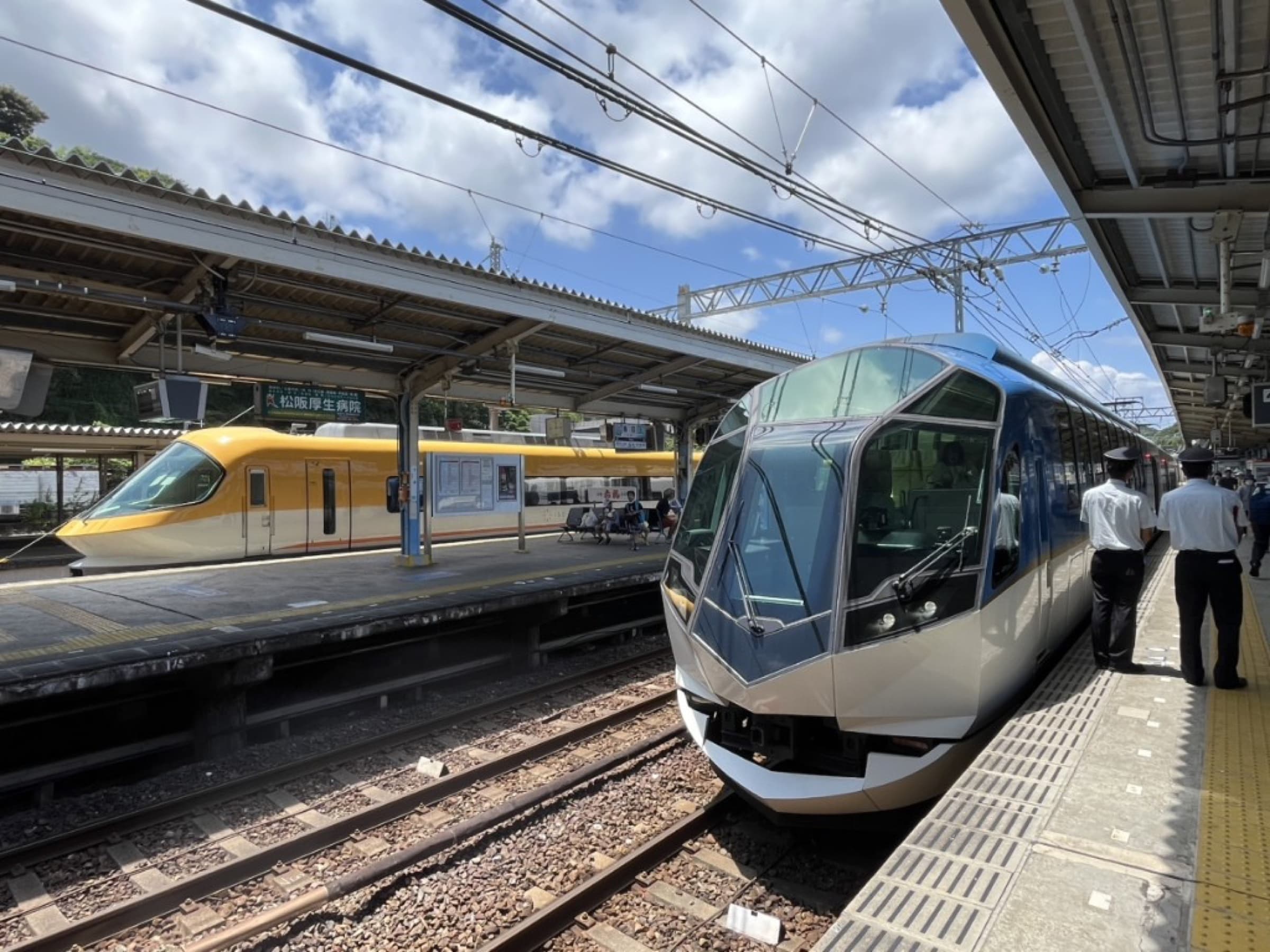
JR Nara Station vs Kintetsu Nara Station: Which Should You Aim For?
This matters more than the train choice. Nara Park is about a 5-minute walk from Kintetsu Nara Station and about a 20-minute walk from JR Nara Station. If you're only there for a day trip, that 15-minute difference at both ends of your visit is real.
Kintetsu Nara puts you next to the Higashimuki shopping street, close to Kofuku-ji, and a manageable walk to Todai-ji. JR Nara is a bit further west and often means a bus or a longer walk before you see your first deer.
If you're carrying a Japan Rail Pass, the free JR ride wins overall — just accept the extra walking or hop a local bus at JR Nara.
💬 From our Japan travel team
Nara is an easy day trip from either Kyoto or Osaka, and nearly everything visitors come for sits within walking distance of Kintetsu Nara Station. Hotels in both base cities fill up quickly in the cherry blossom and foliage weeks, so book the base first and keep the Nara day itself flexible. Our self-guided tours include free days in Kyoto and Osaka, and Kansai Essentials rides Osaka to Nara and Nara to Kyoto by train as part of the route, so feel free to get in touch and we will help you slot Nara in.
Osaka to Nara: The Three Main Options
The Osaka and Nara pairing is just as easy, but Osaka has more possible starting points, so it pays to know which one you're leaving from. Three stations serve the trip, and two of them are in Namba with almost the same name.
From JR Osaka Station (Yamatoji Rapid Service)
The Yamatoji Rapid Service runs directly from JR Osaka Station to JR Nara Station in about 50 minutes for ¥840. It's covered by the Japan Rail Pass and is the simplest choice if you're staying near Umeda.
The same Yamatoji Rapid Service also stops at Tennoji Station, which cuts the trip to about 36 minutes if you can start from there. Handy if your hotel is in south Osaka.
From Osaka-Namba Station (Kintetsu Nara Line)
If you're staying in the Namba area, the Kintetsu Nara Line is the natural pick. From Osaka-Namba Station, a Rapid Express on the Kintetsu line reaches Kintetsu Nara Station in about 40 minutes for around ¥680 — cheaper than the JR option and dropping you closer to Nara Park.
There's also a Kintetsu Limited Express covering the same route in about 35 minutes for ¥1,200 (the ¥680 base fare plus the ¥520 limited express ticket). Faster, but honestly the Rapid Express is close enough that most travellers skip the surcharge.
From JR Namba Station
JR Namba Station is a different station in the same district. From here, the JR Yamatoji Line runs to JR Nara Station in about 50–55 minutes for ¥580, sometimes with a transfer at Kyuhoji. It's the cheapest paid option between Osaka and Nara if you're already near JR Namba.
One planning note for an Osaka base: Nara pairs badly with a big Osaka sightseeing day and beautifully with a slow one. If you want the castle, Dotonbori and the bay as well, give them their own day — our what to do in Osaka guide sets that day out properly.
Rail Pass vs Point-to-Point Tickets
If you're only doing one round trip between Osaka and Nara or Kyoto and Nara, don't overthink the pass question — just buy a single ticket. Where train passes start making sense is when you're stitching together multiple days across the Kansai region.
The Japan Rail Pass covers all JR services (JR West trains including the Yamatoji Rapid Service and the Miyakoji Rapid on the JR Nara Line), but it does not cover Kintetsu. If you already have one for shinkansen travel, use JR to reach Nara. Whether the nationwide pass is worth buying at all for your particular route is a separate question, and our guide to when the JR Pass pays runs the numbers.
The Kintetsu Rail Pass is a separate digital product from Kintetsu Railway. The 1-day and 2-day versions cover unlimited travel on Kintetsu lines across Osaka, Nara, and Kyoto. The 5-day and 5-day Plus versions extend to Mie and Nagoya. A Limited Express ticket is still required on top of the Kintetsu Rail Pass if you want to use limited express trains — this is a common gotcha.
For most one-day Nara visits from a Kyoto or Osaka base, no pass is needed. Just tap your Suica or ICOCA. If you haven't sorted a card yet, the tourist Welcome Suica and the tourist Pasmo both work on JR, Kintetsu and the Osaka Metro, so either one covers the whole day including the buses in Nara.
One more piece of day-trip admin: don't drag a suitcase to Nara. If you're changing hotels the same day, leave the bag at your Kyoto or Osaka station in a coin locker or a staffed counter — our luggage storage guide lists where they are and what they cost. Nara's own lockers fill up by mid-morning on weekends.
What You're Actually Going to See
Nara was Japan's ancient capital — specifically, Japan's first permanent capital, from 710 to 784. That's earlier than Kyoto, and it's why the temples here feel older, plainer, and grander in scale than the more decorative sites you'll see in Kyoto.
Eight locations in and around the city are UNESCO World Heritage Sites, grouped as the "Historic Monuments of Ancient Nara." Most day-trippers only see three of them, and that's genuinely enough for a first visit. For every sight in the city with this year's fees and hours, see our things to do in Nara guide.
Todai-ji Temple and the Great Buddha Hall
Todai-ji temple — literally "Great Eastern Temple" — is the headline act. It was founded in 752 as the head temple of the provincial Buddhist temple network and houses the Great Buddha, a bronze Vairocana Buddha statue about 15 metres tall.
The Great Buddha Hall (Daibutsuden, sometimes called the Big Buddha Hall) is still one of the largest wooden buildings in the world, even though the current 1709 reconstruction is around two-thirds the size of the original. Admission is ¥800 for adults. Hours run 7:30–17:30 April to October and 8:00–17:00 November to March.
Todai-ji temple is about a 20-minute walk from Kintetsu Nara Station through Nara Park, or a 5-minute walk from the Todaiji Daibutsuden/Kasuga-taisha-mae bus stop if you take the loop bus. Aim to arrive by 8:30 in the morning — the tour buses roll in later.
Nara Deer Park and the Free Roaming Deer
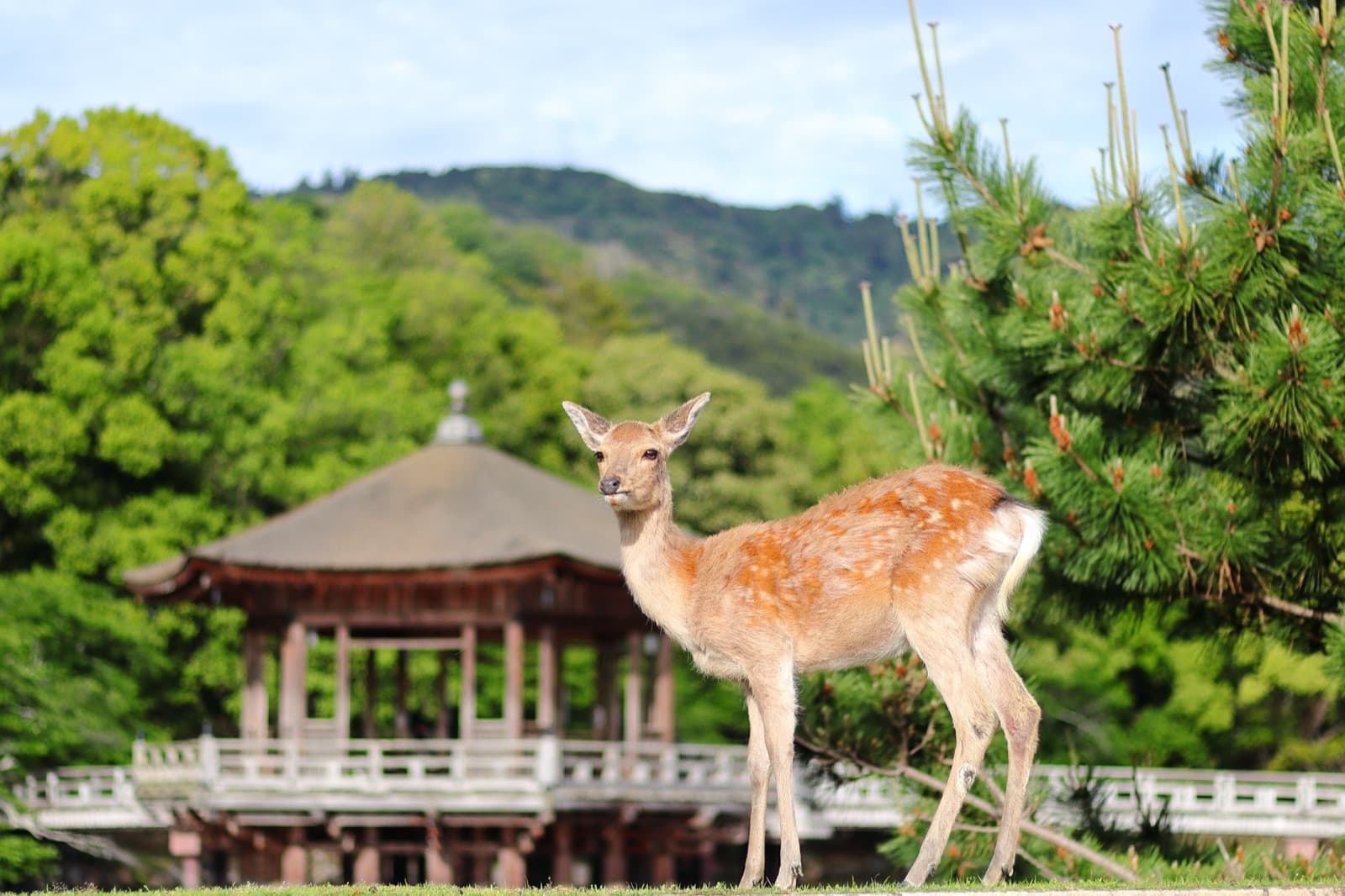
Nara Park is a 660-hectare park in central Nara city with over 1,000 free roaming deer, along with the Todai-ji, Kofuku-ji, and Kasuga Taisha UNESCO sites all within its bounds. The deer are officially designated a natural treasure and are considered messengers of the gods.
You can buy shika senbei (deer crackers) from vendors around the park for about ¥200 a stack. Some deer will bow to ask for a cracker. Others will just mug you. Both are part of the experience.
A practical warning: don't tease them by waving crackers around for photos. They will nip. Feed briskly, don't corner them, and keep an eye on males with antlers.
💬 From our Japan travel team
The deer in Nara Park are wild animals rather than petting-zoo animals, and they turn pushier in autumn during the rutting season. Carry a little cash for the shika senbei stalls, hand the crackers over quickly, and keep food out of an open bag because the deer can smell it through the fabric. If you would like a Kansai route that gives Nara a proper half day instead of a rushed stop between trains, just ask and we will help you slot it into your itinerary.
Kasuga Taisha Shrine
Kasuga Taisha Shrine sits on the opposite side of Nara Park from Todai-ji, connected by a walking path that goes past Nigatsudo Hall. It's the shrine of the Fujiwara clan, founded in 768, and it's famous for the thousands of stone lanterns lining its approach.
The Kasuga Taisha shrine sits inside the primeval forest of Mount Kasuga — itself a UNESCO-listed component of the Historic Monuments of Ancient Nara. Walking here from Todai-ji is one of the nicest 15–20 minute strolls in the country.
Kofuku-ji Temple and the Nara National Museum
Kofuku-ji temple is right next to Kintetsu Nara Station and is usually the first temple day-trippers see. Its five-storey pagoda is one of the tallest in Japan, though it is hidden inside a restoration enclosure until 2034, and its Central Golden Hall was reconstructed in 2018 after centuries of loss.
Right next door, the Nara National Museum holds one of Japan's best collections of Buddhist art, but its Buddhist sculpture hall is closed for renovation from September 2026 until about spring 2028; until then a smaller selection is shown free in the Bronze Gallery, and the Shoso-in exhibition still runs each autumn.
Isuien Garden
If temples are starting to blur, Isuien Garden is the palate cleanser. It's a walkable Edo-period garden using "borrowed scenery" — the design frames Mount Wakakusa and the roofs of Todai-ji as part of the view. Small, quiet, and often overlooked. The small Neiraku Museum on the grounds has genuinely old artefacts.
Higashimuki Shopping Street
Higashimuki shopping street is the covered arcade right next to Kintetsu Nara Station. It's where you'll grab lunch, souvenirs, and a coffee before heading back. Nakatanidou, the famous high-speed mochi-pounding shop, is on the edge of the arcade and draws a crowd for the show alone.
One heads-up: many places on Higashimuki close by 6–7pm, so it's more of a daytime stop than a dinner destination. Plan lunch here, not dinner.
A Realistic One-Day Route
Here's a route that works for both a Kyoto to Nara and an Osaka to Nara day trip, starting from Kintetsu Nara Station:
- Kintetsu Nara Station → Higashimuki shopping street (grab a coffee)
- Kofuku-ji Temple and the five-storey pagoda
- Cross into Nara Park, meet the deer
- Isuien Garden (optional palate cleanser)
- Todai-ji Temple and the Great Buddha Hall
- Walk past Nigatsudo to Kasuga Taisha Shrine
- Loop back through the park to Kintetsu Nara for the train ride home
Give yourself 5–6 hours minimum on the ground. Seven or eight is more comfortable. If you arrive at JR Nara instead, run the same loop in reverse and finish at Kofuku-ji, which is the easier end to walk back from.
Seasonal Notes: When to Go
Spring cherry blossoms in Nara Park are lovely and quieter than Kyoto's most famous spots, though the deer get bolder as more picnickers arrive. Autumn foliage in November around Kasuga Taisha and Mount Wakakusa is arguably the best time of year to enjoy Nara, and we cover those weeks separately in our Nara autumn leaves guide. Summer months are hot, humid, and the deer look miserable — bring water and a hat. Winter is cold but crowd-free, and the stone lanterns at Kasuga Taisha look properly atmospheric with frost.
Avoid weekend afternoons if you can. The Kyoto to Nara trains and the Great Buddha Hall queue both spike after 11am on Saturdays and Sundays.
Common Mistakes to Avoid
- Boarding a local train on the JR Nara Line instead of the Miyakoji Rapid — check the category before you board.
- Paying for a Kintetsu Limited Express when the regular express is 15 minutes slower and ¥520 cheaper.
- Arriving at JR Nara Station and not realising it's a 20-minute walk to the deer.
- Buying a Japan Rail Pass just for a Nara day trip. It's not worth it unless you're also doing shinkansen travel.
- Trying to combine Nara with Osaka Castle and Fushimi Inari in one day. Pick two, not three.
Turning This Into a Self-Guided Itinerary
Nara fits neatly as a day trip from either a Kyoto or an Osaka base. If your trip already includes both cities, do it from whichever one you're in on your least-scheduled day — no need to change hotels. A common pattern: three nights in Kyoto, a Nara day trip on day two, then move to Osaka for a couple of nights before flying out of Kansai International Airport.
There is a neater version of that plan, too. Because Nara sits roughly between the two cities on the Kintetsu network, you can treat it as a stop on the way rather than an out-and-back: Osaka to Nara one morning, a night or an afternoon there, then Nara to Kyoto. That is exactly how our Kansai Essentials route is built, and it is why the day never feels like a detour.
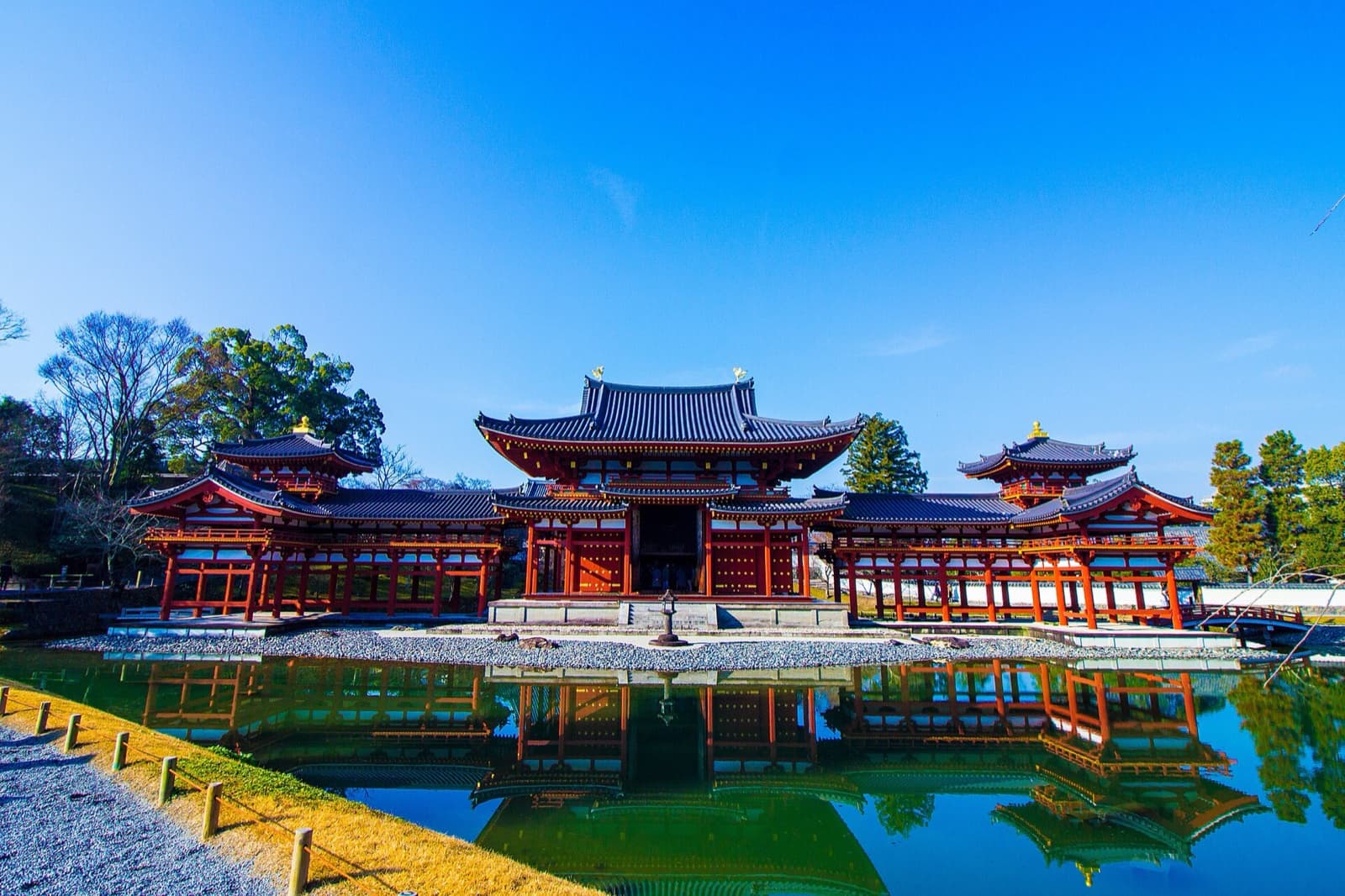
For another day from Kyoto, consider Uji for matcha, Byodoin and a riverside walk. Uji and Nara share the JR Nara Line, but giving each its own day leaves more time for temple visits and tea. If you combine them, keep the stops short and check the final admission times.
If you'd rather have the trains, hotels, and route planning handled for you — while still travelling independently — that's exactly what selfguidejapan.com does. Our self-guided Kansai itineraries build Nara into the route, so you can just show up and go. If that sounds useful, feel free to get in touch.
FAQ: Nara Day Trips
Is Nara worth a day trip from Kyoto?
Yes. It's about 45 minutes on the JR Nara Line or 35 minutes by Kintetsu Limited Express, and the main sights are all within walking distance of Kintetsu Nara Station. It's one of the easiest wins on any Kansai trip.
Should I visit Nara from Kyoto or Osaka?
Whichever city you're already staying in. Both have direct trains under an hour. Kyoto is slightly closer, but Osaka to Nara from Namba is just as convenient at ¥680 on the Kintetsu Nara Line.
How much is the train from Kyoto or Osaka to Nara?
From Kyoto: ¥720 on the JR Nara Line, or ¥760 on a regular Kintetsu express (¥1,280 with the limited express supplement). From Osaka: ¥840 on the Yamatoji Rapid from JR Osaka, ¥680 from Osaka-Namba on Kintetsu, and ¥580 from JR Namba.
Do I need to book train tickets in advance?
No, not for the JR Yamatoji Rapid, the regular Kintetsu express, or the Miyakoji Rapid. Reserved-seat Kintetsu Limited Express services can be booked online through the Kintetsu app if you want a guaranteed seat, but walk-up tickets are usually fine.
Can I use my Japan Rail Pass on Kintetsu?
No. The Japan Rail Pass covers JR West services only. For Kintetsu, you'd need to buy a ticket or use a separate Kintetsu Rail Pass — and even then, a limited express ticket costs ¥520 extra.
How long should I spend in Nara?
A day trip of 5–7 hours covers Todai-ji, Nara Park, and Kasuga Taisha comfortably. Stay overnight only if you want to see the temples at opening hour with almost no one else around.
Is the Iga Railway or another regional line worth adding?
The Iga Railway is further east in Mie Prefecture and isn't really relevant to a standard Nara day trip. Stick to the JR Nara Line or the Kintetsu line for a first visit.
Where do I catch the train back?
From whichever station you arrived at — Kintetsu Nara or JR Nara. Trains run frequently until late evening, so there's no need to rush the last hour of your day.
Nara, Built Into the Route Instead of Squeezed Around It
Hotels, train tickets and luggage transfers handled, an IC card waiting for you on arrival, and free days in Kyoto and Osaka for the trips in between. Tell us your dates and we'll build the Kansai leg around them.
Fares are 2026 adult one-way prices from JR West and Kintetsu Railway; journey times are timetabled rapid and limited-express times and vary by service. Admission and opening hours are Todai-ji's published figures. Last updated: September 1, 2026.