
Things to Do in Nagoya: The Castle, Atsuta Jingu, Nagoya Meshi and the Best Day Trips
Is Nagoya worth visiting? Nagoya's sights with this season's fees and hours — the castle and Hommaru Palace, Atsuta Jingu, Osu, the Tokugawa museum, Toyota and the rail museums — what to eat, the Ghibli theme park, Inuyama and the other day trips, and the routes that stay here.
Nagoya is one of Japan's largest cities and the capital of Aichi Prefecture, halfway between Tokyo and Kyoto on the Tokaido Shinkansen. Most travelers pass straight through. Those who stop find a samurai castle, one of Japan's most important shrines, a food culture all its own, and the best base for the Ghibli park, Inuyama and Ise. Visiting Nagoya is also easy on the budget: hotels are often cheaper than in Tokyo or Kyoto.
This guide covers the top attractions and the best things to see in Nagoya with this season's fees and hours — several change on 1 October 2026 — plus what to eat, the day trips, how to get around, and the self-guided routes that give travelers a night or two here.
Quick Answer: Things to Do in Nagoya
- How long: one full day for the city, two if you add the Ghibli site, Inuyama or the museums.
- Don't miss: Nagoya Castle's Hommaru Palace, Atsuta Jingu, the Osu shopping district, and Nagoya meshi — miso katsu, hitsumabushi and tebasaki.
- New prices: Nagoya Castle is ¥1,000 from 1 October 2026 (¥500 before); the castle's main keep is closed, but the palace is open.
- Getting in: about 1 hour 35–40 minutes from Tokyo and 35 minutes from Kyoto by Nozomi.
- On our routes: eight routes stay in Nagoya, from a night on the way to Ise-Shima to two nights with a theme-park day.
From Tokyo
~1 h 40 min
From Kyoto
~35 min
Castle
¥1,000 from Oct 1
Stay
1–2 nights
Is Nagoya Worth Visiting?
Yes — for a day or two. Nagoya is worth visiting if you like Japanese history, culture, food or museums, and it is an easy stop on a Japan trip: the Tokaido Shinkansen stops here on the way between Tokyo and Kyoto, so a night in Nagoya breaks the journey instead of lengthening it.
Who Nagoya Suits Best
Travelers interested in samurai history (the Owari branch of the Tokugawa family ruled from Nagoya), food lovers — Nagoya meshi is some of the most distinctive food in central Japan — families heading for the Ghibli site, LEGOLAND or the rail museum, and anyone going on to Ise, Takayama or Shirakawa-go.
How Long to Stay
A short visit of one full day covers the castle, Atsuta Jingu, Osu and a Nagoya meshi dinner. With two days, add Ghibli, Inuyama, the Toyota site or the Tokugawa collection. Nagoya offers far more than most visitors give it time for, and visiting Nagoya for two nights is a fantastic time for families.
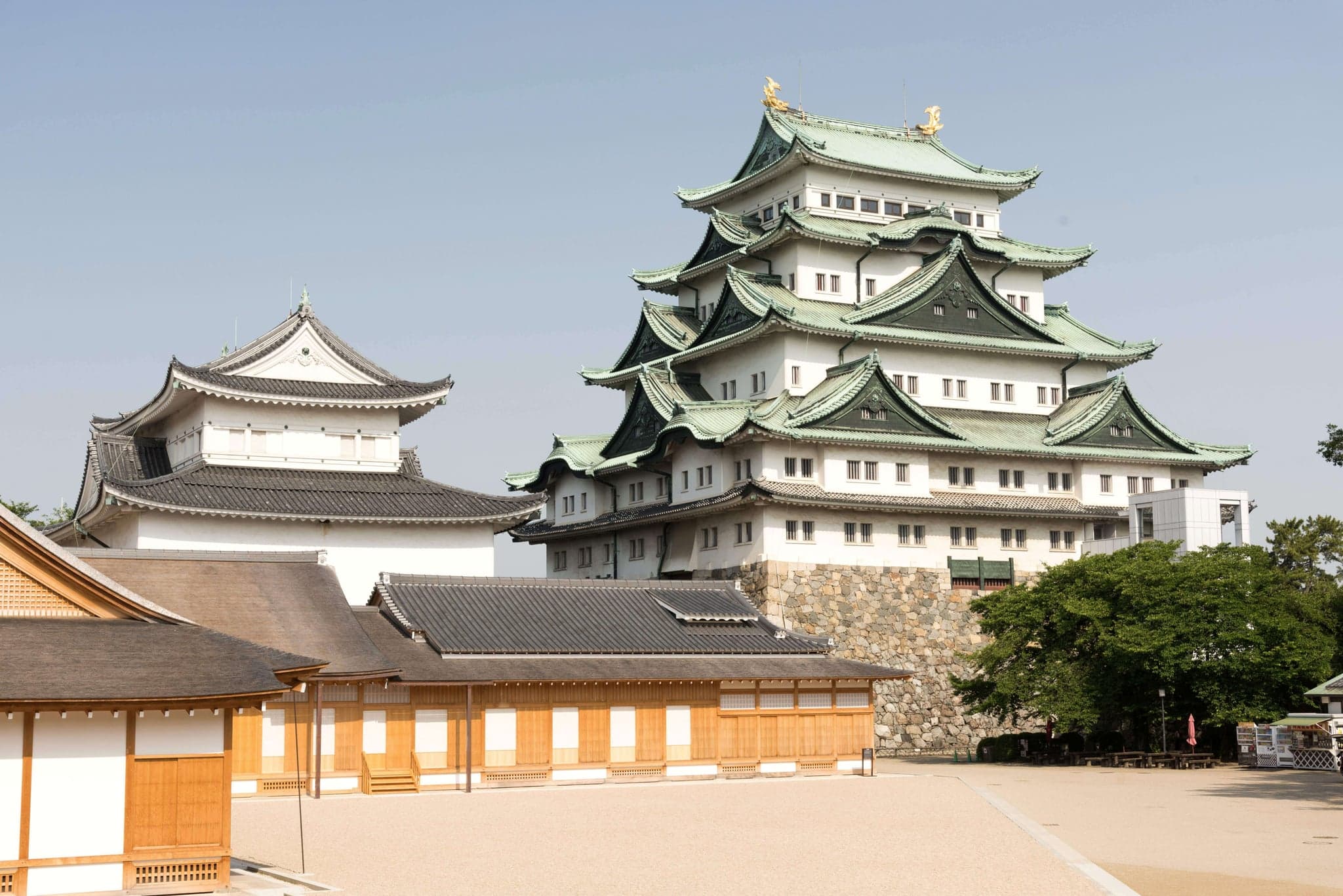
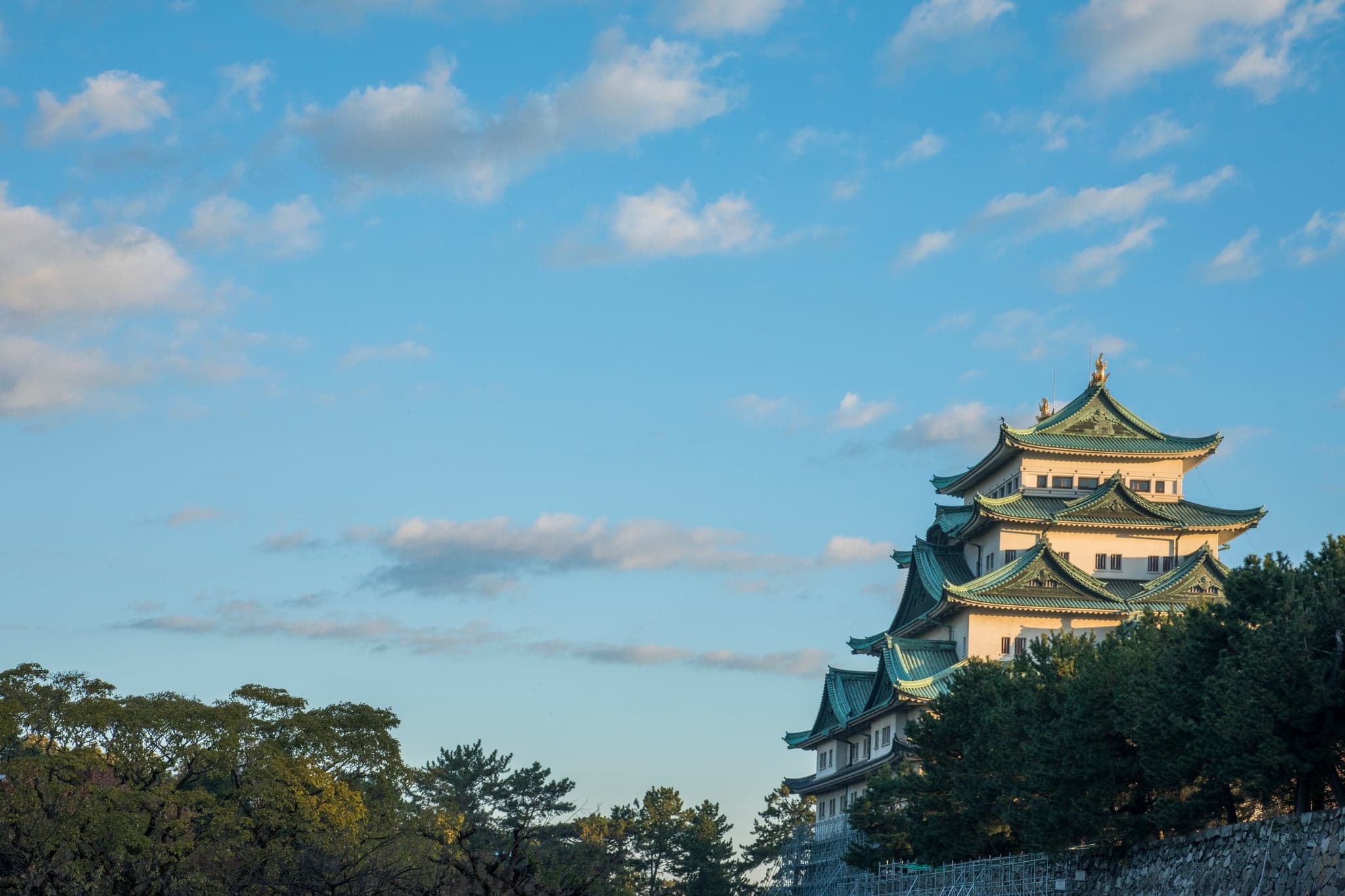
Nagoya Castle and the Hommaru Palace
Nagoya Castle is the symbol of the city and the first place to visit. Tokugawa Ieyasu ordered it built in 1609, and it was originally built from 1610, with the main and small keeps finished in 1612. The castle stood for more than three centuries, but the keep burned in the air raids of May 1945 (the castle was hit on 14 May), and the concrete keep you see today was rebuilt in 1959, with the famous golden shachihoko on the roof.
What's Open at Nagoya Castle — and What Isn't
The main castle tower is closed: the city shut it because of its low earthquake resistance, and there is no reopening date. A wooden rebuild is planned, but construction has not started. You can still explore the grounds, the stone walls, the gates and the historic buildings around them, and see the keep from outside.
Inside the Hommaru Palace
The real reason to go is the Hommaru Palace (also spelled Honmaru Palace), the lord's residence beside the keep. It was lost in 1945 and rebuilt; the restoration was completed in 2018. Inside, room after room of tatami rooms with painted sliding doors and gold leaf show how the Tokugawa lords lived — the best lesson in Japanese history in the city. Entry is included in the castle ticket at no extra cost.
Nagoya Castle Tickets, Hours and Timing
Admission rises to ¥1,000 from 1 October 2026 (¥500 before; free for junior high school age and under). A combined ticket with Tokugawa-en garden is ¥1,040. The castle is open 9:00–16:30, with last entry to the palace at 16:00, and closed 29 December – 1 January. Allow two hours, and ten minutes to walk from the gate to the palace.
Atsuta Jingu and Japan's Sacred Treasures
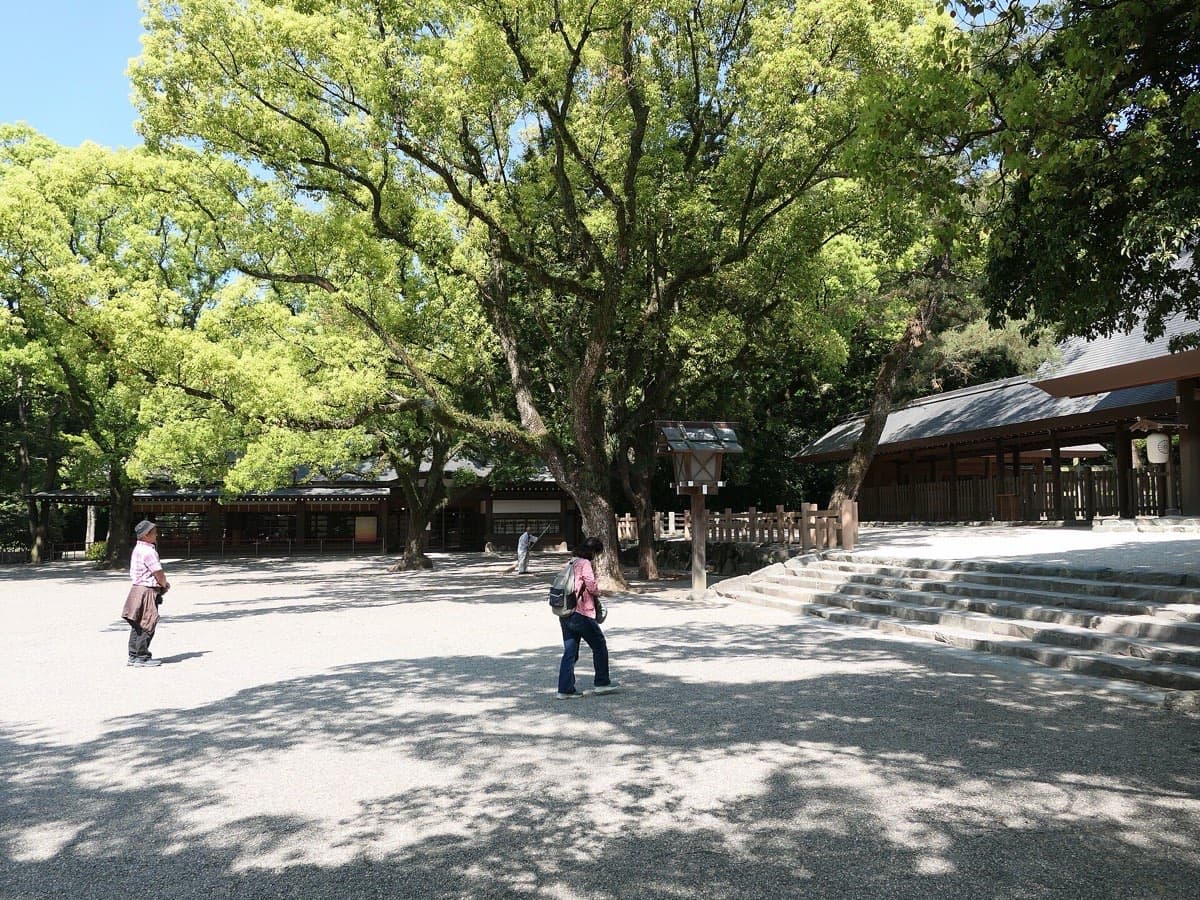
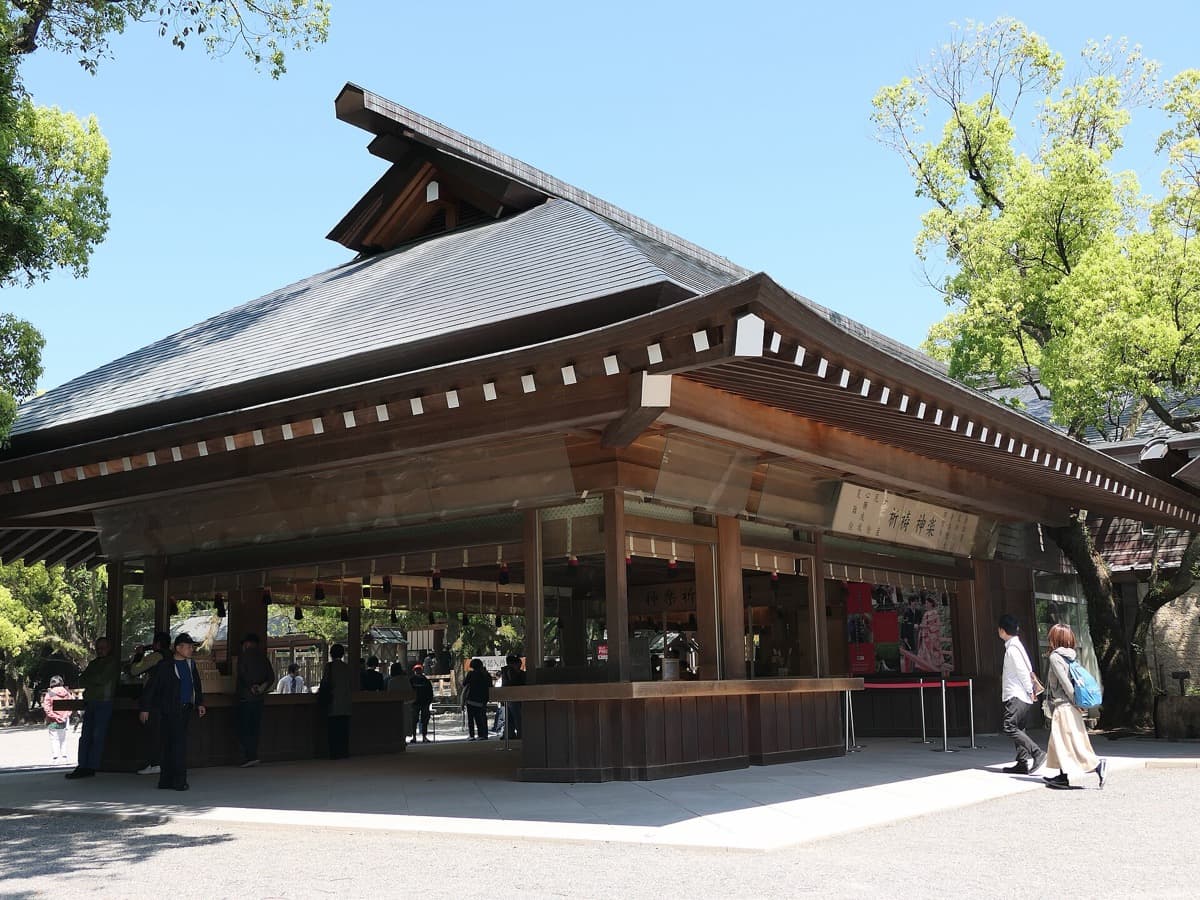
Atsuta Jingu, in the south of the city, is one of Japan's most important shrines and a must-visit for sightseeing: it enshrines the Kusanagi sword, one of the three sacred treasures of the imperial regalia (it is never shown). The grounds, a forest of camphor trees, are open 24 hours and free.
Two museums show the shrine's other sacred treasures and swords: the Treasure Hall and the Kusanagi-kan, ¥500 each or ¥800 together, 9:00–16:30. Atsuta Horaiken, one of the best-known hitsumabushi restaurants, is by the shrine — plan lunch here.
Central Nagoya: Sakae, Osu and the Tokugawa Legacy
Mirai Tower
In Sakae, the city's shopping and nightlife center, the Mirai Tower — the former Nagoya TV Tower — stands over the green lawns of Hisaya-odori, a modern park with shops, cafés and modern amenities. The observation deck is ¥1,300 in the daytime and gives city views across central Nagoya. Until 15 November 2026, a special event changes the hours and adds a night session (¥1,800), so check the day you go.
Osu Kannon and the Osu Shopping District
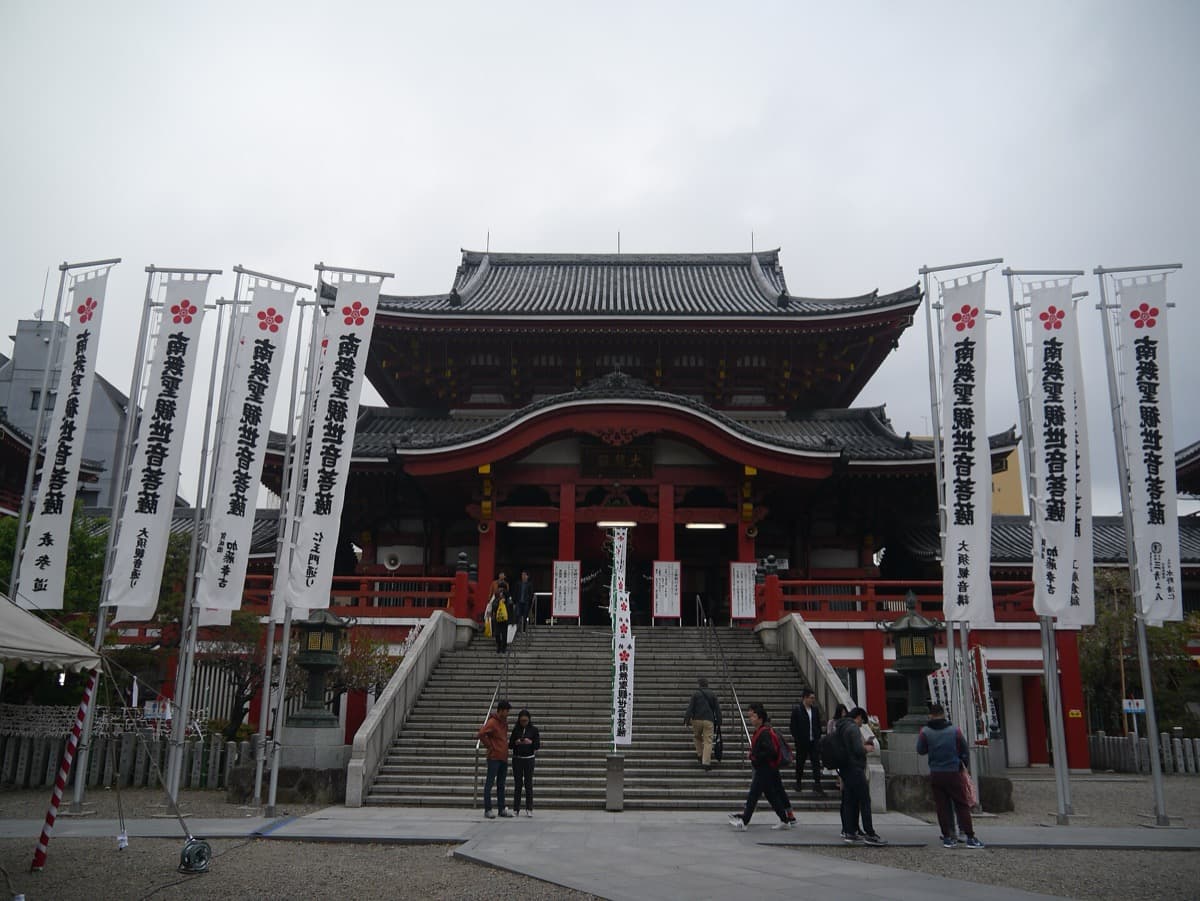
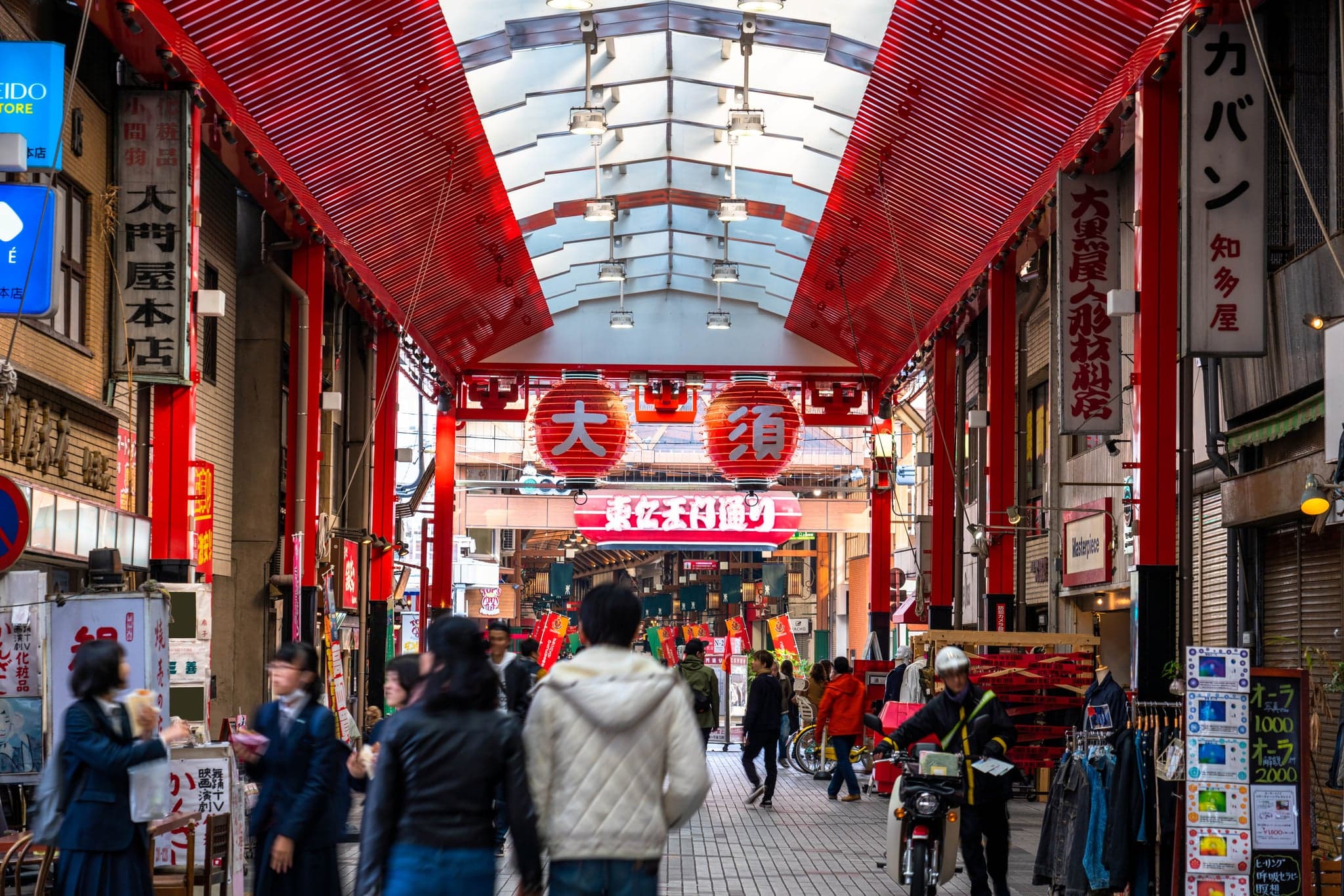
Osu Kannon is a big red Buddhist temple, free to enter (main hall 6:00–19:00), with an antique market on the 18th and 28th of every month. Behind the temple, the Osu shopping district is a web of covered arcades full of secondhand clothes, electronics, anime shops and cheap places to eat — the liveliest part of Nagoya city for a wander.
Street Food in Osu
Osu shopping is as much about eating, and it is a good place to explore on foot: fried chicken, taiyaki, dumplings and bubble tea from street food stands. Go in the afternoon and eat as you walk the arcades.
Tokugawa Art Museum and Tokugawa-en
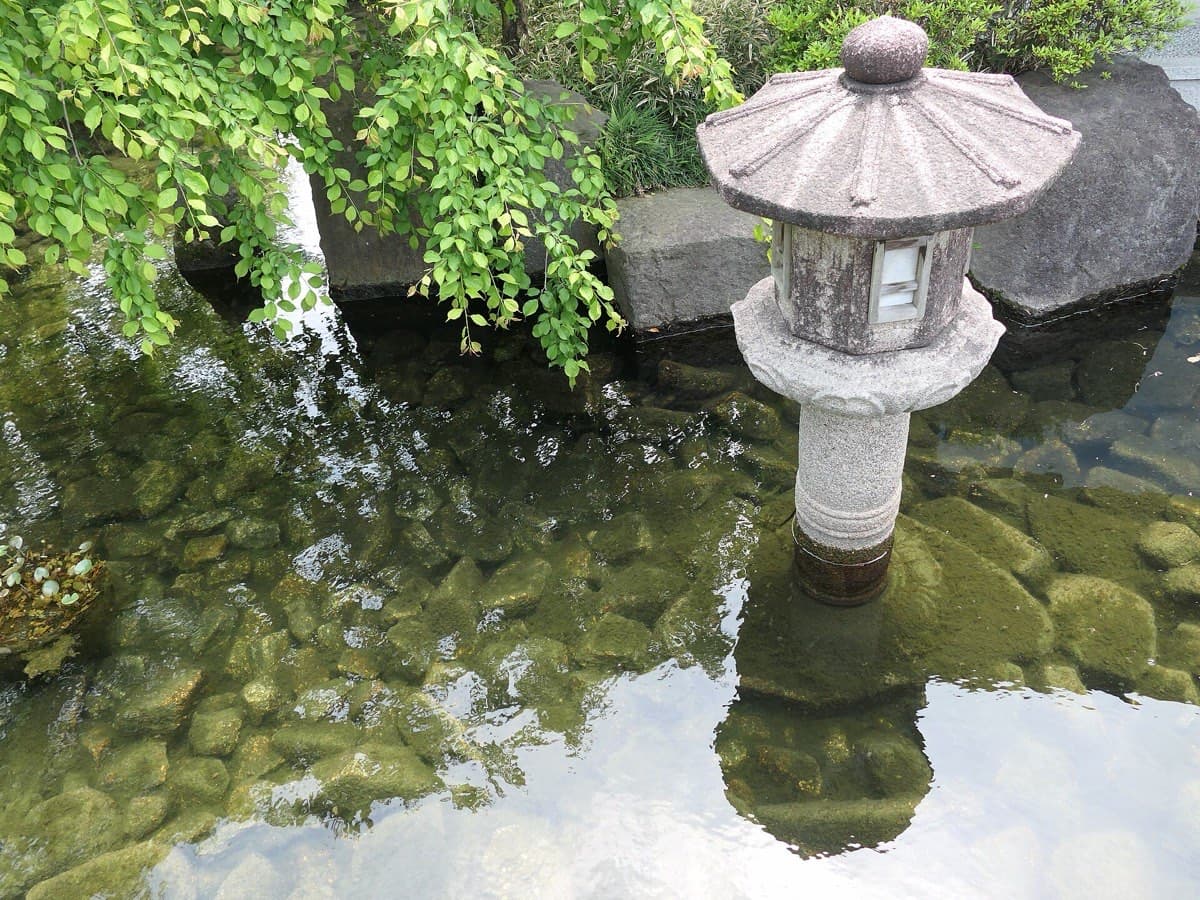
The Tokugawa Art Museum holds the treasures of the Owari Tokugawa lords — armor, swords, tea utensils and scrolls. It is ¥2,000 during special exhibitions (¥1,600 for the permanent collection alone), open 10:00–17:00, closed Mondays, and closed from 14 December 2026 to 4 January 2027. Next door, Tokugawa-en is a stroll garden with a pond and waterfall, ¥300.
Nagoya's Museums: Industry, Science and Art
Toyota Commemorative Museum of Industry and Technology
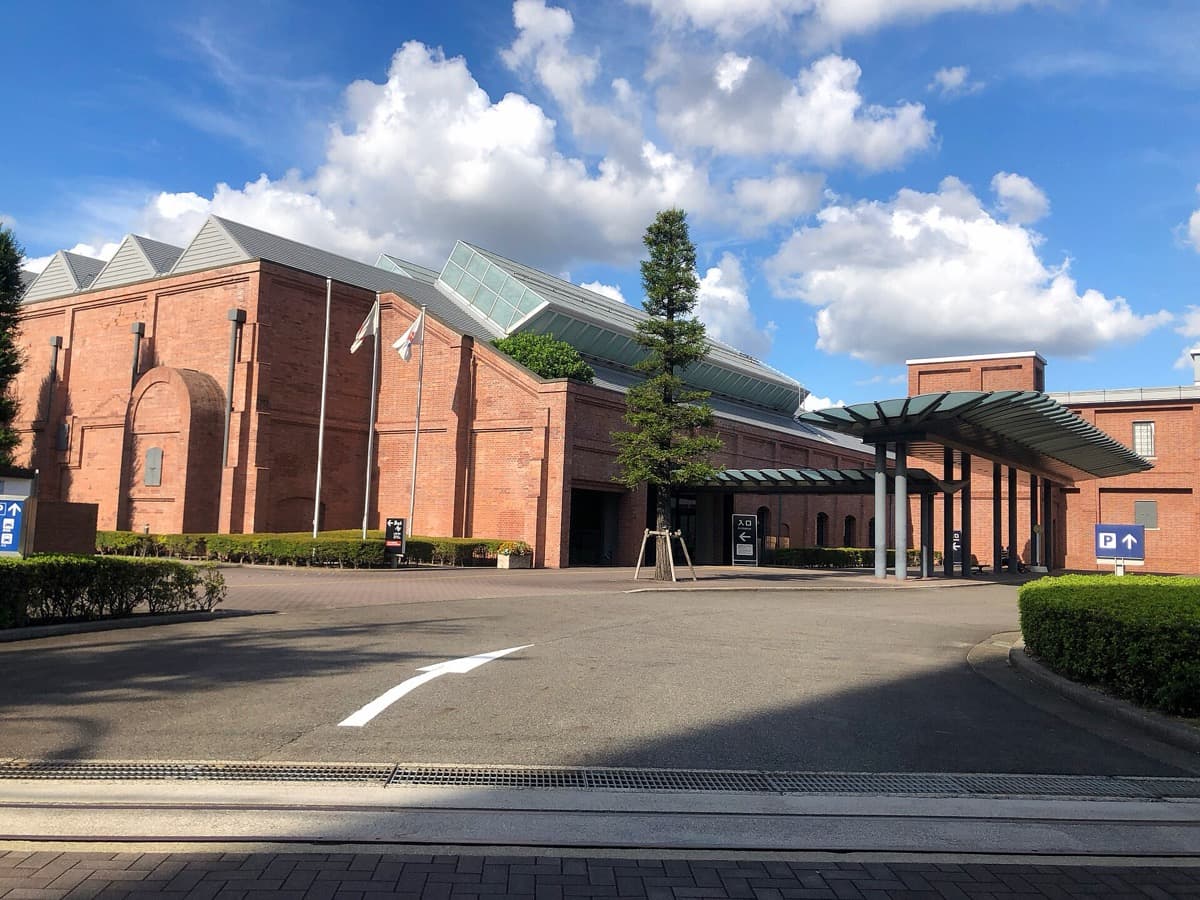
The Toyota Commemorative Museum of Industry and Technology, in the red-brick weaving mill where the Toyota group began, tells the story from automatic looms to cars, with working machines. It is ¥1,000, open 9:30–17:00, closed Mondays, and three minutes from Sako Station on the Meitetsu line — or five minutes by taxi from Nagoya Station. Even visitors with no interest in cars tend to enjoy it — the demonstrations of the working machines are the highlight.
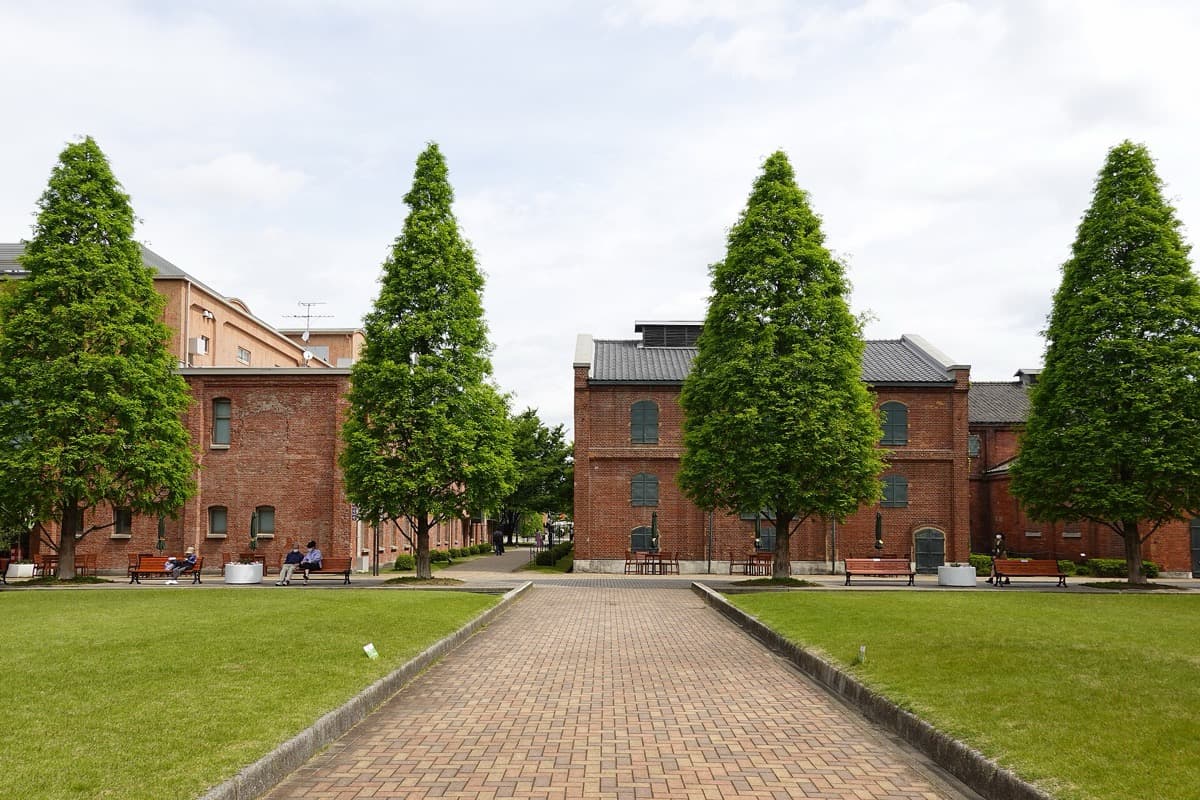
Noritake Garden
Next to it, Noritake Garden is the old factory site of the porcelain maker, with red-brick buildings, lawns and kiln chimneys. The garden is free; the Craft Center, where you can watch painters at work, is ¥500 (10:00–17:00, closed Mondays).
Nagoya City Science Museum
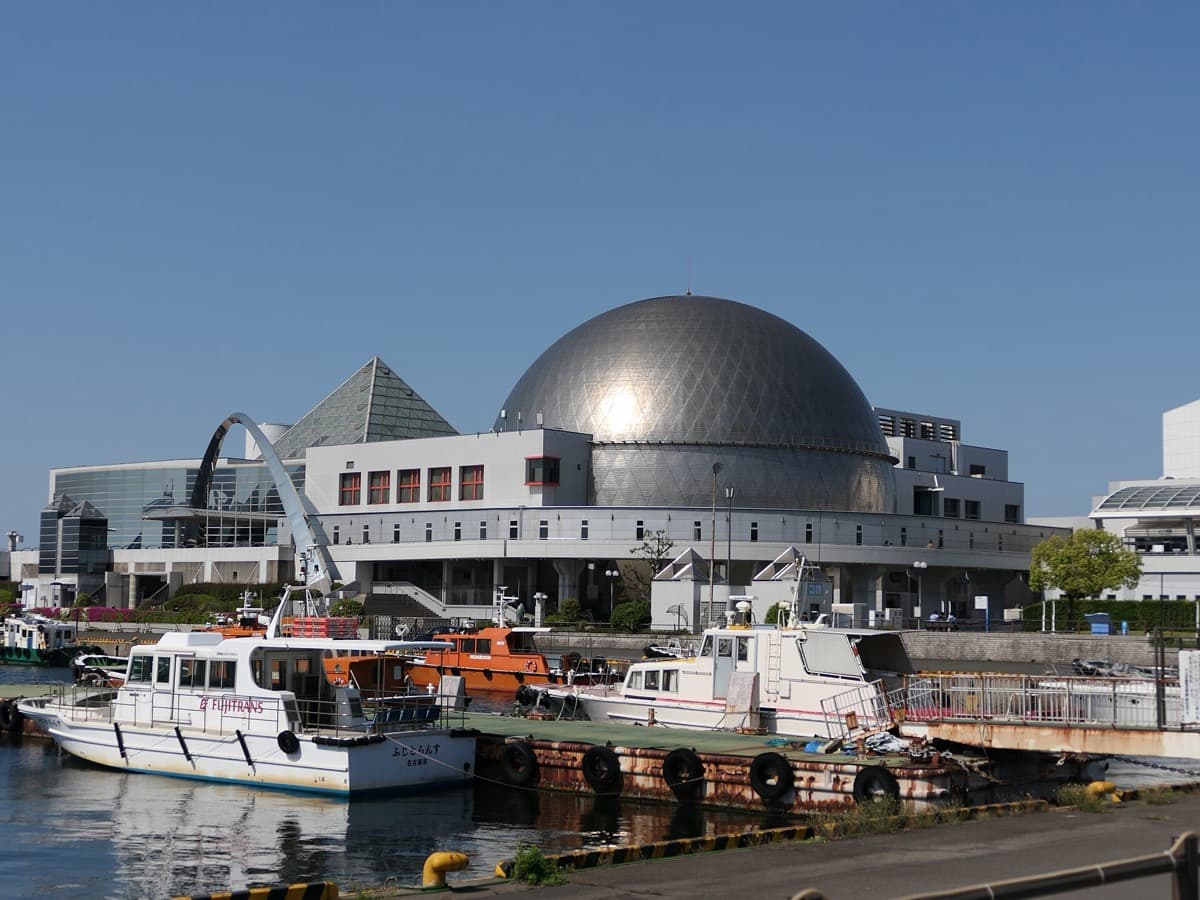
The Nagoya City Science Museum, renamed the FUJI Nagoya Science Museum, is known for its planetarium: a 35-meter dome, one of the world's largest. From 1 October 2026 entry with the planetarium is ¥1,000 (exhibits only ¥500); it is open 9:30–17:00 and closed Mondays and the third Friday of the month. Planetarium shows can sell out on weekends, so buy your slot when you arrive.
Nagoya Meshi: What to Eat in Nagoya
Nagoya meshi — Nagoya food — is famous across Japan for strong, sweet flavors, much of it built on dark red miso, and Japanese visitors come to Nagoya just to eat it. These are the dishes Nagoya is famous for, and eating them is one of the best things to do in Nagoya:
Miso Katsu, Hitsumabushi and Tebasaki
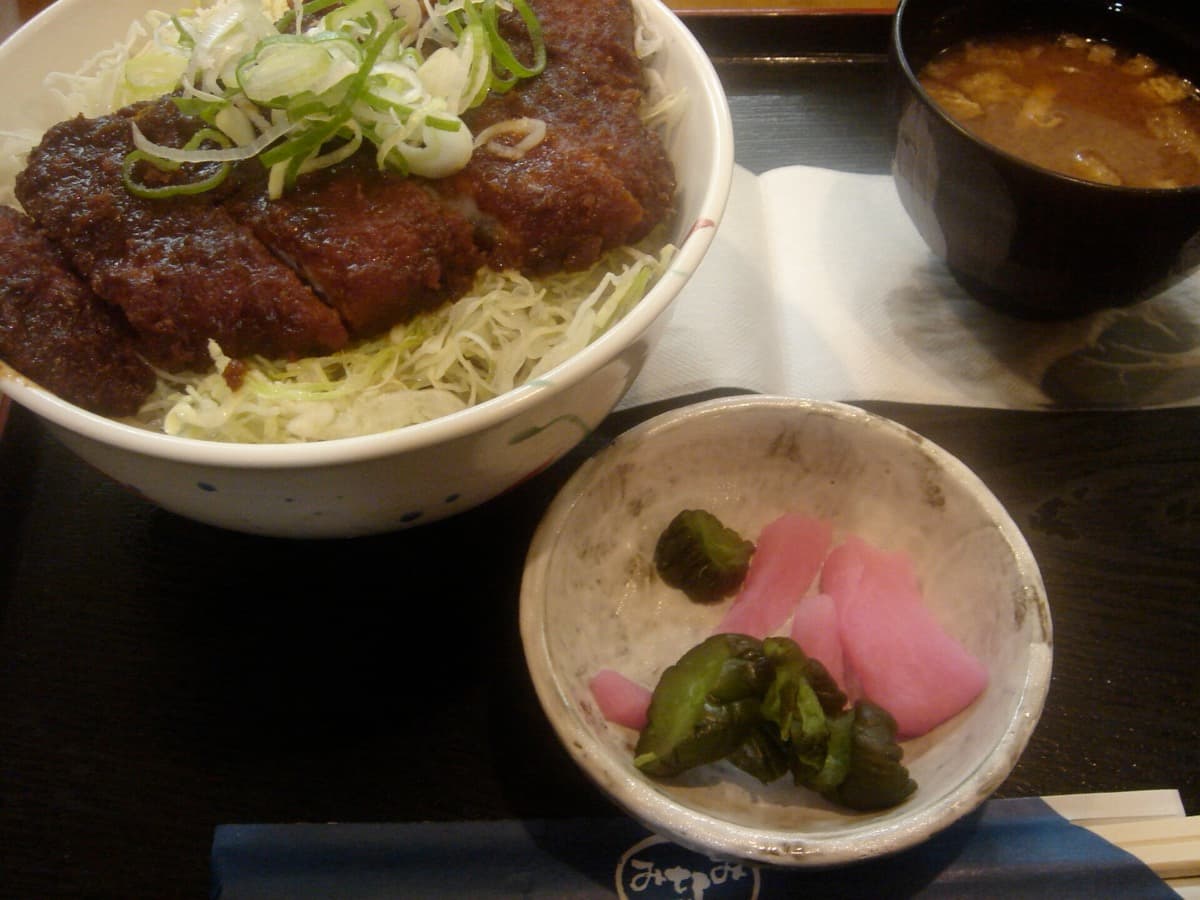
- Miso katsu — a pork cutlet with a sweet sauce made from red bean miso.
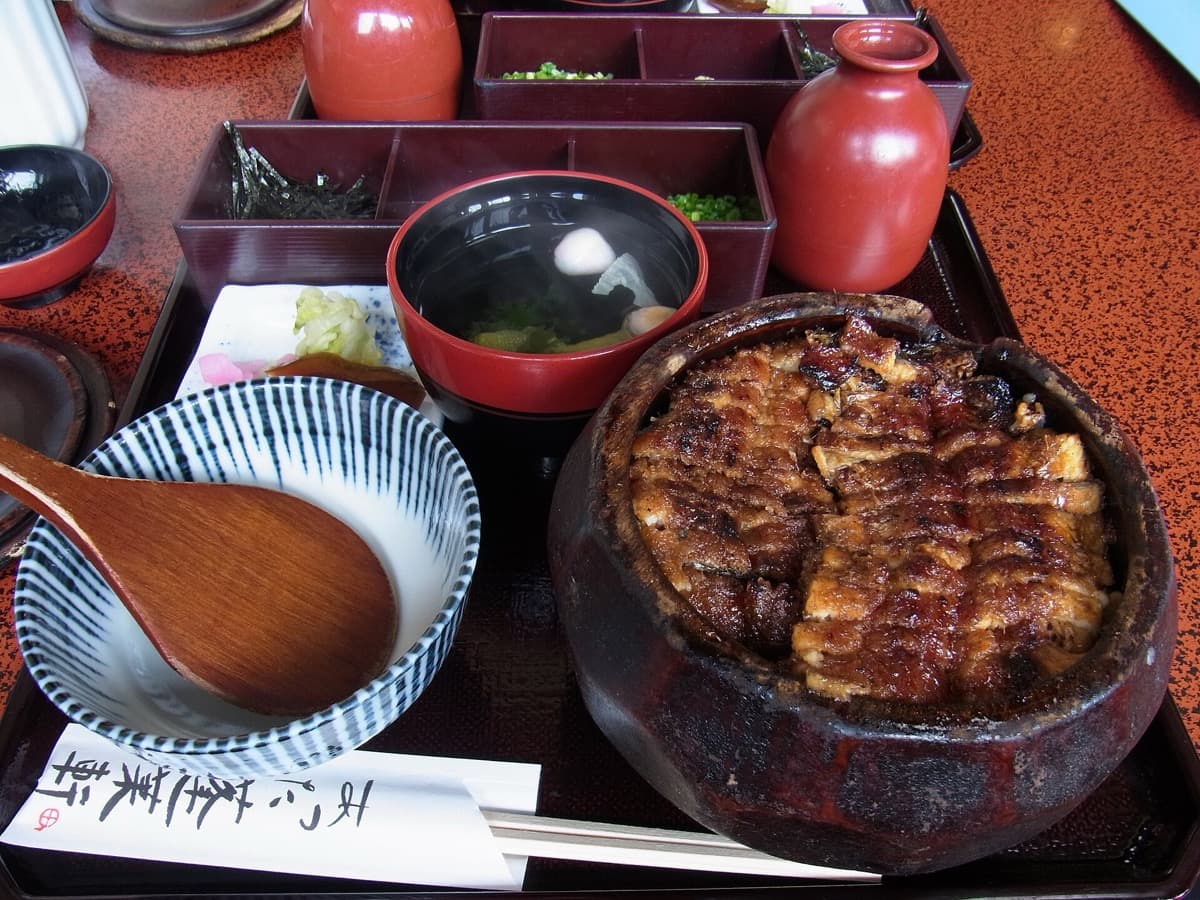
- Hitsumabushi — grilled eel over rice, eaten three ways: as it is, with condiments, and with broth poured over. The Nagoya dining experience worth splurging on.
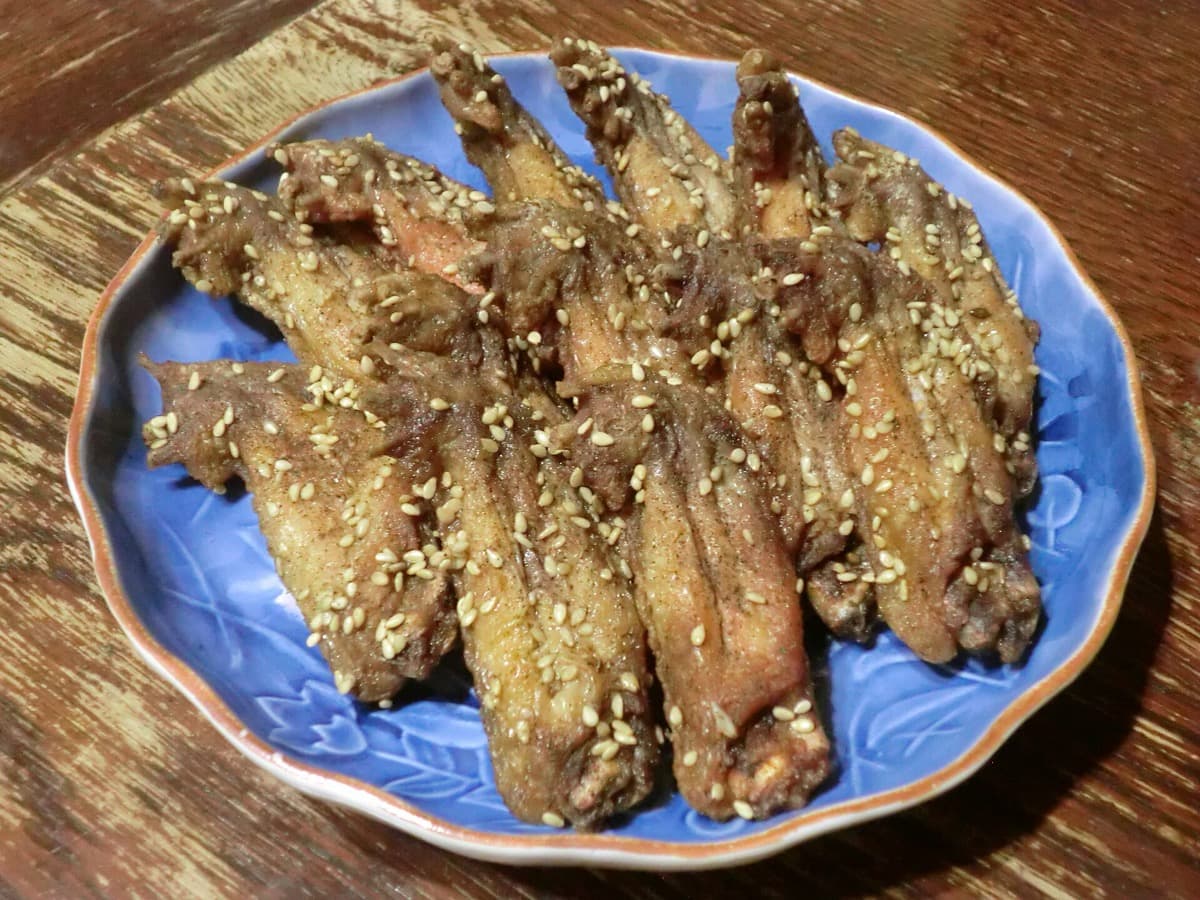
- Tebasaki — peppery fried chicken wings, the classic with beer.
Taiwan Ramen and Kishimen
Taiwan ramen, despite the name, is a Nagoya original: a very spicy take on Taiwanese noodles, first made at Misen in Imaike. Kishimen are flat udon noodles in a light broth, sold at stands on the platforms of Nagoya Station.
Morning Service: Nagoya's Breakfast Deal
In Nagoya's coffee shops, order a drink in the morning and toast and a boiled egg come free — the famous morning service. It is a very good-value breakfast and a good reason to skip the hotel breakfast for a day.
Ghibli Park: Is It Worth the Trip From Nagoya?
Ghibli Park, in Aichi Prefecture's Expo 2005 grounds east of the city, is the reason many Studio Ghibli fans visit. It is a collection of recreated buildings and scenes from the films rather than a ride-based theme park, so come for the details, not the thrills.
The Five Areas
There are five areas: Ghibli's Grand Warehouse (the big indoor hall), Hill of Youth, Dondoko Forest (with Satsuki and Mei's House), Mononoke Village and the Valley of Witches (with Howl's Castle). Since July 2026 the Standard pass no longer includes Hill of Youth or Dondoko Forest.
Tickets and Getting There
| Ticket | Adult price | Areas |
|---|---|---|
| O-Sanpo Day Pass Premium | ¥7,300 weekdays / ¥7,800 weekends | All five areas and the buildings inside |
| O-Sanpo Day Pass Standard | ¥3,300 / ¥3,800 | Ghibli's Grand Warehouse, Mononoke Village, Valley of Witches |
Tickets are sold only in advance, from 14:00 JST on the 10th of the month two months before — December 2026 tickets go on sale on 10 October — and not at the gate; buyers overseas use Lawson Ticket or Klook. It is closed on Tuesdays. Take the subway and the Linimo line to Ai·Chikyuhaku-kinen-koen station, right outside: about 50 minutes and ¥710 from Nagoya Station.
Trains, Theme Parks and the Aquarium: Family Days Out in Nagoya
SCMAGLEV and Railway Park
JR Central's SCMAGLEV and Railway Park at Kinjo-futo shows trains from steam to the maglev, with Tokaido Shinkansen cars you can board and a large model railway. It is ¥1,200, open 10:00–17:30 and closed Tuesdays; take the Aonami Line from Nagoya Station, 24 minutes and ¥360.
LEGOLAND Japan and Nagashima Spa Land
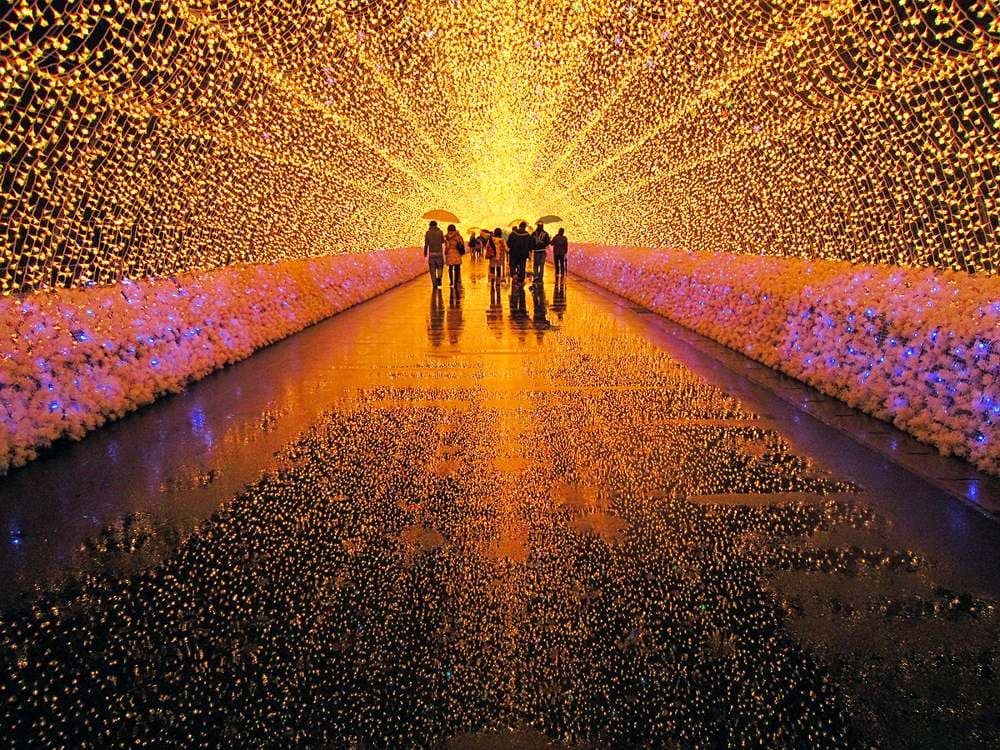
LEGOLAND Japan is also at Kinjo-futo; one-day tickets are ¥4,900–7,100 for adults bought in advance, depending on the date, and ¥500 more at the gate. For roller coasters, Nagashima Spa Land is across the border in Mie — and in the evening, the lights of Nabana no Sato are 35 minutes by bus from Nagoya Station.
Port of Nagoya Public Aquarium
The Port of Nagoya Public Aquarium, by the harbor, has orcas, belugas and dolphins; it is ¥2,030, open 9:30–17:30 (to 17:00 from December to mid-March) and closed Mondays outside the holidays.
Best Day Trips From Nagoya
Inuyama Castle
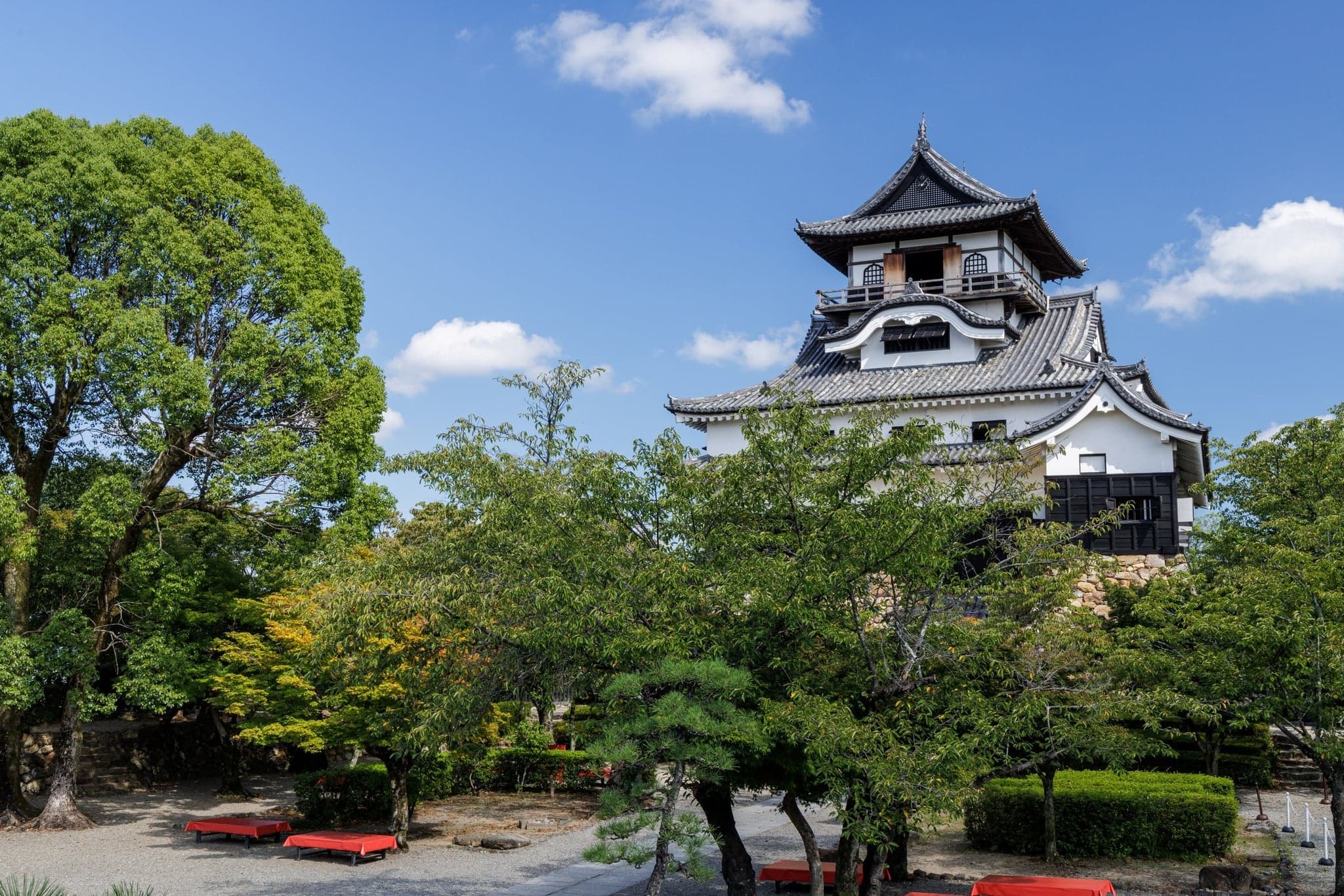
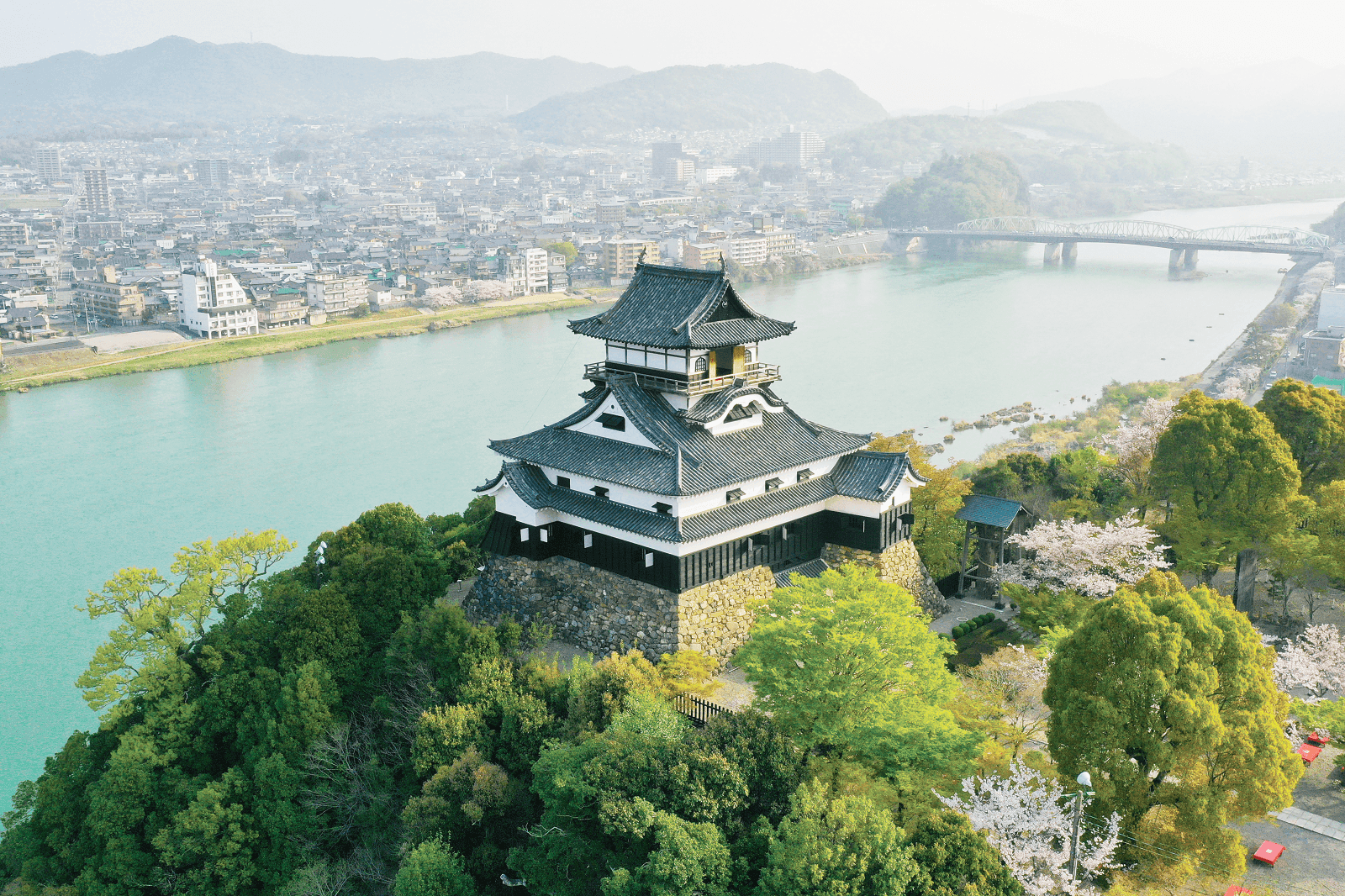
Inuyama Castle is one of Japan's original castles, with a keep that has stood since the Edo period, on a bluff above the Kiso River. It is an easy half-day trip, about 25 minutes from Meitetsu Nagoya by limited express; admission has been ¥1,000 since March 2026 (9:00–17:00). Walk the old castle town below it for lunch.
Ise Jingu
Japan's most sacred shrine is a day trip from Nagoya on the Kintetsu line, and a night in Ise-Shima is better still. See our Ise Grand Shrine guide.
Takayama and Shirakawa-go
A direct highway bus runs from the Meitetsu Bus Center to Shirakawa-go in 2 hours 42 minutes (¥3,600–4,700 one way, reservation required). It is a long day trip; most people stay a night in Takayama or Shirakawa-go instead — see our Shirakawa-go guide.
Nagoya Fees and Opening Hours
Several prices change on 1 October 2026, and older guides still quote the old ones — the rail museum at ¥1,000, Inuyama at ¥550. These are the current figures for the attractions most visitors see:
| Sight | Adult fee | Hours |
|---|---|---|
| Nagoya Castle (incl. Hommaru Palace) | ¥1,000 from 1 Oct 2026 (¥500 before) | 9:00–16:30; closed Dec 29–Jan 1 |
| Atsuta Jingu | Free; Treasure Hall + Kusanagi-kan ¥800 | Grounds open 24 hours |
| Osu Kannon | Free | Main hall 6:00–19:00 |
| Tokugawa Art Museum | ¥2,000 (¥1,600 permanent collection only) | 10:00–17:00; closed Mondays |
| Tokugawa-en garden | ¥300 | 9:30–17:30; closed Mondays |
| Toyota Commemorative Museum of Industry and Technology | ¥1,000 | 9:30–17:00; closed Mondays |
| Noritake Garden | Free (Craft Center ¥500) | 10:00–17:00; closed Mondays |
| Mirai Tower (former Nagoya TV Tower) | ¥1,300 daytime | Usually 10:00–21:00 |
| FUJI Nagoya Science Museum | ¥1,000 with planetarium from 1 Oct (¥800 before) | 9:30–17:00; closed Mondays |
| SCMAGLEV and Railway Park | ¥1,200 | 10:00–17:30; closed Tuesdays |
| Port of Nagoya Public Aquarium | ¥2,030 | 9:30–17:30 (to 17:00 in winter); closed Mondays |
Getting to Nagoya and Getting Around Nagoya City
Nagoya Station is the hub: the Tokaido Shinkansen, JR, Meitetsu and Kintetsu lines and the Meitetsu Bus Center all meet here, which gives easy access to everything in central Japan. Inside the city, the subway and the Me~guru loop bus cover the sights.
| Journey or pass | Time | Fare |
|---|---|---|
| Tokyo → Nagoya (Nozomi, Tokaido Shinkansen) | About 1 h 35–40 min | ¥10,560 unreserved |
| Kyoto → Nagoya (Nozomi) | About 35 min | ¥5,170 unreserved |
| Centrair airport → Meitetsu Nagoya (μSKY) | 28 min | ¥1,430 |
| Nagoya → Kinjo-futo (Aonami Line) | 24 min | ¥360 |
| Subway 24-hour pass | 24 hours | ¥760 |
| Donichi Eco ticket (weekends, holidays, the 8th) | All day, subway and bus | ¥620 |
| Me~guru sightseeing bus | Tue–Sun | ¥210 a ride; ¥500 day ticket |
Where to Stay: Nagoya Station or Sakae?
Choose a hotel near Nagoya Station if you arrive and leave by Shinkansen or take day trips — every line starts here. Choose a hotel in Sakae for restaurants, shopping and nightlife; some of the bigger hotels there have a swimming pool and gym. Nagoya has no accommodation tax as of September 2026.
Sample Nagoya Itineraries
One Day in Nagoya
- Morning: Nagoya Castle and the Hommaru Palace.
- Lunch: hitsumabushi near Atsuta Jingu, then the shrine.
- Afternoon: Osu Kannon and the Osu shopping arcades.
- Evening: Mirai Tower at dusk, then miso katsu or tebasaki in Sakae.
Two Days in Nagoya
Add Ghibli (book two months ahead), or the Toyota site and Noritake Garden in the morning and Inuyama in the afternoon. With children, swap in the rail museum or LEGOLAND.
Fitting Nagoya Into a Tokyo–Kyoto–Osaka Trip
Break the Tokyo–Kyoto journey: take a morning Shinkansen from Tokyo, send your large luggage ahead to the next hotel, see the castle and Atsuta in the afternoon, and go on to Kyoto the next day — or to Ise-Shima. See our Tokyo to Kyoto guide for the train.
Self-Guided Routes With Nagoya Nights
Eight of our routes stay in Nagoya. These six cover the range. Prices are per person and move with season and room type; entrance fees are paid on the spot.
| Route | Length | From (per person) | Nagoya |
|---|---|---|---|
| Tokyo Bay, Creative Parks & Osaka Thrills (TP004) | 9 days | $2,200–3,500 | Two nights in Nagoya with a theme-park day, then Osaka. |
| Family Holidays: Tokyo Bay, Creative Parks & Osaka Thrills (FG004) | 9 days | $2,000–3,500 | The family version, two nights in Nagoya. |
| Hidden Gems of Japan: Ise-Shima Escape (GR001) | 12 days | $3,300–4,400 | A night in Nagoya between Tokyo and Ise-Shima. |
| SOLO Hidden Gems of Japan: Ise-Shima Escape (SL001) | 12 days | $3,700–4,400 | The solo version of GR001. |
| Taste Your Way through Japan (GR008) | 16 days | $4,400–6,100 | A night in Nagoya on the way to Ise-Shima, Kyoto and Kyushu. |
| Gourmet Rail Journey: Restaurant Train & Regional Flavors (EX005) | 9 days | $3,700–4,400 | A night in Nagoya and a day for Nagoya or Inuyama. |
From our Japan travel team
Most people give Nagoya one night, and for many trips that is right: arrive by Shinkansen in the morning with your big bags sent ahead, see the castle and Atsuta Jingu, eat well, and move on. Families usually want two — one day for the city and one for the rail museum or a theme park. Tell us who is traveling and we will suggest how many nights to give it.
Common Mistakes When Visiting Nagoya
- Expecting to climb the castle keep. It is closed; the Hommaru Palace is the highlight.
- Turning up at Ghibli without a ticket. There are no sales at the gate.
- Planning your visit for a Monday. Many museums — Tokugawa, Toyota, the Science Museum and the aquarium — close on Mondays, and the rail museum and Ghibli on Tuesdays.
- Trusting old price lists. The castle and Science Museum go up on 1 October 2026, and Inuyama and Railway Park already have.
- Only eating at the station. Go to Osu or Sakae for Nagoya meshi.
FAQ: Things to Do in Nagoya
Is Nagoya worth visiting?
Yes, for a day or two. It has Nagoya Castle's Hommaru Palace, Atsuta Jingu, the Tokugawa and Toyota collections, some of Japan's most distinctive food, and it is the base for Ghibli, Inuyama and Ise. It sits on the Shinkansen between Tokyo and Kyoto.
What is Nagoya famous for?
Nagoya Castle and its golden shachihoko, Atsuta Jingu, Toyota, and Nagoya meshi — miso katsu, hitsumabushi, tebasaki, kishimen and the morning service breakfast.
Can you go inside Nagoya Castle?
You can visit the grounds and the Hommaru Palace, but the main keep is closed for earthquake safety, with no reopening date. Admission is ¥1,000 from 1 October 2026 (¥500 before), open 9:00–16:30.
How many days do you need in Nagoya?
One full day covers the castle, Atsuta Jingu, Osu and a Nagoya meshi dinner. Two days let you visit Ghibli, Inuyama or the museums as well.
How do you get to Ghibli Park from Nagoya?
By subway and the Linimo line to Ai·Chikyuhaku-kinen-koen station, right outside the park — about 50 minutes and ¥710. Tickets must be bought in advance, from the 10th of the month two months before; the park is closed on Tuesdays.
Which of your routes stay in Nagoya?
Eight. TP004 and the family version FG004 give you two nights with a theme-park day; GR001, SL001, GR008 and their Deluxe versions stop for a night on the way to Ise-Shima; and EX005 includes a day for Nagoya or Inuyama.
Fees, hours, fares and ticket rules were checked on 28 September 2026 against each attraction's own site, the City of Nagoya, the Nagoya Castle office, the Ghibli park operator, JR Central, Meitetsu and the Nagoya City Transportation Bureau. Routes and prices are from our catalogue on the same date.
A Night in Nagoya, Arranged
Our self-guided routes through Nagoya give you the Shinkansen tickets, the hotel near Nagoya Station and your luggage sent ahead — with our team in Japan on call throughout.
Related Articles
Nabana no Sato Illumination 2026–27: Dates, Tickets and Getting There From Nagoya
9 min read
Ise Grand Shrine (Ise Jingu) Guide: Geku and Naiku, Hours, Etiquette and How to Get There
15 min read
Takayama, Japan: The Hida Old Town, Its Morning Markets, and How to Fit It Into a Trip
11 min read