
Things to Do in Hokkaido: Region by Region, Season by Season
The best things to do in Hokkaido — Sapporo, Otaru, Hakodate, Asahiyama Zoo, Biei and Furano, Noboribetsu and Lake Toya, Niseko, and the drift ice and cranes of the east — with train times and fares from Sapporo, winter dates for 2026–27, and how to build a Hokkaido itinerary.
Hokkaido is the northernmost of Japan's four main islands and covers about a fifth of the country's land — a big, beautiful island, so plan around its size before anything else. The best things to do in Hokkaido are spread out: food and the Snow Festival in Sapporo, a canal walk in Otaru, the night view in Hakodate, the Blue Pond near Biei, hot springs at Noboribetsu and Lake Toya, powder snow in Niseko, and drift ice and cranes in the east.
You won't fit all of that into one trip — nobody does. On a first time visit, pick two or three regions and match them to the season (most of what makes Hokkaido special is nature, so when you go matters as much as where), then build your Hokkaido itinerary around train lines and bus timetables rather than a wish list. Below is what each region is like, how long it takes to get there from Sapporo, what it costs and the 2026–27 winter dates, checked on each official site on October 7, 2026.
Quick Answer: Things to Do in Hokkaido
- First trip: Sapporo and Otaru (32 minutes apart), plus Noboribetsu or Lake Toya for a hot-spring night.
- Winter highlights: the Sapporo Snow Festival (February 4–11, 2027), Otaru's Snow Light Path (February 6–13), Asahiyama Zoo's penguin walk, skiing in Niseko and Furano, and the drift-ice icebreaker at Abashiri (January 20 to March 31).
- Summer highlights: lavender around Furano (best in early to mid-July), the Blue Pond, Shiretoko and Lake Akan.
- Getting around: JR from Sapporo — Asahikawa 1 hr 25 min, Hakodate from 3 hr 44 min. All limited express seats are now reserved.
- How long: five to seven days for Sapporo, Otaru and one more region.
Snow Festival
Feb 4–11, 2027
Asahiyama Zoo
¥1,000
Drift-ice ship
¥7,000 · Jan 20–Mar 31
Rail Pass
5 days ¥22,000
How Far Things Are: Trains From Sapporo
Most trips start at New Chitose Airport, about 1.5 hours by air from Tokyo; the JR train into Sapporo takes from 33 minutes (¥1,230). From Sapporo, JR Hokkaido's limited expresses fan out across the island — and every limited express seat is now reserved, so get a seat ticket before you board. Adult fares with a reserved seat:
| From Sapporo to | Time | Fare | Train |
|---|---|---|---|
| Otaru | from 32 min | ¥800 (¥1,800 with a u-seat) | Rapid Airport or local train |
| Noboribetsu | from 1 hr 13 min | ¥4,890 | Limited express Hokuto or Suzuran, then bus to the onsen |
| Asahikawa | 1 hr 25 min | ¥5,440 | Limited express Kamui or Lilac, hourly |
| Toya (Lake Toya) | 1 hr 53 min | ¥6,690 | Limited express Hokuto, then bus to Toyako Onsen |
| Furano | from 1 hr 58 min | ¥4,760 | Via Takikawa |
| Kutchan (Niseko area) | from 2 hr 7 min | ¥2,240 | Local trains, changing at Otaru |
| Hakodate | from 3 hr 44 min | ¥9,770 | Limited express Hokuto |
| Kushiro | about 4 hr | ¥10,320 | Limited express Ozora |
| Abashiri | 5 hr 25 min | ¥10,870 | Direct limited express Okhotsk (one a day) |
From JR Hokkaido's route search for a weekday in December 2026; reserved-seat charges can vary by date.
Sapporo and Otaru: Where Most Trips Start
Sapporo
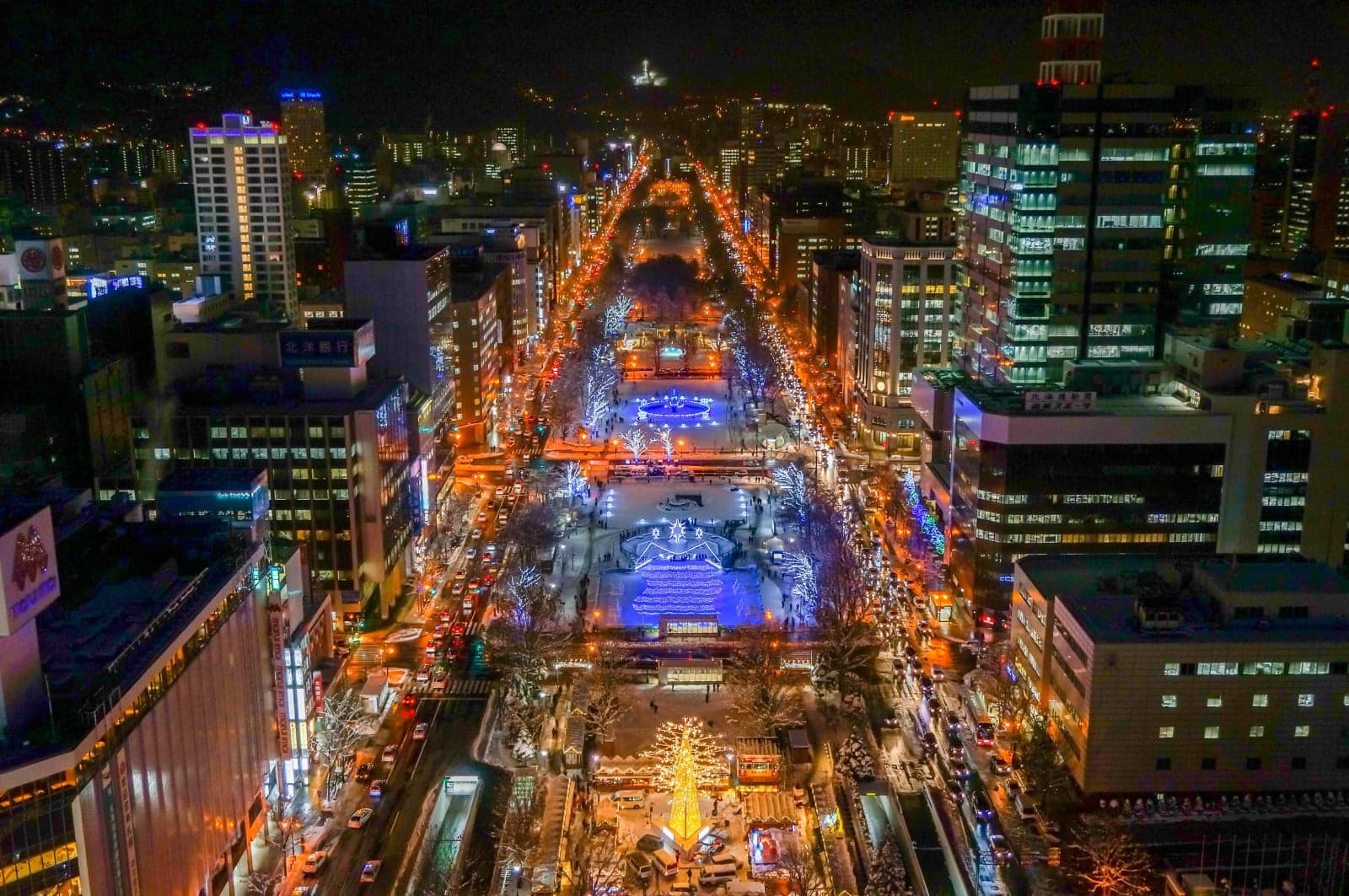
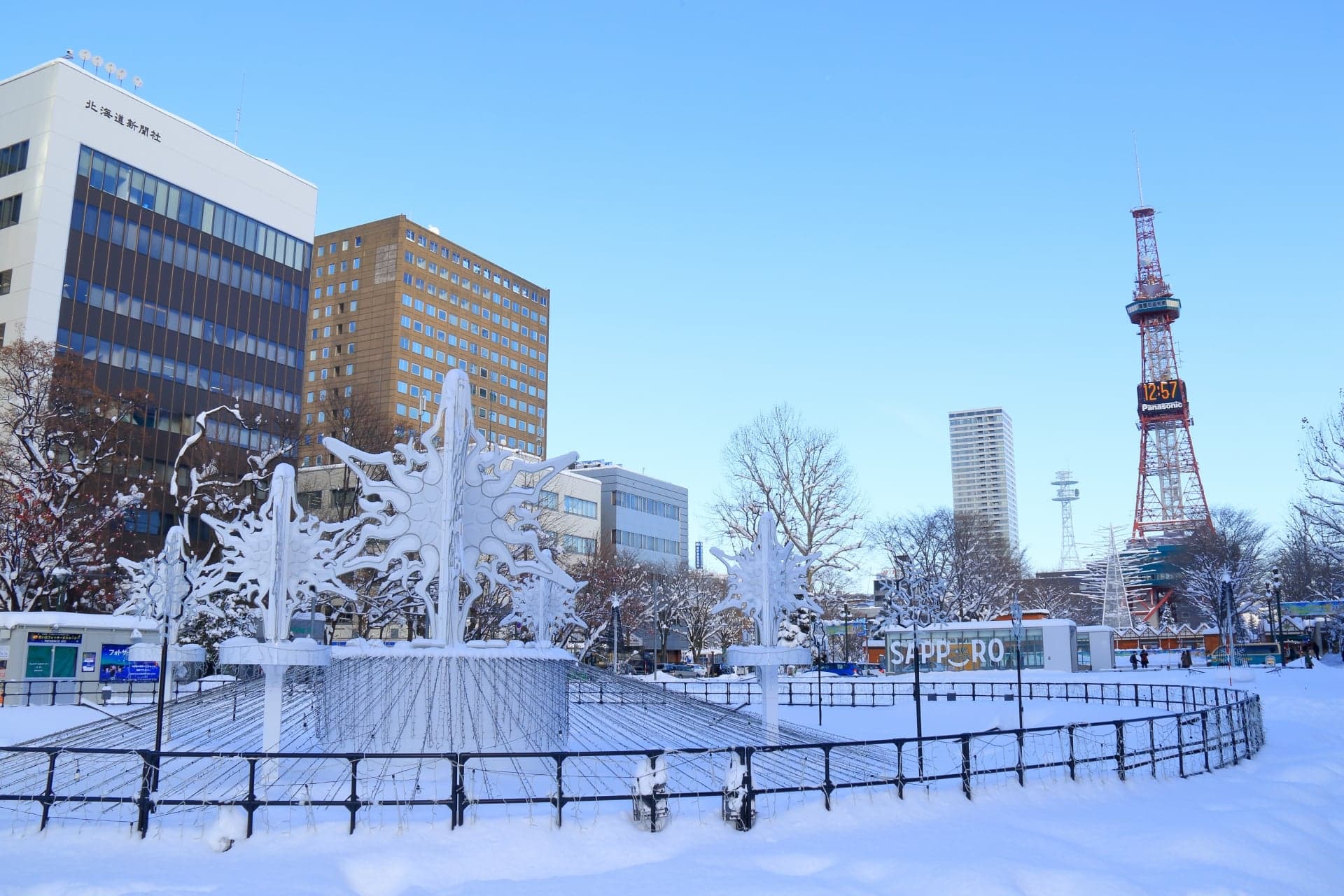
Hokkaido's capital and largest city is the perfect place to start. Spend at least a full day here: Odori Park, the Sapporo Beer Museum in its red-brick building (no longer free — entry has cost ¥1,000 since July 2026), and soup curry for dinner, a thin, spicy broth loaded with vegetables that was invented in Sapporo — every restaurant makes it differently, and most let you pick the heat level. Every February the Sapporo Snow Festival fills Odori Park, Susukino and Tsudome; the 2027 festival runs February 4–11, entry is free, and hotels get packed months ahead. Our things to do in Sapporo guide and Sapporo Snow Festival 2027 guide have the details.
Otaru
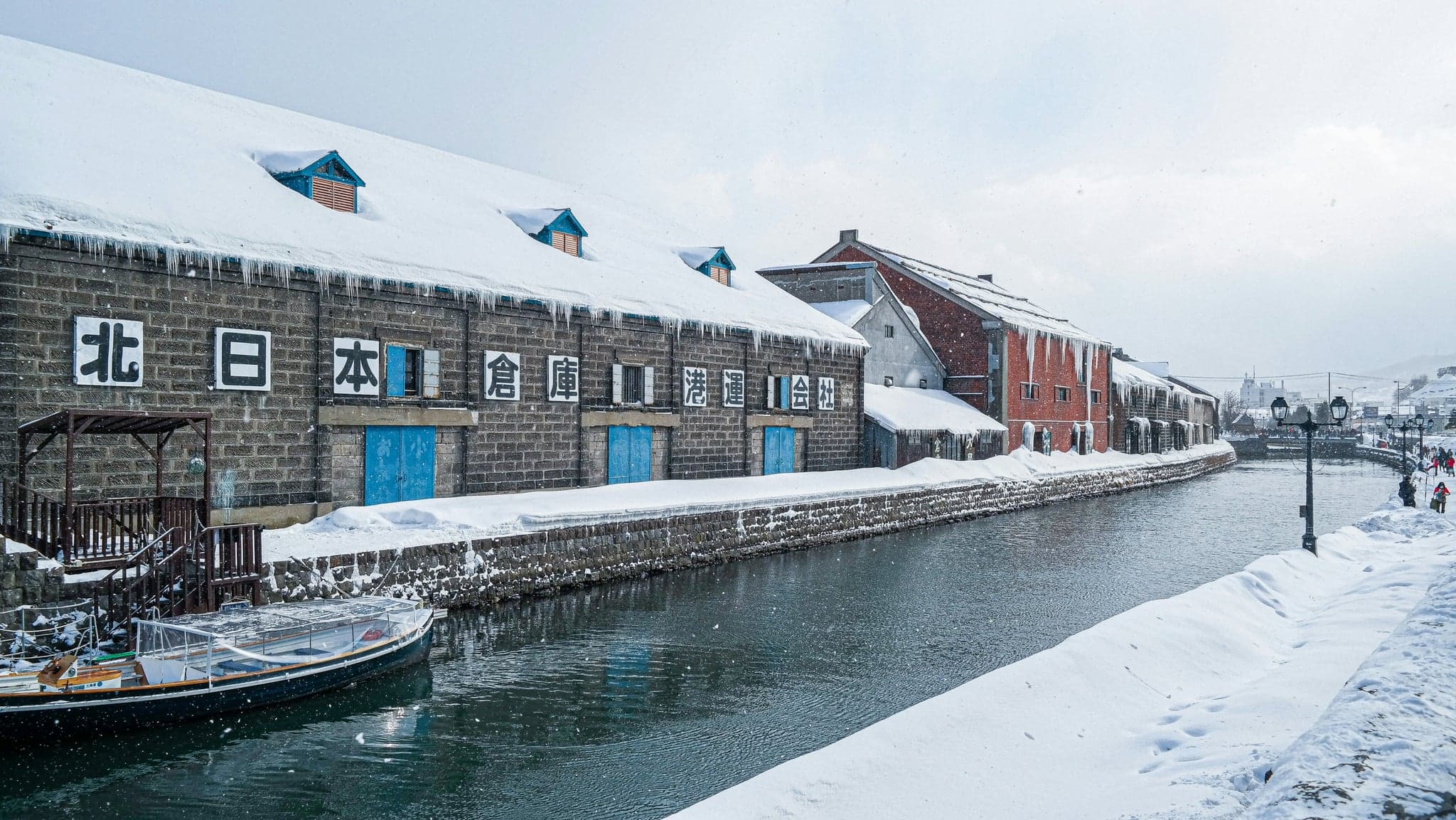
Otaru is the easiest day trip from Sapporo: from 32 minutes by JR (¥800). The canal, finished in 1923, is lined with old stone warehouses that now hold shops and cafés; the fresh seafood bowls near the station are worth timing your lunch around, and a sushi restaurant on the old sushi street is the other classic. The Otaru Music Box Museum's main hall is free to browse (9:00–18:00, open every day). In winter, the "Blue Canal" illumination lights the canal from sunset to 22:30 from November 1, 2026 to January 31, 2027, and the Otaru Snow Light Path fills the town with snow lanterns from February 6 to 13, 2027 — see our Otaru Snow Light Path guide.
Hakodate: The Night View and the Morning Market
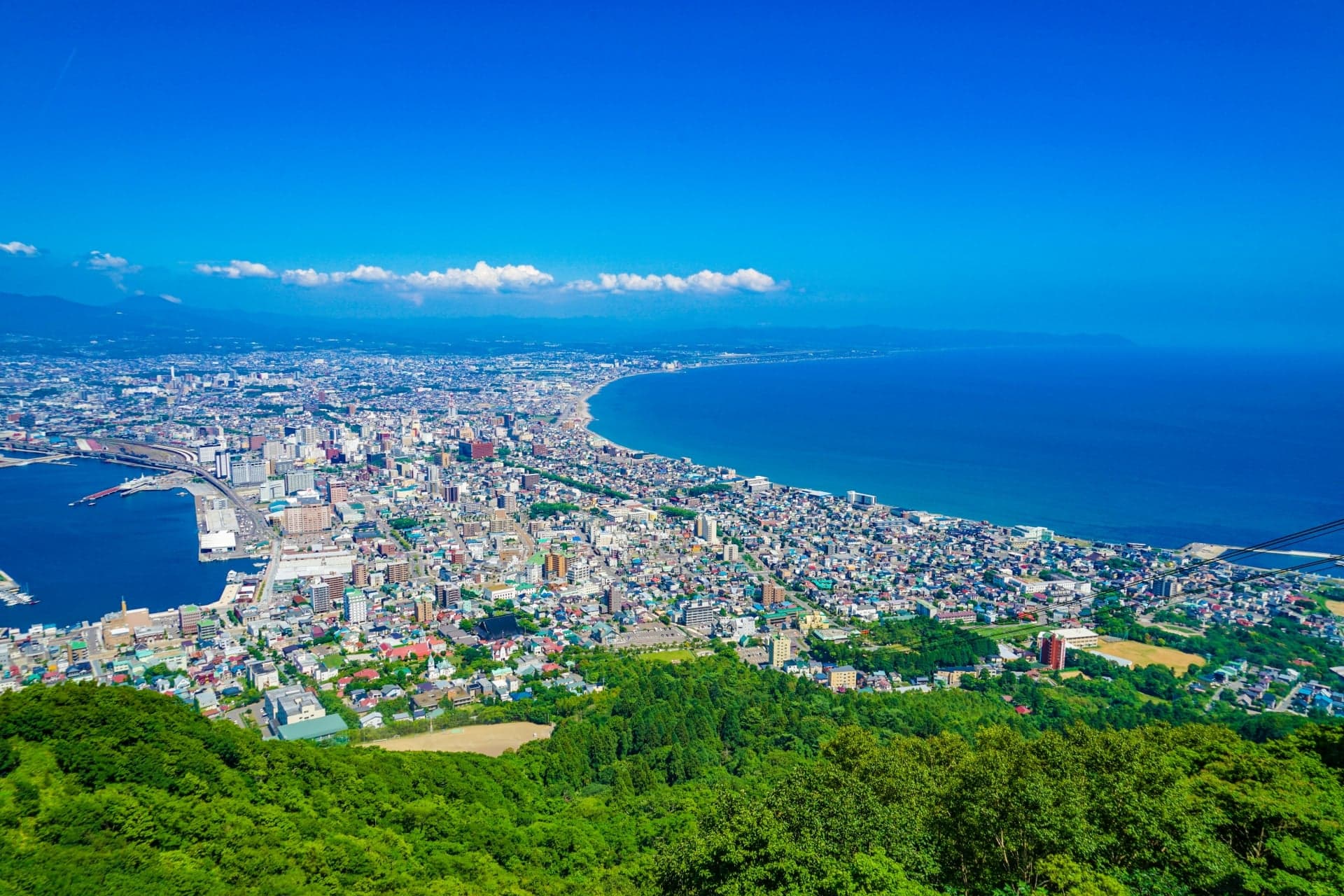
Hakodate sits at Hokkaido's southern tip, from 3 hours 44 minutes from Sapporo on the limited express Hokuto (¥9,770), or about four hours from Tokyo by Shinkansen to Shin-Hakodate-Hokuto. People come for the night view from Mount Hakodate over a city pinched between two seas: the ropeway costs ¥1,800 return and runs 10:00–21:00 from October to mid-April — but it's closed for inspection from October 20 to November 8, 2026 (the summit observatory stays open). Go up before sunset to get a spot at the railing.
Next morning, breakfast at the Hakodate Morning Market (6:00 to a little after 14:00 from January to April, from 5:00 the rest of the year), then climb Goryokaku Tower (¥1,200) for the star-shaped fort below. In December, the Hakodate Christmas Fantasy lights a giant tree on the water by the Red Brick Warehouses every night from December 1 to 25, free.
Asahikawa, Asahiyama Zoo and Sounkyo
Asahikawa, Hokkaido's second city, is 1 hour 25 minutes from Sapporo by limited express (¥5,440). Its star is Asahiyama Zoo (¥1,000; free for junior-high age and under), about 40 minutes by bus from the station (¥670). In the winter season — November 11 to December 29, 2026 and January 2 to April 7, 2027, 10:30–15:30 — the famous penguin walk usually starts in late December, at 11:00 and 14:30 each day (once a day from March), depending on snow; the zoo hadn't announced this season's start date yet. On February 5–7, 2027 it stays open into the evening.
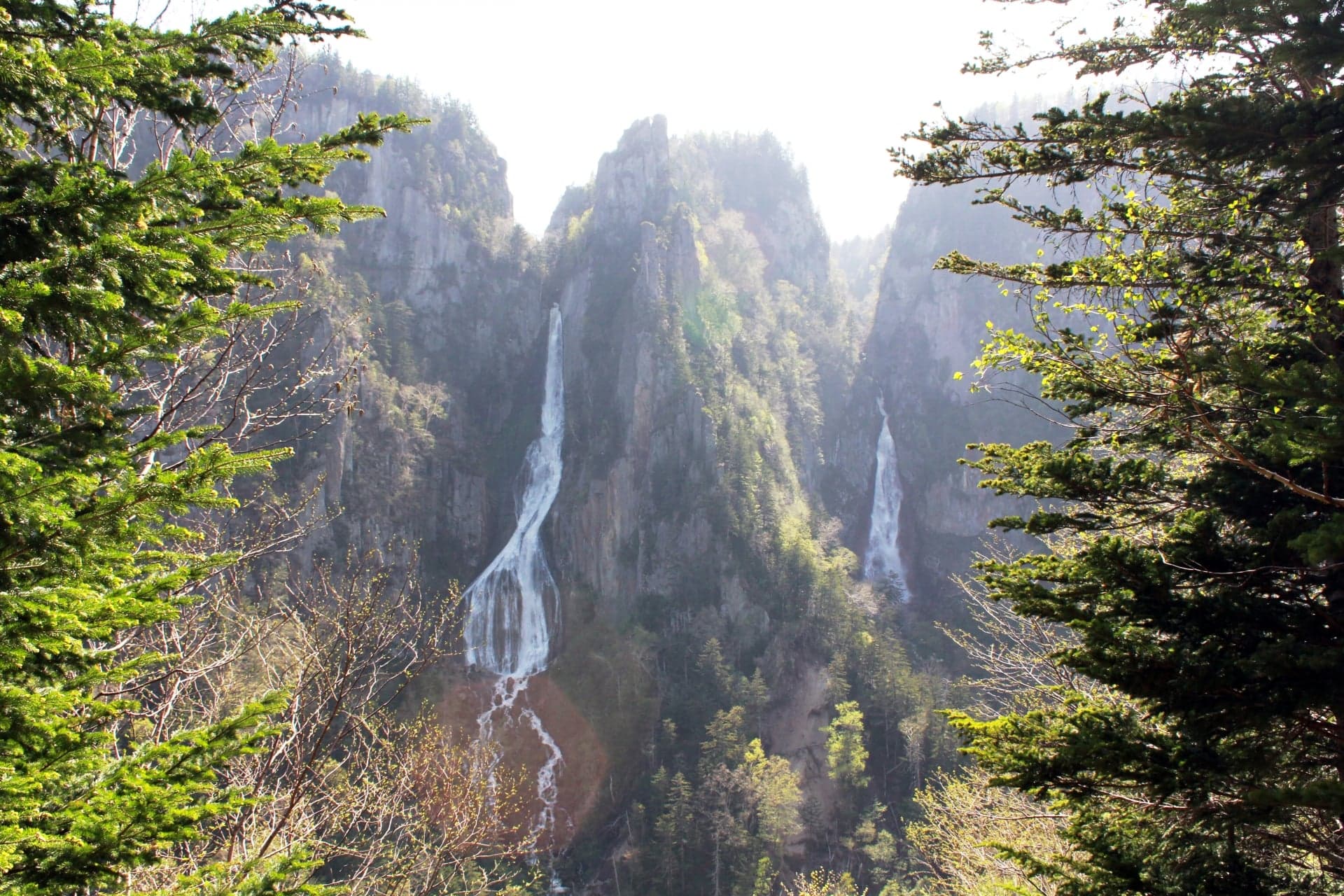
East of Asahikawa, Sounkyo is a gorge of cliffs and waterfalls in Daisetsuzan National Park. In winter it hosts the Ice Fall Festival of lit ice sculptures from late January — see our Hokkaido winter guide — and in autumn the Asahidake Ropeway, in the same national park, climbs to where Japan's first leaves turn, from mid-September — bring a warm layer, because it's cold up there. Check the Asahidake Ropeway's own site for its seasonal hours.
Biei and Furano: The Blue Pond and Lavender Fields
The postcard photos of central Hokkaido come from here: farm country, open hills and all kinds of flowers rather than ticketed sights, with the Daisetsuzan mountains behind. Biei is 34 minutes from Asahikawa by local train (¥680); Furano is from 1 hour 58 minutes from Sapporo via Takikawa (¥4,760). Give it at least two days.
- Shirogane Blue Pond: about 20 minutes from Biei Station by car, or catch a Dohoku Bus (check return times — buses are few). If you're lucky, a windless morning gives you a glassy blue surface. Parking doubled to ¥1,000 per car in July 2026. In winter the pond is transformed — frozen, snow-covered and lit up after dark: last season from October 24 to April 22, from sunset to 21:00. This season's dates weren't posted yet.
- Lavender and flowers: Farm Tomita's traditional lavender field blooms from late June to late July and is best in early to mid-July; nearby, Shikisai no Oka plants its hillside in long stripes of flowers.
- Skiing: Furano's ski area runs from November 28, 2026 to May 5, 2027 (adult day pass ¥9,000) — see Hokkaido ski resorts.
One thing to know: Tokachidake, the volcano above Biei, has been at volcanic alert level 3 (no entry to the mountain) since September 12, 2026. Biei says Shirogane Onsen is operating normally; only the road beyond the Bogakudai viewpoint gate is closed.
Noboribetsu and Lake Toya: Hot Springs Under a Volcano
Noboribetsu is from 1 hour 13 minutes from Sapporo by limited express (¥4,890), then a short bus ride to the onsen town — or about an hour by direct bus from New Chitose Airport (reservation required). Walk the free boardwalk through Jigokudani (Hell Valley), a steaming volcanic crater; the path of "Onibi" lanterns is lit from sunset to 21:30 all year, also free. Then soak: the public bath Sagiri-yu costs ¥550, and big hotels such as Dai-ichi Takimotokan sell day baths for ¥2,500.
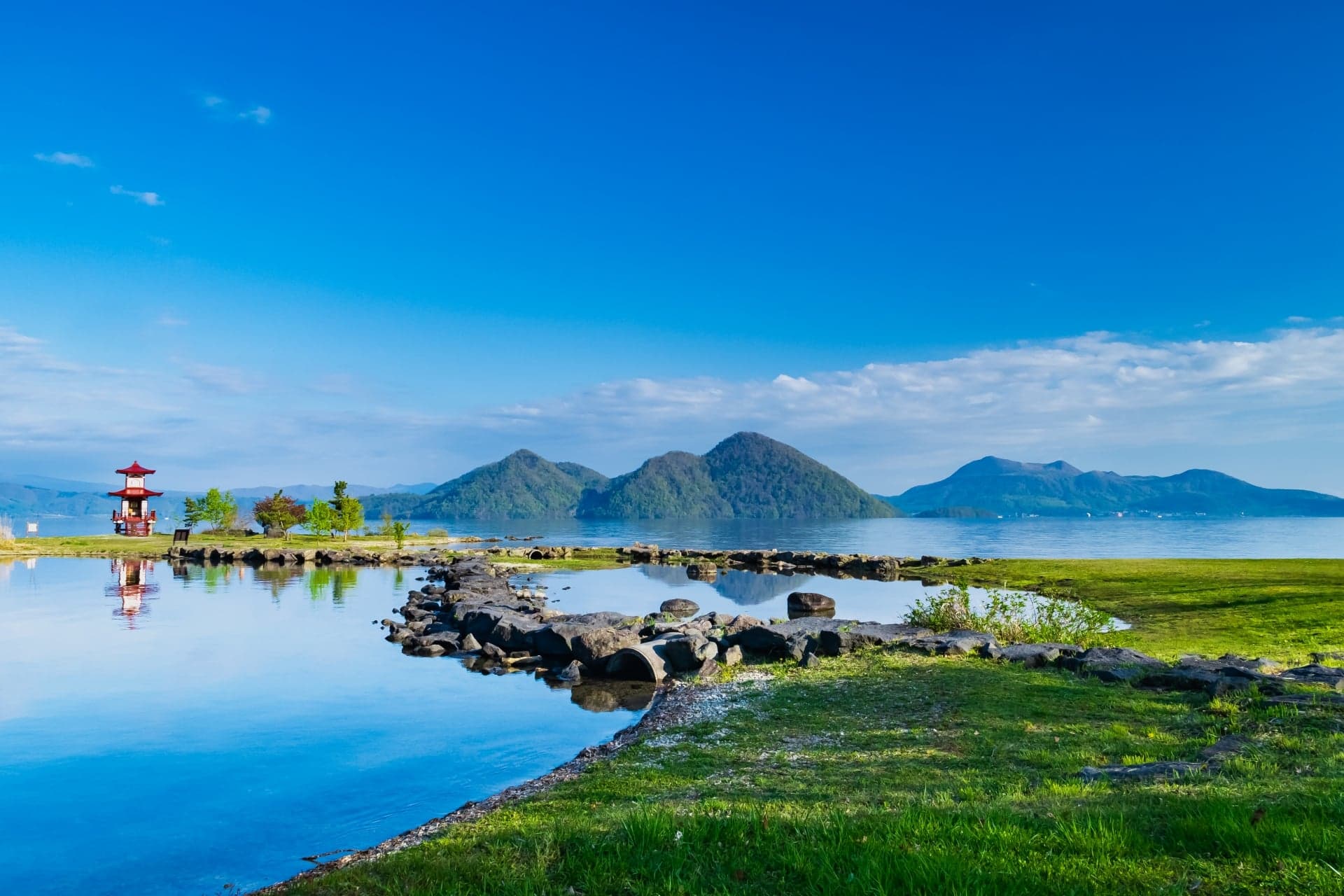
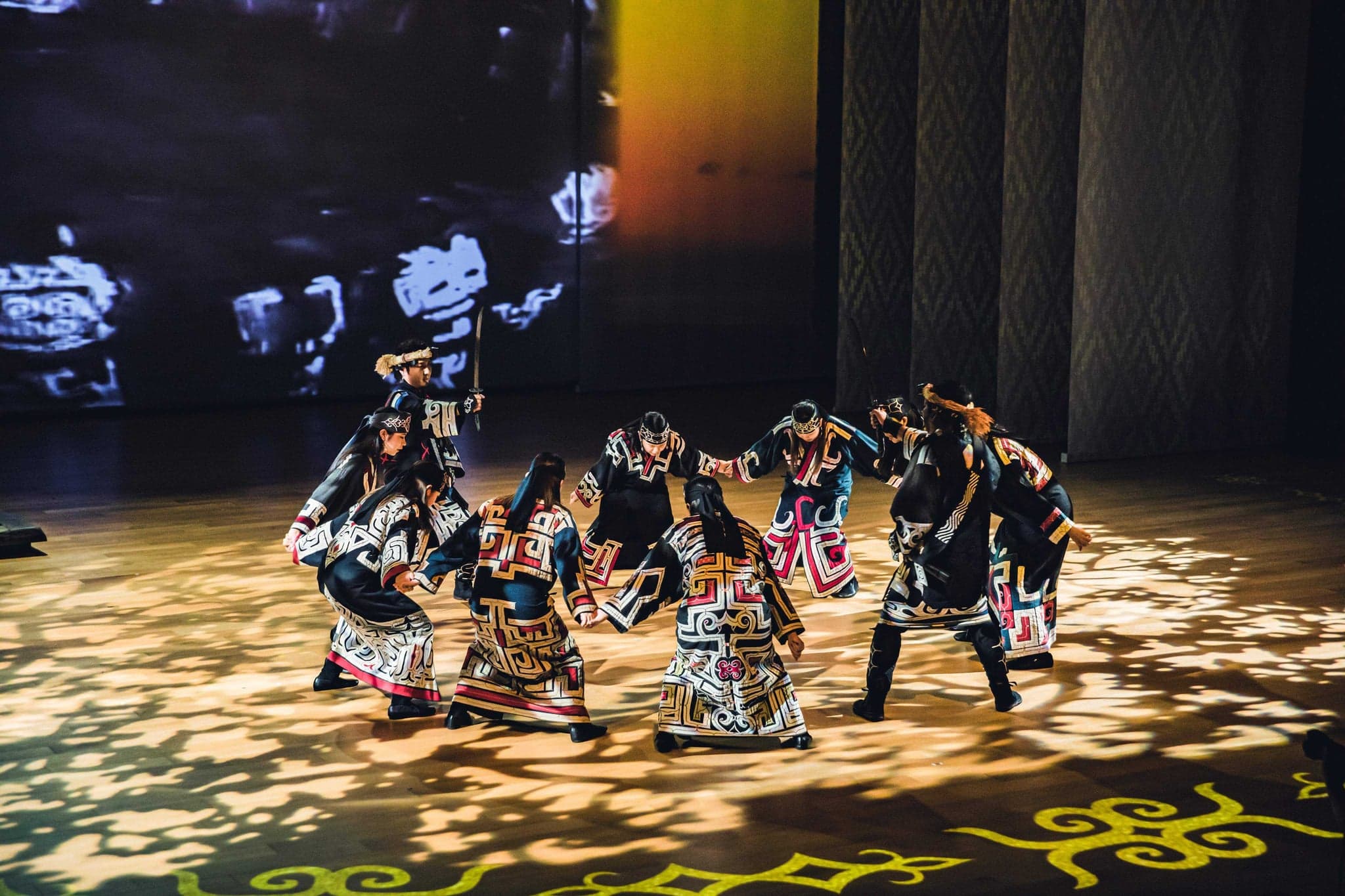
Lake Toya is a round caldera lake surrounded by mountains, with Mount Usu, an active volcano, on its southern shore. Spend a night at Toyako Onsen, ideally in a Japanese-style room with a lake view. JR to Toya takes 1 hour 53 minutes (¥6,690), then a 20-minute bus to Toyako Onsen; a direct bus from Sapporo takes about 2 hours 45 minutes (reservation required). The Usuzan Ropeway (¥2,000 return, about six minutes) climbs to viewpoints over the crater. The lakeside fireworks run every night at 20:45 until October 31, 2026; the winter fireworks and illumination tunnel hadn't been announced for 2027. Upopoy, the National Ainu Museum and Park in Shiraoi, sits on the rail line between Sapporo and Noboribetsu — the place to learn the history of the Ainu, the island's Indigenous people, before you head south.
Niseko and Powder Snow: Hokkaido in Winter
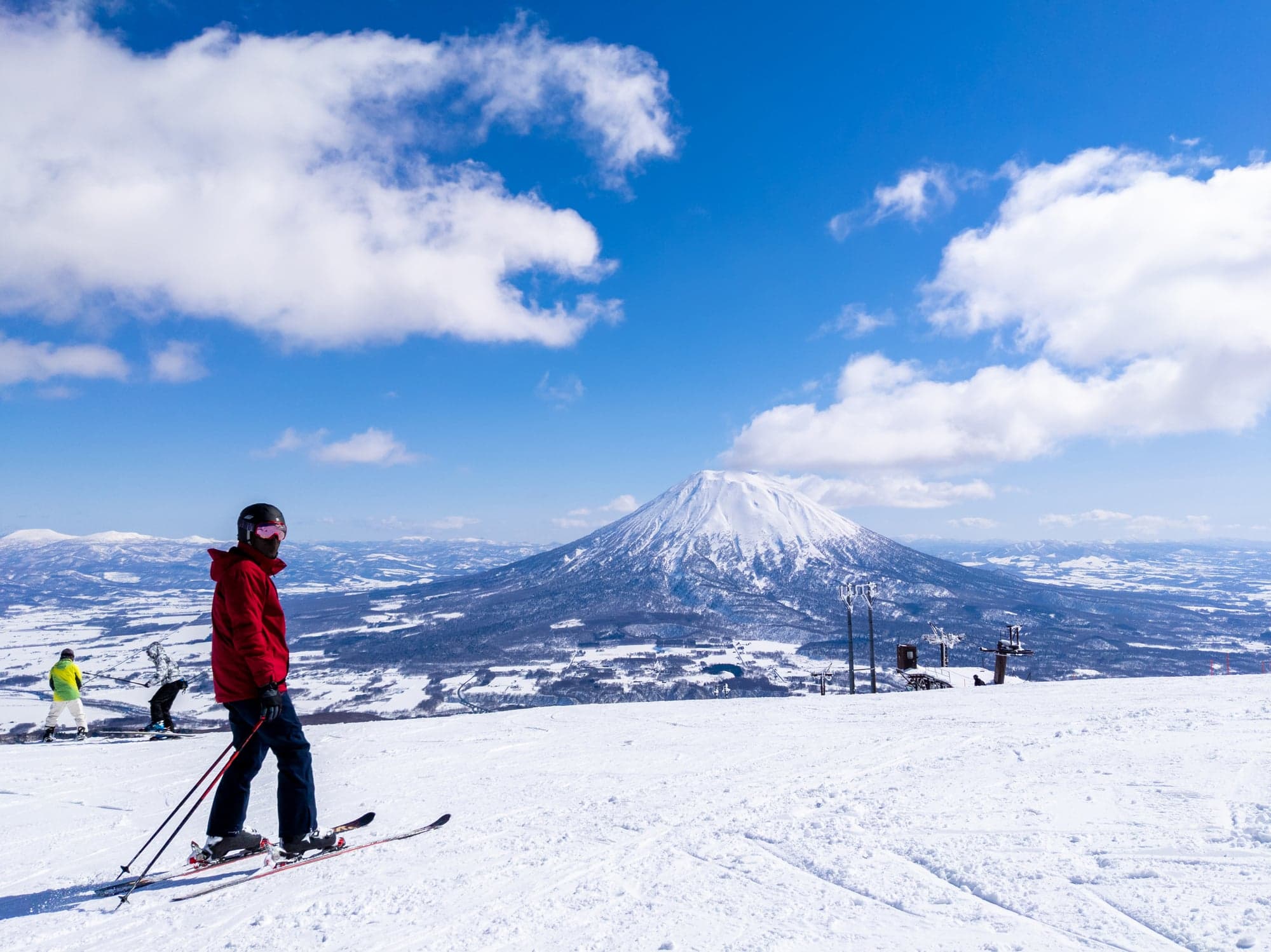
Niseko's linked resorts are famous worldwide for light, dry powder under the cone of Mount Yotei, and skiing and snowboarding are the main draw. The 2026–27 season runs from November 28 to May 5 (some areas close in early April), with night skiing from December 12 to March 22; an adult day pass costs ¥12,600, or ¥13,500 at peak (December 24 to February 28). Resort buses from New Chitose take about 2.5–3 hours. Non-skiers can still enjoy the onsen and the views, and snowboarding lessons are easy to find in English. For all the resorts, see our Hokkaido ski resorts guide and skiing in Japan.
Eastern Hokkaido: Drift Ice, Cranes, Lake Akan and Shiretoko National Park
The east is a long way — Kushiro is about four hours from Sapporo by limited express (¥10,320), Abashiri 5 hours 25 minutes on the one direct train (¥10,870) — so most travelers fly in or spend a couple of nights; if nature is the main reason you're coming, it rewards the effort, and it's the one region where it can make sense to rent a car outside winter:
- Drift ice (winter): the icebreaker Aurora sails from Abashiri from January 20 to March 31 (¥7,000 adult, about an hour); with no ice, it becomes a coastal cruise. In Shiretoko, guided drift-ice walks in drysuits run from February to mid-March, from ¥7,000 — never walk on the ice without a guide.
- Red-crowned cranes (winter): near Kushiro, wild cranes gather at feeding grounds from November to March; the Akan International Crane Center feeds them corn around 8:00 each morning. The afternoon live-fish feeding many guides still mention stopped in 2016.
- Lake Akan: a caldera lake with an Ainu village on its shore; in summer, sightseeing boats cruise to see the marimo (moss balls), and in winter the frozen lake hosts an ice festival with fireworks (2027 dates not yet announced).
- Shiretoko National Park (summer): a World Natural Heritage peninsula and brown bear country, best to explore with a guide. The Five Lakes' elevated boardwalk is the easy way in; the ground paths have seasonal rules, so check the official site before you go.
From our Japan travel team
Shiretoko is brown bear country, so the rules for walking the Five Lakes ground paths change through the season. If you're going on your own, plan around the elevated boardwalk, stay on marked trails and check the official Shiretoko Five Lakes site for this season's rules before you set out. If you'd like help working out where Shiretoko fits in a wider route, feel free to get in touch.
Hokkaido by Season
- Winter (December–March): skiing from late November to early May, the Snow Festival in February, drift ice from late January to March, the penguin walk and the cranes. Expect snow delays and very short days.
- Spring (April–May): cherry blossoms from late April to mid-May, quiet roads; some mountain roads stay closed.
- Summer (June–August): lavender in July, hiking, Shiretoko — Hokkaido mostly escapes the rainy season that soaks Tokyo, so hotels fill fast in July.
- Autumn (September–November): the first leaves in Daisetsuzan in mid to late September, Sapporo and Otaru in early to mid-October, Toya, Noboribetsu and Hakodate into November — see Hokkaido autumn leaves.
Sample Hokkaido Itineraries
Five days in winter
- Days 1–2: Sapporo — explore Odori Park, soup curry, the Beer Museum; time it with the Snow Festival if you can.
- Day 3: Otaru for the canal and seafood, back for the night.
- Day 4: Asahikawa for the zoo's penguin walk, or Noboribetsu for a hot-spring night.
- Day 5: back to New Chitose — or swap the whole plan for three or four days of skiing.
Seven days in summer
- Days 1–3: Sapporo with a day in Otaru.
- Days 4–5: Asahikawa, Biei's Blue Pond and the Furano lavender fields.
- Days 6–7: Lake Toya and Noboribetsu, or Hakodate on the way south.
Got more time? Head east for drift ice in winter or Shiretoko in summer — a perfect add-on if nature is why you came. Hokkaido is about 1.5 hours from Tokyo by air, so a few nights here fit neatly before or after a trip on Honshu — see our Japan winter itinerary.
Common mistakes
- Treating it as a side trip from Tokyo. Two nights is the bare minimum; five or more feels comfortable.
- Underestimating distance. Sapporo to Abashiri is over five hours by train, so don't forget to count travel days.
- Packing for the city, not the mountains. Bring a warm layer even in summer, and lots of layers in winter.
- Boarding a limited express without a seat ticket. They're all reserved now.
- Overloading winter days. Snow and early sunsets eat time; leave a spare day before your flight home.
- Walking on drift ice or into bear country without a guide.
Rail Passes, Accommodation Tax and Winter Driving
- Hokkaido Rail Pass: 5 days ¥22,000, 7 days ¥28,000, 10 days ¥37,000 bought before arrival (¥1,000 more in Japan), covering all JR Hokkaido lines except the Shinkansen. A Sapporo–Hakodate round trip alone costs ¥19,540, so the 5-day pass pays off once you add one more long trip. From October 20, 2026, passport-reading machines at Sapporo and New Chitose Airport stations let you buy or collect it without queuing.
- Accommodation tax: since April 1, 2026 Hokkaido charges ¥100–500 per person per night depending on the room rate, and 18 towns add their own — in Sapporo, Otaru and Asahikawa the total is from ¥300, and Kutchan (Niseko) charges 3% of the room rate. It's paid at your hotel.
- Winter driving: Hokkaido's government warns that icy roads are about ten times more slippery than dry ones and advises keeping three times your summer following distance. In winter, trains and buses are the safer choice.
Self-Guided Routes in Hokkaido
Our Hokkaido routes come in two seasons: ski-and-city trips in winter, with chartered taxi transfers from New Chitose, and summer touring routes from May to October. Flights to Hokkaido aren't included; we arrange the hotels, transfers and tickets for the legs we book, with 24/7 support during the trip. Prices are per person and move with the departure date and room type.
| Route | Season | Length | From (USD per person) | Shape |
|---|---|---|---|---|
| Sapporo City Break & Furano Ski (HK004) | Winter | 8 days | $3,200–3,600 | Three nights in Sapporo, then four at Furano for skiing. |
| Sapporo Discovery & Rusutsu Ski (HK005) | Winter | 8 days | $2,400–4,800 | Three nights in Sapporo, then four at Rusutsu. |
| Rusutsu Ski with Sapporo & Noboribetsu Onsen (HK008) | Winter | 8 days | $2,900–5,100 | Sapporo, a night at Noboribetsu Onsen, then four nights at Rusutsu. |
| Rusutsu & Furano Ski with Hokkaido Highlights (HK006) | Winter | 12 days | $4,700–6,400 | Rusutsu, a night at Jozankei Onsen, Sapporo, then Furano. |
| Scenic Southern Hokkaido Escape: Hot Springs & History (HD002) | May–October | 7 days | $2,200–2,700 | Sapporo and Otaru, two nights at Lake Toya, two in Hakodate. |
| Discover Hokkaido: Nature & Scenic Views (HD001) | May–October | 7 days | $3,700–4,300 | Sapporo, Sounkyo, then three nights at Lake Akan with chartered taxis to Shiretoko and Lake Mashu. |
Interested in a tour? Click the route name above, or search by route code in the top-right Search bar.
From our Japan travel team
Hokkaido is about 1.5 hours from Tokyo by air, so a few nights there fit neatly before or after a trip on Honshu. Our winter routes pair Sapporo with skiing or a hot-spring night, and our summer routes run from May to October. Just ask and we'll help you work out where Hokkaido fits in your route.
Interested in adding Hokkaido to your Japan trip? Get in touch through Plan My Trip on our self-guided tours site, and we'll suggest the tours that best fit your dates and plans.
FAQ: Things to Do in Hokkaido
How many days do you need in Hokkaido?
Five to seven days covers Sapporo, Otaru and one more region, such as Noboribetsu, Asahikawa or Hakodate. Add three or four days for the east (drift ice, cranes or Shiretoko), or for a ski trip.
What is the best month to visit Hokkaido?
February for snow and festivals (the Sapporo Snow Festival runs February 4–11, 2027) and drift ice, July for lavender, and late September to October for autumn leaves.
Is Hokkaido worth it on a first trip to Japan?
With two weeks or more, yes — it feels completely different from the rest of Japan. With one week, stick to Tokyo and Kyoto and save Hokkaido for next time, unless you're coming to ski.
Can you get around Hokkaido without a car?
Yes for Sapporo, Otaru, Noboribetsu, Lake Toya, Asahikawa, Hakodate and the ski resorts, by train and bus — lots of visitors explore the island this way. The east and Biei's back roads are easier by car, but in winter the roads are icy, so trains, buses and tours are safer.
Do I need to reserve trains in Hokkaido?
For limited expresses, yes: every JR Hokkaido limited express seat is now reserved, so get a seat ticket before boarding. Local and rapid trains need no reservation.
Do I need to speak Japanese in Hokkaido?
No. Main stations and the big sights have lots of English signs, and a translation app covers rural buses and the odd small restaurant.
When can you see drift ice in Hokkaido?
From late January to March on the Sea of Okhotsk coast. The Aurora icebreaker sails from Abashiri from January 20 to March 31, and guided drift-ice walks in Shiretoko run from February to mid-March.
Checked on October 7, 2026: train times and fares from JR Hokkaido's route search and the Hokkaido Rail Pass page; Otaru tourism (Blue Canal); the Otaru Music Box Museum; Mt. Hakodate Ropeway, Goryokaku Tower, the Hakodate Morning Market and HOKKAIDO LOVE! (Christmas Fantasy and season calendars); Asahiyama Zoo; Biei tourism and Biei town; the Japan Meteorological Agency (Tokachidake); Farm Tomita; Noboribetsu tourism; Lake Toya tourism and the Usuzan Ropeway; the Aurora icebreaker; Shari town (drift-ice walks); the Akan International Crane Center; the Hokkaido Government (accommodation tax and winter driving). Sapporo, Snow Festival, Otaru Snow Light Path and ski-resort values from our own guides, checked in September and October 2026. Routes and prices are from our catalog on the same date. Photos: our own.
Related Articles
Things to Do in Sapporo: Snow Festival, Miso Ramen, Mt. Moiwa and a Winter Plan That Works
14 min read
Hokkaido Winter: A Practical Self-Guided Guide to Snow, Ice and Onsen Season
17 min read
Hokkaido Ski Resorts: Every Major Ski Mountain Compared for 2026-27
19 min read