Noboribetsu Onsen: A 1-Night Plan, Hell Valley & Winter Routes
Choose a day visit or an overnight stay, plan the final transfer to the hot spring town, and see how one onsen night fits between Sapporo and Rusutsu.
Last updated: October 13, 2026. Prices and seasonal operations checked against the linked sources.
Noboribetsu Onsen is Hokkaido's most famous hot spring town. It's a short main street of hotels, ryokan and souvenir shops built around Jigokudani, a steaming volcanic crater known in English as Hell Valley. Because it's close to both Sapporo and New Chitose Airport, a lot of people try to fit it into a few spare hours, and that's usually a mistake.
Our honest advice is to stay one night. A day trip can work, but the train, the local bus and the walk up all eat into your daylight. If you stay over, you see Hell Valley in afternoon light, soak before dinner, take a late bath when the corridors go quiet and have a slow morning before moving on.
First, though, get the geography straight. Noboribetsu Station and Noboribetsu Onsen are different places. JR Noboribetsu Station is down by the coast. According to the Noboribetsu International Tourism and Convention Association, the hot spring town is about 8 km inland. If you get off the train expecting steam and demons, you'll find a quiet station and a bus stop.
Quick Answer: Is One Night at Noboribetsu Onsen Enough?
- How long: One night is the sweet spot. Arrive by early afternoon, see Hell Valley in daylight, bathe, have dinner at your hotel and leave after breakfast.
- Getting there: Take a limited express from Sapporo, or change at Minami-Chitose if you're coming from New Chitose Airport. Get off at Noboribetsu Station, then take the local bus or a taxi up to the onsen. Reserved-seat express buses and private cars are the alternatives.
- What to see: The main Jigokudani viewpoints, Sengen Park, Yuzawa Shrine and the demon statues around town. The forest trail to the Oyunumagawa natural foot bath can close in winter.
- Bookable route: HK008 Rusutsu Ski with Sapporo & Noboribetsu Onsen runs 8 days and 7 nights: 2 nights in Sapporo, 1 at Noboribetsu Onsen and 4 at Rusutsu. The catalog range is USD 2,900–5,100 per person, based on double occupancy. Your departure date, room arrangement and availability affect the final quote.
- Not skiing? We don't publish a standalone onsen-only Noboribetsu package. A one-night or non-ski request needs a custom availability check.
Noboribetsu Station vs Noboribetsu Onsen: The 8 km That Matter
The railway and the expressway follow the coast. The onsen town is up a wooded valley, which is why the steam, forest and sulfur smell are up there and not at the station. Karurusu Onsen, a separate and much smaller hot spring area, is further inland again, about 14 km from the station.
This has three practical consequences:
- Search for "Noboribetsu Onsen", not just "Noboribetsu". A hotel near JR Noboribetsu Station is not an onsen stay in the town.
- Plan the last leg. Donan Bus local buses run from outside JR Noboribetsu Station to the Noboribetsu Onsen bus terminal in roughly 15–30 minutes, depending on the service and stop. If you need a taxi, arrange it ahead when possible, especially for a late arrival.
- Check the last bus before you set off. Check the Donan Bus local timetable, including your exact stop. The operator says Suica, Kitaca and similar IC cards are not accepted on this route. Carry yen rather than relying on your transport IC card.
Day Trip or One Night in the Hot Spring Town?
Here's the arithmetic. From Sapporo, allow roughly 2–2.5 hours door to door each way. In midwinter it's dark not long after 4 pm, so you're left with maybe four or five useful hours in town. That's enough for Hell Valley and one bath, and not much more. You'll be back in Sapporo in time for a Genghis Khan grilled-lamb dinner, which is a fair consolation.
Day-use bathing is easy. The tourism association's one-day onsen page lists hotels and a public bathhouse that accept non-staying guests. When we checked in October 2026, adult prices ran from ¥550 at Yumoto Sagiriyu, the public bathhouse, to ¥2,500 at the most expensive hotel bath listed. Check reception times, because several places stop admitting day guests well before closing. One listed hotel only accepted them between 12:30 and 16:00.
An overnight stay changes the pace. You check in, have your first soak, eat dinner and then walk out to see the steam under lights. Then you come back for a night bath and have another soak before breakfast. That's the part day-trippers miss, and honestly, it's the part worth the journey.
Who Noboribetsu Onsen Is a Great Place For (and Who Might Skip It)
It's a great place for:
- First-time onsen guests who want plenty of water types and large, well-signed bathhouses.
- Families. The demon statues, the Bear Park cable car and a free volcanic valley are good fun for kids. Bath rules for children vary by hotel.
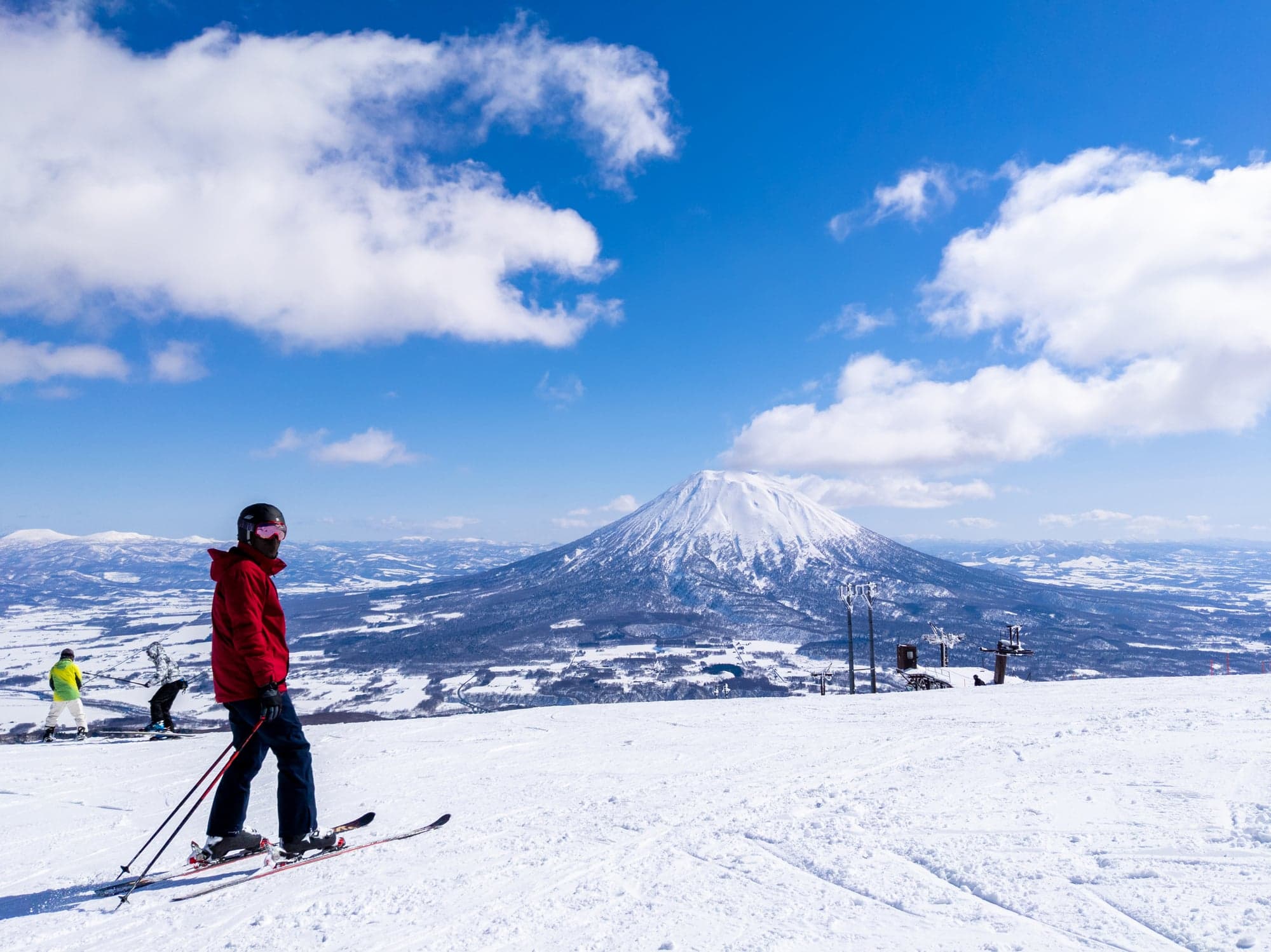
- Skiers travelling between Sapporo and the slopes who want one proper hot spring night along the way.
- Rail travellers, because it's on the main line between Sapporo and Hakodate.
It may not suit you if:
- You want a tiny, silent onsen hamlet. Noboribetsu is a resort town with big hotels and tour coaches.
- You have large tattoos and want to use the public baths without checking first. More on that below.
- You only have one free day and hate transfers. Our Sapporo guide has easier options closer in.
Getting There: Sapporo Station, New Chitose Airport and the Last Leg
All timings here are approximate. We checked them against operator pages in October 2026, and snow can slow any of them.
From Sapporo Station by Limited Express Train
JR Hokkaido's Suzuran (Sapporo–Muroran) and Hokuto (Sapporo–Hakodate) limited expresses both stop at Noboribetsu, about 70–80 minutes from Sapporo. JR Hokkaido lists Suzuran and Hokuto as all-reserved limited express services. You'll need a reserved-seat limited express ticket on top of the basic fare. The Suzuran train guide notes views of the Pacific and Mt. Tarumae, weather permitting.
After the train, allow roughly 15–30 minutes for the final bus journey, plus waiting time; a taxi is another option. From a central Sapporo hotel, allow about 2–2.5 hours door to door. This express train route is the most flexible DIY option because there are departures throughout the day.
From New Chitose Airport by Rail via Minami-Chitose
Take the Rapid Airport train one stop to Minami-Chitose, then change to a Suzuran or Hokuto for Noboribetsu, as the tourism association's access page describes. The limited express takes well under an hour, but the connection wait varies. Allow 1.5–2 hours from the airport station to your hotel. International arrivals should add time for immigration. Domestic flights from Tokyo also land at New Chitose, so this route works whether you're flying in from overseas or from Honshu.
Reserved Express Buses from Chitose Airport and Sapporo
Donan Bus runs two direct services into the onsen town:
- Airport-go (New Chitose Airport → Noboribetsu Onsen): reserved seats only. The ride takes about 1 hour 15 minutes and costs ¥1,900–2,400 one way for adults, according to the operator's timetable page. In October 2026 the page listed only three departures, all in the afternoon, and you can book online up to 120 minutes before departure. Extra buses ran last winter, so check whether they'll run on your dates.
- Onsen-go (Sapporo → Noboribetsu Onsen): reserved seats only. The ride takes about 1 hour 50 minutes and costs ¥2,800–3,800 one way for adults, according to the Donan Bus Onsen-go timetable page. When we checked, the timetable listed a single afternoon departure.
Both buses drop you in the town itself, so there's no change at Noboribetsu Station. The catch is how few departures there are. If you miss yours, you're back on the train.
Chartered Car, Taxi or Self-Drive in Winter
A chartered car or taxi is the easiest way to travel door to door with luggage, and it's how HK008 handles the Noboribetsu leg. You can also drive yourself: the town is about 6 km from Noboribetsu-Higashi Interchange on the Do-O Expressway. We wouldn't make a rental car the default in winter, though. Snow, ice, early darkness and unfamiliar winter roads add up. The train or a hired driver is the calmer choice.
Route Comparison: Approximate Door-to-Door Budget
| Route | How it works | Approx. budget* | Booking notes | Best for |
|---|---|---|---|---|
| Sapporo Station by rail | Suzuran or Hokuto to JR Noboribetsu Station, then local bus or taxi for the last 8 km | 2–2.5 hours | All seats reserved; check the last local bus | Most flexible DIY option |
| New Chitose Airport by rail | Rapid Airport to Minami-Chitose, change to Suzuran/Hokuto, then bus or taxi | 1.5–2 hours from the airport station | Connection waits vary; reserved express ticket needed | Light luggage, flexible arrival times |
| Chitose Airport direct bus | Donan Bus Airport-go | About 1 hr 15 min ride, plus any wait | Reserved only; three afternoon departures listed in Oct 2026; adult ¥1,900–2,400 | Afternoon arrivals that match the timetable |
| Sapporo direct bus | Donan Bus Onsen-go | About 1 hr 50 min ride | Reserved only; one afternoon departure listed in Oct 2026; adult ¥2,800–3,800 | No-change trips if the time suits |
| Chartered car or taxi | Door to door with luggage | Varies with snow and stops | Arrange in advance; HK008 uses this | Families, heavy bags, winter |
| Self-drive | Expressway to Noboribetsu-Higashi IC, then about 6 km | Varies; winter adds time | Experienced winter drivers only | Not our default in winter |
*Checked against operator pages in October 2026. Fares and timetables change, and weather can add time.
Hokkaido's Hell Valley: What You Actually See at Jigokudani
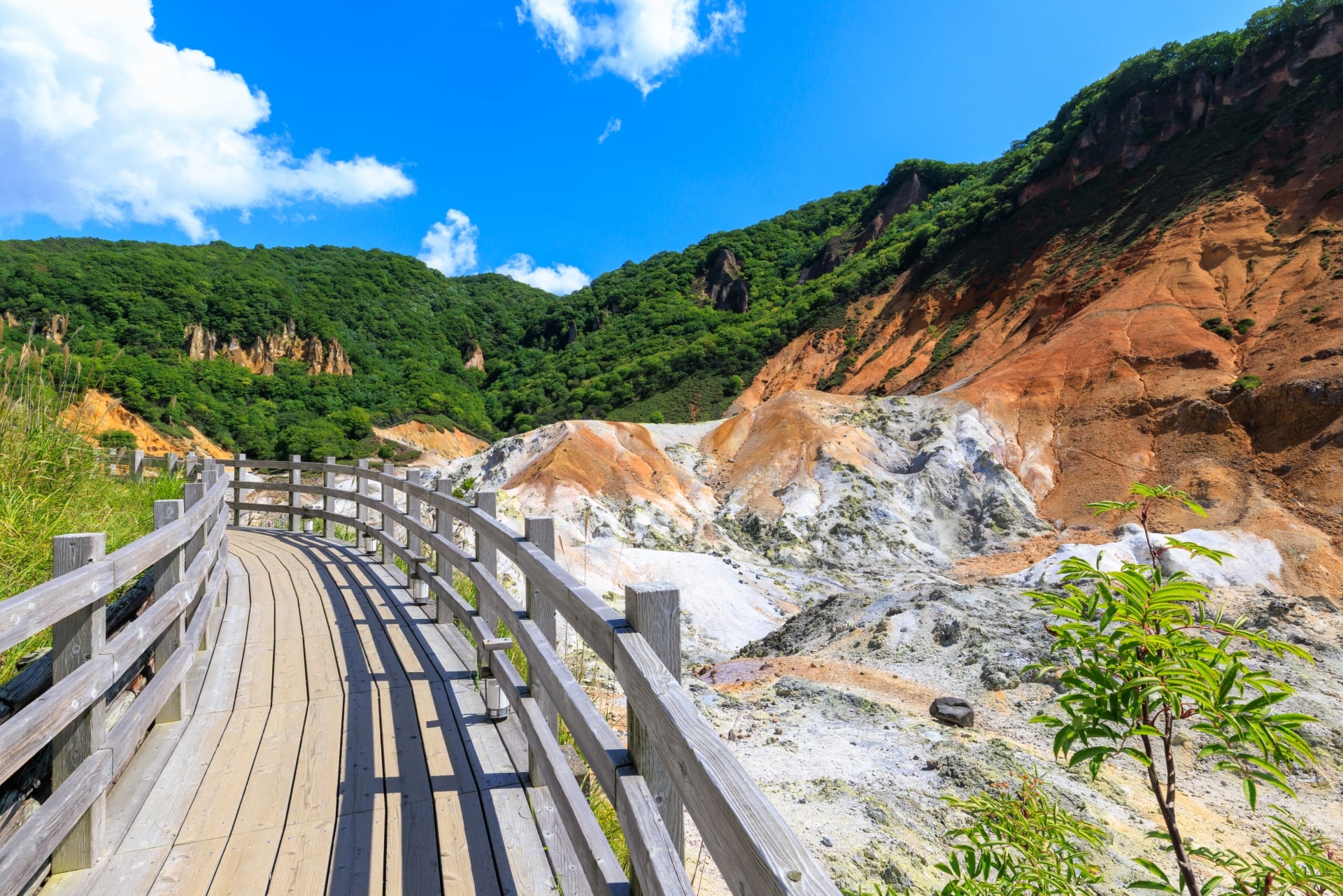
The tourism association's Jigokudani page describes Jigokudani (sometimes written Jigoku Dani) as a crater about 450 m across, created by the volcanic activity of Mt. Hiyori. Steam pours out of the earth across a bare, yellow-grey and rust-coloured valley, sulfurous streams run between bubbling vents, and the air smells of sulfur. It's a clear display of geothermal power. It's also the main source of Noboribetsu's hot spring water: about 10,000 tons a day goes to the hotels and inns below, according to the Hokkaido official tourism site.
To be clear, this is not the Jigokudani Snow Monkey Park in Nagano. It's the same name on a different island, and there are no monkeys here.
Entry is free. The main viewing area can be visited after dark when conditions allow, but the town recommends going before sunset to see the valley properly. Temporary closures and on-site notices take priority.
The Jigokudani Observatory and Boardwalk
Start at the Jigokudani observatory, the main observation deck over the crater. A wheelchair-accessible ramp with a maximum 8% slope runs from the Park Service Center to the deck, which helps if someone in your group uses a wheelchair or you're pushing a stroller.
From there, a boardwalk goes deeper into the valley, between steam vents and sulfurous streams. Stay on the marked, open routes. The ground is hot and unstable in places, and the fences are there for a reason. In winter the steps and boards can be icy, so pack slip-on shoe grips.
The lights at the Jigokudani observatory stay on until around 11 pm, which can make a short after-dinner visit possible when the walking route is open and safe to use. The separately listed Onibi no Michi evening path runs from sunset to 21:30, subject to access conditions. Its lighting hours are different from those of the observation deck.
Oyunuma and the Natural Foot Bath: A Seasonal Extra
Beyond Jigokudani, forest hiking trails lead to Oyunuma, a steaming crater lake, and then down to the Oyunumagawa river. Hot spring water flows through the forest there, and you can sit on wooden decks and soak your feet in a natural foot bath. It's free and listed as open 8:00–17:00. However, the official listing says the trail may close in winter, and its car park is closed in winter.
Treat it as a bonus, not the anchor of your visit. In the green season, with lush greenery overhead, it's one of the nicest walks in the area. Allow roughly two hours there and back from town, including time to soak. In winter, check the tourism association's site for notices or ask at your hotel's front desk first. Never walk past a closure sign.
Around Town: Sengen Park, Yuzawa Shrine and the Demons
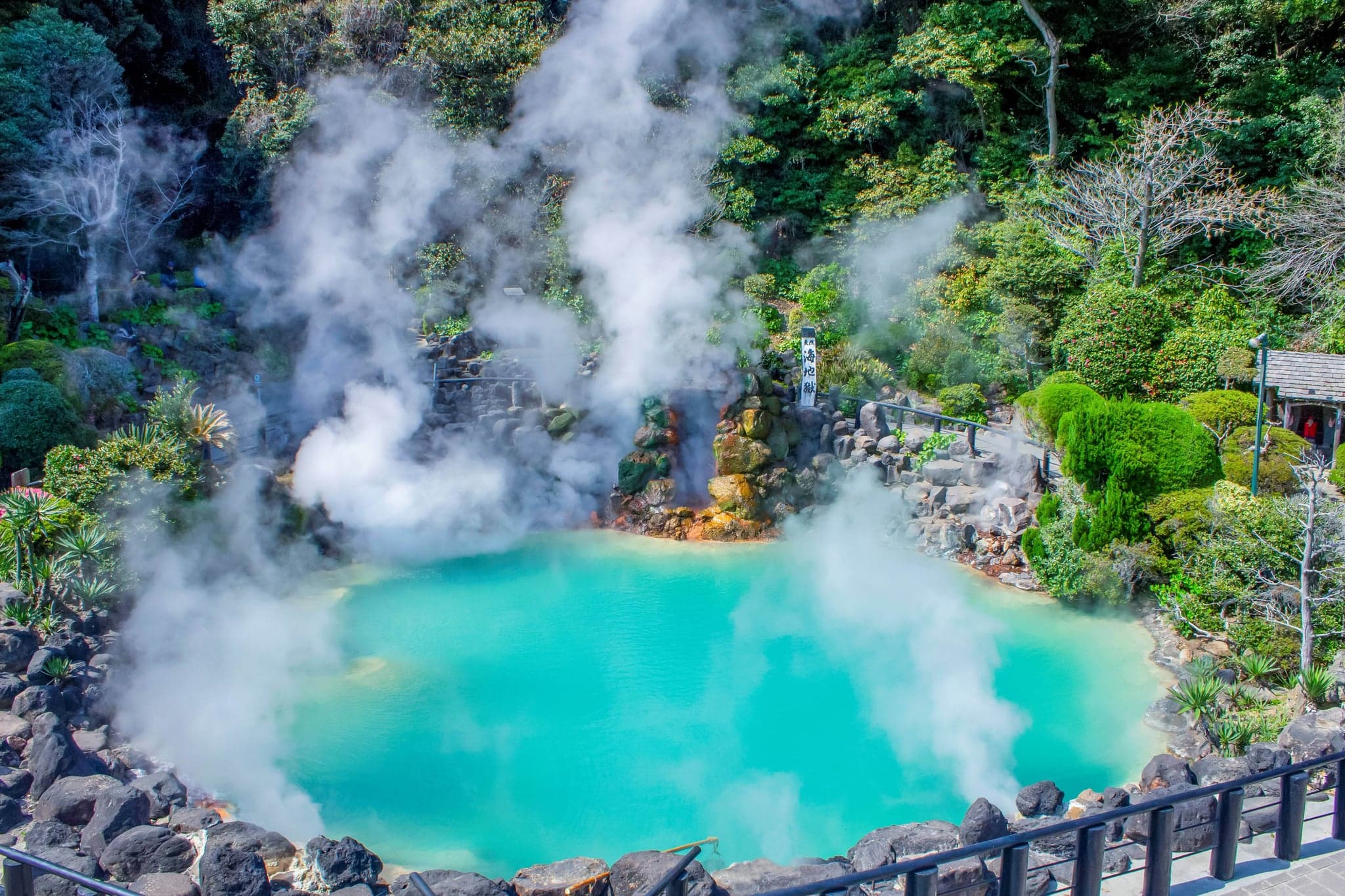
Noboribetsu leans hard into the hell theme, and it's genuinely fun. Oni, the horned, club-carrying Japanese demons, appear as numerous statues around town, from the approach road to the main street. In local tradition, the Yukijin, guardian deities of the hot springs who are pictured as demons, look after the town.
Sengen Park is located in the middle of town. It was laid out in 2008 for the onsen's 150th anniversary, around a natural geyser that erupts roughly every three hours with a burst of steam and hot water. Next to it stands a set of demons' iron clubs, each linked to a different wish. Watching an eruption takes patience, so ask locally about timing.
Yuzawa Shrine is a small Shinto shrine at the top of a stone staircase near Sengen Park. It gives you a quiet few minutes away from the coach groups. The steps can be icy in winter, so skip them if they haven't been cleared.
Enma-do, on the main street, houses a large figure of Enma, the king of hell who judges the dead. It's mechanical, and at set times of day it switches from a calm face to a furious one. Check the schedule posted on site. It's a good one for kids.
Noboribetsu Bear Park by Cable Car
Noboribetsu Bear Park sits on a mountaintop above town, and the only way up is the ropeway. The cable car ride from the base station in Noboribetsu Onsen takes about 7 minutes, or about 10 minutes when weather slows it down. Here's what the official site said when we checked in October 2026:
- Admission is ¥3,200 for adults and ¥1,600 for children aged 4 up to sixth grade, including the round-trip ropeway. Children aged 3 and under go free.
- From October 21 to April 20, tickets are sold 9:30–15:50 and the park closes at 16:30.
- Allow 60–90 minutes.
- The park is generally open in winter, but the ropeway may stop in unsafe weather. It closes from April 5 to 23, 2027 for legally required inspections.
- An observation deck near the museum looks out over the round Lake Kuttara.
Some people enjoy watching the brown bears, and others prefer to skip captive-animal attractions. Decide what suits your group.
The Hot Springs: Nine Water Types, Day Baths and Choosing a Noboribetsu Ryokan
The tourism association says Noboribetsu has nine types of hot spring water: sulfur, saline (salt spring), alum, mirabilite, melanterite, iron, acidic, sodium bicarbonate and radium. Few resorts have that many in one place. The milky, egg-scented sulfur water is the one most people picture. Salt springs can look clearer than the milky sulfur baths. Iron springs turn reddish-brown when they meet the air.
In practice, each hotel draws on its own sources, so the water types and the number of baths vary between properties. If you want to try several of these mineral-rich waters, check what each hotel lists, or add a day-use bath elsewhere in town.
Descriptions of "healing waters" are part of the town's bathing tradition. For choosing a stay, focus on the baths you would enjoy, comfortable water temperatures, the time available and the rules posted by each property. Check the hotel's bathing guidance before using a pool.
What to Ask Before You Book a Noboribetsu Ryokan or Onsen Hotel
Most places to stay here are large onsen hotels, along with a smaller number of ryokan-style inns. Before you book, ask about:
- Room type: Japanese-style rooms with tatami and futons, Western-style rooms, or Japanese-style rooms with beds. Rooms with beds are easier for anyone who finds floor sleeping hard.
- Dinner: Is it included? Is it a buffet or a served course, and what time? Dinner times are often fixed, which matters if you arrive late.
- Baths: How many water types are there, are there outdoor baths, and what are the bath hours? Some baths close for cleaning.
- Private baths: Ask whether rooms have their own bath or whether there's a private bath you can reserve. Neither is ever guaranteed.
- Location: How far is it to walk to Jigokudani and the bus terminal? That matters in snow.
Bath Etiquette, Tattoos, Private Baths and Children
Onsen etiquette is the same here as elsewhere in Japan. Wash thoroughly at the shower stations before you get in, bathe without a swimsuit, keep your small towel out of the water and tie up long hair. Shared baths are usually separated by gender, and some hotels swap the men's and women's sides overnight. Our onsen guide covers the steps for first-timers.
Tattoo policies vary by property. Ask the specific hotel before you book. We can't promise acceptance on any guest's behalf. In-room or reservable private baths are the usual workaround, but availability is never guaranteed. Rules for children also differ, such as the age limit for entering the opposite-gender bath with a parent, so check if you're travelling with little ones.
A Realistic One-Night Noboribetsu Itinerary
This is a DIY planning example, not a guided tour and not the HK008 day plan. Adjust it for daylight, weather and any closures.
Day 1: Arrive, Walk Hell Valley, Bath and Dinner
- Late morning: Leave Sapporo on the limited express, or land at New Chitose and connect via Minami-Chitose. At Noboribetsu Station, switch to the local bus or a taxi.
- Early afternoon: Arrive in Noboribetsu Onsen and drop your bags at the hotel. Check-in is typically mid-afternoon, but most hotels will hold luggage.
- Afternoon: Walk up the main street past Enma-do to Jigokudani. Allow 45–60 minutes for the Jigokudani observatory and the boardwalk. If the trail is open and you have time, continue toward Oyunuma. If not, save it for a summer trip.
- Late afternoon: Head back via Sengen Park and the steps up to Yuzawa Shrine, if they've been cleared.
- Check-in and first soak: Get into the baths before dinner.
- Dinner: Eat at the hotel.
- Night: If the path is open and conditions are suitable, wrap up warm for a short view of the floodlit steam. Otherwise enjoy an unhurried evening at the hotel.
Day 2: Morning Bath, Optional Bear Park, Move On
- Early: Have a morning bath. In winter, an outdoor bath edged with snow is a real treat, though snow is never guaranteed.
- Breakfast and check-out: Check-out is often around 10–11 am, but confirm yours. Ask the hotel to hold your bags if you're staying for the morning.
- Optional: Visit Noboribetsu Bear Park when ticket sales open at 9:30 in winter.
- Onward: Head back toward New Chitose Airport or Sapporo, or stop at Upopoy in Shiraoi on the way. If you're building a longer route west, Lake Toya is the usual next stop.
Upopoy in Nearby Shiraoi: Ainu Culture and Hokkaido's Indigenous People
Shiraoi is on the same rail line as Noboribetsu, between it and the airport, so Upopoy, the National Ainu Museum and Park, fits easily into a return journey. It's a national centre for the culture of the Ainu, the indigenous people of Hokkaido. It has a museum, a traditional village area (kotan) and cultural programmes, and it adds a different perspective on Hokkaido's history and living culture.
From November 1, 2026 to March 31, 2027, Upopoy opens 9:00–17:00. It normally closes on Mondays, with holiday and special-opening exceptions, and closes from December 28 to January 4 and February 27 to March 8. Check its calendar for your date. Standard adult admission is ¥1,200; online and afternoon ticket options have different prices. Upopoy is located a short walk from Shiraoi Station. Most Suzuran and Hokuto trains stop at Shiraoi, but JR Hokkaido lists some Hokuto services that don't, so check your specific train.
HK006 needs a date-specific quote. Its card shows an indicative catalog range; some late-March prices in the linked pricing PDF differ.
Winter vs Other Seasons in Noboribetsu
These are general patterns as of October 2026, not promises. Snow and weather vary from year to year.
- Winter (roughly December–March): White steam against cold air is the classic image of Noboribetsu, and the official Hokkaido site singles out that contrast. Snow is likely but never guaranteed. Expect early sunsets, icy steps and a possible closure of the trail to the natural foot bath.
- Spring (April–May): Snowmelt arrives unevenly. The Bear Park is closed from April 5 to 23, 2027 for ropeway inspections.
- Summer: The valley turns green and the forest trails are at their best. The official Hokkaido site describes "Oni-hanabi" (demon fireworks) performances on summer evenings. Confirm dates before you plan around them.
- Autumn (around October): Autumn foliage colours the valley, and it's a pleasant season for walkers who want to explore beyond Jigokudani.
HK008: Our Winter Route with a Noboribetsu Onsen Night
HK008 Rusutsu Ski with Sapporo & Noboribetsu Onsen is the only route among our current winter ski tours with a night in Noboribetsu. It runs 8 days and 7 nights: 2 in Sapporo, 1 at Noboribetsu Onsen and 4 at Rusutsu. The catalog range is USD 2,900–5,100 per person, based on double occupancy, and your departure date, room arrangement and availability affect the final quote. The HK008 USD pricing PDF covers December 2026 to March 2027. A departure date showing on its calendar doesn't guarantee availability, and the range covers the whole catalog, not a guaranteed price for every winter departure.
Here's how the route runs:
- Day 1: Our staff meet you at the airport and provide the travel essentials for your booked route. Your ski equipment is sent from New Chitose Airport to Rusutsu, and you ride to your Sapporo hotel by chartered taxi with the rest of your luggage.
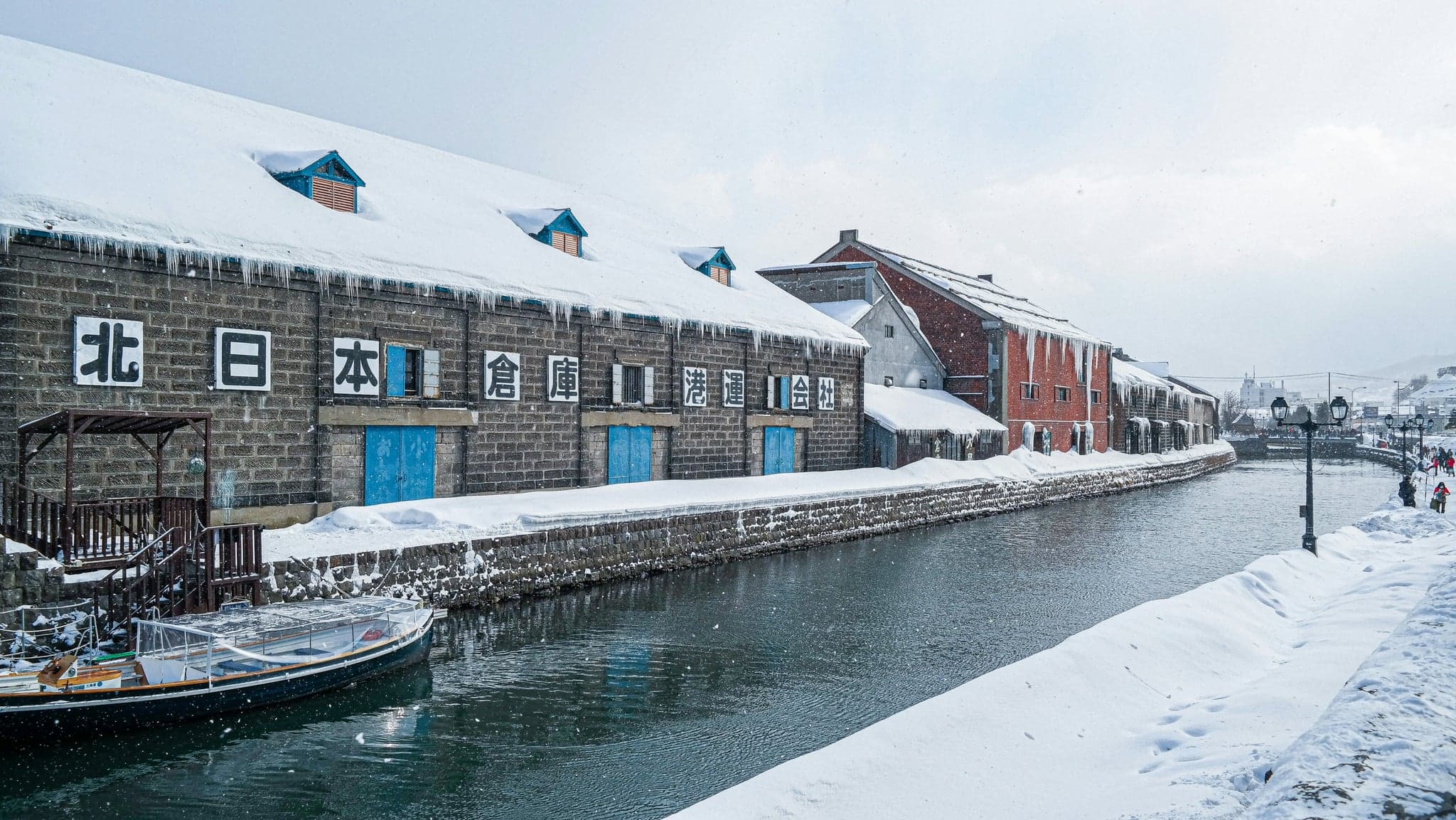
- Day 2: A free day in Sapporo. Otaru is a suggested side trip, with entrance fees not included.
- Day 3: A chartered taxi takes you from Sapporo to Northern Horse Park (admission included; lunch and any separately charged riding activity are extra), then on to Noboribetsu Onsen. The catalog lists a Japanese-style room with two beds, and dinner at the hotel is included that night.
- Day 4: After breakfast, a chartered taxi takes you to Noboribetsu Hell Valley, Date Jidaimura (a historical theme park) and Showa-Shinzan Bear Ranch near Lake Toya, then on to Rusutsu. Entrance fees that day aren't included.
- Days 5–8: Rusutsu, with a chartered taxi to New Chitose Airport on Day 8.
HK008 is self-guided, so no guide comes with you at Hell Valley or anywhere else. A local guide can be requested as an option.
What HK008 Includes, and What It Doesn't
Included in the catalog: 7 nights with breakfast. Hotel dinner at Noboribetsu on Day 3. Chartered taxi airport transfers on Days 1 and 8, and chartered taxi hotel-to-hotel transfers on Days 3 and 4. Northern Horse Park admission. Luggage delivery for ski equipment only, from New Chitose Airport to Rusutsu. Travel insurance, and 24/7 customer support during your stay in Japan.
Not included: Flights, Rusutsu lift passes, and ski gear and clothing. Local trains and buses not in the itinerary. Other meals and drinks. Admissions not listed, including Date Jidaimura and the Bear Ranch. Early check-in or late check-out fees, incidentals and accommodation tax. Daily resort shuttles and ski lessons aren't part of the package either.
HK008 vs HK005 vs HK006
| Route | Length | Nights | Onsen-town night | Catalog USD range* |
|---|---|---|---|---|
| HK008 | 8 days | Sapporo 2, Noboribetsu Onsen 1, Rusutsu 4 | Yes: Noboribetsu Onsen, hotel dinner on Day 3 | USD 2,900–5,100 (PDF) |
| HK005 | 8 days | Sapporo 3, Rusutsu 4 | No onsen-town night | USD 2,400–4,800 (PDF) |
| HK006 | 12 days | Rusutsu 4, Jozankei Onsen 1, Sapporo 2, Furano 4 | Jozankei Onsen, not Noboribetsu; hotel dinner on Day 5 | Quote required for your dates (PDF) |
Interested in a tour? Click a route code above, or search for it in the top-right Search bar.
*Per person, based on double occupancy. Departure date, room arrangement and availability affect the final quote. The displayed HK008 and HK005 ranges match their December 2026–March 2027 pricing PDFs and are not guaranteed prices for every winter departure. Accommodation tax, local transport not listed, admissions and meals not listed can be extra.
HK006 pricing needs confirmation: its tour listing shows USD 4,700–6,400, while some late-March 2027 entries in the linked PDF differ. Request a date-specific quote before comparing its cost. Tour cards below display the catalog range.
Only HK008 includes Noboribetsu. HK005 is the same length without an onsen night. HK006 is the longer option, with one night at Jozankei Onsen, a different hot spring town. For resort details, see our Hokkaido ski resorts guide and our Furano guide. For a wider view, see Hokkaido tour packages.
Choose a starting route
Rusutsu Ski with Sapporo & Noboribetsu Onsen
Two nights in Sapporo, one in Noboribetsu and four in Rusutsu. Includes specified chartered transfers, breakfast and the Noboribetsu dinner; lift passes and ski equipment are extra.
Share your dates and party size, and we’ll check availability and send a quote for your trip.
Common Mistakes When Planning Noboribetsu
- Booking near the station by accident. Noboribetsu Station is about 8 km from the onsen town.
- Arriving after dark in winter. Hell Valley is best seen in daylight, so aim to arrive by early afternoon.
- Counting on the foot bath in winter. The forest trail may be closed.
- Forgetting seat reservations. The Suzuran and Hokuto are both all-reserved.
- Assuming the direct bus will fit your plans. It's reserved-only and has few departures.
- Making self-drive the default in winter. Take the train or a hired driver instead.
- Assuming tattoo or private-bath policies. Ask each property before you book.
- Ignoring closures. Noboribetsu is a volcanically active area. Local closures and signs override any plan, ours included. For official volcanic information, check the Japan Meteorological Agency.
Useful Resources
- Noboribetsu tourism association: live notices, access and the day-use bath list
- JR Hokkaido: train guides and reservations
- Donan Bus: express bus fares and timetables
- Noboribetsu Bear Park and Upopoy: hours and closures
Turning This Into a Real Itinerary
When you enquire, send us your travel dates, the number in your party, the ages of any children, how many onsen nights you want, how many ski days you're planning (if any), and any room-type or private-bath needs. With that, we can tell you whether HK008 fits as published or whether you need a custom availability check.
Interested in a Noboribetsu night on your Hokkaido trip? Get in touch through Plan My Trip and we'll suggest the tours that fit your dates.
Would you like to include a Noboribetsu Onsen stay in your Hokkaido trip? Get in touch through Plan My Trip on our self-guided tours site, and we’ll suggest the tours that best fit your dates and plans.
Frequently Asked Questions
How far is Noboribetsu Onsen from Noboribetsu Station?
About 8 km. The local Donan Bus takes roughly 15–30 minutes, depending on the service and stop to the Noboribetsu Onsen bus terminal, and taxis also run from JR Noboribetsu Station. Don't book a hotel near the station expecting to be in the onsen town.
Is one night in Noboribetsu Onsen enough?
For most travellers, yes. One night gives you Hell Valley in daylight, dinner at your hotel and both an evening and a morning bath. Add a second night only if you want to walk the forest trails in the green season or just slow right down.
Can you visit Hell Valley in winter?
The main Jigokudani viewpoints are the usual winter focus, with free entry when open. Paths can be icy, and the trail to Oyunuma and the natural foot bath may close in winter. Go in daylight, check the tourism association's notices and follow any closures on site.
Do Noboribetsu ryokan accept tattoos or offer private baths?
It depends on the property. Policies on tattoos, private baths and children vary, so don't assume anything. Ask the hotel before booking, or tell us your needs when you enquire. We'll check what's possible, but we can't promise acceptance or a private bath.
Can Self Guide Japan book a Noboribetsu stay without a ski trip?
We don't publish a standalone Noboribetsu onsen package. HK008 is the published route with a Noboribetsu night, and it's a ski trip. For a non-ski or one-night stay, send us your dates and we'll run a custom availability check.
HK006 needs a date-specific quote. Its card shows an indicative catalog range; some late-March prices in the linked pricing PDF differ.