
Japan Tourist PASMO 2026: The Complete Guide for International Visitors
TOURIST PASMO launched May 2026 to replace the discontinued PASMO PASSPORT. Where to buy it, how it compares to Welcome Suica, top-up rules, and how to use it across Tokyo, Kyoto, and Osaka.
Planning an independent trip to Japan and wondering which IC card to use at the gates? Here's the short answer for 2026: the old PASMO PASSPORT is gone, and a new card called TOURIST PASMO has taken its place. It became available from May 20, 2026, as an IC card for international visitors accepted across Japan.
If you've been Googling "japan tourist pasmo 2026" because older blog posts still mention the PASMO PASSPORT, you're in the right place. This is the PASMO PASSPORT replacement — issued by the same company, with a few important rule changes you need to know before you land.
Quick Answer: TOURIST PASMO 2026
Buy at Narita or Haneda station counter, valid 28 days, no deposit, no refund on remaining balance. Tap-and-go on trains, subways, buses, conbinis nationwide. The functional twin of Welcome Suica — pick whichever counter has the shorter line.
Available
May 20, 2026
Validity
28 days
Deposit
None
Refund
None
What Is the TOURIST PASMO and Why It Replaced the PASMO PASSPORT
The TOURIST PASMO is a prepaid transportation IC card aimed at short-stay travelers. It was created based on the PASMO PASSPORT, which was sold until October 2024, and has a limited validity designed for short-term travel in Japan.
So if a guidebook from 2023 told you to grab a PASMO PASSPORT at the airport, that advice is now outdated. Functionally, the TOURIST PASMO works just like a regular PASMO card — tap in, tap out. The big differences are the validity period and the refund rules, which we'll get to.
Key Facts at a Glance
- Valid for 28 days from the date of purchase.
- No deposit and no refund on the remaining balance.
- Available at Haneda Airport and Narita Airport station counters.
- Works on trains, buses, convenience stores, vending machines, and many shops nationwide.
- Designed as a souvenir with a kanji-themed design.
Pricing differs by airport: at Narita the card is ¥2,000 fully loaded, while at Haneda you choose from ¥1,000 to ¥10,000. The full purchase amount goes straight onto the card as usable credit.
Where to Buy It
You can pick one up the moment you land. TOURIST PASMO is available at two railway operators at Haneda Airport and Narita Airport.
At Narita Airport, look for the railway station counters inside Terminal 1 and Terminal 2/3. At Haneda Airport, you'll find sales points at Terminal 1, 2, and Terminal 3 stations. The signage points you to the train operator's counter, not a generic information desk.
Honestly, if you're jet-lagged and just want to get on the Keikyu or the Narita Express, this is the easiest thing in the world to set up. Hand over cash, get a card, tap, go.
One thing to note for travelers arriving outside Tokyo: if you fly into Kansai (Osaka/Kyoto) or Fukuoka instead, you'll need a different card — ICOCA for Kansai, for example. The TOURIST PASMO itself is sold only at the two Tokyo-area airports.
What You Can Pay For
This is where IC cards quietly become a lifesaver. You simply touch your TOURIST PASMO to the reader at the ticket gate to ride trains, touch it to the reader inside a bus to pay the fare, or tap at a register for electronic payments — no counting out coins.
You'll use it for:
- Subways and trains across Tokyo (Tokyo Metro, Toei, JR East commuter lines, private railways)
- City buses
- Convenience store purchases (7-Eleven, Lawson, FamilyMart)
- Vending machines at train stations
- Coin lockers at major stations
- Many cafés, drugstores, and souvenir shops
TOURIST PASMO works in major cities across Japan including Osaka, Kyoto, Fukuoka, and Sapporo. In Kyoto you can use it on city buses and the Randen tram — no digging for coins while visiting Ryoan-ji or walking through the torii gates at Fushimi Inari.
That nationwide compatibility is why it works so well for independent trips that bounce between regions. One card, one tap, no headaches.
For sightseeing in Japan's cities, an IC card is essential for getting around smoothly. In practice, contactless transit-card payment is more widely accepted at shops than contactless credit cards, and you'll lean on it constantly — at convenience stores, at vending machines, and at coin lockers (where the IC card itself becomes the key to your stored bag). In less touristy regions, however, you may run into local IC cards or buses and trains that only take cash or their own card, so it's worth researching your route in advance.
Topping Up: How to Add Money
Insert your TOURIST PASMO into the ticket machine and follow the on-screen instructions to top it up with cash. Most train station machines have an English option — look for the small flag icon top right.
Cards cannot be topped up if the balance will exceed ¥20,000. Twenty thousand yen is the ceiling, full stop.
You can also reload at a convenience store — just ask the shop staff for details. If you're on a bus and running low, the driver can usually help with a ¥1,000 top-up.
A quick warning: most top-up machines only accept cash. Bring some yen. There's an ATM at virtually every major airport and 7-Eleven if you need to withdraw.
The Catch: No Refunds on Remaining Balance
This is the biggest mental shift from a regular PASMO card. Value added to TOURIST PASMO will not be refunded — take your card home as a souvenir.
In other words, whatever's left on the card when you leave Japan is gone. So load smart. Start with a smaller amount, top up as you go, and try to run the balance down toward the end of your trip.
Since refunds aren't offered, try using up your balance at the airport before departure — perfect for last-minute shopping or a final bowl of ramen. Use the leftover yen on snacks at the airport convenience store. Coffee. A bottle of water. Anything.
TOURIST PASMO vs Welcome Suica
JR East runs a near-identical product called the Welcome Suica. The Tourist PASMO and Welcome Suica are functionally identical: both are prepaid IC cards that work across trains, subways, buses and shops nationwide, have no deposit, expire after 28 days, and don't offer refunds on the remaining balance.
So which one should you grab? Honestly, whichever counter has a shorter line.
- Arriving at the JR East Travel Service Center? Welcome Suica is right there.
- Arriving at a private railway counter (Keikyu, Tokyo Metro, Keisei)? TOURIST PASMO is right there.
- Want the kanji "travel" design? TOURIST PASMO.
- Prefer the cherry blossoms artwork? Welcome Suica.
Both are valid for 28 days. Both work the same way on the same gates. Don't overthink it.
TOURIST PASMO vs Regular PASMO (For Repeat Visitors)
If Japan is on your bucket list for future trips, the regular PASMO card is worth considering instead. If you do not anticipate returning to Japan in the near future, the TOURIST PASMO might be a good choice. For people who visit Japan often, note that a standard PASMO card can remain valid for up to 10 years after its last use, as long as it's used or recharged periodically.
The trade-off: regular PASMO cards charge a refundable ¥500 deposit but let you keep the balance for next time. Sales of non-personalized regular cards have resumed since March 2025, so they're back on the menu at most train station machines.
Mobile PASMO and Apple Wallet: The Phone Option
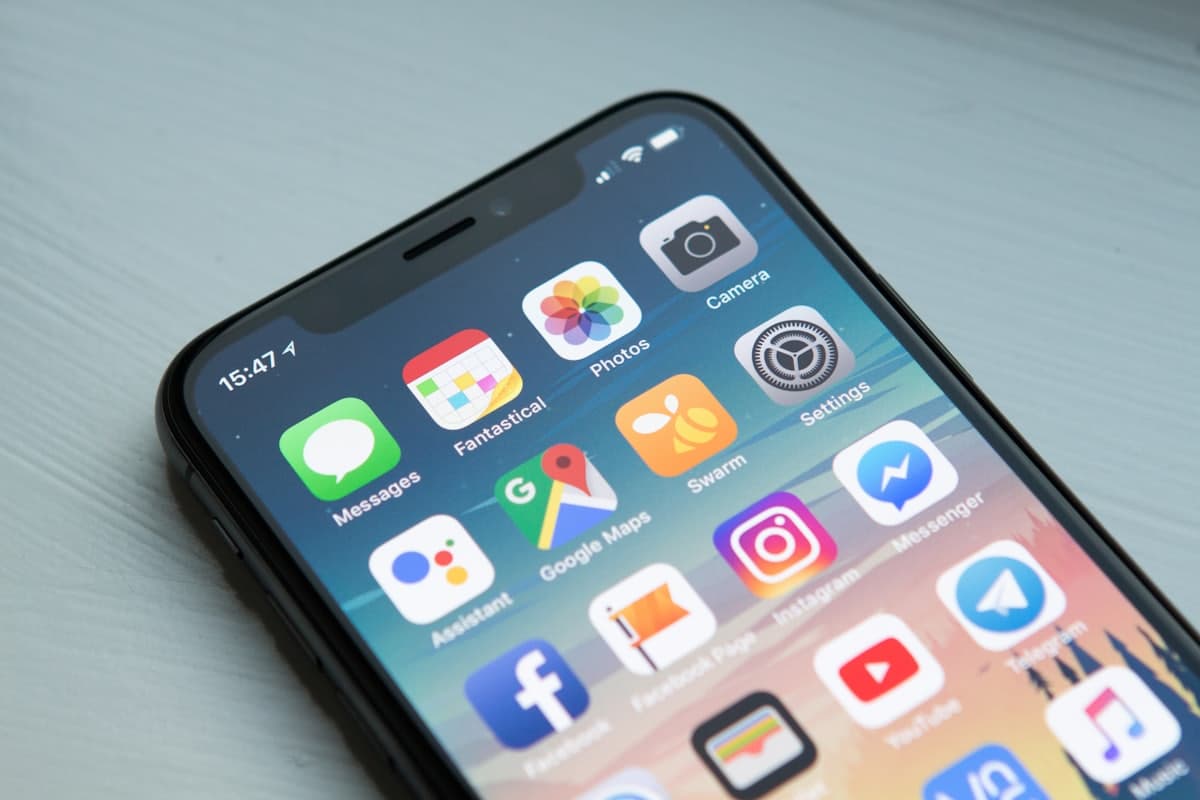
If you have an iPhone, you can skip the physical card entirely. iPhone 8 and later can be set up to serve as Suica, PASMO, and ICOCA cards by adding them to Apple Pay. Some credit cards issued outside of Japan cannot be used to charge your card, but Visa and Mastercard work in most cases as of 2026 — Mastercard has historically been the most reliable for adding funds. American Express also works for many people.
A few caveats:
- Android phones can use Mobile PASMO via app, but the apps are targeted at residents of Japan and difficult or impossible to use for visitors. They require Osaifu Keitai compatibility, which is not provided by most phones sold outside of Japan.
- If your iPhone is older than iPhone 8, stick with the physical card.
- A digital Welcome Suica via the Welcome Suica Mobile app is valid for 180 days instead of 28, which is handy if you're on a long trip.
For most international visitors with a modern iPhone, the Apple Wallet route is the easiest. Add it once. Top up from your phone. Tap and go. The card stays on your device for future trips.
Common Mistakes to Avoid
- Loading too much, too soon. Remember, no refund. Start with ¥2,000–¥3,000, top up later.
- Ignoring the reference paper. It lists the expiration date, age category, and discount information. Don't toss it.
- Assuming it covers the Shinkansen. It generally doesn't for long-distance bullet trains — those still need a separate ticket or smartEX/EkiNet booking. See our JR Pass worth-it guide.
- Forgetting it expires. TOURIST PASMO cannot be reissued if lost. Treat it like cash.
- Buying one when you don't need it. If you have an iPhone with Mastercard or Amex, just add Suica or PASMO to Apple Wallet before you fly.
How to Build It Into a Real Itinerary
- Day 1 — Land at Narita or Haneda Airport. Walk to the train station counter. Buy the TOURIST PASMO. At Narita, expect ¥2,000 with the full amount loaded as credit. At Haneda, choose your starting denomination.
- Day 1, evening — Ride into Tokyo Station or your hotel area using the card. Buy a drink at a convenience store with the same card.
- Days 2–5 — Tokyo. Tap through subway gates, buses, vending machines, and conbinis. Top up at any ticket machine when the balance dips.
- Day 6 — Day trip. Most regional lines accept IC cards. Some scenic mountain railways still require paper tickets — see our Hakone day trip guide.
- Days 7–10 — Kyoto and Osaka. The card keeps working on Kyoto city buses, JR West local trains, and the Osaka Metro.
- Final day — Run down the balance. Stop at the airport convenience store. Buy snacks for the flight. Aim to leave under ¥500 on the card.
For a fuller route, pair this with our 10-day itinerary or 7-day itinerary guides.
Would you rather have your IC card and train tickets arranged for you? Get in touch through Plan My Trip on our self-guided tours site, and we'll suggest the tours that best fit your dates and plans.
FAQ: Japan TOURIST PASMO 2026
Can I buy the TOURIST PASMO before I land in Japan?
No. It's only sold in person at Narita and Haneda airport station counters. You'll need a passport to purchase, since it's restricted to international visitors on a short-term visa.
What happens after 28 days?
The card stops working. Any balance left on it is forfeited. You'd need to buy a new tourist card or switch to a regular PASMO.
Can kids use it?
Yes — there's a child version. TOURIST PASMO for children can only be used up to March 31 of the year the child turns 12. You'll need to show the child's passport at purchase.
Does it work on the Shinkansen?
Generally no for the long-distance bullet train itself. You can use it to enter the station and pay for shops, but Shinkansen seats need a separate booking.
What's the difference between TOURIST PASMO and Welcome Suica?
Functionally none. Both expire after 28 days, work nationwide, have no deposit, and offer no refund. Pick whichever counter at the airport has the shorter line.
Is travel insurance worth it just for an IC card?
Travel insurance won't cover a lost TOURIST PASMO balance, since these cards aren't reissuable. Treat the card like cash and keep it in a secure pocket.
Can I use one card across Japan, including Osaka and Kyoto?
Yes. It works on most IC-compatible networks across the country, including the Kansai region, Sapporo, and Fukuoka.
What if I forget my Apple Wallet PIN?
Apple Pay's Suica/PASMO requires a passcode or Face ID for transit only above certain thresholds in some setups. If you can't unlock your phone, you can't tap. Keep your physical card as a backup if it makes you nervous.
Related Articles
Narita vs Haneda (vs Kansai): Which Airport to Fly Into for Japan — Transfer Times, Costs & the New 2027 US Nonstops
15 min read
Welcome Suica 2026: No Deposit, 28 Days, and the Balance You Never Get Back
12 min read
Japan eSIM 2026: The Honest Guide to Staying Connected
15 min read