
Autumn in Japan 2026: Weather, Food, Routes & Trip Planning
What the season is actually like on the ground — weather by month, what to pack, the food worth planning around, and a 12-day route. For week-by-week peak dates, our separate foliage forecast has the timing detail.
Planning autumn in Japan 2026 comes down to one thing: timing. Get the dates right and you can walk under flaming maples in Kyoto, watch ginkgo confetti fall in central Tokyo, and slip into a steaming onsen as the air turns crisp.
Get it wrong and you may see a lot of green leaves and tired faces. This guide is built for travelers booking a self-guided trip, not a coach tour, so it keeps the focus on when to go, how to route the trip, and what to avoid.
Quick Answer: Autumn in Japan 2026
Autumn in Japan runs from late September in Hokkaido to mid-December in Kyushu, with Tokyo peaking at the end of November and Kyoto in early-to-mid December (JMC's 2026 forecast: November 28 and December 11). This page is the season guide — weather month by month, what to pack, the food worth planning around and a 12-day route. For this year's peak dates and the JMC forecast, use our autumn leaves forecast 2026; for the spots themselves, the nine best places, ranked.
First Color
Late Sep
Mountains
Mid Oct
Tokyo/Kyoto
Late Nov-Dec
Book Hotels
6-12 mo ahead
The color front starts in Hokkaido in late September, sweeps through the Japanese Alps and Tohoku in October, reaches Tokyo at the end of November and Kyoto in early-to-mid December (JMC 2026: Nov 28 / Dec 11), and lingers in Kyushu into mid-December. Late October to early November is ideal for mountains; late November to mid-December is best for the big city route.
What "Autumn in Japan" Actually Means
The Japanese words you will see are koyo and momiji. They both point to the seasonal turning of leaves, especially Japanese maple leaves, which shift from green to orange, crimson, and deep red.
The color front, or koyo zensen, travels in the opposite direction of cherry blossom season. Cherry blossoms move from southern Japan northward in spring. Autumn foliage starts in the colder northern regions and higher elevations, then moves south and down into the major cities.
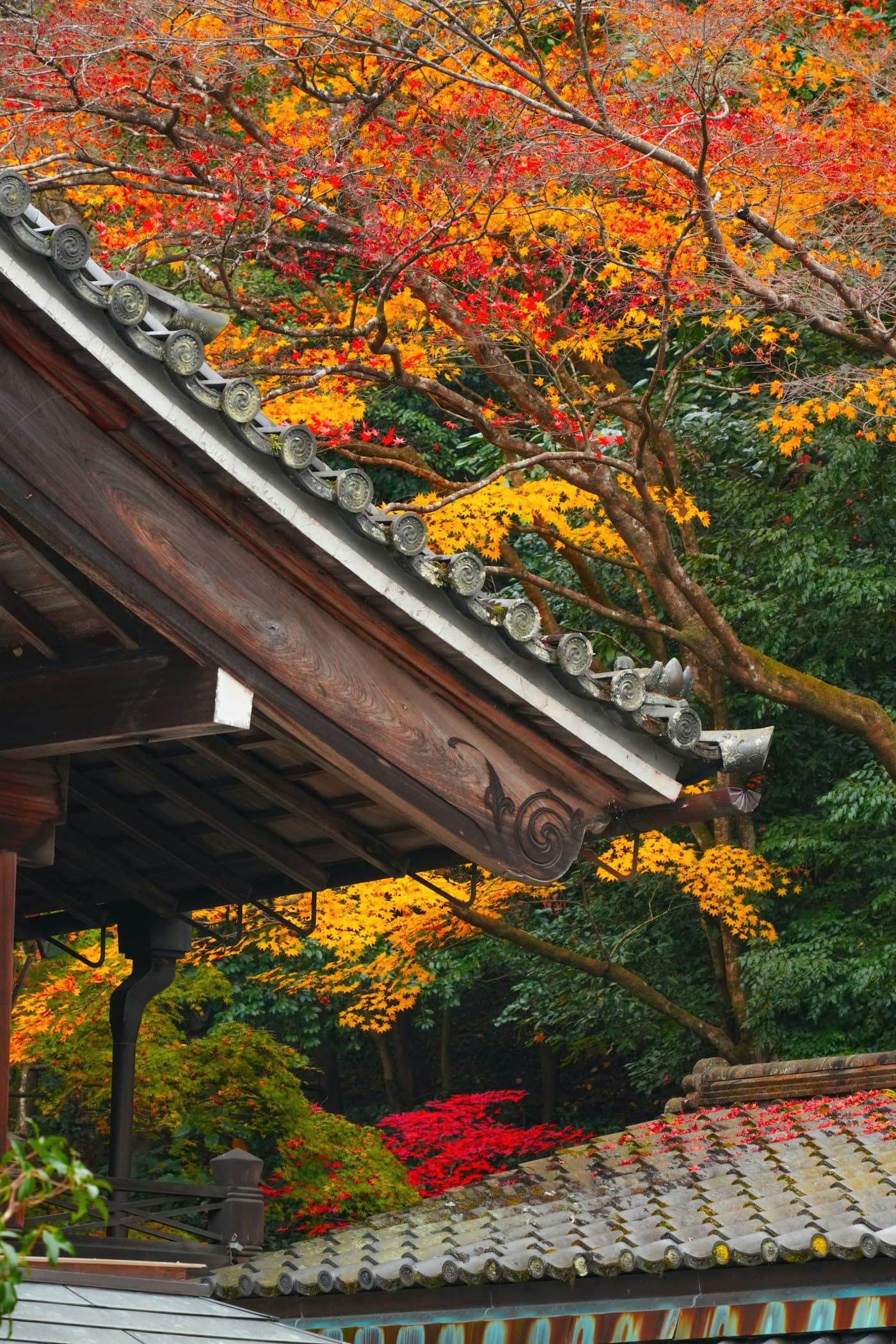
Two trees do most of the visual work. Momiji, the Japanese maple, gives you red and crimson foliage around temples, gardens, and forested mountains. Ginkgo trees give cities like Tokyo and Kyoto their golden tunnels of yellow leaves.
Why Visit Japan in Autumn 2026
Pleasant Weather Across Most of the Country
Autumn in Japan runs from late September to mid-December. Most of the season brings comfortable weather: warm temperatures in the day, chilly mornings in the mountains, and mild temperatures in the major cities.
In Tokyo, November usually reaches highs around 18°C / 64°F and lows around 10°C / 50°F. That is comfortable for full walking days, especially compared with humid summer.
A Longer Window Than Spring
Autumn is not empty, but autumn foliage lasts longer than blossoms. That gives you more room to choose midweek visits, off-peak gardens, and detours away from the busiest temples.
When to Go: The Shape of the Season
Not sure which month suits you? Our guide to the seasons in Japan lines up all twelve months side by side — weather, crowds, prices and what is in bloom.
Japan is long. Do not plan autumn in Japan as if the country turns red all at once. The table below is the broad shape; for week-by-week peak windows and how to read the official forecasts, use our dedicated Japan autumn leaves forecast 2026 — that page carries the timing detail, this one covers the trip around it.
Fall foliage timing by region (long-run pattern; JMC 2026 dates in brackets)
| Window | Best Regions | Planning Notes |
|---|---|---|
| Late Sep-Early Oct | Hokkaido, Daisetsuzan, northern island parks | First color; pack warm layers. |
| Mid Oct | Tohoku, Japanese Alps, highland national park areas | Best for nature lovers and mountain routes. |
| Late Oct-Early Nov | Nikko, Fuji Five Lakes, Mt. Koya, Kamikochi | Great for a Tokyo + mountains trip. |
| Mid Nov | Kanazawa, Hiroshima, Seto Inland Sea, Shikoku | Good balance of color and fewer crowds. |
| Late Nov – mid-Dec | Tokyo (Nov 28), Nagoya (Dec 2), Osaka (Dec 4), Fukuoka (Dec 7), Kyoto (Dec 11) | Best first-timer window; hotels sell out. |
Late September to early October is for Hokkaido and the first color. Mid October is for Tohoku and the Japanese Alps. Late October to early November works for Nikko, Lake Kawaguchi, Hakone at higher elevations, and Mt. Koya. Mid November is strong for Kanazawa, Hiroshima, Setouchi, Shikoku, and parts of Kyushu. Late November to mid-December is the postcard window for Tokyo, Kyoto, and Osaka.
How to Track the Color Front
Do not book your exact trip based only on last year. Start with our Japan autumn leaves forecast 2026 for the region-by-region windows, then use these live sources to fine-tune once you're close to travel.
Japan Meteorological Corporation (n-kishou.com)
The most useful national foliage forecast. Its 2026 releases came out on September 2 and October 1; the next is due in early November.
Weathernews / TENKI.jp
Good for live reports once leaves are turning. Use them to adjust day trips and decide whether to chase earlier or later color.
Local Tourist Offices
Ask your hotel front desk or station tourist counter before a garden, temple, or mountain day trip. Local color reports can be more useful than a national map.
For broader season planning, pair this article with our best time to visit Japan 2026 guide and Japan typhoon season 2026 guide.
A Realistic 12-Day Autumn Itinerary for Late November to Mid-December 2026
If you want one route that gives you a strong chance of peak foliage without overcomplicating the trip, aim for Tokyo, Lake Kawaguchi or Hakone, and Kyoto.
Days 1-4: Tokyo
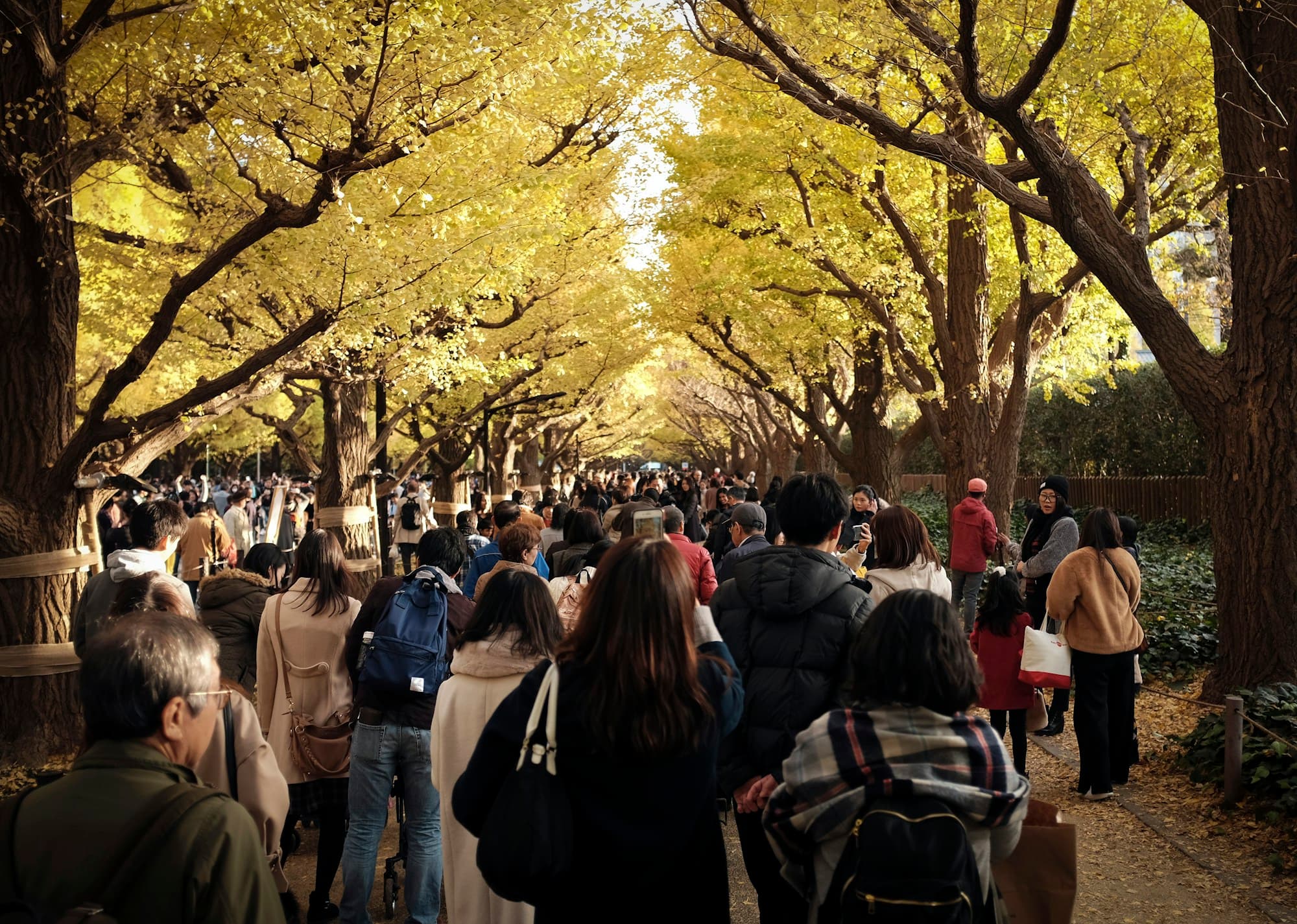
Start with Rikugien Garden, Koishikawa Korakuen, Mount Takao, and Meiji Jingu Gaien's golden ginkgo avenue. Late November usually gives Tokyo both ginkgo and early maple color.
Days 5-6: Mount Fuji and Lake Kawaguchi
Move to Lake Kawaguchi for the Maple Corridor and Mount Fuji views. The autumn leaves festival usually runs in November, and foliage peaking here often comes earlier than central Tokyo.
Days 7-8: Hakone
Hakone adds hot springs, Lake Ashi, and a slower pace. It fits beautifully between Tokyo and Kyoto. Stay at a ryokan if your budget allows. If you want this Hakone block extended into Takayama and Shirakawago's thatched villages, our Spirit of Tradition (GR009) 14-day route is built around exactly that arc.
Days 9-12: Kyoto and a Day Trip
Kyoto is the crown jewel of autumn in Japan. Kiyomizudera, Eikando, Tofukuji, Arashiyama, and temple gardens around Higashiyama can all be excellent from late November into mid-December.
Use one day for Nara, Uji, or Osaka. If food is part of the plan, connect this with our Japanese food guide and Osaka travel guide.
Three Autumn Spots Our Team Won't Forget
Some autumn memories do not come from a forecast map. They come from a single ropeway ride, a quiet walk along a river, or a calm morning by the sea. When our team plans autumn trips for clients, three places keep coming up.
Shinhotaka and the Tateyama Kurobe Alpine Route
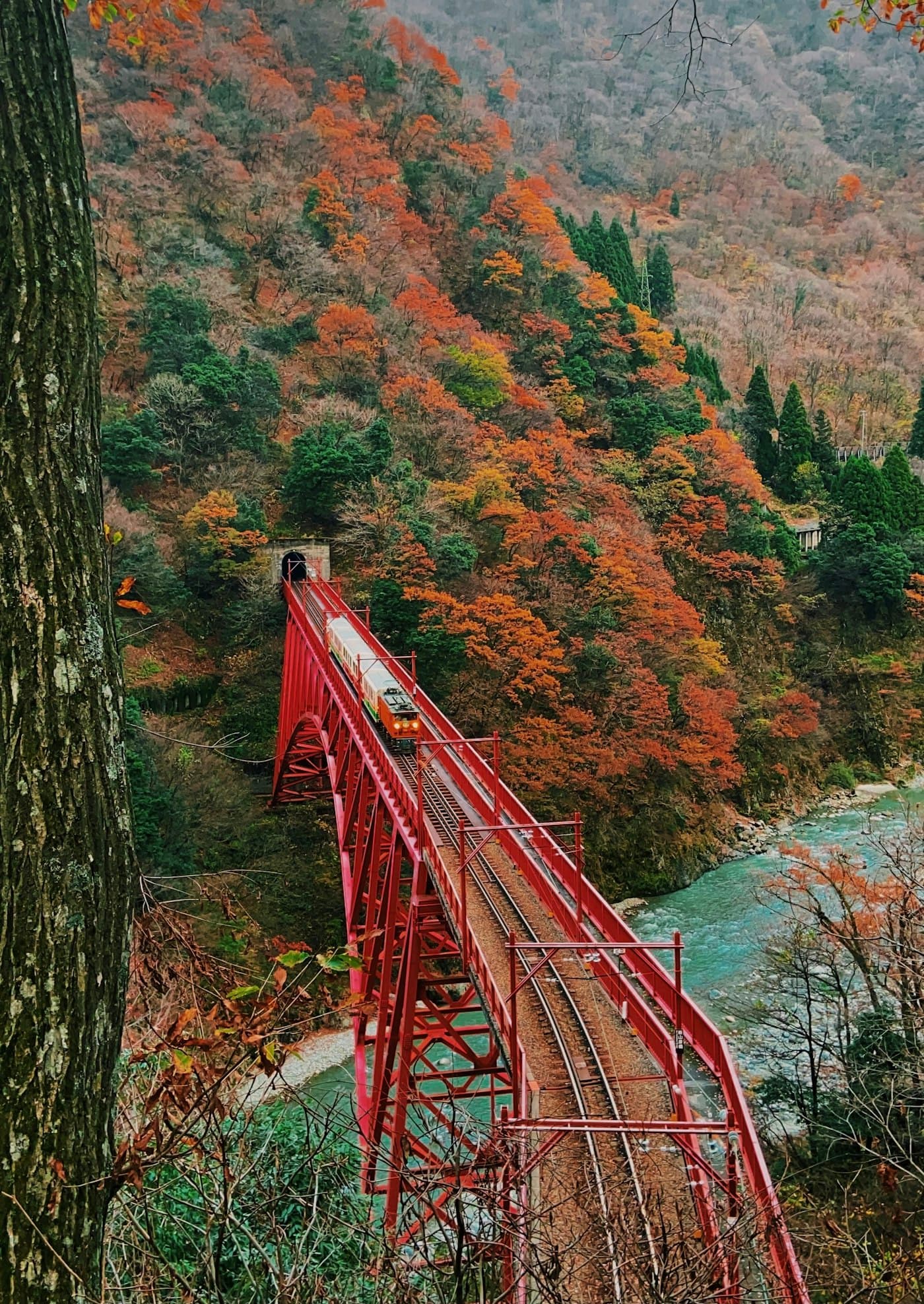
The view from the ropeway cars at Shinhotaka, and along the Tateyama Kurobe Alpine Route, is hard to beat in early-to-mid October. Mountain after mountain in red, orange, and gold slowly opens up as you climb above the valley floor. If you only have time for one mountain ropeway in autumn, pick one of these. The colors here usually peak well before Tokyo and Kyoto, so this is a strong pairing for an October trip. Both are built into our self-guided Alpine Wonders of Central Japan (NT004) route.
Kamikochi: Taisho-ike and Tashiro-ike
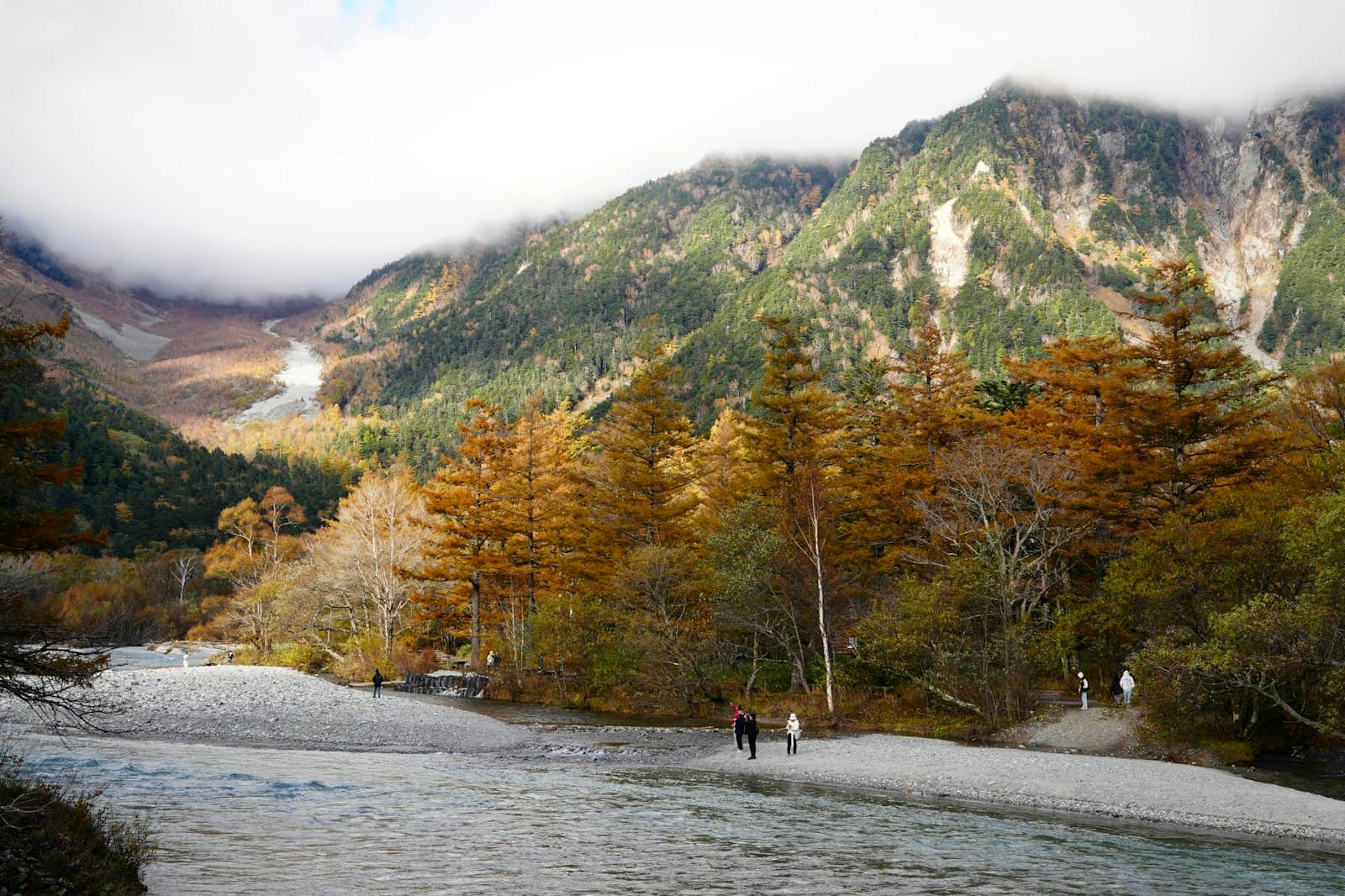
Kamikochi is the slower, walking version of the Japanese Alps. The flat trail along the Azusa River is easy, the air is cold and sharp, and the reflections on Taisho-ike and Tashiro-ike, framed in red, yellow, and silver birch, are some of the most beautiful autumn images you can find in Japan. This is the route we suggest most often when travelers want autumn nature without the late-November crowds of Kyoto. Our self-guided Alpine Wonders of Central Japan (NT004) route includes a Kamikochi hiking day.
Miyajima
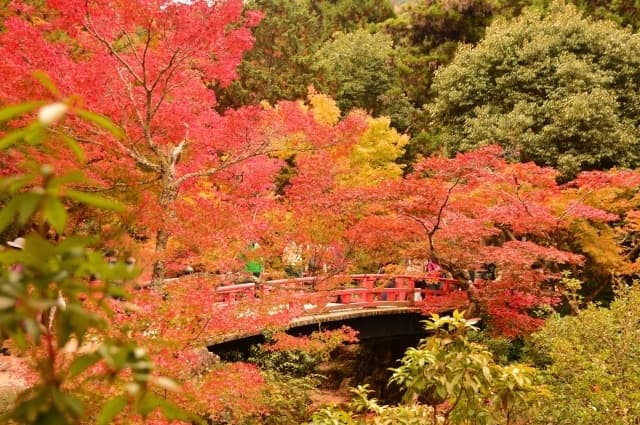
Down in Hiroshima, Miyajima feels like a different mood entirely. Maple leaves frame the path up to Itsukushima Shrine and around Momijidani Park, with the famous floating torii sitting just offshore. It is a classic, very Japanese autumn picture, and it pairs perfectly with a wider Setouchi or Hiroshima detour at the end of a Kyoto-area itinerary. Miyajima is built into our 14-day Spirit of Tradition (GR009) route together with Hakone, Takayama, Shirakawago, and Kyoto.
Major Cities vs Off the Beaten Path
Tokyo, Kyoto, and Osaka are worth it. But everyone goes there in late November, so the best fall trip often mixes one famous city with one calmer detour.
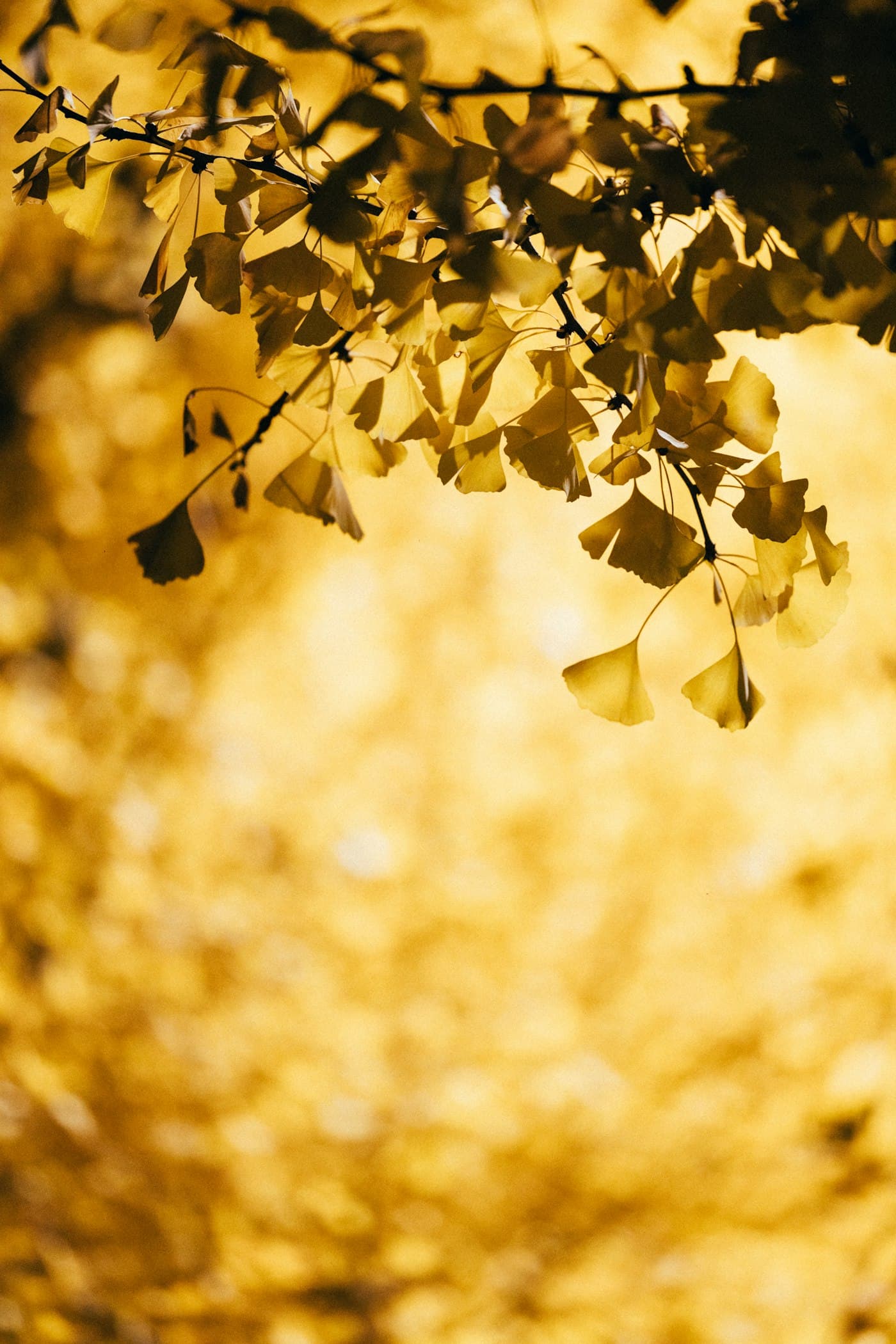
Detours worth considering:
- Kanazawa: Kenroku-en is one of Japan's great gardens and usually peaks in mid-to-late November.
- Seto Inland Sea: Hiroshima, Miyajima, Okayama, and Takamatsu can be beautiful without Kyoto-level crowds.
- Japanese Alps: Kamikochi, Takayama, and mountain villages suit nature lovers and walking trips.
- Nikko: Best earlier, often late October to early November, with temples framed by forested mountains.
- Korankei Valley: Central Japan's famous mountain maple valley, especially good from Nagoya.
If walking and scenery are your priority, also see our Walking Japan guide and Nakasendo Trail guide.
What to Pack for Autumn in Japan
Autumn packing is about layers. Warm afternoons, chilly mornings, and cold evenings can all happen on the same day.
- Light jacket: enough for daytime Tokyo and Kyoto in November.
- Warmer mid-layer: useful for Hakone, Lake Kawaguchi, Nikko, and mountain towns.
- Comfortable walking shoes: gardens and temples add up quickly.
- Small umbrella or packable rain shell: pleasant weather does not mean zero rain.
- Small bag for layers: you will take jackets on and off all day.
For Hokkaido, Tohoku, or higher-altitude routes in early November, bring a proper warm coat. Chilly mornings there are not a joke.
Seasonal Foods to Try in Japan's Autumn
If you only chase fall colors and skip the food, you miss half the season. Autumn is when matsutake mushrooms, sanma, chestnuts, new rice, hot pots, and hiyaoroshi sake appear.
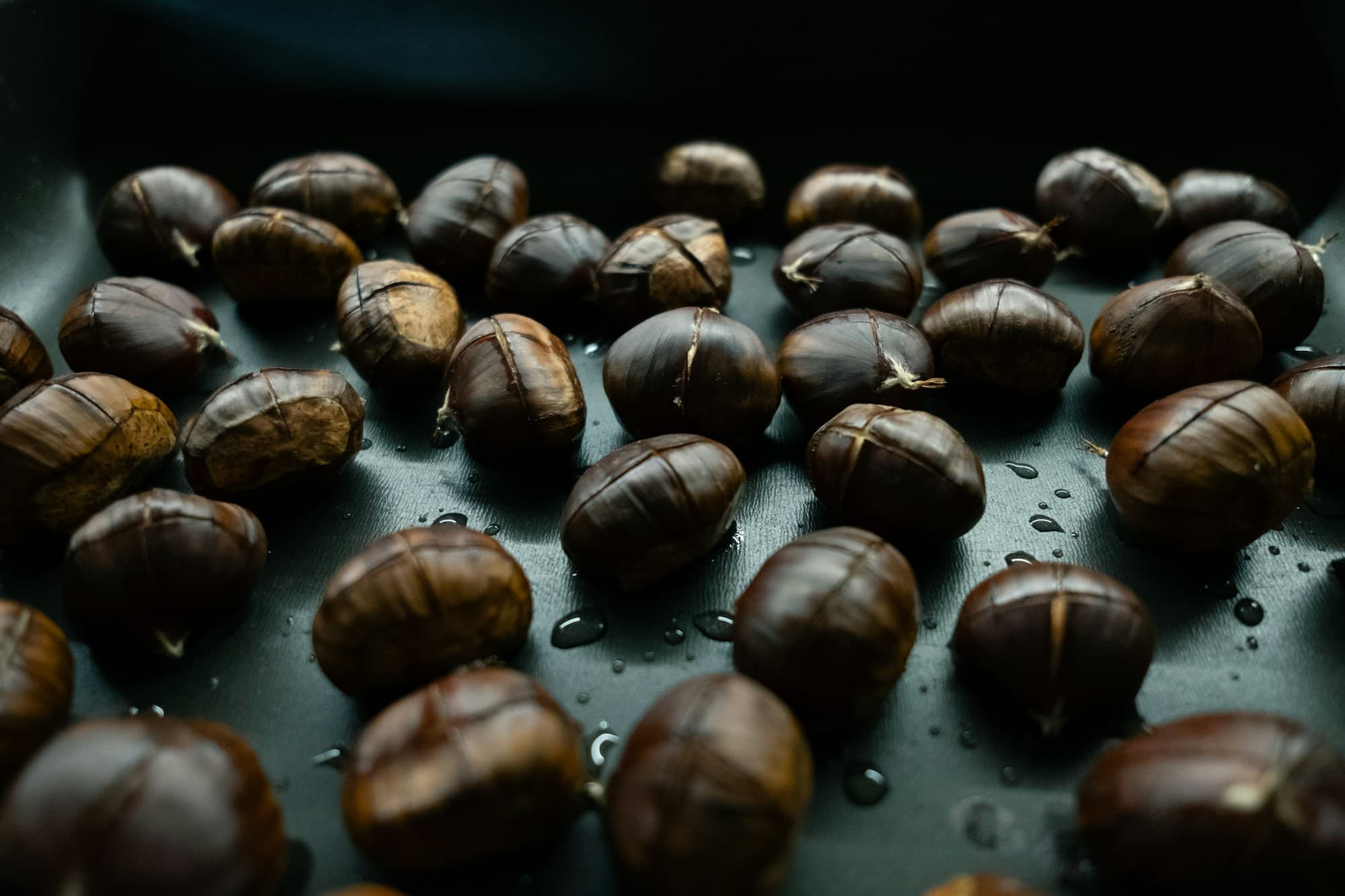
Matsutake mushrooms are pricey but memorable in kaiseki. Sanma is affordable and excellent grilled with salt. Kuri gohan, roasted sweet potato, and nabe hot pots are easier to find and make good casual seasonal meals. For wider food planning, use our Japanese food guide.
Common Autumn Trip Mistakes to Avoid
- Booking too late. Kyoto and Tokyo hotels in good locations can sell out months ahead for late November weekends.
- Treating Japan as one destination. A 10-day trip cannot catch Hokkaido at peak and Kyoto at peak. Pick regions that match your dates.
- Doing Kyoto as a day trip. Stay at least three nights if autumn temples are the goal.
- Ignoring ginkgo. Everyone hunts maple, but golden ginkgo avenues can be equally stunning.
- Forgetting weekends. Popular temples and gardens are much easier midweek.
- Skipping live forecasts. Weather patterns can nudge peak foliage earlier or later every year.
For more planning pitfalls, see our Japan travel mistakes to avoid guide.
Want an autumn route built around the foliage front?
We design self-guided Japan trips that match your dates to the right regions, build in flexible garden and onsen days, and avoid the worst crowd traps in Kyoto and Tokyo.
Self-Guided Routes for the 2026 Autumn Colour Season
The colour moves south for six weeks — Hokkaido in early October, the Japan Alps and Takayama in late October, Kyoto and Nara in the second half of November. These are the routes we run that follow it, with the month each one is built for.
| Route | Length | From (per person) | Why this autumn |
|---|---|---|---|
| Discover Hokkaido: Nature & Scenic Views (HD001) | 7 days | $3,700–4,300 | Sounkyo Gorge, Lake Akan and Shiretoko peak in early to mid October — the first colour of the season. |
| Scenic Southern Hokkaido Escape (HD002) | 7 days | $2,200–2,700 | Sapporo, Lake Toya and Hakodate in October, at the lowest price here. |
| Spirit of Tradition: Shirakawa-go & Cultural Japan (GR009) | 14 days | $4,100–5,900 | Takayama for its Autumn Festival (9–10 October), Shirakawa-go in late October, Kyoto and Nara in November. |
| Japan Highlights & World Heritage (GR002) | 12 days | $3,300–4,800 | Kyoto and Nara at peak colour in the second half of November. |
| Cultural Essence: Kyoto & Kanazawa Short Escape (GR006) | 12 days | $2,800–4,200 | Kenrokuen and Kyoto within the same fortnight; the lowest-priced twelve-day route we run. |
| Koyasan: Sacred Sites and Quiet Beauty (KM003) | 12 days | $3,500–5,200 | Koyasan’s maples turn in early November. Departures run April to November. |
| Hot Springs & Highlights: Kinosaki & Gero (HS002) | 14 days | $4,300–5,700 | Kinosaki’s crab season opens on 7 November — colour by day, crab and the outdoor baths by night. |
Interested in a tour? Click the route name above, or search by route code in the top-right Search bar.
For the month itself, see Japan in October 2026 and Japan in November 2026; for the beds that sell out first in colour season, where to stay in Kyoto names the hotels our routes actually book.
Prices are per person on a twin-share basis from our current price list and move with the departure date; departure windows are as the catalogue listed them on 22 September 2026. Ask us for an exact quote for your dates.
Japan Trip Cost Calculator (2026)
Set your trip below — the estimate updates instantly. Yen prices are converted at a rounded ¥150 to the dollar; the market rate is about ¥157 in September 2026, which makes yen costs a few percent cheaper than shown.
Intercity is priced as point-to-point tickets unless you add the pass — on the Tokyo–Kyoto–Osaka route the pass usually costs more than the tickets.
Estimated total
$4,530
$2,265/person · $453/day · 2 travelers, 10 days
Estimate only — a mid-range guide, not a binding quote. Peak season & specific hotels shift the total.
For comparison, our self-guided routes run about $270–390 per person per day with hotels, trains, luggage delivery and 24/7 support included — the difference from a DIY estimate is the hotel class and having it all arranged.
Planning a trip for Japan's autumn colors, when hotels and trains fill up weeks ahead? Get in touch through Plan My Trip on our self-guided tours site, and we'll suggest the tours that best fit your dates and plans.
FAQ
When is the best time to visit Japan for autumn foliage in 2026?
For most first-time routes, late November through mid-December 2026: JMC's second forecast puts Tokyo at November 28 and Kyoto at December 11. Go earlier for Hokkaido, Tohoku, Nikko, Lake Kawaguchi, and the Japanese Alps.
Is November 2026 a good time to visit Japan?
Yes. Japan in November 2026 should offer comfortable weather, seasonal foods, and strong fall foliage timing in Hakone, Lake Kawaguchi, Kanazawa, and Hiroshima, with Tokyo peaking at the end of the month (JMC: from November 28). Kyoto peaks from December 11 in 2026 (JMC — a few days behind its average, still "average" in JMC's classification), so put it at the very end of a November trip or into December.
When does autumn foliage peak in Kyoto?
Kyoto usually peaks from late November into early December; JMC's second 2026 forecast puts the peak from December 11, so plan on December 8–21 this year. Lower-elevation temples and gardens in the city are the last to turn, so they hold color longest.
Where should I go if I visit Japan in October 2026?
Choose Hokkaido, Tohoku, Nikko, the Japanese Alps, Lake Kawaguchi, Mt. Koya, or higher-elevation onsen towns. Tokyo and Kyoto are usually too early for peak foliage in October.
Is autumn in Japan less crowded than cherry blossom season?
Usually, yes, but Kyoto at peak autumn foliage can still be very crowded on weekends. Autumn is easier to manage because the season lasts longer and you can route around the busiest days.
What should I pack for autumn in Japan?
Pack layers: a light jacket, warmer mid-layer for evenings or mountains, comfortable walking shoes, and a small umbrella or rain shell. Hokkaido and higher elevations need warmer clothing.
Peak dates from the Japan Meteorological Corporation's second 2026 forecast (October 1, 2026); next update early November. Last updated: October 3, 2026.
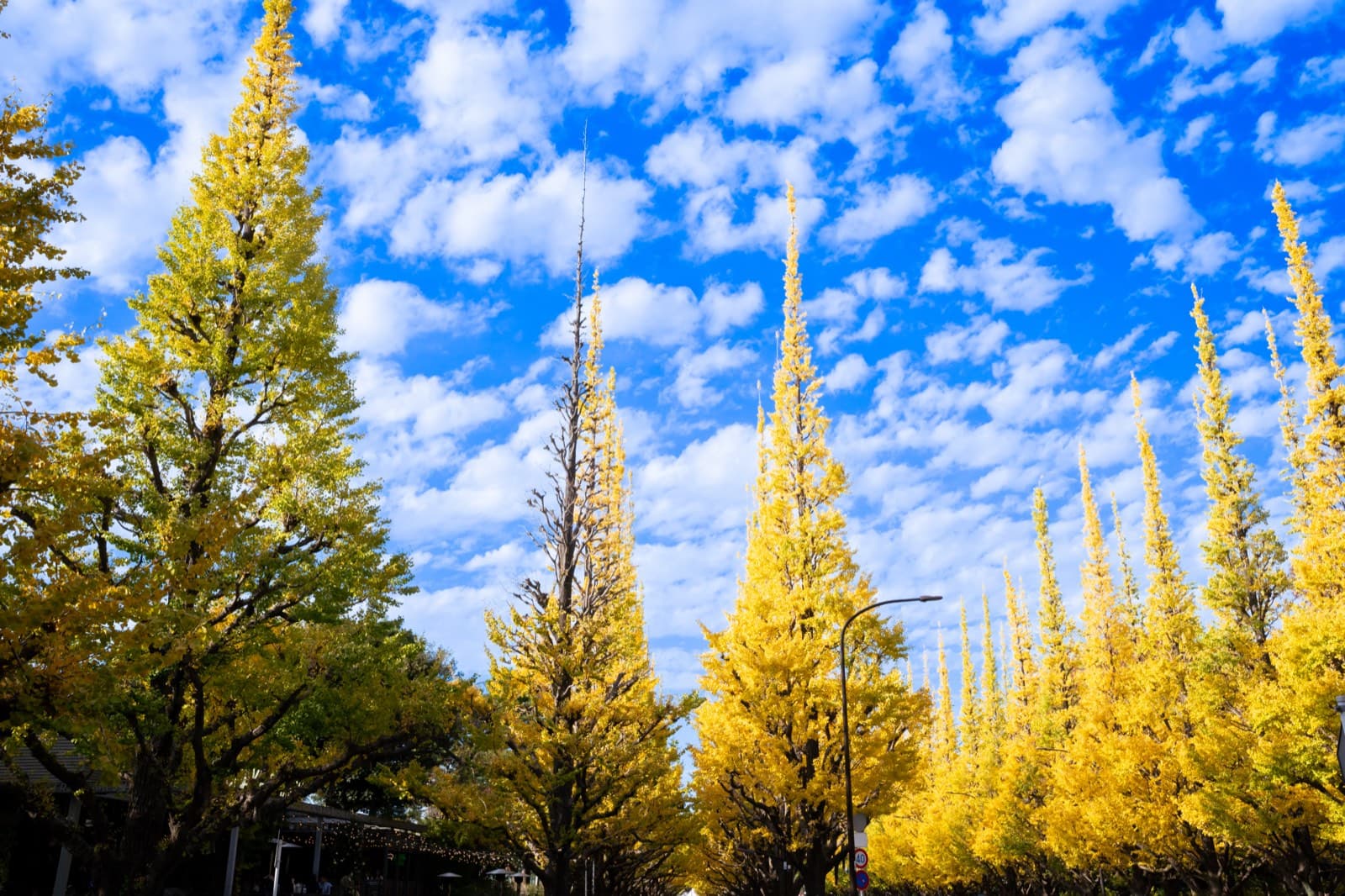
Hero image: Ginkgo avenue at Meiji Jingu Gaien, Tokyo, by Dick Thomas Johnson via Wikimedia Commons (CC BY 2.0).
Related Articles
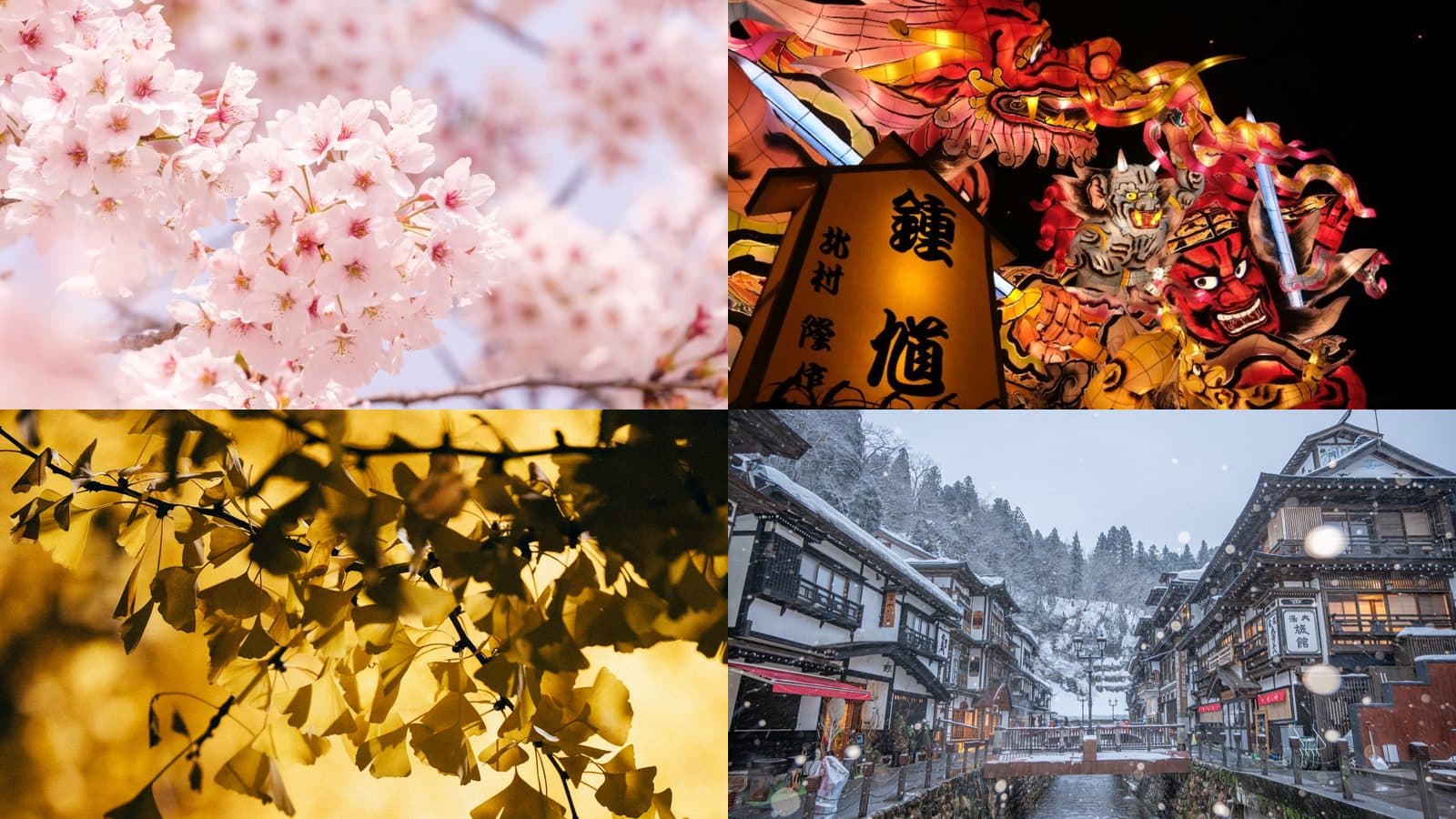
Seasons in Japan: What Season It Is Right Now, Month-by-Month Weather & the Best Time for Each Trip
16 min read
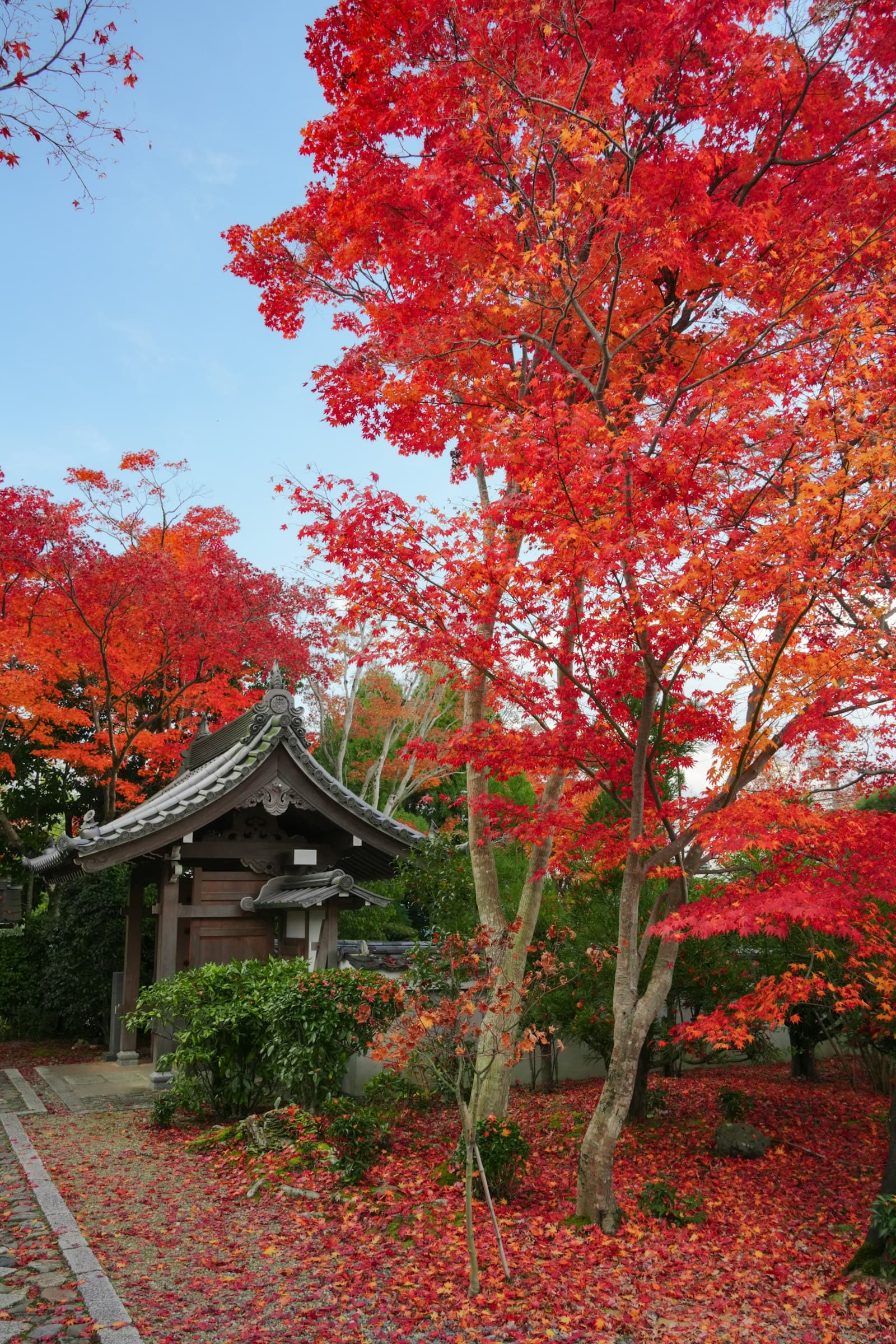
Japan Autumn Leaves Forecast 2026: Latest Dates City by City, and Where the Colors Are Now
14 min read
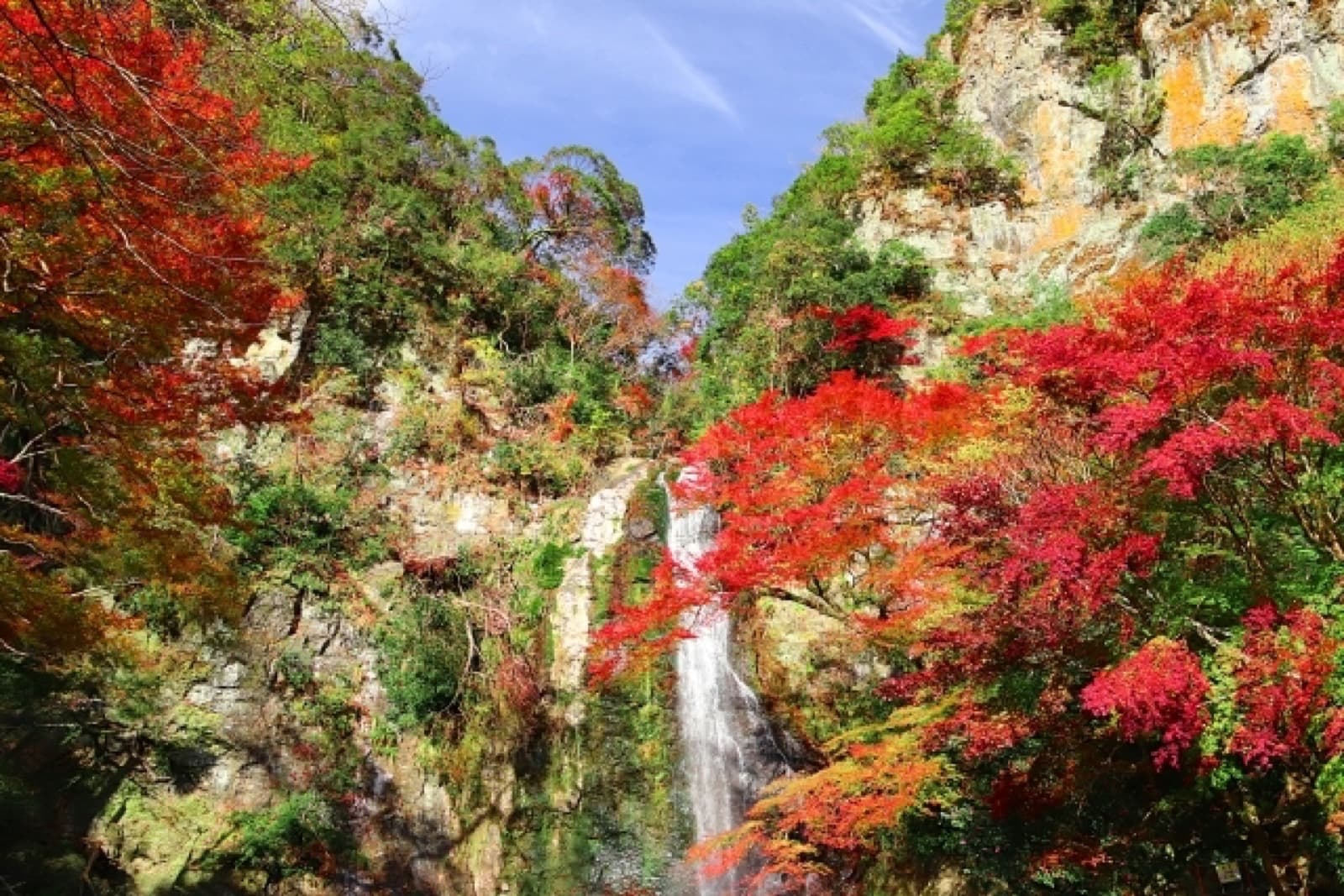
Osaka Autumn Leaves 2026: Peak Dates, Minoo Park & Why It Beats Kyoto as a Base
15 min read