Kamakura Autumn Leaves 2026: A Self-Guided Guide to Fall Foliage in the Ancient Capital
An hour from Tokyo, Kamakura layers ancient temples, ocean views and fiery maples into a compact day you can walk. Here's how to time late-November colour, catch the Hasedera night light-up, and build a self-guided day around Kita-Kamakura and Hase.
Planning a trip around Kamakura autumn leaves 2026? The short answer: aim for late November to early December, base your day around Kita-Kamakura and Hase stations, and don't skip the evening light-up at Hasedera. That's the sweet spot for peak colour, night illumination and manageable crowds if you time it right.
Kamakura is one of the easiest autumn day trips from Tokyo — genuinely close, genuinely beautiful, no complicated logistics. If you want a proper dose of Japan's autumn foliage without flying to Kyoto or Nikko, this is where it makes sense. For the national picture see our Japan autumn leaves forecast 2026, and for the year-round version of this trip, our Kamakura day trip from Tokyo guide.
🍁 Quick Answer: Kamakura Autumn Leaves 2026
Peak is late November to early December 2026 — coastal Kamakura runs later than the mountains. Base around Kita-Kamakura (Engakuji, Kenchoji) and Hase (Great Buddha, Hasedera), go on a weekday, and stay for the Hasedera evening illumination — the only autumn night light-up in Kamakura.
🍁 Peak
Late Nov–early Dec
🏮 Night light-up
Hasedera only
🚆 From Tokyo
~1 hr, ¥1,040
🚋 In-town
Enoden day pass
When Do Kamakura's Autumn Leaves Peak in 2026?
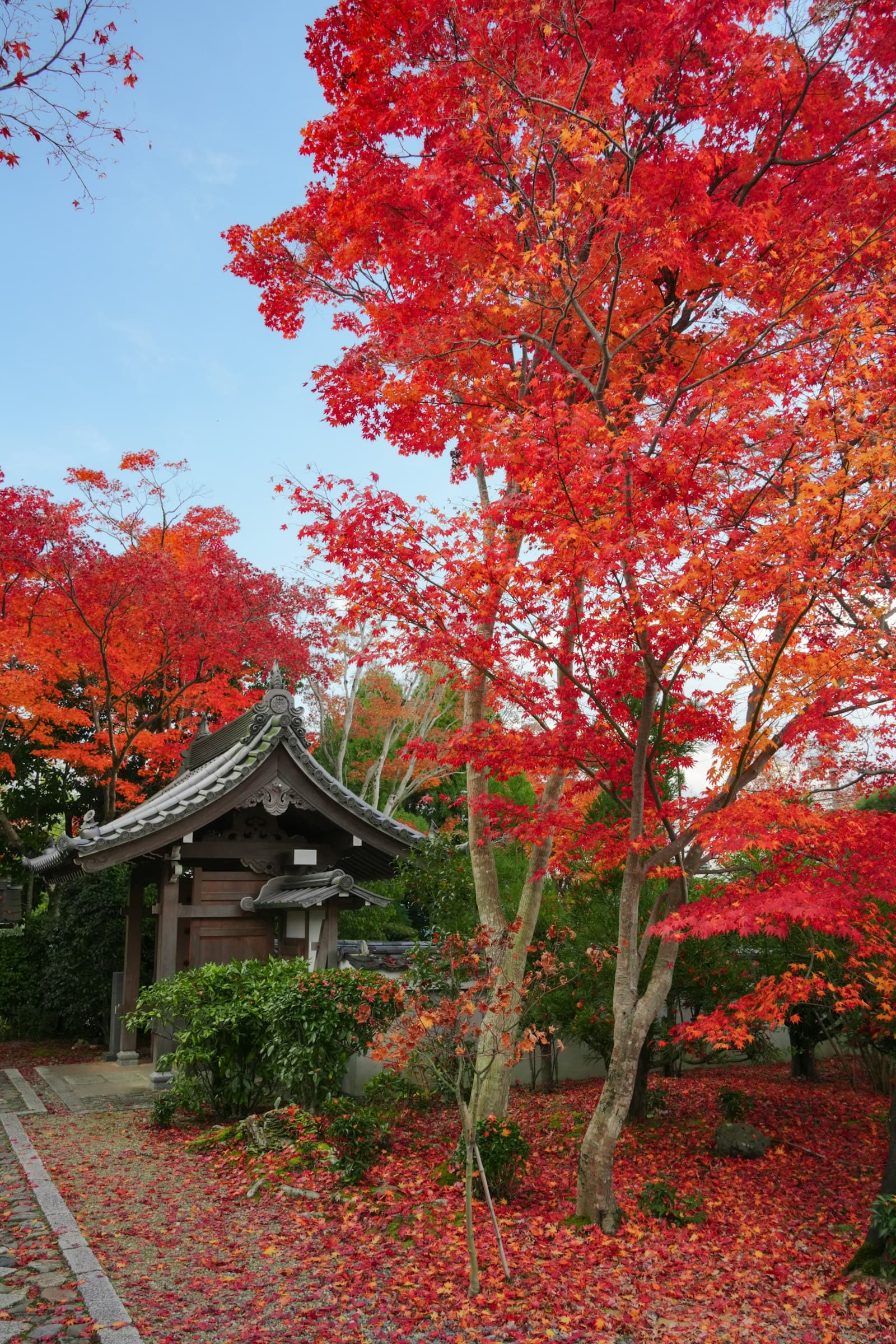
In most of Kamakura the foliage is usually at its best from late November to early December, and JMC's second 2026 forecast, published October 1, points the same way — nearby Tokyo's peak from November 28, right on its average — with temples and shrines dotted with red and yellow through the first half of December. Arrive in early November and it's mostly green with a few early turners; by mid November colour creeps into higher spots like Genjiyama Park; by late November the main temples are firing, and early December is often the actual peak.
Why later than the mountains? Kamakura sits on the coast, so it warms and cools more gently than Lake Chuzenji or the highland parks around Fuji. The Japan Meteorological Corporation (n-kishou.com) updated that forecast on October 1 and publishes reliable 10-day foliage predictions for the Kanagawa area through the season — check it a week or two out. If you can flex even three or four days, do it: a weekday near forecast peak beats a weekend at 50% colour.
🍂 Kamakura foliage timing cheat sheet
| Window | What's happening |
|---|---|
| Early November | Mostly green. Head to the mountains (Takao, Hakone) for early colour instead. |
| Mid November | Higher spots like Genjiyama Park start turning; temples just beginning. |
| Late November | Main temples firing. Hasedera illumination begins. |
| Early December | Often the true peak, especially at Engakuji. |
| Mid December | Last colour at Zuisenji in "Fall Foliage Valley." |
💡 Warm autumns push peak later, cool snaps pull it earlier — always confirm the current-year forecast before booking non-refundable travel.
Best Spots for Kamakura Fall Foliage 2026
Kamakura packs history, coast and mountains into a compact area you can walk — fiery maples over tiled temple roofs, golden ginkgo across mossy steps, and colour meeting the sea. Here are the spots that consistently deliver, roughly ordered by how essential they are.
Hasedera Temple — The Main Event
From late November to early December, Hasedera's grounds glow red and gold — and the highlight is the evening light-up. Myochi and Hojo Ponds reflect the maples in the famed "upside-down autumn view," maple branches arch over the lit stone steps, and the Kannon Hall shines with blue illumination. From the observation deck you overlook Kamakura and Yuigahama Beach framed in colour. Entry is ¥400 adults / ¥200 children; daytime hours 8:00–16:30. In 2025 the illumination ran Nov 22–Dec 7 (sunset to 19:00, temple closing 19:30) — expect similar 2026 dates, and confirm on the official site. It's currently the only place in Kamakura that lights up its autumn foliage at night.
Engakuji Temple — Kita-Kamakura's Iconic Gate
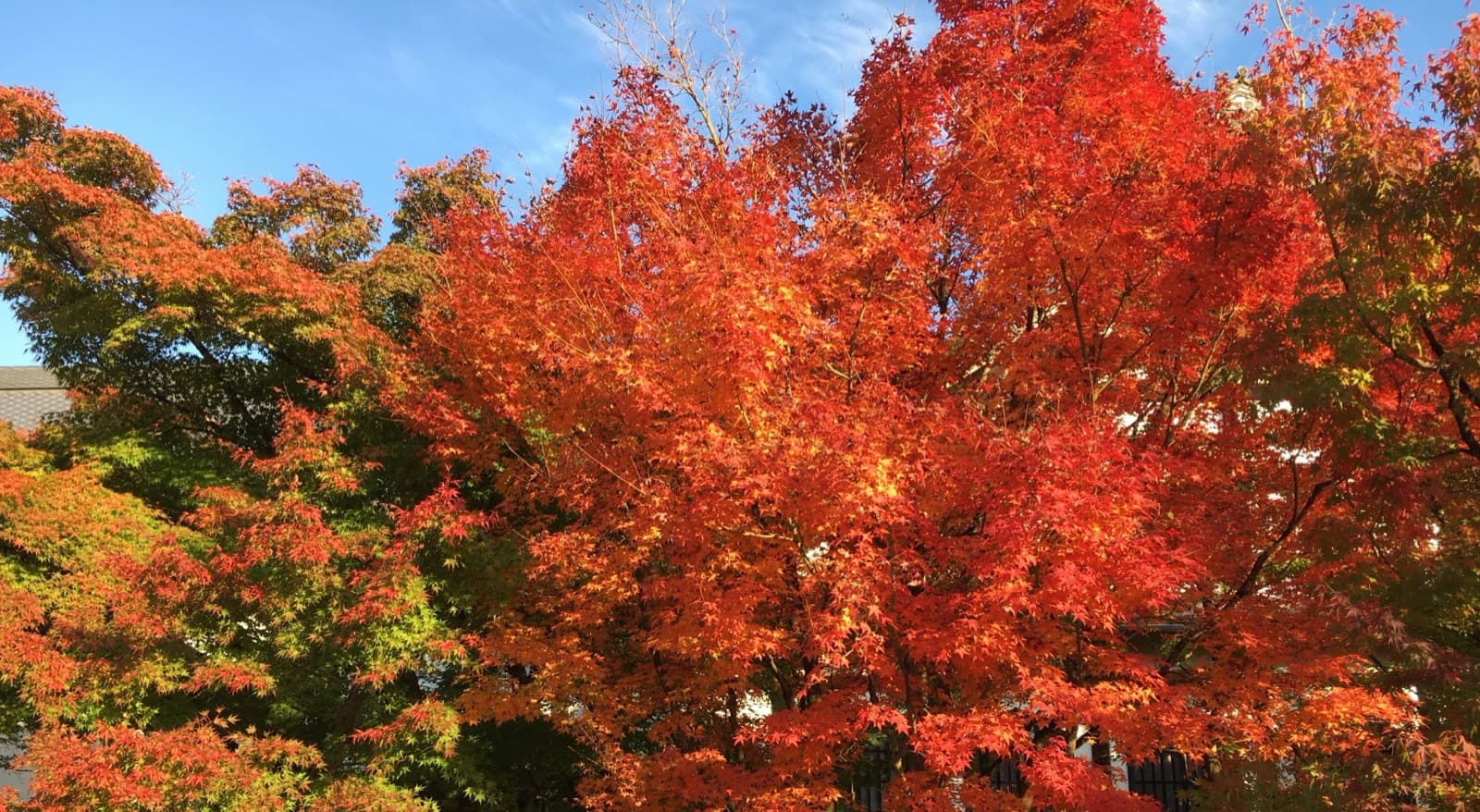
A minute's walk from Kita-Kamakura Station, Engakuji's maple-framed Sanmon gate is visible even from the Yokosuka Line train. Colour peaks late November to early December, often holding into the second week of December. Hours run 8:30–16:30 (Mar–Nov), to 16:00 in winter; admission ¥500 adults / ¥200 children. Come at opening for a clean shot of the gate.
Kenchoji Temple — Zen Depth and Hilltop Views
Kamakura's top-ranked Zen temple spans a large area; the best foliage is at the back, along the stone staircase up to hillside Hansobo. Admission ¥500. Give it an hour, more if you climb — on clear days you can see toward distant Mt Fuji from the top.
Tsurugaoka Hachimangu & the Great Buddha
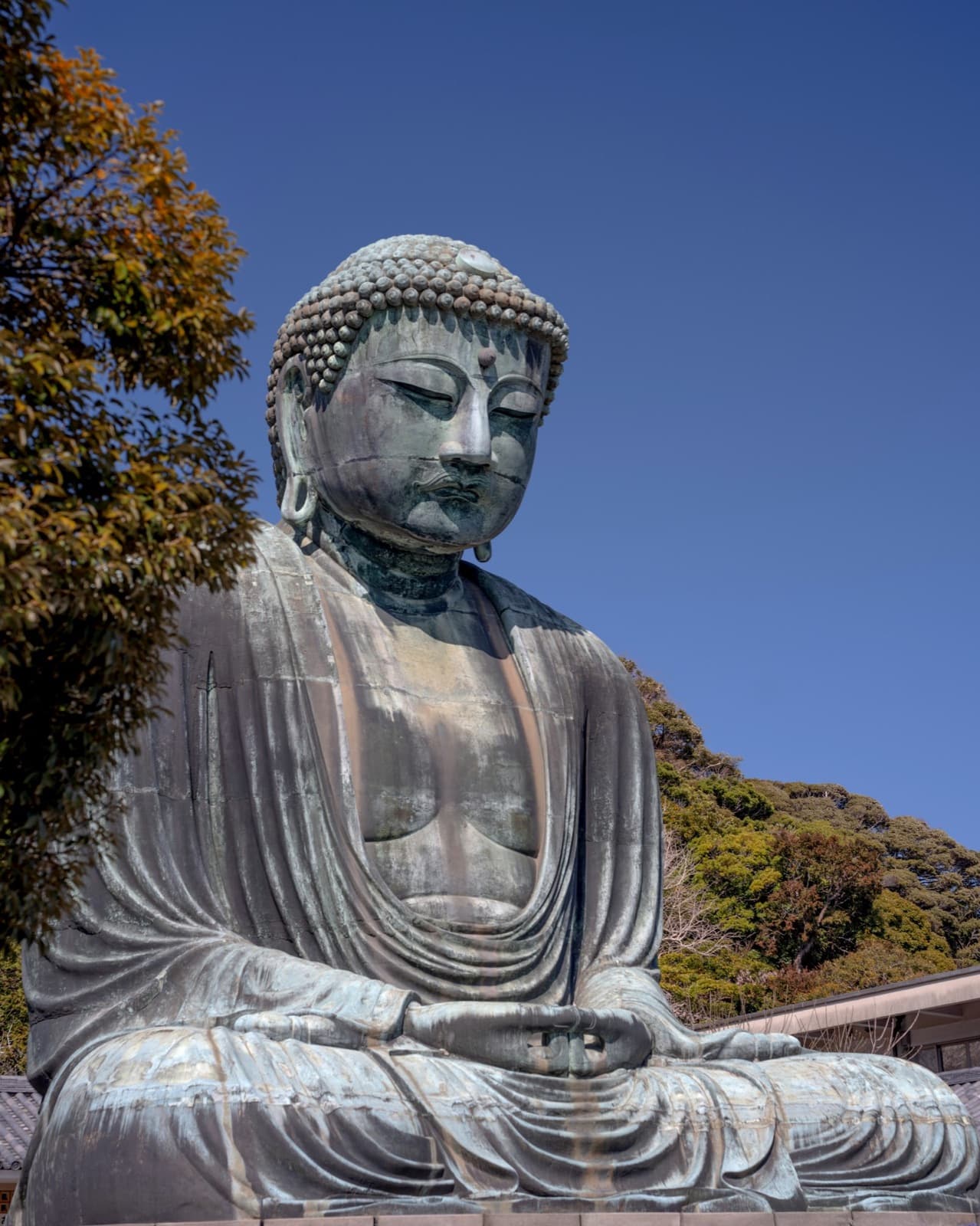
Kamakura's ceremonial heart, Tsurugaoka Hachimangu Shrine, is a 10-minute walk from Kamakura Station; grounds are free, with lovely colour around Yanagihara Pond and the National Treasure Museum. A short ride away in Hase, Kotoku-in's Great Buddha — the 13.35m, 121-ton seated Amida — is stunning framed by red and gold. Pair it with Hasedera; they're a few minutes apart.
Hokokuji, Meigetsuin & the Quiet Alternatives
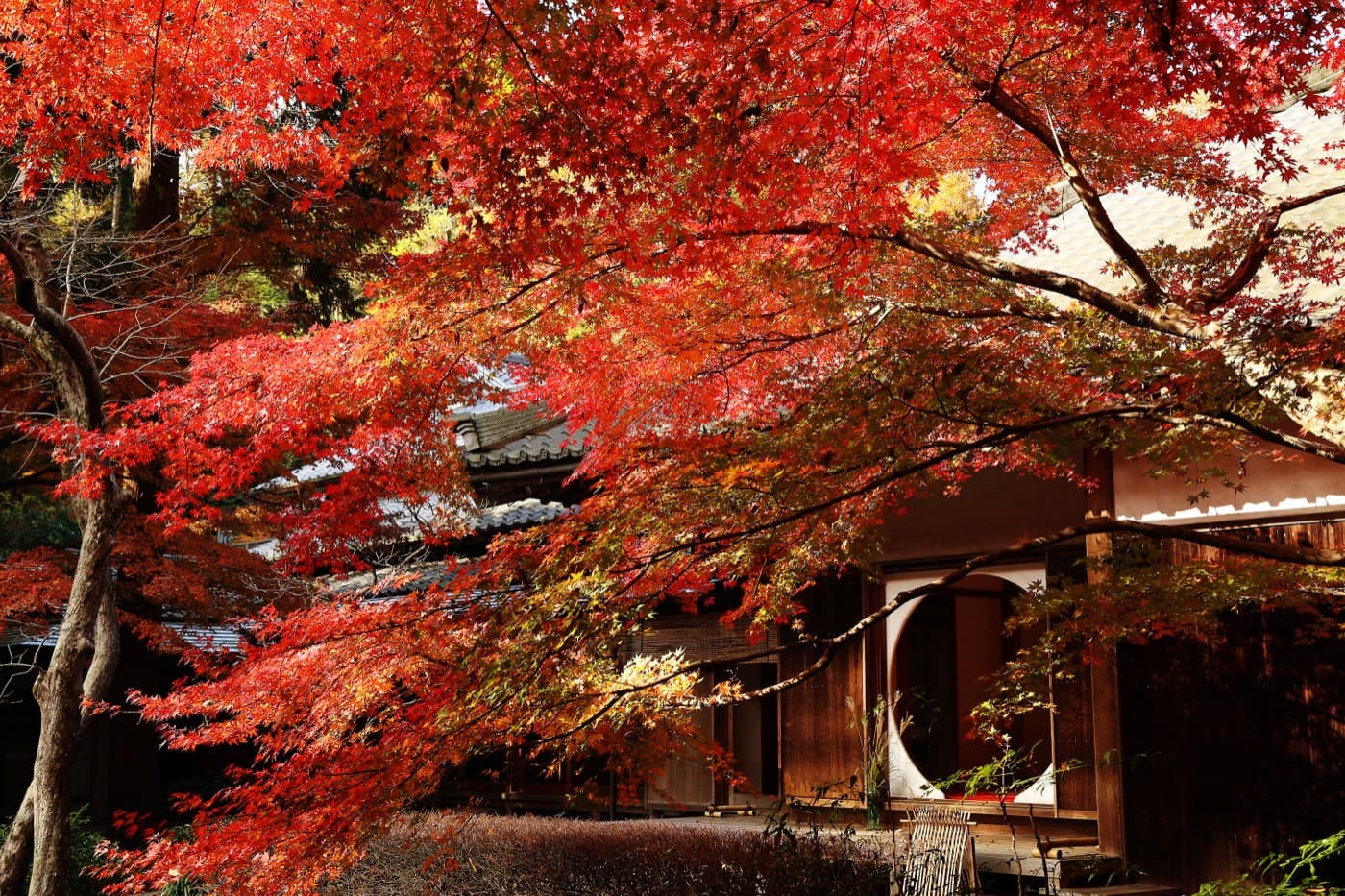
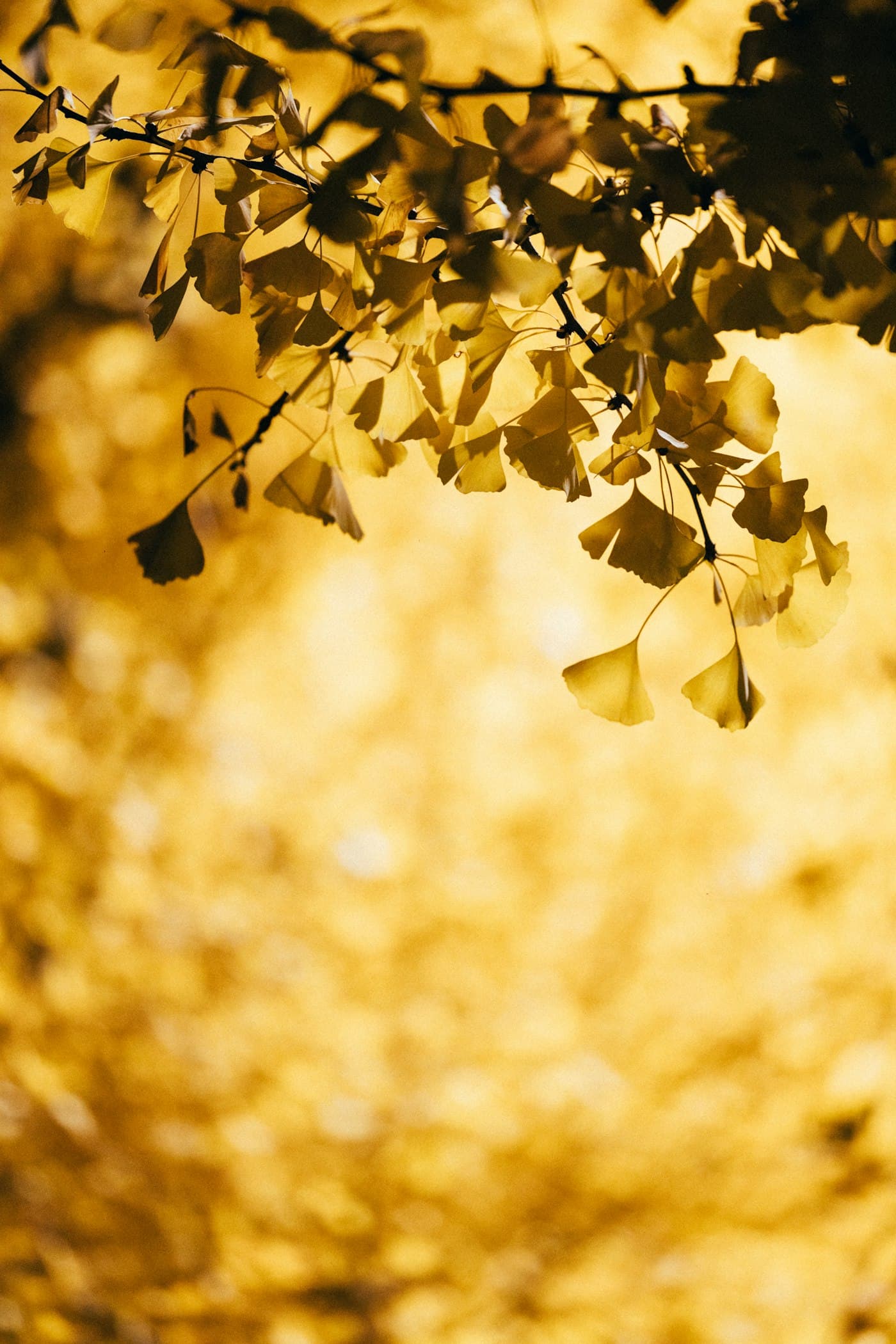
Hokokuji is famous for its bamboo grove — the deep-green stalks against red maples at the entrance are one of Kamakura's most photographed combinations; add a ¥500 matcha in the garden for 20 minutes of genuine calm. Meigetsuin frames its foliage through an unusual circular window (arrive at opening — weekends are brutal). For fewer crowds, Genjiyama Park turns earliest (good in mid November), while Zuisenji and hidden Kakuonji in the valleys are the late bloomers, at their best from late November into mid-December.
Getting to Kamakura from Tokyo
This is the easy part — about an hour from central Tokyo on a direct JR train.
| Route | Time / fare | JR Pass? |
|---|---|---|
| Tokyo Stn → Kamakura (Yokosuka Line) | ~55 min / ¥1,040 | ✅ Covered |
| Shinjuku → Kamakura (Shonan-Shinjuku) | ~1 hr / ¥1,040 | ✅ Covered |
| Shinjuku → Odakyu + Enoden (scenic) | Enoshima-Kamakura Free Pass | ❌ Not covered |
💡 On the Shonan-Shinjuku line, only Zushi-bound trains run direct (about every second train); otherwise transfer at Ofuna. The Yokosuka Line from Tokyo Station runs every 10–15 minutes.
The Enoden Line: Your In-Kamakura Autumn Highway
Once you're in town, the Enoden — a charming local line through residential lanes and along the coast — is how you reach Hase (for the Great Buddha and Hasedera) and Enoshima. From Kamakura Station, Hase is about 15 minutes; from there it's a 5–10 minute walk to Kotoku-in, then another 5–10 to Hasedera.
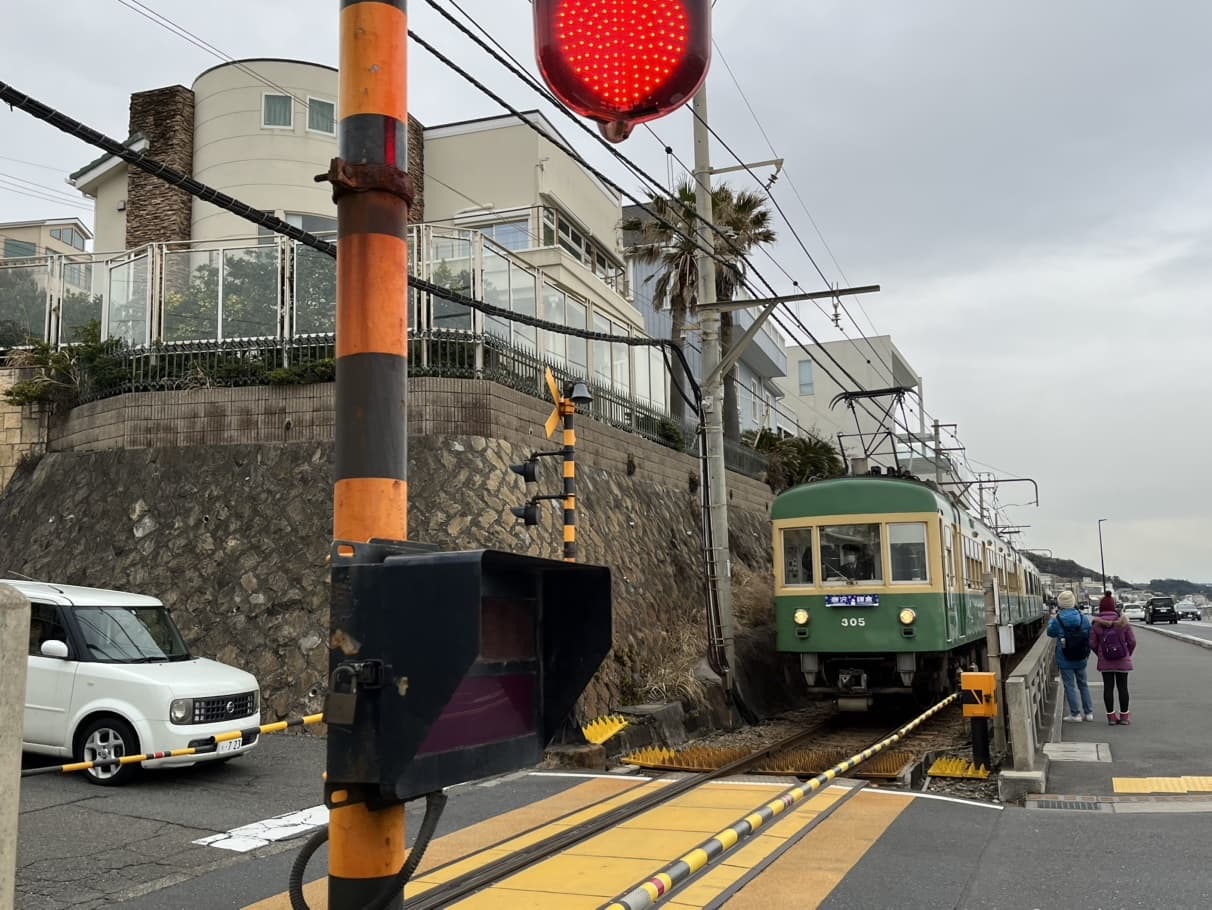
Get the Nori Ori Kun one-day pass — ¥800 adults / ¥400 children in 2026 — for unlimited hop-on, hop-off. If you're bouncing between Kamakura, Hase and Enoshima it pays for itself quickly. The JR Pass doesn't cover the Enoden, so this or a single fare is your option. Don't just treat it as a shuttle: sit on the coastal side heading toward Enoshima — the slow ride is part of the point.
Suggested One-Day Kamakura Autumn Itinerary
🗓️ One-day Kamakura autumn plan (from Tokyo)
| 08:00 | Arrive Kita-Kamakura → Engakuji right at opening |
| 09:30 / 11:30 | Walk to Kenchoji via moss gardens → climb to Hansobo |
| 11:30 / 13:00 | Tsurugaoka Hachimangu → lunch on Komachi-dori |
| 13:15 / 14:30 | Enoden to Hase → Great Buddha at Kotoku-in |
| 14:30 / 17:00 | Hasedera into golden hour |
| From sunset | Stay for the Hasedera illumination (last entry ~19:00) |
💡 Enter temples around 8–9am; Meigetsuin and Hasedera are best early. Tuesdays–Thursdays are far quieter than weekends. Prefer the Enoden or walking to buses near Kamakura Station, which snarl in traffic at peak.
Self-Guided Tours from Tokyo
Kamakura slots neatly into a Tokyo leg — these Golden Route itineraries handle the trains, hotels and timing so you can add the day trip without moving base.
Japan Golden Route Highlights
7 day self-guided tour:Tokyo,Osaka,Kyoto,all hotels and Shinkansen included
Hidden Gems of Japan: Ise-Shima Escape
Explore Japan's hidden gems on this 12-day self-guided tour from Tokyo to Kashikojima via Nagoya. Visit Ise Grand Shrine and pearl island paradise.
Kamakura vs Other Autumn Destinations
Nikko / Lake Chuzenji peaks earlier — mid-to-late October in the mountains — so if your trip lands in early November, Nikko is the safer bet; late November or early December, Kamakura wins. Around Lake Kawaguchi and Mt Fuji, peak is early-to-mid November for a big-landscape scene rather than temple detail — do Kawaguchi mid-November, then Kamakura late November.
Kyoto is the maple-season monster, but crowds are brutal and it demands two or three days; Kamakura you can day-trip from Tokyo without moving hotels. And versus Tokyo's city parks (JMC 2026: peak from Nov 28), Kamakura layers temples and ocean views on top of the same colour window — more scenery per hour. For the whole national front, see autumn in Japan 2026.
Common Mistakes to Avoid
- Visiting too early in November. You'll see mostly green — for early colour, go higher-elevation instead and save Kamakura for late November.
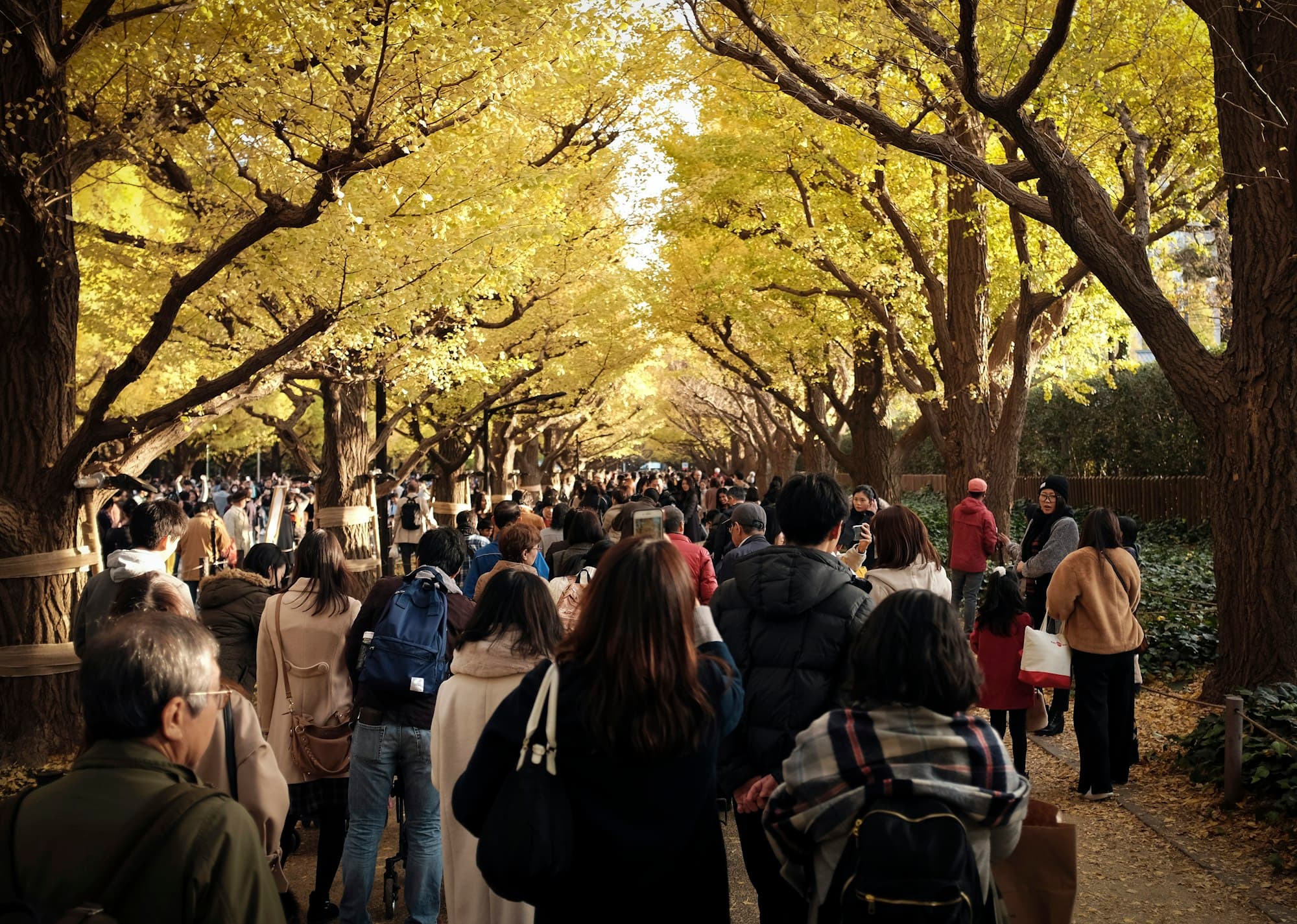
- Weekend visits at peak. Trains pack, trails narrow, photos crowd. Tuesday–Thursday is dramatically better.
- Skipping the illumination. If you're at Hasedera during the light-up period, staying for sunset costs nothing extra and doubles the experience.
- Rushing the Enoden. It's a highlight, not just a shuttle — take the coastal side and slow down.
- Trying to see everything. Kamakura has 15+ notable temples; three or four done well beats eight in a blur.
- Forgetting comfortable shoes. Stone steps, gravel and hill climbs — trainers or hiking shoes, not fresh sneakers.
Kamakura Beyond Autumn
Kamakura's colour runs late — into early December, later than most of the Kanto region — and then the town settles into its quietest and arguably most pleasant months. Winter here is mild, dry and clear, and the coastal walks that are unbearable in summer are excellent in January.
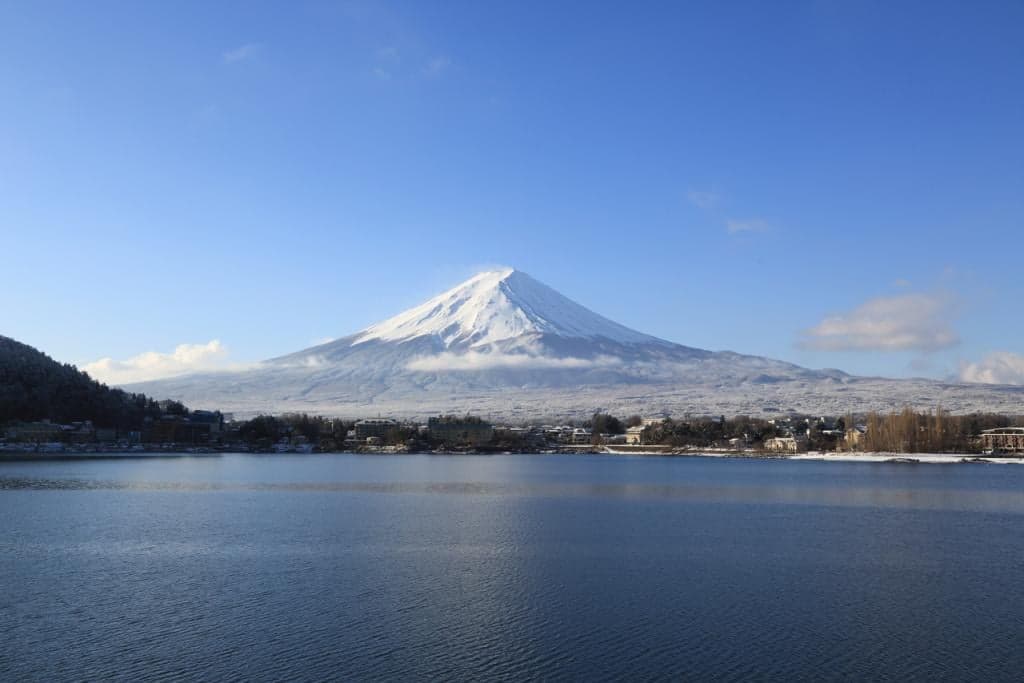
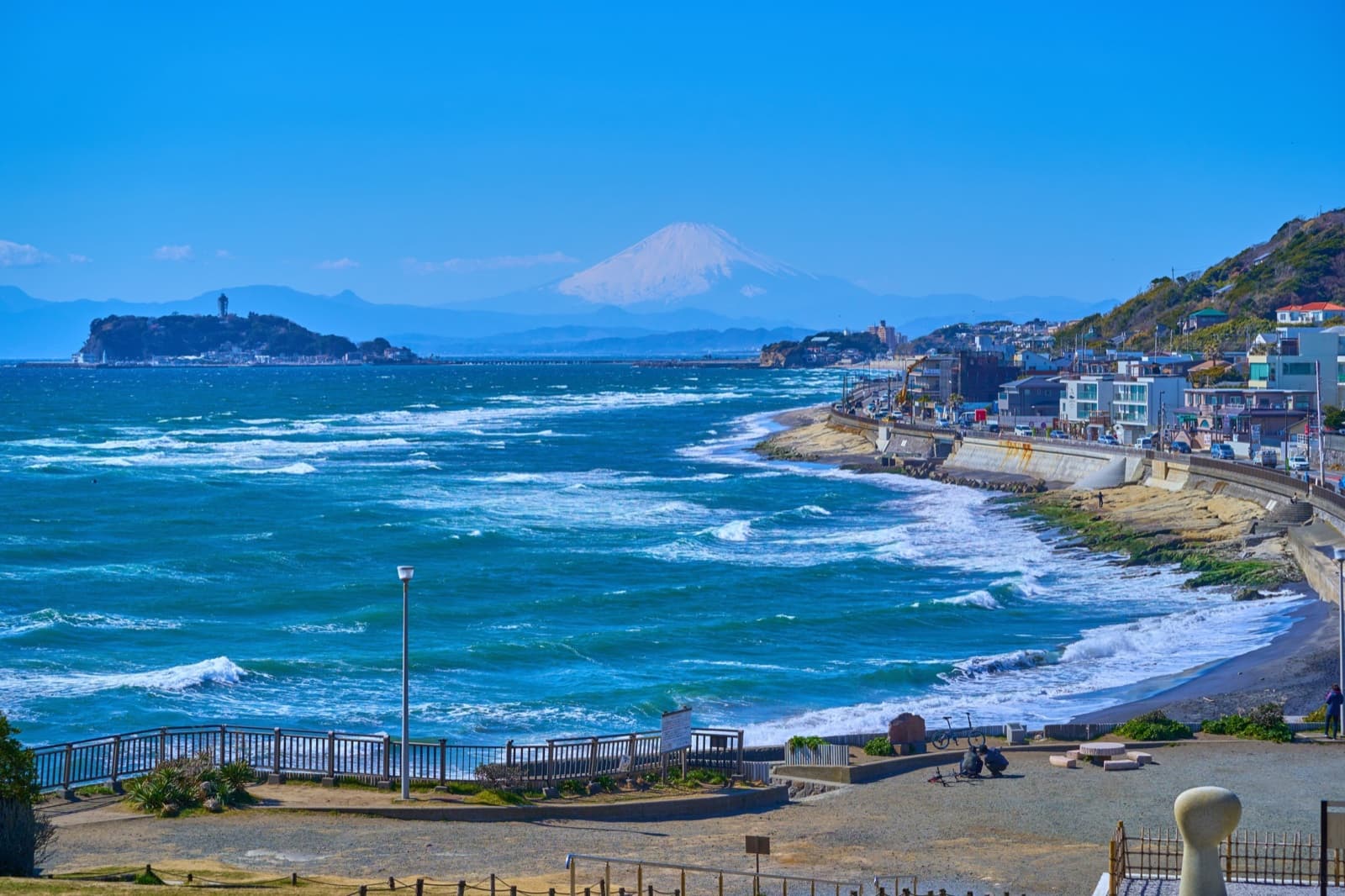
- Winter Fuji views. From the beach at Shichirigahama, Mount Fuji is visible on clear winter mornings far more reliably than in autumn. See Mount Fuji viewpoints.
- New Year at Tsurugaoka Hachimangu. One of the Kanto region's major hatsumode shrines, and extremely busy for the first three days of January — Japanese New Year 2027 explains how the period works.
- Other day trips. Day trips from Tokyo and Kamakura as a day trip cover the logistics year-round.
Self-Guided Routes for the 2026 Autumn Colour Season
The colour moves south for six weeks — Hokkaido in early October, the Japan Alps and Takayama in late October, Kyoto and Nara in the second half of November. These are the routes we run that follow it, with the month each one is built for.
| Route | Length | From (per person) | Why this autumn |
|---|---|---|---|
| Discover Hokkaido: Nature & Scenic Views (HD001) | 7 days | $3,700–4,300 | Sounkyo Gorge, Lake Akan and Shiretoko peak in early to mid October — the first colour of the season. |
| Spirit of Tradition: Shirakawa-go & Cultural Japan (GR009) | 14 days | $4,100–5,900 | Takayama for its Autumn Festival (9–10 October), Shirakawa-go in late October, Kyoto and Nara in November. |
| Japan Highlights & World Heritage (GR002) | 12 days | $3,300–4,800 | Kyoto and Nara at peak colour in the second half of November. |
| Cultural Essence: Kyoto & Kanazawa Short Escape (GR006) | 12 days | $2,800–4,200 | Kenrokuen and Kyoto within the same fortnight; the lowest-priced twelve-day route we run. |
| Koyasan: Sacred Sites and Quiet Beauty (KM003) | 12 days | $3,500–5,200 | Koyasan’s maples turn in early November. Departures run April to November. |
| Hot Springs & Highlights: Kinosaki & Gero (HS002) | 14 days | $4,300–5,700 | Kinosaki’s crab season opens on 7 November — colour by day, crab and the outdoor baths by night. |
Interested in a tour? Click the route name above, or search by route code in the top-right Search bar.
For the month itself, see Japan in October 2026 and Japan in November 2026; for the beds that sell out first in colour season, where to stay in Kyoto names the hotels our routes actually book.
Prices are per person on a twin-share basis from our current price list and move with the departure date; departure windows are as the catalogue listed them on 22 September 2026. Ask us for an exact quote for your dates.
Japan Trip Cost Calculator (2026)
Set your trip below — the estimate updates instantly. Yen prices are converted at a rounded ¥150 to the dollar; the market rate is about ¥157 in September 2026, which makes yen costs a few percent cheaper than shown.
Intercity is priced as point-to-point tickets unless you add the pass — on the Tokyo–Kyoto–Osaka route the pass usually costs more than the tickets.
Estimated total
$4,530
$2,265/person · $453/day · 2 travelers, 10 days
Your trip settings and estimate will be copied into an editable inquiry. Add your travel dates to ask for a free quote.
This is a DIY planning estimate, not a package price. Our tours have set itineraries and include the hotels and transport listed on each tour page. International flights are extra; meals, sightseeing and room arrangements vary by route.
Planning an autumn trip to Tokyo with a day in Kamakura? Get in touch through Plan My Trip on our self-guided tours site, and we’ll suggest the tours that best fit your dates and plans.
FAQ: Kamakura Autumn Leaves 2026
When is the best week to see Kamakura fall foliage in 2026?
The last week of November through the first week of December is your safest bet. Check the Japan Meteorological Corporation forecast about 10 days out.
Is one day enough for Kamakura in autumn?
Yes for a solid highlights day. Two days lets you cover the Kita-Kamakura temples on day one and Hase plus a hike on day two — better if you want the illumination without rushing.
How much does a day trip from Tokyo cost?
Roughly ¥2,000–¥3,000 for round-trip trains, ¥800 for an Enoden day pass, and ¥400–¥500 per temple — budget ¥5,000–¥7,000 including lunch and a couple of temples.
Is Kamakura crowded during autumn?
Weekends at peak, very. Weekdays are much calmer, and early mornings anywhere beat midday everywhere. Bring some cash — a few smaller temples and shops are cash-only.
Can I see Mount Fuji from Kamakura in autumn?
On a clear day, yes — from Hansobo above Kenchoji, from the Ten-en (Kamakura Alps) trail, and from some coastal points. Crisp late-November mornings work well.
What's the deal with the Hasedera illumination?
Late November through early December, from sunset to about 19:00, on standard admission (¥400 adult). Dates shift slightly each year, so confirm on Hasedera's official site before your trip.
Should I get a JR Pass just for Kamakura?
Almost certainly not — a round trip from Tokyo is under ¥2,000. A JR Pass only makes sense if you're also doing long-distance shinkansen trips.
Turn This Into a Real Itinerary
Kamakura is one of the easier wins for independent travellers — simple trains, English signage, IC cards everywhere. The value we add is sequencing: plugging Kamakura into a Tokyo-based leg and landing you there on a weekday at peak colour, illumination and all.
💬 From our Japan travel team
Kamakura doesn't need much booking — but it does reward timing. Go Tuesday–Thursday in late November, start early at Kita-Kamakura, and end at the Hasedera light-up. We'll thread it into your Tokyo days so you never move hotels or lose a day to transit.
Peak-foliage timing per the Japan Meteorological Corporation koyo forecast for Kanagawa; temple and shrine hours, fees, illumination dates and transport per the respective official operators (Hasedera, Engakuji, Kenchoji, JR East, Enoden). Illumination dates and fares shift year to year — confirm the current-year details before booking non-refundable travel. Last updated: October 3, 2026.
Hero image: Autumn maples at Meigetsu-in, Kamakura, by Takayuki Suzuki via Wikimedia Commons (CC BY-SA 2.0).
Self-Guided Japan Tours
Tokyo-anchored Golden Route itineraries that leave room to add a Kamakura autumn day trip — rail, hotels and timing handled.