
Nakasendo Trail: The Complete Walking Guide to Japan's Historic Post Towns
Magome to Tsumago hour by hour, the sections most visitors miss, train times, where to stay, and the practical details that matter.
The Nakasendo Trail is a 534-kilometer ancient road that connected Edo (present-day Tokyo) to Kyoto through the mountains of central Japan. Today, the best-preserved sections offer a glimpse of rural Japan that feels unchanged since the 1800s — stone paths through cedar trees, post towns where Edo period architecture still lines the main street, no power lines, no modern roads.
🏯 Quick Answer: Magome → Tsumago
8km, 2–3 hours, mostly downhill. Train from Nagoya (1h 15min), bus to Magome, walk to Tsumago, bus to Nagiso Station. Luggage transfer ¥1,000. Suitable for beginners. Best in October–November for autumn foliage.
📏 Distance
8km / 2–3 hours
⛰️ Elevation
+200m / -350m
💪 Level
Beginner-friendly
🧳 Luggage
¥1,000 transfer
What Is the Nakasendo Trail?
Walking with a daypack is only possible because the inns forward your main bag — our luggage forwarding guide has the rates and how it works.
The Nakasendo was one of five major highways built during the Edo period (1603–1868) to connect Edo with Kyoto. While the coastal Tokaido highway was faster, the Nakasendo — meaning “road through the central mountains” — offered an inland route through the Japanese Alps that avoided river crossings and was preferred by women, officials, and those traveling with valuable cargo.
The highway passed through 69 post towns where travelers rested at inns, ate, and prepared for the next day's walk. The Kiso Valley section, in modern-day Nagano Prefecture, contains the most atmospheric stretches. Three historic post towns — Magome, Tsumago, and Narai — are the highlights, connected by forest trails, stone paths, and mountain passes.
Magome to Tsumago: The Classic Walk
This is the walk that puts the Nakasendo Trail on every Japan hiking list. Eight kilometers, mostly downhill, through one of the most beautiful stretches of historic trail in the country.
JR Limited Express Shinano from Nagoya
To Nakatsugawa Station (~1h 15min, covered by JR Pass). The train runs through increasingly mountainous terrain.
Arrive Nakatsugawa
Kitaena bus to Magome, 25 min, ¥600 (not JR Pass). Runs roughly hourly — don't miss it.
Arrive Magome-juku
Post town climbs steeply up a hillside. Stone-paved main street, souvenir shops, restored wooden buildings. Walk to the top for the trailhead.
Start walking — gentle uphill
First 30 min follows a paved road through the surrounding mountains. Bear warning signs posted — encounters are extremely rare on this section.
Magome Pass (801m) — highest point
Tea house and vending machine. Hot coffee ¥130. Rest stop benches with valley views. Boundary between Gifu and Nagano prefectures.
Forest descent — the highlight
Stone path through towering cedar trees with almost no one around. Cathedral-like canopy, mossy green forest floor. The best section of the walk.
O-Tsumago hamlet
A few farmhouses, a small rest stop. Wild strawberries in early summer. Water wheels turning at the edge of the path.
Otaki & Metaki waterfalls
5-min detour off the main trail. Moss-covered gorge with a wooden bridge. Worth the stop.
Arrive Tsumago-juku
Dark wooden buildings with latticed windows, no visible power lines (buried underground), no cars. National preservation district since 1976. The most photographed stretch of the entire Nakasendo.
🧳 Luggage Transfer
At Magome tourist info office (next to the bus stop), send your bag to Tsumago for ¥1,000. Drop off before 11:30am. Runs daily mid-March through November. Even without a tour package, this service exists — most visitors don't know about it.
Getting Back
⚠️ Critical: Last Buses
Return bus from Tsumago to Nagiso Station: 10 min, ¥400. Last buses at 15:30 and 16:30. Miss these and you're stranded — no taxis in Tsumago. From Nagiso, local trains run to Nagoya (~1.5h) or Matsumoto (~1.5h), both covered by JR Pass.
🚄 Day Trip from Nagoya?
Yes, barely. Leave Nagoya by 8:00am → Magome by 10:00 → Tsumago by 1:00pm → 15:30 bus → back in Nagoya by 18:00. But staying overnight is far better — Tsumago empties of day-trippers by 4pm and becomes a completely different place in the quiet evening light.
Beyond Magome–Tsumago: Sections Most Visitors Miss
🏘️ Narai-juku: Japan's Best-Kept Post Town
~1km long • Quieter than Tsumago • Direct train access
The longest preserved post town along the Nakasendo — a single street of dark wooden buildings housing lacquerware workshops, sake breweries, and traditional inns. Quieter and more lived-in than Tsumago.
Narai's famous kushi combs (lacquerware combs, ¥500–3,000) make excellent souvenirs. The Kiso-no-Ohashi bridge at the southern end is a beautiful wooden span over the Narai River.
Access: Narai Station — the only major Kiso Valley post town accessible by train without a bus transfer. From Matsumoto ~50 min; from Nagoya ~2h with transfer.
🏯 Kiso-Fukushima: The Checkpoint Town
Main hub of the Kiso Valley • Museum • JR connections
Historically the site of one of the Nakasendo's most important sekisho (checkpoint barriers). The reconstructed checkpoint and museum offer context for the entire trail. Limited Express Shinano connects to Nagoya (1h 40min) and Matsumoto (30min).
⛰️ Torii Pass: The Real Mountain Walk
6km, 1.5–2 hours • Yabuhara → Narai • Few walkers
For walkers who want more than the gentle Magome–Tsumago section. Dense forest, a stone monument at the summit, and a descent into Narai. Very few walkers — feels genuinely remote. Bear bells more advisable here.
Nakasendo vs Kumano Kodo: Which Trail?
| Nakasendo (Kiso Valley) | Kumano Kodo (Nakahechi) | |
|---|---|---|
| Feeling | Walking between preserved post towns | Forest pilgrimage through mountains |
| Surface | Stone path + paved road | Stone steps + dirt trail |
| Fitness | Low–moderate. Beginners welcome | Moderate. Lots of stairs |
| Overnight | Edo-period wooden inns | Onsen ryokan in hot springs |
| Purpose | Commercial highway | Sacred pilgrimage |
| Highlight | Preserved Edo architecture | Ancient cedar forests, shrines |
| Best season | Oct–Nov (autumn foliage) | Apr–May, Oct–Nov |
| Classic walk | Magome → Tsumago (8km, 2–3h) | Hosshinmon-oji → Hongu (7km, 3h) |
| First-timer? | Yes — shorter, easier | Better for experienced hikers |
If you only have one day for a trail walk in Japan, the Nakasendo is the easier and more rewarding choice. If you have 3–4 days and enjoy mountain hiking, the Kumano Kodo is deeper and more spiritual. Both are included in our self-guided walking tours.
How to Get There: Train Times
| From | To | Time | Cost | JR Pass |
|---|---|---|---|---|
| Tokyo | Nakatsugawa | ~3h | ¥11,000 | ✅ |
| Nagoya | Nakatsugawa | ~1h 15min | ¥3,500 | ✅ |
| Kyoto | Nakatsugawa | ~2h 30min | ¥9,000 | ✅ |
| Matsumoto | Narai | ~50min | ¥680 | ✅ |
| Takayama | Nagoya (transfer) | ~3h 30min | ¥6,500 | ✅ |
Nakatsugawa → Magome: Kitaena bus, 25 min, ¥600 (not JR Pass). Roughly hourly.
Tsumago → Nagiso Stn: Local bus, 10 min, ¥400 (not JR Pass). Last buses 15:30 / 16:30.
For JR Pass details, see our JR Pass guide.
Where to Stay Along the Trail
| Post Town | Inns | Price/Person | Booking |
|---|---|---|---|
| Magome | 5–6 | ¥10,000–18,000 | Weekdays OK; weekends 1 month ahead |
| Tsumago | 3–4 | ¥12,000–20,000 | Oct = 2 months ahead. Only ~30 rooms total |
| Narai | 5–8 | ¥8,000–15,000 | Easiest of the three |
| Kiso-Fukushima | Several | ¥8,000–25,000 | Good availability year-round |
🔑 The Booking Problem
Tsumago's entire accommodation supply is about 30 rooms. In October (peak foliage), they fill up 2 months ahead. Most inns only take reservations by phone, in Japanese. This is where a self-guided tour package with pre-booked accommodations genuinely earns its value.
What to expect: Tatami mat rooms, futon bedding, communal baths (usually heated water, not natural hot springs), and dinner of local Kiso Valley cuisine — river fish, mountain vegetables, soba noodles, local sake. See our What Is a Ryokan? guide.
Best Time to Walk the Nakasendo
🍁 Late Oct – Nov
★★★★★Peak autumn foliage. Mountains turn orange and red against dark cedar forests. Most popular (and crowded).
🌸 Apr – May
★★★★Cherry blossoms in post towns (mid-April). Spring wildflowers. Comfortable temperatures. Fewer visitors than autumn.
🌿 Jun – Sep
★★★Lush green forest. Jul–Aug is hot and humid. Rainy season (tsuyu) mid-June to mid-July.
❄️ Dec – Mar
★★★Snow-covered post towns — hauntingly beautiful and almost empty. Icy stone paths require careful footing. Some inns close.
💡 Insider Tip
Visit in late October on a weekday. Peak foliage with a fraction of the weekend crowds. Midweek before 10am, you might have the trail to yourself.
What to Eat on the Kiso Valley Trail
🍜 Soba Noodles
Kiso Valley buckwheat soba is famous across Japan. Handmade, served cold with dipping sauce or hot in broth. Every post town. ¥800–1,200.
🍡 Gohei-mochi
Rice pounded flat on a stick, grilled with sweet walnut-miso glaze. The essential Nakasendo trail snack. ¥200–400 at rest stops.
🥟 Oyaki
Stuffed dumplings: wild mountain vegetables, pickled nozawana greens, or sweet bean paste. A Nagano specialty. ¥200–300.
🎨 Kiso Lacquerware
Not food, but Narai-juku's lacquerware bowls, chopsticks, and combs are functional art made here for centuries. Chopstick sets from ¥1,000.
⚠️ Lunch Warning
Between Magome and Tsumago, food options are almost zero. One small rest stop at O-Tsumago may or may not be open. Buy gohei-mochi or oyaki in Magome before you start, or grab onigiri at a convenience store in Nakatsugawa.
Practical Tips
Luggage
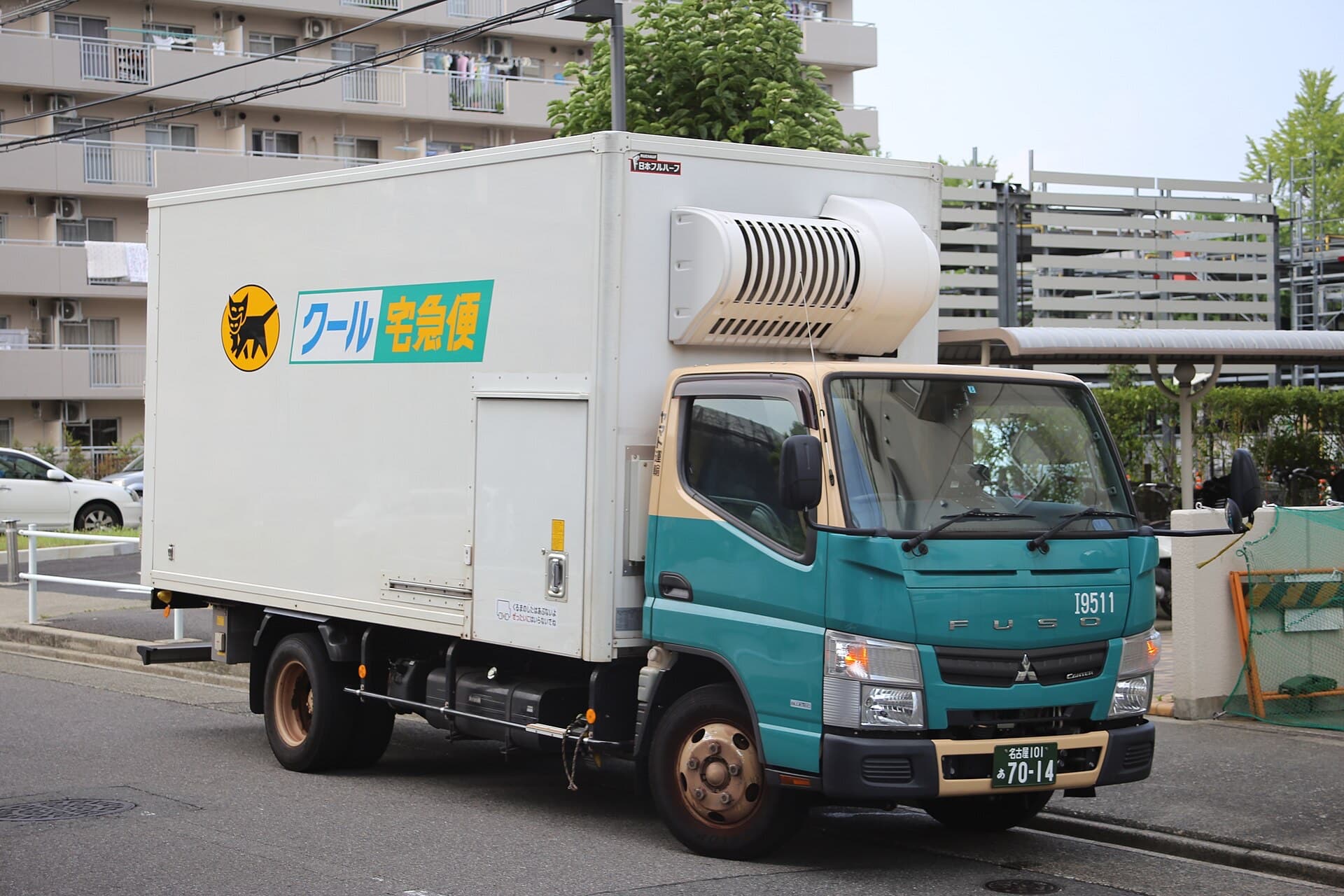
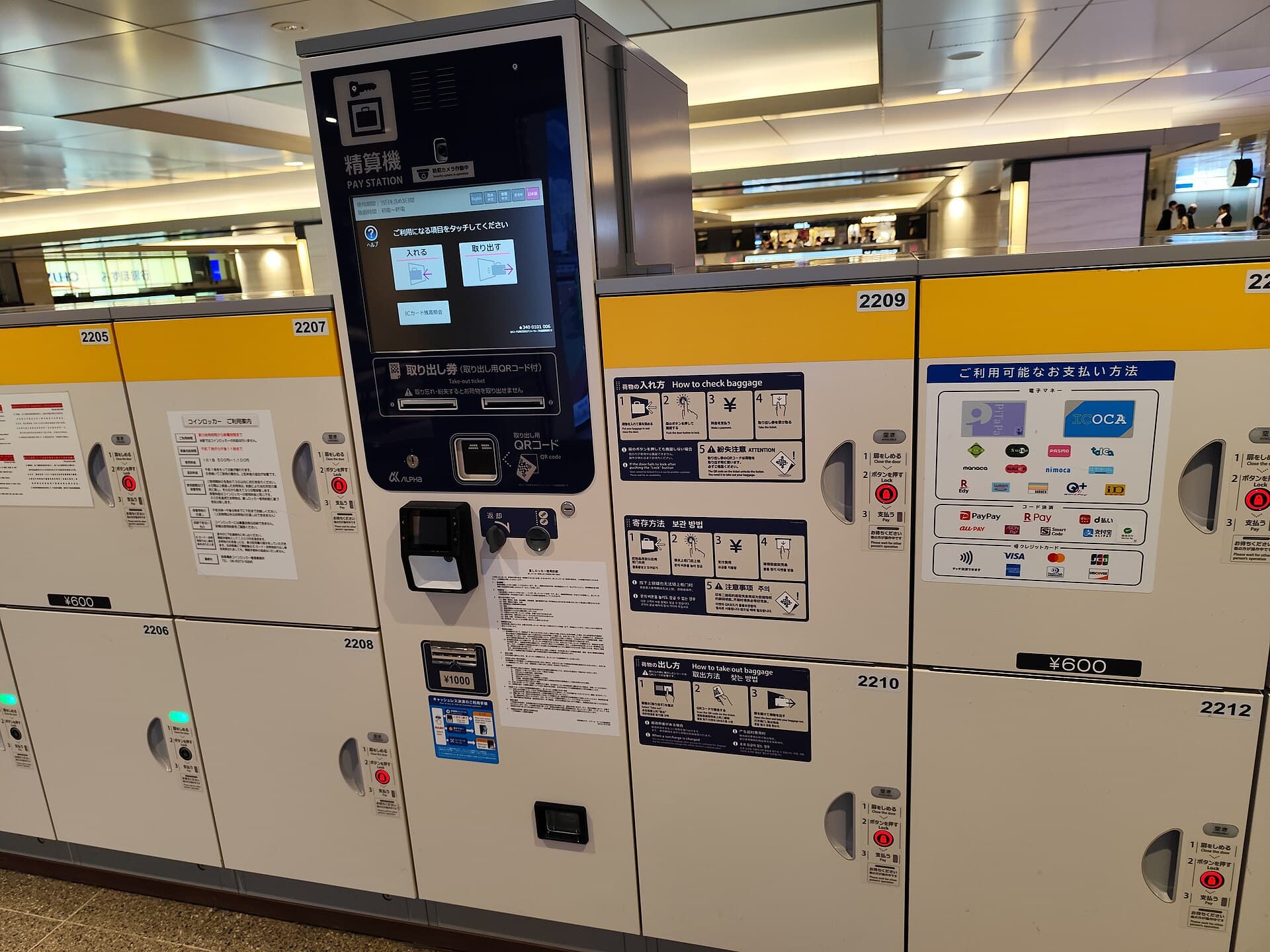
Magome tourist office → Tsumago for ¥1,000 (morning only, Mar–Nov). Or use coin lockers at Nakatsugawa Station (¥400–600), or ship via takkyubin to your next destination.
Navigation
Well-marked with wooden signposts (Japanese only). Google Maps shows the trail offline — download Nagano area beforehand.
What to bring
Water (500ml+), rain jacket, comfortable walking shoes, cash (most post town shops are cash only), portable battery.
Footwear
Hiking boots not needed for Magome–Tsumago. Any comfortable walking shoes with reasonable grip work. For Torii Pass, proper trail shoes recommended.
Accessibility
Trail is not wheelchair accessible (uneven stone paths, stairs). Post town main streets are relatively flat.
Planning a wider Japan trip around a walk on the Nakasendo? Get in touch through Plan My Trip on our self-guided tours site, and we'll suggest the tours that best fit your dates and plans.
FAQ
Is the Nakasendo Trail safe?
Can children walk the Magome–Tsumago trail?
Do I need to book accommodation in advance?
Can I walk from Tsumago to Magome instead?
How does the Nakasendo connect to a wider Japan trip?
Walk the Nakasendo Trail
The Nakasendo isn't a wilderness trek. It's a walk through history — along the same stone path samurai and merchants used 400 years ago. The walk from Magome to Tsumago takes half a day. The memory lasts much longer.
Last reviewed: April 2026. Bus schedules should be confirmed before travel.
Related: Walking Japan: Self-Guided Tours | 14-Day Japan Itinerary | What Is a Ryokan?
Related Articles
BluePlanet Travel Team
Japan Travel Experts