
Japan Self-Guided Tours 2026: How They Work + Top Routes
The middle path between booking everything yourself and joining a group tour — accommodations, luggage transfers, and route planning handled, freedom and pace kept.
Japan self guided tours offer something neither group tours nor fully independent travel can match: the freedom to discover Japan's tourist hotspots, ancient trails, and beautiful countryside at your own pace, while a tour company handles the planning, accommodations, and logistics behind the scenes.
For first time visitors and seasoned Japan travelers alike, self-guided tours have become the most popular way to combine Japan's incredible food, traditional culture, and natural beauty into a coherent itinerary — without the rushed, fast-paced feel of organized group travel.
This guide explains how self-guided tours work, what makes them different from private guiding or fully independent trips, and the top routes worth considering for 2026.
Quick Answer: What Is a Self-Guided Tour?
A pre-organized travel package where the tour company books your hotels, plans your route, transfers your luggage between cities, and provides daily itineraries — but you walk and explore independently, without a guide. The middle path between DIY and group tours.
Handled for you
Hotels, route, luggage, train tickets, support line
You control
Pace, what to see daily, where to linger
Best for
First-timers, couples, hikers, slow travelers
What Are Self-Guided Tours?
Self-guided tours are pre-organized travel packages where the tour company books your accommodations, plans your route, arranges transportation, and provides detailed daily itineraries — but you walk, ride, and explore independently, without a guide.
Think of it as the middle path between booking everything yourself and joining a group tour. You get the depth of a curated itinerary without sacrificing the flexibility to linger at gardens, take detours through villages, or simply relax when you want to.
Most Japan self-guided tours combine highlights of big cities like Tokyo and Kyoto with quieter walking sections through the countryside, traditional villages, or sacred mountains.
How Self-Guided Tours Work in Japan
The tour company organizes everything before you arrive. Hotels are booked along your route. Luggage is transferred between accommodations each day so you only carry a daypack. Train tickets, route maps, and detailed turn-by-turn instructions are provided.
When you arrive in Japan, you collect your tour materials and start walking, hiking, or training between stops on your own schedule. Most tours include a 24-hour support line in case anything goes wrong — a wrong train, a missed reservation, an unexpected closure.
The pace is yours. If you want a slow morning, take it. If you want to add an extra day in Kyoto, message the tour company and they will adjust. The structure is there to support, not constrain.
Why Choose a Tour Company for Self-Guided Travel
Booking through a self guided tours company offers advantages that fully independent travelers often miss.
Local knowledge. Tour companies know which ryokan have English-speaking staff, which trains require reservations, which trail sections close seasonally, and which restaurants accept walk-ins. This deep familiarity saves hours of research and prevents costly mistakes.
Logistics handled. Booking 8 nights of accommodations across 4 cities, coordinating luggage transfers, and reserving bullet trains is a significant project. A tour company handles all of it, often securing rates and inventory unavailable to individual travelers.
Authentic accommodations. Many of the best traditional ryokan and minshuku (family inns) do not appear on international booking platforms. Tour companies have direct relationships with these properties and can include them in itineraries. See our ryokan primer.
Safety net. First time visitors particularly benefit from the support layer. If you miss a train, sprain an ankle on the trail, or simply get lost, a phone call sorts it out without ruining the trip.
Experiencing Japanese Culture on Self-Guided Tours
Japanese culture rewards slow, focused attention. The aspect of self-guided tours that travelers consistently praise most is the ability to actually engage — sitting in tranquil gardens for an hour, lingering at a temple ceremony, sharing tea with a ryokan host.

Group tours often allocate 30-45 minutes per major attraction. Self-guided travel lets you spend a whole afternoon at one site if it speaks to you. Many of the most memorable Japan experiences — striking up a conversation with a local artisan, watching a kabuki performance, walking a forest pilgrimage path alone — only happen when you have unstructured time.
The combined value of pre-arranged logistics and personal pace creates space for the kind of authentic cultural immersion that is harder to find any other way.
Top Self Guided Tours Routes for 2026
Different routes suit different interests, fitness levels, and travel styles. Here are the most popular categories of self guided tours in Japan for 2026.
The Golden Route: Tokyo, Hakone, Kyoto, Osaka
The Golden Route is Japan's classic introduction. A typical 7-10 day self-guided Golden Route tour combines Tokyo's modern energy, Hakone's hot springs and Mount Fuji views, Kyoto's traditional temples and gardens, and Osaka's incredible food scene.

Best for: first time visitors who want to discover Japan's most iconic locations without the planning headache. The Golden Route delivers the highest concentration of must-see Japan experiences in a single trip. For ready-made itineraries, see our 7-day Japan itinerary and 14-day Japan itinerary.
Nakasendo Trail: Walking the Ancient Samurai Path
The Nakasendo is one of two great Edo-era highways that connected Tokyo to Kyoto, used by samurai, merchants, and pilgrims for centuries. Today, the best-preserved sections — Magome to Tsumago, Tsumago to Narai — offer the most authentic walking experience in Japan.
A typical 5-7 day Nakasendo self-guided tour combines daily walks of 8-15 kilometers between traditional post towns, nights at family-run minshuku, and meals featuring local mountain cuisine.
Best for: travelers who want to discover Japan's beautiful countryside on foot, experience traditional villages mostly untouched by modern development, and step into Japan's samurai past. See our Nakasendo trail guide for the full route breakdown.
Kumano Kodo: Sacred Mountains and Ancient Trails
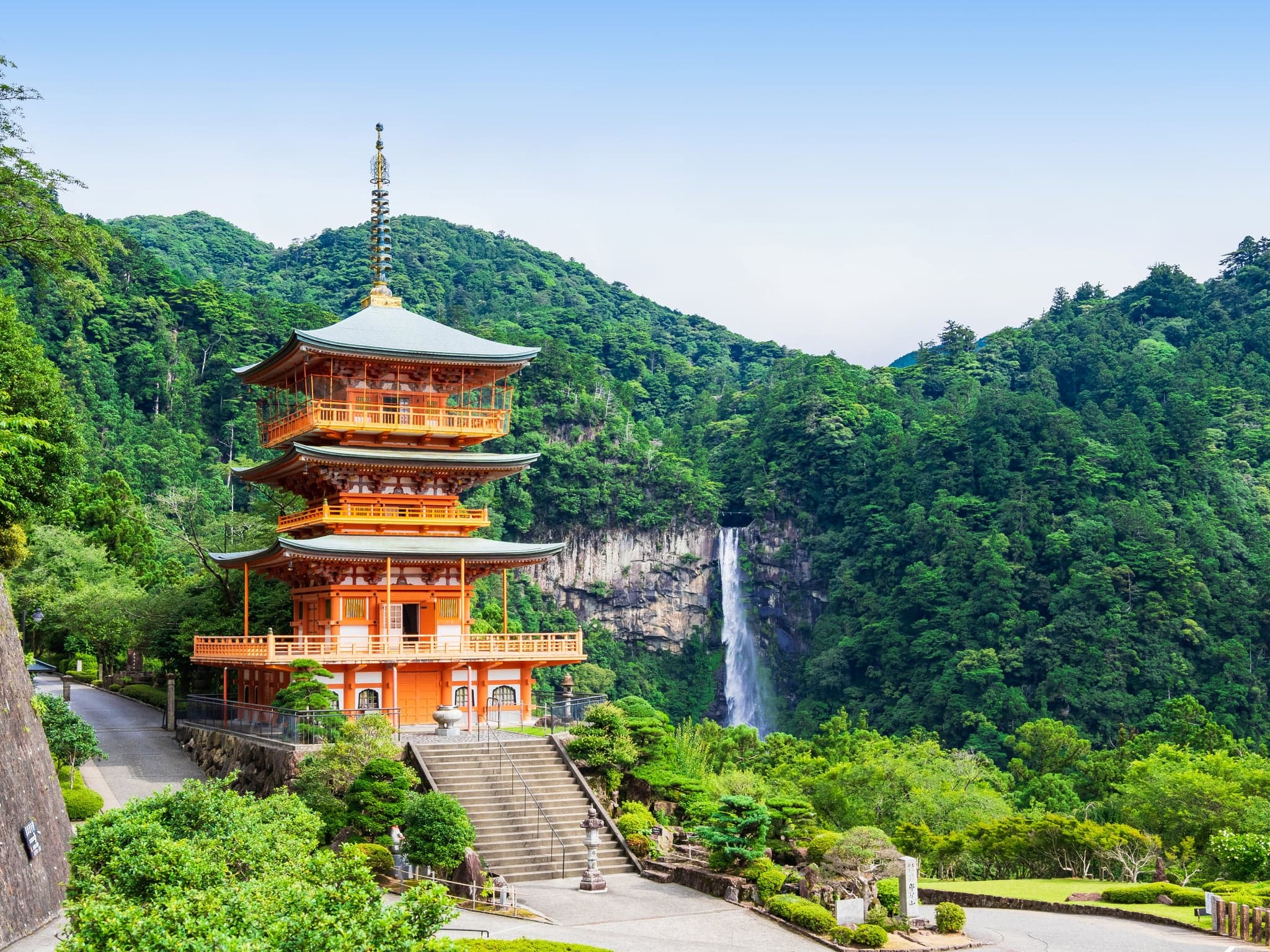
The Kumano Kodo is Japan's most sacred pilgrimage route, winding through the sacred mountains of the Kii Peninsula. UNESCO-listed and walked for over 1,000 years, it remains the most spiritually significant trail in Japan.

Self-guided Kumano Kodo tours typically run 5-8 days, with hotels at hot springs villages, daily walking sections through cedar forests, and visits to the three Grand Shrines of Kumano.
Best for: travelers seeking a contemplative, nature-focused experience and willing to walk 10-20 kilometers daily on varied terrain. For the broader walking-tour landscape, see our walking Japan guide.

Who Self-Guided Tours Are Best For
Self-guided tours work especially well for:
First time visitors intimidated by Japan's complex transportation system, language barrier, and accommodation booking process. The structure removes friction without removing freedom.
Couples and small groups who want to travel together without the social demands of a group tour.
Travelers who hate fast-paced sightseeing but still want a curated route. Self-guided tours typically build in rest days and flexible afternoons.
Hikers and walkers drawn to ancient trails and pilgrimage routes that would be logistically complex to organize alone.
Travelers prioritizing authentic Japanese culture over checkbox sightseeing. The slower pace allows real cultural connection.

Self-guided tours are less ideal for travelers who want a fully customized day-by-day experience with private guiding, or for those who prefer the social aspect of traveling in a group.
What's Typically Included
A standard Japan self-guided tour package usually includes:
- Accommodations (Western hotels, ryokan, or minshuku depending on route)
- Daily luggage transfer between properties
- Detailed printed itinerary, route maps, and a Japan-specific phone app
- Train tickets and seat reservations for inter-city travel
- Some meals (typically breakfast and ryokan dinners; often not lunches)
- 24-hour English-language support during the trip
- Pre-departure planning support
What is typically not included: international flights to Japan, lunches, personal expenses, optional activities, and travel insurance. For full Japan trip cost breakdowns, see our daily budget guide and Japan tour package guide.
Want a route picked for you?
Tell us your dates, fitness level, and what you want to see, and we will recommend the right self-guided tour — from the classic Golden Route to walking the Nakasendo or Kumano Kodo. We design routes around your pace, not the other way around.
How to Choose the Right Self-Guided Tour
A few questions help narrow down options:
How much do you want to walk? Hiking-focused tours like the Nakasendo or Kumano Kodo require daily walking of 10-20 km. The Golden Route involves mostly trains and city walks of 5-8 km.
What is your time frame? 5-7 days suits a single route. 10-14 days lets you combine multiple regions. 14+ days opens up Japan's hidden spots.
Spring or autumn? Cherry blossom season (late March to early April) and autumn foliage (mid-November to early December) are peak. Book 4-6 months ahead. Other seasons offer lower prices and fewer crowds — see our best time to visit Japan 2026 guide.
Solo, couple, or group? Most self-guided tours offer flexible group sizes. Solo travelers pay a slight premium; couples get the best value; groups of 3-4 split costs efficiently.
Comfort level? Standard tours use 3-star hotels and traditional minshuku. Upgrade options include 4-5 star hotels in cities and premium ryokan in rural sections.
Final Thoughts: Self-Guided Tours Worth Considering
Japan self guided tours have grown so popular for a reason: they solve the most stressful parts of independent Japan travel — accommodation booking, route planning, language barriers, luggage logistics — while preserving the freedom that makes Japan such a rewarding destination.
For 2026, the strongest combinations remain the Golden Route for first time visitors, the Nakasendo for cultural and walking enthusiasts, the Kumano Kodo for those drawn to sacred mountains and pilgrimage tradition, and hidden-spot routes for returning travelers ready to discover Japan beyond the headlines.
Whichever route fits your travel style, a well-organized self-guided tour delivers an experience that is hard to replicate any other way: the structure of a planned trip, the freedom of independent travel, and the depth of cultural connection that only comes when you have time to actually be present.
Start by choosing the route that matches your interests, then talk to the tour company about dates, group size, and any custom adjustments. The right self-guided tour can turn a Japan trip from a stressful planning exercise into the kind of journey you will remember for years.