
The Golden Route has its place. Tokyo's neon-lit streets, Kyoto's iconic temples, and Osaka's culinary scene offer unforgettable experiences. But if you've already explored Japan's capital and the well-trodden tourist trail, or if you're seeking something more intimate and authentic for your next Japan trip, there's an entirely different country waiting to be discovered.
After two decades of guiding discerning travelers through Japan's lesser-known corners, I can tell you that the most memorable moments rarely happen at popular spots crowded with tour groups. They unfold in quiet temple gardens where you're the only visitor, in centuries-old onsen towns where locals still greet foreign tourists with genuine surprise and delight, and along coastal roads where the real Japan reveals itself one stunning vista at a time.
💎 Top Hidden Gems Beyond the Golden Route
Best alternatives: Kanazawa (mini-Kyoto, samurai districts), Takayama (Edo-era streets), Koyasan (mountain temples), Naoshima (art island), Shirakawa-go (UNESCO thatched villages), and the Ise Peninsula (sacred shrines, pearl diving).
🏯 Kanazawa
Samurai & Geisha
⛩️ Koyasan
Temple Stay
🎨 Naoshima
Art Island
Why Venture Beyond the Golden Route?
The traditional tourist circuit (well-known by the "Golden Route" in Japan)—Tokyo, Hakone, Kyoto, Nara, and Osaka—represents less than 5% of what Japan has to offer. While these destinations deserve their reputation, they also mean sharing your experience with millions of international visitors each year. The hidden gems beaten path destinations offer something increasingly rare: authenticity, space to breathe, and the sense of genuine discovery.
The Challenge of Exploring Off the Beaten Path
Here's the reality that stops most foreign visitors from venturing beyond the standard itinerary: planning travel to Japan's hidden destinations can be genuinely complicated. While the Golden Route is optimized for international travelers with English signage, multilingual staff, and straightforward booking systems, everything becomes more challenging once you step away from these well-oiled tourist corridors.
The Logistics That Intimidate Travelers
Train ticket purchasing outside major stations often means navigating machines with limited English options. Hotel bookings in smaller towns frequently require phone reservations in Japanese. Even figuring out which regional rail pass to buy—and whether it makes financial sense—requires hours of research. Many travelers spend so much time planning every detail that the trip itself feels exhausting before it even begins.
Restaurant reservations at the best local spots? Often impossible without a Japanese phone number and fluent language skills. Understanding which seasonal festivals align with your travel dates? That takes insider knowledge that guidebooks rarely capture.
How to Make Hidden Japan Accessible
This is precisely why we created our Self-Guided Tour service. We handle the tedious logistics—train tickets, hotel arrangements, timing, and connections—so you can simply enjoy the journey. Every itinerary is designed by Japan travel experts who know these destinations intimately, ensuring you experience the best of each location without the stress of navigating complex booking systems or language barriers.
Explore our curated hidden gem itineraries and discover Japan beyond the crowds.
Now, let me take you on a journey through Japan's most captivating destinations that remain largely unseen by most tourists.
Kyoto Prefecture: Beyond the Ancient Capital's Tourist Core
Yes, Kyoto is part of the Golden Route, but Japan's ancient capital holds secrets that 95% of visitors never discover. While crowds jostle for photos at Fushimi Inari and Kinkaku-ji, some of Kyoto Prefecture's most enchanting experiences await in the surrounding areas.
Northern Kyoto's Mountain Retreats
The northern mountains of Kyoto Prefecture harbor villages where time seems to have paused centuries ago. The town of Ohara, just 90 minutes from downtown Kyoto, offers temple complexes surrounded by ancient cedar forests. In autumn, the fall foliage here rivals anything in Japan, yet you'll share the experience with a fraction of the crowds.
Amanohashidate: One of Japan's Three Scenic Views
This stunning sandbar on the northern coast of Kyoto Prefecture stretches across Miyazu Bay like a natural bridge to heaven. Most tourists visiting Kyoto never realize this wonder exists just two hours away. The pine-covered sandbar, best viewed from the mountains on either side, creates a scene that has inspired poets and artists for over a thousand years.
Mie Prefecture: Where Sacred Traditions Meet Coastal Beauty
Ise-Shima: Japan's Spiritual Heart
Mie Prefecture remains one of Japan's most underappreciated regions, despite hosting the country's most sacred site. The Ise Shrine, rebuilt every 20 years in an unbroken tradition spanning 1,300 years, represents the spiritual core of Japanese culture. Yet international visitors here are still relatively rare compared to Kyoto's temple district.
The Ancient Shrine Complex
Walking through Ise Shrine's towering cryptomeria trees, you'll understand why this place has drawn pilgrims for millennia. The simplicity of the architecture—pure, unadorned cypress wood—stands in stark contrast to the ornate temples of Kyoto, offering a different dimension of Japanese aesthetics.
Kashikojima and the Rias Coast
From Ise, the coastline unfolds into one of Japan's most spectacular seascapes. Kashikojima, with its deeply indented bays and over 60 small islands, offers luxury resort experiences that rival anything in Hawaii but with distinctly Japanese refinement. The area is famous for pearl cultivation and some of Japan's finest seafood.
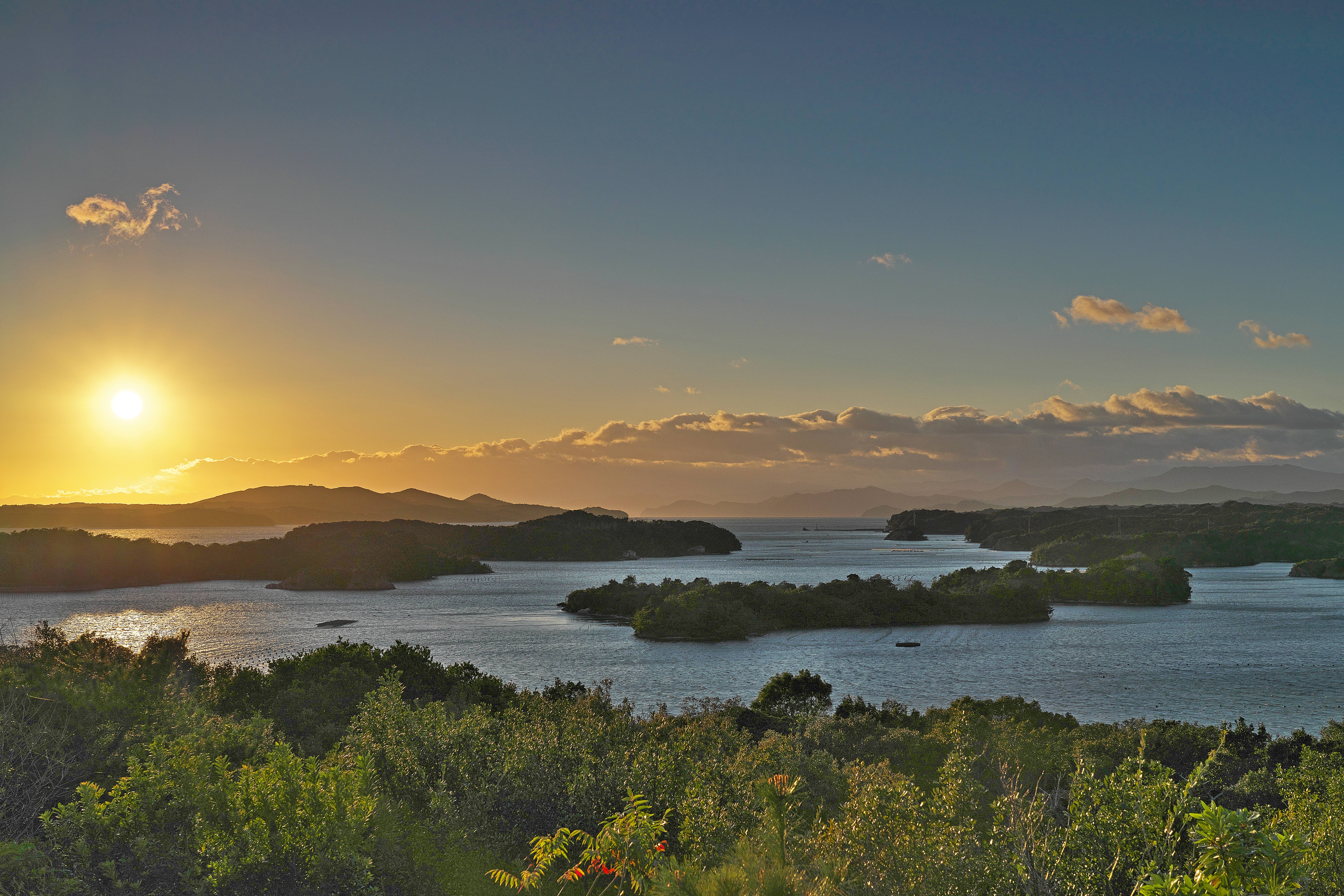
Visiting Ise-Shima Throughout the Year
The beauty of this region is its year-round appeal. Spring brings cherry blossoms to the shrine grounds, summer offers perfect beach weather, fall foliage paints the mountains surrounding the coast, and winter provides clear, crisp days ideal for shrine visits without the humidity.
Nara Prefecture: Beyond the Deer Park
Most visitors to Nara Prefecture spend a day trip from Kyoto seeing Todai-ji Temple and feeding deer in Nara Park before rushing back. They miss the extraordinary depth this region offers.
The Mountains of Yoshino
Yoshino Mountain, with over 30,000 cherry trees planted across the mountainside, creates one of Japan's most spectacular cherry blossom displays. The trees bloom in waves from the mountain base to summit, extending the season and creating a pink-white gradient that defies description.
Asuka: Where Japanese Civilization Began
The Asuka region, dotted with ancient burial mounds and Japan's oldest Buddhist temples, tells the story of a civilization taking shape. Walking these rural roads where rice paddies give way to mysterious stone monuments feels like stepping into a living museum that predates most of Japan's famous historical sites.
Kanazawa City: The Jewel of the Japan Sea Coast
Often called "Little Kyoto," Kanazawa deserves to be known on its own merits. This university city escaped bombing during World War II, preserving entire districts of traditional wooden houses, samurai residences, and geisha quarters.
The Perfect Preserved Castle Town
Kanazawa's Nagamachi samurai district transports you to the Edo period with its earthen walls, private entrance gates, and narrow stone-paved lanes. Unlike reconstructed historical areas, these are actual homes and businesses, making the experience remarkably authentic.
Kenrokuen Garden and Gold Leaf Crafts
Kenrokuen, one of Japan's three great gardens, displays a refinement that reflects centuries of careful cultivation. The city produces 99% of Japan's gold leaf, and you can visit workshops where artisans still practice this delicate craft, then enjoy tea served in gold-leaf-covered cups.
Kanazawa's Food Scene
The city's location on the Japan Sea means access to some of the country's finest seafood. The covered Omicho Market, operating for nearly 300 years, offers encounters with ingredients many foreign tourists have never seen, from Kano crab to wild yellowtail.
Gifu Prefecture: Mountain Villages and Historic Towns
Shirakawa-go: A UNESCO World Heritage Village
The gassho-zukuri farmhouses of Shirakawa-go, with their steep thatched roofs designed to shed heavy snow, create one of Japan's most photographed landscapes. Yet the experience of staying overnight in one of these 250-year-old farmhouses remains remarkably uncommon among international visitors.
Winter Illuminations and Summer Green
In winter, the village transforms into a snow-globe scene, with illumination events that draw photographers worldwide. Summer brings an entirely different beauty—deep green rice paddies surrounding the houses, with the Japan Alps providing a dramatic backdrop.
Takayama: The Heart of the Japanese Alps
Takayama deserves more than a quick stop on the way to Shirakawa-go. This old town, with its sake breweries, morning markets, and preserved merchant quarters, rewards those who spend time exploring its atmospheric streets.
Hida Beef and Traditional Crafts
The region's cuisine centers on Hida beef, considered by many to rival even Kobe beef in marbling and flavor. Local lacquerware workshops continue traditions dating back centuries, and watching these craftsmen work offers insights into Japanese dedication to perfection.
Okayama Prefecture: The Sunshine Kingdom
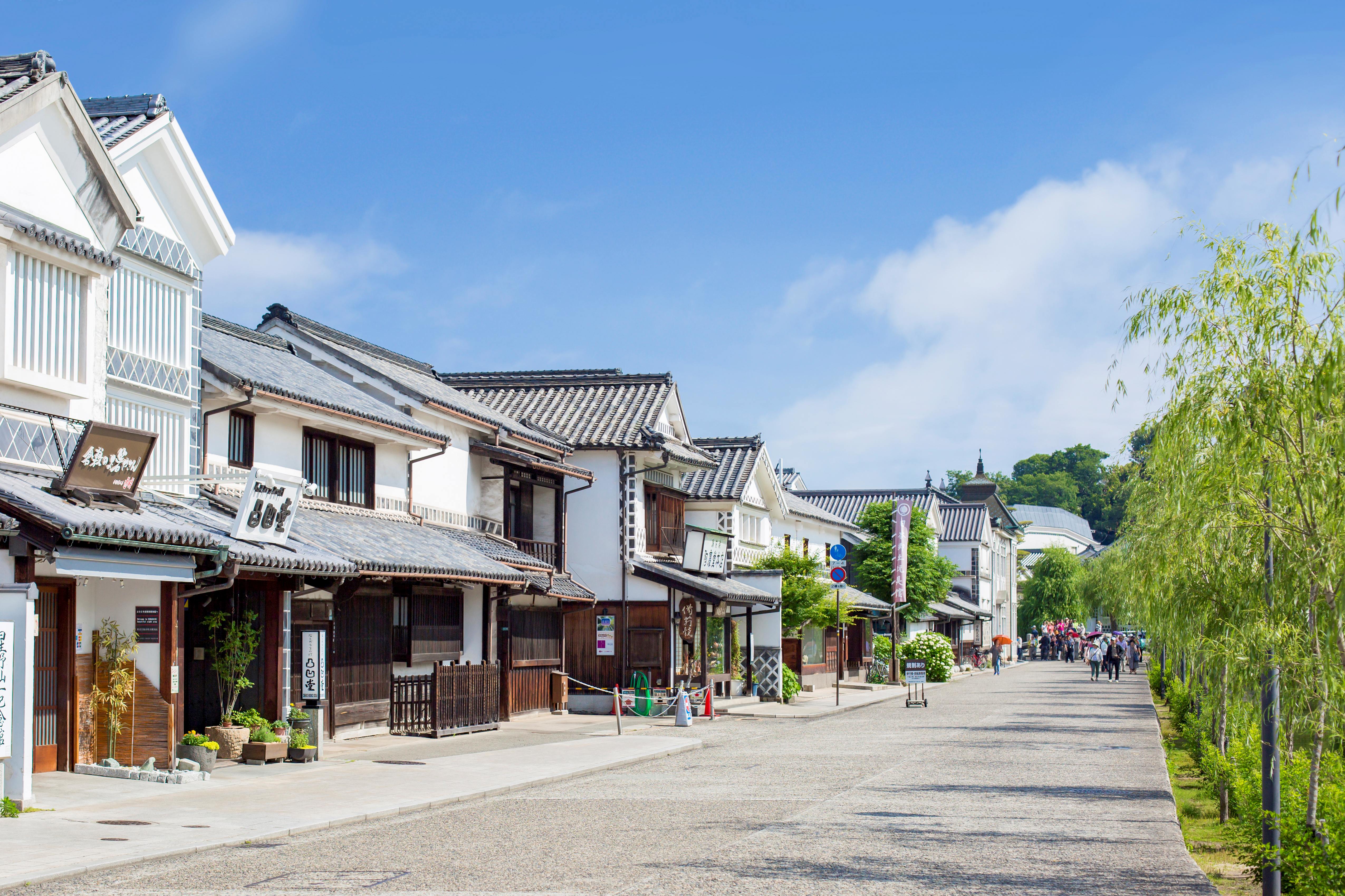
Kurashiki: A Merchant Town Frozen in Time
Kurashiki's Bikan Historical Quarter preserves a Edo-period merchant town almost perfectly. White-walled storehouses line willow-draped canals, now housing museums, galleries, and cafes. Walking these streets at dusk, when tourists have departed and lanterns illuminate the waterways, creates an atmosphere of timeless beauty.
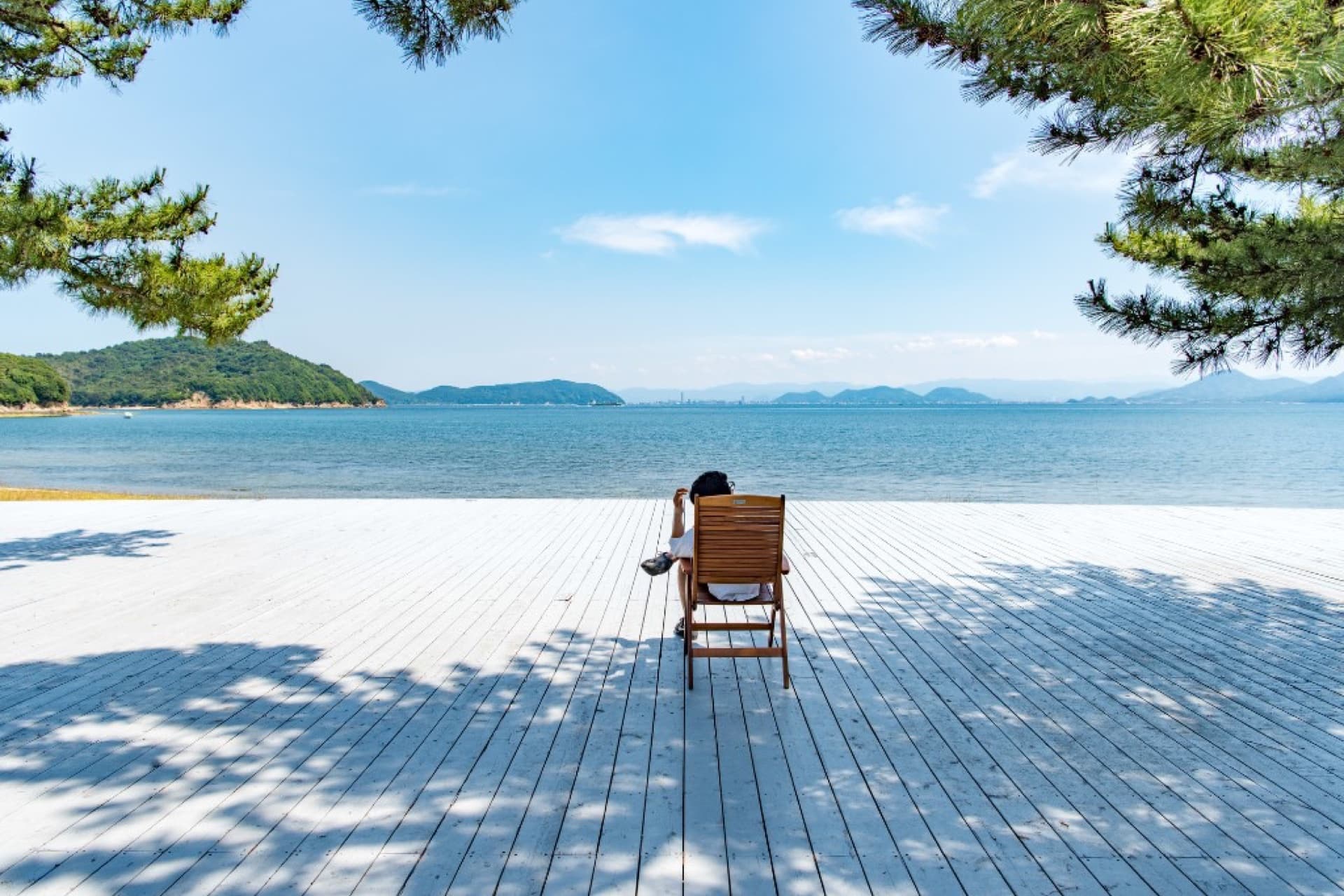
Art Island and Cultural Treasures
Okayama serves as the gateway to Naoshima and other art islands in the Seto Inland Sea. The prefecture itself houses the Ohara Museum, Japan's first museum of Western art, in a collection that would be major news anywhere but often gets overlooked in travel planning.
Korakuen Garden and Okayama Castle
Korakuen, another of Japan's three great gardens, offers a different aesthetic from Kenrokuen—more spacious and open, with the dramatic black facade of Okayama Castle (called "Crow Castle" for its color) providing a striking background.
Hiroshima Prefecture Beyond the Peace Memorial
Miyajima: The Floating Torii
While Miyajima appears on many itineraries, most visitors see only the famous Itsukushima Shrine and its floating torii gate before rushing back to Hiroshima. The island deserves at least an overnight stay. At dawn, before day-trippers arrive, the shrine and its reflection in the still water create moments of profound beauty.
Mount Misen and Island Trails
The hike up Mount Misen, whether by ropeway or trail, reveals views across the Seto Inland Sea that rank among Japan's finest. The summit temple complex and ancient forests make this one of those rare places where natural and spiritual beauty intertwine perfectly.
The Chugoku Region's Port Towns
Hiroshima Prefecture's coast hides former port towns where the pace of life remains unhurried. Tomonoura, the inspiration for Hayao Miyazaki's "Ponyo," offers Edo-period streetscapes and harbor views that have changed little in centuries.
Hyogo Prefecture: Castles, Onsen, and Sacred Mountains
Himeji Castle: Japan's Greatest Original Castle
Himeji Castle stands as Japan's finest surviving castle—a white-plastered marvel that appears to take flight from its stone foundations. Unlike most Japanese castles (which are concrete reconstructions), Himeji is the real thing, and exploring its defensive architecture provides fascinating insights into samurai-era military design.
Arima Onsen: One of Japan's Oldest Hot Spring Towns
Tucked into the mountains just north of Kobe, Arima Onsen has drawn bathers for over 1,000 years. This historic hot spring town offers two distinct types of mineral waters—golden and silver—each with supposed healing properties. The narrow streets lined with traditional ryokan and bath houses create an atmosphere worlds away from modern Japan.
Kinosaki: The Seven-Bath Town
Kinosaki transforms evening into theater. Guests at traditional inns don yukata (casual kimono) and wooden geta sandals to stroll the willow-lined streets, moving from one public bath to another in a tradition called "sotoyu meguri" (external bath touring). Each of the seven public baths has distinct architecture and water properties, making the circuit a cultural experience as much as a physical one.
The Kinosaki Experience Year-Round
Winter brings snow to this small town, creating postcard scenes and the famous crab season when Tajima crab (considered superior even to snow crab) appears on every ryokan menu. Spring and fall foliage add different dimensions of beauty, while summer festivals light the streets with lanterns and bring the community together in traditional celebration.
Wakayama Prefecture: Sacred Mountains and Rugged Coasts
Koyasan: Buddhism's Mountain Sanctuary
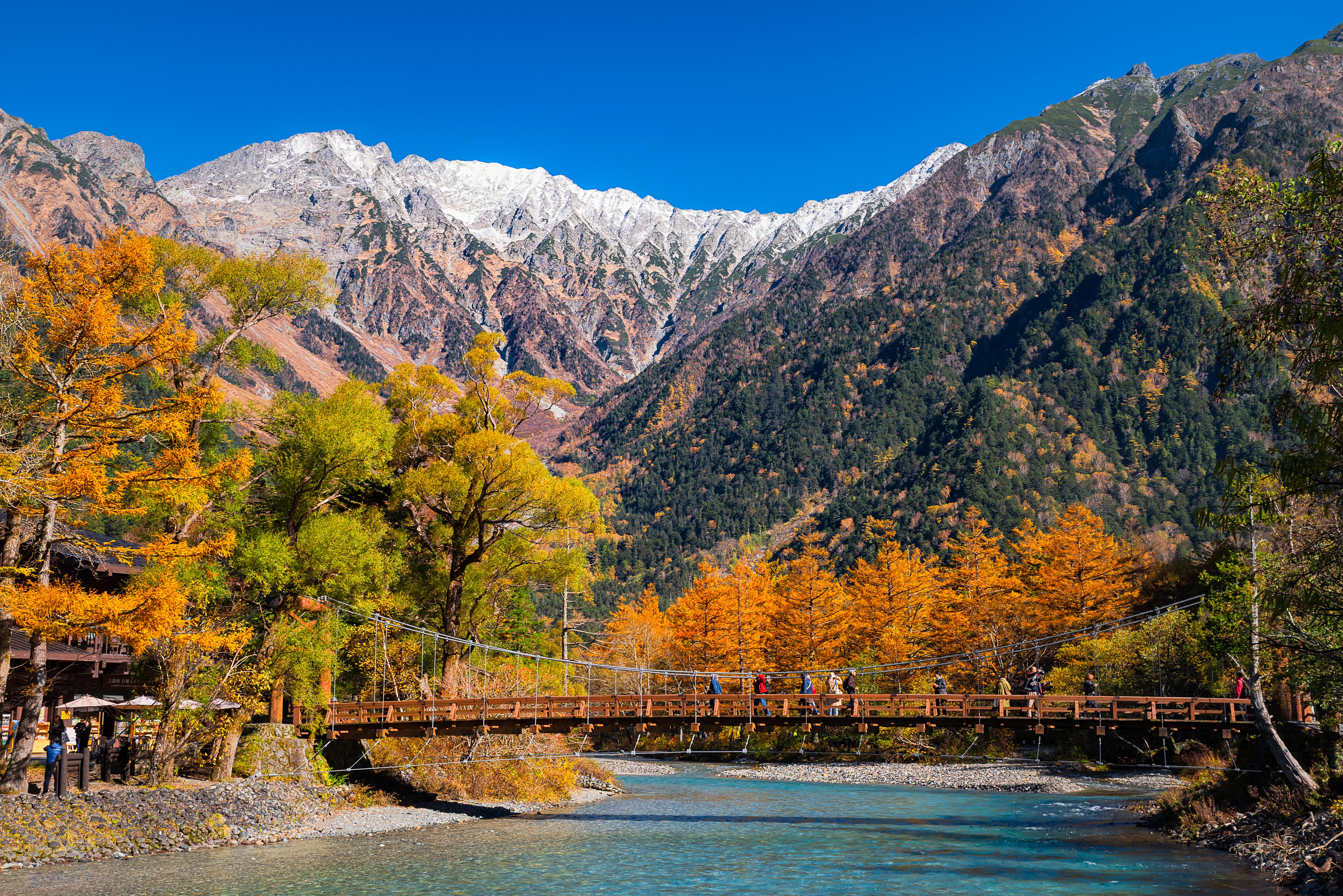
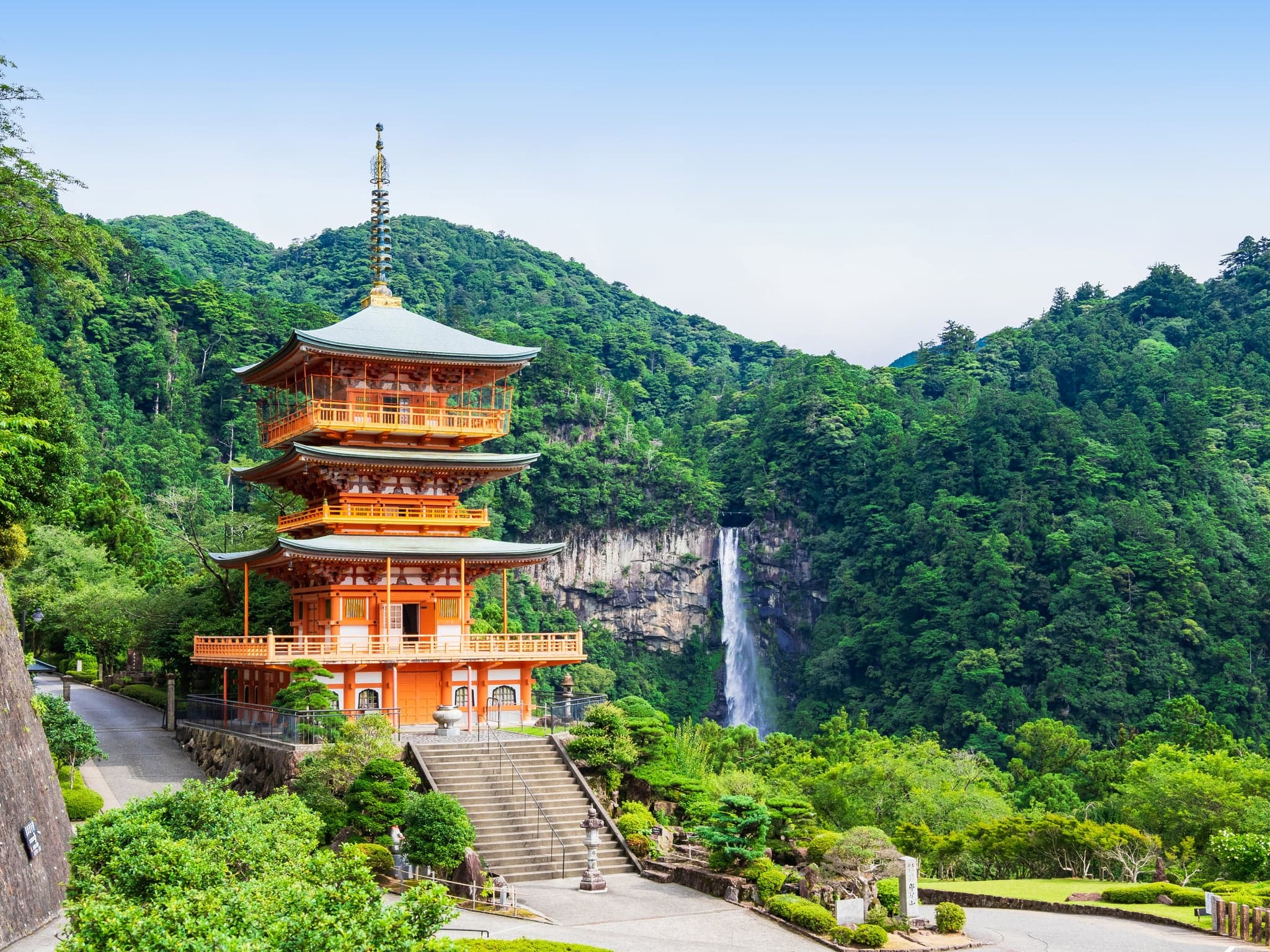
Koyasan, set in Wakayama Prefecture's mountains, represents one of Japan's most significant religious sites. Founded in 816, this temple town hosts over 100 temples in an alpine valley surrounded by eight peaks representing a lotus flower. Staying overnight in a temple lodging (shukubo), participating in morning prayers, and eating traditional Buddhist vegetarian cuisine offers one of Japan's most immersive cultural experiences.
Okunoin Cemetery and Night Walks
The walk through Okunoin Cemetery at dusk, past thousands of moss-covered monuments beneath towering cedars, creates an otherworldly atmosphere. The path leads to the mausoleum of Kobo Daishi, founder of Shingon Buddhism, where lanterns have burned continuously for over 1,000 years.
The Kumano Kodo Pilgrimage Routes
These ancient paths through Wakayama's mountains, now a UNESCO World Heritage site alongside Santiago de Compostela, offer multi-day hiking experiences through pristine forests and to remote shrines. The routes connected three grand shrines and have been walked by emperors and common people alike for over 1,000 years.
Coastal Wakayama: Where Mountains Meet Sea
The southern coast of Wakayama Prefecture remains remarkably untouched. Small fishing villages, dramatic cliff-lined shores, and onsen towns like Shirahama (famous for its white-sand beaches) offer alternatives to Japan's more famous coastal destinations.
Hakone and the Izu Peninsula: Sophistication Close to Tokyo
Hakone: More Than a Day Trip
While Hakone technically appears on the Golden Route as a day trip from Tokyo, few international visitors experience its full potential. Spending several days here reveals a region of remarkable diversity—active volcanic valleys, art museums with world-class collections, and luxury ryokan overlooking Lake Ashi with Mount Fuji beyond.
The Hakone Loop and Artistic Treasures
The famous Hakone loop—traveling by train, cable car, ropeway, and pirate ship—makes a fun exploring experience, but Hakone's cultural depth goes much further. The Hakone Open-Air Museum, Pola Museum of Art, and Okada Museum house collections that would be major draws anywhere in the world.
Izu Peninsula: Tokyo's Coastal Escape
The Izu Peninsula extends south from Hakone into the Pacific, offering some of Japan's most beautiful coastline. The east coast features onsen towns like Atami (historically favored by writers and artists), while the west coast remains rugged and less developed.
Shimoda: Where Japan Opened to the World
The port town of Shimoda, at the peninsula's southern tip, played a crucial role in Japan's modern history. This is where Commodore Perry's black ships arrived, ending Japan's 200-year isolation. Today, the town maintains a relaxed, almost Mediterranean atmosphere with its harbor, beaches, and historic streets.
Seasonal Considerations for Hidden Gems
🌸 Spring: Cherry Blossoms Beyond the Crowds
While everyone flocks to Tokyo and Kyoto for cherry blossoms, places like Yoshino Mountain, the Philosopher's Path in northern Kyoto Prefecture, and Takayama offer spectacular blooms with more breathing room. The viewing season shifts slightly from south to north.
☀️ Summer: Mountains and Coasts
Summer heat sends smart travelers to the mountains or coasts. The Japan Alps around Takayama and the Tateyama Kurobe Alpine Route offer cool respites. Coastal destinations like the Izu Peninsula, Kashikojima, or Wakayama's beaches provide alternatives to Hawaii.
🍂 Autumn: Fall Foliage in Less-Traveled Places
Japan's fall foliage rivals anything in New England. Northern Kyoto Prefecture, the mountains around Koyasan, Lake Biwa's shores, and Hakone's valleys all offer stunning autumn colors with more intimate settings.
❄️ Winter: Snow Country and Hot Springs
The onsen towns truly shine in winter. Kinosaki covered in snow, Arima Onsen's historic baths on cold evenings, or the illuminated thatched houses of Shirakawa-go represent winter Japan at its most magical.
Connecting the Hidden Gems: Practical Routes
The Kansai-Hokuriku Route
This path connects Kyoto, Kanazawa, Shirakawa-go, and Takayama before looping back through Nagoya to access Ise-Shima. It showcases the diversity of central Japan without backtracking.
The Western Circuit
Starting from Kyoto, this route moves through Himeji, Kurashiki, Hiroshima (for Miyajima access), and can extend into smaller towns along the Seto Inland Sea. It offers the perfect combination of famous sites with genuine hidden gems.
The Mountain and Coast Combination
Pairing mountain destinations (Koyasan, Takayama, Hakone) with coastal areas (Izu Peninsula, Ise-Shima, Kinosaki) creates variety and allows for recovery time between more intensive travel days.
See our complete Japan hidden gems itineraries designed by local experts.
Cultural Immersion in Small Towns
The Value of Staying in Traditional Inns
While modern hotels have their place, staying in traditional ryokan opens cultural doors that remain closed to day-trippers. The kaiseki dinner ceremony, served course by course in your room, introduces you to seasonal Japanese cuisine at its most refined. The ritual of bathing, donning yukata, and sleeping on futon directly connects you to traditions that date back centuries.
Engaging with Local Communities
Smaller destinations mean more opportunities for genuine interaction. Shop owners in Takayama's morning markets, the master of a small sake brewery in Kanazawa, the keeper of a family-run onsen in Kinosaki—these encounters create memories that outlast any photograph.
What Makes These Destinations Special
These hidden gems maintain their character precisely because they haven't been overwhelmed by tourism. Yes, this means fewer English menus and more moments where you'll need to navigate cultural differences, but it also means experiences that feel real and unstaged.
There's something deeply satisfying about finding a perfect small restaurant that serves only locals, stumbling upon a festival preparation in a town square, or having an ancient temple largely to yourself. These moments of discovery—the kind the Golden Route rarely offers anymore—reconnect you with the original spirit of travel.
Why Now Is the Time to Explore Hidden Japan
International tourism to Japan continues growing, and even these lesser-known destinations won't remain secret forever. But right now, they offer something increasingly precious: the chance to experience authentic Japan without feeling like you're part of a tourist invasion.
The infrastructure exists to make these places accessible—trains run reliably, hotels meet high standards, and enough English exists in critical situations. Yet these destinations remain uncomfortably challenging for self-planning travelers to navigate, which is precisely what keeps them special.
Bringing It All Together: Your Hidden Japan Experience
Creating a journey through these destinations doesn't mean abandoning the famous sites entirely. A well-designed itinerary might combine Kyoto's highlights with northern Kyoto Prefecture's quiet temples, spend time in Tokyo before heading to the Izu Peninsula, or use Osaka as a base for exploring deeper into the Kansai region.
The key is balance—experiencing both the energy of major cities and the tranquility of small towns, both celebrated landmarks and places where you make your own discoveries.
Let Us Handle the Complex Details
This is exactly the kind of travel experience our Self-Guided Tour service excels at creating. We design itineraries that flow naturally from destination to destination, arrange all the complicated bookings that intimidate most travelers, and provide the detailed guidance you need to navigate confidently—all while preserving your independence and allowing for spontaneous moments.
For those seeking elevated experiences, our premium packages include private guides who can unlock doors that remain closed to casual visitors—whether that's a renowned artist's workshop in Kanazawa, a private tour of Himeji Castle's normally restricted areas, or a kaiseki meal at a restaurant that typically requires perfect Japanese and multiple tries to book.
The Lasting Impact of Hidden Japan
Travelers who venture beyond the Golden Route consistently describe their experiences as transformative. There's something about these quieter places—perhaps the absence of crowds allows for deeper reflection, or maybe the necessity of navigating cultural differences creates more meaningful connections—that stays with you long after returning home.
The couples I've guided through these destinations often tell me that while they appreciated Tokyo's energy and Kyoto's temples, their most cherished memories come from watching the sun set over Lake Biwa from Hikone Castle, soaking in an outdoor hot spring as snow fell on Kinosaki's streets, or simply wandering through Takayama's morning market without any particular agenda.
Your Journey Begins Here
Japan's hidden gems offer everything the Golden Route provides—history, culture, natural beauty, and remarkable hospitality—but with space, authenticity, and the thrill of genuine discovery. These destinations don't compete with the famous sites; they complement them, showing different facets of this endlessly fascinating country.
The challenges of accessing and experiencing these places shouldn't stop you from seeing the Japan that most international visitors miss. With proper planning, local expertise, and support when you need it, these hidden gems become not just accessible but genuinely comfortable to explore.
The Japan you've imagined—quiet temples in mountain settings, traditional towns where centuries-old crafts continue, onsen villages where you literally soak in hot springs while contemplating sublime mountain or coastal views—exists. It's waiting in these places that remain just beyond where most tourists venture.
We've spent years developing relationships and expertise in these destinations specifically to help travelers like you experience this unseen Japan without the stress and uncertainty that keeps most people on the well-worn path. Whether you choose to let us handle every detail or just want guidance on the trickiest bookings, our goal is the same: helping you create the Japan journey you'll still be talking about years from now.
Ready to explore the hidden gems of Japan with the freedom of independent travel and the peace of mind that comes with expert support? Your authentic Japan adventure starts here.
Related Articles
Start Planning Your Hidden Japan Adventure
Our self-guided tours take you beyond the tourist crowds to Japan's most authentic destinations. With all logistics handled and comprehensive support provided, you can focus on discovery and creating memories that last a lifetime.
Have questions about exploring Japan's hidden gems? We're here to help you plan the perfect off-the-beaten-path adventure.