
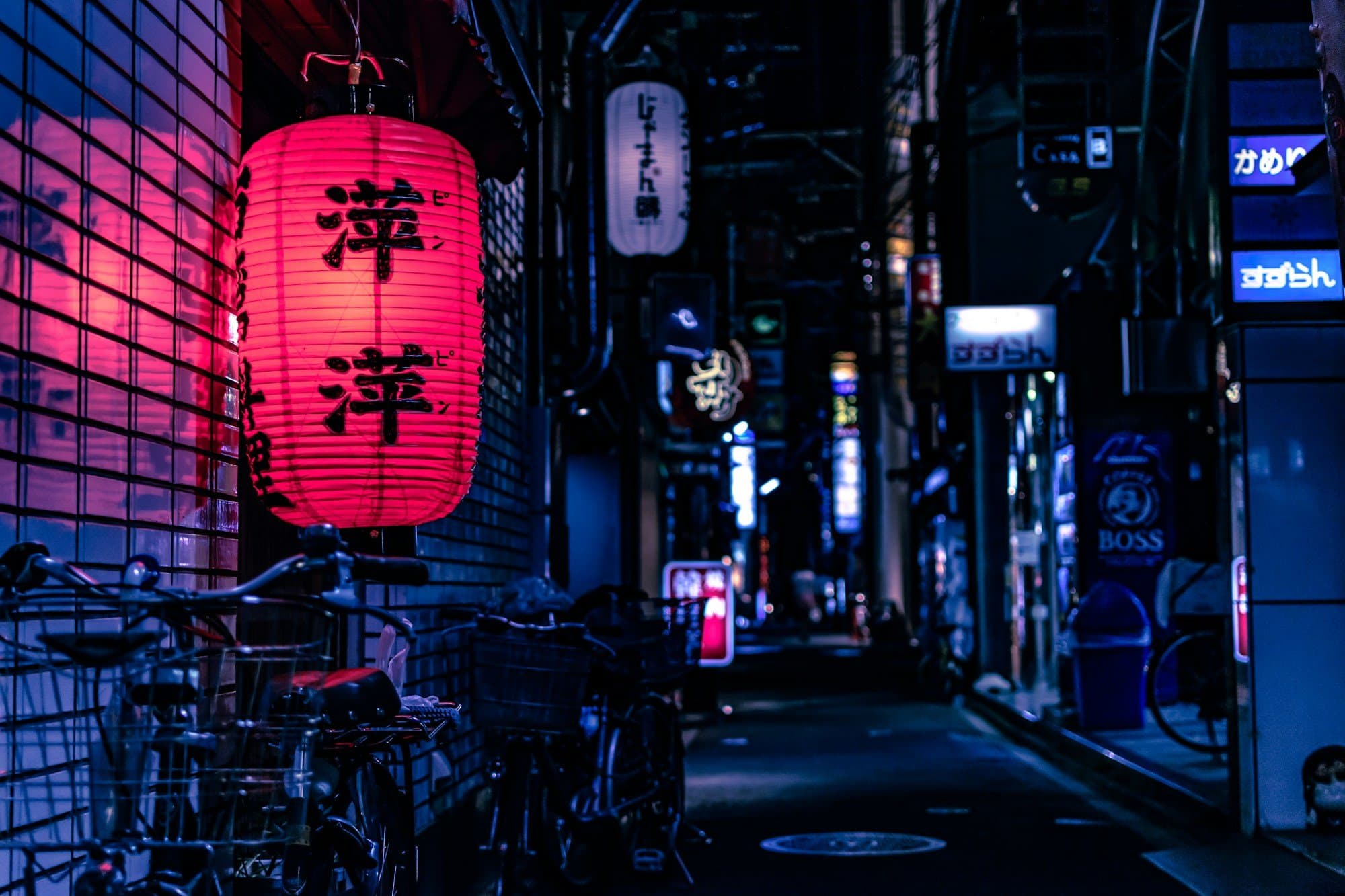
Is Japan solo female travel safe? Absolutely. Japan consistently ranks among the safest countries in the world, and for solo female travelers, it offers an unparalleled combination of security, convenience, and unforgettable experiences.
As a woman traveling solo in Japan, you'll find a society that respects personal space, a transportation system designed with your safety in mind, and a culture where you can walk alone at night without constantly looking over your shoulder. From the neon-lit streets of Tokyo to the ancient temples of Kyoto, Japan welcomes solo women with open arms.
This comprehensive guide covers everything you need to know about female travel in Japan—from practical tips and safety advice to the best destinations and experiences for women exploring this incredible country at their own pace.
Whether this is your first solo trip or you're a seasoned solo traveler, Japan offers the perfect environment to discover yourself while discovering a fascinating culture.
✨ Is Japan Safe for Women?
Yes, extremely safe. Japan has one of the world's lowest crime rates. Women-only train cars, 24/7 convenience stores, and a culture of respect make it ideal for solo female travel. Walk alone at night, travel by train confidently, and explore freely.
🚃
Women-only cars
🌙
Safe at night
🏪
24/7 konbini
Is Japan Safe for Women? Why Solo Female Travelers Feel Comfortable
Japan's reputation as one of the safest countries for solo female travelers isn't just marketing—it's backed by remarkably low crime statistics and the experiences of countless women who have explored the country alone.
Japan has one of the lowest crime rates among developed nations. Violent crime against tourists is extremely rare, and even petty theft is uncommon compared to other popular travel destinations. If you want the logistics handled as well as the safety, our Japan solo tours guide compares group tours for solos with a self-guided package that books a single room every night.
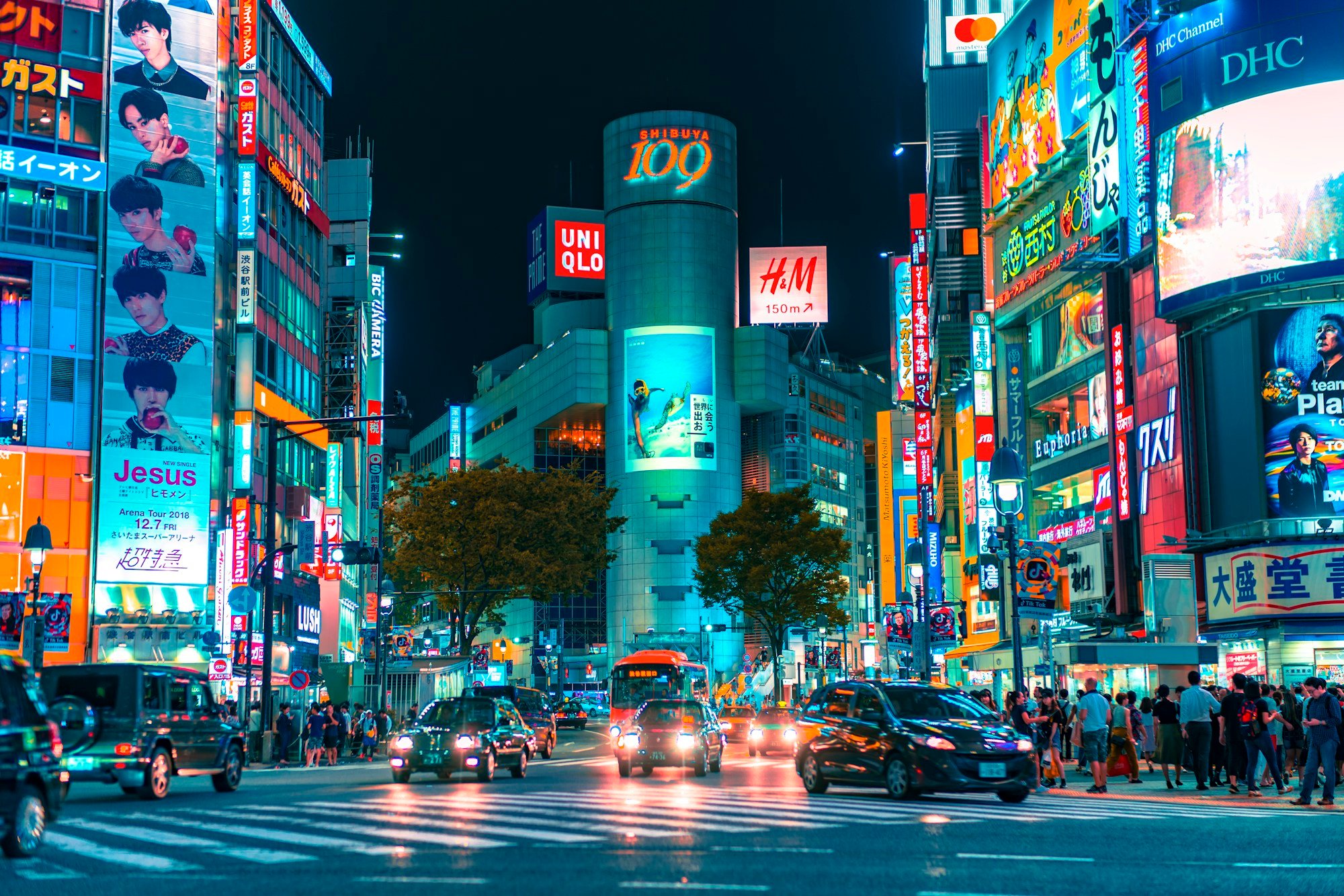
Japanese society places enormous value on social harmony and respect. This cultural foundation creates an environment where harassment and aggressive behavior are strongly discouraged. Japanese people generally maintain respectful distances and avoid unwanted interactions.
You'll notice this the moment you arrive. People queue patiently, no one pushes on crowded trains, and strangers rarely approach you unless you need help. This respect for personal space makes solo exploration comfortable and stress-free.
Safety in Japan goes beyond statistics—it's woven into everyday life. Children as young as six ride public transport alone to school. Elderly women walk home from evening activities without concern. This normalized safety extends to foreign visitors as well.
Lost wallets are frequently returned with cash intact. Belongings left on restaurant tables remain untouched. These small indicators reveal a society where honesty and consideration are deeply ingrained values.
One story travelers repeat because it captures the culture: a woman left her wallet—cash and passport included—on a train seat in Kyoto. At the station master's office, it had already been turned in, nothing missing. That's not a guarantee for every trip, but it reflects how seriously Japan treats lost property and how that attitude shapes the whole travel experience.
For solo female travelers, this culture of safety means you can focus on enjoying your trip rather than constantly guarding against threats.
Women Only Train Cars: Japan's Commitment to Female Safety
One of Japan's most visible safety features for women is the women only train cars system, available during rush hours on major train lines in big cities like Tokyo and Osaka.
During rush hours (typically morning commutes from 7:00-9:30 AM), designated cars on many train lines are reserved exclusively for women. These cars are clearly marked with pink signs and announcements.
You're not required to use women only cars—they're an option, not a mandate. Many solo female travelers appreciate having this choice, especially during crowded morning commutes when trains reach extreme capacity.
The existence of these cars reflects Japan's proactive approach to ensuring women feel safe on public transport. While Japan is generally safe, crowded trains have historically seen issues with groping (called "chikan"), and women only cars directly address this concern.
Look for pink signs on platforms indicating where women only cars stop. Station staff can direct you if you're unsure. Remember that these cars typically operate only during specific rush hours on weekdays—check schedules for your particular line.
When They Run
In most major cities, women only cars operate during weekday rush hours—usually from the first train until around 9:30 AM. Some lines also run them in the evening; a few operate all day. The policy is generally weekdays only, excluding holidays. On a Tuesday morning commuter train at 8 AM, the restriction is enforced. On a Sunday afternoon trip to Asakusa, all cars are mixed and perfectly fine for tourists.
How to Spot Them
Look for pink "Women Only" signs in three places: on the platform floor where passengers line up, on platform pillars near the boarding spot, and on the train carriage near the doors. Most of the time these cars are at either end of the train. Announcements in Japanese and English also help riders find the correct spot.
Who Can Use Them
Elementary school students and younger children are usually allowed regardless of gender. Passengers with disabilities and their caregivers can also use women only cars. Outside posted hours, anyone may ride in those carriages—the restriction applies only during the times shown on signs.
Where They Don't Exist
A detail many guides miss: the Kyoto Subway does not currently have women only cars, unlike many JR and private lines in Tokyo and Osaka. The Ginza and Marunouchi lines in Tokyo also do not have them. That's not a safety concern for most visits, but worth knowing if you're traveling during peak commute hours—on a typical tourist schedule you're rarely on a train at 8 AM anyway.
Outside rush hours, all cars are mixed, and you'll find trains perfectly comfortable and safe. The availability of women only floors in some capsule hotels follows similar logic—providing options for women who prefer female-only spaces.
Harassment and Chikan: An Honest Look
This is where honest guides should slow down. Chikan—groping on packed commuter trains—is a real issue in Japanese society, not a tabloid myth. It disproportionately affects Japanese teenage girls and young commuters. Surveys suggest a large share of Tokyo women have experienced it at some point over years of daily commuting. As a foreign solo traveler, your exposure is real but typically lower than those headline percentages suggest, especially if you're not riding rush-hour commuter trains every weekday.
If it happens, don't freeze. Move away, use your voice ("Yamete!" means "Stop it!"), and tell train staff at the next station. Station employees deal with these reports more often than you might expect and take them seriously. Women only train cars exist partly because of this problem—they're an option, not a requirement, and they help during the hours when trains are most packed.
First Solo Trip to Japan: What to Expect
Planning your first solo trip to Japan can feel overwhelming, but the country is remarkably welcoming to first-time solo travelers. Here's what you should know before you go.
Navigating Japanese Train Stations
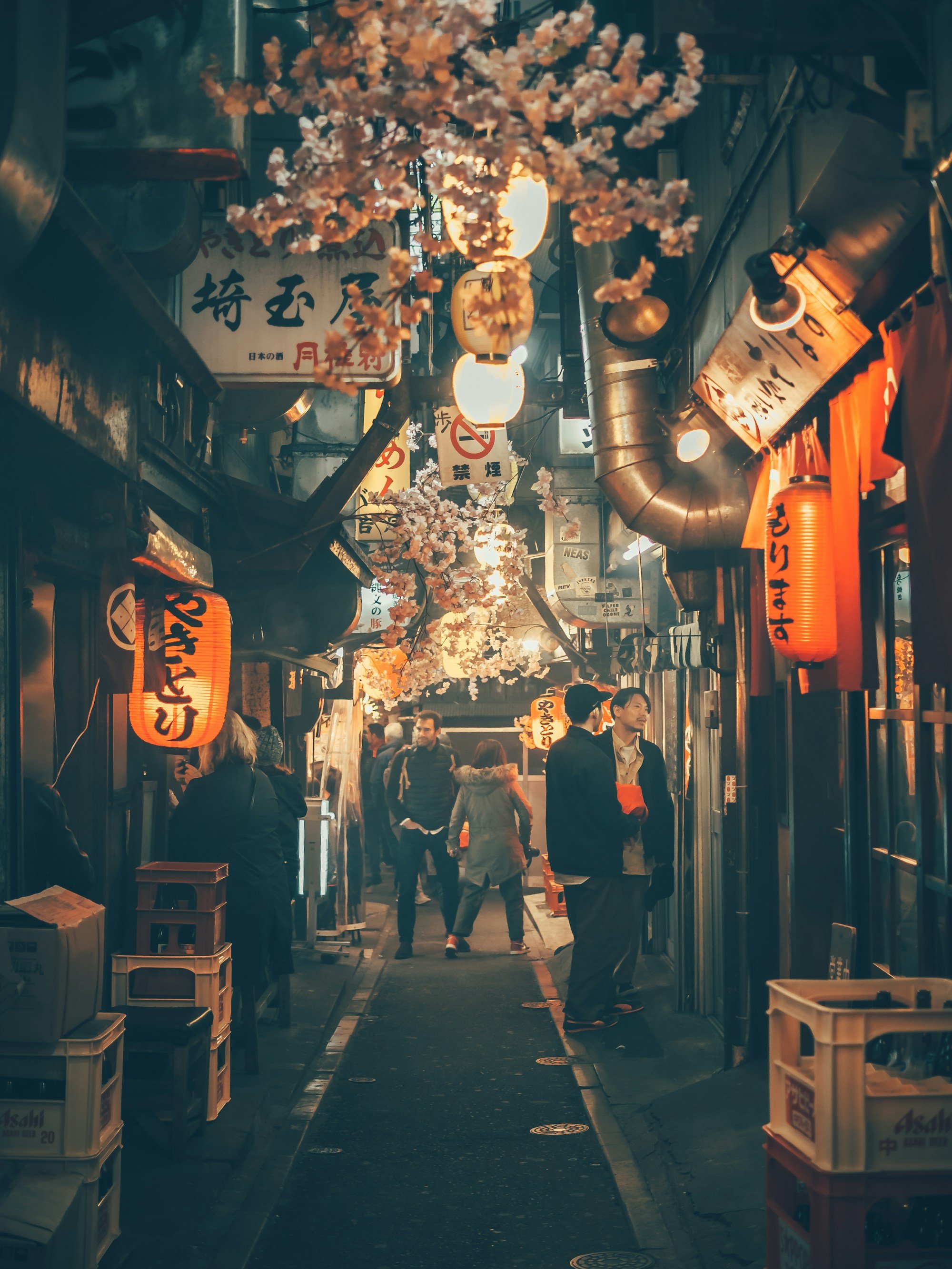
Japanese train stations initially seem impossibly complex, but they're actually designed for efficiency. Color-coded lines, clear signage (often in English), and helpful station staff make navigation manageable. Download Google Maps before arriving—it provides accurate train directions including platform numbers and transfer times.
Your first few station experiences might feel chaotic, but within a day or two, you'll move through Japanese train stations like a local. The key is accepting that some confusion is normal and that asking for help is always an option.
Language Barriers
While fewer Japanese people speak English than in some European countries, communication is rarely a serious problem. Major tourist areas have English signage, and Google Translate's camera feature instantly translates signs and menus.
Japanese people are generally eager to help lost tourists, even with limited English. A combination of gestures, your translation app, and patience usually resolves any communication challenge.
Learn a few basic phrases—"sumimasen" (excuse me), "arigatou gozaimasu" (thank you), and "eigo o hanasemasu ka" (do you speak English)—and you'll find interactions smoother and more appreciated.
Cultural Differences
Japanese culture differs significantly from Western norms, but these differences enhance rather than complicate solo travel. The emphasis on quiet consideration means you won't face aggressive touts, pushy salespeople, or constant unwanted attention.
Japanese society values harmony and non-confrontation, creating a calm, orderly environment that many solo female travelers find refreshing compared to destinations where being alone makes you a target for attention.
Practical Tips for Solo Female Travelers in Japan
These practical tips will help you navigate Japan confidently and safely as a solo woman.
Accommodation Options
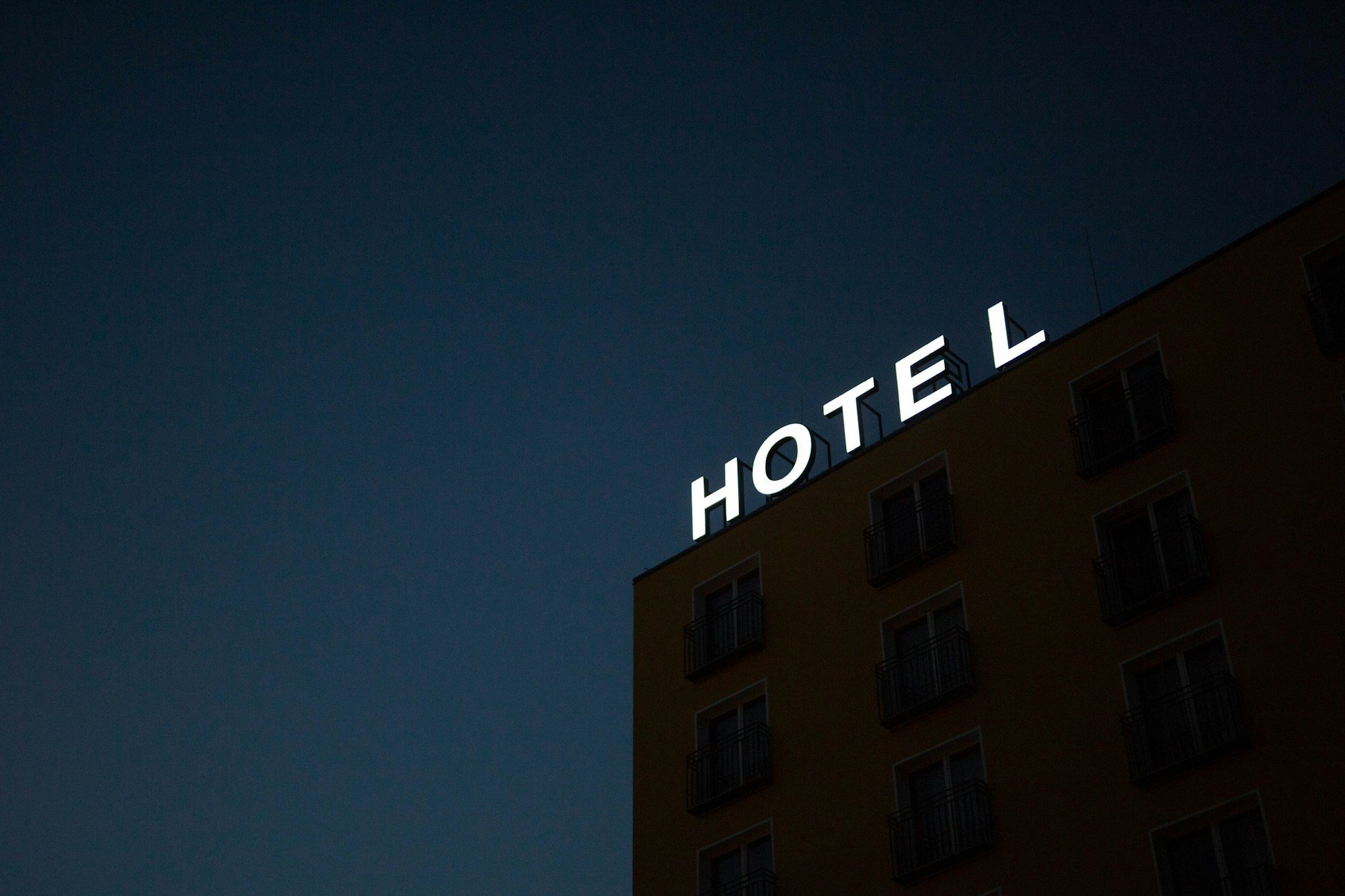
Japan offers numerous safe accommodation options for solo female travelers. Business hotels provide small but secure private rooms at reasonable prices. Many have security card access and 24-hour front desks. Chains like Toyoko Inn and APA Hotel offer small but functional rooms, reliable Wi-Fi, and breakfast—often around $70–100 per night. They're the default choice for most solo trips when you want privacy without ryokan prices.
Capsule hotels have evolved to accommodate female travelers, with many offering women only floors or entirely female-focused properties. These provide budget-friendly options without sacrificing privacy or security. The women only floors come with secure key-card access—men cannot enter even by mistake.
When you book female only accommodations, you ensure a comfortable environment where you can relax completely. Traditional ryokans (Japanese inns) are also excellent choices, with their attentive service and secure premises. One caveat: not all ryokans accept single guests, and some charge a single supplement for rooms designed for two. Solo-friendly ryokans exist, especially in onsen towns—book early and confirm single occupancy before paying.
Hostels are best for meeting other travelers. Piece Hostel in Kyoto and UNPLAN Shinjuku in Tokyo are well-reviewed by solo women. Choose hostels with secure lockers, female dorms if you prefer them, and common areas that feel actively used rather than empty.
Money and Safety
Japan remains a cash-based society, though credit cards are increasingly accepted. Plenty of small restaurants, family-run shops, shrines, festivals, and rural ryokans are cash-only, even in 2026. Carry cash without excessive worry—the risk of theft is remarkably low. 7-Eleven ATMs accept most international cards and are available 24/7.
A practical baseline: keep ¥10,000–20,000 in your wallet at all times, then top up at convenience store ATMs when you drop below. Convenience-store ATMs charge roughly ¥110–220 per withdrawal on foreign cards across the 7-Eleven, Lawson and FamilyMart networks, so any of them is fine — your own bank's foreign-transaction fee will usually cost you more than the ATM does.
The nearest convenience store is never far in Japanese cities, making cash access easy throughout your trip. Still, exercise normal precautions: keep valuables in inside pockets when in very crowded spaces, and use hotel safes for passports and extra cash.
Health and Insurance
Japan has excellent healthcare, but medical costs can be high for uninsured foreigners. Japanese hospitals may require upfront payment and do not accept U.S. health insurance or Medicare. Hospitalization can run $1,000–3,000 per day, and medical evacuation to North America can exceed $100,000. Purchase travel insurance before your trip—it's essential for any international travel and provides peace of mind. A twisted ankle on Fushimi Inari's steps is a cheap lesson in why a policy matters.
Pharmacies stock common medications, though formulations may differ from home. Bring any prescription medications you need, along with copies of prescriptions.
Best Destinations for Solo Female Travelers in Japan
Japan offers incredible destinations that are particularly rewarding for solo women. Here are the must-visit places for your itinerary.
Tokyo: The Ultimate Solo City
Tokyo might seem intimidating, but it's actually ideal for solo exploration. The city's efficient public transport means you're never stranded. Restaurants cater to solo diners with counter seating and single-portion meals. Entertainment options abound at all hours. For a first solo trip, base yourself in Shinjuku, Shibuya, or Ginza for easy access to trains, food, and late-night services.
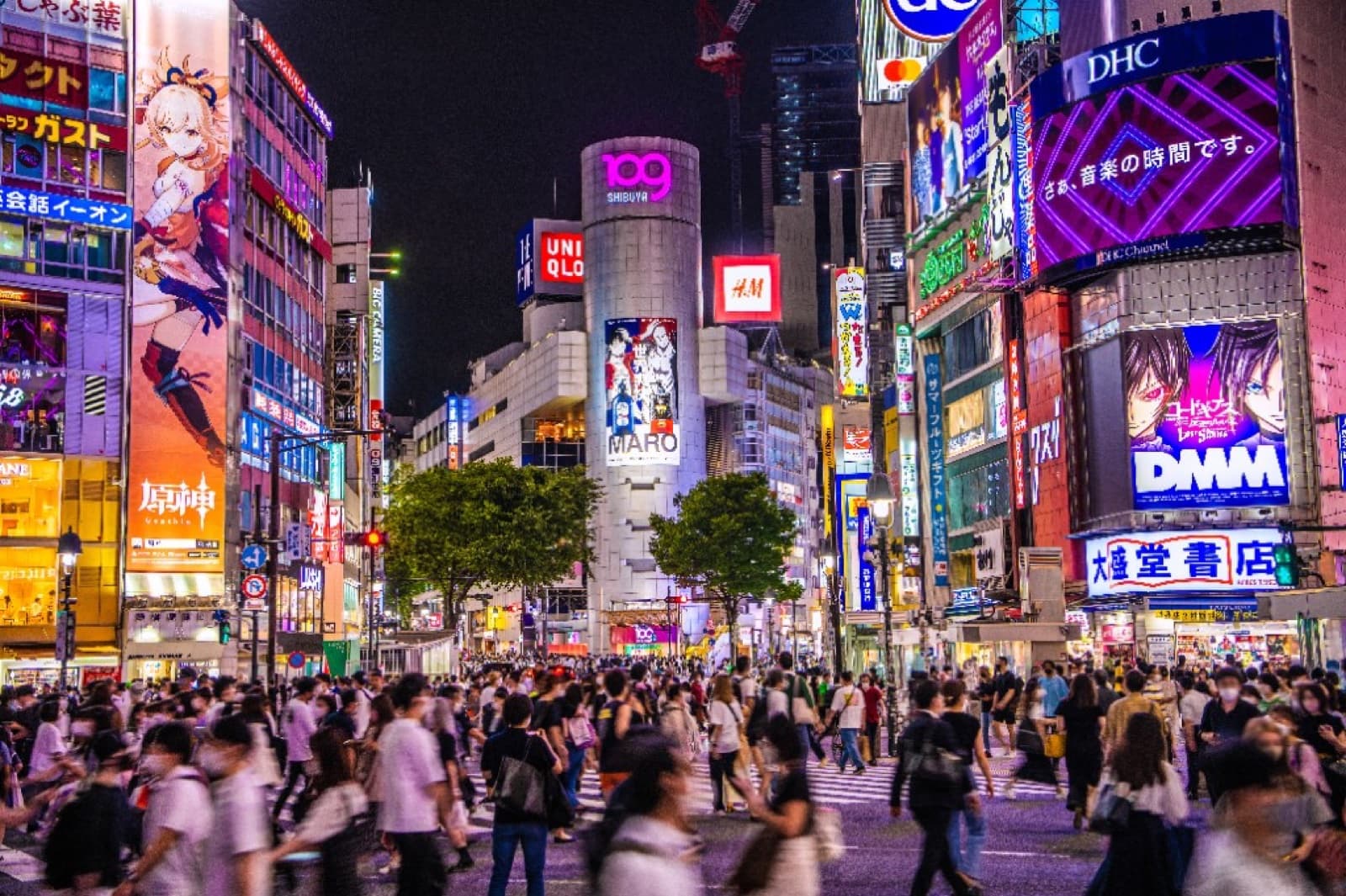
Immerse yourself in the city buzz at Shibuya Crossing and Harajuku. Walk through Takeshita Street's fashion shops, then escape to the peace of visiting Meiji Shrine in the adjacent forest. Spend a contemplative day at Ueno Park exploring museums and enjoying excellent solo dining options.
Experience ancient Japan within modern Tokyo at Asakusa's Senso-ji Temple—beautiful at early morning before crowds arrive. If anime and electronics interest you, Akihabara offers hours of solo exploration through multi-story shops and arcades.
Kyoto: Solo Temples and Traditions
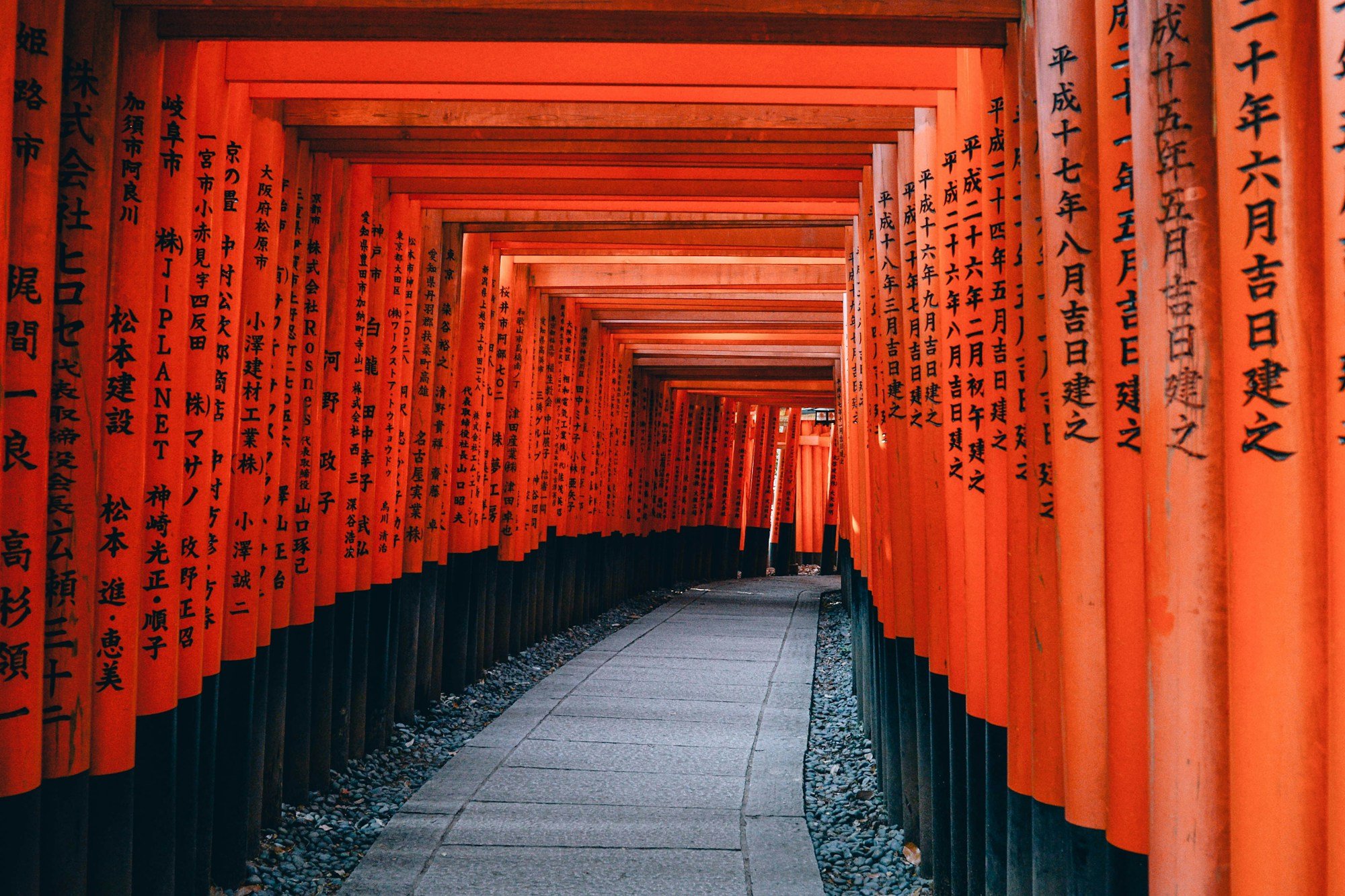
Kyoto is perfect for solo exploration. Ancient temples scattered across the city invite quiet contemplation. Gardens designed for meditation feel even more powerful when experienced alone.
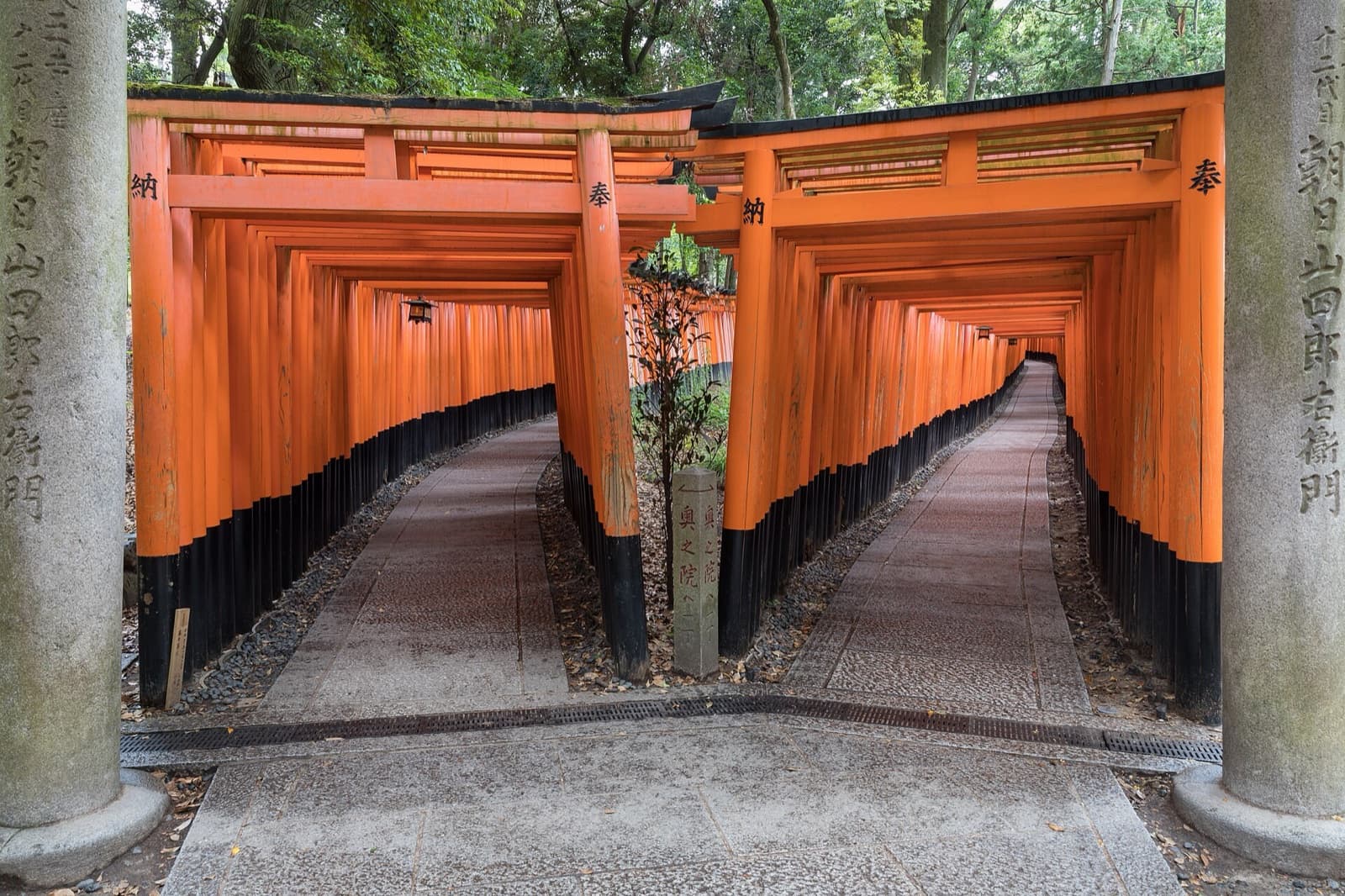
Walk the famous Fushimi Inari shrine gates at dawn, before tour groups arrive. Rent a bicycle and pedal through traditional neighborhoods. Book a tea ceremony experience and learn about this meditative art form.
Kyoto's geisha districts (Gion and Pontocho) are safe to walk alone in the evening. Watch for geiko and maiko hurrying to appointments, and dine at restaurants along the beautiful Kamo River.
One Kyoto-specific note: the city's smaller side streets can be very dark after sunset—not dangerous, just unlit. Plan lit routes with Google Maps when heading back to your accommodation in the evening.
Osaka: Food Paradise for Solo Diners
Osaka's street food culture makes it heaven for solo travelers. The city's "kuidaore" (eat-till-you-drop) philosophy celebrates eating, and counter-seating restaurants welcome individual diners warmly.
Explore Dotonbori's neon-lit food stalls alone, sampling takoyaki (octopus balls) and okonomiyaki (savory pancakes). The atmosphere is lively and safe, even late at night.
Day trip to Osaka Castle for history and beautiful grounds. Visit the aquarium. Take a short train ride to Nara Park where friendly deer roam freely among ancient temples—a uniquely peaceful solo experience.
Osaka's direct, friendly culture differs from Tokyo's reserve. Local people are more likely to strike up conversations, making it easier to connect if you want social interaction.
Hiroshima and Miyajima: Meaningful Solo Journey
Hiroshima offers profound solo experiences. The Peace Memorial Museum and Park invite quiet reflection on history and hope. These are places where solitude enhances rather than diminishes the experience.
A short train ride takes you to Miyajima Island, famous for its floating torii gate. Stay overnight after day-trippers leave to experience the island's magic in peaceful solitude.
The bullet train (covered by JR Pass) connects Hiroshima to other major cities, making it easy to include in your itinerary.
Solo Dining in Japan: A Joy, Not a Challenge
Unlike many countries where eating alone draws unwanted attention, solo dining in Japan is completely normal and often preferable.
Restaurant Culture for Solo Diners
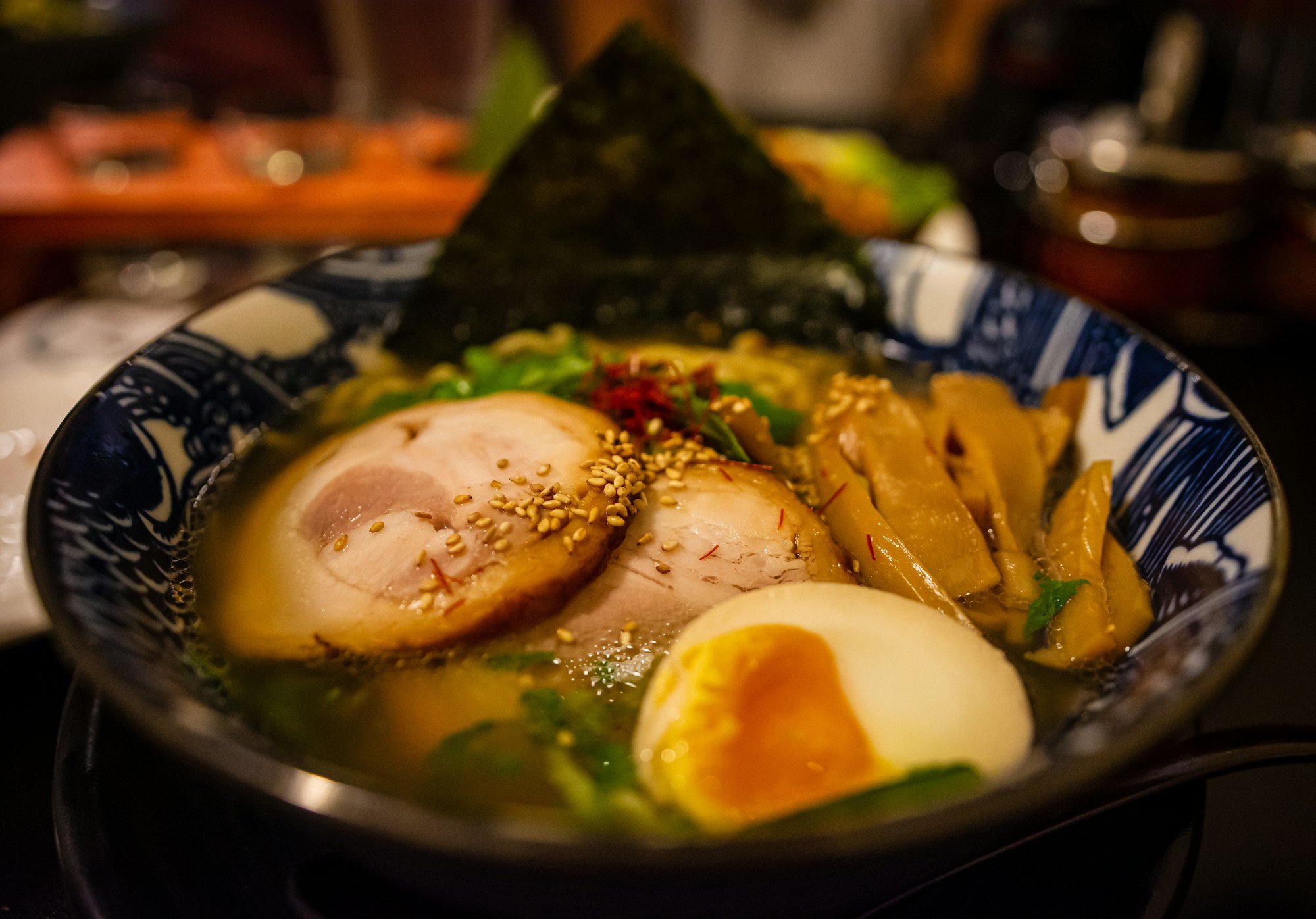
Japanese restaurants accommodate solo diners beautifully. Counter seating at ramen shops, sushi bars, and izakayas provides front-row views of food preparation. You're not an awkward single—you're an engaged diner.
Many restaurants have single-person booth seating or individual tables without stigma. Some even have ticket machines where you order without speaking to anyone—perfect for introverts or those struggling with language barriers.
During peak hours, solo diners often get seated faster than groups.
Best Options for Solo Dining
- Ramen shops offer counter seating, quick service, and delicious food—some have individual booth cubicles for complete privacy
- Conveyor belt sushi lets you take what you want and eat at your own pace with no ordering required
- Department store food courts feature high-quality options where solo dining is the norm
- Izakayas (Japanese pubs) serve small plates perfect for solo exploration at the counter
Don't overlook delicious food from convenience stores like 7-Eleven, Lawson, or Family Mart. Many have seating areas where eating alone is completely normal.
Street Food Exploration
Japan's street food scene welcomes solo exploration. Festival stalls, market vendors, and neighborhood food stands all serve individuals without fuss.
In Osaka's Kuromon Market, Tokyo's Tsukiji Outer Market, or Kyoto's Nishiki Market, you can graze through dozens of options. Pass food stalls selling everything from grilled skewers to sweet treats. The beauty of solo travel is following your cravings wherever they lead.
Safety Tips for Solo Female Travelers in Japan
While Japan is remarkably safe, smart travel habits enhance your experience and provide extra peace of mind.
Nighttime Safety
Japan's cities are generally safe after dark, but use common sense. Stick to well lit streets in unfamiliar areas. The good news is that Japanese cities remain brightly lit and active late into the evening.
Red light districts exist in major cities (Kabukicho in Tokyo, Tobita Shinchi in Osaka). These areas aren't dangerous, but touts may approach you. A firm "no thank you" and continuing to walk is sufficient—they won't follow or harass.
Many solo female travelers report walking home alone after midnight without incident. However, trust your instincts—if a situation feels wrong, remove yourself. Change cars, leave a bar, take a taxi, or wait in a lit convenience store until you're sure.
Nightlife districts have their own vibe. Kabukicho in Tokyo and Shinsekai in Osaka can feel chaotic after dark. They're fine to explore in early evening or with company; many solo travelers avoid wandering deep into them alone after 2 AM and stick to quieter streets or group plans. The practical takeaway: walk Shibuya Crossing at 11 PM with confidence, wander Gion at midnight without worry, and use the same caution you would in any major city if you're going deep into a nightlife zone alone in the small hours.
Last Train, Then What?
Trains stop earlier than many visitors expect—typically between midnight and 1 AM. If you miss the last train, the GO app is Japan's main taxi-hailing option in major cities and works well. A 24-hour convenience store is always a reasonable place to wait while you sort out transport. Budget ¥3,000–5,000 for the occasional late-night taxi—missing the last train happens to everyone eventually.
Public Transport Safety
Public transport in Japan is extremely safe at all hours. Trains run until midnight or later, and late-night options include night buses and taxis.
During rush hours, women only cars provide added comfort. At other times, regular cars are perfectly safe. Taxis are reliable and honest—drivers use meters and never overcharge.
Personal Awareness
Even in safe countries, personal awareness matters. Stay alert in crowded spaces like festivals or rush hour trains. Keep your phone charged for emergencies and navigation.
Get a travel eSIM or pocket Wi-Fi before you arrive. A dead phone at 11 PM in an unfamiliar neighborhood is the one situation worth avoiding. Save your hotel's address in Japanese on your phone—taxi drivers don't always read romaji, and screenshots of your booking confirmation in Japanese help at check-in and when asking for directions.
Solo female travelers should trust their instincts—if something feels wrong, act on that feeling.
Emergency Numbers
Police: 110. Fire and ambulance: 119. Both work from any phone—you don't need a Japanese SIM for emergency calls.
Dressing and Blending In
Japan leans conservative outside major cities. Modest outfits help you blend in; no one will lecture you, but you'll feel less stared at in temples, smaller towns, and residential neighborhoods.
Meeting Other Travelers
Meeting fellow solo female travelers can enhance your trip. Hostels with common areas naturally facilitate connections. Organized activities and group tours offer structured social opportunities.
Apps like Meetup or travel-focused social platforms can connect you with other solo women in Japan.
Unique Experiences for Solo Women in Japan
Japan offers experiences that are particularly special for women traveling alone.
Hot Springs (Onsen)
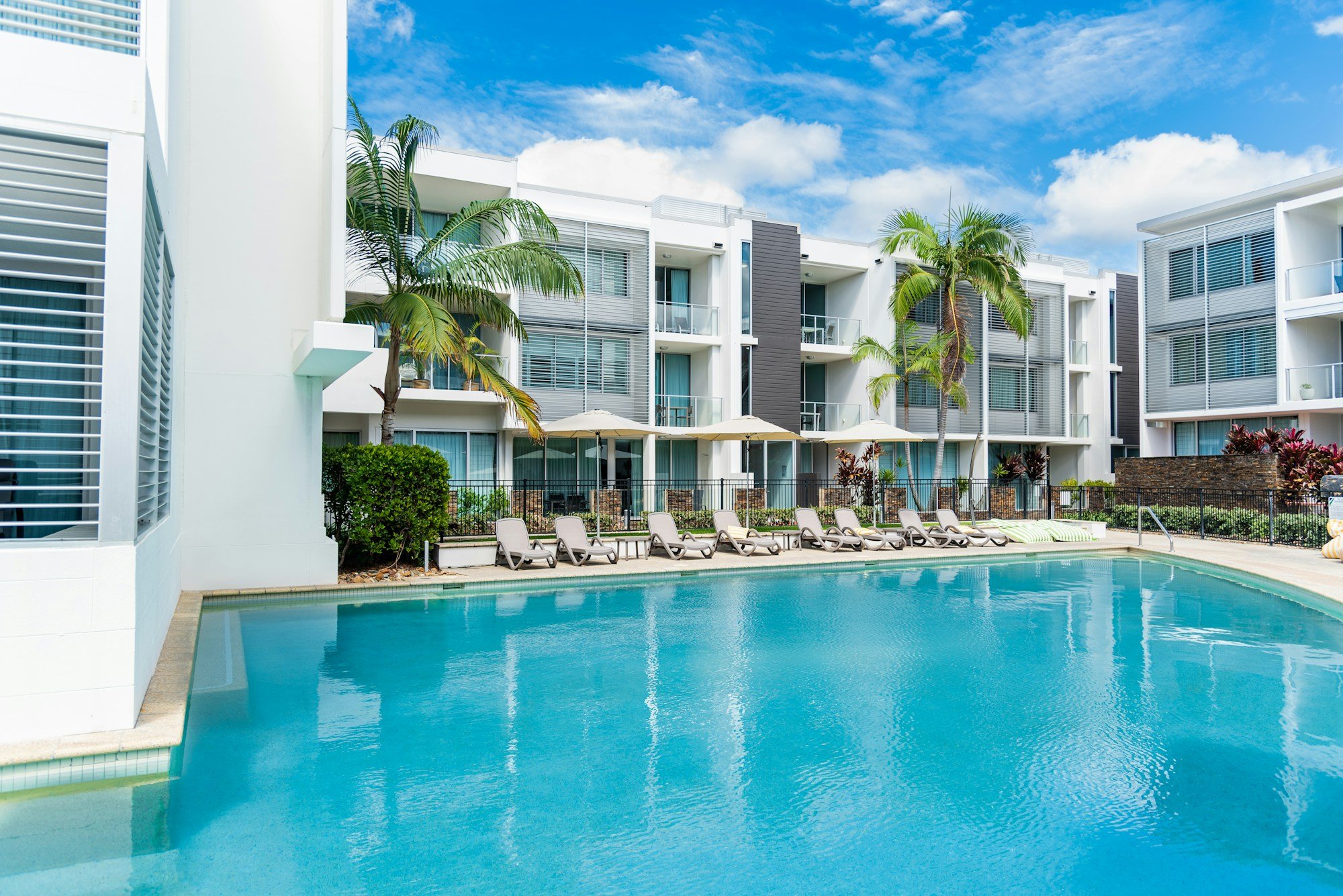
Hot springs (onsen) provide deeply relaxing experiences. While the nude bathing tradition might seem daunting, hot springs are gender-segregated, ensuring privacy and comfort.
Solo visits to onsen let you fully relax without social obligations. Float in mineral-rich waters, enjoy the quiet, and emerge feeling renewed. Many ryokans offer private onsen rooms if you prefer complete solitude.
Cultural Workshops
Solo travelers often get more from cultural experiences than groups. Book a private tea ceremony for meditative focus. Take a cooking class and connect with instructors one-on-one.
Try on kimono and wander through historic districts. Practice calligraphy or ikebana (flower arranging). These experiences reward the presence and patience that solo travel encourages.
Theme Parks and Entertainment
Japan's theme parks welcome solo visitors enthusiastically. Universal Studios Japan and Tokyo Disneyland offer single-rider lines that actually speed up wait times.
Solo theme park visits let you prioritize exactly what you want—ride your favorites multiple times, skip what doesn't interest you, set your own pace.
Entertainment districts like Tokyo's Golden Gai (tiny bars) and Osaka's Shinsekai provide evening exploration opportunities.
Getting Around Japan as a Solo Woman
Japan's transportation system is a solo traveler's dream—efficient, safe, and easy to navigate with minimal planning.
JR Pass and Trains
The Japan Rail (JR) Pass offers unlimited travel on most JR trains, including bullet trains connecting major cities. Calculate whether it's worthwhile based on your itinerary—the JR Pass pays off if you're covering significant distances.
Even without the JR Pass, individual train tickets are straightforward. IC cards (Suica, Pasmo) let you tap in and out of stations without buying individual tickets. You can load Suica directly onto an iPhone; Android users usually pick up a physical card at the airport.
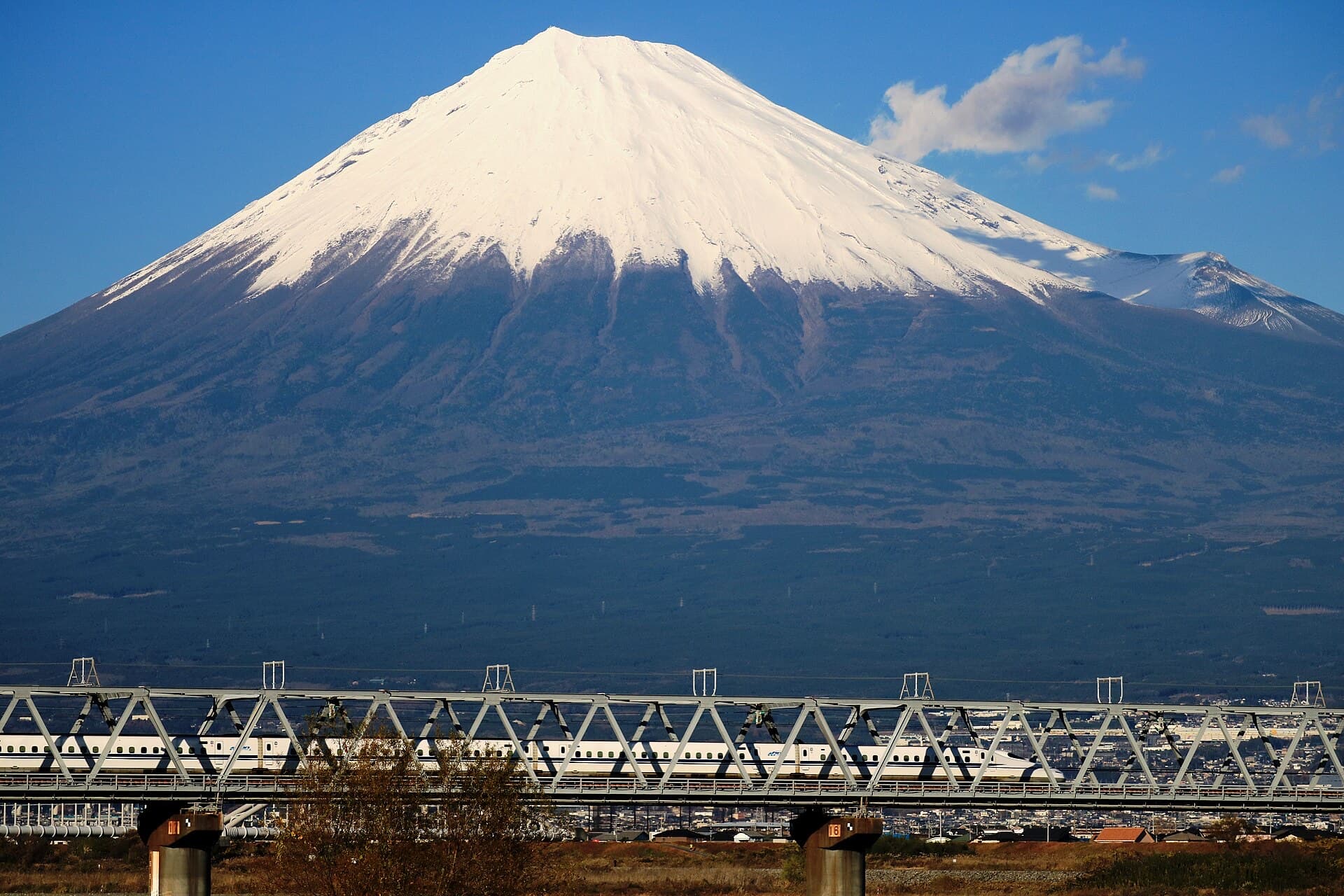
Bullet train travel is an experience itself—gliding past Mount Fuji at 300 km/h, enjoying your ekiben (station bento), and arriving on time to the minute. One etiquette note: eating on local commuter trains is considered rude in tight quarters, but on long-distance trains like the Shinkansen, eating is common and encouraged—grab an ekiben before boarding.
Not Every Line Works the Same Way
One thing first-timers don't realize: Japan is not run by a single rail company. Alongside JR (Japan Railways) there are city subways and dozens of private railways (shitetsu), and the payment options are not uniform. Some lines accept credit cards (including contactless), some accept only IC cards like Suica or Pasmo, and a few rural or special lines still require you to buy a paper ticket from a machine before boarding.
Before you travel a new line—especially anywhere outside Tokyo and Osaka—check the company website or just ask a station attendant. Staff are used to this question and will point you to the right machine, gate, or platform. It's a 30-second conversation that saves you from the wrong-line panic at peak hour.
As a concrete example, Kintetsu Railway, which connects major cities like Osaka, Kyoto, and Nagoya, accepts every payment method you're likely to bring: credit cards, IC cards (Suica / Pasmo / Icoca), and paper tickets. Limited express seats can be reserved online in advance, and a QR-code-based Kintetsu Rail Pass, an unlimited-rides ticket aimed at visitors, is also available.
Domestic Flights
Domestic flights can save time on long distances (Tokyo to Sapporo, for example). Airlines like Peach and Jetstar offer budget options. Flying is straightforward and safe—airports are efficient, staff are helpful, and delays are rare.
City Transportation
Within cities, subways, buses, and streetcars get you everywhere. Google Maps provides accurate directions for all Japanese public transport.
Renting bicycles offers excellent options, especially in flat cities like Kyoto and Osaka.
Walking
Japanese cities reward walking. Well-maintained sidewalks, clear street crossings, and safe neighborhoods invite exploration on foot.
Some of the best discoveries come from wandering without destination—finding a hidden temple, stumbling upon a local festival, discovering a neighborhood restaurant.
Connecting with Japanese Culture and People
Solo travel creates opportunities for cultural connection that group travel rarely allows.
Interacting with Locals
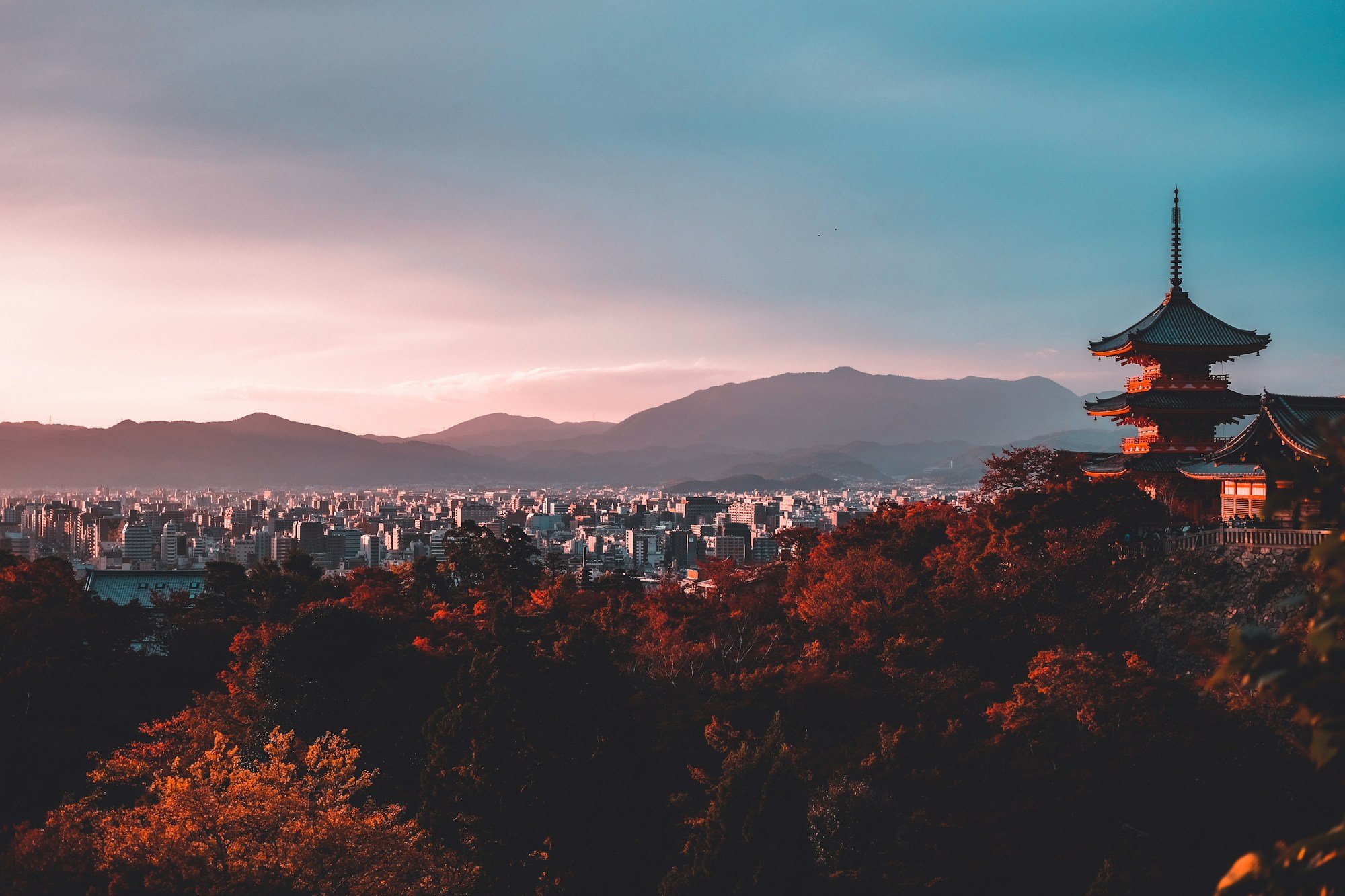
Japanese people may seem reserved initially, but warmth emerges once conversation begins. Shopkeepers, restaurant staff, and locals you encounter are generally kind and helpful.
Don't expect strangers to approach you socially—that's not Japanese culture. But when interaction happens naturally, it's often memorable.
Some solo travelers find Japan isolating due to this reserve. If you crave social connection, stay in social hostels, join organized activities, or visit areas with more tourist interaction.
Language Efforts
Making effort with Japanese language earns appreciation. Even basic phrases demonstrate respect for Japanese culture and often spark warmer interactions.
Take a Japanese language lesson as an activity. Japanese women you encounter—shop staff, hotel workers, fellow travelers—can become brief but meaningful connections.
Embracing Solitude
Solo travel in Japan naturally becomes meditative. Sitting alone in a temple garden, walking through cherry blossoms, watching city life flow past—these moments of mindful observation require solitude.
Japan's culture aestheticizes solitude, and concepts like "mono no aware" align perfectly with solo travel's contemplative nature.
Planning Your Solo Female Japan Trip
Here's how to prepare for an amazing solo adventure in Japan.
Best Time to Visit
Japan offers distinct experiences each season. Cherry blossoms (late March–early April) and autumn foliage (November) are peak seasons with higher prices and crowds.
Summer brings festivals but also heat and humidity. Winter offers snow monkeys in hot springs, skiing, and fewer tourists.
For first-time solo female travelers, spring and fall offer comfortable weather and beautiful scenery. November is often the best balance: mild weather, glorious foliage, and less pressure than spring peak season.
One booking note: accommodation for solo travelers fills up early during cherry blossom season and Golden Week (late April to early May). Book at least two months ahead during those windows.
Trip Length
Two weeks provides a comfortable introduction to mainland Japan—Tokyo, Kyoto, Osaka, plus day trips. Ten days works if you're focused. Three weeks or more allows deeper exploration and off-the-beaten path destinations.
Solo travel rewards unhurried time, so err toward longer if possible.
Building Your Itinerary
Balance iconic sites with personal interests. Build in flexibility—solo travel's beauty lies in spontaneous decisions. Don't over-schedule; leave time for wandering, resting, and processing experiences.
A Sample Self-Guided Route (10 Days)
Here's a route we'd recommend to a friend on her first solo trip—paced for safety, ease, and enough buffer to enjoy the unplanned moments. The Shinkansen makes it practical: Tokyo to Kyoto is about 2 hours 15 minutes.
- Days 1–4: Tokyo. Base in Shinjuku. Shibuya Crossing, Senso-ji, Meiji Shrine, Akihabara, day trip to Kamakura. Eat ramen alone at a counter—nobody will look at you twice.
- Day 5: Hakone or Mount Fuji area. Onsen, mountain views, maybe Fuji on a clear day. One night in a solo-friendly ryokan.
- Days 6–8: Kyoto. Bullet train down. Fushimi Inari at 6 AM, Arashiyama, Kinkaku-ji, Gion in the evening. Stick to lit routes after dark.
- Day 9: Nara or Osaka. Nara for the deer and temples. Osaka for Dotonbori, Osaka Castle, and street food—especially takoyaki as a solo diner.
- Day 10: Tokyo for departure. Shinkansen back to Tokyo with buffer before your flight. Winter travelers can slot in snow monkeys near Nagano with straightforward bus connections from popular ski towns.
Essential Bookings
- Reserve JR Pass before arriving in Japan
- Book accommodations in advance during peak seasons
- Popular attractions like the Ghibli Museum require advance tickets
- Theme parks like Universal Studios benefit from advance purchase
- Purchase travel insurance covering medical costs and trip interruption
Addressing Common Concerns for Solo Female Travelers
Let's tackle the questions and worries solo women commonly have about Japan.
Will I Feel Lonely?
Loneliness is possible in any solo travel. Japan's cultural reserve means fewer spontaneous social interactions than in some destinations.
Combat loneliness by staying in social accommodations, joining tours or activities, and using social apps to connect with other travelers.
Also consider: solitude isn't the same as loneliness. Many women discover they enjoy their own company more than expected.
Is It Safe at Night?
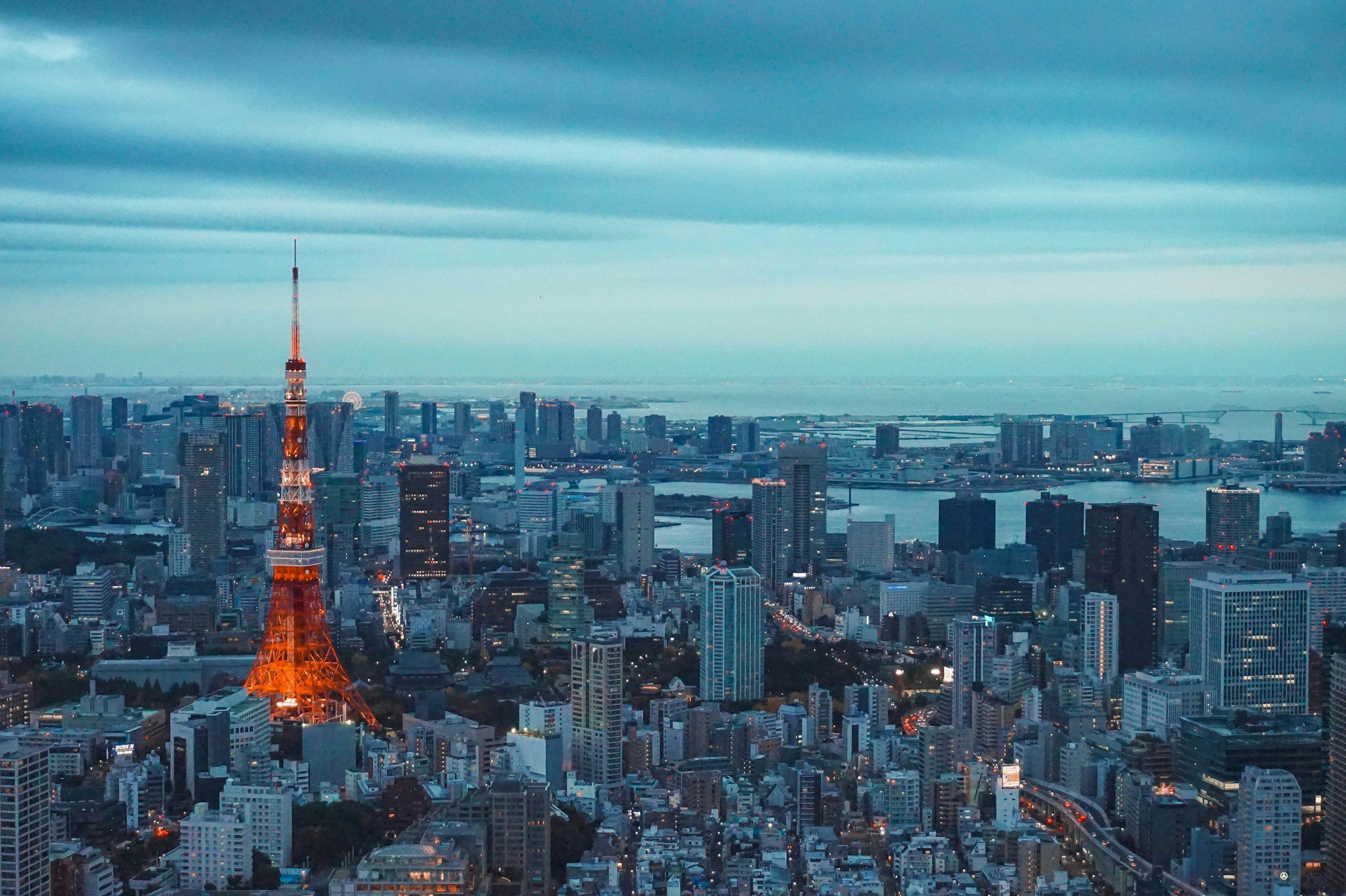
Yes, Japan safe status extends to nighttime. Cities remain active, well lit, and populated late into the evening. Walking home alone after dark is normal for Japanese women and foreign visitors alike.
Standard precautions apply, but panic about nighttime safety is unwarranted.
Can I Visit Temples and Shrines Alone?
Solo temple visits are common and appropriate. These spaces are designed for individual reflection.
Respect basic etiquette: bow at torii gates, purify hands at water basins, be quiet and respectful.
What About Scams?
Japan has very few tourist scams compared to many destinations. Avoid following strangers to unfamiliar bars to prevent rare "bar scams."
The golden rule: never follow anyone into an unmarked building or upstairs bar. Even when physical danger is not the goal, a common scam is luring visitors into a venue and charging outrageous drink prices. In Kabukicho or similar nightlife zones, aggressive touts are mostly a wallet risk, not a physical one. Walk past, don't follow anyone upstairs—that's the whole playbook.
Generally, if Japanese people approach you, they're genuinely offering help—not scamming you.
Common Mistakes Solo Women Make in Japan
Even in a country this safe and easy, a few avoidable mistakes come up again and again.
- Over-planning every hour. Japan is forgiving. Leave room for the tiny temple, the spontaneous conversation, the unplanned detour—those are the moments you remember.
- Under-budgeting for taxis. Missing the last train happens. Keep ¥3,000–5,000 in reserve for a safe ride home.
- Skipping smaller cities. Tokyo and Kyoto are obvious. Kanazawa, Takayama, and Hiroshima are easy additions with fewer crowds and strong solo infrastructure.
- Ignoring jet lag on day one. Don't book Shibuya nightlife for the night you land. You'll be exhausted and make worse decisions.
- Walking dark alley shortcuts. Even in safe cities, quiet side streets in Kyoto and residential Tokyo can be pitch-black after sunset. Use Google Maps to stay on lit main routes.
- Assuming every train has women only cars. Kyoto Subway and some Tokyo lines don't—check signs rather than guessing.
Final Thoughts: Is Japan Solo Female Travel Safe?
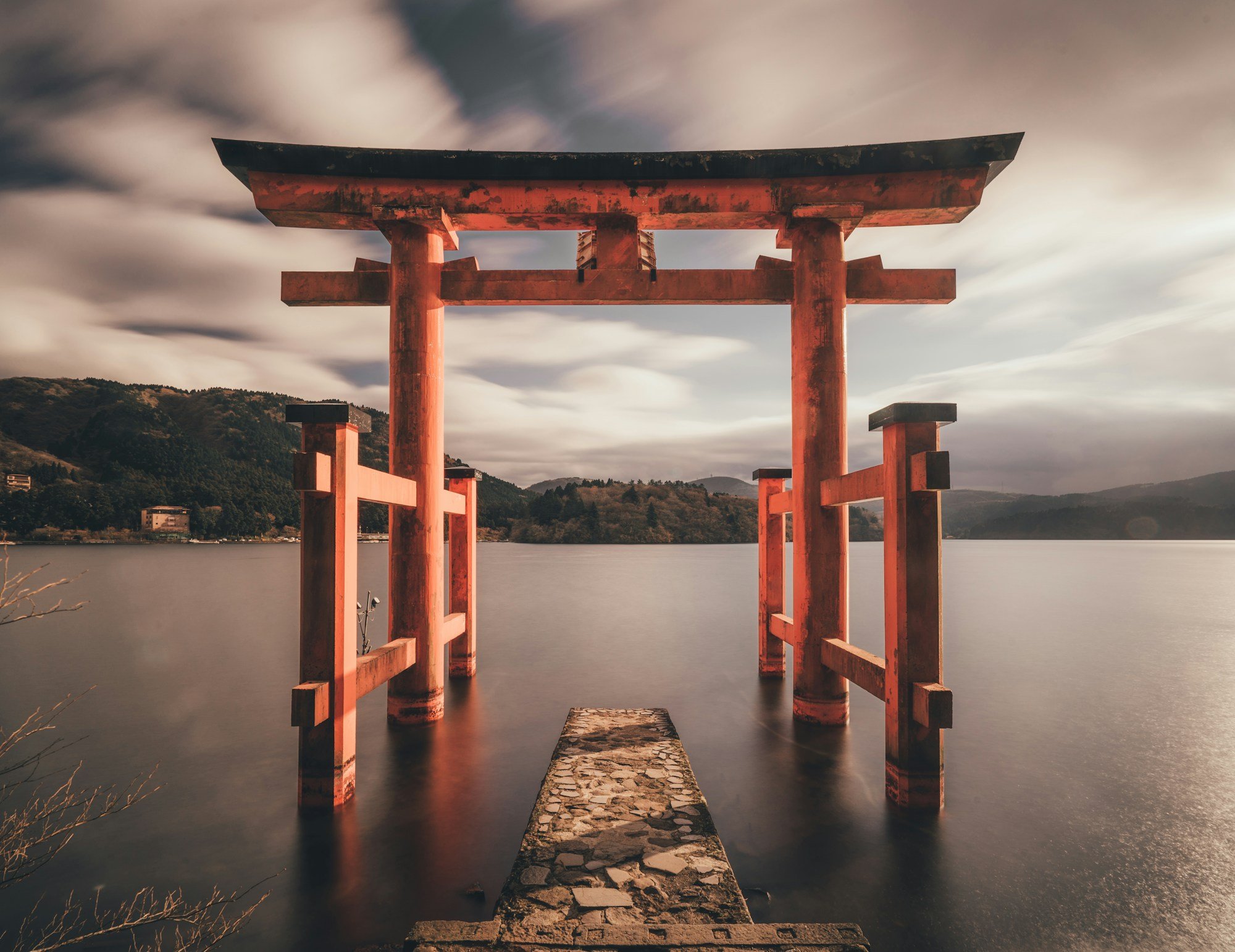
Is Japan solo female travel safe? Resoundingly yes. Japan offers solo female travelers an extraordinary combination of safety, convenience, cultural richness, and welcoming atmosphere.
From women only train cars to safe streets after dark, from solo-friendly restaurants to respectful social culture, Japan seems designed for women traveling alone. The country's practical infrastructure and cultural values align perfectly with solo female travel needs.
Beyond safety, Japan rewards solo travelers with experiences group travel can't match. The contemplative temple visit, the spontaneous conversation, the freedom to follow curiosity—these define solo travel at its best.
Whether you're considering your first solo trip or you're a seasoned solo traveler seeking new destinations, Japan deserves top consideration. Pack your bags, trust the journey, and prepare for an adventure that will stay with you forever.
Japan is waiting. Go explore.
Related Articles
Ready to Plan Your Solo Japan Adventure?
Our self-guided tours are perfect for solo female travelers. Get detailed itineraries, local recommendations, and 24/7 support while exploring Japan at your own pace.
Have you traveled solo in Japan? Share your experiences and tips for solo female travelers in the comments below!