Is Tokyo Safe to Visit? A Practical 2026 Guide for Independent Travelers
Short answer: yes — Tokyo is one of the safest big cities on the planet. The real risks are nature and naivety, not strangers. Here's the honest 2026 picture and how to plan around it.
Short answer: yes. Tokyo is one of the safest big cities on the planet, and the bigger risks for tourists are usually nature and naivety, not strangers. If you're building a self-guided Japan itinerary and wondering whether to commit, this guide gives you the honest picture for 2026: what the official advisories say, what actually happens to visitors, what to pack into your plans, and where people most often get tripped up.
We'll keep it practical. Real station names, real apps, real rules, and the planning steps you can drop straight into your trip.
✅ Quick Answer: Is Tokyo Safe to Visit in 2026?
Yes. The US State Department keeps Japan at Level 1 — Exercise Normal Precautions, its lowest risk tier, the same as most of Western Europe. Tokyo has exceptionally low violent crime; your real planning risks are earthquakes, typhoons, and a handful of nightlife-district scams.
🛂 Advisory
Level 1 (lowest)
🔪 Murder rate
~0.4 / 100k
⚠️ Watch for
Quakes & spiked drinks
As of 2026, the US State Department keeps Japan at Level 1: Exercise normal precautions, the lowest risk level, meaning standard urban safety awareness applies. That's the same tier as most of Western Europe. Tokyo specifically stands as one of the world's safest major cities, with exceptionally low violent crime rates, and the Level 1 advisory makes it suitable for travelers of all backgrounds. The picture for 2026 hasn't shifted in any meaningful way from previous years.
You still apply common sense. But you do not need to be on high alert in Tokyo the way you might in some other major cities. For the whole-country view, see our is Japan safe to visit right now guide.
What the Numbers Actually Say
Crime data backs the reputation. Tokyo's murder rate is approximately 0.4 per 100,000 residents, compared to roughly 5.0 in New York and 1.5 in London. That's not marketing copy — that's police data.
For non-violent crime, Tokyo's 23 special wards recorded 70,081 crimes in 2024 for about 9.7 million residents — a rate of about 7 per 1,000 people, where 62.1% are theft (mostly bicycle theft and shoplifting) and only 1.2% are serious violent crimes.
National trends are slightly less rosy: reported crimes in 2025 rose 4.9% to 774,142, the fourth straight increase since the postwar low in 2021. Still, the absolute numbers remain low by international comparison, and Japan's reputation for safety holds — non-violent crimes such as telephone fraud and pickpocketing are increasing while violent crime rates have been going down.
Worth saying plainly: Tokyo is safer than most major cities you've probably visited in East Asia, Europe, or North America. Violent crime is rare. Petty theft exists, but at a fraction of the rate elsewhere. Police are visible without being heavy-handed, and public transport runs late with people using it without much worry. It's safe largely because of the surrounding culture, not aggressive policing.
The Risks That Are Real
Natural Disasters
This is the honest answer to "what should I actually worry about." Natural disasters like earthquakes and typhoons pose the primary risks, but the city's advanced warning systems and disaster preparedness are world-class. Japan sits on the Pacific Ring of Fire; tremors happen often and most are minor.
The Japan Meteorological Agency (JMA) runs the country's early-warning infrastructure. Earthquake Early Warnings are issued when a P-wave is detected from two or more of the 4,235 seismometers installed throughout Japan — the JMA predicts the epicenter and notifies affected prefectures by TV and radio, with NHK carrying the alerts in real time. For typhoons, the RSMC Tokyo - Typhoon Center tracks tropical cyclones across the western North Pacific. Typhoon season runs roughly July through October, with heavy rain and the occasional cancelled train. Volcanic eruptions are real but rare for travelers, and JMA's Emergency Warning system handles those too.
Petty Crime & Spiked Drinks in Nightlife Districts
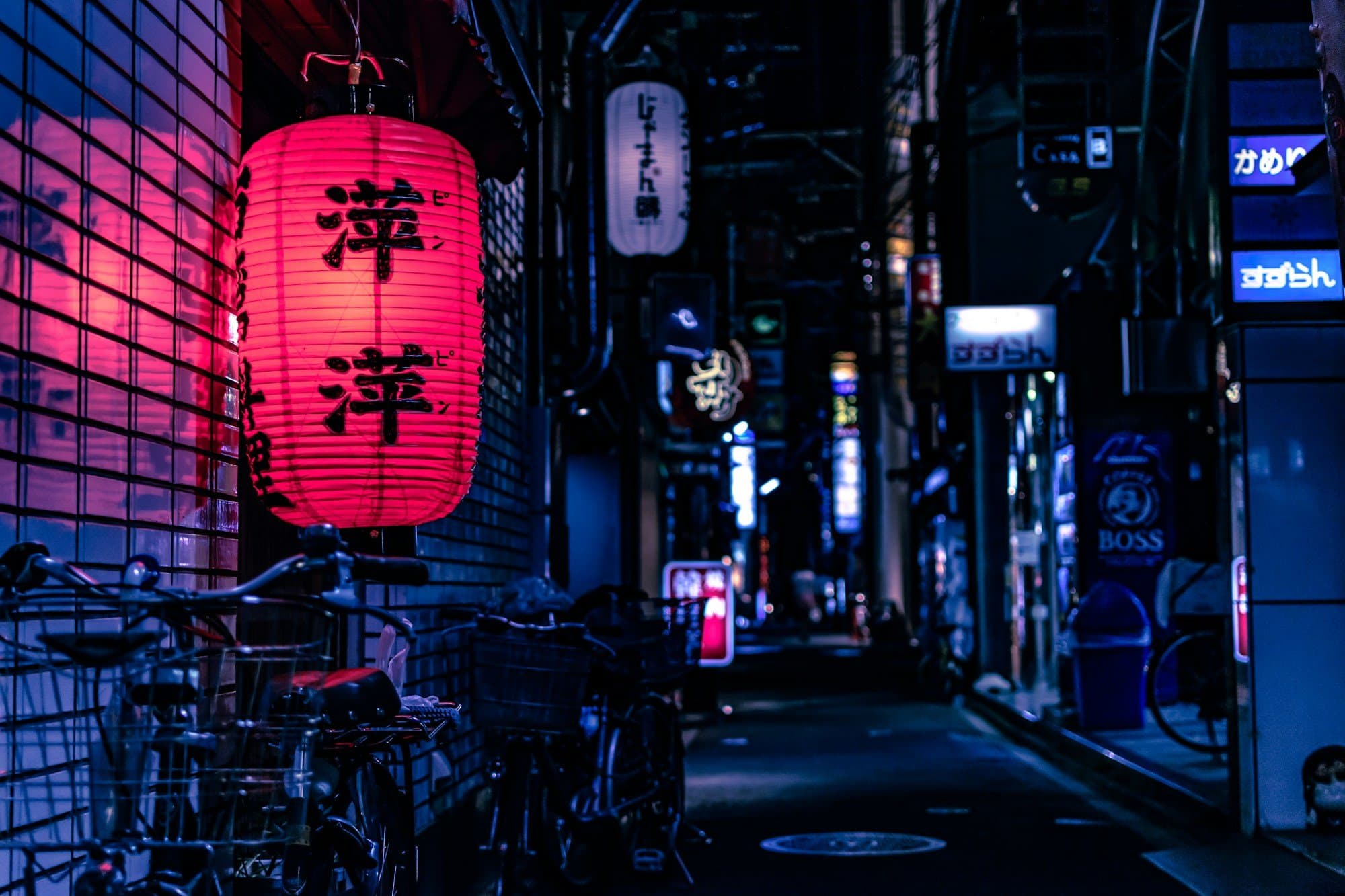
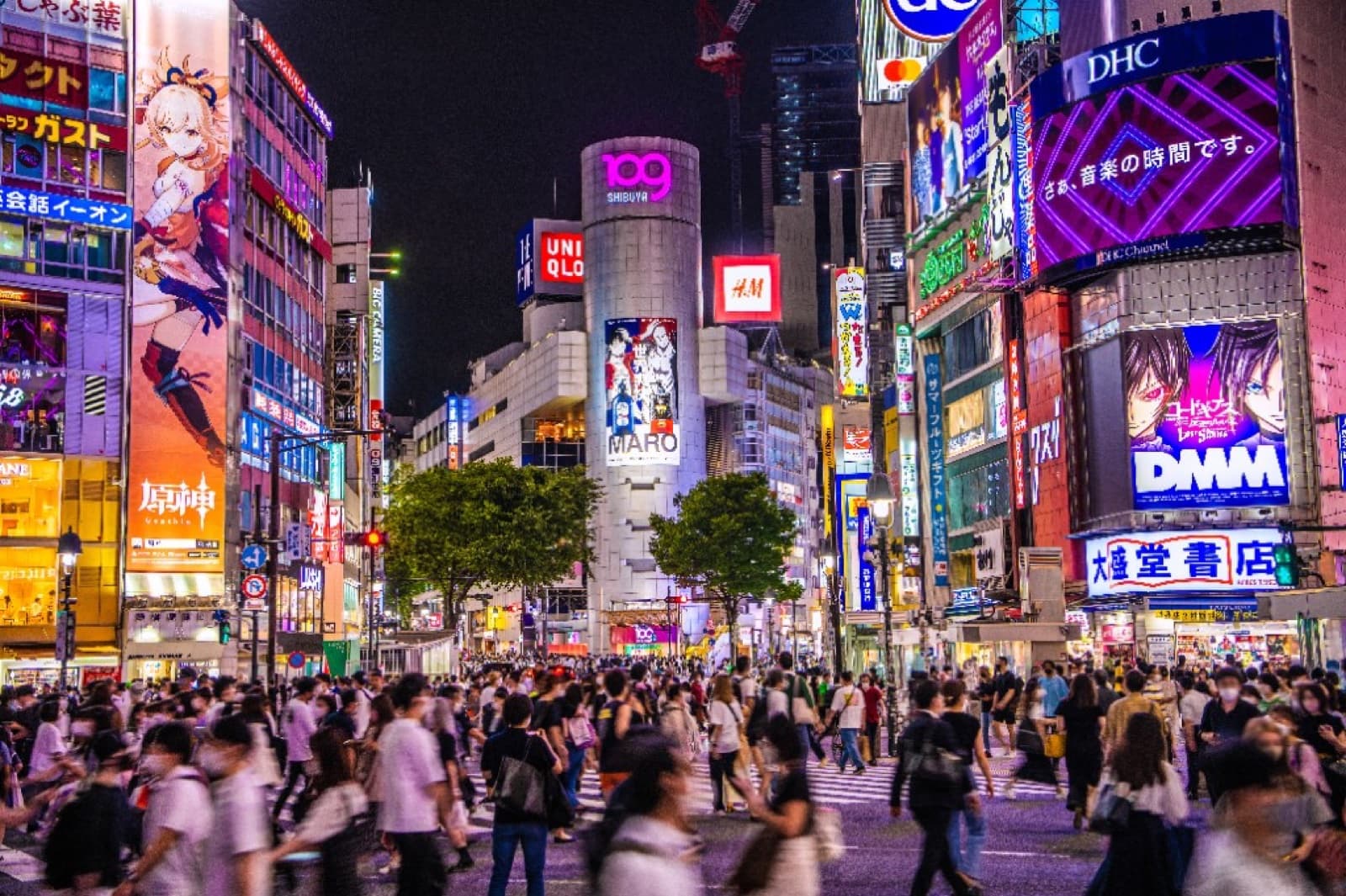
High-risk areas include Shinjuku (especially Kabukicho), Shibuya, and Ikebukuro. Use caution in all entertainment and nightlife districts, where incidents involving foreign visitors have included assaults, theft of wallets and cards at bars or clubs, and drugs slipped into drinks.
Spiked drinks are the one scam pattern visitors should genuinely fear. Drink-spiking at bars and venues — especially around Roppongi and Kabukicho — has routinely led to robbery and assault, with victims left unconscious or dazed for hours while cards are used for large purchases or stolen. The fix is simple: don't accept drinks from strangers, don't leave your glass unattended, and avoid bars off the main street that touts push you toward.
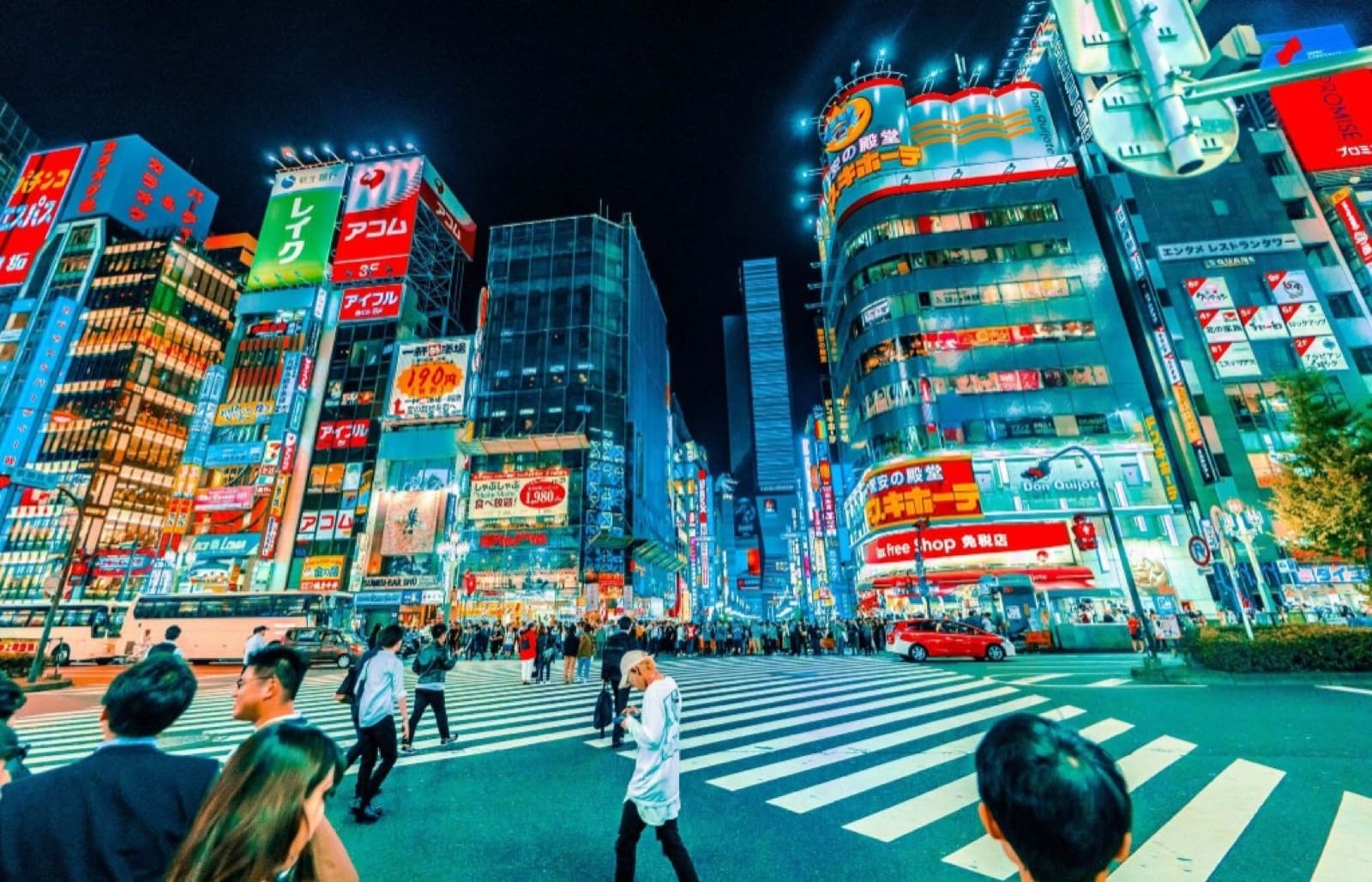
🛡️ Safe country, smart habits — with a safety net
Japan is known worldwide as one of the safest countries to travel, but keeping up basic precautions still matters. And if something does go wrong, Blue Planet's self-guided tours come with 24-hour support and travel insurance built in — so you always have a safety net and can simply enjoy the trip with peace of mind.
Groping on Trains (Chikan)
Less common than the headlines suggest, but real. Groping on crowded trains (chikan) is a known issue — women-only train cars are available during rush hours on most lines, clearly marked in pink on the platform.
Scams
Tokyo is generally safe for tourists based on documented scams, most of which are low to mid severity. The big ones to know:
- Inflated bills at unmarked bars in Kabukicho and Roppongi.
- Touts pulling tourists into "snack bars" that charge thousands of yen for a beer.
- Fake monks asking for donations near tourist train stations.
In Kabukicho and Roppongi, avoid bars you haven't researched in advance, use a strong PIN rather than biometric unlock in nightlife districts, and travel with a companion if visiting at night.
Solo and Female Travelers
Solo female travelers rate Tokyo as one of their safest destinations globally. Walking back to your hotel at 11 pm from a Shinjuku ramen shop is a normal evening, not a calculated risk. The same sensible rules apply as anywhere: stick to lit streets after midnight, take taxis if you've been drinking, and use the women-only cars during rush hour. For a deeper dive, see our solo female travel safety guide.
For solo travelers in general, the advice is to stay in well-reviewed accommodation, share your itinerary with someone at home, use app-based transport at night, and avoid isolated areas after dark. Honestly, most solo travelers find Tokyo easier than expected — the language gap is the bigger daily challenge, not personal safety.
Entry Requirements for 2026
Getting through immigration without stress is part of a safe trip. To enter Japan in 2026 as a tourist, most travelers from visa-exempt countries need a valid passport, a completed registration on the Visit Japan Web portal (for Immigration and Customs QR codes), and a confirmed onward or return ticket — stays are typically granted for up to 90 days.
Japan maintains visa exemption agreements with over 70 countries and regions, including the US, Canada, Australia, the UK, and most of Europe. If you're outside that list, apply at a Japanese embassy or consulate before you fly.
The onward ticket catches people. Immigration officers might not ask every traveler, but the airline almost certainly will before issuing your boarding pass — since visa-exempt status is capped at 90 days, a confirmed flight home or onward is required. Book the return before you fly. And since Japan lifted all COVID-19 entry requirements back in 2023, you do not need any proof of vaccination to enter in 2026; just don't overstay your 90 days.
Health, Medical Care, and Travel Insurance
Tokyo offers world-class healthcare with clean, modern facilities and highly trained staff. Japan has universal healthcare for residents, but tourists should carry travel insurance because medical costs can be high for visitors. Quality is excellent; cost without insurance is the catch — a simple ER visit can run several hundred dollars, and anything serious adds up fast. Your home-country health insurance may not cover you abroad, so check before you fly.
Get travel insurance — one that covers hospitalisation and outpatient care, medical evacuation home, trip cancellation for typhoon disruption, and lost or stolen belongings. Medical evacuation alone can run tens of thousands of dollars without cover.
🛟 How a self-guided tour takes the worry out
Japan is one of the safest countries in the world, but it's still smart to research insurance and disaster procedures before you go. Blue Planet's self-guided tours bundle accommodation and transport with a 24-hour call center and travel insurance from arrival to departure — plus an airport meet-up where staff walk you through the trip in person, so anything you're unsure about gets sorted on day one.
Prescription Medication (Read This)
This is where well-meaning travelers get arrested. Heroin, cocaine, MDMA, opium, cannabis, stimulant drugs including some prescription medications such as Adderall, and some US over-the-counter products are prohibited in Japan — with no exceptions, even if legally obtained outside Japan.
You can bring up to one month's supply of allowable prescription medicine; carry a copy of your prescription plus a letter stating the drug's purpose. Common OTC products to check first include inhalers and allergy/sinus medications containing pseudoephedrine (Actifed, Sudafed, Vicks inhalers) or codeine above the allowed quantity. If your medication is borderline, apply for a Yakkan Shoumei (import certificate) at least two weeks ahead — longer for complex cases.
Water and Food
Tap water is completely safe to drink throughout Tokyo; bottled water is widely available but not necessary for health reasons. Food is safe across the board — hygiene standards are extremely high, even at the tiniest counter-only spots. No special vaccinations are required; just keep routine vaccinations up to date. Hand sanitizer is everywhere — most restaurants, stations, and convenience stores have it at the entrance.
Apps That Actually Help You Stay Safe
Three apps belong on your phone before you land.
- Safety Tips (JNTO): the official app. It pushes earthquake early warnings, tsunami and weather warnings in English and other languages, with an evacuation flowchart and helpful phrases. Developed under the Japan Tourism Agency, it covers everything from eruptions and heatstroke to J-Alert. Install it before the flight.
- NERV Disaster Prevention: the serious option. Using JMA data and an in-house system, it delivers fast, reliable notifications for earthquakes, tsunamis, eruptions, weather warnings, heavy rain, flooding, landslides, and J-Alert — plus typhoon forecasts, rain-cloud radar, and river levels on an interactive map.
- Google Translate: not a safety app per se, but a lifesaver. Download Japanese for offline use; camera-translate reads signs, menus, and pharmacy labels, and conversation mode handles a quick exchange with a station attendant or police officer.
Practical Safety Tips for Your Tokyo Itinerary
Trains & transport: Tokyo's system is one of the safest, cleanest, and most efficient in the world, with bilingual signage. Theft is extremely rare, but stay mindful of belongings on crowded rush-hour trains; women-only cars add security during peak hours. Rush hour is roughly 7:30–9:30 am and 5:30–7:30 pm on weekdays, brutal on lines like the Yamanote, Chuo, and Tozai — shift your sightseeing to start at 10 am if you can.
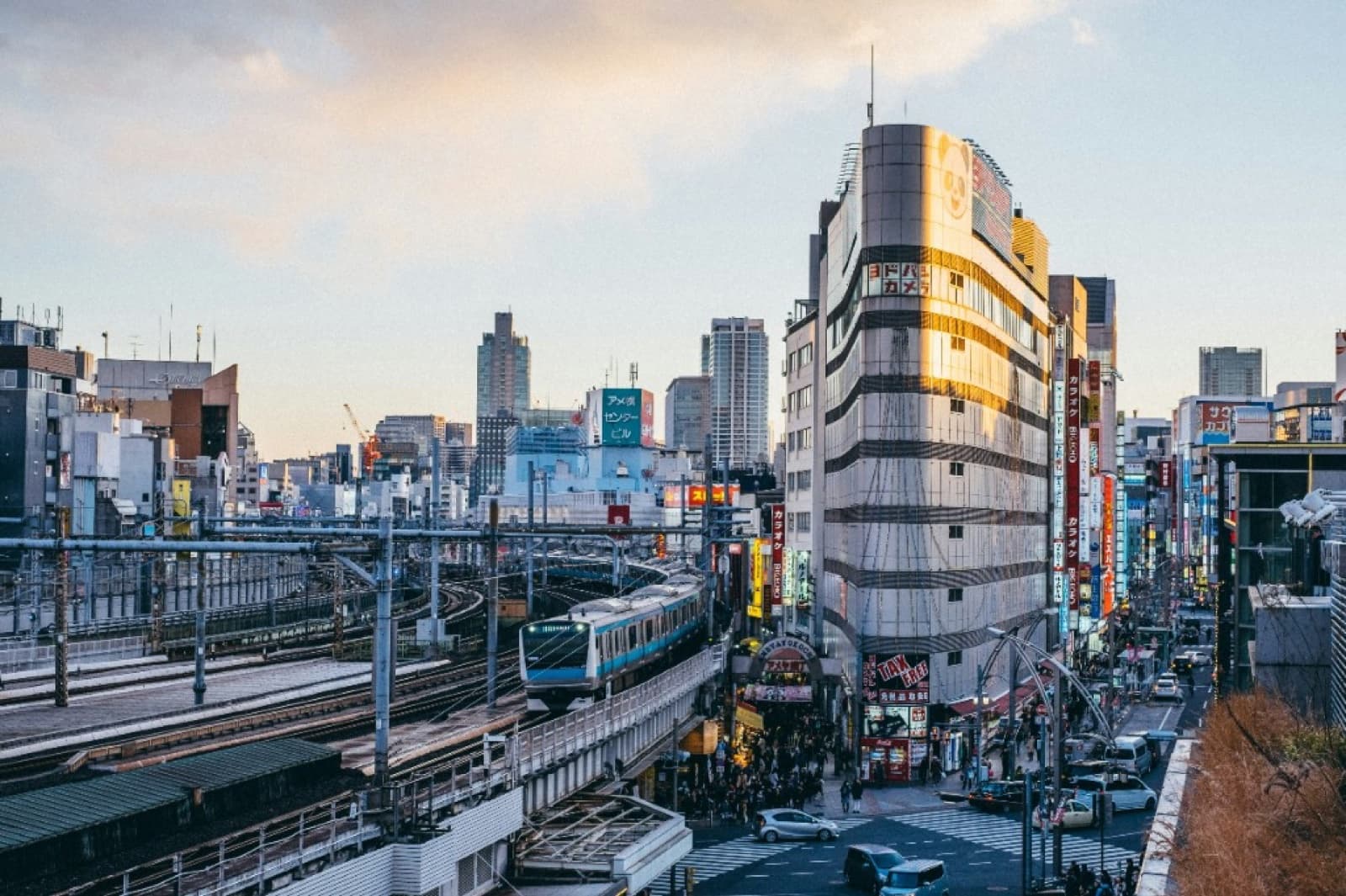
🚃 Dodge the rush-hour crush
Tokyo's packed trains exhaust even locals who ride them every single day. For first-time visitors, it can be genuinely hard to board or get off exactly where you mean to, and you may not move on schedule. To keep your sightseeing comfortable, try to travel outside the morning and evening rush hours whenever you can.
Traffic: orderly but dense. Cars drive on the left, so look right first off the kerb. Cyclists ride on some sidewalks legally — don't step backward without checking. Cash & wallets: pickpockets exist but aren't aggressive; keep your wallet in a front pocket or zipped bag on packed trains. Theft hotspots include around Shibuya Station, especially at night. Carry your hotel card in Japanese — it's the fastest way to get a taxi home after izakaya hopping.
🚨 Emergency numbers
- 110 — Police
- 119 — Fire & ambulance
- 050-3816-2787 — Japan Visitor Hotline (English, 24h)
Japanese Laws & Areas to Be Aware Of
Japan is famously law-abiding, and the flip side is strict enforcement. Tourists who break drug laws face criminal charges and potentially 5–10 years' imprisonment, confiscated medication, fines up to about ¥5,000,000, deportation, and a permanent ban. A short rundown for tourists:
- Drug possession of any kind is a serious offence — no exceptions for cannabis.
- Drinking in public is legal, but being visibly drunk in stations isn't a great look.
- Photography is prohibited in some shrines, museums, and shops — check signs.
- Carry your passport; police can legally ask for it.
- Smoking on the street outside designated zones can result in a fine — see our Tokyo tourist fines guide.
Tokyo doesn't have "no-go zones," but a few areas warrant more attention after dark. Kabukicho (Shinjuku): fun by day, complicated by night — generally safe but watch for overpriced bars, pushy touts, and inflated bills; don't enter unmarked elevator-access bars. Roppongi: Tokyo's most international nightlife zone — most bars are fine, a small minority aren't, so stick to places with online reviews. Around Shibuya Station late at night: crowded and occasionally pickpockety — use the main exits, not the back alleys.
Renting a car? If your itinerary adds Hakone, Nikko, or northern Japan, you must carry an International Driving Permit. Japan recognises only the 1949 Geneva Convention IDP — not the 1968 Vienna version or digital permits — valid for a maximum of one year from entry. Get it from your home country's auto club before you fly; driving without a valid permit can mean arrest.
Finally, on Fukushima and radiation: levels in Tokyo are well within normal background ranges and have been for years. There is no measurable safety concern for tourists from the 2011 incident on any standard Tokyo itinerary.
Seasons: What Changes Through the Year
- Typhoon season (June–October): peaking in late summer and early autumn. Heavy rain and wind cancel trains, ground flights, and shut outdoor attractions — build buffer days into a September trip. See our typhoon season guide.
- Winter & heavy snow: Tokyo sees little snow, but northern Japan and the Alps get heavy snow — roads close, so plan accordingly if skiing.
- Spring & autumn: the shoulder seasons. Cherry blossoms late March–early April, autumn colour in November. Crowded, but weather risks are lowest.
- Golden Week & rainy season: Golden Week (late April–early May) and the tsuyu rainy season (mid-June to mid-July) matter for crowds and weather, not crime — both are perfectly safe.
How to Turn This Into a Real Itinerary
If you're sitting on a half-built Japan plan, here's the order that works:
- Book flights with confirmed return dates (covers the onward-ticket rule).
- Buy travel insurance with medical evacuation — before you book hotels.
- Review prescription medications against the MHLW list; apply for a Yakkan Shoumei if needed.
- Register on Visit Japan Web 1–2 weeks before departure.
- Download Safety Tips, NERV, and Google Translate (pre-download offline Japanese).
- If renting a car, get a 1949 Geneva Convention IDP from your home auto club.
- Save 110 and 119 in your phone, and share your itinerary with someone at home.
- Watch the JNTO website for seasonal alerts.
Common mistakes: skipping insurance because "Japan is safe" (safe from crime ≠ free hospital visit); bringing Adderall, certain inhalers, or codeine cough syrup; driving with the wrong IDP; not registering on Visit Japan Web; carrying no cash; and booking back-to-back short stays, which immigration increasingly scrutinises.
Plan a Self-Guided Tokyo Trip With Confidence
We build itineraries for independent travelers who want Japan on their own terms — without the wasted hours figuring out rail passes, which wards to base in, and which neighborhoods to wander after dark. Safety is baked in: routes that use major stations and lines, lodging in low-incident wards, vetted restaurants, and seasonal swaps if your dates collide with typhoon season. If you've decided yes, Tokyo is safe to visit in 2026, browse our self-guided tours and tell us the kind of trip you're after. For day-by-day structure, see our Tokyo itinerary.
FAQ: Is Tokyo Safe to Visit?
Is Tokyo safe to visit in 2026 specifically?
Yes. The US State Department keeps Japan at Level 1 (exercise normal precautions), its lowest advisory level, and there are no Japan-specific safety alerts for 2026 beyond standard awareness in entertainment and nightlife districts.
Is Tokyo safe for solo female travelers?
Generally yes. Tokyo is very safe for women with extremely low violent crime, though groping on crowded trains (chikan) is a known issue — women-only cars are available during rush hours on most lines.
Do I need travel insurance for Tokyo?
Yes. Medical care is excellent but expensive without cover, and medical evacuation from Japan to your home country can run into tens of thousands of dollars.
Is the water safe to drink?
Yes. Tap water in Tokyo meets high quality standards and is safe everywhere in the city.
Can I bring my prescription medication into Japan?
Sometimes. Up to a one-month supply of permitted medicine is allowed with a doctor's letter, but stimulants like Adderall, codeine-based products above limits, and certain inhalers are banned regardless of your prescription. Check the MHLW site before flying.
Are earthquakes a real risk?
Tremors are common; major earthquakes are rare. Japan's warning systems are world-leading — install the Safety Tips app and you'll receive alerts in English with seconds to spare.
What about typhoons?
Typhoon season runs roughly July to October. Most pass without damage to travelers, but they do cancel trains and flights — build a buffer day into a September itinerary.
Do I need an International Driving Permit to rent a car?
Yes, and only the 1949 Geneva Convention version is accepted. Get it from your home country's auto club before you fly; driving without a valid permit can lead to arrest.
Is Kabukicho safe to walk through?
Walking through is fine and even fun for the neon and people-watching. Drinking in unmarked bars or following touts is where things go sideways — stick to venues with online reviews.
Are emergency services in English?
110 and 119 may connect to a Japanese-speaking operator first but can route to English support. The Japan Visitor Hotline at 050-3816-2787 offers English help for visitors 24 hours a day.
Photos: Shibuya, Shinjuku & Tokyo trains by BluePlanet. Last updated: June 2026.