Is Kyoto Safe to Visit? An Honest 2026 Guide for Independent Travelers
Short answer: yes — Kyoto is one of the safest cities you can plan a trip around. Here's what 'safe' really means: typhoons, the new Gion fines, weather by season, and the rare scams to dodge.
Short answer: yes. Kyoto is one of the safest major cities you can plan a trip around in 2026. Violent crime is rare, the public transport works, tap water is fine, and walking back to your hotel after dinner doesn't feel like a calculated risk. If you've been nervous about booking, you can stop overthinking that part.
The longer answer is more useful, though. "Safe" doesn't just mean "low crime." It also means knowing what to do during a typhoon, how local laws around private alleys actually work, what to pack for cold weather in February, and which scams (rare as they are) tend to hit international tourists. This guide pulls it together so you can fold the safety side into a real, self-guided itinerary.
✅ Quick Answer: Is Kyoto Safe to Visit in 2026?
Yes. Japan holds the US State Department's Level 1 advisory (lowest risk), the same baseline as Switzerland or Iceland. Kyoto records just 0.3 violent crimes per 1,000 residents. Your real attention goes to typhoons and the new Gion private-alley fines — not crime.
🛂 Advisory
Level 1 (lowest)
🔪 Violent crime
0.3 / 1,000
⚠️ Watch for
Typhoons & Gion fines
Japan remains one of the safest destinations for travelers worldwide in 2026, with the US State Department maintaining its Level 1 advisory — the lowest risk category — urging only normal precautions. That rating covers the whole country, including Kyoto, and was last reissued on May 15, 2025 with no change to the level or risk indicators. Level 1 is the same baseline the US applies to places like Switzerland and Iceland: standard urban safety awareness applies, and you can move around freely without specific heightened concerns. Kyoto tends to feel even calmer than that — built around temples, residential neighborhoods, and university campuses rather than the late-night chaos of, say, parts of Tokyo's Kabukicho. For the country-wide view, see our is Japan safe to visit right now guide.
What "Exercise Normal Precautions" Means on the Ground
Basing in Osaka and visiting Kyoto by day is a popular way to dodge peak-season prices — our Kyoto to Osaka guide covers the 28-minute train.
It's a great phrase that means almost nothing if you've never traveled internationally. The practical version: common sense, not paranoia. Lock your hotel door, keep a hand on your bag in crowds, and don't leave your phone unattended at Nishiki Market while you grab tako tamago three stalls away.
Watch your drinks at night. This is the one real warning. Nightlife districts — Roppongi and Shinjuku's Kabukicho in Tokyo — are where drink-spiking and overcharging scams occasionally target foreigners. Kyoto has far less of this, but the same advice applies in Pontocho and Kiyamachi after midnight: don't accept drinks from strangers, and don't follow a tout into an unmarked second-floor bar.
Respect local laws. Jaywalking is technically illegal, smoking outside designated areas in central Kyoto gets you fined, and drinking on the street is legal but frowned on around temples. None of this will ruin your trip — just don't act like you're at a frat party.
Kyoto is one of the safest places in the world to travel, but it still pays to keep up basic, common-sense precautions. And if something does go wrong, you're not on your own: Blue Planet's self-guided tours include 24-hour support and travel insurance, so you can relax and enjoy the trip knowing there's a safety net behind you.
How Safe Is Kyoto Compared to Other Major Cities?
Statistically, exceptionally safe. The ancient capital recorded just 0.3 violent crimes per 1,000 inhabitants in 2025, according to Kyoto Prefecture Police statistics, and petty theft remains exceptionally rare in tourist districts including Gion, Arashiyama, and the Fushimi Inari areas.
For context: Japan ranks among the safest countries in the world year after year, sitting near the top of the Global Peace Index. Kyoto, with its smaller footprint and slower rhythm, often feels safer than Tokyo or Osaka to first-time visitors. Comparing the two for solo and female travelers, both are fine — Tokyo has more nightlife to be cautious in, while Kyoto has more quiet residential streets where you might be the only person walking at 10 pm, which can feel odd but is genuinely not dangerous.
👥 The real Kyoto challenge in 2026: crowds, not crime
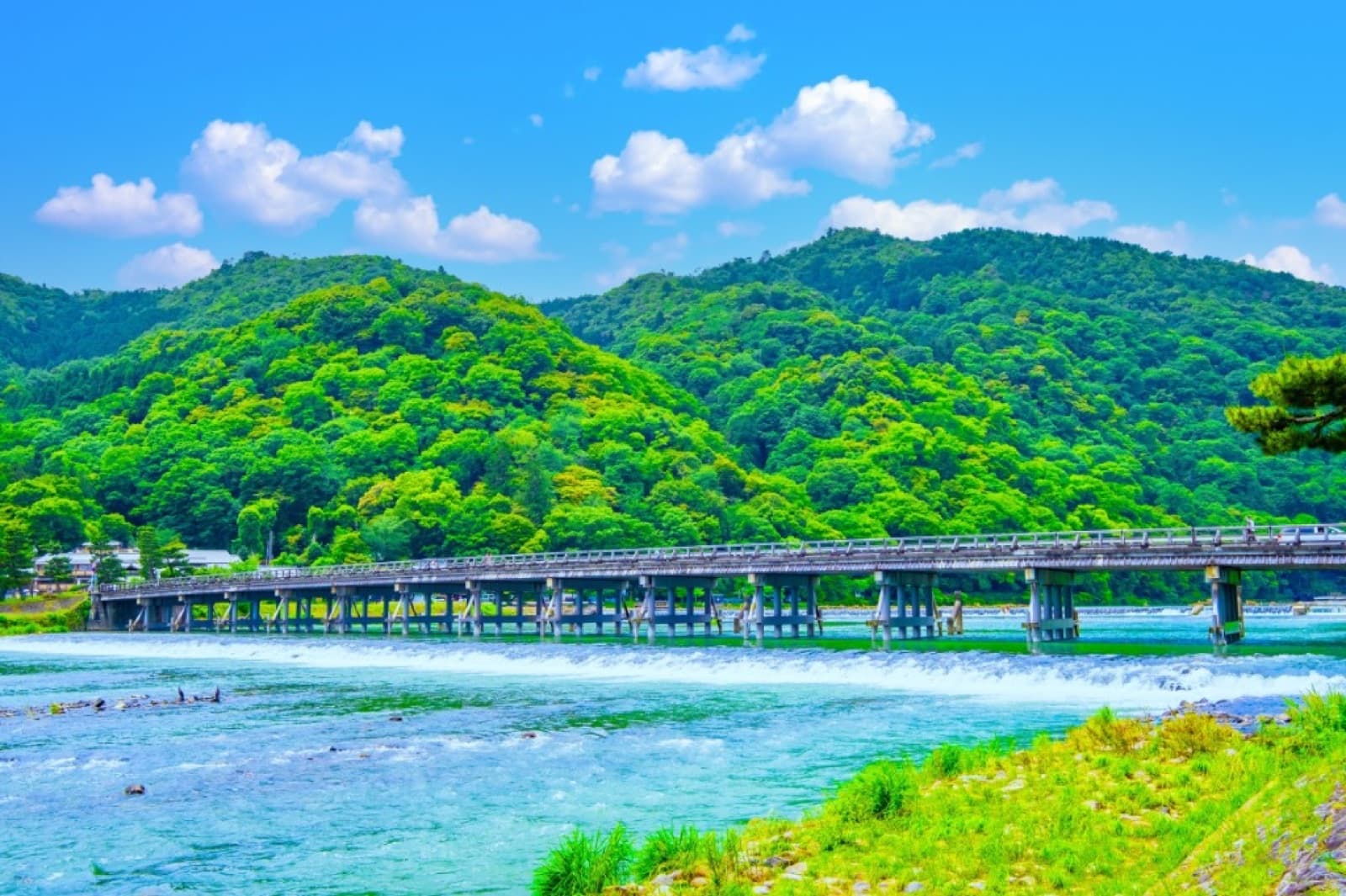
Overtourism has become a genuine issue in Kyoto in recent years. The marquee sights — Arashiyama, Kiyomizu-dera and Kinkaku-ji — plus the spring cherry-blossom and autumn-foliage windows get especially packed. The upside: Kyoto is full of traditional temples and neighborhoods, so if you're crowd-averse, a little research on reviews and social media for lesser-known spots goes a long way toward a calmer, more rewarding visit. Going early in the morning or late afternoon helps too.
Safety for Solo and Female Travelers
Kyoto is one of the better destinations on the planet for solo female travelers. Trains are well-lit and patrolled, taxis are metered and clean, and the cultural expectation around personal space tilts toward leaving people alone. A few specifics:
- Train cars: some lines run women-only cars during rush hour — look for pink signs on the platform.
- Late-night walks: an evening stroll along the Kamogawa is safe and popular; stick to lit paths.
- Groping (chikan): rare in Kyoto, more associated with packed Tokyo trains. If it happens, shout "yamete" (stop) — people will back you up.
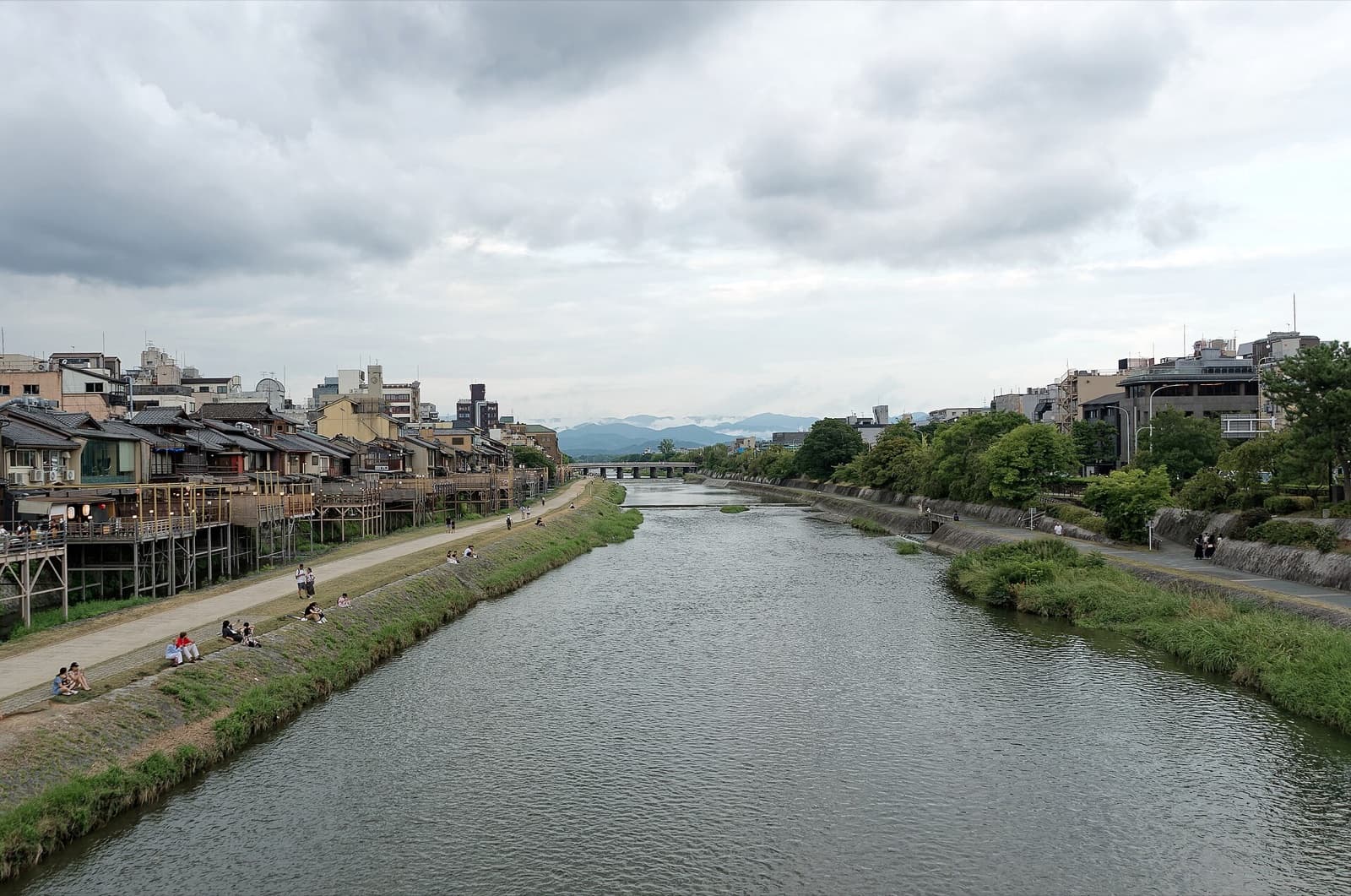
If this is your first solo trip, Kyoto is a soft landing. You can eat alone without anyone batting an eye (counter seats at ramen and udon shops are made for it), and if you get lost someone will help. The language barrier sounds scarier than it is — if no English-speaking officer is at a koban, they can use a telephone interpreting service, and police are reachable any time on 110. Honestly, the biggest "risk" for solo travelers in Kyoto is overspending on a kaiseki dinner and regretting it the next morning. For more, see our solo female travel guide.
Natural Disasters: The One Real Risk
This is where you should actually pay attention. Japan sits on the Pacific Ring of Fire, and Kyoto is exposed to three kinds of natural events: earthquakes, typhoons, and heavy rain.
Earthquakes: most are tiny — a quick rattle of the windows and it's over. Big ones are rare but possible, and the good news is that all major buildings are seismically engineered; modern hotels, stations, and arcades are built to ride out shaking that would flatten older construction elsewhere. Download the Safety Tips app (JNTO) for real-time earthquake alerts, emergency contacts, and evacuation route mapping for Kyoto city districts; NHK World also pushes English alerts.
Typhoons and heavy rain: Kyoto's typhoon season usually runs late August to September, and the city may see 1–3 typhoons, leading to one or two days of rain and wind. Trains pause, temples close, you eat ramen and play cards. Watch warnings on NHK or the JMA apps — if a major typhoon is forecast, don't try to push through a day trip to Arashiyama; reschedule.
The rainy season: Japan's tsuyu in 2026 typically runs early June through mid-July in Tokyo, Kyoto, and Osaka — not nonstop rain, but weeks of humid overcast with frequent showers and occasional downpours. Bring a small folding umbrella; convenience stores sell them for around ¥500. See our rainy season guide.
Weather Safety by Season
The "right time to visit" question is partly a safety question, since extreme heat and cold both create issues.
- Spring (cherry blossom): runs late March to early April. Weather is mild; the main concern is crushing crowds at Maruyama Park and the Philosopher's Path — watch your bag and your footing.
- Summer: brutally hot, above 35°C with punishing humidity. Heat stroke is a real risk — drink water constantly, take indoor breaks, and don't do Fushimi Inari at 2 pm in August. See our heatwave survival guide.
- Fall foliage (Sep–Nov): cool weather and multicolored leaves, peaking late October through late November (into early December at lower-altitude temples). Arguably the best window for first-timers — pleasant, photogenic, and the disaster risk has tapered off. See Kyoto autumn leaves 2026.
- Winter (Dec–Feb): cold and dry, with lows below 0°C and occasional snowfall. Heavy snow is rare in central Kyoto but possible in the northern mountains. Pack layers; sidewalks can ice over near hillside temples.
Public Transport & Food Safety
Trains and buses are clean, on time, and overwhelmingly safe. Stations are well-staffed, and the major ones (Kyoto Station, Karasuma, Shijo) have English signage and ticket machines. Two quick warnings: bicycles fly down narrow lanes, so watch when crossing; and Kyoto city buses are now effectively no-suitcase zones — drivers can refuse entry if you're carrying large luggage, so use luggage forwarding (Yamato's Hands-Free Kyoto service) or taxis when moving hotels. See our luggage storage & forwarding guide.
Food: tap water is drinkable, street food is fine, sushi is fine — Japan takes food safety very seriously and tourist food poisoning is unusual. Two notes: if you have allergies, learn the kanji for your trigger or carry a translation card, since cross-contamination at small izakayas is harder to control; and raw chicken (torisashi) appears in some Kyoto restaurants — prepared carefully, but higher risk than fish sashimi, so skip it if you're squeamish.
Local Laws You Should Actually Know About
⚠️ The Gion private-alley rule (the big one for 2026)
Since April 2024, multilingual signs warn of a ¥10,000 penalty for unauthorised entry into private roads in southern Gion ("Private Road — Do Not Enter — Fine up to ¥10,000"). Gion is still open, but private lanes and properties are off-limits. Public streets — Hanamikoji, Shirakawa, Sannenzaka — are all fine; the narrow residential side streets off them are not.
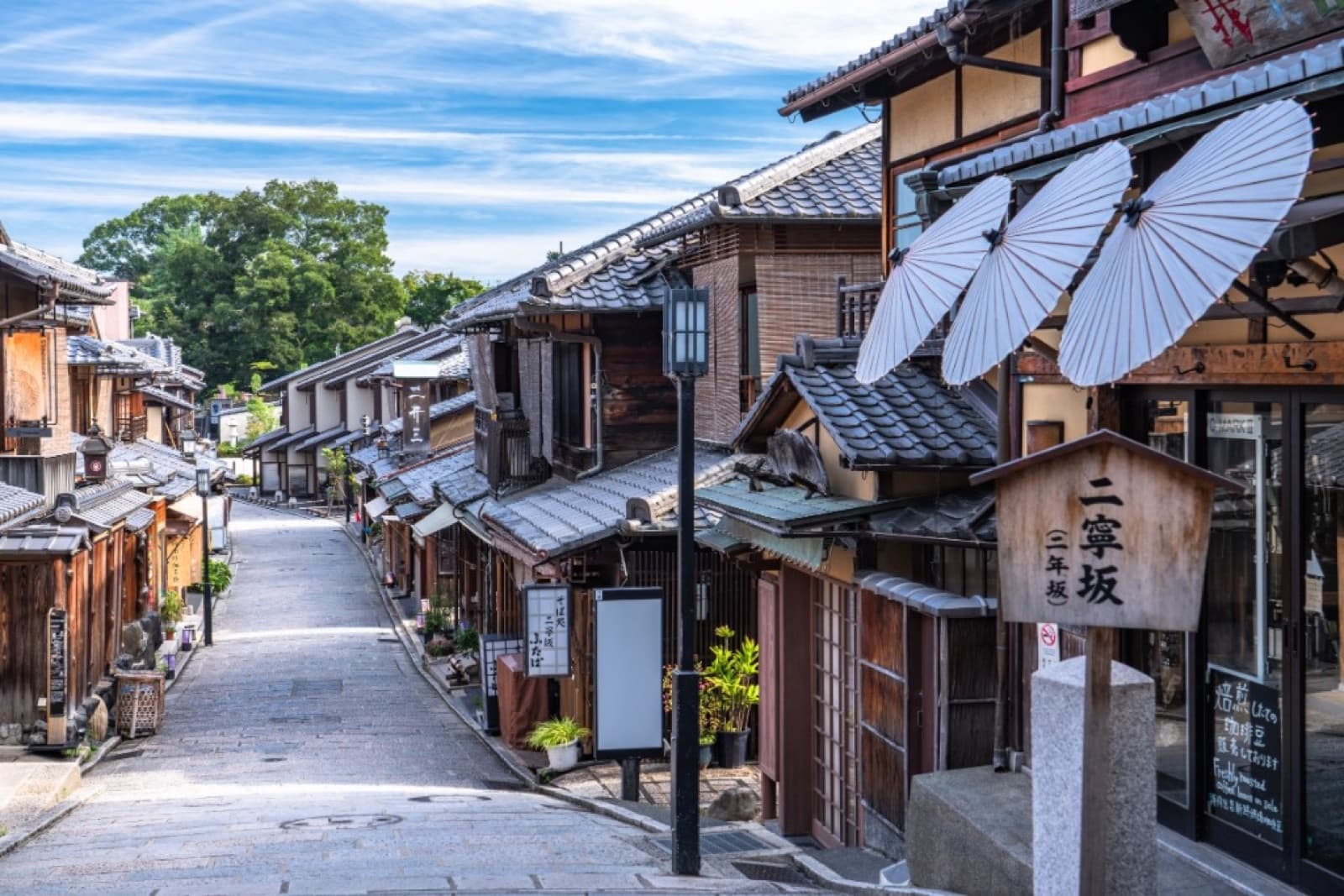
Photography of geiko and maiko: don't chase them, block their path, or shove a phone in their face. Even on public roads where photography isn't technically illegal, pointing a camera directly at them or blocking their way is unacceptable — they are professionals on their way to work, not costumed characters. Drones, tripods, and smoking: drones are heavily restricted near temples and shrines, tripods are banned at many famous viewpoints, and smoking outside designated areas in central Kyoto carries fines that pop up faster than you'd expect.
Common Scams & Emergency Services
Genuine scams targeting tourists are uncommon. The ones that exist:
- Taxi overcharging: use the Go taxi app or stick to ranks at train stations — real Kyoto taxis use meters.
- Bar touts in Kiyamachi: if someone invites you to a "free" upstairs bar, walk away.
- Fake monks asking for donations: rare, but reported near Kyoto Station — real monks don't aggressively solicit foreigners.
- ATM skimming: use 7-Eleven or Japan Post ATMs — reliable and they accept foreign cards.
🚨 Emergency numbers
- 110 — Police
- 119 — Fire & ambulance (in Kyoto you can call in English, Chinese, Korean, Spanish, or Portuguese — just say "fire" or "emergency")
- 118 — Coast Guard (maritime)
Calling an ambulance is free; you only pay for treatment at the hospital. There's no charge to call an emergency number from a public phone.
Medical care: Kyoto has good hospitals. Smaller clinics may not speak English, but major hospitals (Kyoto University Hospital, Kyoto City Hospital) have international patient support. A standard GP visit runs around ¥3,000–¥10,000 out of pocket without insurance. Get travel insurance — treatment without it climbs fast, and medical evacuation if you break a leg hiking Mount Kurama can run into five figures. LGBTQ+ travelers: Kyoto is broadly safe and welcoming; same-sex couples can book hotels and ryokans without issue, though small traditional inns may default to a single room with two futons rather than asking.
🛟 Safety, handled for you
Japan is extremely safe, but insurance and disaster know-how are still worth sorting before you go. Blue Planet's self-guided tours include accommodation and transport plus a 24-hour call center and travel insurance from arrival to departure, and an airport meet-up where staff brief you in person — so if anything comes up, you're never on your own.
How to Build Safety Into a Self-Guided Itinerary
- Pick a season that matches your risk tolerance. If you hate crowds, skip the cherry blossom and fall foliage peaks; late June (after the worst rain eases) and early December are quieter with workable weather.
- Book earthquake-compliant accommodation. Most modern hotels are. Older ryokans are beautiful but may be wooden and less reinforced — stay in one for the experience, not for two weeks straight.
- Register for Visit Japan Web before you fly. Your checklist is a valid passport, an onward ticket, and a Visit Japan Web registration. JESTA is not required in 2026 (Japan aims to implement it in fiscal 2028) — if a third-party site charges you for "JESTA" for a 2026 trip, it's a scam.
- Download the right apps: Safety Tips (JNTO), Google Maps, Go (taxis), Google Translate (camera mode for menus).
- Buy travel insurance before you leave — most policies must be active before you board.
- Build a loose itinerary, not a locked one. Weather, festivals, and jet lag will mess with rigid plans — block out themes by day (east Kyoto temples one day, Arashiyama another).
Common mistakes: trying to do Kyoto in one day from Tokyo (give it three nights minimum); booking a hotel far from the Karasuma or Tozai subway lines (the bus system is famously crowded); ignoring temple closing hours (many close by 5 pm); wearing shoes inside temples and ryokans; and assuming everyone speaks English (learn three or four phrases).
Is Kyoto Still Worth Visiting in 2026?
Yes, with eyes open. The overtourism conversation is real and the fines in Gion are real, but the city itself — the temples, the food, the moss gardens, the quiet of Daitoku-ji on a Tuesday morning — is as remarkable as it's ever been. It's worth visiting if you're willing to be a little more thoughtful, prepared, and respectful than before. You just have to plan it like a grown-up.
Plan Your Self-Guided Kyoto Trip
If you feel ready to start sketching a route, that's exactly what we're built for. We put together day-by-day, walkable itineraries for independent travelers who'd rather skip the bus tours and the group-photo-at-the-bamboo-grove routine — the safety briefings, train timings, and temple ordering done, with the freedom to take a side street when something looks interesting. Have a look at our self-guided tours when you're ready.
FAQ: Is Kyoto Safe to Visit?
Is Kyoto safe to visit in 2026?
Yes. Japan holds a Level 1 travel advisory from the US State Department, the lowest risk rating. Kyoto has very low violent crime and is considered one of the world's safest major cities for tourists.
Is Kyoto safe at night?
Generally yes. Stick to well-lit streets in the center and tourist districts — the Kamogawa riverbank, Pontocho, and main Gion streets are fine for an evening stroll. As anywhere, be more careful in nightlife districts after midnight.
Is Kyoto safe for solo female travelers?
Yes — it's one of the better destinations globally for solo women. Use the same common sense you would at home, watch your drinks in bars, and you'll likely have an easier time than in many European or North American cities.
What's the emergency number in Kyoto?
110 for police, 119 for fire and ambulance. English-language support is available in Kyoto via interpreting services.
Do I need travel insurance for Japan?
Strongly recommended. Medical care is good but not free for foreign visitors, and even minor incidents can run into hundreds of dollars.
Are earthquakes a serious risk for tourists?
Most are minor and modern buildings are engineered to handle them. Download the JNTO Safety Tips app for alerts and follow staff instructions if a larger quake hits.
Will I need JESTA to visit Japan in 2026?
No. JESTA is not yet active — it's expected in fiscal year 2028 at earliest. For 2026, standard visa-free entry (for eligible nationals) plus a Visit Japan Web registration is all you need.
Are there areas of Kyoto I should avoid?
Not really — there are no "no-go" neighborhoods. The only thing to actively avoid is wandering into the marked private alleys in Gion, which carry fines.
Is the tap water safe to drink?
Yes. Kyoto tap water is safe and tastes fine — refill your bottle and save the plastic.
What's the best month to visit Kyoto for good weather and lower risk?
Late October through late November for fall foliage, or early to mid-May for mild spring weather after the cherry blossom rush. Both balance pleasant conditions with lower disaster risk and manageable crowds.
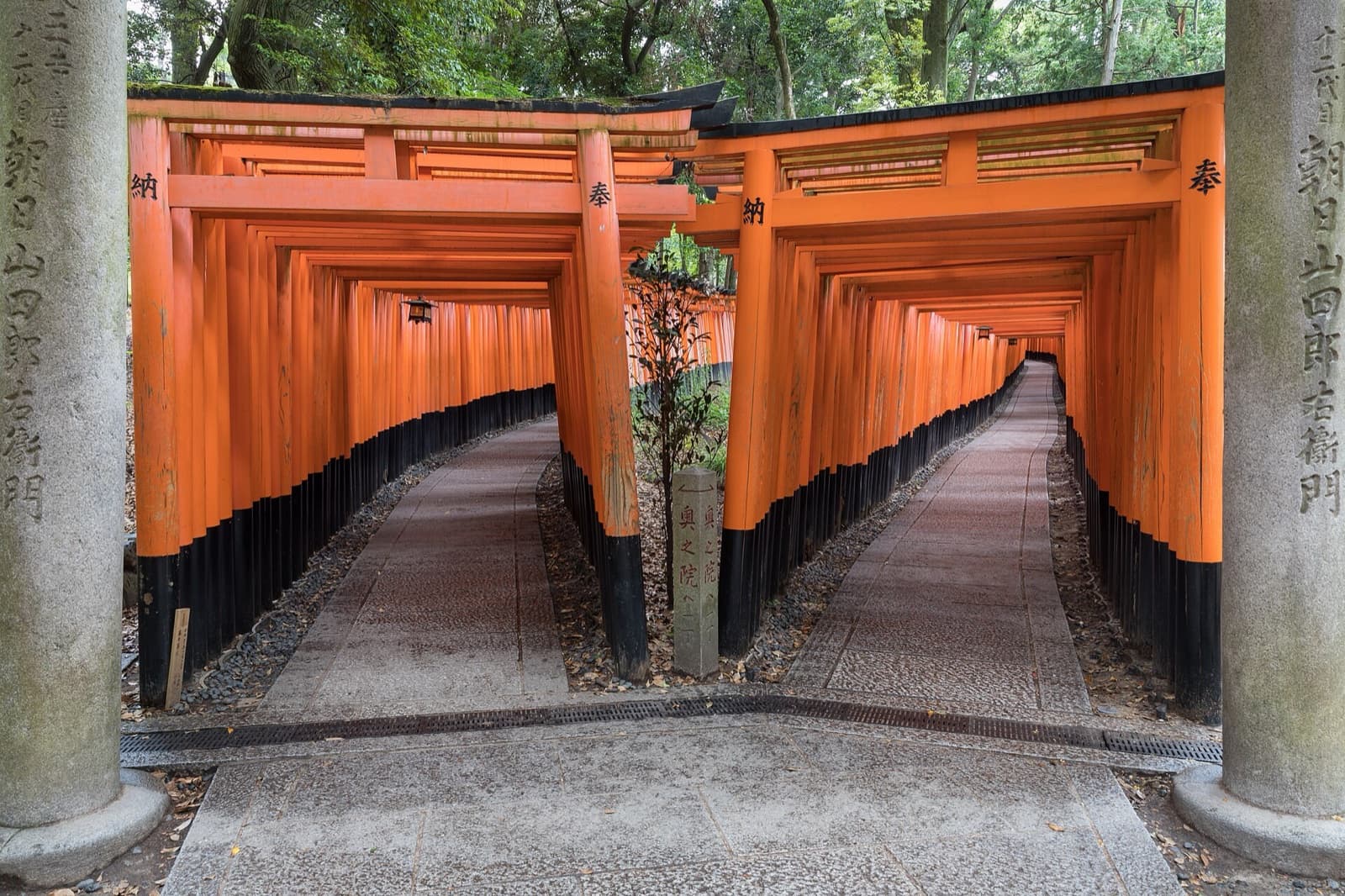
Photos: Fushimi Inari by Basile Morin (CC BY-SA 4.0); Kamo River by Jakub Hałun (CC BY 4.0) — via Wikimedia Commons. Last updated: June 2026.