Tokyo Tourist Fines 2026: Shibuya's New Littering Rules
As of June 2026, dropping rubbish in Shibuya can cost you ¥2,000 on the spot — and the zone is bigger than the famous crossing. Here's who gets fined, where, how to pay, and how to avoid it on a self-guided Tokyo trip.
Heading to Tokyo this year? There's a new rule to factor into your day plans, especially if your itinerary runs through Shibuya. As of June 2026, dropping rubbish on the street in one of Tokyo's busiest districts can cost you on the spot — no warnings, no "I didn't know" excuses.
The short version: people who litter on streets, in parks, and in other public places in central Tokyo now face an on-the-spot fine of ¥2,000 (about $13), with enforcement starting June 1, 2026 in Shibuya Ward — home to the famed Shibuya Crossing. If you're planning a self-guided trip, this is one of the more practical Tokyo tourist fines for 2026 worth building into your routine from day one.
Quick Answer: Tokyo Tourist Fines 2026
Litter in Shibuya Ward and you can be fined ¥2,000 on the spot, payable by cash, card, or QR code. The zone covers far more than the crossing — Harajuku, Ebisu, Yoyogi, Omotesando, Takeshita Street, and the Meiji Shrine approach are all in. Carry a small bag for rubbish and you'll never notice the rule exists.
Fine
¥2,000
Since
Jun 1, 2026
Where
All Shibuya Ward
Pay by
Cash / card / QR
What Exactly Changed in Shibuya
The rule isn't symbolic — it's actively enforced. Patrol officers from the ward monitor the area and collect the fine on the spot from anyone caught throwing away trash improperly. Cashless payment, including credit cards and QR-code services, is accepted — a measure aimed in part at foreign visitors who may not be carrying cash. On the first day of enforcement, the ward fined 10 people.
The messaging isn't subtle either. The anti-littering campaign carries the slogan "if you throw trash, you lose cash." In a press release, Shibuya Ward said: "We cannot tolerate littering simply because there are no rubbish bins," adding, "We ask for your cooperation in creating a city where everyone can enjoy themselves comfortably."
Where the Rule Applies (It's Bigger Than You Think)
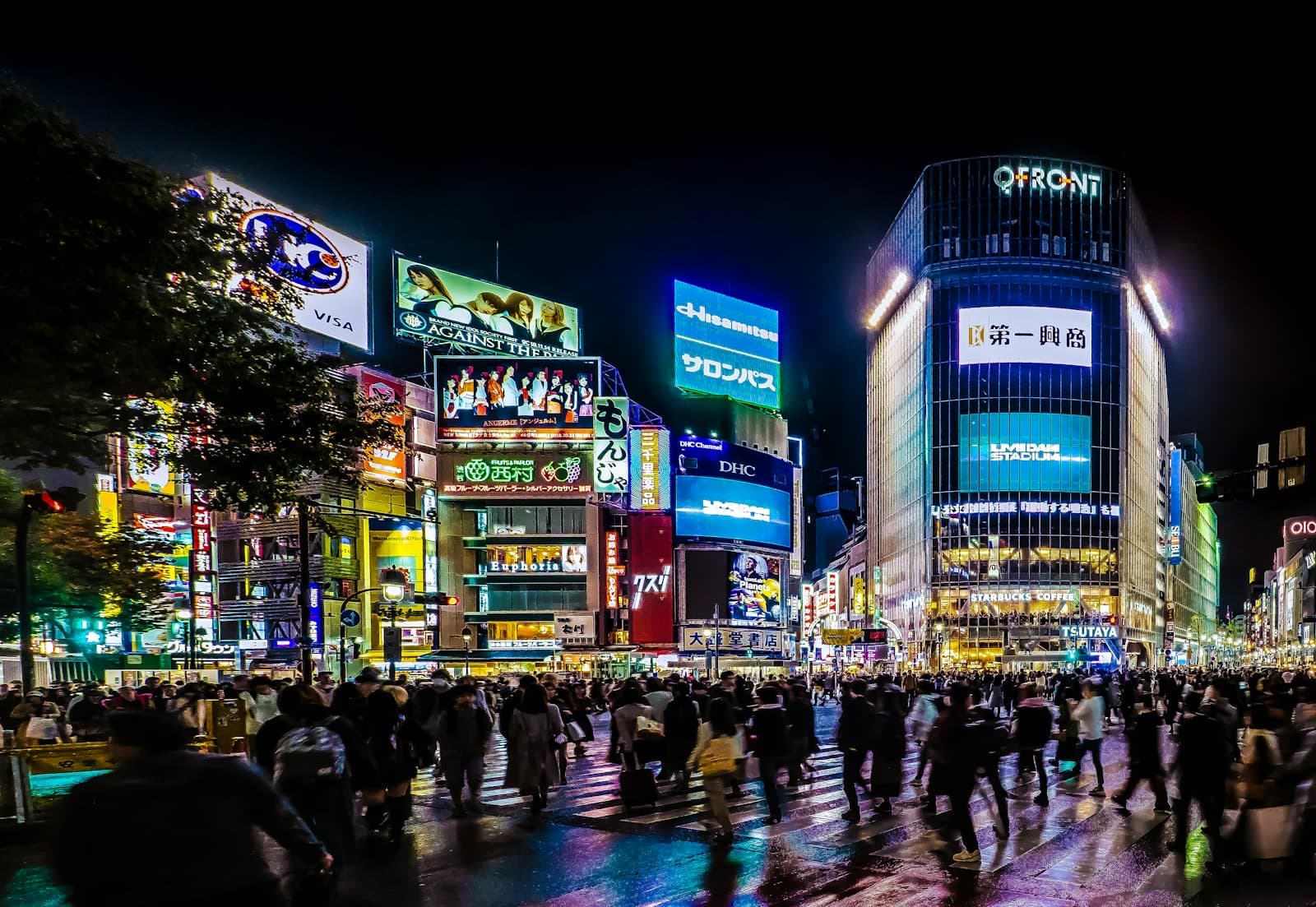
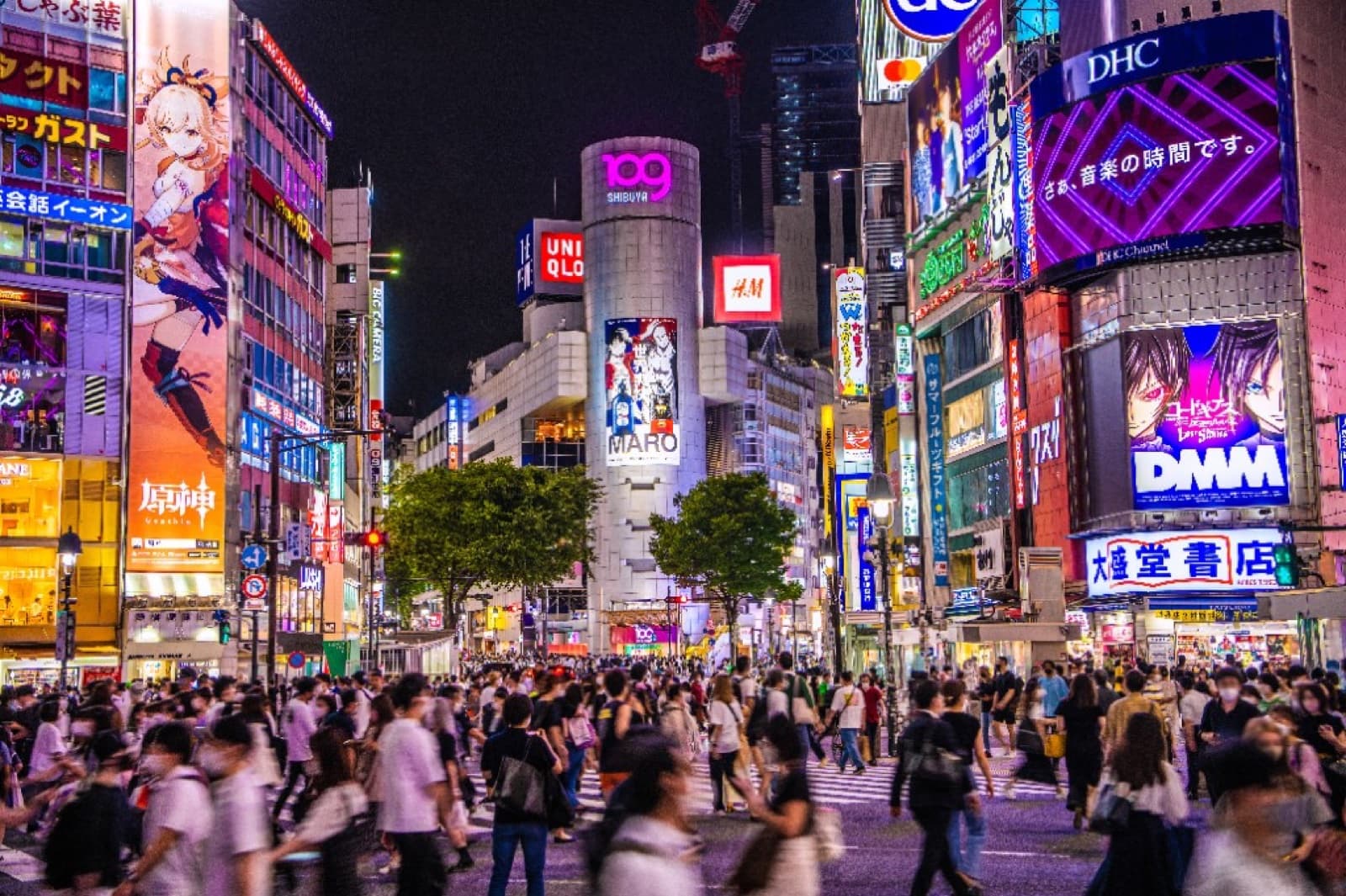
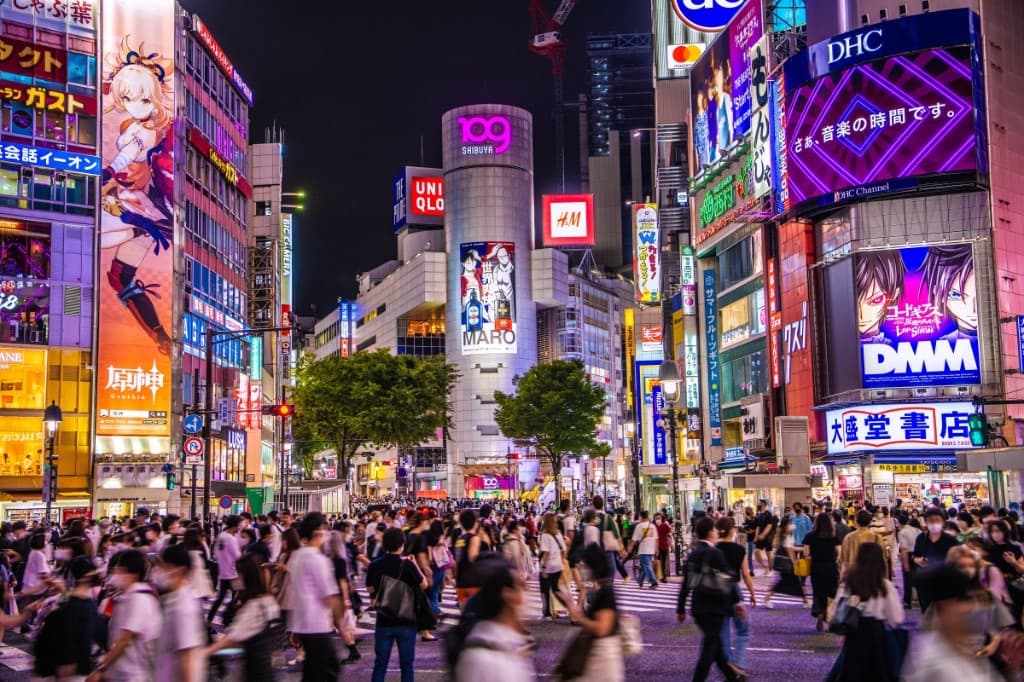
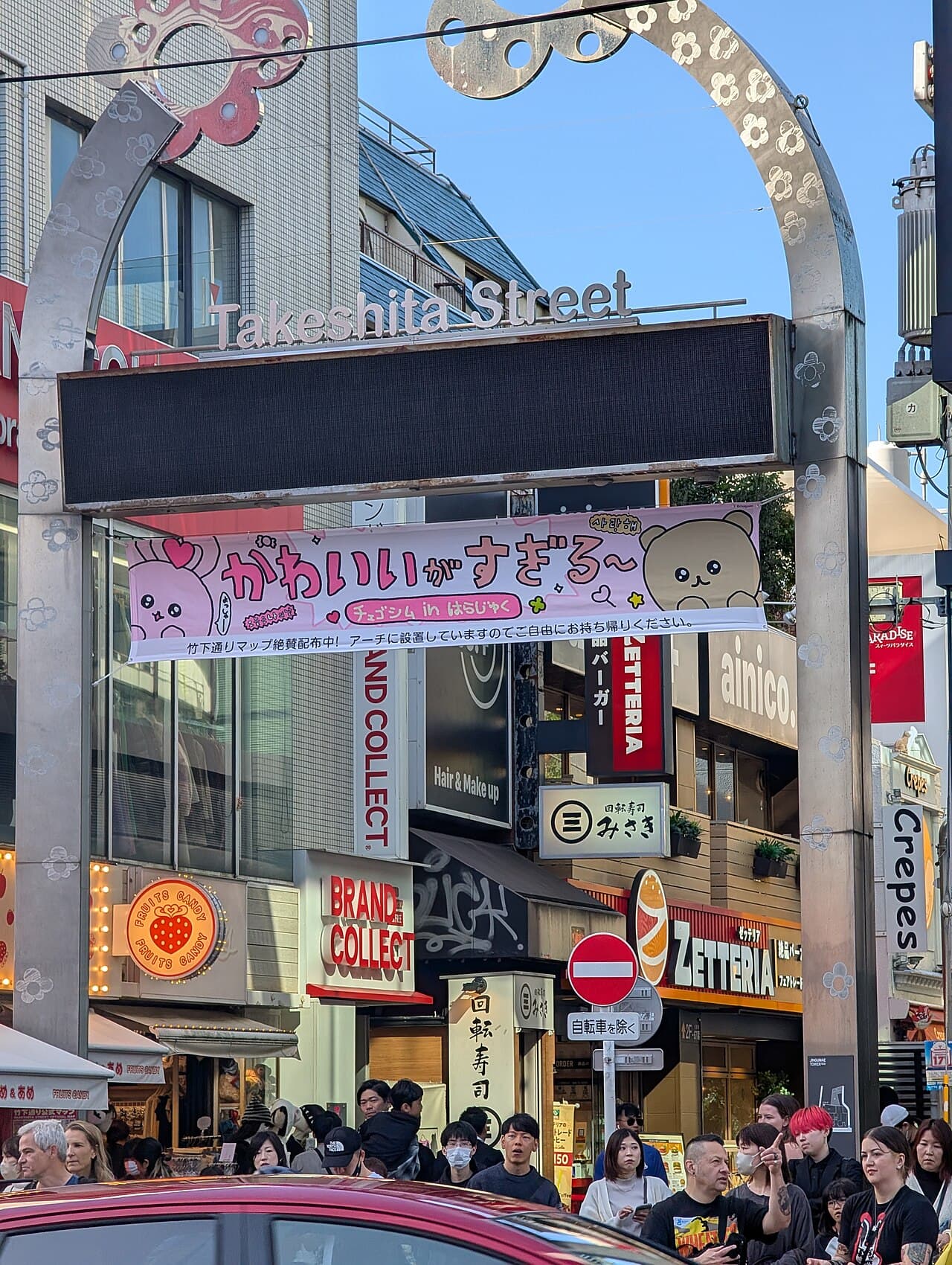
A lot of travelers assume "Shibuya" means the crossing and maybe Hachiko. The new rule covers far more ground. It is enforceable across all of Shibuya Ward — not just Shibuya Station, the Scramble intersection, the Hachiko plaza, and Center-gai, but also Harajuku, Ebisu, and Yoyogi. That means littering is now finable on Takeshita Street, along Omotesando, and on the pedestrian approach to Meiji Shrine.
And it goes beyond the pavement: the rule is enforceable on both public and private property within the ward, so fines can be issued inside shopping centers, train stations, and similar spaces.
Why Japan Did This Now — and the Bin Problem
Short answer: the numbers got too big to ignore. Japan welcomed a record 42.7 million foreign visitors in 2025, and the government is trying to ease the tensions this boom has caused for local communities. Around Shibuya, officials reported an increasing amount of open littering, including by tourists.
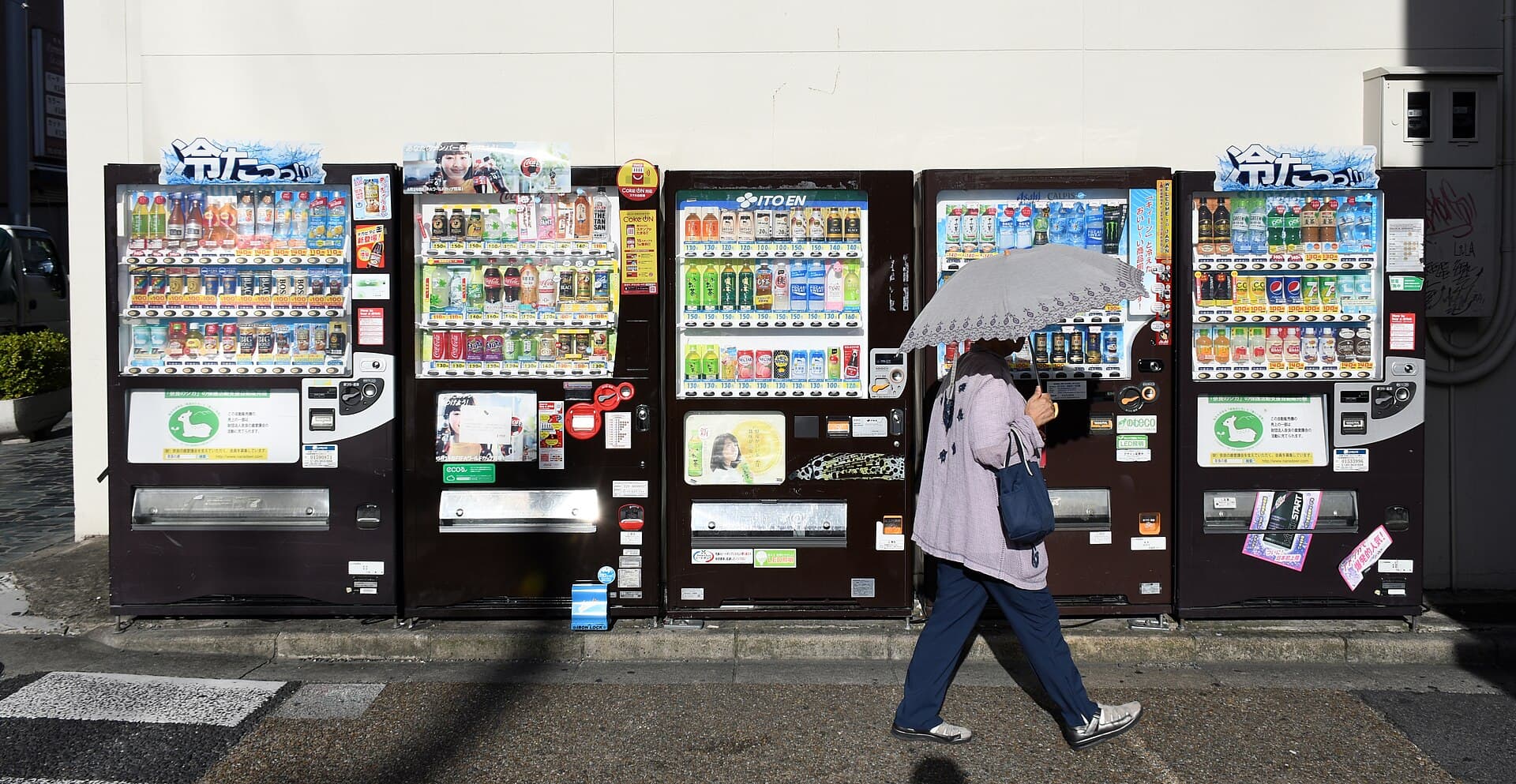
Here's the awkward part: rubbish bins are notoriously scarce in Japan, partly due to security concerns. In a government survey, the lack of public bins ranked as the single biggest inconvenience for tourists, cited by more than 20% of respondents. Public bins are genuinely hard to find on the street, and even railway stations — Tokyo Metro included — are steadily removing the ones they used to have. The reliable habit is simple: always carry a small rubbish bag and take your trash back to your hotel or accommodation. Shibuya is trying to fix the other end too — it has begun requiring convenience stores, takeout sellers, and vending-machine operators to provide bins, with ¥50,000 fines for non-compliance. So more bins should appear where you actually buy snacks and drinks. Use them.
How the Fine Gets Paid
Shibuya has deployed up to 50 officials across key streets to monitor behavior and issue fines immediately. Because the area sees so many foreign visitors, multilingual enforcement officers patrol high-traffic spots like Shibuya Station and Harajuku, and payment is taken on the spot in cash, by card, or by QR code.
One detail if you're tempted to walk away: the system is designed so unpaid fines can follow you, partly to prevent visitors from leaving the country with outstanding penalties. Don't test it — just pay and move on.
How to Actually Avoid a Fine
- Carry a small bag. Fold a plastic or cloth bag into your daypack for wrappers and bottles. That's the whole trick.
- Bin where you bought it. Convenience stores (7-Eleven, FamilyMart, Lawson), cafes, and vending-machine zones usually have bins for items sold there.
- Sort it. Burnable waste, PET bottles, and cans go in separate bins. Finish your drink before tossing the bottle.
- Don't eat and walk. Eating while walking isn't really part of the culture here, and it's the fastest way to generate trash with nowhere to put it.
- Don't count on station bins. Stations are removing them — Tokyo Metro especially — so when you do find one near a kiosk, use it, but otherwise keep your trash with you and bin it at your accommodation.
Cigarette butts count as litter too, and street smoking carries its own ward fines — see our Japan travel mistakes to avoid guide for the full list of fines that catch travelers.
A Stress-Free Shibuya Day
Here's how to build a Shibuya-anchored day without thinking about the fine at all:
- Morning: Meiji Shrine via Harajuku Station. Eat breakfast at your hotel, not on the street.
- Midday: Walk Takeshita Street. If you grab a crepe, finish it standing near the seller and bin the wrapper at the shop.
- Afternoon: Omotesando shopping; coffee inside a cafe, not walking.
- Evening: Shibuya Crossing, dinner in Center-gai, drinks in Ebisu — carry one small bag for wrappers until you reach a bin or your hotel.
Getting online makes this kind of on-the-fly planning far easier; our Japan eSIM 2026 guide covers staying connected, and is Japan crowded in 2026 helps you time the busiest spots.
Planning a trip to Tokyo and want the practical details taken care of? Get in touch through Plan My Trip on our self-guided tours site, and we’ll suggest the tours that best fit your dates and plans.
FAQ: Tokyo Tourist Fines 2026
How much is the Shibuya littering fine in 2026?
¥2,000 (roughly $13), paid on the spot. Enforcement began June 1, 2026.
Can I pay the fine by card?
Yes. Cash, credit card, and QR-code payments are all accepted — the cashless option is aimed partly at foreign visitors.
Does the fine apply to cigarette butts?
Yes. Dropping any trash on the street — wrappers, cans, or cigarette butts — can trigger the ¥2,000 fine. Street smoking also carries separate ward fines.
Where exactly does the rule apply?
All of Shibuya Ward, which includes Shibuya, Harajuku, Ebisu, Yoyogi, Omotesando, Takeshita Street, and the approach to Meiji Shrine — on both public and private property.
What happens if I refuse to pay?
Don't. Inspectors collect on the spot, and the system is designed so unpaid fines can follow you, including before you leave the country. Just pay and move on.
Are bins easier to find now?
Slowly, yes. Convenience stores, food and drink sellers, and vending-machine operators near major stations are being required to provide bins, with steep penalties for non-compliance.
Will other Tokyo wards copy this?
Likely. Tokyo has been discussing wider bin mandates, and other tourist hubs facing similar pressure may follow. Travel as if the rule already applies everywhere and you'll be fine.