Is Japan Crowded in 2026? YES at Peaks — Crowd Calendar + Least Crowded Months
Arrivals hit a record 42.7 million in 2025 and July 2026 set another July high, so the famous weeks still sell out. The honest crowd calendar by month, the genuinely quiet windows, and how to build a self-guided route around them.
Short answer, yes — in the famous spots and the famous weeks. Longer answer, it depends entirely on when you go, where you go, and how you structure your days. Japan is a year-round destination, and there are stretches of the calendar when even Kyoto feels manageable.
There's also a story most travel blogs are missing, and it turned during the summer. Arrivals fell for four straight months in spring — April 2026 was down 5.5% year on year, with mainland Chinese arrivals collapsing 56.8% — but July 2026 came in at 3,442,100, up 0.1% year on year and a record for the month of July (JNTO, released 19 August 2026). Korea, Taiwan and Western markets more than replaced the missing Chinese demand; Taiwan passed 700,000 in a single month for the first time. The practical read for a first-time visitor: the Chinese-heavy shopping districts are noticeably easier than in 2025, while the Western tourist trail — Kyoto, the Fuji area, central Tokyo — is as busy as ever.
Planning around weather and prices too? This page focuses purely on crowds. For seasons, costs, and month-by-month weather, see our full guide to the best time to visit Japan.
Quick Answer: Is Japan Crowded in 2026?
Japan in 2026 is slightly less crowded overall than 2025 (JTB forecasts -2.8% YoY), but the peak weeks — late March cherry blossoms, Golden Week, mid-November foliage in Kyoto — are still packed. The genuinely quiet windows are mid-January to mid-February, mid-May to early June, mid-September, and early December.
2026 forecast
41.4M visitors
vs 2025
-2.8% YoY
Quietest months
Jan-Feb, Jun
Busiest weeks
Sakura, GW
What the 2026 Tourism Data Actually Shows
Tourism numbers have kept climbing through the post-pandemic era. Japan welcomed a record 42.7 million international visitors in 2025 — up 15.8% on 2024's 36.9 million, and 10 million above the pre-pandemic 2019 total.
2025 closed at a record 42.68 million visitors, up 15.8% and the first year above 40 million. 2026 started softer — April saw 3.69 million arrivals (-5.5% YoY) with mainland China down 56.8%, and JTB forecast 41.4 million for the full year — but the trend reversed over summer: July 2026 hit 3.44 million, +0.1% and a July record, with 17 markets setting July highs. China remains down (-56.1% in July); Korea (+31.9%) and Taiwan (+26.4%) have absorbed the gap. Western-tourist hot spots therefore feel similar to 2025 or busier.
Bottom line: Japan is busy in 2026, but it is also a long, narrow country with four distinct seasons, and the crowds cluster in very predictable windows. Get your dates right and you find a Japan that feels manageable. Get them wrong and you spend half your trip queueing.
The 2026 Crowd Calendar: When Crowds Peak
Peak travel windows are remarkably consistent year to year. International tourists flock for cherry blossom viewing, autumn foliage, and high-quality winter snow. Add Japanese national holidays and you get a roughly stable crowded calendar:
2026 crowd calendar (Japan-wide signal strength)
| Window | Crowd level | Why |
|---|---|---|
| Mid-Mar – early Apr | Very high | Cherry blossom peak (Tokyo, Kyoto, Osaka) |
| Apr 29 – May 6 | Very high | Golden Week — 100M+ Japanese on holiday |
| Mid-Jul – mid-Aug | High | Summer school break + Obon + festivals |
| Mid-Sep 2026 | High (rare) | Silver Week alignment — see below |
| Late Oct – late Nov | Very high | Autumn foliage peak in Kyoto |
| Dec 29 – Jan 3 | High | New Year holiday, shrine visits |
Outside these windows, Japan is busy but workable. Inside them, expect packed Shinkansen, sold-out hotel rooms, and 90-minute waits at famous viewpoints.
The Least Crowded Months in 2026
If "fewer tourists" is your top priority, four windows consistently deliver:
Mid-January – mid-February
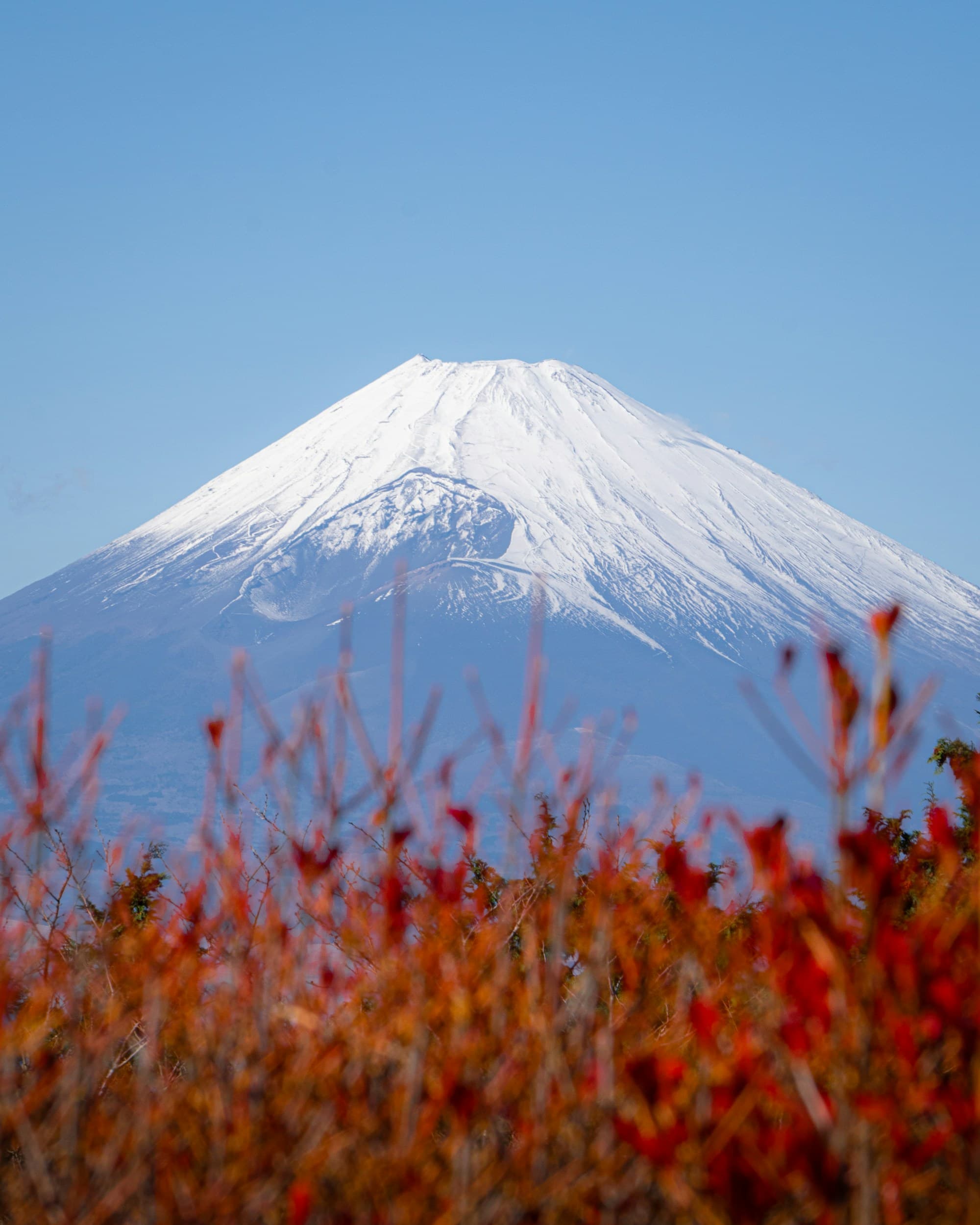
Post-New Year lull. Crisp winter air, clearest Mt. Fuji views, lowest hotel rates of the year outside ski areas. Trade-off: cold weather, short days.
Mid-May – early June
After Golden Week, before tsuyu hits the main islands. Warm pleasant weather, fresh greenery, quiet temples. Best window of the year for many travelers.
Mid-September (post-Obon)
Warm, festival energy fading, autumn foliage still a month away. Be aware of Silver Week 2026 (see below) for one specific calendar quirk.
First two weeks of December
After foliage peak, before New Year rush. Late maple color in Kyoto, illumination season in Tokyo, mild weather. Crowds noticeably thinner than November.
These aren't secret, but each requires a small trade-off — cold weather, rain, or shorter daylight. For most travelers, that trade is worth it.
Cherry Blossom Season 2026: Pretty, but Packed
Sakura season is the single most crowded time to visit Japan for international travelers, and 2026 came in slightly earlier than average. The Japan Meteorological Corporation forecast first bloom in Nagoya around 17 March, Kōchi 18 March, and Fukuoka and Tokyo around 20 March. The 2026 peak for the big tourist cities ran:
- Tokyo: flowering ~Mar 19, full bloom ~Mar 26
- Kyoto: flowering ~Mar 24, full bloom ~Mar 31
- Osaka: flowering ~Mar 24, full bloom ~Mar 31
- Sapporo (Hokkaido): flowering from Apr 25, full bloom by Apr 28
Individual cherry blossoms last 7–10 days from opening to petal fall. Peak bloom is only 3–7 days. Rain and wind can shorten it. April 2025 saw 3.9 million arrivals — a 28.5% YoY jump — almost entirely due to sakura season pressure.
How to Do Sakura Without Losing Your Mind
- Book by December of the previous year. Cherry blossom hotels in central Kyoto and Tokyo sell out 3–4 months ahead.
- Use the Sakura Navi app for live bloom progress and proximity notifications.
- Chase late bloomers. Yaezakura (double-layered blossoms) and Omuro-zakura at Ninna-ji Temple in Kyoto stay later. Hirosaki Park in Aomori and Goryokaku in Hakodate peak in late April.
- Go regional. Far fewer tourists in Tohoku, Niigata, or Yamagata at sakura time than in Kyoto.
A Quieter Late-Bloomer: Izumo in Mid-April
One spot we love for travelers who can't lock in late March but still want a proper sakura experience: Izumo, on the Sea of Japan side of western Honshu. Even in mid-April — when Tokyo and Kyoto have long since dropped their petals — Izumo still has cherry blossoms in beautiful condition, and the pairing with Izumo Taisha, one of Japan's most ancient and important shrines, is genuinely special. You can wander the grounds and the surrounding lanes at your own pace, without the camera crews you get at Kiyomizu-dera in late March.
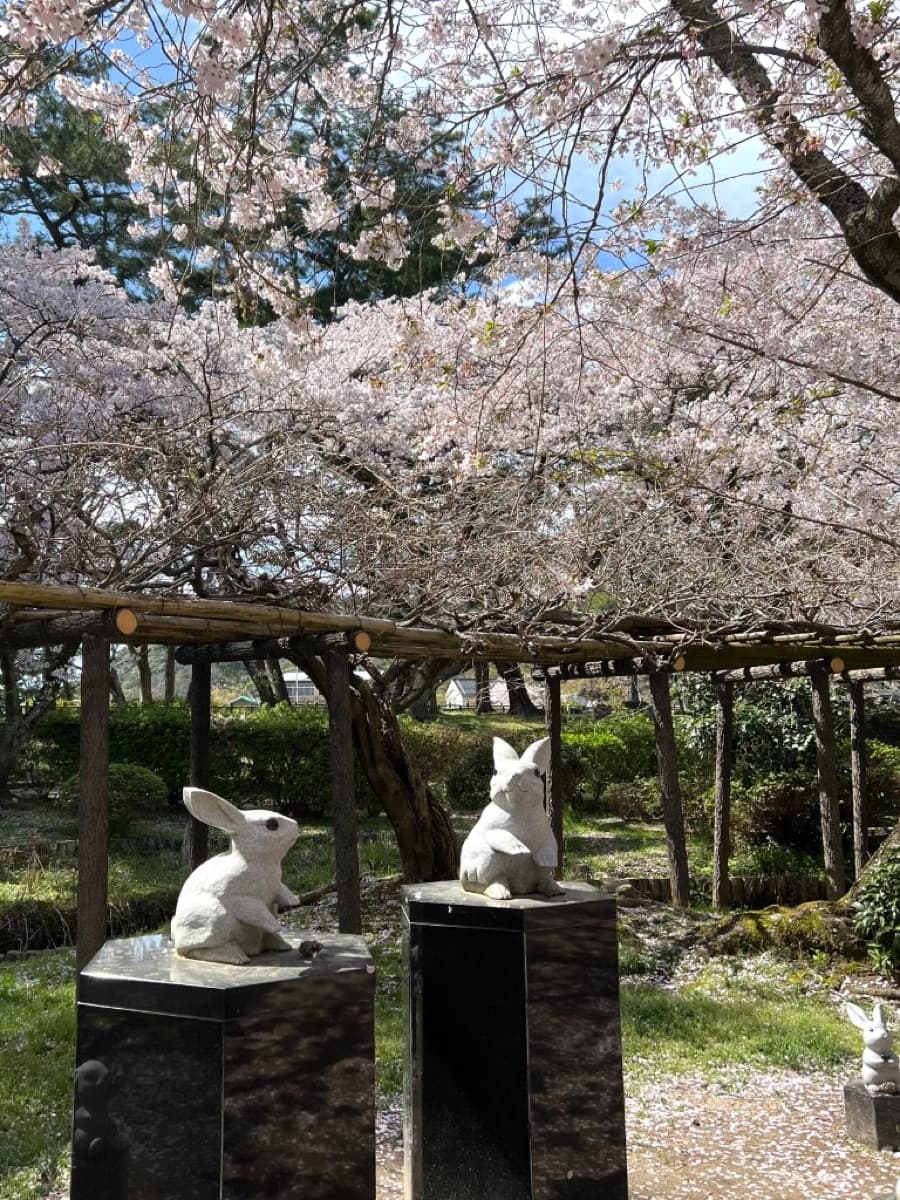
If you're building a sakura trip and your dates run mid-April rather than late March, our Sacred Izumo & Setouchi Sea Paths route is a natural fit — Izumo Taisha, the Sea of Japan coast, and the quieter Setouchi islands, all on a self-guided itinerary.
Golden Week 2026: The Week to Avoid (Mostly)
If there is one stretch where I would say avoid visiting if you have any flexibility, it is Golden Week. This is not about international tourists — it is about 100+ million Japanese all having time off at once.
Golden Week 2026 runs April 29 to May 6, with Constitution Memorial Day observed on the Monday substitute. The four national holidays inside it: Showa Day (Apr 29), Constitution Memorial Day (May 3), Greenery Day (May 4), Children's Day (May 5).
On the ground: trains, airports and sightseeing spots get extremely crowded. Domestic travelers fill Shinkansen reserved seats weeks ahead. Ryokan prices spike. If your dates fall in this window, book everything months in advance and travel against the dominant flow — Tokyo to Tohoku is calmer than Tokyo to Kyoto, for example.
Lean into it where you can: cultural events run at temples and shrines, and the Hakata Dontaku Festival (May 3–4 in Fukuoka) and horse racing festivals in Kyoto are genuine highlights of the year.
Silver Week 2026: A Rare Calendar Quirk
Here is a quirk specific to 2026. Japanese law states that if any working day lies between two national holidays, that working day converts to a national holiday — called a Citizen's holiday. The next alignment of holidays and weekends that triggers a stretched Silver Week is 2026. For the full date breakdown, hotel-price impact, and whether to travel that week, see our dedicated Silver Week Japan 2026 guide.
In practice, mid-September 2026 will see a longer-than-usual domestic break around the autumnal equinox. Domestic travel will spike. Plan ahead if your dates fall in that window — our Japan in September 2026 guide covers how to work around it.
Rainy Season: Quietly Underrated
Tsuyu (the rainy season) gets a bad rap, and it should not. The rainy season runs from early June to mid-July in most of mainland Japan, peaking in late June. Okinawa enters earlier — 2026's Okinawa rainy season started on May 4 per JMA. Hokkaido and the Ogasawara Islands largely escape it.
The key fact most travelers miss: it does not rain every day. The probability of rain on a given day in Tokyo during peak tsuyu is roughly 45%. The probability of sunny weather is 27%. You get many dry windows for sightseeing.
Mid-June: The Quietest Sweet Spot in Kyoto
If you want pleasant temperatures, lush gardens, and far fewer tourists in Kyoto, mid-June is genuinely underrated. Temples in light rain are stunning, gardens look their best, and outdoor onsen with steam rising in a soft drizzle is one of those experiences travel brochures never sell properly.
For full planning, see our Japan rainy season 2026 guide and Japan in June 2026 guide.
Summer Months: Hot, Festive, and Surprisingly Doable
After tsuyu ends in mid-July, Japan flips into proper summer — hot, humid, packed with festivals. International tourist numbers actually slow in June and July due to the heat, which gives you a window of relatively fewer foreign tourists in cities like Tokyo and Kyoto.
Traditional events dominate. Kyoto's Gion Matsuri runs through July. Osaka's Tenjin Matsuri lands in late July. Tohoku's Nebuta and Kanto festivals fill early August. These are domestic-traveler favorites, so cities like Kyoto and Aomori book solid, but the rest of the country is quieter than April.
Late August into early September is typhoon season territory. Flights and ferries can get disrupted, especially in southern regions and Okinawa. See our Japan typhoon season 2026 guide for planning.
Autumn Foliage: October and November Get Busy
Autumn is the new spring for tourism. October 2025 set a record high for the month at nearly 3.9 million visitors (+17.6% YoY). If you want autumn colors with thinner crowds, target mid-October in the Japanese Alps and Tohoku when leaves peak there before sweeping south. The late October to mid-November Kyoto rush is very real — Kiyomizu-dera at koyo peak is a sea of phones.
Full route planning in our Autumn in Japan 2026 guide.
Winter: The Best-Kept Secret
Honestly, if I had to pick one season for a less-crowded Japan trip, it would be winter — specifically early December and late January through February.
Early December gets you late fall color hanging on in Kyoto, plus crisp pleasant temperatures and Christmas illuminations in major cities. Crowds noticeably thinner than November. New Year (Dec 31 – Jan 3) brings shrine crowds for hatsumode, but after January 3 things drop off a cliff. January 2025 still hit a record 3.78 million inbound, but it's distributed across ski areas (Niseko, Hakuba) and major cities, so temples and museums in Kyoto remain manageable.
Trade-offs: shorter days, some mountain attractions close, you'll want proper layers. Outdoor onsen in winter beats outdoor onsen in any other season. See our Winter in Japan 2026 guide.
Least Crowded Months in 2026: The Shortlist
For most travelers chasing a balance of weather, fewer crowds, and authentic seasonal experiences:
- Mid-March (before peak sakura) — cool, uncrowded, possible early blooms in the south.
- Mid-May to early June — warm, pre-tsuyu, post-Golden Week. Quiet.
- Mid-September (post-Obon, pre-foliage) — warm, festival energy fading. Watch Silver Week 2026 specifically.
- Early December — autumn colors, holiday lights, mild weather.
- Mid-January to mid-February — winter sports, onsen, far fewer tourists outside ski areas.
If you want to view cherry blossoms in full bloom without committing to chaos, aim for late March in Tokyo or early April in northern Honshu — the tail end with fewer crowds than peak weekend.
Mistakes That Make Japan Feel More Crowded
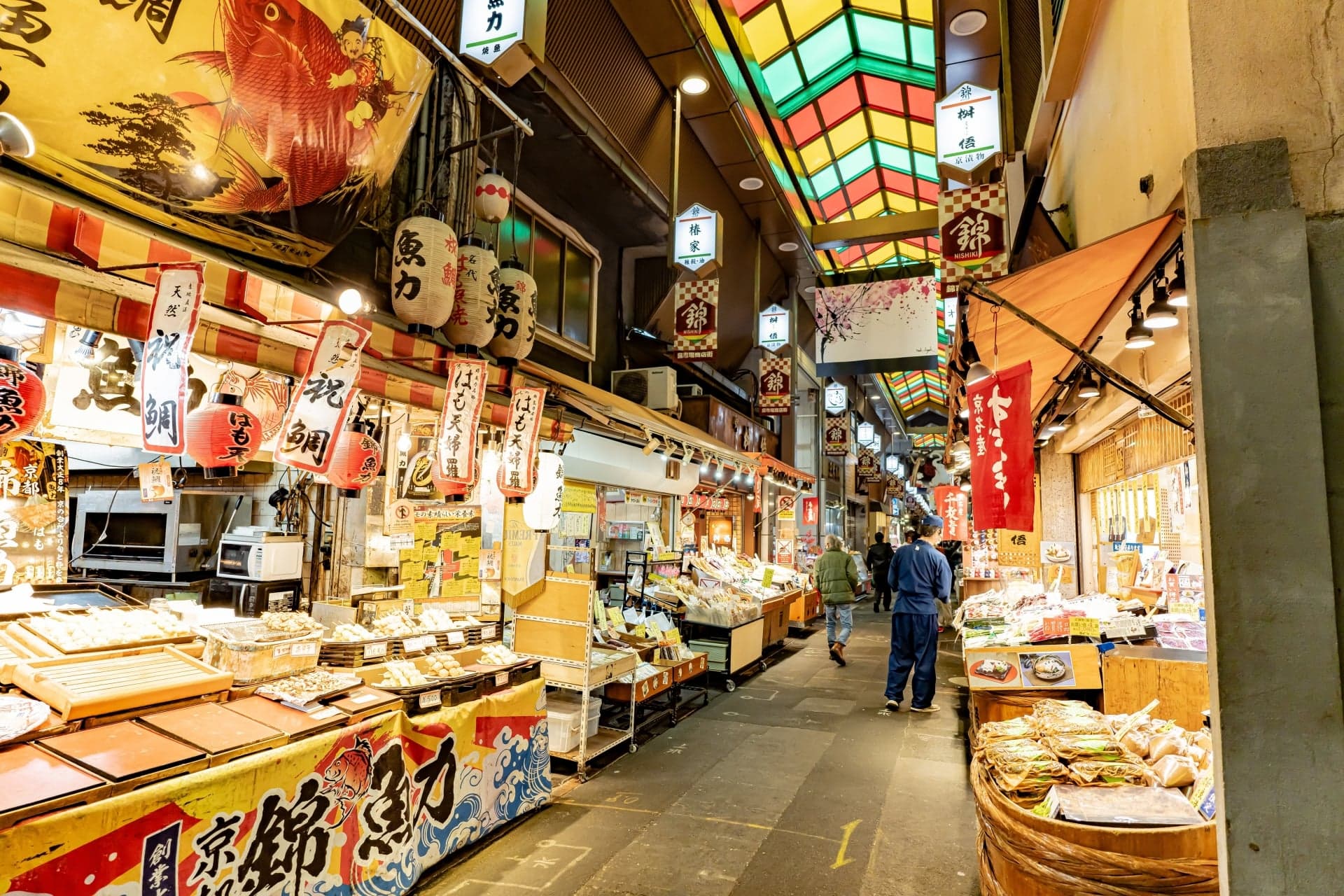
- Hitting only the big three cities. Tokyo, Kyoto, Osaka are exactly where everyone goes. Add Kanazawa, Takayama, Matsue, or Naoshima and your trip immediately feels emptier.
- Sightseeing at peak hours. Kiyomizu-dera at 11 a.m. in April is hell. Same place at 7 a.m. is sublime. Most famous sites open early.
- Ignoring the calendar. Booking flights without checking Golden Week, Silver Week, Obon, or domestic three-day weekends.
- Trying to do too much. Tokyo to Hiroshima to Kyoto to Hakone in 7 days is a recipe for spending your trip on the Shinkansen. Slow it down — three nights minimum in each base.
- Underbooking accommodation. Hotel rooms in central Kyoto during foliage sell out months ahead. Same for good ryokan in Hakone and Kawaguchiko.
Full pitfall guide: Japan travel mistakes to avoid.
Tools That Help You Plan Around the Crowds
Japan Meteorological Corporation
Authoritative sakura and foliage forecasts. Updates from early February (sakura) and early September (koyo).
Google Maps "popular times"
Hourly crowd patterns at specific shrines, temples and restaurants — invaluable for picking visit times.
Navitime for Japan Travel
Train routing with reserved-seat status. Critical for Golden Week and Obon Shinkansen planning.
Turning This Into a Real Itinerary
Pick your travel window first (work, school, partner availability), then build the trip around what that window gives you.
- Locked into early April: 2 nights Tokyo (gardens at sunrise), 3 nights Kyoto with day trips to Nara/Uji, then 2 nights in Kanazawa or Takayama where crowds thin dramatically.
- Mid-May to early June: Lean outdoor. Nakasendo trail between Magome and Tsumago. Section of the Kumano Kodo. Add Naoshima or Shodoshima. Gorgeous weather, way fewer tour groups.
- Mid-June: Kyoto in tsuyu (gardens insane) then Hokkaido for the back half (skips rainy season).
- Winter person: Tokyo 3 nights, Hakone or Nikko 2 nights, snow stretch in Nagano (Snow Monkeys, Matsumoto Castle, Nozawa Onsen). Finish in Kyoto with yudofu.
This is the kind of structure self-guided travel does better than group tours. You move on your timing, not a bus's. If you want a pre-built route, see our 7-day itinerary and 10-day itinerary guides.
A Realistic Take on 2026
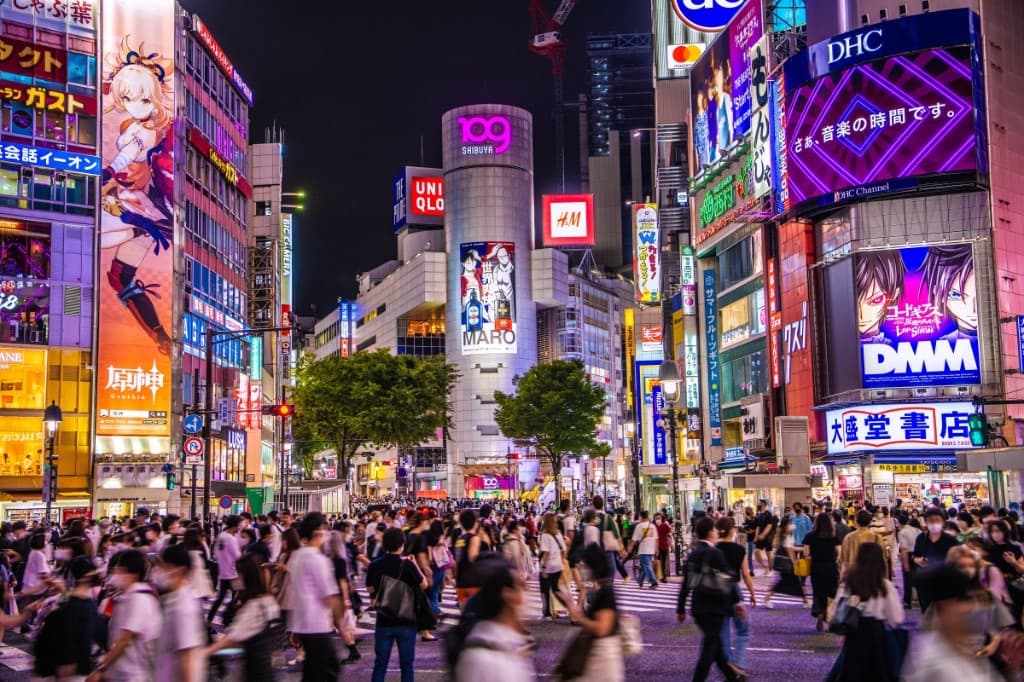
Will Japan feel crowded in 2026? In the famous places at the famous times — yes. Kyoto's Gion district during cherry blossom weekends will be elbow-to-elbow. The Fushimi Inari approach at midday in November will move like an airport queue. Shibuya Crossing on a Saturday night, same as ever.
But Japan in mid-February? Pleasant temperatures further south, hot-spring towns half empty, restaurants taking walk-ins. Japan in early June in a rural town in Shikoku? You might be the only foreigner on the train. With overall arrivals down 2.8% YoY, the "Western tourist hot spots" will still feel similar to 2025 — but the secondary cities, mid-week temples, and quieter prefectures all open up noticeably.
Build your dream trip around the calendar and Japan delivers, even in a year of near-record arrivals.
Want a Self-Guided Itinerary Built Around the Calendar?
We design Japan trips for independent travelers, matching dates to the right regions, working around peak weeks, and avoiding the worst crowd traps in Kyoto and Tokyo.
Want to plan your Japan trip for the quieter weeks rather than the peaks? Get in touch through Plan My Trip on our self-guided tours site, and we'll suggest the tours that best fit your dates and plans.
FAQ
Is Japan more crowded in 2026 than 2025?
Slightly less overall. JTB forecasts 41.4 million international visitors in 2026, a 2.8% decrease from 2025, mainly due to fewer Chinese tourists. Western tourist hot spots like Kyoto and Mt. Fuji will likely feel similarly busy or marginally busier, since US, UK, EU, and Australian numbers remain strong.
What's the least crowded month to visit Japan?
Late January and early February. Post-New Year lull, fewer tourists outside ski areas, and lower hotel rates than spring or autumn. Mid-June (rainy season) is also significantly quieter but with weather trade-offs.
When is peak cherry blossom season in 2026?
For Tokyo, Kyoto, and Osaka, the 2026 peak was late March through the first week of April. Tokyo full bloom was around March 26; Kyoto and Osaka around March 31. Hokkaido peaks late April.
Should I avoid Golden Week entirely?
If you can. Trains, airports and sightseeing spots get extremely crowded during Golden Week (April 29–May 6, 2026), and accommodation in tourist areas books out well in advance. If you can't avoid it, book everything months ahead and travel against the dominant flow.
What's Silver Week 2026?
2026 is one of the rare years where the autumn equinox lines up with national holidays to create an extra-long domestic break in mid-September. Expect domestic travel spikes around the autumnal equinox week.
Is autumn really as crowded as cherry blossom season?
Close, especially in Kyoto. October 2025 saw a record high in monthly visitor arrivals (3.9M, +17.6% YoY). Late October through mid-November in Kyoto is the most crowded autumn window. Earlier foliage in the Japanese Alps and Tohoku is much calmer.
Does Japan have a rainy season I should plan around?
Yes — tsuyu, from early June to mid-July in most of mainland Japan. Hokkaido largely escapes it, so it's a smart Plan B for early summer. Tokyo gets rain on about 45% of days during peak tsuyu — meaning plenty of dry windows for sightseeing.
When can I see snow in Japan?
Late December through early March is reliable for the Japanese Alps and Hokkaido. February is the sweet spot for the Sapporo Snow Festival and prime powder skiing.
Is Japan less crowded because of the 2026 tourism drop?
Less than you might hope. The spring dip was concentrated in Chinese arrivals, and by July 2026 total arrivals were back to a record for the month (+0.1% YoY). Western tourists are arriving in similar or greater numbers. So Western-tourist hot spots (Kyoto, Mt. Fuji, Tokyo's tourist trail) feel similar to 2025, but secondary destinations and mid-week temple visits open up.