
Tateyama Kurobe Alpine Route: A Practical Guide to Crossing the Northern Alps
Choose the crossing direction, overnight stops and luggage plan that fit your Japan trip, then compare two published itineraries.
Last updated: November 9, 2026. Operator information and published 2027 package price calendars checked on this date. Future operating dates and availability require confirmation.
The Tateyama Kurobe Alpine Route is a mountain crossing through the Northern Alps that links Toyama Prefecture with Nagano Prefecture in a single day. You ride a chain of trains, cable cars, buses and a ropeway, changing at the transfer stations. Along the way you pass the snow corridor, the Murodo plateau and Kurobe Dam. Private cars cannot cross the high section, so the mountain transport is part of the visit.
A full crossing deserves a day of its own. The operator's planning guidance allows 6–8 hours between Tateyama Station and Ogizawa, including transfers and sightseeing; travel from your hotel and onward to the next town takes additional time. This guide separates the operator's 2026 operating and ticket references from our published 2027 whole-trip package prices, so you can plan next year's journey without mistaking an earlier season's dates for a new announcement.
The usual seasonal choice is spring for the snow walls, summer for walking and the dam, or early autumn for the colours. Reserve the first mountain departure for your chosen direction in advance. Send big bags ahead.
Quick Answer: Which Alpine Route trip fits your Japan itinerary?
Allow a full sightseeing day to cross the Tateyama Kurobe Alpine Route, with an overnight stop on each side. Choose your direction around the rest of your Japan trip: Matsumoto to Toyama works well when you continue to Kanazawa and Kyoto; Toyama toward Nagano works when you finish with a hot spring stay and return to Tokyo.
Our 11-day Alpine Routes & Cultural Japan trip combines the crossing with Tokyo, Matsumoto, Kanazawa, Kyoto, Nara and Osaka. The spring version, NT105, has published April–May 2027 reference fares of US$3,000–4,000 per person sharing a room. The 12-day Alpine Wonders of Central Japan trip, NT104 for the spring version, adds more mountain scenery and hot spring stays on a Tokyo round trip. Its published April–May 2027 reference range is US$5,200–6,100 per person sharing a room.
These are prices for the whole Japan package, not a one-day Alpine Route ticket. Rooms, departure dates and final prices need a quote. The operator's 2027 opening and Snow Wall dates were not confirmed in the official information we checked on November 9, 2026.
The Alps, Kanazawa and Kyoto in 11 days
Alpine Routes & Cultural Japan
Spring-Only Spectacle: Tateyama Snow Wall - April & May 2027
Experience the spring-only Yuki-no-Otani snow corridor on the Tateyama Alpine Route, and explore Matsumoto, Kanazawa & Kyoto. Spring-only 11-day tour.
What the Tateyama Kurobe Alpine Route Actually Is
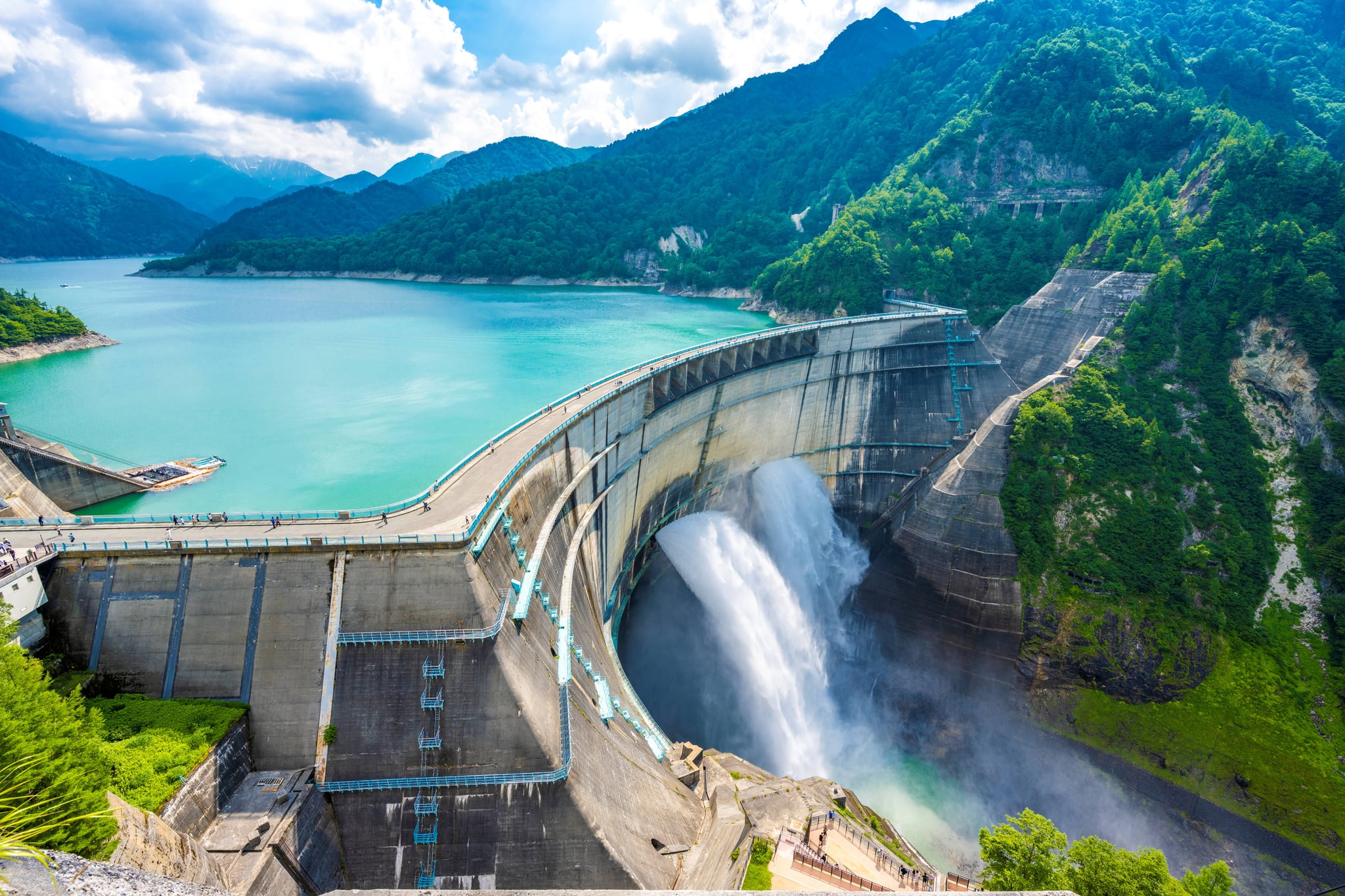
Think of it as a relay, not a single ride. Each mountain-transport leg takes about 5 to 50 minutes, but the transfers, photo stops and short walks add up fast. The highest point is Murodo at 2,450 m. The big man-made sight is Kurobe Dam, which at 186 m is Japan's tallest dam.
You can travel in either direction. Toyama is convenient for travelers arriving on the Hokuriku Shinkansen; the Nagano side fits journeys through Matsumoto or Nagano city. Choose around your overnight stops and onward route, then check the operator's seasonal advice: crowding and late-season snow can change which entrance is practical.
A good fit when…
- You want high mountain scenery without a summit climb.
- You can allow a full crossing day and nearby overnight stops.
- You enjoy a journey with several different kinds of transport.
Think through the trade-offs
- Queues, stairs and weather can make the day tiring.
- The full crossing costs more than a short return trip.
- Snow walls, open walking paths and dam water releases belong to different seasons.
Compare two Japan itineraries with the Alpine Route included
The difference between these trips is more useful than a list of scenery. One crosses the mountains early, then gives you several days in the cultural cities. The other spends most of the trip in central Japan's mountains, with more chartered sightseeing transfers and three hot spring stops.
| Decision | 11-day cultural route | 12-day mountain and onsen route |
|---|---|---|
| Published itineraries | NT005; spring version NT105 | NT004; spring version NT104 |
| Start and finish | Tokyo → Osaka | Tokyo → Tokyo |
| Accommodation | 10 nights | 11 nights |
| Crossing | Day 4: Matsumoto → Shinano-Omachi → Alpine Route → Toyama | Day 9: Toyama → Tateyama → Alpine Route → chartered taxi to Yudanaka Onsen |
| Nights around the crossing | Matsumoto before; Toyama after | Toyama before; Yudanaka Onsen after |
| Rest of the trip | Tokyo, Kanazawa, Kyoto, Nara and Osaka | Isawa Onsen, Utsukushigahara, Matsumoto, Kamikochi, Takayama, Shirakawa-go and Tokyo |
| Main luggage arrangements | Tokyo → Kanazawa; Kanazawa → Osaka | Tokyo → Matsumoto; Takayama → Tokyo |
| Most useful if… | You want the Alps plus Kyoto and Osaka in one trip | Mountain scenery and onsen matter more than visiting Kyoto and Osaka |
Interested in a tour? Click a route code above, or search for it in the top-right Search bar.
Eleven days: mountains first, then Kanazawa and Kyoto
NT005 and NT105 spend two nights in Tokyo, one in Matsumoto and one in Toyama. After the crossing, you have two nights each in Kanazawa, Kyoto and Osaka; Nara is visited on the way to Osaka. That makes this the easier choice if Kyoto belongs on your first Japan itinerary and you want the mountain crossing to sit between two city stays.
The specified main intercity trains, all transportation needed through the Alpine Route, 10 nights with breakfast and an IC card loaded with ¥6,000 are included. The luggage service sends your large bag from Tokyo to Kanazawa, so you need a smaller bag for the Matsumoto and Toyama nights. A second delivery runs from Kanazawa to Osaka. Confirm collection and delivery details in your travel documents.
A day-six sightseeing taxi to Shirakawa-go is an extra-cost option, not automatically part of these two itineraries. If the village is essential to your trip, include it in your inquiry and compare the 12-day route, which includes a chartered sightseeing visit there.
Twelve days: Kamikochi, Takayama and hot spring nights
NT004 and NT104 leave Tokyo for Isawa Onsen and Utsukushigahara before reaching Matsumoto. Day six visits Kamikochi and the Shinhotaka Ropeway on the way to Takayama. You stay two nights in Takayama, with a chartered taxi visit to Shirakawa-go on day seven, then move to Toyama for the night before the crossing.
Day nine takes you from the Toyama side across the Alpine Route, followed by a chartered taxi to Yudanaka Onsen. You return to Tokyo the next day and finish the trip there. The package includes 11 nights with breakfast, three hotel dinners at the named onsen stops, specified sightseeing taxis on days 3, 4, 6, 7 and 9, main intercity trains and an IC card loaded with ¥5,000.
Luggage delivery runs Tokyo → Matsumoto and Takayama → Tokyo. For the second transfer, pack what you need for the Toyama and Yudanaka nights in a smaller bag. The published trips do not include an overnight stay at Murodo itself.
All four packages list travel insurance and 24/7 customer support during your stay in Japan. The spring codes identify the snow-wall-focused versions; they do not indicate a different hotel grade. These are fixed itineraries, so ask about dates and room arrangements before making other non-refundable reservations.
How the Route Passes from Toyama into Nagano Prefecture
Toyama Side: Dentetsu Toyama Station, Tateyama Station and the Cable Car
From JR Toyama Station, walk next door to Dentetsu Toyama Station and take the Toyama Chiho Railway to Tateyama Station. The official transport guide lists about 65 minutes for the train journey; check your specific service and connection. The Tateyama Cable Car then climbs to Bijodaira Station in about 7 minutes.
Next comes the Tateyama Highland Bus. At around 50 minutes it's the longest leg, winding up past the Midagahara plateau to Murodo. Under clear skies the surrounding mountains open up quickly as you climb.
Up High: Murodo, the Tateyama Ropeway and Kurobe Dam
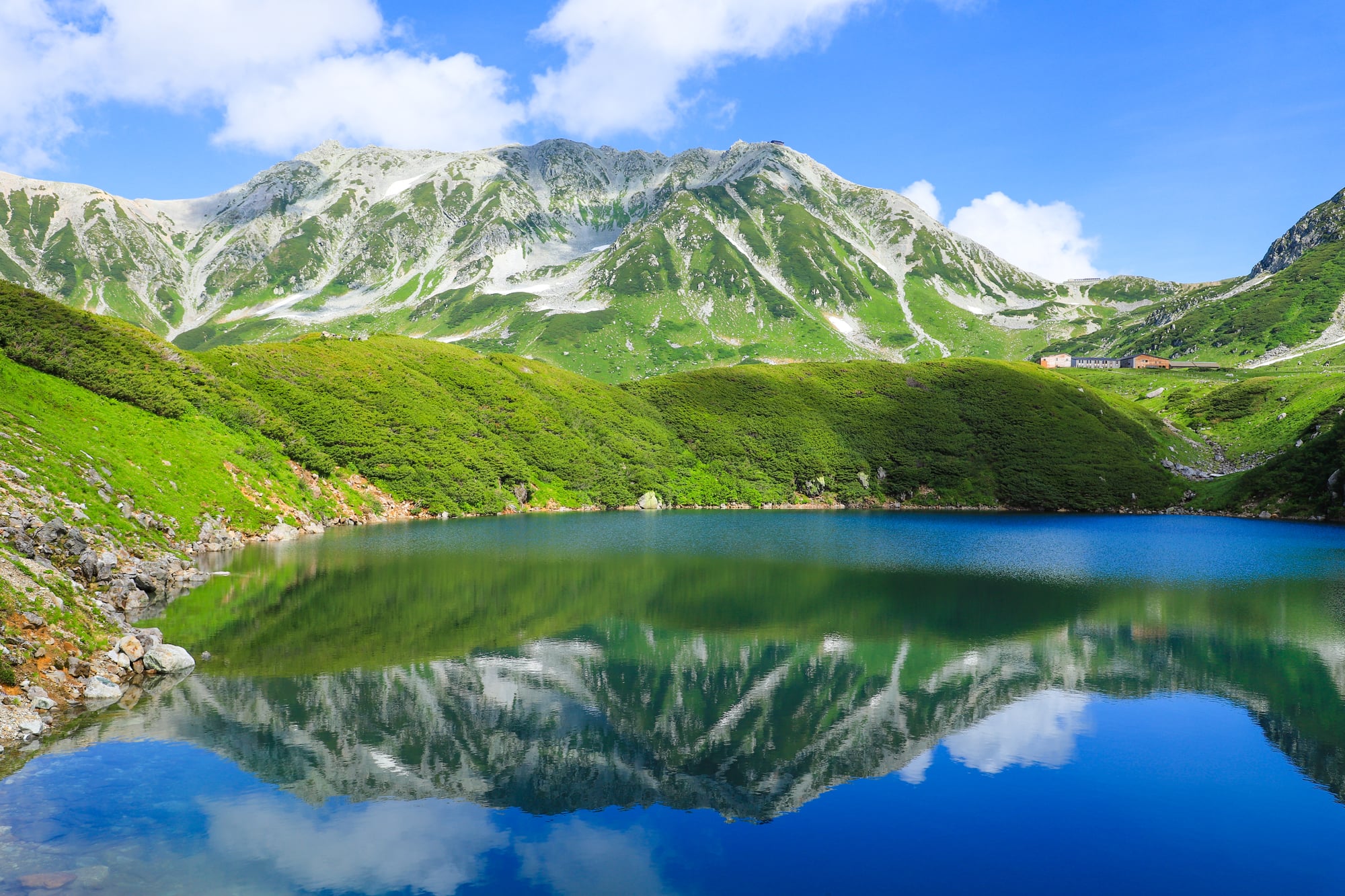
Murodo deserves time between connections. In spring it's the snow corridor. In summer and autumn, open walking paths lead to Mikurigaike pond, with Mt. Tateyama behind it. The lake is about a 15-minute walk from the Murodo terminal's rooftop exit according to the operator's landmark guide; snow can cover it in spring, and path conditions matter. The Jigokudani walking route is closed because of volcanic gas, so follow the current notices in the terminal and stay on open paths. This is the Murodo area, not the snow monkey park near Yudanaka.
The Tateyama Tunnel Electric Bus runs about 10 minutes through the mountain to Daikanbo. It replaced the trolley bus in April 2025. From Daikanbo the Tateyama Ropeway takes about 7 minutes down to Kurobedaira. There are no support towers in between, so nothing blocks your view of the valley below. Then the underground Kurobe Cable Car drops to Kurobeko Station in roughly 5 minutes.
From Kurobeko Station you walk across the top of the dam. The dam observation deck is reached by 220 steps from Kurobe Dam Station; it is an extra climb, not a requirement for every visitor. The official sightseeing water-release period is June 26–October 15, subject to conditions. The spring Snow Wall trip and the dam's water-release season are different experiences; you should not expect both on an April or May visit. On the far side, the Kanden Tunnel Electric Bus reaches Ogizawa Station in about 16 minutes, and a local bus goes on to Shinano Omachi Station in around 40.
Compare the 11-day cultural route
View all →Snow Walls and the Snow Corridor: When to Go
The snow corridor, called Yuki-no-Otani in Japanese ("great valley of snow"), is a stretch of the highland road near Murodo that's cut out of the winter snowpack. The Japan National Tourism Organization describes a walking section of roughly 500 m between the walls. In 2026, the Snow Wall Walk ran from April 15 to June 25, with published hours of 9:30 a.m.–3 p.m. The operator's April 15 opening report recorded a height of 12 m. Heights change with the winter snowfall and the spring thaw; they are not a fixed feature to promise for your travel date. The 2027 event dates were not confirmed in the official announcements checked for this article.
The early spring weeks usually offer taller snow walls. Opening-season travel and Golden Week can also mean longer queues. As the season progresses, the walls melt and the walking conditions change; a later visit should not be planned around the same wall height. Conditions can still feel wintry in spring, with snow underfoot. Pack warm layers, a weatherproof outer layer, grippy footwear and sunglasses for the glare; check the mountain forecast rather than dressing for Toyama's weather.
Winter vs Other Seasons on the Kurobe Alpine Route
- Winter: The route closes for the winter break. The confirmed 2026 operating period was April 15–November 30; do not treat those dates as a confirmed 2027 calendar.
- Spring (typically mid April to late June): Snow corridor season, with event dates confirmed separately each year. Plan extra time around the opening and Golden Week.
- Summer: Alpine flowers, walks from Murodo and the dam discharge are the draws. Remaining snow, rain and cloud still affect walking plans; allow time for the stops you want instead of expecting a clear view at a particular hour.
- Autumn: The operator's typical foliage progression starts at Murodo in mid-September, reaches Daikanbo in late September and Kurobedaira in early October, then the dam around mid-October and Bijodaira later in October. Actual timing varies. The November 2026 winter-schedule notice warns that snow can suspend the Highland Bus, especially from mid-November, and recommends the Ogizawa entrance for that late-season period.
Tickets, Booking Rules and Busy Days
For independent ticket purchases, start with the official WEB ticket information. Two legs need a set boarding time: the Tateyama Cable Car from Tateyama Station and the Kanden Tunnel Electric Bus from Ogizawa. Advance seats are limited. Booking and cancellation deadlines differ by ticket type, including discounted tickets; read the conditions of the product you select. Other connections follow the timetable and boarding queues. If you get off the Highland Bus at Midagahara or Tengudaira, follow the operator's instructions to reserve your onward bus before continuing your walk.
The ticket FAQ says same-day tickets can remain on sale even when WEB tickets are sold out, but the departure time you want may be full and additional waiting may be necessary. Opening-season dates, Golden Week, Obon and autumn holiday weekends need extra time. Check current sales restrictions and the last useful onward connection before relying on a ticket bought that morning.
Check the official fare table for the exact endpoints before purchase. The mountain transport is outside the nationwide Japan Rail Pass coverage. A separate regional pass can be a different product; do not assume that owning a JR Pass or an IC card pays for the crossing. The four packages compared here already list the Alpine Route transportation they include, so ask before buying an additional ticket for the same journey.
DIY ticket prices: compare the same endpoints
These are 2026 regular adult fares in Japanese yen, from the operator's fare table, dated February 27, 2026 and checked November 9. Adult means age 12 and over. They are transport fares, not hotel packages, and they should not be treated as confirmed 2027 prices.
| Ticket endpoints | Journey | 2026 adult reference fare |
|---|---|---|
| Tateyama Station → Ogizawa | One way across the mountain section | ¥10,940 |
| Dentetsu Toyama → Ogizawa | One way, including the approach train from Toyama | ¥12,360 |
| Dentetsu Toyama → Shinano-Omachi | One way, including the bus beyond Ogizawa | ¥14,360 |
| Tateyama Station ↔ Murodo | Return journey to the plateau | ¥7,380 |
Use the exact start and finish when comparing a ticket, pass or tour. A cheaper fare may cover fewer legs. Check the current price, child fares and ticket conditions for your departure date before purchasing.
Luggage: separate the crossing from the delivery plan
Large suitcases make repeated transfers harder. The Alpine Route operator has a seasonal same-day baggage service between specified hotels and counters on the Toyama/Tateyama and Shinano-Omachi/Omachi Onsen sides. Its published 2026 season ended November 8. That service did not automatically extend to every hotel in Matsumoto or Nagano, and its 2027 dates and arrangements need a fresh check. The operator also warns that severe weather or road conditions can delay or suspend the service.
Our packages use the city-to-city delivery legs listed in the itinerary comparison above. For the 11-day trip, your main suitcase travels from Tokyo to Kanazawa while you spend nights in Matsumoto and Toyama. On the 12-day trip, it goes from Takayama to Tokyo while you stay in Toyama and Yudanaka. Keep medication, travel documents, valuables, mountain layers and what you need for those nights in your smaller bag. Confirm collection times, delivery timing and any item limits in your final travel documents.
Whole-trip prices: what your quote needs to cover
The ranges below come from the published 2027 customer price calendars, checked November 9, 2026. They are in US dollars, per person with two people sharing a room (double occupancy), for the entire trip. A calendar entry is a reference fare, not a live room-availability result. The ranges cover the priced 2027 departure dates. These are trip start dates: the Alpine Route crossing takes place on day four or day nine, depending on the itinerary.
| Tour | Days / nights | Published reference departures | 2027 USD per person |
|---|---|---|---|
| NT105 — Alpine Routes & Cultural Japan, spring | 11 / 10 | April–May | $3,000–4,000 |
| NT005 — Alpine Routes & Cultural Japan | 11 / 10 | June–November | $3,000–4,000 |
| NT104 — Alpine Wonders of Central Japan, spring | 12 / 11 | April–May | $5,200–6,100 |
| NT004 — Alpine Wonders of Central Japan | 12 / 11 | June–October | $5,100–6,600 |
Interested in a tour? Click a route code above, or search for it in the top-right Search bar.
See the published NT105 price calendar, NT005 price calendar, NT104 price calendar and NT004 price calendar. The listed 2027 departure dates do not replace the Alpine Route operator's own operating-calendar announcement.
All four include the transportation needed to travel through the Alpine Route, their specified intercity journeys, accommodation and breakfast. International flights, accommodation tax, unlisted meals, unlisted transport, personal expenses and attraction admission not specified in the itinerary are extra. Ask for the total for your actual party: a solo room, a family room or children's arrangements cannot be priced by multiplying the double-occupancy range.
When comparing prices, compare the full itinerary as well. The higher-priced 12-day trip includes more chartered sightseeing, an extra night and three dinners. It is a different journey, not simply the same crossing with a hotel upgrade.
More mountain scenery and hot spring nights
Ready to experience Japan? These carefully selected tours match the destinations and experiences mentioned in this article.
Alpine Wonders of Central Japan
12-day alpine tour (June–Oct): Mt Fuji, Kamikochi hiking, Shirakawa-go, and Tateyama Kurobe Alpine Route through Japan's mountainous heartland.
Alpine Wonders of Central Japan
12-day spring alpine tour (Apr–May): Mt Fuji, Kamikochi, Shirakawa-go, and Tateyama's famous 20-metre snow corridor. A seasonal spectacle.
Can You Do It as a Day Trip? Three Realistic Plans
1. One-way crossing, Toyama to Nagano. Spend the previous night in Toyama city, take an early morning train to Tateyama and aim to reach Ogizawa by mid-afternoon. From Shinano Omachi, the JR Oito Line runs to Matsumoto, and there's also an express bus between Ogizawa and Nagano. Check the time of the last bus from Ogizawa before you book a late cable car.
2. Out-and-back to Murodo from Toyama. This works best when the snow corridor is the whole point. You go back to the same hotel and skip the luggage problem completely.
3. Out-and-back to Kurobe Dam from the Nagano side. In summer this gets you the dam discharge from Shinano Omachi Station without doing the full journey.
For a full crossing, our recommendation is to stay near the route the night before and plan the next overnight stop on the far side. Adding long-distance rail from Tokyo or Kyoto before the mountain journey leaves less flexibility for queues, weather and the last onward bus. A partial return trip is a different plan from crossing the entire route.
Worth the Detour: Shomyo Falls, Japan's Tallest Waterfall
Shomyo Falls drops about 350 m and is Japan's tallest waterfall. A seasonal bus from Tateyama Station takes about 15 minutes, and then it's around a 30-minute walk to the viewpoint. During the spring snowmelt, Hannoki Falls appears right beside it. Treat it as a separate outing, subject to the seasonal bus and path opening. It is not included in the four published itineraries compared here.
Tateyama Kurobe Alpine Route Tour or Self-Guided Crossing?
A Tateyama Kurobe Alpine Route tour can mean a guided day excursion or a longer Japan trip that includes the crossing. Check the start and finish, included transport, overnight stays and whether a guide accompanies you before comparing prices. A one-day sightseeing ticket and an 11-day Japan package are not equivalent purchases.
Self-guided travel suits people who are comfortable making the connections themselves. The planning work is choosing the season, arranging the overnight stops and sorting out luggage. The four published packages compared here include specified transport, trip documents and a loaded IC card; they do not include an accompanying tour guide. If you would like local guiding, ask about the availability and cost of that optional service.
Common Tateyama Kurobe Alpine Route Mistakes
- Driving in. Private cars cannot cross between Tateyama Station and Ogizawa. Plan a return journey or arrange a separate vehicle-transfer service; using trains avoids that extra arrangement.
- Dressing for the valley floor. Murodo is much colder than Toyama, even in summer.
- Hauling suitcases through every transfer. Send them ahead.
- Booking an afternoon cable car in April. If you hope to walk the snow corridor, arriving in the afternoon leaves you little time before the walk closes for the day.
- Starting from either side without checking the first departure. Reserve where possible, and allow time for ticket collection and the approach journey. Do not change direction without also checking the hotels and onward connections.
- Planning around Jigokudani. The Murodo valley path is closed because of volcanic gas. Choose an open path around Mikurigaike only when the conditions suit your group.
Turning Tateyama Kurobe into a Real Japan Itinerary
The route sits neatly between the Hokuriku coast and central Japan. Here's a simple three-day block:
- Day 1: Hokuriku Shinkansen to Toyama, overnight in Toyama city. Kanazawa is a short shinkansen hop away.
- Day 2: Cross the route and finish in Matsumoto or Nagano.
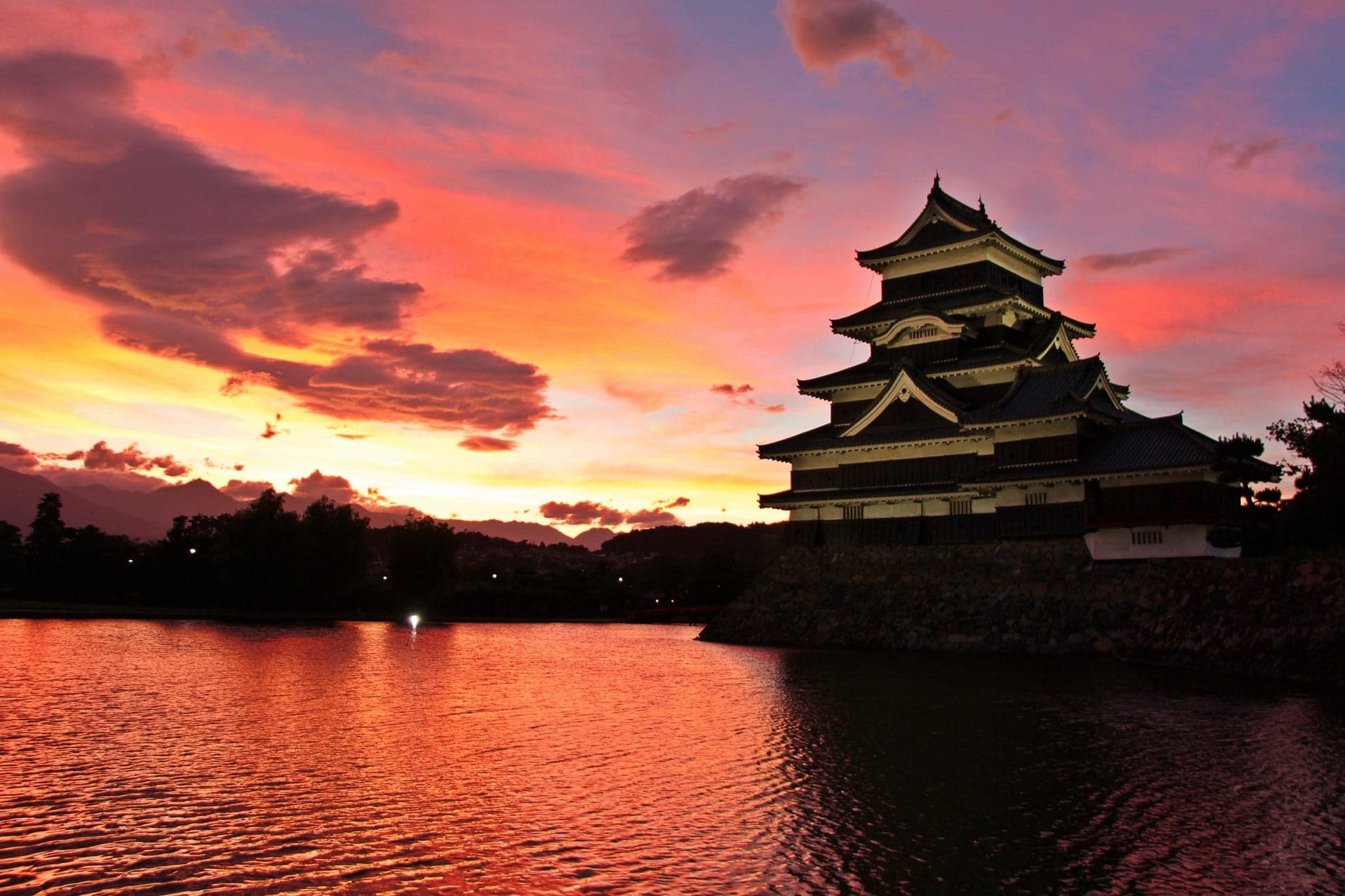
- Day 3: Visit Matsumoto Castle, or take the Hokuriku Shinkansen from Nagano back to Tokyo.
Staying at mountain accommodation around Murodo is another way to split a DIY visit, but none of the four packages compared here includes that overnight stay. For the journey itself, bookmark the operator's current notices and timetables, and check the mountain forecast before travel.
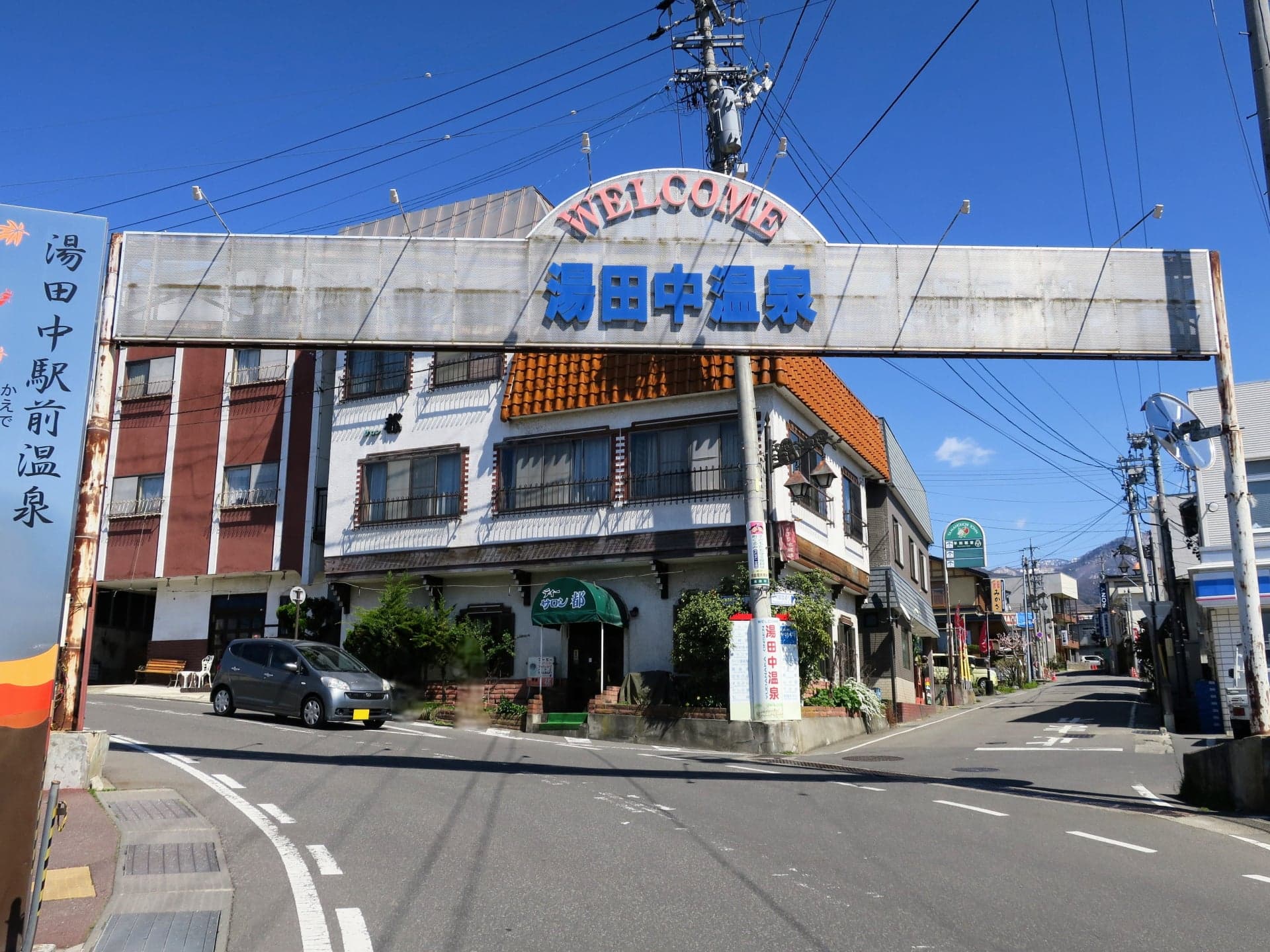
For the nights around the crossing, our guides to Matsumoto, Kanazawa and Yudanaka Onsen can help you compare where you want more time. If the mountain route appeals, also read about Takayama and Shirakawa-go before choosing between the two itineraries.
Plan your Alpine Route trip in four steps
- Choose the direction around your other cities. Write down the place you will leave and the place you want to reach afterward. Matsumoto → Toyama points toward Kanazawa and Kyoto; Toyama → Nagano fits the mountain-and-onsen route back to Tokyo.
- Choose the month around the scenery you want. Spring snow walls, summer walks and autumn foliage are different experiences. For 2027, check the operator's published opening, event and transport details before treating a date as confirmed.
- Arrange the overnight stops and luggage together. Check the nights before and after the crossing, then identify where the large bag is delivered and what you must carry. Share any difficulty with stairs, long waits or walking on snow before choosing a route.
- Request a quote for the published trip that fits. Add your approximate month, number of travelers, children's ages, whole-trip length and other cities below. We can check the relevant departure, rooms and costs; the form lets you review the details before you send your inquiry.
Which Alpine Route trip fits your plans?
Choose the published itinerary you are considering, then add your month, party and other cities. Review the details in the inquiry form before sending.
Alpine Routes & Cultural Japan — spring itinerary
Tokyo to Osaka, 10 nights. Cross from the Matsumoto/Nagano side to Toyama on day 4, then continue through Kanazawa, Kyoto and Nara. The published spring calendar needs date and room confirmation.
View published itinerary (NT105)Tour itineraries are fixed. We will confirm dates, rooms and any extra services in your quote. You can review your request before sending.
Japan trips with the Alpine Route included
Compare the published itineraries, then ask about the departure and room arrangement for your party.
Would you like to include the Alpine Route in a Japan trip with the hotels, specified transport and luggage arrangements already planned? Get in touch through Plan My Trip on our self-guided tours site, and we’ll suggest the tours that best fit your dates and plans.
FAQ
When can you see the snow walls?
The 2026 Snow Wall Walk ran from April 15 to June 25. The walls change with snowfall and the spring thaw. The 2027 event dates were not confirmed in the official announcements checked on November 9, 2026, so confirm those dates before booking a trip specifically for the snow corridor.
How long does the entire route take?
The operator's English FAQ gives 6–8 hours between Tateyama Station and Ogizawa with transfers and sightseeing. Add the approach from your hotel, any onward bus or train and extra time on crowded dates.
Do I need tickets in advance?
Advance booking is useful, especially for spring and holiday dates. The first cable car from Tateyama or electric bus from Ogizawa has a designated boarding time. Same-day tickets may remain even if WEB tickets sell out, but your preferred departure is not guaranteed.
Which direction is better?
Choose the direction that fits your overnight stops and onward cities. Our 11-day cultural itinerary goes from the Matsumoto/Nagano side to Toyama; our 12-day mountain itinerary crosses from Toyama toward Nagano and continues to Yudanaka. Check seasonal operating advice before booking.
What is the difference between the 11-day and 12-day packages?
The 11-day NT005/NT105 itinerary travels from Tokyo to Osaka, crossing from Matsumoto toward Toyama before Kanazawa, Kyoto and Nara. The 12-day NT004/NT104 itinerary starts and finishes in Tokyo, includes more mountain and hot spring stops, and crosses from Toyama toward Nagano before a chartered transfer to Yudanaka. They differ in route and inclusions; the spring codes do not mean a hotel upgrade.
Is luggage forwarding included in these tours?
The specified city-to-city deliveries are included: Tokyo to Kanazawa and Kanazawa to Osaka on the 11-day itinerary; Tokyo to Matsumoto and Takayama to Tokyo on the 12-day itinerary. Carry a smaller bag for nights away from your main luggage and confirm the collection and delivery details in your travel documents. This is separate from the Alpine Route operator's seasonal same-day baggage service.
Are the 2027 prices confirmed bookings, and what is extra?
The article quotes published 2027 calendar ranges per person based on double occupancy. They are reference prices, not confirmed room availability or a booking. Request a quote for your date and party. International flights, accommodation tax, unlisted meals and transport, personal expenses and attraction admission not specified in the itinerary are extra; the optional Shirakawa-go taxi on the 11-day trip is also extra.
Destinations Mentioned in This Article
Related Articles
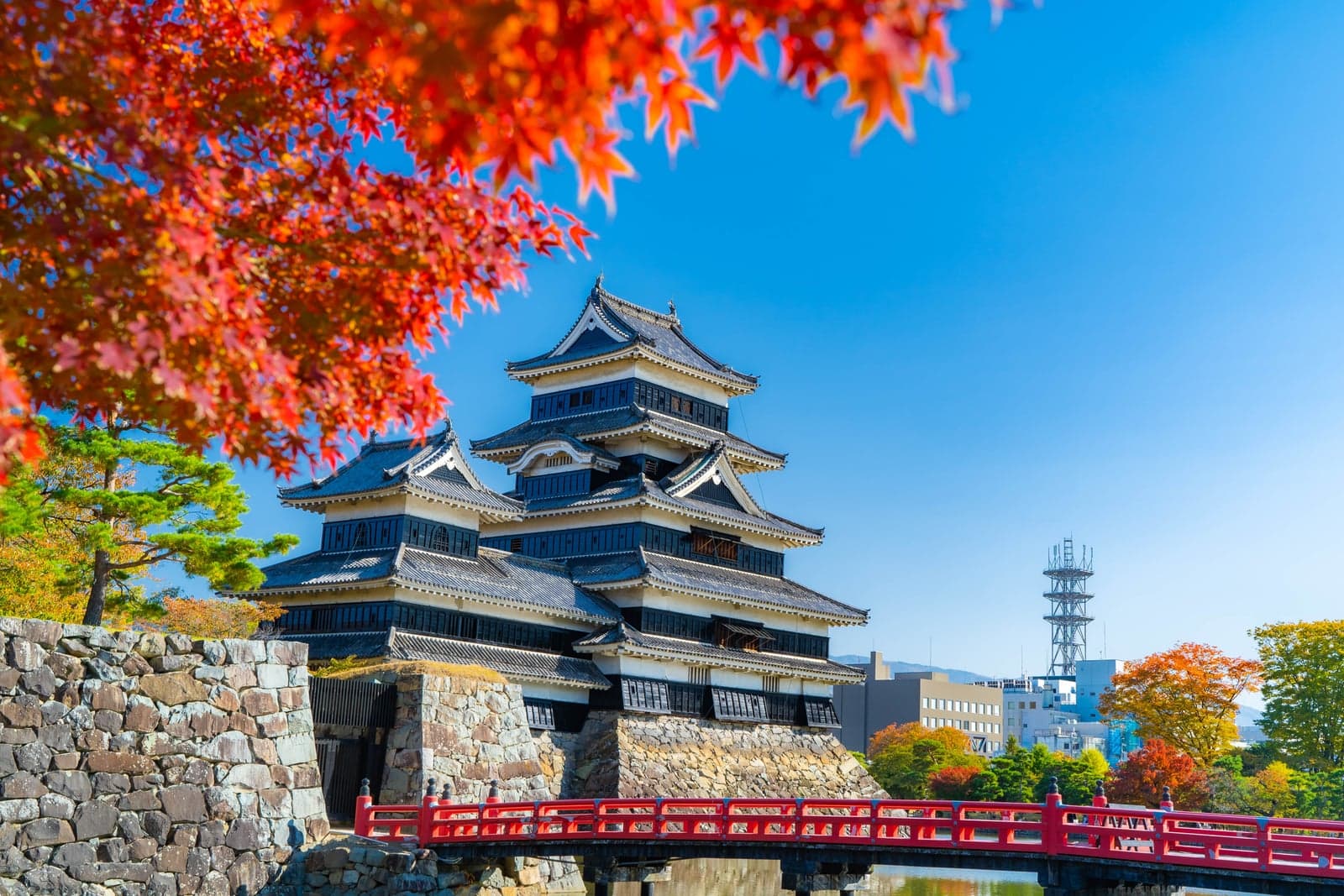
Things to Do in Matsumoto: Castle, Old Streets & a One-Night Stop
15 min read
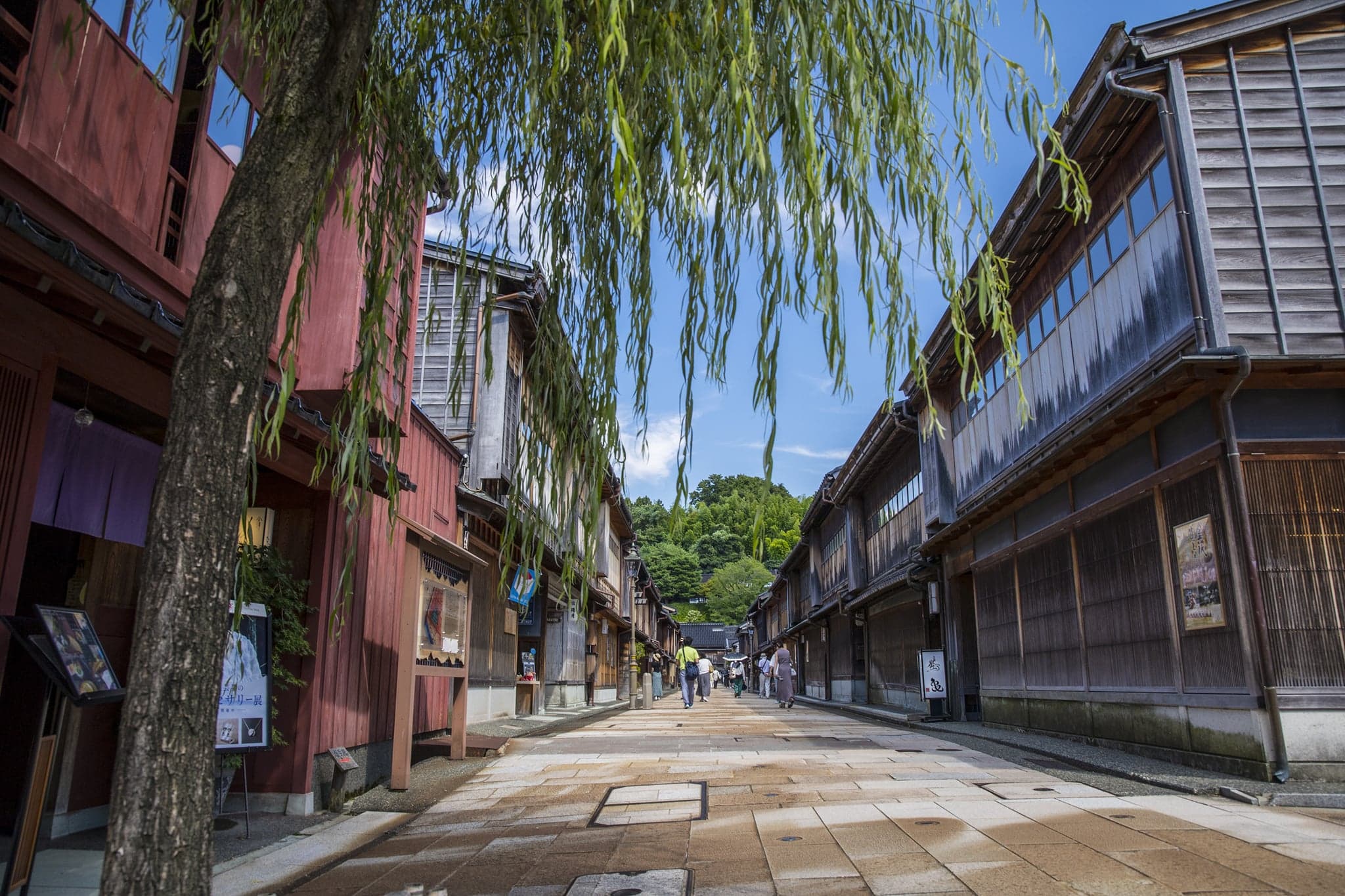
Things to Do in Kanazawa: Kenrokuen, the Samurai and Geisha Districts, Omicho and a Two-Day Plan
14 min read
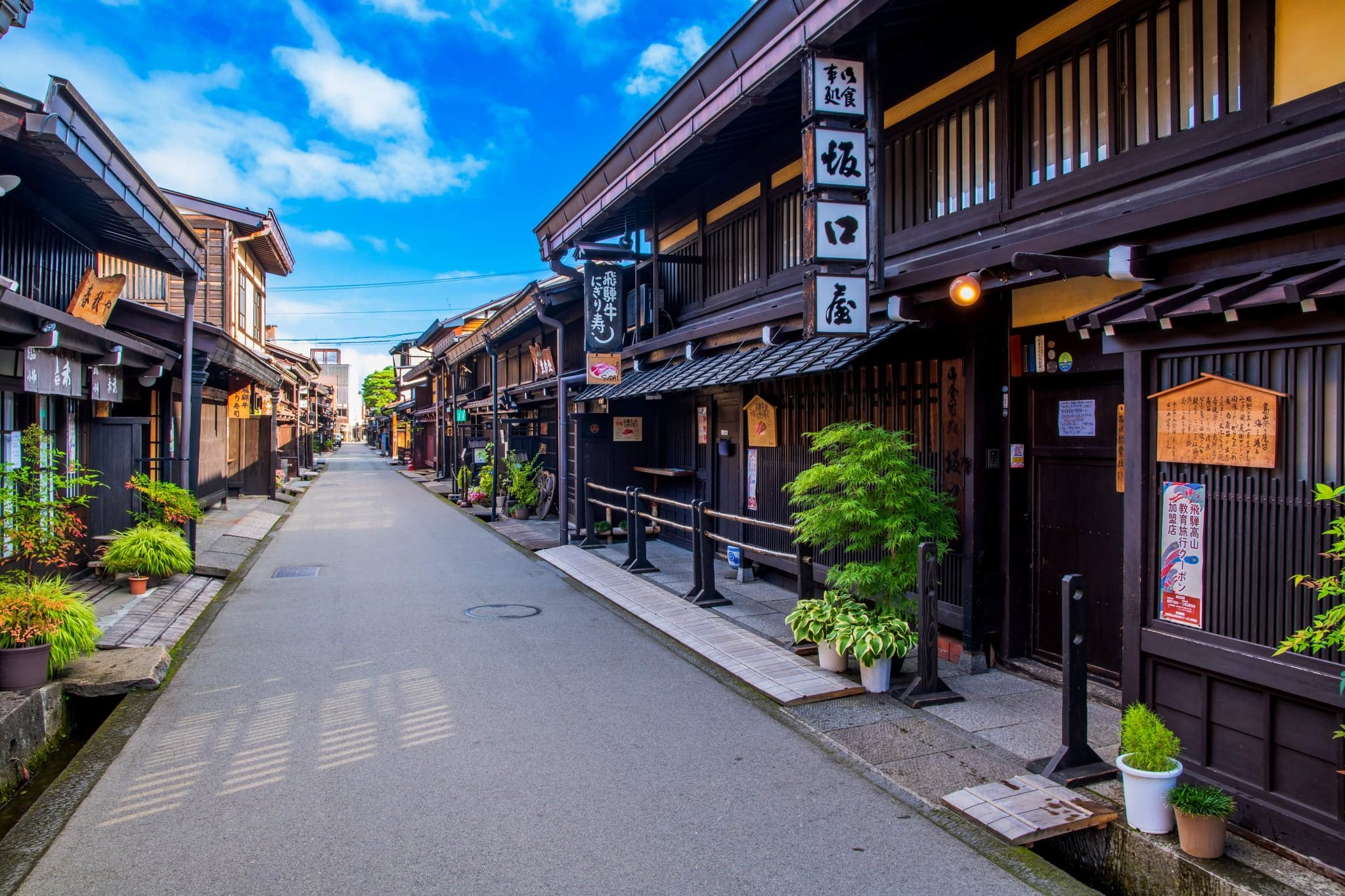
Takayama, Japan: The Hida Old Town, Its Morning Markets, and How to Fit It Into a Trip
11 min read