Tokyo in January: Weather, New Year Closures, Sumo and a Realistic 5-Day Plan
Cold, clear days, the New Year shutdown, sumo at Ryogoku and the lights that stay on after Christmas, with a five-day plan for mid-January.
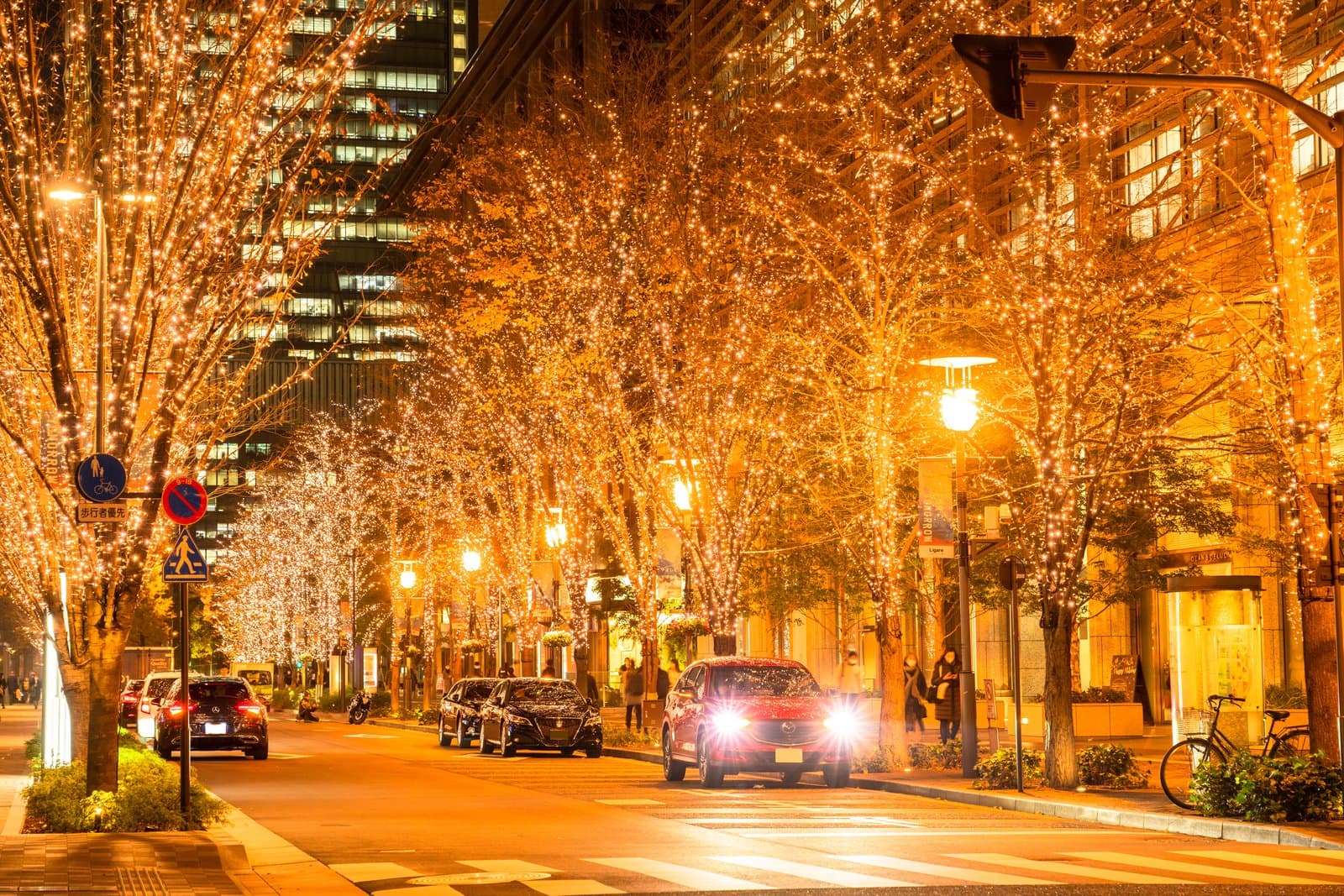
Tokyo Station's Marunouchi side after dark. Sunset comes before 5 pm in early January, so evenings start early.
Last updated: November 25, 2026. Weather normals, New Year closures, event dates and illumination schedules checked on November 24, 2026. Tour prices taken from the booking calendar on November 24, 2026.
Tokyo in January is cold, dry and bright. Mornings start near freezing, afternoons reach about 10°C, and the sky is often clear blue for days in a row. It rarely rains. If you're fine wearing a proper coat and finishing your evenings a little earlier, January is one of the easiest months to see the city.
The catch is the first three days of the month. January 1–3 is the heart of shogatsu, Japan's biggest holiday. Shrines are packed, many museums and gardens close, and department stores reopen on their own schedules with New Year sales. After that the city goes back to work and the crowds thin. Then from January 10 to 24, 2027, the January Grand Sumo Tournament fills Ryogoku Kokugikan.
The short answer is yes: January works well for a first or repeat trip, as long as you plan around New Year instead of arriving right in the middle of it. This guide covers the day-to-day weather, what's closed and when, the events worth building a trip around, and a 5-day plan with indoor backups for the coldest days.
Quick Answer: Tokyo in January
- Weather: dry and sunny, with highs near 10°C and lows near freezing; snow in the city is uncommon
- January 1–3: shrines are packed and many museums, gardens and small restaurants close
- Events: Coming of Age Day on Monday, January 11, 2027, and the Grand Sumo Tournament at Ryogoku Kokugikan from January 10 to 24
- Lights: Marunouchi's illumination runs until February 14, 2027, after most Christmas displays end
- Our packages: GR508 (nine days from Tokyo to Osaka, with a Hakone night) has January 2027 departures from US$4,300 for two adults; online booking closes 40 days before departure
Check January dates for nine days from Tokyo to Osaka
Tokyo, Hakone & Kyoto: Japan’s Classic Escape
The Golden Route: Tokyo Start, Osaka Finish
Ready to Book. Pay Within 7 Days to Confirm.
Black Friday Sale20% comes off these prices when you book online by November 30. The discount is already in the total shown on the tour page.See sale tours
Tokyo, Hakone & Kyoto: Japan’s Classic Escape
9 days / 8 nights. Tokyo 3 nights, Hakone 1, Kyoto 2, Osaka 2, with daily breakfast, one dinner and a Hakone Freepass. From US$4,300 for two adults on January 14, 2027.
Black Friday Sale20% comes off these prices when you book online by November 30. The discount is already in the total shown on the tour page.See sale tours
Check dates & prices — GR508These are multi-day Japan trips. Choose your departure date and room on the tour page to check the current price and availability. Optional day tours cost extra.
These are whole-trip itineraries with two adults sharing one twin room in the examples. The calendar on each tour page shows the dates that are still open.
Should You Visit Tokyo in January?
For most people, yes. Here's who gets the most out of it.
January suits first-timers who'd rather walk all day in crisp air than sweat through a humid summer. Sumo fans, obviously. It also suits travelers who want to see New Year customs without spring's crowds, and anyone pairing Tokyo with snow, onsen or the snow monkeys to the north. Mid and late January can also be good for your budget, because hotel rates tend to drop once the New Year rush is over.
It's a weaker fit if you really dislike the cold, if you want flowers or autumn leaves (neither is in season), or if your only free dates are December 31 to January 3. Those dates can still be fun. They just make for a different kind of trip.
Tokyo's January Weather, Day to Day
Expect dry and sunny, not grey and drizzly. Tokyo weather in January is driven by the seasonal winter wind from the northwest. It drops heavy snow on the Japan Sea side of the country, then reaches Tokyo dry and cold, which is why the skies here stay clear for days.
A typical day starts frosty, warms up by late morning, and feels pleasant for an hour or two after lunch if you're in the sun. Then the temperature falls quickly once the sun drops behind the buildings. Sunset is around 4:40 pm at New Year and only a little after 5 pm by the end of the month. Plan your outdoor sightseeing for daylight.
Average High, Low, Rain and Sunshine (JMA 1991–2020 Normals)
Here are the Japan Meteorological Agency's climate normals for central Tokyo in January:
- Average high: 9.8°C (49.6°F)
- Average low: 1.2°C (34.2°F)
- Average daily mean temperature: 5.4°C (41.7°F)
- Average precipitation: 59.7 mm for the whole month
- Average sunshine: 192.6 hours, or a little over six hours a day
With an average low of 1.2°C, plenty of nights hover around freezing, and you'll often see frost on park lawns first thing. The daily temperature range is wide at about 8–9 degrees, so 8 am and 2 pm can feel like different seasons. Wind matters too. In the shade of an office tower on a breezy day, it feels several degrees colder than the forecast says.
What about rain? Not much. Sixty millimeters in a month is low for Tokyo: June, July and September each get two to nearly four times that. Snow in the city center is uncommon, and GO TOKYO calls the chance small. Some winters do get a light fall, though, and when snow settles, even a few centimeters can slow the trains.
GO TOKYO also notes that mid to late January is usually the coldest part of the year. Pack for that.
What to Pack for Cold Mornings and Wind
Several layers work better than one huge coat. Trains, shops and restaurants are well heated, so you'll be taking things off and putting them back on all day.
- A warm, windproof coat (down or padded is ideal)
- Thermal base layers for early starts and walks at night
- Gloves, a scarf and a hat for the illuminations
- Comfortable shoes, because there's a lot of walking
- Lip balm and moisturizer, since the air is very dry
Disposable heat packs (kairo) are sold in convenience stores and drugstores, and they help a lot in a long shrine queue.
New Year's Day to January 3: What's Closed and Where the Crowds Are
Shogatsu is when the country slows down. Many people take roughly December 29 to January 3 off and go home to family. In 2027, the return rush into Tokyo should peak around January 2 and 3, since work restarts on Monday, January 4. Office districts go oddly quiet, while shrines, temples and shopping streets get very busy.
If your trip starts on December 31 or January 1, that's fine. Treat the first days as a chance to see New Year customs, not as a schedule of museums and shopping.
Hatsumode: The First Shrine Visit of the Year
Hatsumode, the first shrine or temple visit of the year, is the main event. GO TOKYO names Meiji Jingu and Senso-ji as two of the top spots, and both draw huge crowds over the first three days. Expect long, slow lines managed by police, especially around midnight on New Year's Eve and all through New Year's Day.
The easier option is to go early in the morning on January 2 or 3, or wait until January 4 or later. The fortunes, charms and food stalls stay for the first weeks of the month, and you'll actually be able to see the shrine. Smaller neighborhood shrines are much calmer and often more atmospheric.
The Emperor's New Year Greeting on January 2
On January 2, the Imperial Palace opens its inner grounds for the New Year public greeting (Shinnen Ippan Sanga). The Emperor and members of the Imperial Family appear on a palace balcony several times during the day. In 2026, entry ran from 9:30 am to 2:10 pm, with about five appearances.
The 2027 times haven't been announced yet. Check the Imperial Household Agency website closer to the date, leave time for the security check, and carry as little as you can.
Shops, Museums, Gardens and Restaurants Over New Year
Here's what to expect:
- Department stores: Most close on January 1. Many reopen on January 2 for hatsuuri, the first sale of the year. Some big names open later: in 2026, Daimaru Tokyo and Takashimaya waited until January 3, and Daimaru Tokyo lists January 1 and 2 as its closing days. Check each store's 2027 notice in late December.
- Most shops in malls follow similar dates. Small independent shops may stay closed for several days.
- Museums: Many close from around December 28 or 29 until at least January 1. The Tokyo National Museum is an exception this year: it's closed December 26–31, 2026, then opens on Friday, January 1, 2027, from noon to 8 pm.
- Gardens: Tokyo's metropolitan gardens, including Hama-rikyu and Rikugien, close from December 29 to January 1.
- Restaurants: Family-run places often close for a few days. Chains, hotel restaurants and station food halls mostly stay open, some with reduced hours.
- Convenience stores: Open as usual, so they're your backup for food late on New Year's Day.
Trains run on holiday timetables, and some may run reduced hours around the holiday. Railways announce any special New Year's Eve service in December.
Best Things to Do in Tokyo in January
Once the holiday is over, January has a good run of events, and a few happen only at this time of year.
New Year Sales and Fukubukuro Lucky Bags
Fukubukuro are sealed "lucky bags" sold from the first shopping day of the year. The contents are worth more than you pay. Department stores, fashion brands and even coffee chains take part. 2027 is the Year of the Sheep, and major department stores have announced bags full of gourmet and frozen food. Some popular bags are sold by reservation or online lottery before New Year.
Expect queues before opening at the popular stores on the first sale day. If waiting in the cold doesn't appeal, regular winter sales run through much of January with far less fuss.
Coming of Age Day: Monday, January 11, 2027
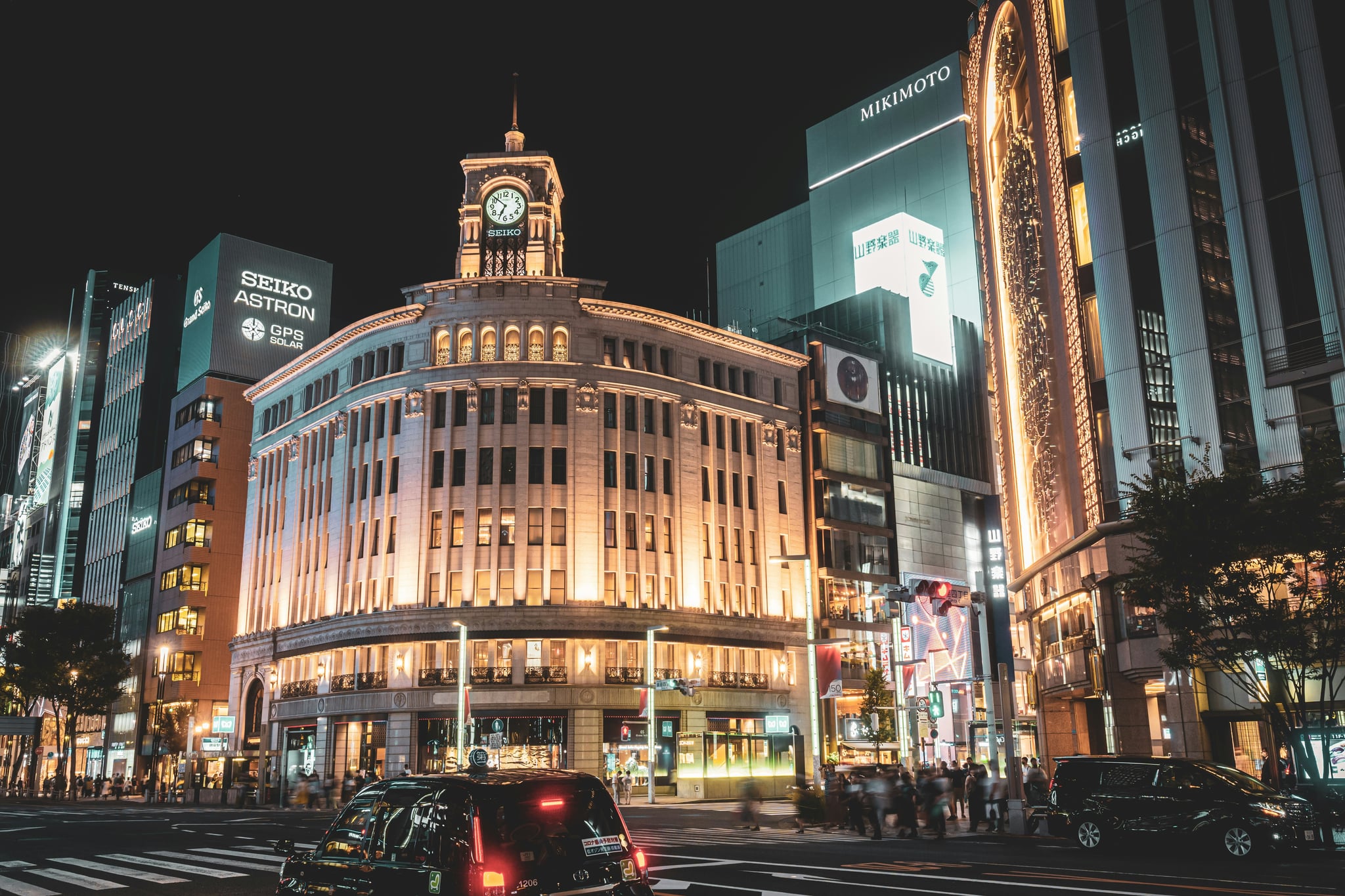
Coming of Age Day is a national holiday on the second Monday of January, which falls on January 11 in 2027. Local governments hold ceremonies for young adults, and you'll see many of them in furisode kimono and hakama around shrines, stations and city halls. It's a lovely thing to see. Please ask before taking photos.
In practice, January 9–11 is a three-day weekend. Expect busier sights, fuller restaurants and higher hotel prices than on the weekdays around it. Many museums that close on Mondays open on holiday Mondays and close the following day instead, so double-check before you go.
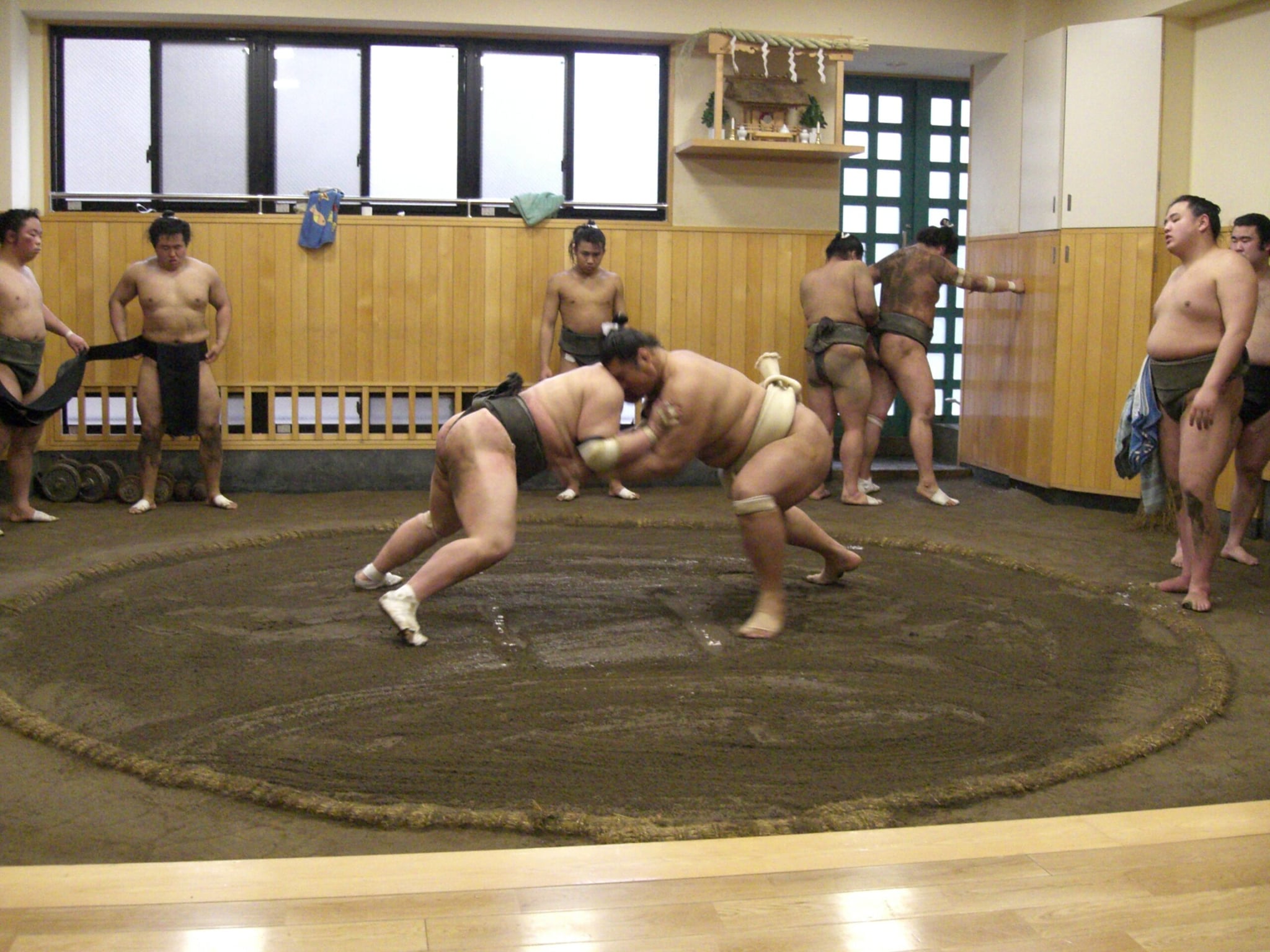
The January Grand Sumo Tournament (January 10–24, 2027)
This is the biggest event of the month. The January Grand Sumo Tournament runs for 15 days, January 10 to 24, 2027, at Ryogoku Kokugikan. It's a short walk from Ryogoku Station on the JR Sobu Line and the Toei Oedo Line.
General ticket sales open at 10:00 am Japan time on Saturday, December 5, 2026, through the Japan Sumo Association's official ticket site, which has an English version. Weekends and the final days sell out first, and days that sell out in advance have no tickets at the door. Ticket prices are revised from this tournament, so check the current seat prices when you buy. Bouts run all day, from the lower divisions in the morning to the top division in the late afternoon, so you don't need to arrive when the doors open.
Ryogoku is also the place for chanko-nabe, the hearty hot pot that sumo wrestlers eat. After an afternoon at the arena, it's the perfect dinner on a cold night. For seat types and how to buy, see our Grand Sumo January 2027 guide.
Gardens: Snow Ropes, Wintersweet and Early Plum
Tokyo's traditional gardens are quiet and photogenic in January. At Hama-rikyu, pine trees are rigged with yukitsuri (snow ropes) from late November through the winter, and the garden's flower calendar lists wintersweet for January. It's open 9:00 am to 5:00 pm, with last entry at 4:30 pm. The famous rapeseed blossoms usually don't peak until late February.
Koishikawa Korakuen has about 150 plum trees. Early varieties start flowering in December and the main bloom comes closer to February, so in January you'll see a few early blossoms, not a full display. Go mid-morning, when the sun is strongest.
Other January Events Held Annually
- Dezome-shiki (January 6): The Tokyo Fire Department's New Year review is held annually on January 6, with fire engine parades, rescue demonstrations and traditional acrobatics on tall ladders. In 2027 it starts at 10:00 am on Wednesday, January 6, at Tokyo Rinkai Disaster Prevention Park in Ariake. Both venues are new this year. Ceremony seats were allocated by lottery and applications have closed, but the exhibits at Ariake Garden (10:00 am to 3:00 pm) are free.
- Setagaya Boroichi (January 15–16): A flea market dating back to the 1500s, held annually on December 15–16 and January 15–16, whatever day of the week they fall on, along Boroichi-dori near the Daikan Yashiki. Crowds reach around 200,000 a day, so go early. In 2027 the January dates are a Friday and Saturday; confirm on the Setagaya City website.
- Daruma markets: GO TOKYO notes that daruma dolls are sold at market events around the city in January.
Best Places to See Winter Illuminations After Christmas
Many of Tokyo's winter illuminations end on December 25. Roppongi Hills' Christmas lights, including the Keyakizaka street, are scheduled for November 5 to December 25, 2026. Last season they were extended, but no extension has been announced this time. These continue into January 2027:
- Marunouchi Illumination: Champagne-gold lights on the street trees of Marunouchi Naka-dori, November 12, 2026 to February 14, 2027. They're on from 4:00 to 11:00 pm, and until midnight through December. It's about five minutes on foot from Tokyo Station and costs nothing.
- Tokyo Dome City winter illumination: a "SNOW DOME" theme this season, from November 19, 2026, 5:00 pm to midnight, with an end date listed as February 28, 2027. It's free to walk around.
- Yebisu Garden Place: The Baccarat display runs until January 11, 2027. Most of the other lights end on December 25, and only part of the illumination stays on until February 28.
- Tokyo Mega Illumination: at Oi Racecourse until January 10, 2027, on nights without races, 4:30 pm to 9:00 pm. It's closed December 24 to January 1, so January means a few nights at most, and it pauses after this season for redevelopment. Entry is paid.
- Yomiuriland Jewellumination: At the amusement park in Inagi, western Tokyo, October 29, 2026 to April 4, 2027. You need park admission, and hours vary by date. It's one of the largest displays in the Kanto region, but getting there takes up half an evening.
Note that dates and hours can change, so check each official site the week you go.
Late January: Coldest Weeks, Thinner Crowds
After the Coming of Age weekend, Tokyo gets noticeably calmer. Offices and schools are back to normal and the New Year visitors have left, so crowds thin at most big sights, except around Ryogoku on sumo days. For a city break on a budget, late January is often the best part of the month.
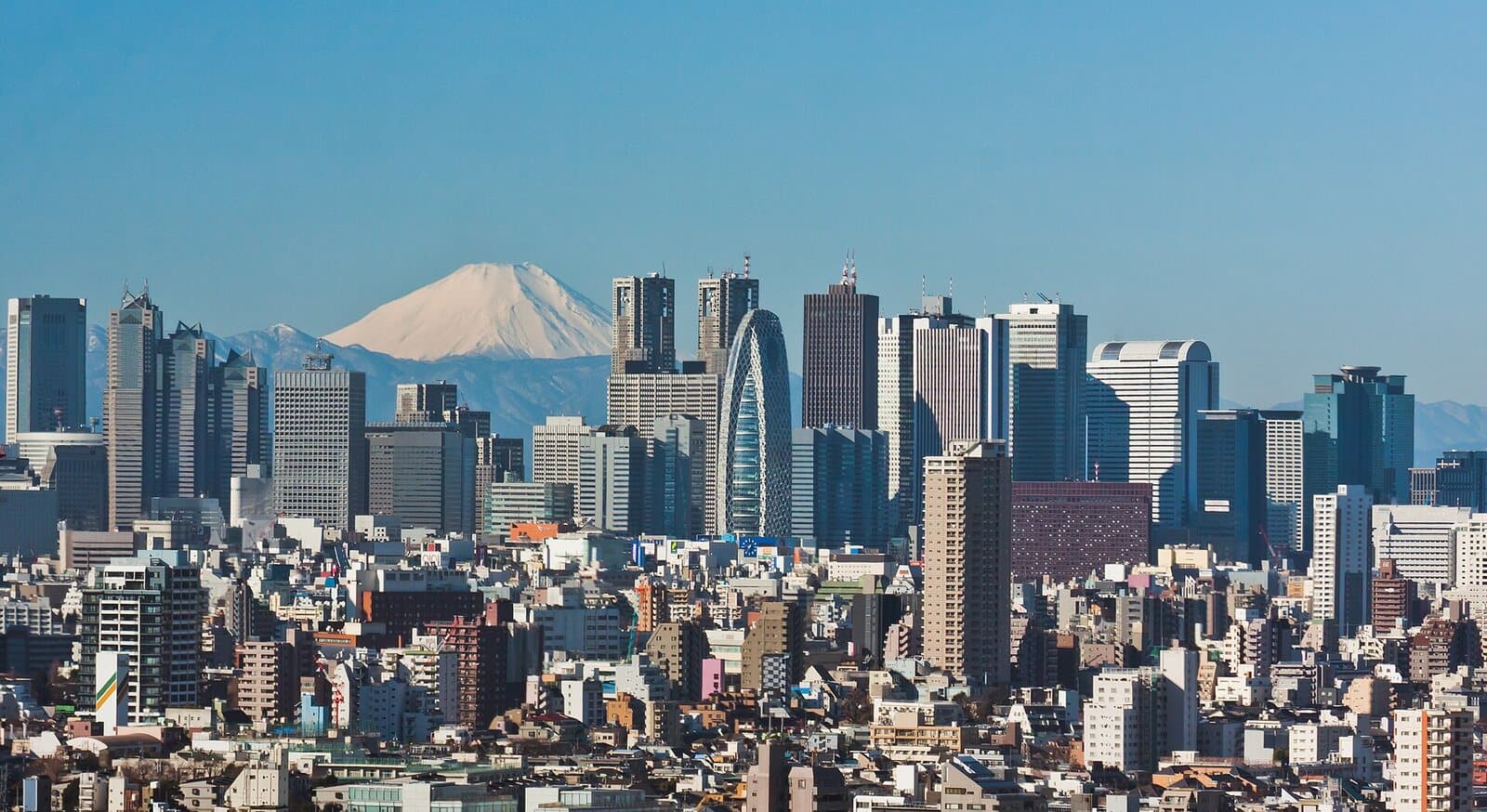
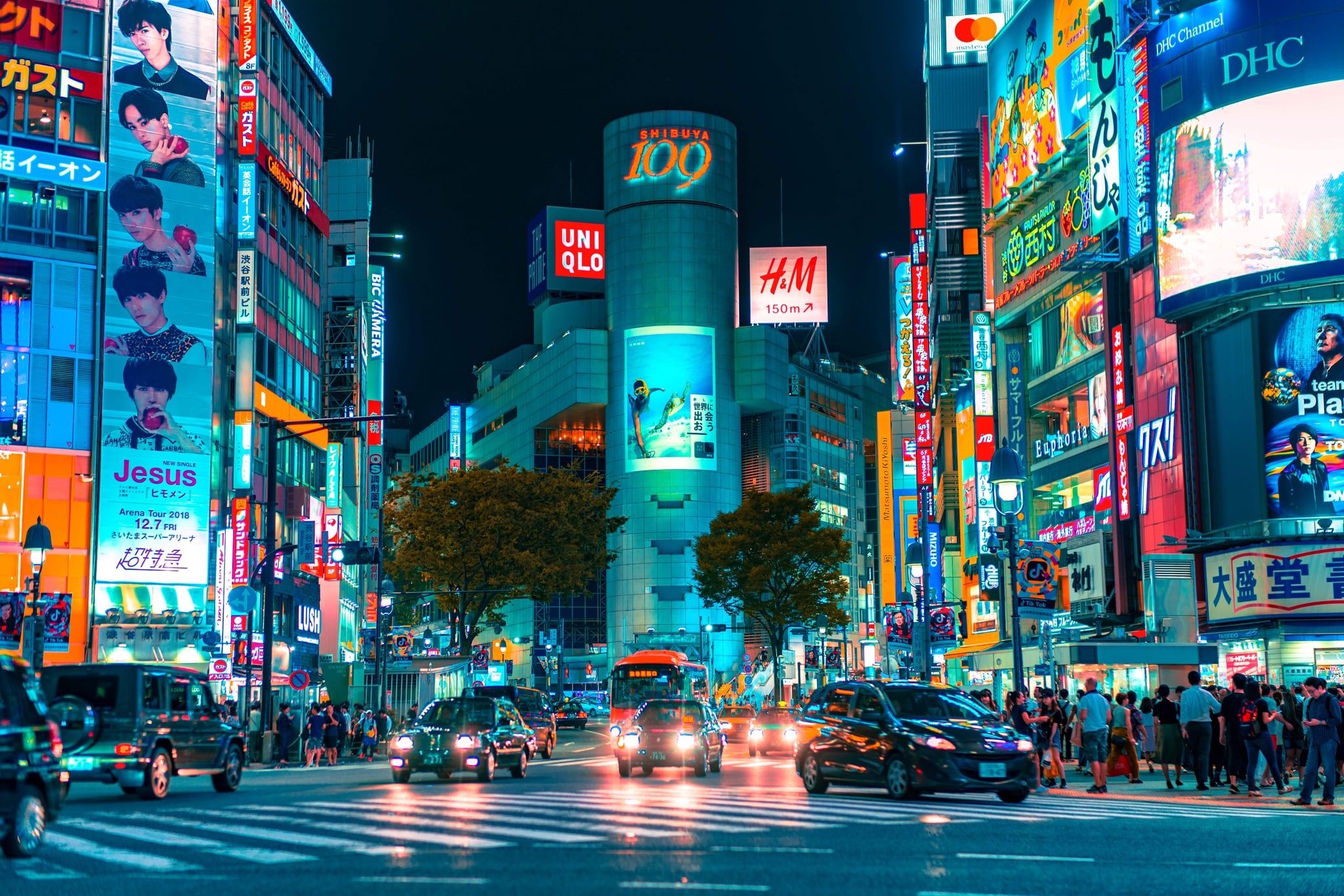
The trade-off is the cold. This is the chilliest stretch of the year, and a north wind can make Shibuya Crossing feel properly bitter at night. Spend more of your evenings indoors and save the views for midday. The upside is the clear, dry air, which gives some of the year's best views from observation decks. On good mornings, you can often see Mount Fuji.
In the last days of January, the first plum blossoms open and February's events are just around the corner.
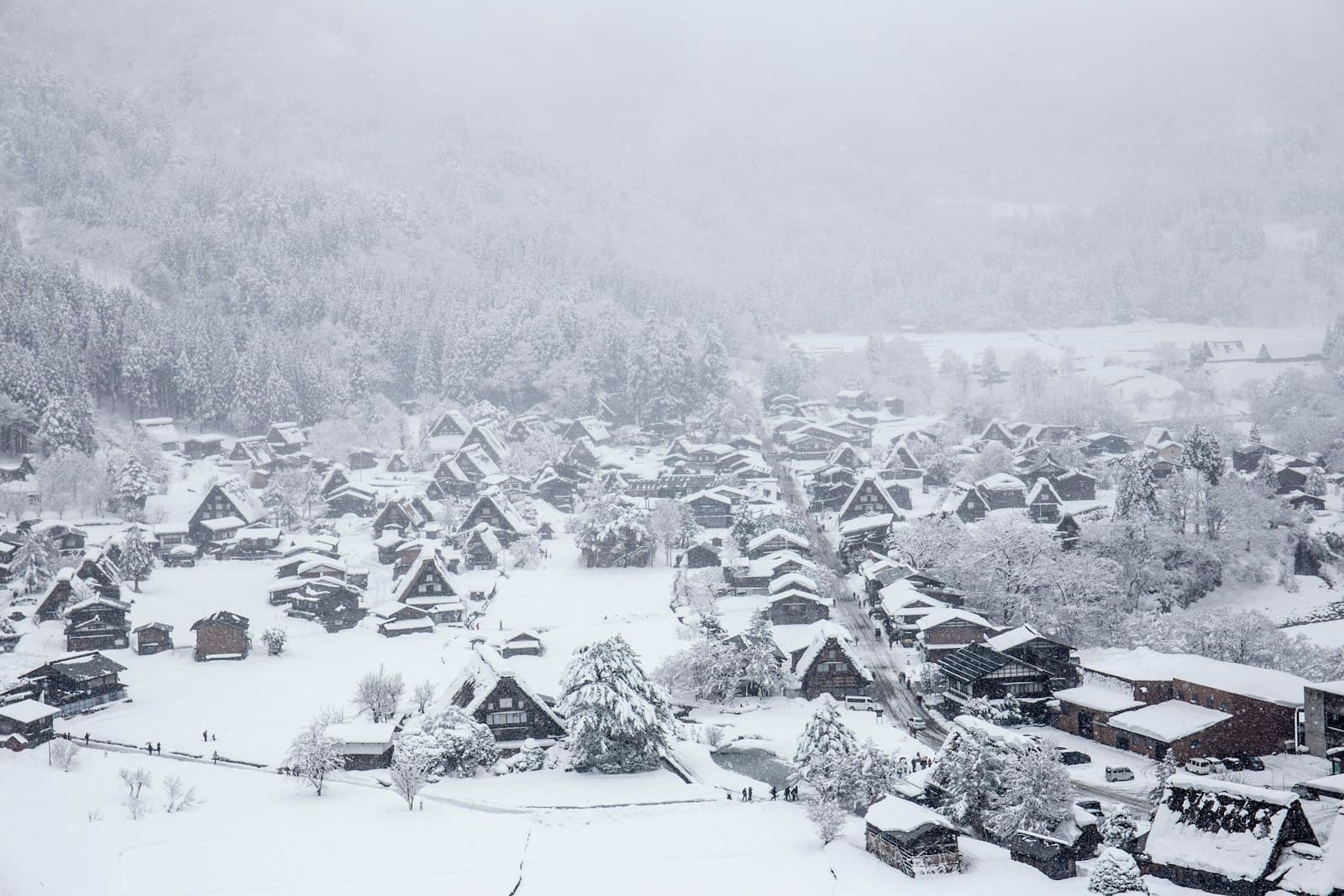
An Easy Snow Day Trip: GALA Yuzawa by Shinkansen
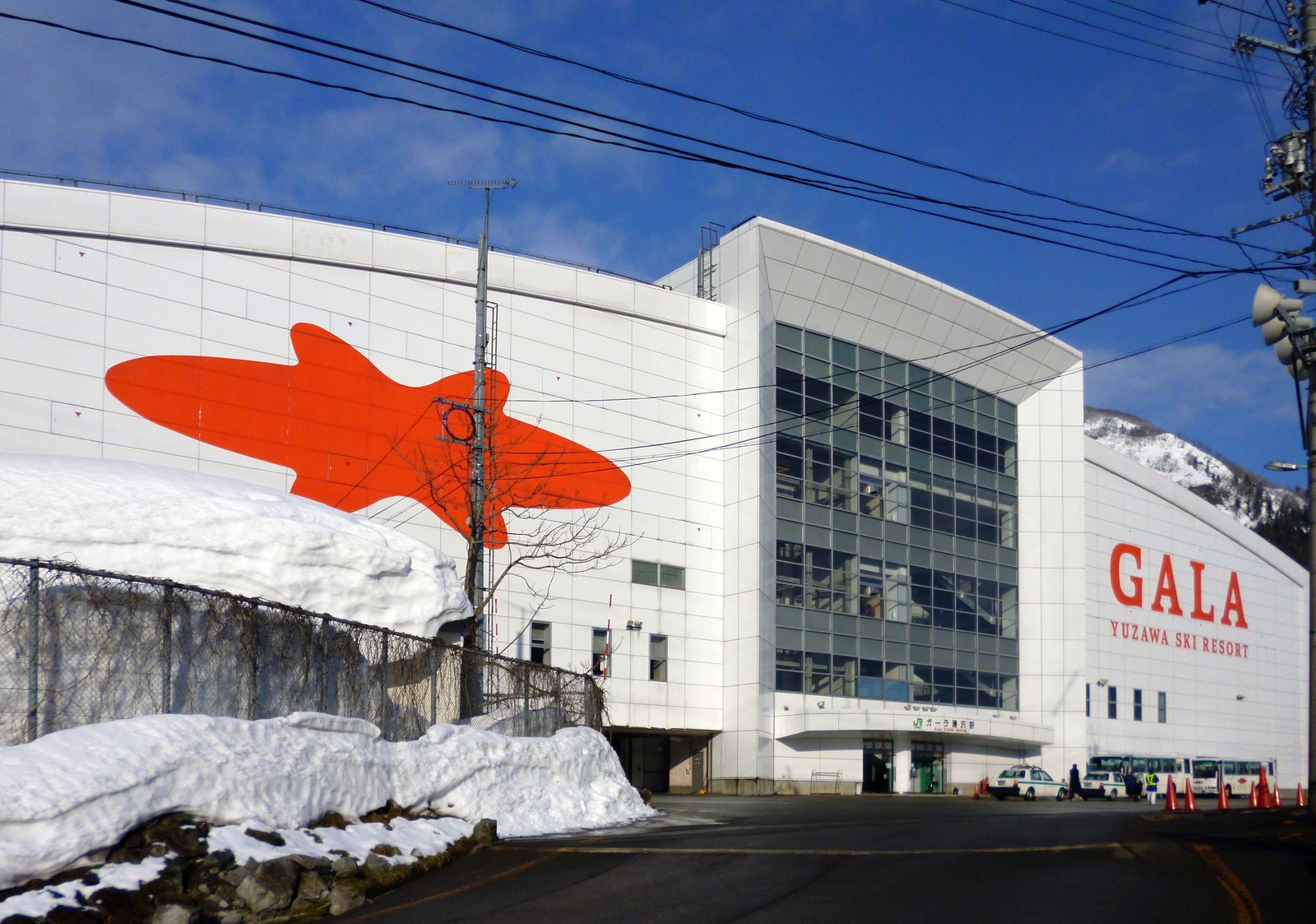
Snow rarely comes to Tokyo, so go to the snow. GALA Yuzawa, in Niigata to the north across the mountains, has its own seasonal station on the Joetsu Shinkansen that connects straight to the slopes. The resort says the fastest trip from Tokyo Station takes 71 minutes.
For the 2026–27 season, skiing is planned from December 19, 2026 to May 5, 2027, depending on snow. The South Area is closed all season, so only the Central and North areas operate. GALA Yuzawa Station is open only during the ski season, and only some trains go all the way there. Others stop at Echigo-Yuzawa, where you take a shuttle bus. Check the JR East timetable for your date.
You don't have to be a skier. Rental gear lets you try skiing or snowboarding without bringing anything, and if you'd rather just play in the snow and enjoy the view, the resort website lists what non-skiers can do that day. Weekdays are quieter than weekends.
A sensible plan: leave Tokyo around 8 am, be on the snow by mid-morning, and take a train back in the late afternoon. You'll be in Tokyo for dinner. For more snow within reach of Tokyo, see our guide to snow near Tokyo.
A Realistic 5-Day Tokyo Plan for January
This plan assumes you're in Tokyo from January 12 to 16, 2027: after the holiday weekend and during the sumo tournament. Move the days around to suit the weather.
Day 1 (Tue): Arrival and the Marunouchi lights
After arriving and checking into your hotel, head to Tokyo Station and walk along Naka-dori under the lights. Have dinner near the station. If it's raining, the underground shopping streets keep you dry.
Day 2 (Wed): Asakusa and sumo
Visit Senso-ji in the morning, when Nakamise is quieter. Then take the train to Ryogoku for an afternoon of sumo and a chanko-nabe dinner. Rain won't matter here, because everything is indoors.
Day 3 (Thu): Meiji Jingu, Harajuku and Shibuya
Walk the forest path to Meiji Jingu early, while it's frosty and calm, then Omotesando and Shibuya. If the sky is clear, watch the sunset from a high viewpoint. If not, swap in a department store food hall.
Day 4 (Fri): Gardens and Ginza, or snow
Hama-rikyu in the late morning, lunch at Tsukiji Outer Market, then the Ginza winter sales, finishing back under the Marunouchi lights. On January 15, you could swap the morning for Setagaya Boroichi. If snow is the dream, use this day for GALA Yuzawa.
Day 5 (Sat): Ueno and Tokyo Dome City
The Tokyo National Museum and Ueno Park, then snacks at Ameyoko. In the afternoon visit Koishikawa Korakuen, and after dark walk next door to the Tokyo Dome City illumination.
Five days gives you a full itinerary without rushing. With four days, drop Day 4.
Indoor Fallbacks for Cold or Wet Days
- The Ueno museums: Tokyo National Museum, National Museum of Western Art, National Museum of Nature and Science
- Department store basement food halls (depachika) in Ginza, Nihonbashi or Shinjuku
- The underground shopping streets around Tokyo Station
- teamLab Planets in Toyosu (book ahead)
- An afternoon of sumo: heated, indoors and very Tokyo
January vs Cherry Blossom Season and the Other Seasons
How does January compare with the other seasons? In brief:
- Spring (late March to early April): Cherry blossom season is mild and beautiful, but it's the busiest and most expensive time in Tokyo. Golden Week, from late April into early May, adds crowds of Japanese travelers.
- Rainy season (roughly June to mid-July): Humid and grey, with frequent rain.
- Summer (July and August): Hot and very humid, with typhoon risk from late summer into early autumn.
- Autumn (October and November): Comfortable temperatures, with Tokyo's autumn leaves usually peaking from late November into early December.
- Winter (December to February): Dry, sunny and cold. December has Christmas lights, January has New Year and sumo, and February brings plum blossoms.
Of all the seasons, winter has the most reliable sunshine and the least rain. You give up warmth and blossoms. In return you get clear skies, shorter lines and easier hotel bookings once New Year is over. For the full December to February picture, see our Tokyo in winter guide. For the whole country, read Japan in January.
Mistakes First Time Visitors Make in January
- Arriving on New Year's Day and expecting a normal city. Plan shrines, walks and convenience store dinners, not museums and malls.
- Missing the sumo ticket sale. It's December 5, 2026, at 10:00 am JST. Set an alarm.
- Forgetting Monday closures. Many museums close on Mondays, and holiday Mondays like January 11 change the pattern.
- Packing for mild weather. An average high of 9.8°C sounds fine until you're on an open-air platform at 7 am.
- Saving outdoor views for late afternoon. It's dark soon after 5 pm.
- Booking New Year trains late. Shinkansen seats around January 2–4 sell out.
Useful resources: the JMA's English forecast pages for the week ahead, the GO TOKYO January guide, the Japan Sumo Association website, JR East timetables, and an IC card for trains, buses and convenience stores.
Turning Tokyo in January Into a Real Japan Itinerary
In January, Tokyo works best as the first stop on a longer trip. These self-guided packages start with Tokyo nights and have January 2027 departures open:
| Tour | Length | Nights, in order | January 2027 example |
|---|---|---|---|
| GR508 Tokyo, Hakone & Kyoto: Japan's Classic Escape | 9 days / 8 nights | Tokyo 3, Hakone 1, Kyoto 2, Osaka 2 | US$4,300 (Superior, Jan 14) |
| TP503 Theme Parks & Tokyo: The Perfect Family Escape | 10 days / 9 nights | Maihama 3, Universal City 3, Tokyo 3 | US$4,330 (Basic, Jan 21) |
| GR505 Mountain Japan: Matsumoto, Kanazawa & Yudanaka | 12 days / 11 nights | Tokyo 2, Matsumoto 1, Kyoto 3, Kanazawa 2, Yudanaka Onsen 1, Tokyo 2 | US$5,810 (Basic, Jan 22) |
| GR510 Hidden Japan: Yudanaka, Kanazawa & Takayama | 12 days / 11 nights | Tokyo 3, Yudanaka Onsen 1, Kanazawa 2, Takayama 1, Kyoto 2, Osaka 2 | US$7,030 (Superior, Jan 14) |
Interested in a tour? Click a route code above, or search for it in the top-right Search bar.
The prices are the regular total for the whole trip for two adults sharing one twin room, in the lowest hotel grade with rooms left on that date, as the booking calendar showed them on November 24, 2026. They don't include promotions or optional extras, and they change by date and hotel grade.
- GR508: the classic route, with a winter onsen night in Hakone. It includes Shinkansen and limited express trains for the main journeys, a ¥4,000 IC card, daily breakfast and one dinner, a Hakone Freepass and one luggage delivery from Tokyo to Osaka.
- TP503: a family route with three nights each by Tokyo Disney Resort, by Universal Studios Japan and in central Tokyo. It includes the Shinkansen, a ¥3,000 IC card, breakfast and one luggage delivery; theme park tickets aren't included.
- GR505: the snow monkey park is near Yudanaka, and you end back in Tokyo. It includes Shinkansen and limited express trains, a ¥3,000 IC card, a chartered taxi for the Shirakawa-go tour, breakfast and two luggage deliveries.
- GR510: real snow country in the middle of the trip. It includes Shinkansen and limited express trains, a ¥4,000 IC card, a private sightseeing taxi from Kanazawa to Shirakawa-go and on to Takayama, breakfast, one dinner in Yudanaka and two luggage deliveries.
These tours are self-guided, so there's no guide with you, but a local guide can be arranged as an option. Our staff meet you at the airport with your travel documents, and 24/7 support and travel medical insurance cover your time in Japan. Online booking closes 40 days before departure. For a January 10 departure, that's December 1, 2026, and the last January departures close around December 22.
January routes that start in Tokyo
Ready to experience Japan? These carefully selected tours match the destinations and experiences mentioned in this article.
Black Friday Sale20% comes off these prices when you book online by November 30. The discount is already in the total shown on the tour page.See sale tours
Would you like help building a January trip that starts in Tokyo? Get in touch through Plan My Trip on our self-guided tours site, and we’ll suggest the tours that best fit your dates and plans.
Frequently Asked Questions
Does it snow in Tokyo in January?
Sometimes, but not often. Most January days are dry and sunny. If you want guaranteed snow, take a day trip north to somewhere like GALA Yuzawa.
How cold is Tokyo in January?
The JMA averages are a 9.8°C high and a 1.2°C low. Expect frosty mornings, mild sunny afternoons and cold nights.
Is everything closed on New Year's Day?
No, but a lot is. Shrines are packed, convenience stores and chain restaurants stay open, and most department stores reopen on January 2 or 3.
When do tickets for the January sumo tournament go on sale?
General sales open on December 5, 2026, at 10:00 am Japan time, on the Japan Sumo Association's official ticket site.
Are the winter illuminations still on in January?
Some are. Marunouchi runs until February 14, 2027, Tokyo Dome City's lights are listed until February 28, and part of Yebisu Garden Place's display stays on until February 28.
Is January a cheap time to visit Tokyo?
Apart from New Year and the holiday weekend, hotel rates are often lower than in spring or autumn, especially in late January.
January routes that start in Tokyo
Self-guided routes with January 2027 departures open
Black Friday Sale20% comes off these prices when you book online by November 30. The discount is already in the total shown on the tour page.See sale tours