Japan Hidden Gems: How to Build a Trip Off the Beaten Path
A practical guide to hidden gems in Japan, written from places we have actually walked: Onomichi, Naoshima and Teshima, Kumano Kodo, Matsumoto, Gero Onsen, and Unzen, with the planning rules that keep quiet trips enjoyable.
You have seen the photos: Tokyo Tower at dusk, deer in Nara, the bamboo grove in Arashiyama. Maybe you have already done the Golden Route once. The next question is harder: where do you find Japan hidden gems that still feel like discoveries, not just famous places with smaller crowds?
This guide is for travelers planning a self-guided Japan trip who want substance, not a generic list. We will cover concrete places, how to slot them into a real Japan itinerary, the booking quirks that trip people up, and the mistakes that turn "off the beaten path" into "stranded with no bus until tomorrow."
Quick Answer: Japan Hidden Gems
The best hidden gems in Japan are rarely secret. They are usually slightly inconvenient: port towns on local lines, islands that need ferry timing, walking routes with small inns, and onsen towns where English support is limited. Build them around anchor cities, add buffer days, and avoid treating rural Japan like central Tokyo.
Best Region
Seto Inland Sea
Best Walk
Kumano Kodo
Best Onsen
Gero, Unzen
Rule
Add buffer
What "Japan Hidden Gems" Actually Means in 2026
A genuine hidden gem is not an empty place. Japan does not really have those near convenient transit. It is a place where foreign visitors are still relatively rare, where signage starts skewing Japanese-only, and where you feel like a guest rather than a customer.
Most foreign tourists stay inside Tokyo, Kyoto, Osaka, Nara, and Hiroshima. Step one stop off that grid and you are already in different territory. Step a region away, and you are somewhere most international visitors will never set foot.
- Small-town stops between famous cities: Onomichi, Takehara, Kurashiki, Matsumoto.
- Pilgrimage and walking routes that need time rather than luck: Kumano Kodo, Koyasan, Nakasendo.
- Islands in the Seto Inland Sea and beyond: Naoshima, Teshima, Okunoshima.
- Onsen towns tucked into mountain valleys or quiet Kyushu coastlines: Gero, Unzen, Kinosaki, Beppu.
- Day-trip destinations locals know but international guidebooks under-cover.
For a destination-by-destination list, also read our Japan Hidden Gems 2026 guide. This article focuses more on how to build those places into a working itinerary.
How to Plan a Japan Itinerary That Includes the Quiet Stuff
Start With Anchor Cities, Then Branch Out
Pick two or three anchor cities, usually Tokyo, Kyoto, and either Hiroshima, Kanazawa, Nagoya, or Fukuoka. From each anchor, plan one or two quieter escapes. This hub-and-spoke structure works because Japan's rail logistics favor major stations, and it lets you leave big luggage behind when you visit smaller towns.
Use the Right Rail Pass, or Do Not Use One
The nationwide JR Pass became much harder to justify after the 2023 price increase. For trips focused on hidden gems, regional passes often make more sense: JR West Sanyo-San'in for the Inland Sea, JR Kansai Wide for Wakayama and Okayama, or point-to-point tickets for a compact route. Map the actual trains before buying any pass.
Build in Slack Days
The biggest rookie error is back-to-back transfer days. Hidden gems often sit at the end of small bus lines that run every two hours, or ferries that stop early. Give yourself buffer. A wonderful day trip turns miserable when you miss the last 5:15 PM bus back.
The Seto Inland Sea: Japan's Most Underrated Region
If we could send a repeat traveler to exactly one region beyond the Golden Route, it would be the Seto Inland Sea. The water separates Honshu from Shikoku and is dotted with small ports, sleepy fishing villages, art islands, and at least one rabbit island. The pace is slow. The light on the water is unreal.
Onomichi: Up by Ropeway, Down by the Old Stone Stairs
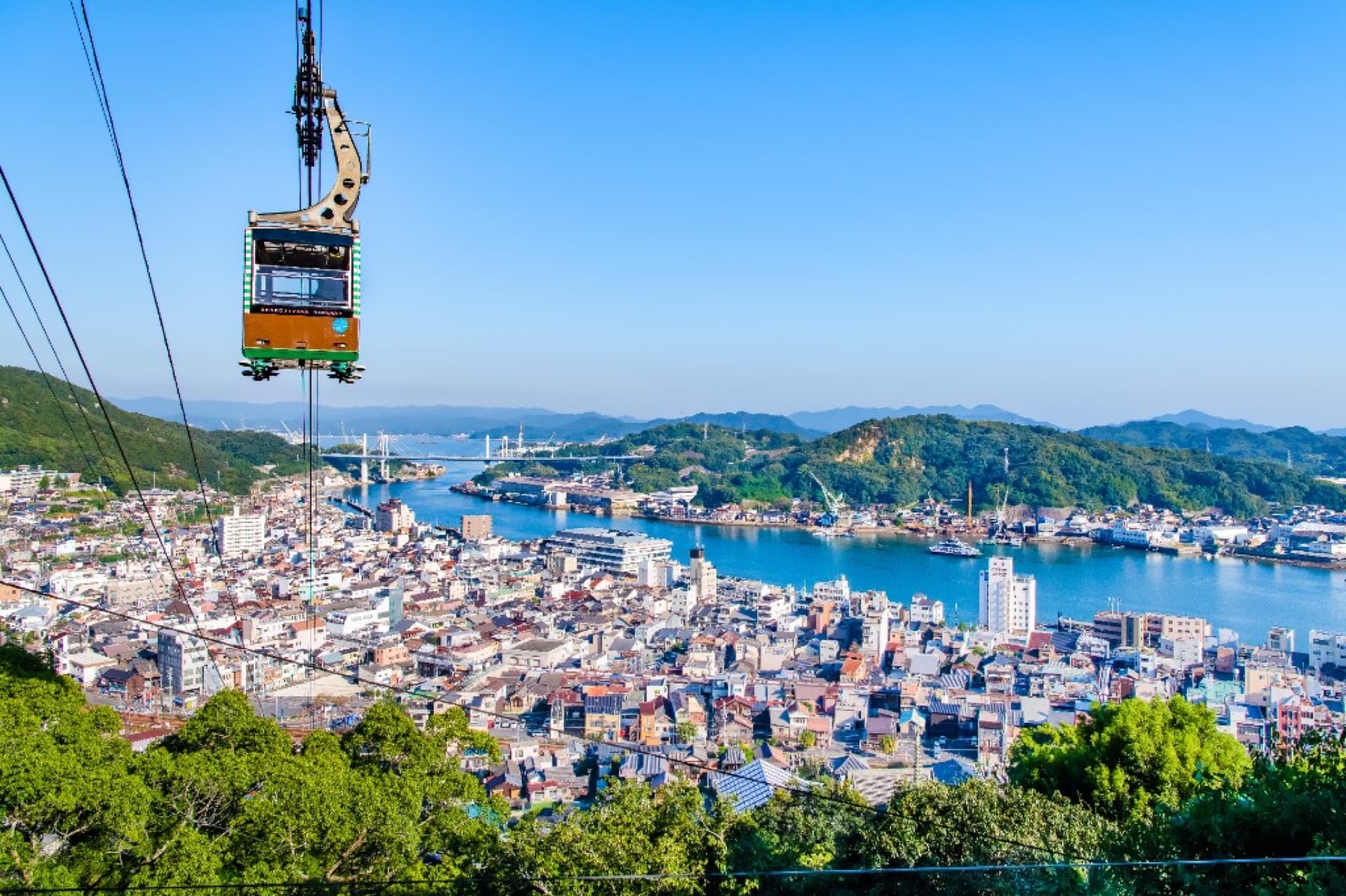
Onomichi is a port town in Hiroshima Prefecture known for slopes, old temples, cats, and views over the Inland Sea. It sits between Osaka and Hiroshima on the Sanyo Main Line, which means you can stop here on the way west without doubling back.
Our team's favorite Onomichi loop is simple. Take the ropeway up to Senkoji Temple, then walk back down the old stone stairs. The view from the temple deck over the strait, the islands, and the train line is the postcard, but the real surprise is the walk down. Stairs cut between houses. Cats. A glimpse of someone's laundry. The Sanyo Line clattering past below. None of it is "sights." All of it is the reason to come.
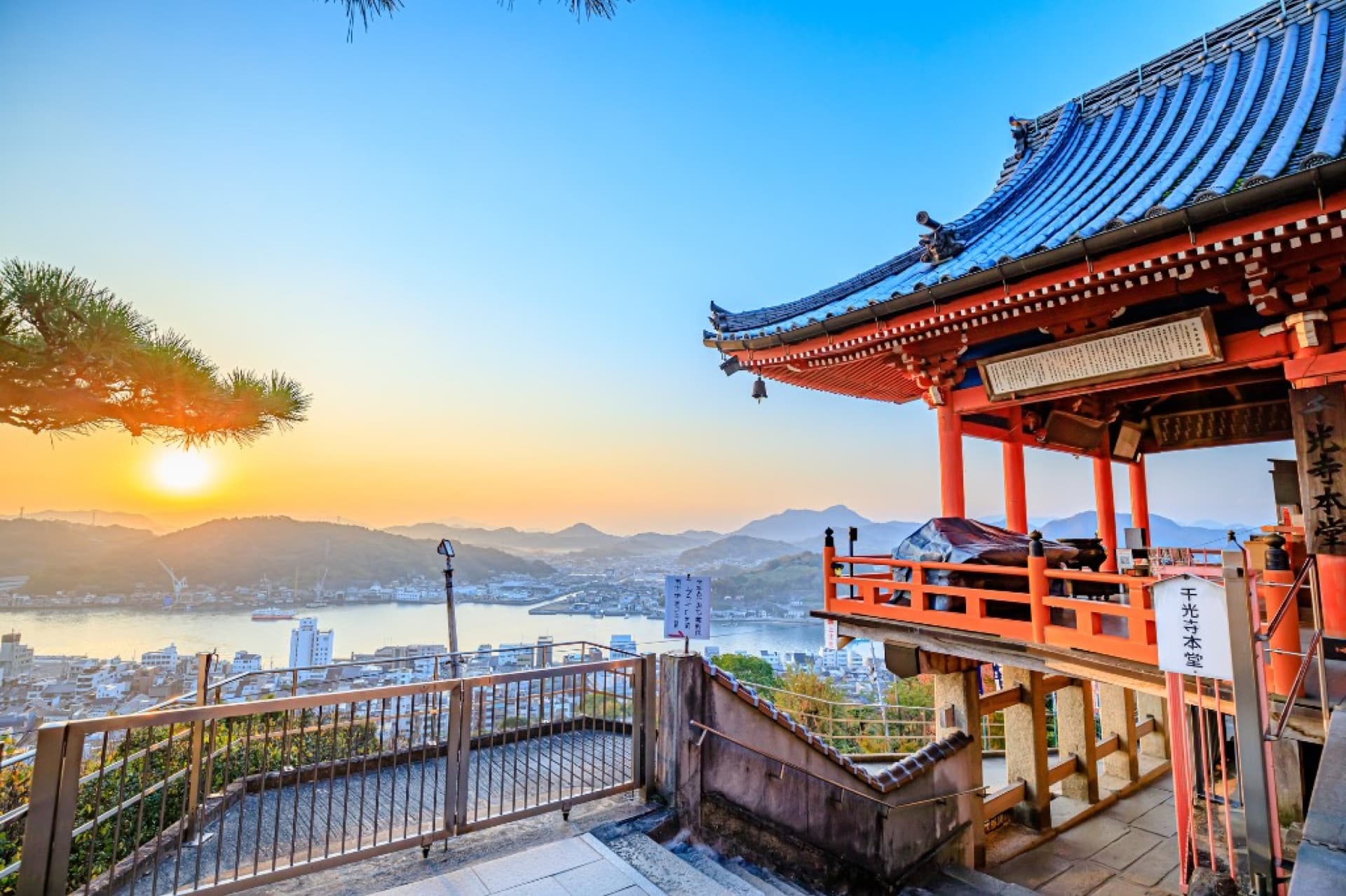
The classic route is the Onomichi Temple Walk, a hilly course connecting old Buddhist temples through narrow lanes. Cat Alley, Neko no Hosomichi, is small but charming, and the climb up to the viewpoints gives you that layered port-town view of roofs, ferries, islands, and water. Bring shoes you can actually walk in. The stairs add up.
Okunoshima: Rabbit Island With a Serious Past
Okunoshima is famous for its friendly wild rabbits, but do not treat it like a theme park. The island also has wartime ruins and a small poison gas museum that explains its history as a secret chemical weapons site. Access is by ferry from Tadanoumi Port, a short walk from Tadanoumi Station on the Kure Line.
Buy rabbit food before the ferry, do not pick the rabbits up, and check the last boat time before you start exploring. The island loop is compact, but ferry timing is the difference between charming and stressful.
Naoshima: Art on a Bicycle
Naoshima is famous enough that it barely counts as hidden anymore, but it still feels different from big-city Japan. Museums and installations tied to Tadao Ando, Yayoi Kusama, Claude Monet, and James Turrell are scattered around a small island that you can ride from end to end on a rented bicycle.
The most fun we've had on Naoshima was pedaling between sites without a fixed plan. Indoor museums, outdoor sculpture, the famous yellow pumpkin, a port snack, the Honmura Art House Project squeezed into old wooden homes. Just moving around the island is part of the experience. Allow more time than you think; you will stop for views you did not expect.
Teshima: A Quieter Island, A Single Unforgettable View
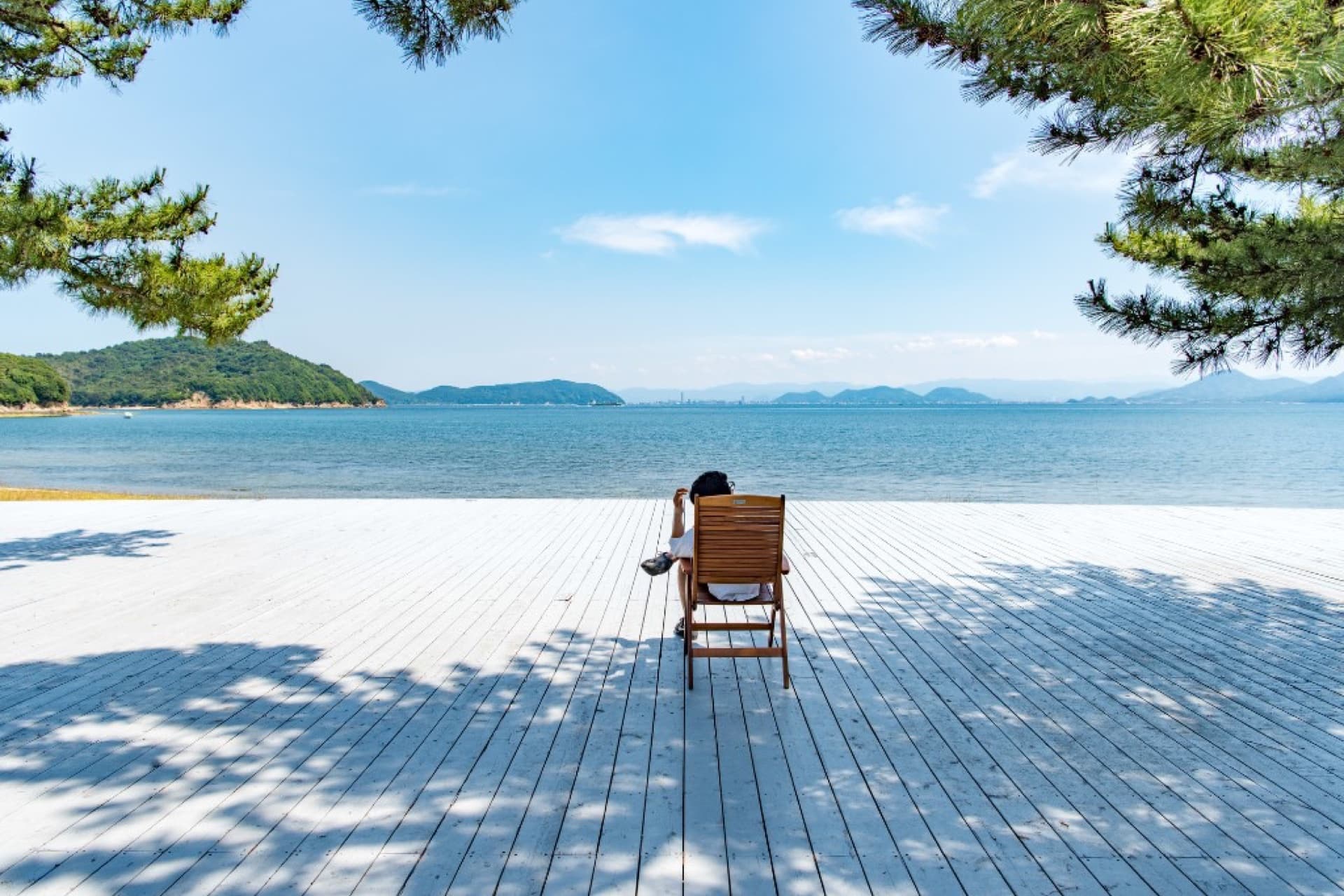
Teshima is the quieter cousin to Naoshima. The Teshima Art Museum is the emotional center of the island. The view of the Seto Inland Sea from outside the museum, water meeting hillside greens, is honestly one of the most beautiful frames we've seen on any Japan trip. Because the island is calm to begin with, you experience nature and art together, in the same breath.
Most travelers reach the islands by ferry from Uno Port in Okayama Prefecture or from Takamatsu in Kagawa Prefecture. During Setouchi Triennale festival years, book early. Outside those windows, weekdays in shoulder season can feel almost empty.
For a single self-guided route that connects Onomichi, the art islands, and Shikoku, see the live Setouchi Shores & Shikoku Heartlands (SE002) tour, which builds the pacing and ferry timing into a 15-day route.
Kumano Kodo: Walking Japan's Ancient Pilgrimage Routes
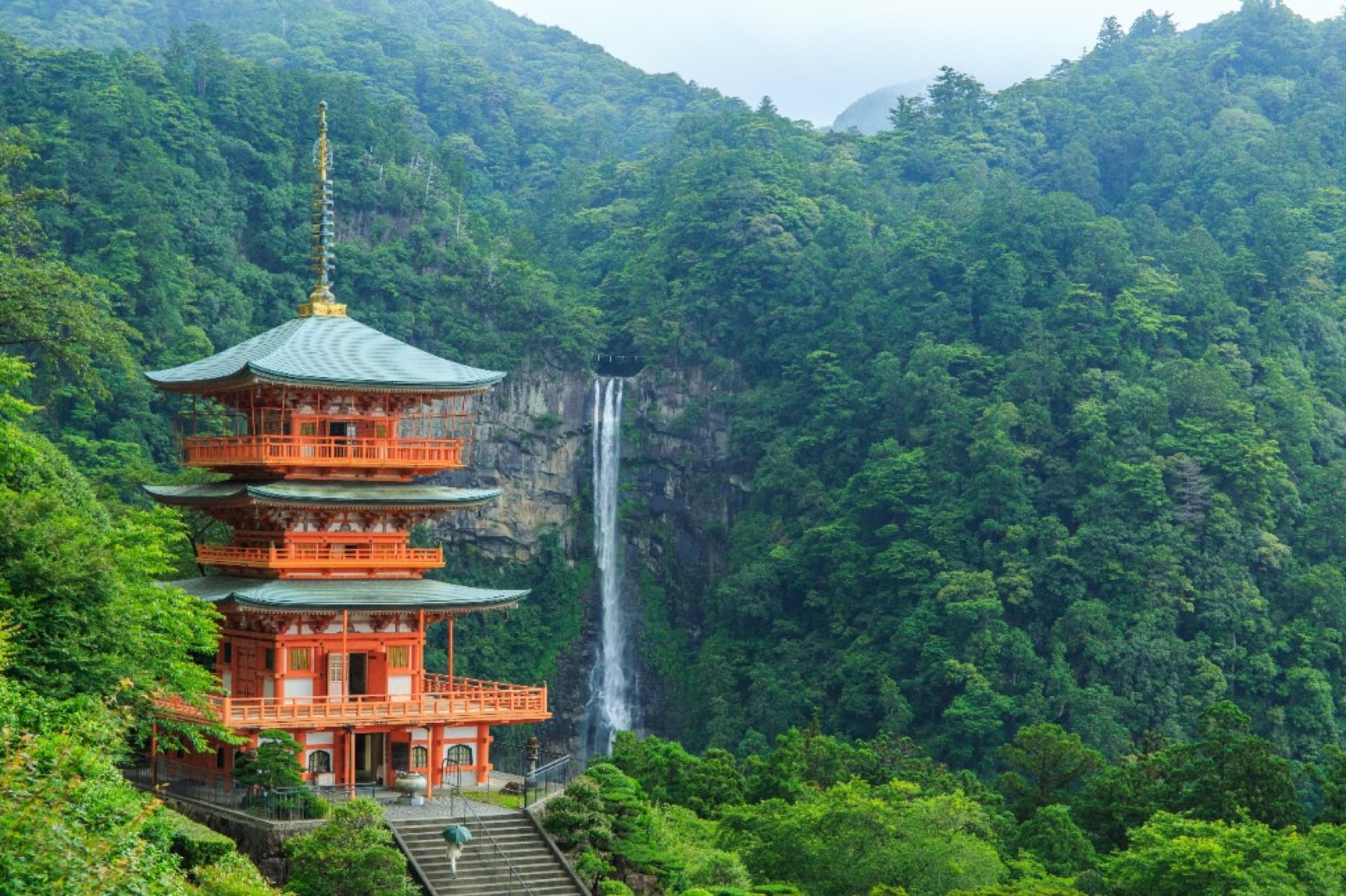
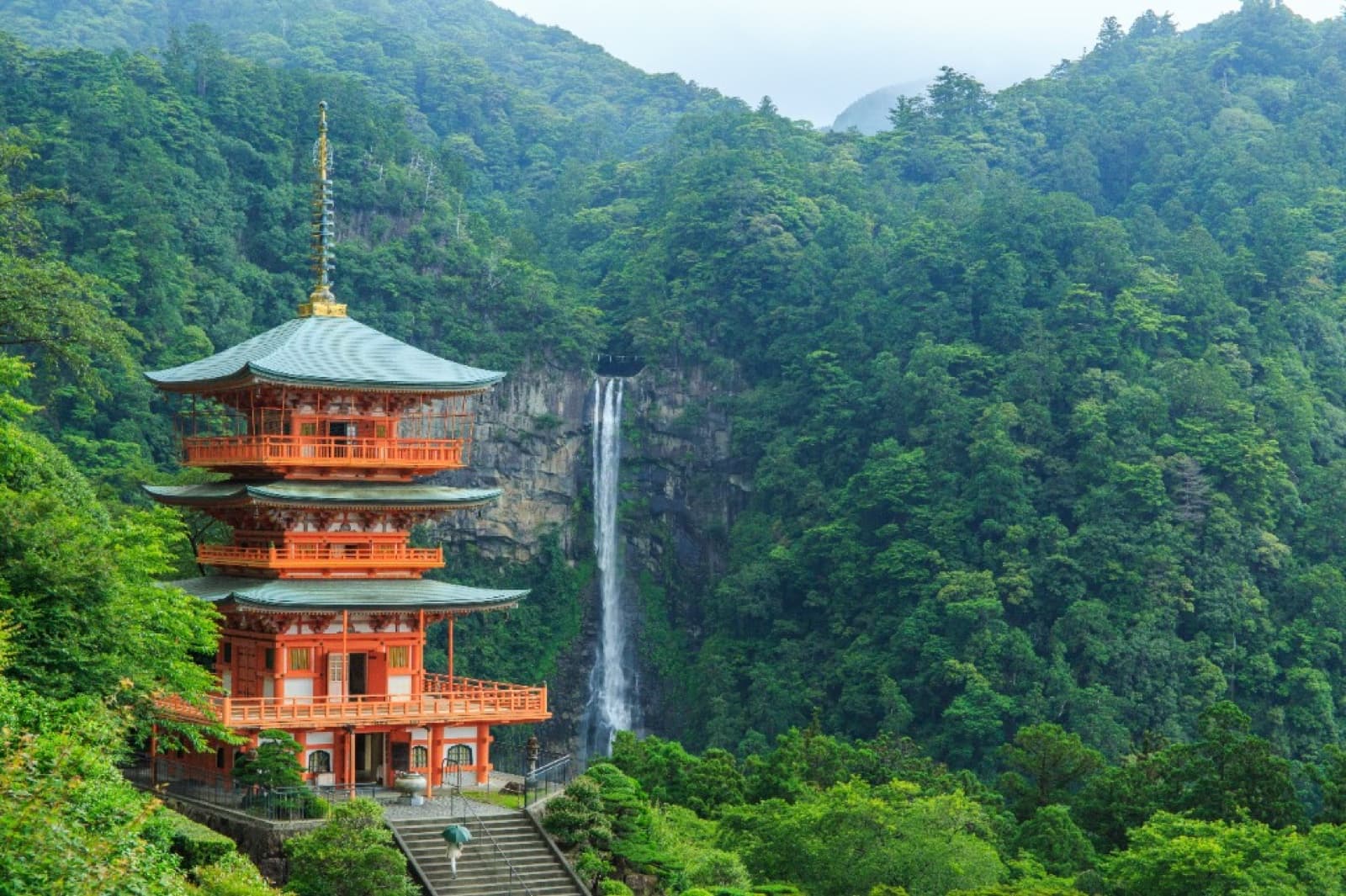
If you want to feel like you have actually left modern Japan behind, walk part of the Kumano Kodo. The pilgrimage routes wind through the Kii Peninsula across Wakayama, Nara, Osaka, and Mie prefectures. Together with Spain's Camino de Santiago, they are among the world's rare pilgrimage routes recognized by UNESCO.
Most first-timers choose the Nakahechi route, starting near Tanabe and crossing mountain villages toward Kumano Hongu Taisha. A simple plan is two days of walking, one night in a minshuku at Chikatsuyu or a nearby village, then a soak in Yunomine Onsen or Kawayu Onsen.
One small tip from our team: walking the Kumano Kodo is wonderful on its own, but the stamp rally is genuinely worth doing. Carry a stamp notebook, hunt down the wooden stamps at oji shrines along the route, and the walk gets a quiet game layered on top. It changes how you scan each rest spot, and it gives you a souvenir more meaningful than a magnet.
You do not need to be an expert hiker, but you do need good shoes, realistic daily distances, and luggage forwarding. The local baggage shuttle makes the route far more enjoyable because you can walk with just a daypack.
If this is your style, see the live Summer IKADA Rafting & Sacred Trails of Japan (NT006) route, which combines Kumano Kodo sacred trails with Koyasan and river experiences.
Matsumoto, the Japanese Alps, and Mountain Towns
For travelers based in Tokyo who want a real overnight escape, Matsumoto is hard to beat. It is a castle town, a gateway to the Japanese Alps, and the birthplace of artist Yayoi Kusama. Matsumoto Castle is one of Japan's most photogenic original castles, especially when the Northern Alps appear behind it.
The town itself still feels like a castle town. Nawate-dori and Nakamachi-dori have old wooden storefronts, cafes, craft shops, and enough atmosphere to justify a slow afternoon. One of our team still talks about the senbei rice crackers eaten on Nawate-dori as one of those small, perfect travel snacks. If you find yourself walking through with time to spare, that is your break.
The Matsumoto City Museum of Art is worth it if you have any interest in Yayoi Kusama. Matsumoto also connects well to Kamikochi, Takayama, and the wider Japanese Alps. For a route that goes deeper into Kamikochi, Shirakawa-go, and mountain culture, the live Alpine Wonders of Central Japan (NT004) tour is the better match.
Onsen Hideaways: Gero and Unzen
Onsen towns are where a Japan trip slows down. The famous storybook onsen names get all the photos, but the most enjoyable nights, in our experience, are in towns that are slightly inconvenient but still well-served: Gero in Gifu Prefecture, and Unzen in Nagasaki Prefecture.
Gero Onsen: One of Japan's Three Famous Hot Springs
Gero Onsen, in the mountains of Gifu Prefecture, is one of Japan's three most famous hot springs along with Arima and Kusatsu. The water is alkaline and silky on the skin, the town is small enough to walk, and the riverside foot bath under Gero Bridge is free and open day and night.
Gero pairs naturally with Takayama and Shirakawa-go, which makes it an easy overnight on a central Japan route rather than a long detour. Many ryokan are perched along the river so you can soak with a window open to the sound of water.
For travelers who want to build an entire route around bathing, see the live Healing Waters & Timeless Towns Onsen Journey (HS001) or Hop Through Japan's Hot Springs & Highlights (HS002), which weave Gero-style ryokan stays into a 14-day Japan itinerary.
Unzen: Volcanic Steam, Quiet Kyushu
Unzen, in Nagasaki Prefecture, sits inside a national park on the Shimabara Peninsula. The town is quieter than the headline onsen names, partly because it takes a little more effort to reach. The reward is the Unzen Jigoku, the volcanic "hells," where boiling steam rises out of the rock right in the middle of town. Walking the boardwalks through the steam, then soaking in a sulfur bath afterward, is one of those experiences that pulls the trip into an unmistakably Kyushu mood.
The cleanest way to fit Unzen into a real itinerary is as part of a wider Kyushu loop, paired with Fukuoka, Nagasaki city, and Kumamoto. For a self-guided route that does this end to end, see the live Premium Kyushu: Serenity, Onsen & Coastal Heritage (KY004) tour.
Notes From Our Team: Five Specific Things We Loved
The list above is the honest version of how to plan. This shorter list is the human version of why. Five places and small moments our team keeps coming back to:
Onomichi: ropeway up, stairs down
Take the ropeway to Senkoji Temple, then walk back down the old stone stairs. Looking at the train tracks below, listening for the next local train, watching how the houses are stacked into the slope, you feel a Japan that is not in any guidebook list.
Naoshima: just rent a bicycle
Cycling between the museums and outdoor sculptures was the single most fun part of our Setouchi trip. Even the moving around is part of the art. Allow more time than you think.
Teshima: that one view
The view from outside the Teshima Art Museum, sea framed by trees, is genuinely unforgettable. The whole island is quiet enough that nature and art end up sharing the same memory.
Kumano Kodo: walk it, but also stamp it
Walking the Kumano Kodo is the obvious draw. The stamp rally adds a different texture, especially on a multi-day route. Carry a stamp notebook and the walk turns into a quiet game layered on top of the pilgrimage.
Matsumoto: senbei on Nawate-dori
Nawate-dori in Matsumoto is good for a slow afternoon, but if you want a single specific recommendation, the freshly grilled senbei rice crackers there are unreasonably good. A perfect travel snack between the castle and the next train.
Sample Hidden Gems Routes That Actually Work
Route ideas by travel style
| Route | Best For | Notes |
|---|---|---|
| Osaka - Onomichi - Naoshima - Teshima - Hiroshima | Seto Inland Sea | Easy westward extension with local trains and ferries (matches SE002). |
| Kyoto - Koyasan - Kumano Kodo - Osaka | Pilgrimage and onsen | Needs luggage forwarding and careful bus timing (matches NT006). |
| Tokyo - Matsumoto - Kamikochi - Takayama - Shirakawa-go | Mountains | Best from late spring through autumn (matches NT004). |
| Nagoya - Takayama - Gero - Shirakawa-go | Onsen and mountain towns | Comfortable two- or three-night central Japan loop with riverside ryokan. |
| Fukuoka - Nagasaki - Unzen - Kumamoto | Kyushu coast and onsen | Quietest hidden-gem onsen route on this list (matches KY004). |
Interested in a tour? Click a route code above, or search for it in the top-right Search bar.
The trick is not adding every hidden gem to one trip. Pick one region and let it breathe. If you are visiting for 10 days, add one hidden-gem overnight. If you have 14 days, add two. If you have three weeks, you can start connecting regions without making the whole trip feel like a logistics exercise.
Common Hidden-Gems Mistakes to Avoid
- Confusing inconvenient with impossible. A place can need a ferry or local bus and still be easy with the right plan.
- Overpacking the route. Quiet places lose their appeal if you sprint through them.
- Ignoring luggage. Use luggage forwarding or return to an anchor city between rural legs.
- Assuming English support. Book rural inns carefully and keep addresses in Japanese.
- Skipping weather checks. Ferries, walking trails, and mountain buses are more weather-sensitive than city sightseeing.
- Buying the wrong pass. Regional rail passes can be excellent, but only when they match your exact route.
Want a hidden-gems route without the logistics headache?
We build self-guided Japan itineraries that combine famous stops with quieter regions, using the right trains, luggage transfers, local buses, ryokan nights, and backup plans for your dates.
Want to take your Japan trip off the beaten path? Get in touch through Plan My Trip on our self-guided tours site, and we'll suggest the tours that best fit your dates and plans.
FAQ
What are the best hidden gems in Japan for repeat visitors?
The Seto Inland Sea, Onomichi, Okunoshima, Naoshima, Teshima, Kumano Kodo, Matsumoto, Koyasan, Gero Onsen, and Unzen on the Kyushu coast are strong choices for repeat visitors who want more than Tokyo, Kyoto, Osaka, and Nara.
Are Japan hidden gems difficult to visit without Japanese?
Some are, but not all. Port towns like Onomichi and Matsumoto are straightforward. Rural inns, small buses, ferries, and pilgrimage routes require more planning, translated addresses, and realistic schedules.
How many hidden gems should I add to a 10-day Japan trip?
Add one hidden-gem overnight to a 10-day trip. More than that usually makes the route feel rushed unless you have already visited Japan and are skipping some major cities.
What is the best hidden-gems region in Japan?
For most travelers, the Seto Inland Sea is the best balance of access, scenery, culture, and quiet atmosphere. It connects naturally with Hiroshima, Okayama, Takamatsu, and Osaka.
Can hidden gems fit with the Golden Route?
Yes. The easiest method is to keep Tokyo, Kyoto, or Osaka as anchors, then add one or two nights in a quieter region such as Onomichi, Naoshima, Matsumoto, Gero Onsen, or a Kyushu loop that includes Unzen.