
The Anime Pilgrimage Map: How to Turn Real Life Anime Locations Into a Japan Itinerary
The best free anime pilgrimage maps and apps, top real-life anime locations in Tokyo and beyond, and how to turn pins into a working self-guided itinerary.
You've watched the scene a hundred times. The crossing where the train rolls past, the staircase where two characters finally meet, the cluttered shopping complex full of figures and posters. Then you find out it's a real place. That's where an anime pilgrimage map comes in — a practical tool that turns “I wish I could go there” into “okay, what train do I take?”
This guide is built for travelers planning a self-guided trip and trying to fit anime spots into a wider Japan itinerary. We cover how to find an anime location map, which platforms are worth bookmarking, the best spots in Tokyo and beyond, and the mistakes that quietly ruin a pilgrimage day. If you want a spot-by-spot catalog with camera angles instead, see our companion guide: Anime Pilgrimage Japan: 20+ Real Locations.
Quick Answer: How to Build an Anime Pilgrimage Map
Use one or two community-built maps (AniTabi and animepilgrimage.com), pin everything into your own Google Maps list, group spots by neighborhood (not by anime), and budget more travel time than you think. Three to four days in Tokyo cover most central pilgrimage spots; add Kamakura for the Slam Dunk crossing.
Best map
AniTabi (1,476+ spots)
Tokyo days
3–4 + Kamakura
Group by
Neighborhood
Book early
Ghibli Museum
What an Anime Pilgrimage Actually Is
Anime pilgrimage refers to the practice of visiting real-life locations that appear in anime, manga, and Japanese films. Creators often base their background art on actual places, recreating streets, buildings, shrines, and landscapes with stunning accuracy. The Japanese term is seichi junrei (聖地巡礼), literally “sacred place pilgrimage.”
It's not new, but it's now a serious chunk of Japan's tourism story. The Anime Tourism Association is a public-private partnership that delivers information to overseas and domestic fans of Cool Japan content regarding relevant anime seichi, in order to encourage and facilitate contents tourism. Each year they publish a list of 88 official spots — refreshed by fan voting — and the number 88 is a deliberate nod to the 88 stations of the Buddhist monk Kūkai's historic Shikoku Pilgrimage.
Why an Anime Pilgrimage Map Beats Random Googling
There are thousands of anime locations in Japan. Some are obvious — Shibuya Crossing, Tokyo Tower. Others are residential staircases you'd never find without help. A purpose-built anime location map saves hours and gets you to the exact spot, not the general neighborhood.
A few worth bookmarking:
- AniTabi (anitabi.jp): an interactive map covering 307+ anime titles and 1,476+ real-life pilgrimage spots across Japan, including locations from Demon Slayer, Slam Dunk, and Laid-Back Camp.
- animepilgrimage.com: comparison shots, side-by-side anime stills, and the ability to build your own pilgrimage trip.
- Anime Tourism Association (animetourism88.com): the official 88 Japanese Anime Spots list, voted on by fans.
- Butai Meguri app: spots and AR features used by Japanese fans for years.
Once you've picked your sources, copy the addresses into your own Google Maps list. That's the real lifesaver when you're actually walking around.
How to Use Google Maps With an Anime Location Map
This is the part most guides skip.
Open Google Maps on your phone, sign in, and create a new list called something like “Japan Anime Pilgrimage.” Every time you find a spot on an anime pilgrimage map you trust, save the pin to that list. Color-code by city if you can.
Why does this matter? Because anime pilgrimage maps are great for finding spots, but they're not great for routing them. Google Maps will give you train times, walking directions, and station exit numbers. For pilgrimage days, switch Google Maps to transit mode by default.
Download offline maps too. Some rural real-life locations have weak signal, especially Yuru Camp spots near Mount Fuji or anything in the Japanese Alps.
The Anime Tourism Association's Official List
The Anime Tourism Association is the closest thing to an official curator. The annual selection sticks to 88 official spots, with the lineup refreshed each year through fan voting.
To serve as landmark icons for anime seichi, “Fudansho Stops” with plaques and stamps are installed at the locations featured among the Japanese Anime 88-Spots. Stop “0” is at the Narita Airport Anime Tourism Association Information Center, Stop 1 is Tokorozawa Sakura Town, and Stop 88 is the Tokyo Metropolitan Government Building.
Translation: you can literally start your pilgrimage the moment you land at Narita. The Tokyo Tourist Information Center on the 1st floor of the Tokyo Metropolitan Government Building's Main Building No. 1 in Shinjuku is the official Stop 88 Fudansho location (note: the memorial stamp service is currently suspended due to a malfunction). The free observation decks upstairs also give you an unobstructed view of central Tokyo — useful even if you skip the rest.
Tokyo: Japan's Capital City and Its Anime Heartland
Tokyo is the anime epicenter, considering it is Japan's capital city. Most travelers can build a perfectly good pilgrimage by sticking to Tokyo for three to four days. Here's how to think about the neighborhoods.
Akihabara: Electric Town and Steins;Gate
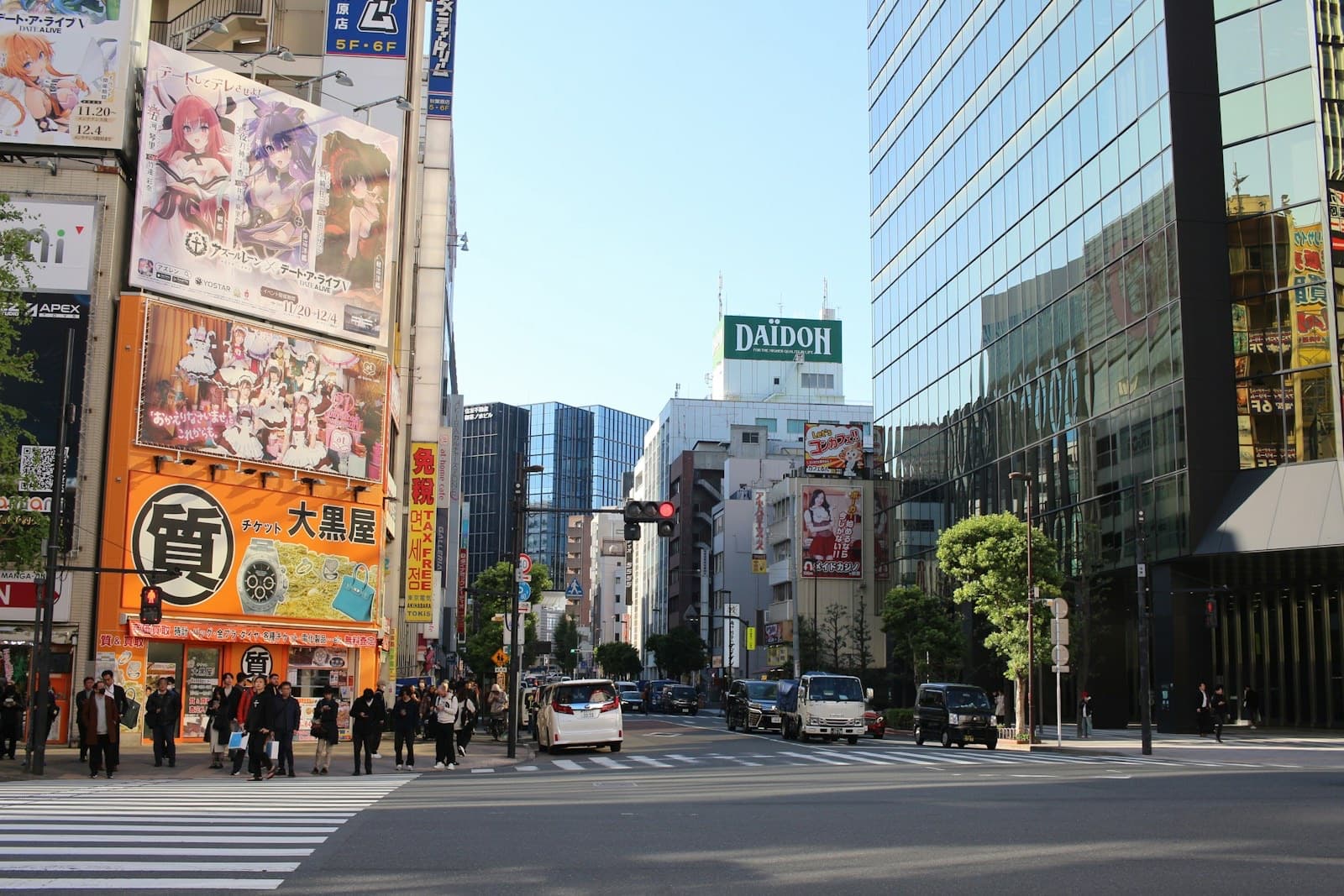
Akihabara is Tokyo's electric town and the spiritual home of otaku culture. Located in Chiyoda, Tokyo, it's the setting for STEINS;GATE. The electric town serves as the heart of the time-travel thriller; known as “Anime Heaven,” it's where Okabe Rintarou conducted his experiments at the Future Gadget Laboratory.
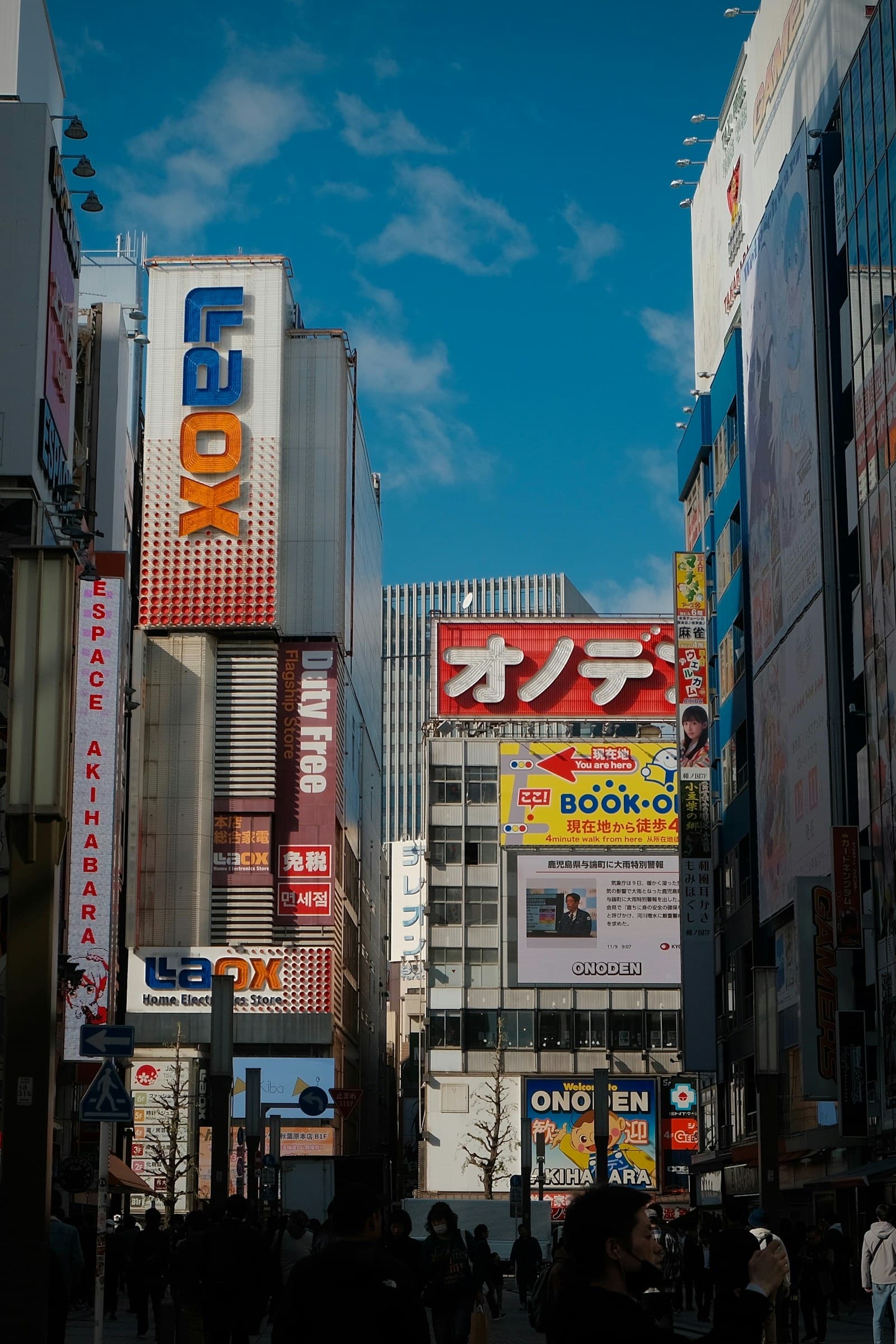
Akihabara Radio Kaikan, often shortened to RadiKan, is a building in Akihabara and a key location in both Steins;Gate and Steins;Gate 0. You'll see Radio Kaikan immediately as you exit Akihabara Station — the building with the satellite-sized scar in the anime. Inside, it's basically ten floors of trading cards, gachapon, figures, and exclusive merchandise. Card shops dominate now, so if you collect Pokémon cards or other TCGs, set aside an hour.
The big draws:
- Radio Kaikan (Steins;Gate fans, this is a free, must-do)
- Yodobashi Camera Akihabara — multi-floor anime and game section on the top floors
- Multiple Mandarake and Surugaya branches
- Trading card shops on nearly every block
Shinjuku and Yotsuya: Your Name and Suga Shrine
The most famous anime pilgrimage site in Tokyo right now is probably the Suga Shrine staircase. The stairs are at Suga Shrine in the Yotsuya neighborhood of Shinjuku, about a 6-minute walk from Exit 3 of Yotsuya-Sanchome Station on the Tokyo Metro Marunouchi Line. Entry is free at any time.
This is the staircase where, in the final moments of Your Name, Taki and Mitsuha finally meet. It's an active local shrine, so keep your voice down, don't block the steps, and skip the tripod photoshoot. A quick photo and you're done.
Odaiba, Tokyo Bay, and the Rainbow Bridge
The main Digimon Adventure locations are in Odaiba, Tokyo Bay. Key spots include the Fuji TV building, Odaiba Beach, and the Rainbow Bridge, which is where the battle against Armagemon takes place in Diablomon Strikes Back. Odaiba is an easy half-day — take the Yurikamome line for the views (it crosses the Rainbow Bridge itself). Add a stop at the giant Unicorn Gundam outside DiverCity if you're into mecha.
Ikebukuro and Otome Road
If Akihabara skews male, Ikebukuro skews female. Otome Road is a name given to an area of Ikebukuro that is a major shopping and cultural center for anime and manga aimed at women.
The flagship store here is enormous. The Animate Ikebukuro Flagship Store had its grand opening on March 16, 2023. The Animate Ikebukuro flagship complex includes an expanded ten storeys plus a basement, making the location the largest anime store in the world. It's about a five-minute walk from JR Ikebukuro Station's east exit. Across the street, Sunshine City houses a Pokémon Center and a One Piece official store, and the Evangelion Store TOKYO-01 is on the 6th floor of Ikebukuro PARCO. Combine all of that with the K-Books shops on Otome Road and you can lose an entire afternoon without noticing.
Nakano Broadway: The Quieter Anime Mecca
Nakano Broadway is a shopping complex in Tokyo famous for its many stores selling anime items and idol goods, including more than a dozen small Mandarake stores that specialize in manga and anime-related collectibles. The complex is a short walk from Nakano Station, which is a five-minute train ride from Shinjuku — served by the JR Chuo Line (5 minutes, 200 yen from Shinjuku Station) and the Tozai Subway Line.
Trust me on this one: serious collectors prefer Nakano over Akihabara. Prices on retro figures, rare manga, and vintage Sailor Moon merch are often better, and the maze of corridors on floors two and three is honestly half the fun. If you only have one half-day for shopping anime merchandise in central Tokyo, this is where I'd send you.
Shibuya Crossing and Beyond
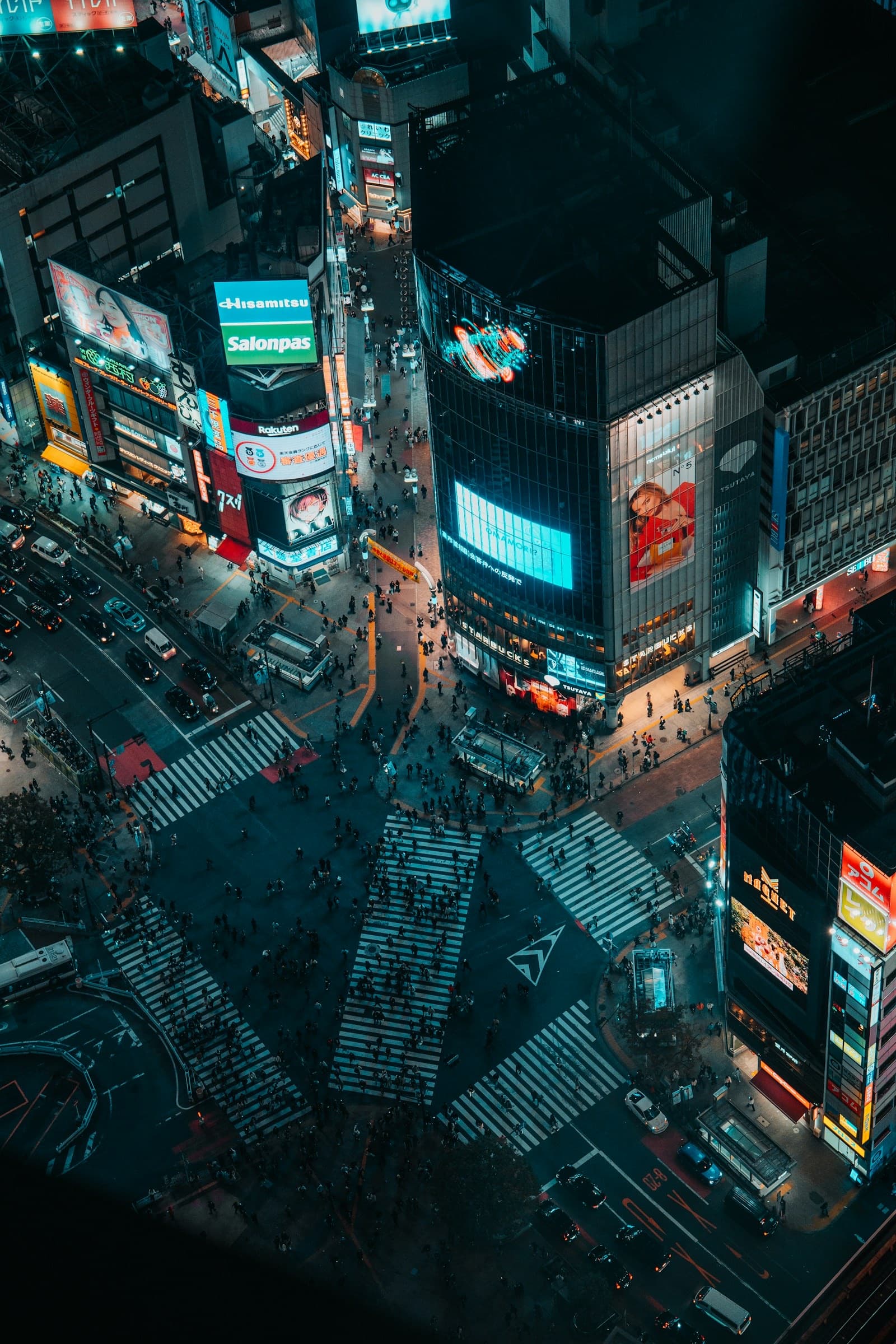
Shibuya Crossing has appeared in so many anime series it's almost easier to list what hasn't featured it. Jujutsu Kaisen's Shibuya Incident arc made it pilgrimage gold for a new generation, with near-perfect geographical accuracy across Hachiko Square, Shibuya Mark City, the Den-en-toshi line corridors, Shibuya Stream, and SHIBUYA109. Walk the scramble once, get the obligatory photo from the Starbucks above, then head into Shibuya's side streets.
Day Trip: Kamakura and the Slam Dunk Crossing
This is the easiest, most rewarding day trip from Tokyo for anime fans. The Kamakura Kokomae No.1 Railroad Crossing served as the model for the opening scene of Slam Dunk, the basketball-themed anime. The best viewpoint is the retro Enoden train passing through the railway crossing with the sea beyond the train tracks.
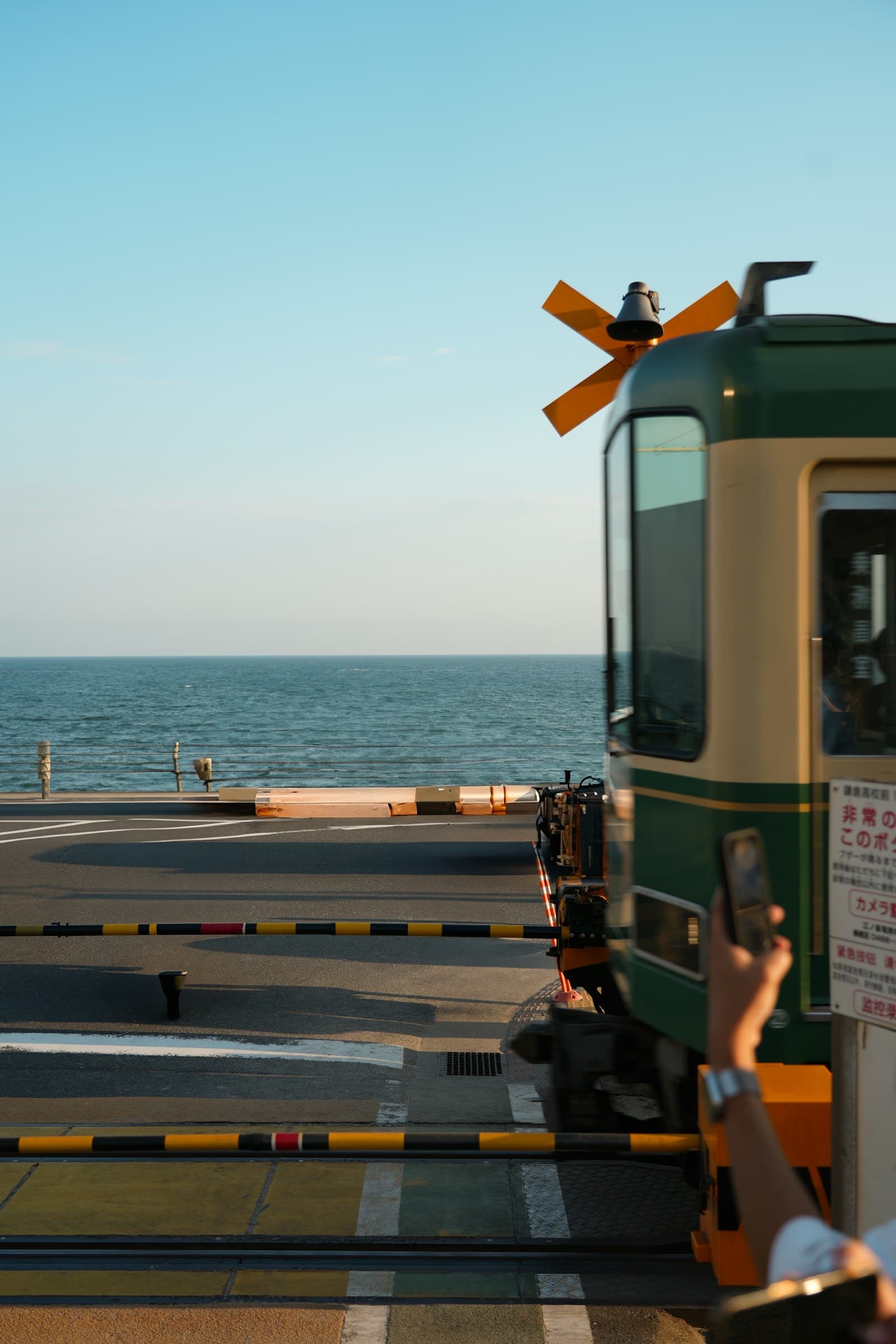
It's right in front of Kamakurakōkōmae Station on the Enoshima Electric Railway (“Enoden”), which runs from Kamakura to Fujisawa. To get there, take the Enoden line from Kamakura Station; the ride costs 260 yen for adults. The Enoden train runs roughly every 12 minutes along the coastline.
A couple of practical notes:
- Though small in size, the station commands an unobstructed view of the Pacific Ocean and Mount Fuji from the platform on clear days, with Enoshima Island and the Izu Peninsula visible too.
- The crossing is on an active residential road. Photograph quickly and step aside.
- Part of the area is now a no-photography zone, so follow the signs and the staff.
Combine Kamakurakōkōmae with the Great Buddha at Kotokuin and the bamboo grove at Hokokuji for a complete day. Regular sightseeing pairs nicely with this pilgrimage — you don't need to be a fan to enjoy the route. Our Kamakura day trip from Tokyo guide covers the full route.
Beyond Tokyo: Real Life Anime Locations Worth the Train Ride
Hakone (Evangelion)
Hakone is a beautiful hot-spring town near Mount Fuji. It inspired the fictional city Tokyo-3 in Neon Genesis Evangelion — the battlefield constantly attacked by the mysterious “Angels” — and many scenes from the anime are modeled directly on actual landmarks in Hakone. See our Hakone day trip guide for the practical route.
Mitaka (Ghibli Museum)
The Ghibli Museum in Mitaka, Tokyo sells advance tickets only — none at the door. Tickets are released at 10:00 JST on the 10th of each month and cover the following month only, so you cannot book further ahead than that. Set a reminder for the 10th or it won't happen. If the 10th-of-the-month scramble feels like too much, Ghibli Park in Aichi Prefecture — opened on November 1, 2022 — is easier to access as a day trip from Nagoya.
Ehime (Spirited Away)
Dōgo Onsen Honkan in Ehime Prefecture is widely recognized as the primary real-life inspiration for the bathhouse in Spirited Away. Its multi-storied wooden architecture and maze-like hallways closely resemble the bathhouse in the film. At night, fully lit up, the resemblance tips from striking into genuinely uncanny — and you can actually bathe there, which is a rare bonus among anime pilgrimage sites. The six-year preservation restoration finished in December 2024, so the whole building is open again.
Yamanashi (Yuru Camp)
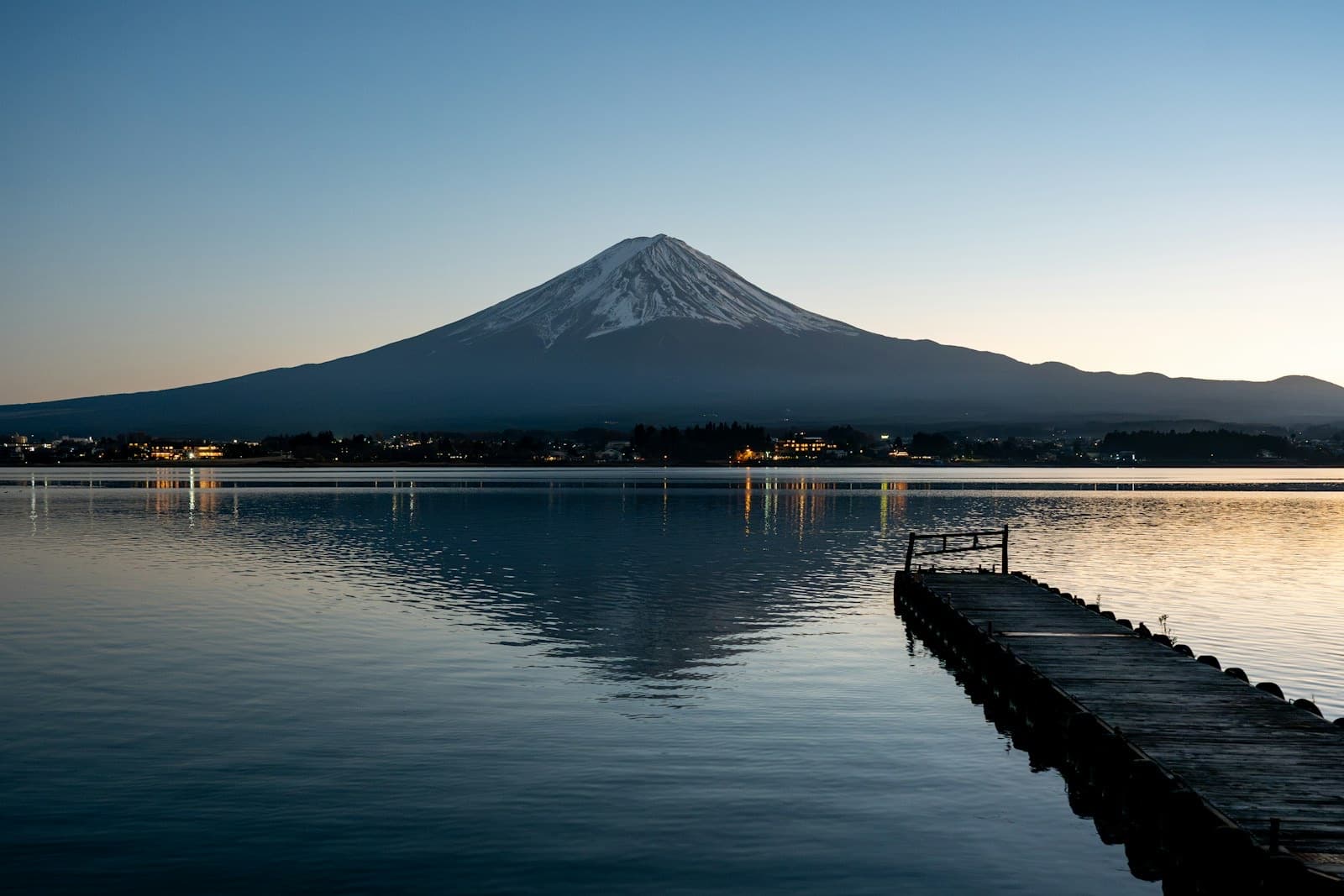
Yuru Camp is mostly set in Yamanashi Prefecture, and there was a huge spike in the number of people camping in the area because of the anime. Lake Motosu, the Kōan Camping Ground from episode one, and the surrounding Mount Fuji viewpoints all feature.
Saitama (Lucky Star)
Washinomiya Shrine in Saitama is one of the original anime pilgrimage sites in Japan and still draws fans of Lucky Star decades later.
Winter vs Other Seasons: When to Plan Your Anime Pilgrimage
A quick seasonal note before you book flights.
- Winter (December–February): crisp light, fewer crowds, clear Mount Fuji views from Yuru Camp locations. See our winter in Japan 2026 guide.
- Cherry blossoms (late March–early April): crowded but unbeatable for shrine and school-setting pilgrimages.
- Rainy season (mid-June to mid-July): not ideal for outdoor photo recreation. Indoor anime stores in Tokyo are your friend.
- Summer months (July–August): hot and humid. Festival-scene recreations from anime like Your Name work well, but pace yourself.
- Golden Week (late April–early May): avoid if you can. Every popular spot is mobbed.
How to Build a Real Itinerary From an Anime Pilgrimage Map
Step by step:
- Pick three to five anime you genuinely care about. Don't try to visit every location for every series — you'll burn out.
- Pull each anime's pilgrimage spots into one master list. Use AniTabi or animepilgrimage.com to find spots, then save them in your own Google Maps list.
- Group by neighborhood, not by anime. This is the single biggest mistake people make. If you have one Your Name spot in Yotsuya and one in Shinjuku, do them on the same day, not on a “Your Name day.”
- Anchor each pilgrimage day with one regular sightseeing stop. A shrine, a museum, a viewpoint — gives a non-otaku travel partner something to enjoy.
- Budget transit time generously. Tokyo's train system is excellent but transfers add up. Allow 45 minutes between non-adjacent stops.
- Build in shopping time. Even if you didn't plan to buy anime merchandise, you will. Nakano Broadway and Animate Ikebukuro are designed to drain wallets.
Sample one-day Tokyo pilgrimage route
Morning: Suga Shrine stairs in Yotsuya (Your Name) → walk to Yotsuya-Sanchome and ride to Akihabara. Late morning: Radio Kaikan and a quick lap of Chuo-dori. Lunch in Akihabara. Afternoon: Tokyo Metro to Ikebukuro → Animate flagship and Otome Road. Late afternoon: JR Yamanote to Shibuya for the scramble. Evening: optional detour to Nakano Broadway. Three transfers, one day, four series checked off.
Common Mistakes Anime Pilgrims Make
- Going to Suga Shrine at sunset on a Saturday. It's tiny and packed. Mornings are calmer.
- Skipping Nakano Broadway because Akihabara “has more.” Different inventory, different prices, different vibe.
- Standing in the road at Kamakurakōkōmae. Don't. A traffic patrol official is assigned daily to monitor the crossing for safety.
- Trying to do Ghibli Museum without a ticket. It won't work.
- Forgetting that many anime pilgrimage sites are residential. Keep your voice down, don't film private homes, and remember these are real neighborhoods.
- Carrying cash only. Most flagship stores take cards, but some smaller doujinshi shops are cash-only. Bring both.
A Note on Etiquette
The local communities that host these anime pilgrimage sites are mostly happy to have you there. But the goodwill is fragile.
Since the Kamakura Kokomae crossing is located within a residential neighborhood, visitors are strongly urged to observe good manners. Do not enter train tracks or roads for photos — this is illegal and dangerous. Avoid loud conversations or long stays during early morning or late night hours. Do not enter private property. Always take your trash with you and avoid causing traffic congestion or illegal parking.
The same principle applies everywhere. The K-On! school is still a working school. The Lucky Star shrine is still a working shrine. Respect both, and the pilgrimage keeps being possible for the next person.
Connecting Anime Spots With Wider Japan Travel
The best self-guided trips don't treat anime pilgrimage as a separate category. They weave it in. A Tokyo base of three or four nights covers most central Tokyo anime locations. Add Kamakura as a day trip. If you're heading to Hakone or Kyoto anyway, fold in the relevant pilgrimage spots without rerouting your whole trip.
For a deeper spot-by-spot catalog with camera angles and Google Maps pins, jump to our companion guide: Anime Pilgrimage Japan: 20+ Real Locations.
Want a self-guided route built around anime locations?
We design self-guided Japan trips that match your dates to the right neighborhoods, sequence pilgrimage spots by transit corridor, and bake in the regular sightseeing your travel partner will actually enjoy.
Want to turn your anime location list into a Japan itinerary that actually flows? Get in touch through Plan My Trip on our self-guided tours site, and we'll suggest the tours that best fit your dates and plans.
FAQ
Is anime pilgrimage in Japan free?
Mostly yes. Most outdoor locations — the Your Name stairs in Shinjuku, the Slam Dunk crossing in Kamakura — are public spaces and completely free. The Ghibli Museum in Mitaka is the main paid example: tickets are released at 10:00 JST on the 10th of each month for the following month only, with none sold at the door.
How do I find the exact real-life locations of an anime?
Start with AniTabi (anitabi.jp) or animepilgrimage.com for a map-based view, cross-reference with the Anime Tourism Association's 88 list at animetourism88.com, then save the pins to your own Google Maps list. The Butai Meguri app is also useful, with maps and AR features built specifically for pilgrims.
How many days do I need for an anime pilgrimage in Tokyo?
Three full days covers Akihabara, Ikebukuro, Nakano Broadway, Shibuya, Shinjuku, and Odaiba comfortably. Add a fourth day for Kamakura and a fifth for Mitaka if you secure Ghibli Museum tickets.
What's the difference between Akihabara and Nakano Broadway?
Akihabara is bigger, louder, more neon, and skewed toward new releases, trading cards, maid cafes, and gachapon. Nakano Broadway is a denser shopping complex with deeper retro stock and better prices on used and vintage items.
Do I need to speak Japanese to visit anime pilgrimage sites?
No. Major sites such as Awaji Island (NARUTO at Nijigen no Mori) and Hakone (Evangelion) provide maps and pamphlets in English, Chinese, and Korean. Many shops and limited-edition anime events also offer multilingual support, and Google Translate handles the rest.
Can I visit the Ghibli Museum without booking ahead?
No. The Ghibli Museum sells advance tickets only, released at 10:00 JST on the 10th of each month for the following month — so you cannot book months ahead, and none are sold at the door. Set a reminder for the 10th rather than planning it when you arrive.
Is the Slam Dunk crossing worth visiting if I haven't seen Slam Dunk?
Yes. The ocean view, the retro Enoden train, and the surrounding Kamakura sights stand on their own. Even visitors with zero anime knowledge enjoy it as part of a Kamakura day trip.
What's the best anime pilgrimage map for a first-time visitor?
For most travelers, AniTabi is the easiest starting point because it's interactive, in English, and links to Google Maps directly. Pair it with the Anime Tourism Association's official 88 list and you have everything you need.