Japan QR Code Train Tickets: What's Changing and How to Plan Around It
JR East is retiring magnetic short-distance tickets in spring 2027 and replacing them with larger QR code tickets you hold over a reader instead of feeding into a slot. What actually changes at the gate, what stays the same, and why most visitors will never notice.
If you're mapping out a Japan trip for 2027 or later, there's one small logistical change worth knowing about before you land. The old paper-and-magnetic-stripe tickets you slot into the fare gates are going away on a lot of local routes, and QR code tickets are taking their place. It won't change where you can go. It will change how you get through the gates.
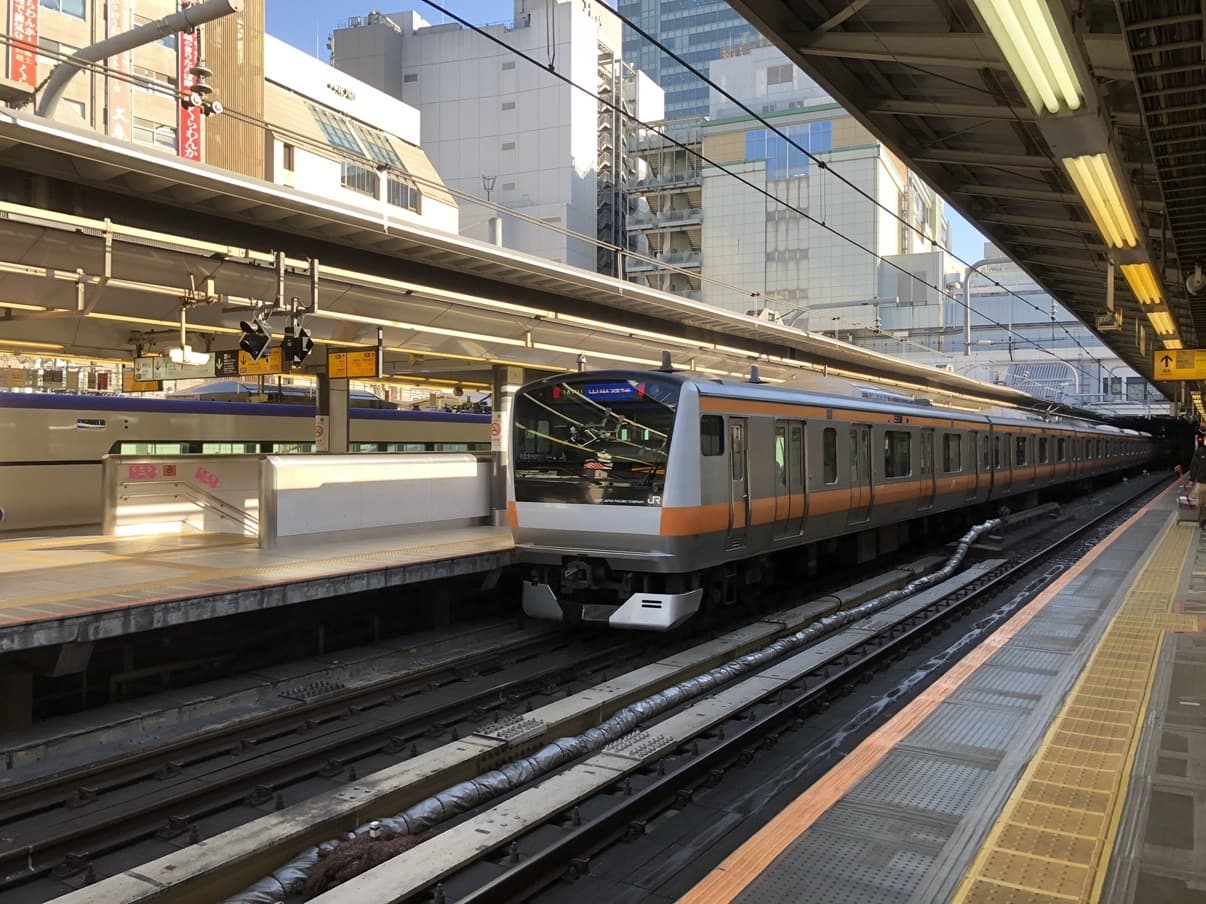
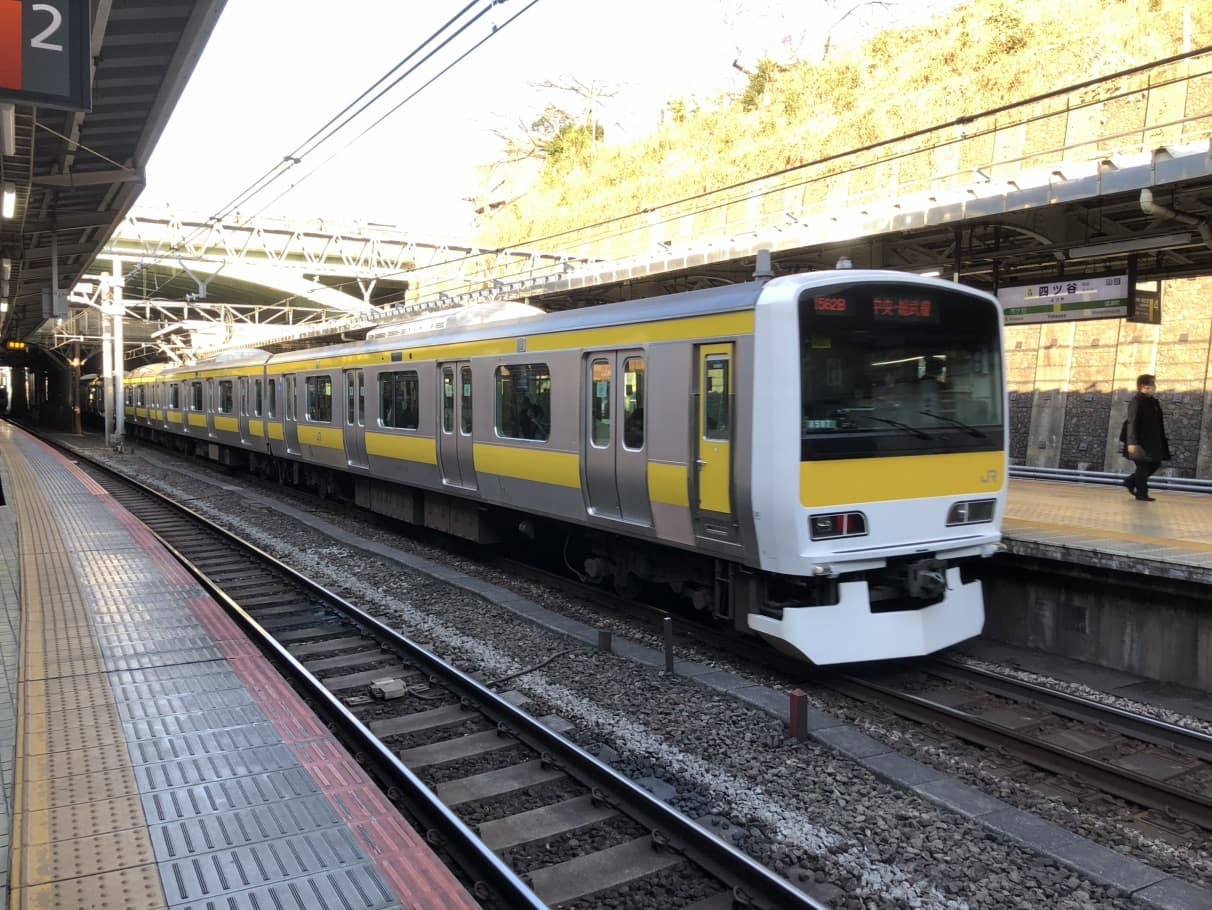
East Japan Railway Company — JR East — announced in June 2026 that it will discontinue magnetic short-distance tickets sold at stations on its conventional lines and replace them with QR code tickets in spring 2027. If your trip lands after that transition, you'll be holding a bigger, paper-only ticket with a QR code printed on it, and you'll hold it over a reader instead of feeding it into a slot.
For most visitors, this is a non-event. If you already planned to use an IC card like Suica or PASMO, nothing changes for you at all. But if you tend to buy single-ride paper tickets at the machine, or you're travelling in a group and want to understand what you'll see at the gates, read on.
🎫 Quick Answer: Japan QR Code Train Tickets
- When: spring 2027, phased in. Announced June 9, 2026.
- What: magnetic short-distance tickets on JR East conventional lines are replaced by QR code tickets.
- Scope: journeys of up to 100 km. Limited express and Shinkansen tickets are not included for now.
- Size: the ticket grows from 30 × 57.5 mm to 57.5 × 85 mm.
- Does it affect you? If you use an IC card or a JR Pass — no. Only if you buy single paper tickets from a machine.
What Are Japan QR Code Train Tickets, and Who Do They Affect?
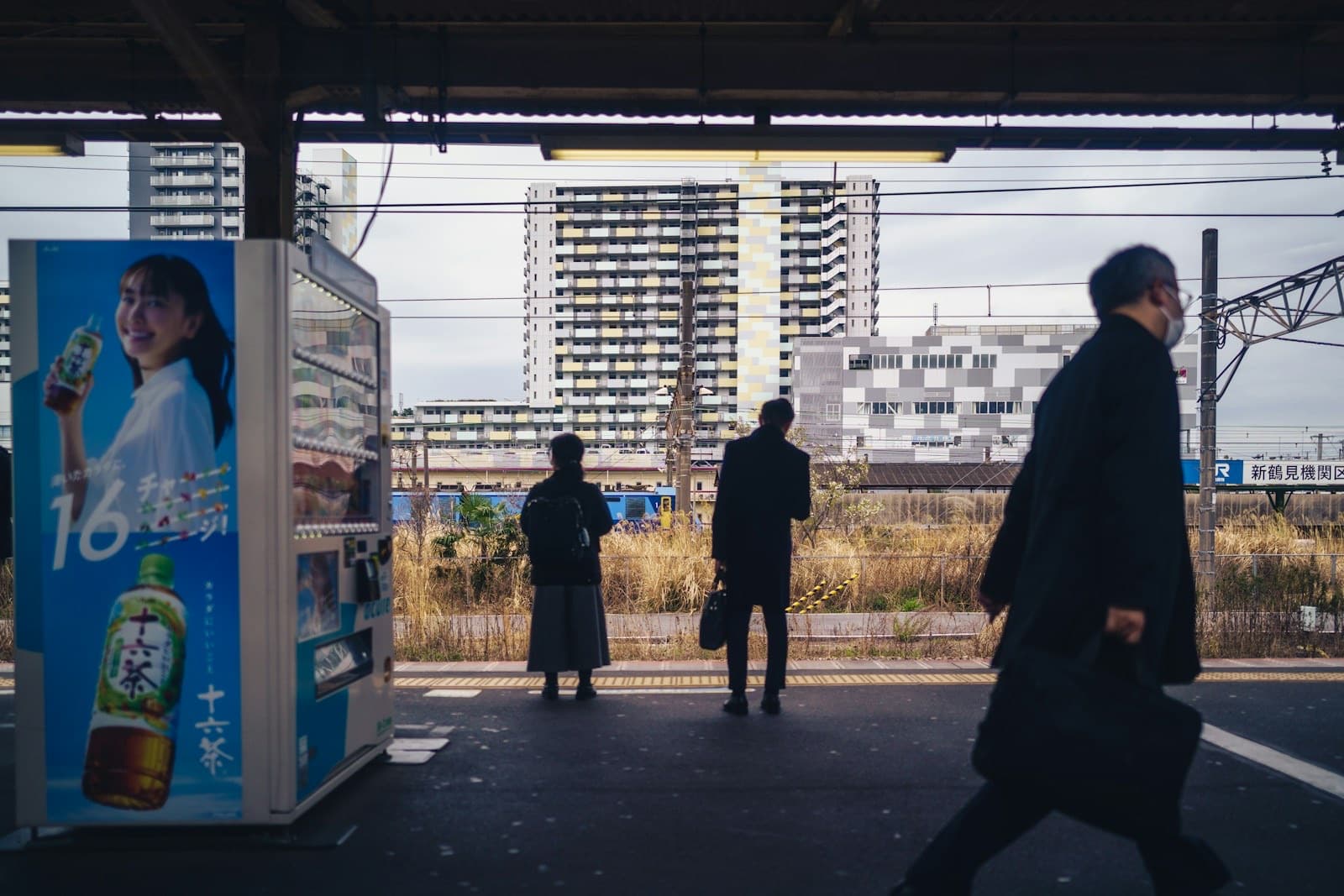
JR East is the biggest rail operator in eastern Japan, running lines all over Tokyo and up through Tohoku. For years, single-ride tickets on its conventional lines have been the small orange-edged paper ones with a magnetic stripe on the back. You insert them, walk through, and the machine spits them back out at the other end. That's the system being retired.
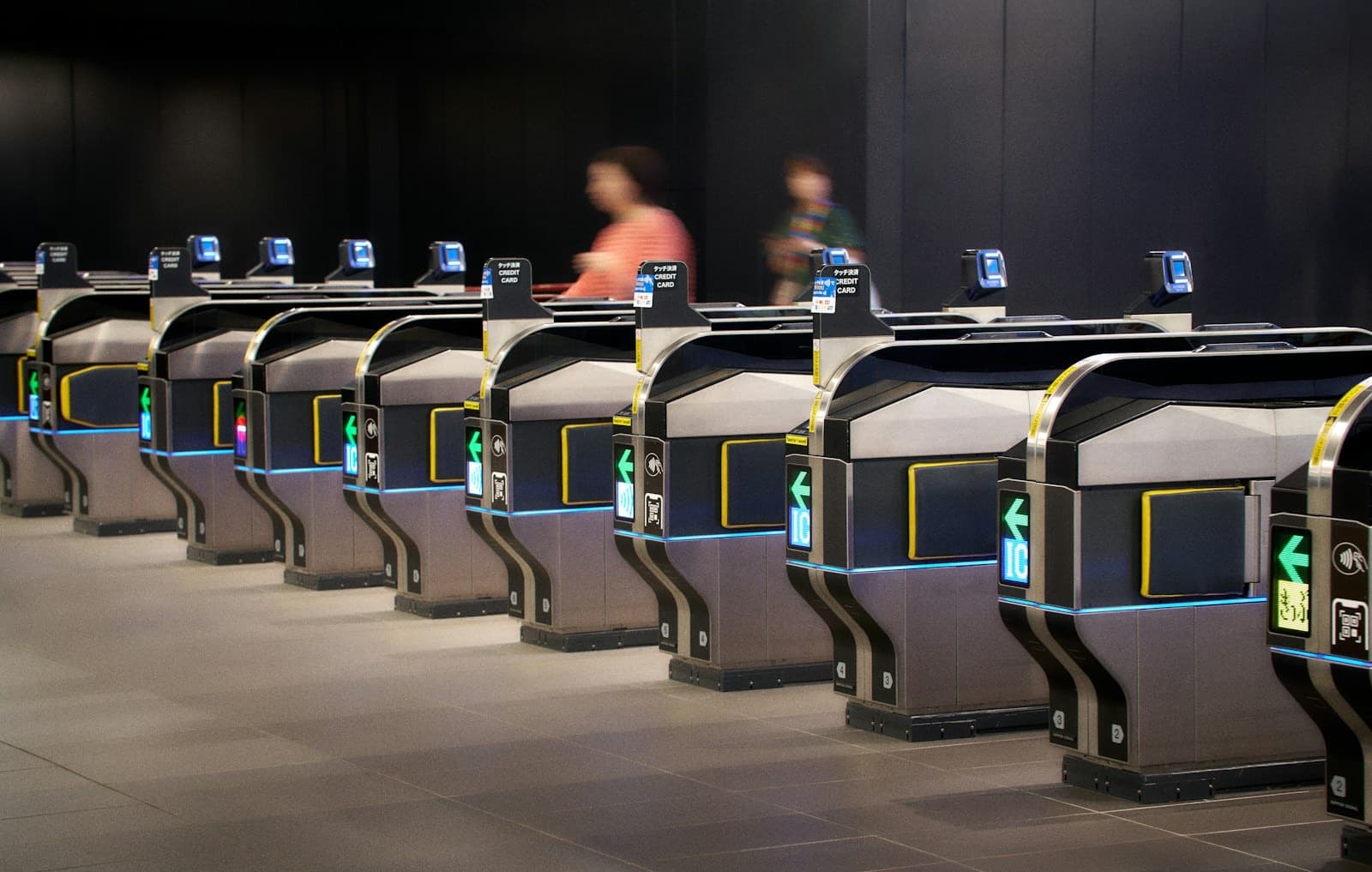
Passengers currently insert magnetic tickets into fare gates at the start and end of each trip. Under the new process, they will hold QR-coded tickets over readers installed at the gates. Same idea, different mechanism — and no more paper jams inside the gate.
The Limits of the Change
The change applies to tickets for trips of up to 100 kilometres. Limited express services and Shinkansen are not included for now. So if you're buying a Shinkansen ticket to Kyoto or a limited express to Nikko, the process stays familiar. Long-distance journeys are unaffected largely because they often cross into other railway operators' territory.
This isn't JR East acting alone either. Eight rail operators in the Tokyo metropolitan area, JR East included, announced back in May 2024 that they would phase out magnetic tickets in favour of QR code tickets from fiscal 2026 onward. The Tokyo private railways are moving in the same direction on a similar timeline.
From our Japan travel team: JR East announced the switch in June 2026, with the rollout planned for spring 2027. For most travellers this is a smooth transition and not a reason to change travel dates. Hotels and trains still fill up fast in spring and autumn, so start planning early — our self-guided tours handle the reservations for you and give you 24/7 support on the ground if anything shifts mid-trip. Feel free to get in touch and we'll help you slot the right route together.
QR Tickets vs Magnetic Train Tickets at the Ticket Gate
Let's walk through the actual difference at the gate, because that's what people ask about.
| Magnetic ticket (now) | QR ticket (spring 2027) | |
|---|---|---|
| At the gate | Insert into the slot, collect on the far side | Hold flat over the reader; keep it in your hand |
| Size | 30 × 57.5 mm | 57.5 × 85 mm |
| Back of ticket | Magnetic coating | Plain paper, printed QR code |
| Applies to | All short-distance tickets | Journeys up to 100 km, JR East conventional lines |
With the old magnetic tickets, you approach the fare gates, drop the ticket into the slot on the front, walk through as the gates open, and grab the ticket back on the other side. Simple and fast — but the mechanism inside is complicated and expensive to maintain.
With QR code tickets, you approach the same gates, but there's a QR reader mounted where you'd normally insert the ticket. You hold your ticket flat against the reader and the gates open. You keep the ticket the whole way through, and scan again at the exit.
The ticket grows from the current magnetic format's 30 × 57.5 mm to 57.5 × 85 mm — roughly the size of a small event ticket rather than the little chit you're used to. Easier to hold, harder to lose in a jacket pocket.
Why the change at all? JR East points to two things: the fare-gate mechanism for magnetic tickets is complex and costly to maintain, and removing the magnetic coating from the back of the ticket cuts the environmental burden of recycling used tickets. Ticket jams disappear as a side benefit.
How to Plan Your Japan Trip Around This Change
Honestly? For the overwhelming majority of visitors the practical advice is: get an IC card and forget about paper tickets entirely. Load Suica onto your Apple Wallet before you fly if you have an iPhone, or grab a Welcome Suica at the airport when you arrive. Tap in, tap out, done. The switch to QR code tickets is almost invisible to you.
But there are a few real cases where you'll still touch a paper ticket:
Shinkansen Day Trips
If you're going from a Shinkansen station like Tokyo to Sendai, or Tokyo to Kanazawa, you can either use an e-ticket linked to your IC card or pick up a physical ticket at the machine. The Shinkansen e-ticket combines the fare and the Shinkansen charge for the eligible journey: you pay online, then link the booking to a transport IC card such as Suica or PASMO. The card is the key to the reservation — the fare is not deducted from its stored balance. That's the cleanest option.
Group Bookings
JR East requires one IC card per person. If you book for three people, you need three eligible cards and must link each seat to the correct card. So if you're travelling as a family, plan for this ahead of time — everyone needs their own IC card in their own name.
Picking Up Reserved Seats
If you book through Eki-net or a similar service and want paper tickets, you'll use a QR code at the machine to print them. To collect them, find a Reserved Seat Ticket Vending Machine (指定席券売機) at a designated JR station — normally situated near the ticket gates. Give yourself buffer time at a big station: 15 minutes minimum, more during Golden Week or the New Year rush.
Wondering whether a rail pass is worth it alongside all this? See our JR Pass value guide and the current rail pass prices.
Common Mistakes to Avoid
- Assuming the QR code in your email is the ticket. It usually isn't — for JR East reservations it's the pickup code you scan at the machine to print your seat. A confirmation email by itself is not a boarding ticket.
- Rushing to the gate without checking which reader is which. Old and new gates will coexist during the transition.
- Using a different card at the pickup machine. Bring the same card you paid with.
- Buying single paper tickets one by one for a day of shopping and station-hopping around Tokyo. Just use IC — it's faster and works on buses and in convenience stores too.
From our Japan travel team: Our self-guided tours include free days in Tokyo, Kyoto and Osaka, so if you want to add a day trip — say Tokyo to Nikko or Kanazawa — you can slot it in without rebuilding the whole itinerary. We book the seats, hand over the pickup details, and walk you through the gate process before you go. Just ask and we'll help you sort it.
A Quick Note on Timing: Spring 2027 and Beyond
If your trip is planned for late 2026 or earlier, you'll almost certainly still see the magnetic tickets. From spring 2027 onward on JR East conventional lines, expect the QR versions to gradually take over. Rollout dates and details are still subject to change as the company gears up, so check the JR East site closer to your travel date.
The end-to-end experience should be smoother, not harder: bigger ticket, cleaner scan, no jams. And if you remember one thing — your IC card still does everything a single-use ticket does, faster, and it works on buses and in convenience stores too.
Would you rather have your train tickets arranged for you? Get in touch through Plan My Trip on our self-guided tours site, and we’ll suggest the tours that best fit your dates and plans.
FAQ: Japan QR Code Train Tickets
Do I need to do anything special before my trip because of the QR code change?
No. If you are using an IC card (Suica, PASMO, ICOCA, or the Apple Wallet version), nothing changes for you. If you plan to buy single paper tickets from a machine, you will simply hold the ticket against a reader instead of inserting it into a slot.
Will the QR code tickets work on the Shinkansen?
Not as part of this change. Limited express services and Shinkansen are not included for now. Shinkansen tickets continue to use their existing paper format or IC-linked e-tickets.
When exactly does the change happen?
JR East announced it on June 9, 2026, with the rollout planned for spring 2027, phased in gradually. Eight Tokyo-area operators announced a similar shift from fiscal 2026 onward, though exact dates vary by company.
Can I still use my JR Pass with the new system?
Yes. The JR Pass is not a magnetic ticket in the same sense — it has been moving toward IC-linked and QR-based systems for reserved seats, and you pass through the gates with it as normal.
What if I have leftover magnetic tickets from a previous trip?
Unused JR tickets should be refundable at a JR ticket counter within their validity period. Do not hold onto them expecting to use them in 2028.
Do private railways in Tokyo use the same system?
They are moving in the same direction. Multiple Tokyo-area operators are shifting to QR code tickets over a similar period, though exact dates and details vary by company.