Is Japan Safe for Women? An Honest Guide for Solo Travelers (2026)
An honest, practical guide to safety for women planning a self-guided Japan trip — what is actually true, what is overhyped, and how to turn it into a real itinerary you can book.
You have seen the headlines and the Reddit threads. Japan ranks among the safest countries on earth for solo women — and most travelers who visit describe it as the easiest big trip they have ever planned on their own. This guide is the practical version: what is actually true, what is overhyped, how women-only train cars work, and how to turn all of it into a self-guided itinerary you can book.
Already planning? For a longer companion guide with more destination detail, neighborhood picks, and solo-dining advice, see our solo female travel in Japan guide. This article focuses on honest safety basics and turning them into a workable first trip.
Quick Answer: Is Japan Safe for Women?
Yes — very safe. Japan has one of the lowest violent crime rates among developed nations. Solo women regularly walk home after midnight in major cities without incident. That does not mean you check your common sense at the airport; it means the baseline is unusually high, so you can focus on temples, food, and trains instead of constantly scanning your surroundings.
Violent Crime
Extremely rare
At Night
Generally safe
Trains
Women-only rush cars
Watch For
Touts, packed trains
How Safe Is Japan for Women, Really?
Japan has one of the lowest crime rates among developed nations. Violent crime against tourists is extremely rare, and petty theft is uncommon compared to most popular travel destinations. You will notice it in small ways: laptops left on cafe tables while someone queues for coffee, phones turned in at police boxes within minutes, wallets handed back with nothing missing.
One story travelers repeat because it captures the culture: a woman left her wallet — cash and passport included — on a train seat in Kyoto. At the station master's office, it had already been turned in, nothing missing. That is not a guarantee for every trip, but it reflects how seriously Japan treats lost property and how that attitude shapes the whole travel experience.
For solo female travelers planning a self-guided trip, the practical takeaway is simple. You are not choosing between adventure and safety. You are choosing a country where safety is the default, so your planning energy goes toward trains, ryokan, and timing — not constant threat assessment.
Harassment and Chikan: An Honest Look
This is where honest guides should slow down. Chikan — groping on packed commuter trains — is a real issue in Japanese society, not a tabloid myth. It disproportionately affects Japanese teenage girls and young commuters. Surveys suggest a large share of Tokyo women have experienced it at some point over years of daily commuting. As a foreign solo traveler, your exposure is real but typically lower than those headline percentages suggest, especially if you are not riding rush-hour commuter trains every weekday.
If it happens, do not freeze. Move away, use your voice ("Yamete!" means "Stop it!"), and tell train staff at the next station. Station employees deal with these reports more often than you might expect and take them seriously. Women-only train cars exist partly because of this problem — they are an option, not a requirement, and they help during the hours when trains are most packed.
Petty Theft, Scams, and Touts
Petty theft is rare. The bigger annoyance for foreign women — especially in entertainment districts — is touts. You may meet scouts handing out flyers or inviting people into bars or massage parlors. Most are harmless hustlers, but some target foreign women specifically. If someone gets pushy, say no firmly and keep walking.
The golden rule: never follow anyone into an unmarked building or upstairs bar. Even when physical danger is not the goal, a common scam is luring visitors into a venue and charging outrageous drink prices. In Kabukicho (Tokyo) or similar nightlife zones, aggressive touts are mostly a wallet risk, not a physical one. Walk past. Do not follow anyone upstairs. That is the whole playbook.
Women-Only Train Cars: What They Are and How to Use Them
If you have heard one thing about solo female travel in Japan, it is probably the pink-signed carriages. Here is how they actually work.
When They Run
In most major cities, women-only cars operate during weekday rush hours — usually from the first train until around 9:30 a.m. Some lines also run them in the evening; a few operate all day. The policy is generally weekdays only, excluding holidays. On a Tuesday morning commuter train at 8 a.m., the restriction is enforced. On a Sunday afternoon trip to Asakusa, all cars are mixed and perfectly fine for tourists.
How to Spot Them
Look for pink "Women Only" signs in three places: on the platform floor where passengers line up, on platform pillars near the boarding spot, and on the train carriage near the doors. Most of the time these cars are at either end of the train. Announcements in Japanese and English also help riders find the correct spot.
Who Can Use Them
You do not have to use them — they are an option. Elementary school students and younger children are usually allowed regardless of gender. Passengers with disabilities and their caregivers can also use women-only cars. Outside posted hours, anyone may ride in those carriages; the restriction applies only during the times shown on signs.
Where They Do Not Exist
A detail many guides miss: the Kyoto Subway does not currently have women-only cars, unlike many JR and private lines in Tokyo and Osaka. That is not a safety concern for most visits, but worth knowing if you are traveling during peak commute hours. The Ginza and Marunouchi lines in Tokyo also do not have women-only cars. On a typical tourist schedule you are rarely on a train at 8 a.m. anyway — but it helps to know what you are looking at when you see that pink sign.
Is Japan Safe for Women at Night?
This is the question that keeps women scrolling Reddit at 2 a.m. before booking a flight. The direct answer: Japanese streets in major cities remain bright, active, and generally safe late at night. Late-night convenience stores, well-lit stations, taxis with meters, and a strong cultural respect for personal space all add up. Solo women regularly walk Shibuya or Gion after midnight without incident.
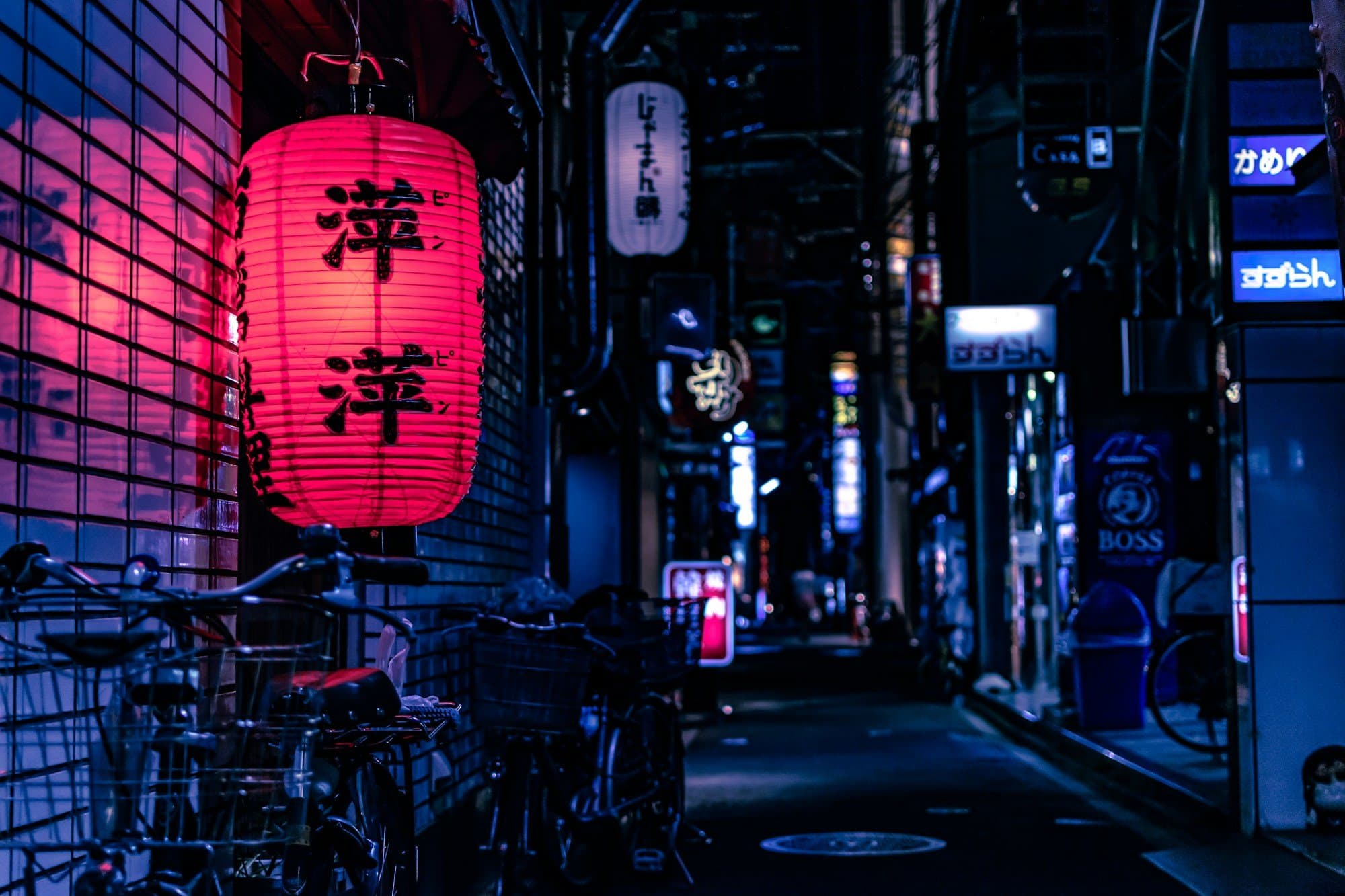
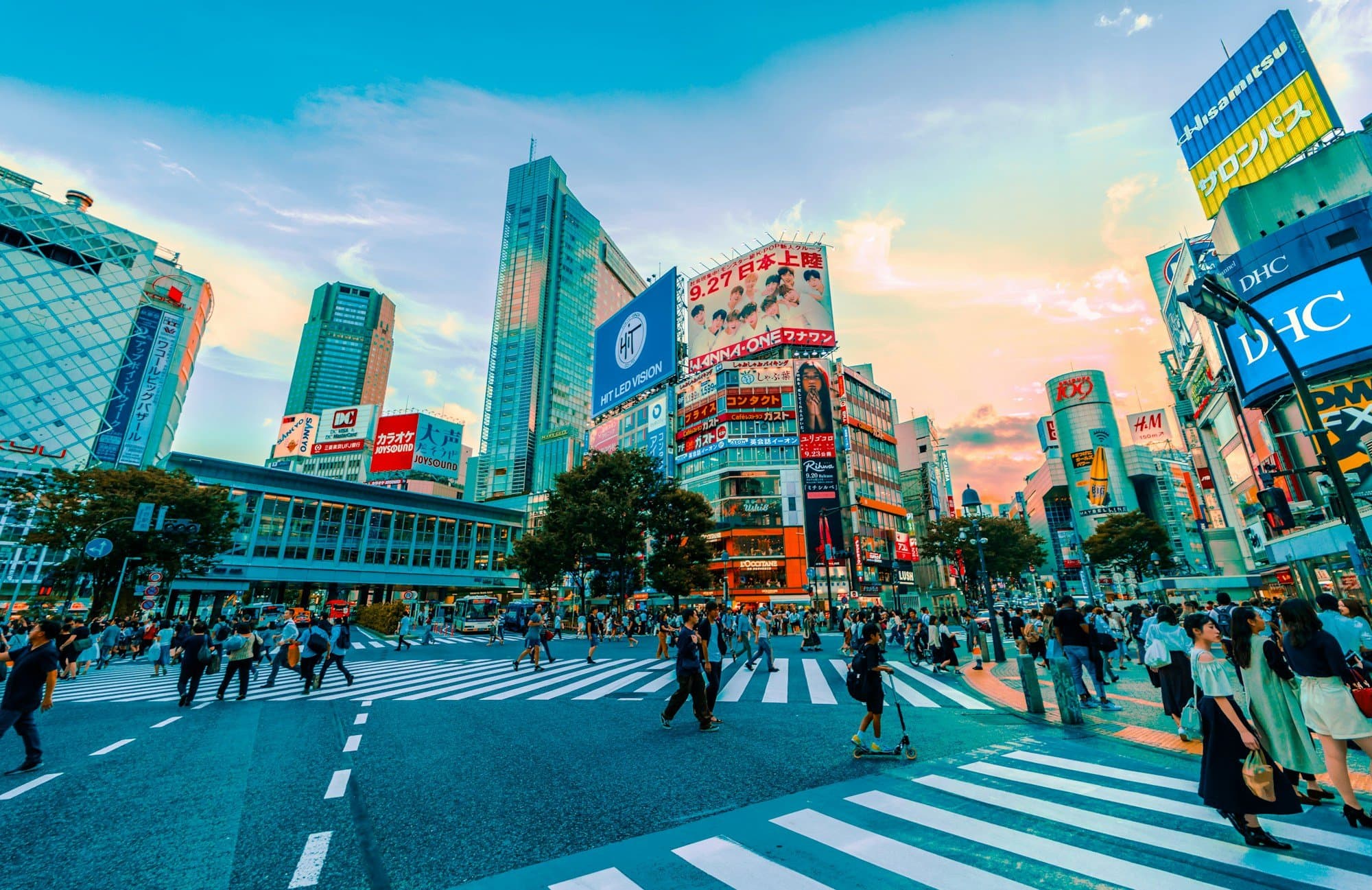
Nightlife districts have their own vibe. Kabukicho in Tokyo and Shinsekai in Osaka can feel chaotic after dark. They are fine to explore in early evening or with company; many solo travelers avoid wandering deep into them alone after 2 a.m. and stick to quieter streets or group plans. The practical takeaway: walk Shibuya Crossing at 11 p.m. with confidence; wander Gion at midnight without worry; use the same caution you would in any major city if you are going deep into a nightlife zone alone in the small hours.
Last Train, Then What?
Trains stop earlier than many visitors expect — typically between midnight and 1 a.m. If you miss the last train, the GO app is Japan's main taxi-hailing option in major cities and works well. A 24-hour convenience store is always a reasonable place to wait while you sort out transport. Budget ¥3,000–5,000 for the occasional late-night taxi; missing last train happens to everyone eventually.
Planning Your First Solo Trip to Japan
Where to Base Yourself
For a first solo trip, stick to well-trodden cities. They have the most English signage, the densest infrastructure for foreign visitors, and the easiest logistics when something goes wrong.
- Tokyo — Start here. Base in Shinjuku, Shibuya, or Ginza for easy access. Shibuya Crossing, Senso-ji in Asakusa, Meiji Shrine, and day trips to Kamakura or Nikko all work well solo.
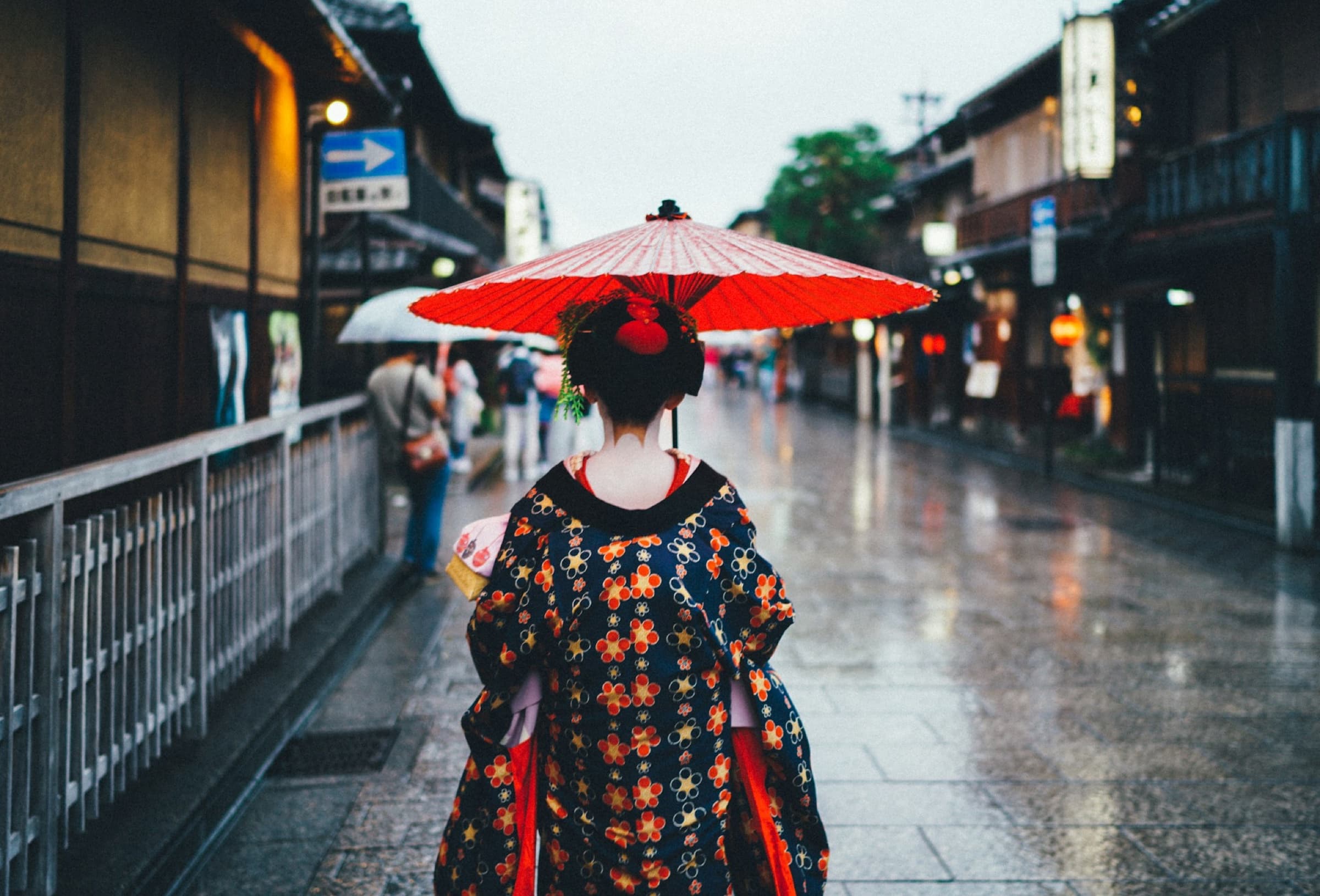
- Kyoto — Slower pace, more shrines than you can visit in a week. Fushimi Inari at sunrise, Arashiyama bamboo grove, Gion at dusk. Smaller streets can be very dark after sunset — plan lit routes with Google Maps.
- Osaka — A two-night add-on after Kyoto works perfectly. Locals are warmer and more openly friendly than in Tokyo. Dotonbori is lively, food-focused, well-lit, and safe to explore alone. Osaka Castle and the surrounding park make a good solo morning.
When to Go
Cherry blossoms peak in late March through early April in most of mainland Japan. It is stunning — and booked solid. Accommodation for solo travelers fills up early during cherry blossom season and Golden Week (late April to early May). Book at least two months ahead during those windows.
For fewer crowds, aim for late May, early June, or November (autumn leaves). November is often the best balance: mild weather, glorious foliage, and less pressure than spring peak season.
How Long?
Ten to fourteen days is the sweet spot for a first solo trip. Less than that and you will feel rushed. More than that and you are already into second-trip territory — Japan rewards return visits.
Getting Around: Japanese Trains Without the Stress
Japan's public transport is among the most reliable in the world. The main challenge for first-timers is learning to navigate it, not worrying about safety on it. Stations are well-staffed, well-lit, and monitored.
IC Cards Are Non-Negotiable
Start with a Suica or Pasmo card — a rechargeable transit card that works on trains, buses, and in many convenience stores and vending machines. You can load Suica directly onto an iPhone; Android users usually pick up a physical card at the airport. Tap to enter, tap to exit. No more standing at a ticket machine calculating the fare to Yokohama at rush hour.
Google Maps Is Your Lifeline
Google Maps is highly accurate for Japanese transit, including platform numbers, transfer times, and departure times. Download offline maps before you travel. It will tell you "Platform 7, car 4, exit B3" — follow it.
The Bullet Train
The Shinkansen connects major cities at speeds that make multi-city itineraries practical. Tokyo to Kyoto is about 2 hours 15 minutes. Eating on local commuter trains is considered rude in tight quarters; on long-distance trains like the Shinkansen, eating is common and encouraged — grab an ekiben (station bento) before boarding.
Not Every Line Works the Same Way
One thing first-timers do not realize: Japan is not run by a single rail company. Alongside JR (Japan Railways) there are city subways and dozens of private railways (shitetsu), and the payment options are not uniform. Some lines accept credit cards (including contactless), some accept only IC cards like Suica or Pasmo, and a few rural or special lines still require you to buy a paper ticket from a machine before boarding.
Before you travel a new line — especially anywhere outside Tokyo and Osaka — check the company website or just ask a station attendant. Staff are used to this question and will point you to the right machine, gate, or platform. It is a 30-second conversation that saves you from the wrong-line panic at peak hour.
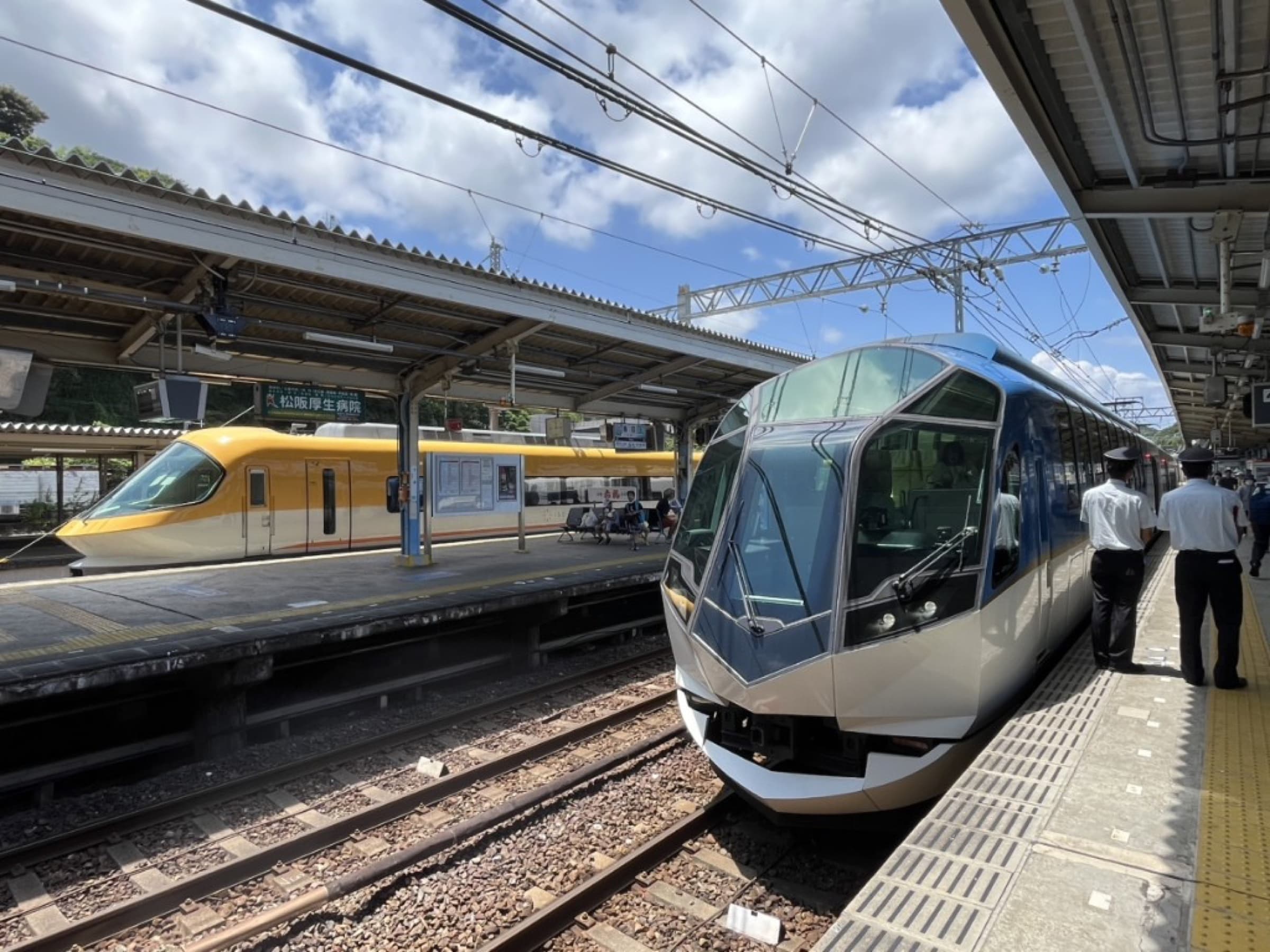
As a concrete example, Kintetsu Railway, which connects major cities like Osaka, Kyoto, and Nagoya, accepts every payment method you are likely to bring: credit cards, IC cards (Suica / Pasmo / Icoca), and paper tickets. Limited express seats can be reserved online in advance, and a QR-code-based Kintetsu Rail Pass, an unlimited-rides ticket aimed at visitors, is also available.
Where to Stay as a Solo Woman
Accommodation in Japan ranges from budget capsule pods to luxury ryokan suites, and almost everything works for solo female travelers if you book with a few basics in mind.
Capsule Hotels
Capsule hotels are a budget-friendly, distinctly Japanese experience. Many now offer women-only floors or entire buildings with secure key-card access, luggage lockers, and private sleeping pods. The women-only floors are the move — men cannot enter even by mistake.
Business Hotels
Chains like Toyoko Inn and APA Hotel offer small but functional rooms, reliable Wi-Fi, and breakfast — often around $70–100 per night. The default choice for most solo trips when you want privacy without ryokan prices.
Ryokan
Traditional inns with futons, tatami, and often a private or shared onsen. Not all accept single guests; some charge a single supplement for rooms designed for two. Solo-friendly ryokan exist, especially in onsen towns — book early and confirm single occupancy before paying.
Hostels
Best for meeting other travelers. Piece Hostel in Kyoto and UNPLAN Shinjuku in Tokyo are well-reviewed by solo women. Choose hostels with secure lockers, female dorms if you prefer them, and common areas that feel actively used rather than empty.
A Sample Self-Guided Itinerary (10 Days)
Here is a route we would actually recommend to a friend on her first solo trip — paced for safety, ease, and enough buffer to enjoy the unplanned moments.
Days 1–4: Tokyo
Base in Shinjuku. Shibuya Crossing, Senso-ji, Meiji Shrine, Akihabara, day trip to Kamakura. Eat ramen alone at a counter — nobody will look at you twice.
Day 5: Hakone or Mount Fuji area
Onsen, mountain views, maybe Fuji on a clear day. One night in a solo-friendly ryokan.
Days 6–8: Kyoto
Bullet train down. Fushimi Inari at 6 a.m., Arashiyama, Kinkaku-ji, Gion in the evening. Stick to lit routes after dark.
Day 9: Nara or Osaka
Nara for the deer and temples. Osaka for Dotonbori, Osaka Castle, and street food — especially takoyaki as a solo diner.
Day 10: Tokyo for departure
Shinkansen back to Tokyo. Allow buffer before your flight. Winter travelers can slot in snow monkeys near Nagano with straightforward bus connections from popular ski towns.
Want this routed and booked? See the live Hidden Gems of Japan: Ise-Shima Escape (GR001) for a Tokyo–Kyoto–Osaka loop, or Alpine Wonders of Central Japan (NT004) if you want Matsumoto, Kamikochi, and mountain towns in the mix.
Practical Safety Tips for Solo Female Travel
Stay Connected
Get a travel eSIM or pocket Wi-Fi before you arrive. A dead phone at 11 p.m. in an unfamiliar neighborhood is the one situation worth avoiding. Keep your phone charged for navigation and emergencies.
Save Key Info in Japanese
Save your hotel's address in Japanese on your phone. Taxi drivers do not always read romaji. Screenshots of your booking confirmation in Japanese help at check-in and when asking for directions.
Cash and ATMs
Japan still uses a lot of cash. Plenty of small restaurants, family-run shops, shrines, festivals, and rural ryokan are cash-only, even in 2026. Aim to keep ¥10,000–20,000 in your wallet at all times as a baseline, then top up at convenience store ATMs when you drop below. Convenience store ATMs accept foreign cards 24/7. 7-Eleven ATMs charge ¥110 per withdrawal; Lawson and FamilyMart charge ¥660 — use 7-Eleven when you can.
Emergency Numbers
Police: 110. Fire and ambulance: 119. Both work from any phone; you do not need a Japanese SIM for emergency calls.
Trust Your Gut
Japan being safe does not override your instincts. If something feels wrong, act on it — change cars, leave a bar, take a taxi, or wait in a lit convenience store until you are sure.
Dressing and Blending In
Japan leans conservative outside major cities. Modest outfits help you blend in; no one will lecture you, but you will feel less stared at in temples, smaller towns, and residential neighborhoods.
Travel Insurance
Get it. Japanese hospitals may require upfront payment and do not accept U.S. health insurance or Medicare. Hospitalization can run $1,000–3,000 per day; medical evacuation to North America can exceed $100,000. A twisted ankle on Fushimi Inari's steps is a cheap lesson in why a policy matters.
Common Mistakes Solo Women Make in Japan
- Over-planning every hour. Japan is forgiving. Leave room for the tiny temple, the gardener with green tea candy, the conversation at a hostel common table — those are the moments you remember.
- Under-budgeting for taxis. Missing last train happens. Keep ¥3,000–5,000 in reserve for a safe ride home.
- Skipping smaller cities. Tokyo and Kyoto are obvious. Kanazawa, Takayama, and Hiroshima are easy additions with fewer crowds and strong solo infrastructure.
- Ignoring jet lag on day one. Do not book Shibuya nightlife for the night you land. You will be exhausted and make worse decisions.
- Walking dark alley shortcuts. Even in safe cities, quiet side streets in Kyoto and residential Tokyo can be pitch-black after sunset. Use Google Maps to stay on lit main routes.
- Assuming every train has women-only cars. Kyoto Subway and some Tokyo lines do not — check signs rather than guessing.
Want a solo-friendly route without the logistics headache?
We build self-guided Japan itineraries for solo women — the right trains, women-friendly lodging, luggage transfers, and backup plans for your dates.
FAQ
Is Japan safe for solo female travelers?
Yes. Japan is one of the safest countries in the world for women traveling alone. Violent crime is extremely rare, cities are well-lit at night, and public transport is reliable. Standard precautions still apply — avoid touts in nightlife districts, use women-only train cars during rush hour if you want extra space, and trust your instincts.
Is it safe to walk alone at night in Japan?
In major cities, yes — many solo women walk home after midnight without incident. Stick to well-lit streets, be cautious in nightlife districts like Kabukicho or late-night Shinsekai, and budget for a taxi if you miss the last train.
What are women-only train cars and do I have to use them?
They are designated carriages on many Tokyo and Osaka lines during weekday rush hours, marked with pink signs. You do not have to use them, but they are a useful option when trains are packed. Kyoto Subway does not have them; some Tokyo lines like Ginza and Marunouchi do not either.
What should I actually worry about as a woman in Japan?
Chikan on very crowded trains, aggressive touts in entertainment districts, missing last train, and medical costs without insurance. Petty theft is rare. Violent crime against tourists is extremely uncommon.
How many days do I need for a first solo trip to Japan?
Ten to fourteen days is ideal for Tokyo, Kyoto, Osaka, and one side trip such as Hakone, Nara, or Kanazawa. Less than ten days feels rushed; more than two weeks opens up second-trip destinations.
When is the best time to visit Japan as a solo woman?
Late March–April (cherry blossoms) and November (autumn leaves) are beautiful but busy — book early. Late May, early June, and September–October offer good weather with fewer crowds and easier accommodation.