Japan Dual Pricing 2026: What Foreign Visitors Will Actually Pay
Two-tier admission is real and expanding — but for most trips it adds about the price of one ramen dinner. Where it applies, how it's checked, and how to budget for it.
Heading to Japan and seeing scary headlines about "tourist taxes" and "foreigners pay double"? Let's cut through the noise. Japan is rolling out a dual pricing system in 2026 that charges higher admission at certain attractions for non-residents. It's real and expanding — but it's not the wallet-melting disaster social media makes it out to be. For most travelers, the extra cost across a two-week trip is roughly the price of a nice ramen dinner.
The bigger thing is knowing where it applies, how it's verified, and how to build it into your self-guided itinerary so you're not caught off guard at the ticket window.
💴 Quick Answer: Japan Dual Pricing in 2026
Dual pricing is real but limited. A short list of popular sites — led by Himeji Castle — now charge non-residents more. It's based on residency, not nationality, so foreign residents of Japan usually pay the local rate. Budget an extra ¥1,500–¥5,000 total for a typical trip, not per day.
🏯 Himeji
¥2,500 non-resident
🪪 Based on
Residency, not nationality
💰 Trip impact
~¥1,500–5,000 total
What Is Japan's Dual Pricing System?
Dual pricing means a single attraction sells two tickets: a lower one for residents and a higher one for everyone else. Japan's Tourism Agency plans to publish formal guidelines by March 2027, and an expert panel is gathering input from cities and operators that already run two-tier pricing.
A key nuance most travelers miss: it's usually based on residency, not nationality. Himeji, for example, built its model around residents vs. non-residents because the castle is maintained by the city — locals already pay toward its upkeep through taxes, so the resident rate just avoids double-charging them. That means a foreigner with a Japanese residence card often pays the local rate, while a Japanese tourist from Tokyo pays the higher one. "Foreigners pay more" is a headline shortcut, not the actual rule at most sites.
Why now? A weak yen has pushed inbound tourism to record levels. The boom has been great for the economy but hard on popular sites, and the country wants to protect aging temples, castles, and infrastructure without making residents foot the bill. It overlaps with the wider wave of new tourist taxes and tourist taxes arriving in 2026.
Where You'll Actually See Dual Pricing
Don't panic-plan around every attraction. Right now it applies to a fairly short list of popular sites. Here's the current picture, with resident vs. non-resident prices.
🏯 Dual pricing at a glance (2026)
| Site | Resident | Non-resident |
|---|---|---|
| Himeji Castle | ¥1,000 | ¥2,500 |
| Odawara Castle | ¥500 | ¥1,000 |
| Nanzoin Temple (Fukuoka) | Free | ¥500 (from 1 Mar 2026; was ¥300) |
| Niseko lift ticket (day) | ¥5,000 | ¥6,500 |
| Junglia Okinawa park | ¥6,930 | ¥8,800 |
| Kyoto city bus (proposed) | ¥200 | ¥350–400 |
💡 Children under 18 enter Himeji free. Kyoto's tiered bus fare is still under discussion, targeted as early as April 2027.
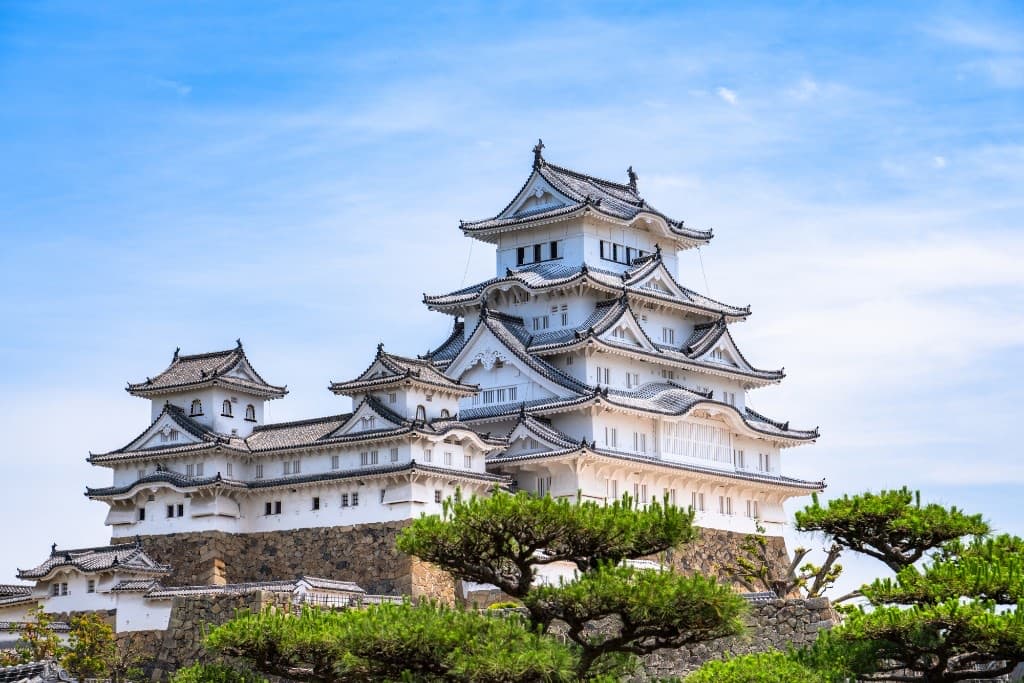
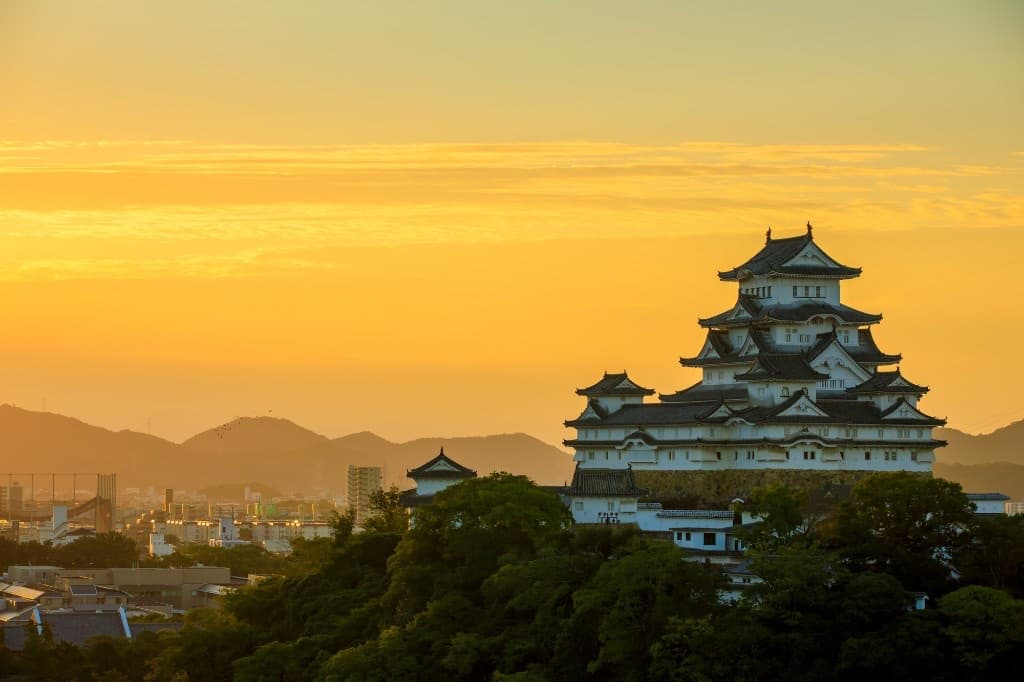
🏯 Why Himeji is worth every yen
Himeji is the most famous of all Japanese castles, renowned for its beauty, its sheer scale, and its historical significance. It was the very first building in Japan to be inscribed as a UNESCO World Heritage Site — and it is absolutely worth paying the admission to climb to the top.
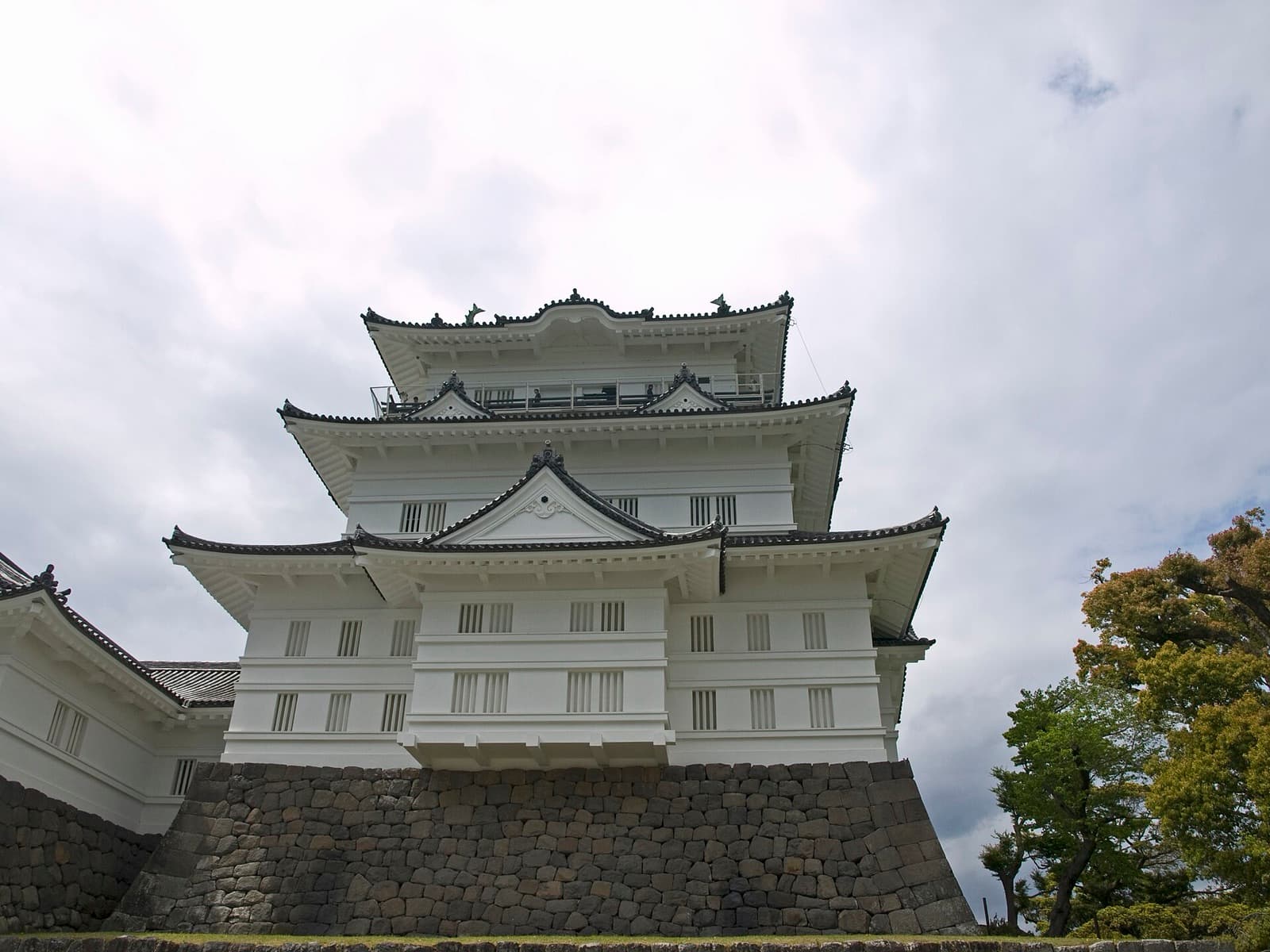
Himeji Castle is the flagship example: non-resident entry rose to ¥2,500 on March 1, while residents stay at ¥1,000 and under-18s enter free. It's worth it — a UNESCO site and one of the few original castles left, with the surcharge funding genuine preservation. Odawara Castle in Kanagawa charges non-residents ¥1,000 vs. ¥500 for residents, an easy stop on the Tokaido line out of Tokyo. Nanzoin Temple in Fukuoka charges overseas visitors ¥500 (introduced at ¥300 in May 2025, raised on 1 March 2026; under-19s free), while Niseko lift tickets and the Junglia Okinawa theme park already run two-tier rates.
The one to watch is Kyoto's proposed tiered city-bus fare: the city is considering lowering the resident base fare to ¥200 while raising the non-resident fare to ¥350–400. "Non-residents" would include Japanese citizens living outside Kyoto. If it lands, plan to walk the central temple cluster and use the subway instead.
How Pricing Is Verified
A common worry: will I get hassled at every entry sign? In practice, no. To get the resident rate, travelers show a residence card, Japanese driver's license, or My Number card. As a short-term visitor you're simply sold the non-resident ticket by default — no quiz, no fine, no awkward moment. Bring your passport for the day; you should be carrying it anyway under Japanese law, and you'll want it for tax-free shopping too.
Tours That Include the Big-Ticket Sites
View all →How to Plan a Real Itinerary Around This
- Budget an extra ¥3,000–¥5,000 across your trip. Unless you hit every flagship site, that's roughly the total impact for a two-week loop through Tokyo, Kyoto, and Osaka with a Himeji day trip.
- Don't skip Himeji over the price. A ¥2,500 entry on a trip that already cost a flight and a week of hotels is not the place to economize. The castle is the point.
- Watch the Kyoto bus situation. If tiered fares go live, walk the central temple cluster (Kiyomizu-dera → Yasaka → Gion is easy on foot), use the subway, and save buses for longer hops like Arashiyama or Kinkaku-ji.
- Book popular sites ahead. High-demand spots like Himeji recommend advance reservations during cherry blossom and autumn foliage peaks.
- Mind the other fees. From July 1, 2026, the International Tourist Tax (the "Sayonara Tax") tripled from ¥1,000 to ¥3,000 — but it's bundled into your airfare, so there's no separate airport payment.
Common Mistakes Foreign Tourists Make
✅ Do:
- • Carry your passport on day trips
- • Reserve flagship castles in peak seasons
- • Budget the surcharge as a trip total, not per day
⚠️ Don't:
- • Assume every temple charges extra (most don't)
- • Skip Himeji to "save money"
- • Confuse dual pricing with the accommodation tax
And don't believe every viral post: a handful of restaurants experimenting with small foreigner surcharges made huge news, but they're rare outliers, not policy.
Is It Fair? The Short Version
Locals largely back the policy — a nationwide survey found over 60% of residents support charging tourists more, a clear sign they feel the daily strain of overtourism. And the early numbers suggest it works: after its March 2026 change, Himeji Castle's monthly ticket revenue nearly doubled to ¥270 million despite a 17% drop in visitor volume. Fewer crowds, more money for upkeep — hard to argue with as a traveler who gets a less packed castle.
Japan isn't alone, either: Egypt's pyramids and India's Taj Mahal already run dual pricing, and the Louvre has announced higher fees for non-EU visitors.
Planning a Japan trip and want the costs clear before you go? Get in touch through Plan My Trip on our self-guided tours site, and we’ll suggest the tours that best fit your dates and plans.
FAQ: Japan Dual Pricing 2026
Does dual pricing apply to foreign residents living in Japan?
In most cases, no. Sites like Himeji Castle and Nanzoin Temple distinguish residents (including foreign residents with valid residence cards) from international tourists. If you live in Japan, you typically pay the local rate.
How much more will I pay overall on a typical trip?
For a two-week trip hitting Tokyo, Kyoto, Osaka, and one Himeji day, expect roughly ¥1,500–¥3,000 in extra admission costs total — not per day.
Will every museum and temple in Japan adopt this?
Not immediately. The Japan Tourism Agency is drafting national guidelines expected by March 2027, but adoption is up to individual municipalities and operators.
Is the ¥3,000 departure tax separate from my flight?
No. The International Tourist Tax is typically bundled into your airfare at booking. You won't pay it separately at the airport.
Do I need to show ID to buy a regular tourist ticket?
Usually not — you'll just be sold the non-resident ticket by default. Carry your passport anyway, since it's required by law for foreign visitors.
Is it worth visiting Himeji at the new price?
Yes. It's the finest original castle in the country and a UNESCO site. ¥2,500 is still less than a major museum entry in most Western capitals.
Plan Your Self-Guided Japan Trip With Confidence
Dual pricing shouldn't change whether you visit Japan — just how you budget the entry-ticket line of your spreadsheet. If you're building a self-guided route through Tokyo, Kyoto, Osaka, Hiroshima, or further out, our self-guided tours come with day-by-day plans and route notes that factor in current entry fees and transit. Use them as a starting point, then tweak the pace to your style.
Photos: Himeji Castle by BluePlanet. Odawara Castle by Ymblanter via Wikimedia Commons (CC BY-SA 4.0). Last updated: June 2026.
Self-Guided Tours Through Japan's Highlights
Day-by-day routes through the Golden Route and beyond — vetted hotels, rail guidance, and the must-see castles and temples (Himeji included) planned in for you.