
Your First Time in Japan: Why Now Is the Perfect Moment
Japan has captured the imagination of travelers around the world for generations, and there's something uniquely magical about experiencing this remarkable country for the first time in your 50s. At this stage of life, you have the resources, the wisdom, and the appreciation for cultural nuance that makes Japan truly come alive.
The country offers a chemistry of ancient tradition and cutting-edge modernity that few places on earth can match. As someone who has dedicated years to helping travelers explore Japan, I've witnessed countless moments of revelation when people first encounter the country's unique character.
The relationship between Japan and its visitors is unlike anywhere else—it demands patience, rewards curiosity, and ultimately transforms how you see the world.
🎯 Japan Travel Essentials for First-Timers
Must-know: Self-guided tours offer freedom with support. Book JR Pass before arrival. Best seasons: cherry blossoms (late March-April) or autumn (November). Cash is still king. Learn basic phrases. Allow 10-14 days for the Golden Route.
🚄
JR Pass
💴
Carry Cash
🌸
Spring/Autumn
📱
Get eSIM
Understanding Japan's Cultural Significance in the Modern World
Japan occupies a fascinating position in our global society. Its influence extends from technology and business to art, cuisine, and design. The cultural significance of this island nation reaches far beyond its geographic boundaries.
When you walk through Kyoto's temple districts or Tokyo's neon-lit streets, you're not just visiting tourist sites—you're exploring living stories of human achievement and adaptation.
The country has developed systems and forms of social organization that reflect centuries of refined thinking. From the bullet train network to the intricate tea ceremony, everything in Japan serves a purpose and tells a story. This is what makes the experience so enriching for mature travelers who have the ability to appreciate subtle details and complex histories.
Why Self-Guided Tours Are Revolutionizing Japan Travel
Traditional guided tours have their place, but self-guided tours represent the evolution of sophisticated travel. They give you the structure and support you need while preserving your freedom to explore at your own pace. This approach has transformed the industry, particularly for travelers who want depth rather than a rushed schedule packed with superficial stops.
The key difference is control. A self-guided tour provides all the logistical support—the challenging parts of travel—while leaving you free to create your own moments. You're not waiting for a group at every museum entrance or rushing through a temple because the bus is leaving. You can focus on what matters to you, whether that's spending an extra hour in a particular neighborhood or having spontaneous conversations with locals.
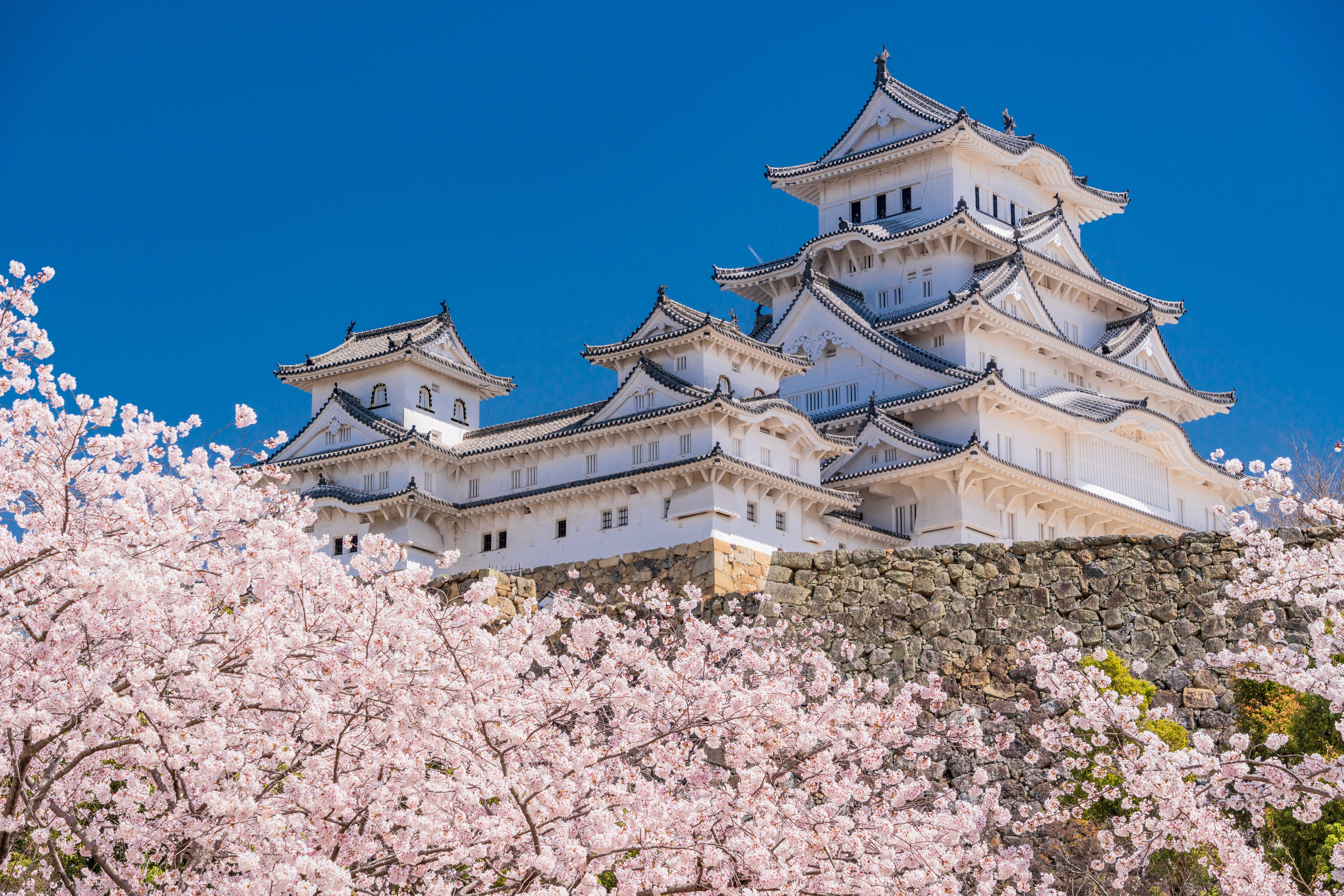
Introducing the Elegant Solution: Comprehensive Self-Guided Tours
This is where thoughtfully designed self-guided tours change everything. Rather than leaving you to navigate these challenges alone or forcing you into rigid group schedules, the right tour package handles the difficult logistics while preserving your independence.
A proper self-guided tour includes all your train tickets pre-arranged and ready to use. No membership registrations. No waiting in lines. No confusion about which train requires which type of reservation. You simply pick up your ticket envelope and board your train, knowing everything is covered and confirmed.
But the real game-changer is the luggage delivery service built into the tour. Japan has an excellent courier system called takkyubin, but using it independently requires language skills, understanding of procedures, and time. With a self-guided tour, your large suitcase is picked up from your hotel and delivered directly to your next hotel, usually arriving the same day or early the next morning. You travel with just a small day bag, moving through stations and trains with the ease of a local.
Discover how our comprehensive packages eliminate travel stress while maximizing your cultural experiences.
The Insurance You Didn't Know You Needed
Let's talk about something that many travelers overlook until it becomes critical: travel insurance specifically designed for Japan. Quality self-guided tours include comprehensive coverage that protects you in ways standard travel insurance often doesn't.
Japanese medical care is excellent, but it's expensive for foreign visitors, and navigating the healthcare system without language skills can be challenging. The insurance included with a proper tour package doesn't just cover medical emergencies—it provides support services. If you need to see a doctor, the tour operator can help you find English-speaking medical resources and handle the insurance claims process.
This safety net becomes increasingly important as we age. While we're all in good health and active in our 50s, the reality is that minor health issues can arise when traveling—a twisted ankle while exploring a hillside temple, a stomach bug from trying adventurous cuisine, or simply needing prescription refills. Having insurance and support already in place gives you peace of mind to fully enjoy your experiences without worry.
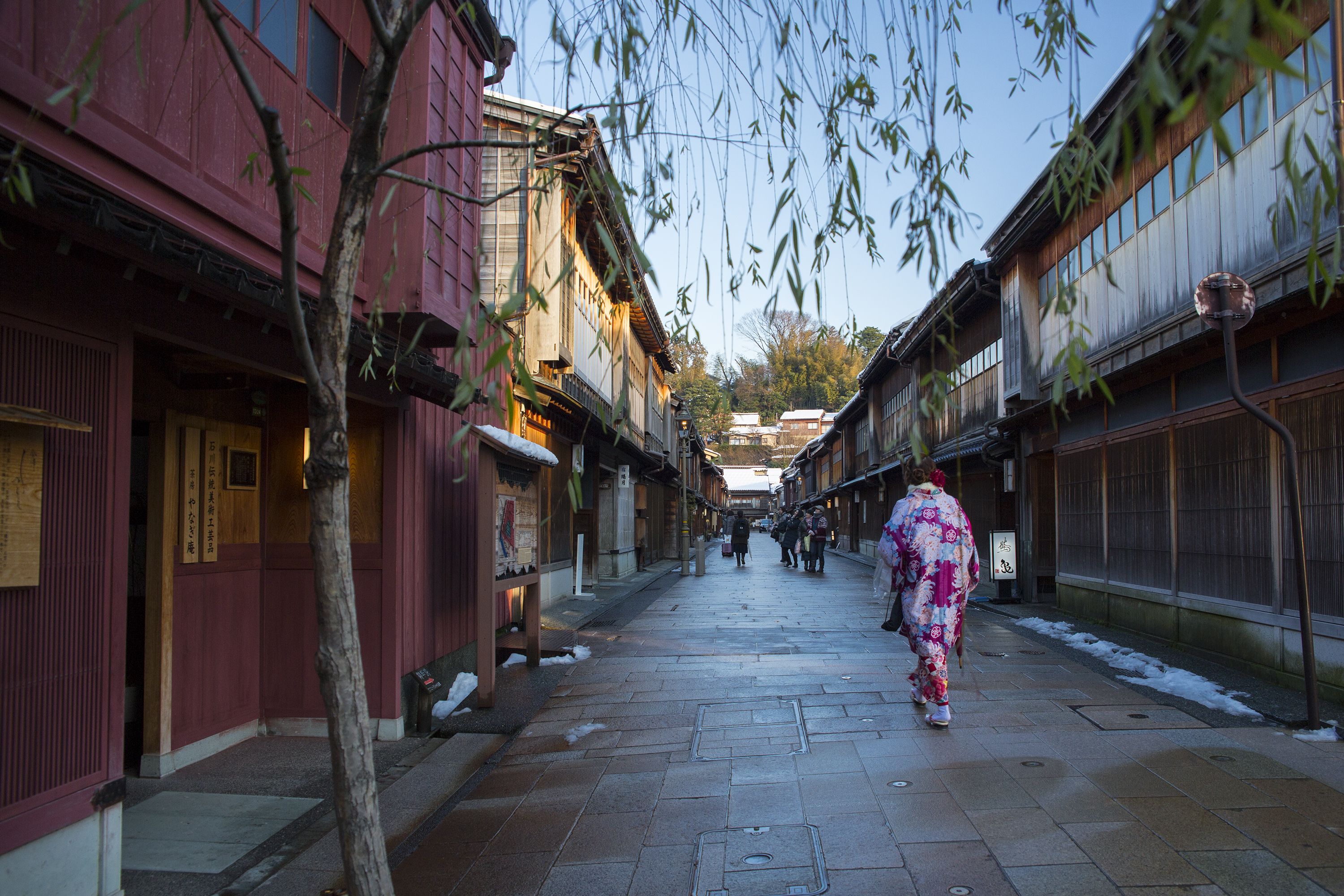
Your Hotels: Carefully Selected, Fully Prepared
One of the most time-consuming aspects of planning a Japan trip is selecting and booking hotels. Every city has hundreds of options, from business hotels to traditional ryokan inns, and making the right choice requires local knowledge and understanding of neighborhoods, transportation connections, and amenities.
With self-guided tours, your accommodations are already secured at properties chosen for their location, comfort, and ability to serve international guests. This isn't just about convenience—it's about quality curation. The hotels are selected to enhance your experience in each destination, placing you in neighborhoods where you can walk to interesting sites, restaurants, and experiences.
Planning Your First Time Experience: Where to Go
Tokyo: Where Past and Future Connect
Tokyo is often the beginning of a Japan journey, and for good reason. This megacity of nearly 14 million people serves as the perfect introduction to Japan's fascinating contrasts. In a single day, you can experience 400-year-old temples in Asakusa, cutting-edge technology in Akihabara, and serene gardens in the Imperial Palace grounds.
For travelers in their 50s, Tokyo offers a particular kind of magic. The city has depth that rewards slower exploration. Rather than rushing from one Instagram-worthy spot to another, you can focus on neighborhoods—spending a morning in the artisan workshops of Kagurazaka, an afternoon in the museums of Ueno Park, an evening in the sophisticated dining scene of Ginza.
The subway system, while initially intimidating, is remarkably clean, safe, and efficient. With your self-guided tour materials providing clear directions and your accommodations strategically located, you'll quickly develop the confidence to explore independently.
Kyoto: The Soul of Traditional Japan
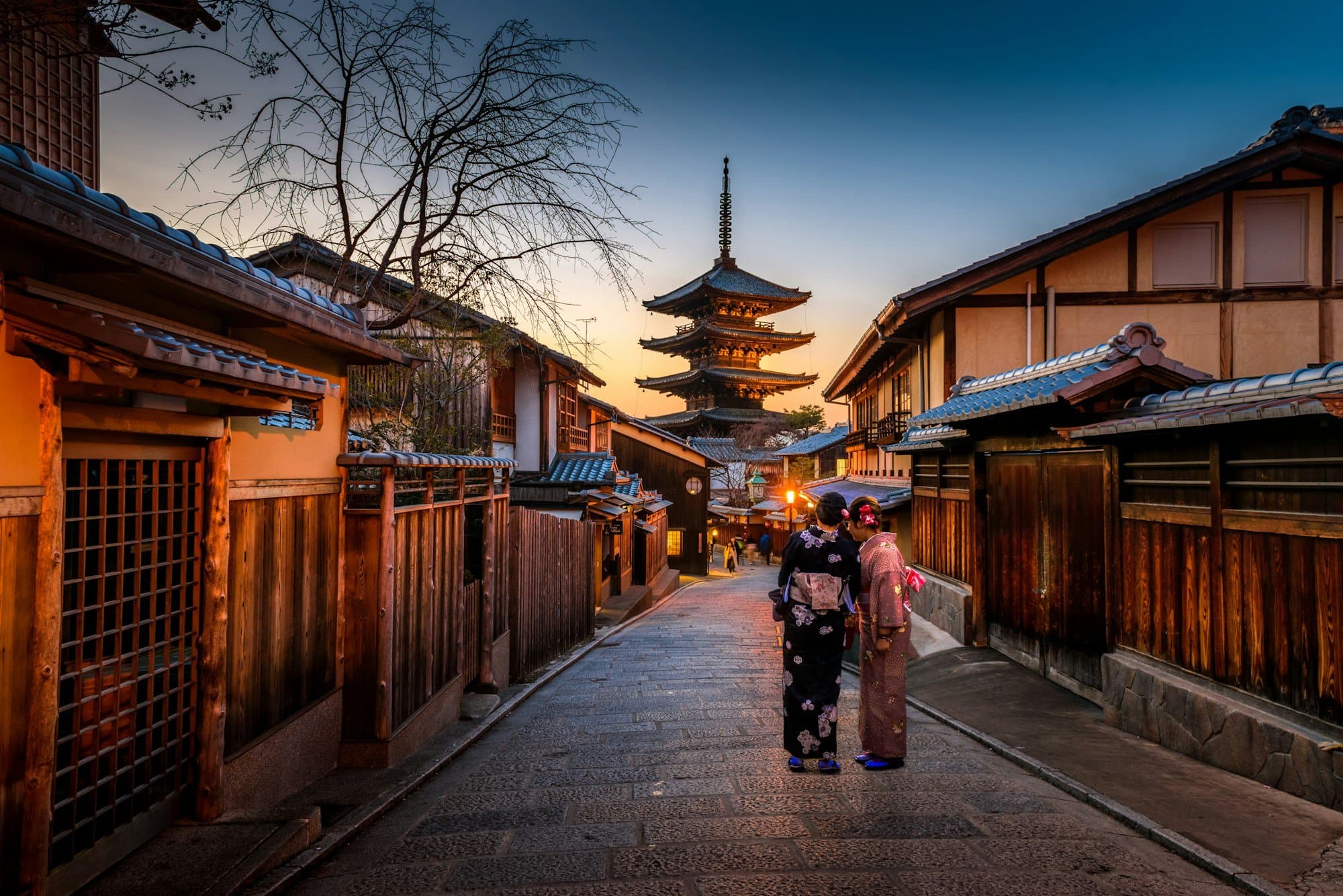
If Tokyo is Japan's future, Kyoto is its past—though that's an oversimplification. This ancient capital, which served as the country's center of power for over a thousand years, preserves traditions that have vanished elsewhere while simultaneously being a living, modern city.
Kyoto demands time. The city has over 2,000 temples and shrines, each with its own history and character. The famous sites—the golden pavilion of Kinkaku-ji, the thousands of red torii gates at Fushimi Inari, the rock garden at Ryoan-ji—are genuinely worth visiting despite the crowds. But Kyoto's real treasures often lie in quieter temples where you might be the only visitor, sitting in contemplation while gardens designed centuries ago reveal their seasonal changes.
The cultural significance of Kyoto extends beyond buildings. This is where traditional arts—tea ceremony, flower arrangement, kaiseki cuisine—have been refined to their highest forms. Taking the time to experience a proper tea ceremony or staying in a traditional ryokan inn with tatami mat rooms and futon bedding gives you insight into Japanese aesthetics and philosophy that no guidebook can convey.
Understanding the Geography and Regional Character
Japan's geography shapes its culture in profound ways. The country is an archipelago stretching over 1,500 miles from north to south, creating distinct regional identities and climates. Understanding these geographic divisions helps you plan a trip that reflects the diversity of Japanese life.
The Main Island Regions
Honshu, the largest island, contains most of what first-time visitors explore. But even within Honshu, the differences are striking. The Kansai region around Kyoto and Osaka has a distinct dialect, cuisine, and temperament compared to the Kanto region around Tokyo. Traveling between these areas—something your rail tickets make seamless—lets you experience this regional variety.
The developed megalopolis along the Pacific coast, connected by the shinkansen, includes most major cities. But even here, each city has its own personality. Osaka is known for its friendly, business-oriented culture and incredible street food. Hiroshima carries the weight of history while being remarkably forward-looking. Nagoya, often overlooked, offers a glimpse of industrial Japan and serves as a gateway to the Japan Alps.
Towns and Countryside
Some of the most memorable experiences come from smaller towns accessible as day trips or overnight stays from major cities. Takayama in the mountains preserves Edo-period streets and traditional crafts. Kanazawa offers world-class museums and gardens without Tokyo's crowds. Hakone provides mountain scenery, hot springs, and views of Mount Fuji.

These destinations are where self-guided tours truly shine. You're not restricted by group schedules, so you can spend a full day hiking mountain trails, relaxing in an onsen (hot spring bath), or exploring at your own pace. Your luggage is already at your next hotel, so you can make these excursions without the burden of your bags.
The Art of Exploration: Creating Your Own Stories
Travel in your 50s is different from travel in your 20s or 30s, and that's a good thing. You're not trying to tick off bucket list items or collect experiences for social media. You have the maturity and patience to let a place reveal itself gradually, to have unscripted conversations, to sit with your thoughts in a temple garden, to feel the texture of experience rather than just capturing images of it.
Self-guided tours support this kind of travel. With the logistics handled, you can be spontaneous. If you discover an interesting museum or gallery, you can spend hours there without worrying about rejoining your group. If you meet locals who invite you to a community festival, you can accept without disrupting your plans. If you're exhausted from jet lag or a long day of walking, you can rest without guilt.
The Business of Meaningful Travel
The travel industry has undergone tremendous changes in recent years. Mass tourism and overtourism have degraded experiences in many popular destinations worldwide. Japan has felt this pressure acutely, with certain sites becoming so crowded that they've lost their contemplative power.
However, there's a countermovement toward more mindful, sustainable travel. Self-guided tours represent this shift—they provide structure and support while encouraging deeper engagement with places. Instead of rushing fifty people through a temple in fifteen minutes, these tours allow travelers to arrive at their own time, stay as long as they wish, and actually absorb what they're experiencing.
This approach benefits local communities as well. When you have the freedom to explore neighborhoods and try local restaurants rather than being bused to tourist-oriented establishments, more of your spending supports small businesses and families. You become a thoughtful visitor rather than part of a transient crowd.
Seasonal Considerations and the Power of Timing
When you visit Japan matters enormously. Each season offers distinct advantages and reveals different aspects of the country's character.
🌸 Spring: The Season of Beginnings
Spring, particularly late March through April, is when Japan is most itself. Cherry blossom season—sakura—isn't just a tourist event; it's a cultural phenomenon that reflects Japanese attitudes toward beauty, impermanence, and the cycles of life. The weather is generally mild and pleasant, though popular destinations can be crowded.
☀️ Summer: Festivals and Mountain Retreats
Summer in Japan is hot and humid, especially in cities. But it's also festival season. Nearly every town has summer matsuri—elaborate celebrations with food stalls, traditional music, and often spectacular fireworks. Summer is also the ideal time to explore mountain regions and Japan's northern areas.
🍂 Autumn: Colors and Harvest
Many Japan experts call autumn the country's most beautiful season. The fall foliage rivals anything in New England, with maples, ginkgos, and other trees creating spectacular displays. Temperatures are comfortable, crowds are smaller than spring, and the harvest brings seasonal foods to restaurant menus.
❄️ Winter: Silence and Snow
Winter travel in Japan remains underrated. The northern regions receive some of the world's heaviest, driest snowfall, creating perfect conditions for winter sports and spectacular snowy landscapes. Winter also means fewer tourists, lower prices, and the ability to experience Japan at a more contemplative pace.
Essential Experiences: Beyond the Obvious
While famous sites certainly merit visits, some of Japan's most powerful experiences come from less obvious activities.
Food as Cultural Education
Japanese cuisine is one of the world's most sophisticated, but it's also deeply connected to season, region, and philosophy. Rather than just eating at recommended restaurants, consider experiences that teach you about the food:
Visit Tsukiji Outer Market in Tokyo early in the morning to see the incredible variety of fresh seafood, vegetables, and specialty ingredients. Take a cooking class where you'll learn to make ramen or sushi while learning about ingredient selection and technique. Eat at a kaiseki restaurant where the multi-course meal is designed as a work of art reflecting the season.
These experiences give you context that enriches every subsequent meal. You start to understand why certain fish appear on menus at certain times, why presentation matters as much as flavor, why eating is considered an art form in Japan.
Craftsmanship and Traditional Arts
Japan has preserved traditional crafts that have disappeared elsewhere. In Kyoto's Gion district, you can watch artisans creating kimono textiles using techniques unchanged for centuries. In Takayama, carpenters still build houses without nails using joinery methods perfected generations ago. In small pottery towns, potters create ceramic vessels that blur the line between craft and art.
Seeking out these craftspeople and their workshops—something your flexible schedule allows—provides insight into Japanese values of mastery, patience, and respect for materials. Many artisans welcome visitors and are happy to explain their work, creating conversations that reveal how traditional knowledge is preserved and adapted in modern society.
Nature and Spirituality
Japanese spirituality weaves together Shinto animism and Buddhist philosophy in ways that shape how people relate to nature. Visiting sacred sites isn't just about architecture or history—it's about experiencing how Japanese culture sees the natural world as inherently spiritual.
Walk the pilgrimage trails on Mount Koya, where Buddhist monks have practiced for twelve centuries. Visit forest shrines where massive trees are revered as homes of kami (spirits). Experience a temple stay where you participate in morning prayers and vegetarian meals prepared by monks. These experiences provide perspective on Japan's spiritual traditions that contrasts sharply with Western religious practice.
Practical Details That Matter
Money and Payments
Japan remains largely a cash society despite its technological advancement. While credit cards are increasingly accepted in cities, many restaurants, shops, and transportation systems require cash. ATMs at 7-Eleven convenience stores accept foreign cards and are ubiquitous, making it easy to access cash as needed.
Your self-guided tour includes information on payment norms for different situations. Some experiences, like staying at traditional ryokan or visiting certain temples, have specific payment expectations that are helpful to know in advance.
Technology and Connectivity
Internet access in Japan is excellent, and having connectivity makes independent travel much smoother. Many self-guided tour packages include portable WiFi devices that provide unlimited data throughout your trip. This lets you access maps, translation apps, and restaurant recommendations without worrying about international roaming charges.
Transportation Within Cities
While your inter-city transportation is handled through the tour package, you'll use local subway, bus, and train systems within destinations. Japanese cities have invested heavily in clear English signage and have developed prepaid IC cards (like Suica or Pasmo) that work across most public transportation systems. These cards function like stored-value cards—you tap them on readers when entering and exiting stations, and the correct fare is automatically deducted.
Health and Safety Considerations
Japan is one of the world's safest countries, with crime rates far below most developed nations. You can walk city streets at midnight, leave belongings at your table in a cafe, and trust that lost items will be turned in to police. This safety creates a relaxing atmosphere that's particularly appreciated by travelers who may feel vulnerable in unfamiliar places.
The healthcare system is modern and excellent, though navigating it without language skills or insurance can be difficult. This is another area where having comprehensive travel insurance through your tour package provides crucial peace of mind. If you need medical attention, you have a support system to help you access appropriate care and handle the administrative requirements.
Your Questions Answered: Common Concerns
"Will I Feel Out of Place as an Older Traveler?"
Absolutely not. Japanese culture respects age and experience. You'll often receive better service and more attention as a mature traveler. The country's infrastructure—well-maintained, accessible, safe—is ideal for travelers who appreciate comfort and order.
"What If I Have Dietary Restrictions?"
This can be challenging but manageable. Japanese cuisine uses fish stock (dashi) in many dishes, making strict vegetarian dining difficult. However, Buddhist temple cuisine (shojin ryori) is entirely vegetarian, and cities have options for various dietary needs. Your tour materials can include guidance on communicating restrictions, and many tour operators can help arrange appropriate dining options.
"How Much Walking Is Involved?"
Japanese cities are walkable, and part of experiencing them is exploring on foot. However, excellent public transportation means you can cover longer distances easily. Sites are generally well-maintained with handrails and rest spots. You control your pace, and having your luggage sent ahead means you're not burdened with heavy bags.
Investment in Experience: Understanding Value
Quality self-guided tours represent a significant investment, and it's worth understanding what you're paying for. You're not just buying services—you're buying peace of mind, curated experiences, and the freedom to travel with confidence.
Consider what the package includes:
- All inter-city transportation with reserved seats on your chosen trains
- Accommodations carefully selected for location and comfort
- Luggage delivery between hotels so you travel light
- Comprehensive insurance covering medical issues, trip interruptions, and emergencies
- 24/7 support from tour operators who can help with any situation that arises
- Curated experience recommendations based on your interests
When you account for the time saved, stress avoided, and experiences enhanced, the value becomes clear. You're investing in a trip you'll remember for the rest of your life, executed with a level of ease that lets you focus on experience rather than logistics.
Explore our carefully crafted packages designed specifically for discerning travelers seeking authentic Japanese experiences.
Taking the Next Step: From Planning to Reality
You've done the research. You've read the guidebooks and websites. You've watched travel programs on television featuring Japan's temples, gardens, and cuisine. Now it's time to transform those ideas and images into lived experience.
The beauty of well-designed self-guided tours is that they make this transition seamless. Instead of spending months researching train schedules, reading hotel reviews, and worrying about logistics, you can focus on the exciting parts—what you'll see, eat, and experience.
Your tour operator has the knowledge and resources to structure a trip that flows naturally. They've selected hotels in optimal locations. They've timed transfers to maximize your time at each destination. They've built in flexibility so you can adapt the schedule to your interests. Most importantly, they've removed the friction points that can derail independent travel.
The Broader Perspective: Why This Matters
Travel at its best changes how we see the world and ourselves. Japan, with its distinct culture and ways of organizing society, offers particularly powerful opportunities for this kind of growth. You return home with expanded perspective on what's possible—different ways of thinking about community, respect, aesthetics, and the relationship between tradition and innovation.
These insights ripple through your life in unexpected ways. You might rethink how you structure your own schedule, appreciating Japan's balance between discipline and enjoyment. You might develop greater patience and mindfulness, influenced by Japanese approaches to attention and craft. You might simply feel more confident about engaging with unfamiliar places and people.
This is why travel to Japan in your 50s can be so transformative. You have the life experience to recognize and appreciate these lessons. You're at a stage where personal growth remains important, but you're not trying to prove anything. You can simply be present, observe, reflect, and absorb.
Final Thoughts: Your Japanese Journey Awaits
Japan will challenge you, delight you, and probably surprise you. It's a country that rewards patience, preparation, and presence. With the right support system—well-designed self-guided tours that handle logistics while preserving your freedom—you can experience Japan at its fullest without the stress that often accompanies ambitious travel.
The time is right. You have the resources, the time, and the curiosity. Japan is more accessible than ever, with infrastructure that welcomes international visitors while maintaining its distinct character. Self-guided tours have evolved to provide the perfect balance of structure and independence for sophisticated travelers.
Your Japanese adventure isn't about checking items off a list. It's about immersing yourself in a culture that does many things differently, understanding why those differences matter, and returning home with memories and insights that enrich your life. It's about the quiet moment in a temple garden, the unexpected conversation with a shopkeeper, the perfect meal in a restaurant you discovered while wandering, the confidence that comes from navigating an unfamiliar place successfully.
The mechanics are simple: choose your dates, select your destinations, and let the tour system handle the rest. Your train tickets will be ready. Your hotels will be confirmed. Your luggage will move effortlessly between cities. Your insurance will protect you. All you need to do is show up and experience.
Japan is waiting. Not the idealized version from photos and television, but the real country—complex, fascinating, welcoming, and transformative. The question isn't whether you should go, but when you'll take that first step.
We've prepared comprehensive self-guided tour packages specifically for travelers like you—people who appreciate both quality and independence, who want authentic experiences without logistical headaches. Visit our website to explore options, see detailed itineraries, and start planning your Japanese journey. We're here to answer questions, customize plans, and support you every step of the way.
Your story in Japan begins now.
Related Articles
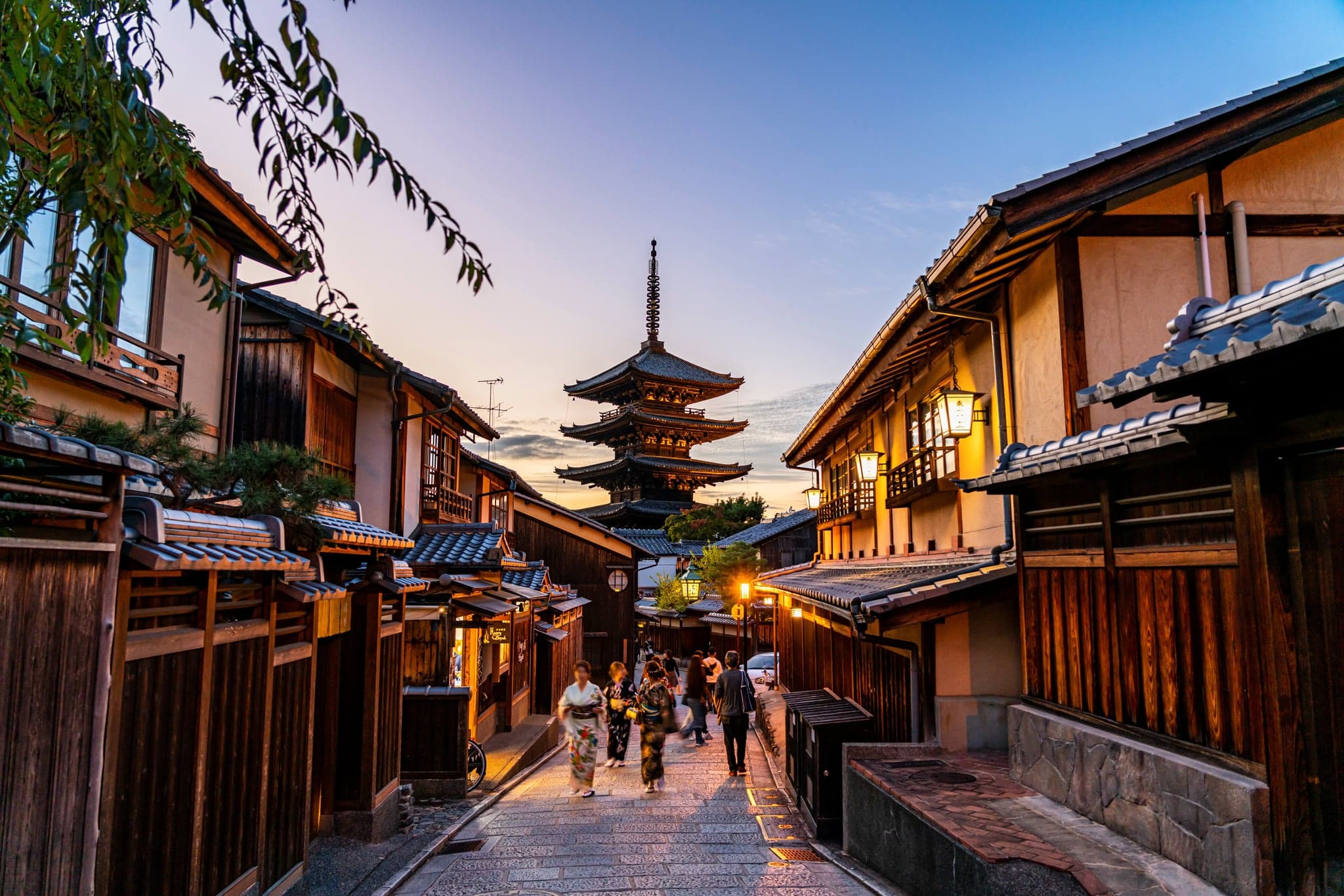
Japan Travel Packages: Real Prices for 113 Self-Guided Trips, and What's Actually Included
20 min read
What Is a Ryokan? Your First Night in a Traditional Japanese Inn
5 min read
10 Days in Japan: The Perfect 2026 Itinerary — Tokyo, Kyoto, Osaka + Day Trips (Costs Included)
30 min read
Ready to Experience Japan Your Way?
Visit our website to discover self-guided tour packages designed for discerning travelers who want authenticity, comfort, and freedom. With all logistics handled and comprehensive support provided, you can focus on what matters—creating memories that will last a lifetime.
Have questions about planning your first trip to Japan? We're here to help you create the perfect itinerary for your authentic Japanese experience.